

Review · OLIVE OIL AND WINE TASTINGS
Zadar Olive Oil & Wine with Dalmatian Views & History
The best part of this Zadar day trip is the olive oil tasting, which turns a familiar table staple into something worth paying attention to. You taste five award-winning oils, learn how aroma and balance work, then see the grove and mill where they are made. I also like the sharp change of pace: a tank memorial and wartime history in the morning, then wine, food, and olive trees.
I like the small group of no more than eight people, and I like guide Neil’s relaxed storytelling. He leaves room for questions and helps the group settle into an easy social rhythm. The main consideration is timing: the experience is advertised as 10 hours in one place, but the detailed schedule describes about 5.5 to 6 hours, from 11:30 to roughly 17:30.
Key points to know before booking

- Five oils, not just a quick sample: You receive guidance on aroma, balance, food pairing, and health qualities.
- A family-owned mill visit: Uljara Lepur combines an olive grove walk, production visit, tastings, and a meal setting.
- A useful history stop: The tank memorial linked to Operation Leap gives context to Dalmatia’s recent past.
- Three Croatian wines: The tasting includes local sparkling wine, one red, and two whites made from native grape varieties.
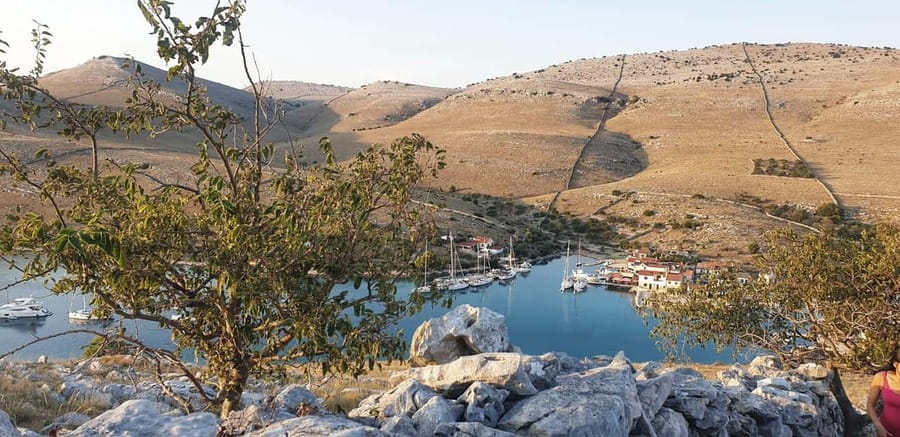
- Kamenjak is the visual finale: From above Lake Vrana, you can look across vineyards and olive groves toward the Kornati Islands.
- Check the lunch cost: Tastings and light bites are included, but the full cold buffet lunch costs an extra €20.
Leaving Zadar for the Dalmatian hinterland
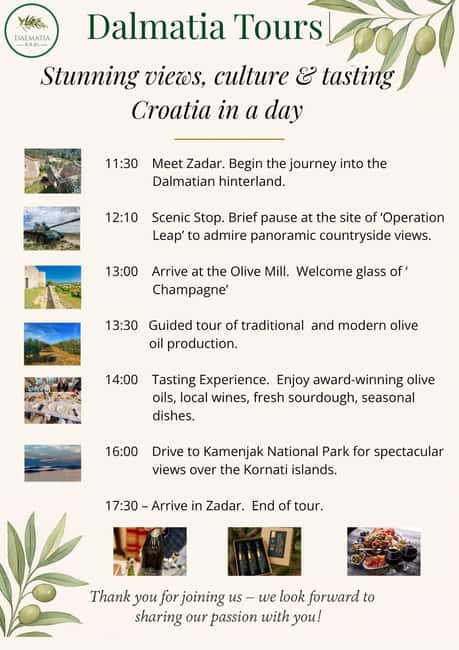
You meet at the parking area beside Zadar’s main bus station, close to McDonald’s. Look for the minibus with the olive oil advertising board at the side. The pickup is scheduled for 11:30, and the operator asks you to be ready to leave promptly.
The air-conditioned minibus carries a maximum of eight people. That matters here. This is not a large coach outing where the guide has to shout over a dozen conversations. Neil can tell a story, pause for questions, and keep the day moving without making it feel rushed.
The first drive takes you away from Zadar and into the quieter country behind the coast. The route itself is part of the experience, with views of the Dalmatian countryside and short stops that break up the ride. You should expect a day built around several brief visits rather than one long museum or a formal sightseeing program.
The tour is conducted in English. You may be contacted by phone or WhatsApp to confirm the time or report a change, so keep an eye on messages before setting out.
More Olive Oil and Wine Tastings in Croatia
- Split: Krka Waterfalls With Boat Cruise, Wine and Olive Oil
★ 4.3 · 1,507 reviews - Wine, food and olive oil by PhD student
★ 5.0 · 111 reviews - Hvar: Island tour with Wine and Olive Oil Tasting
★ 4.9 · 77 reviews
The tank memorial and Benkovac’s difficult past
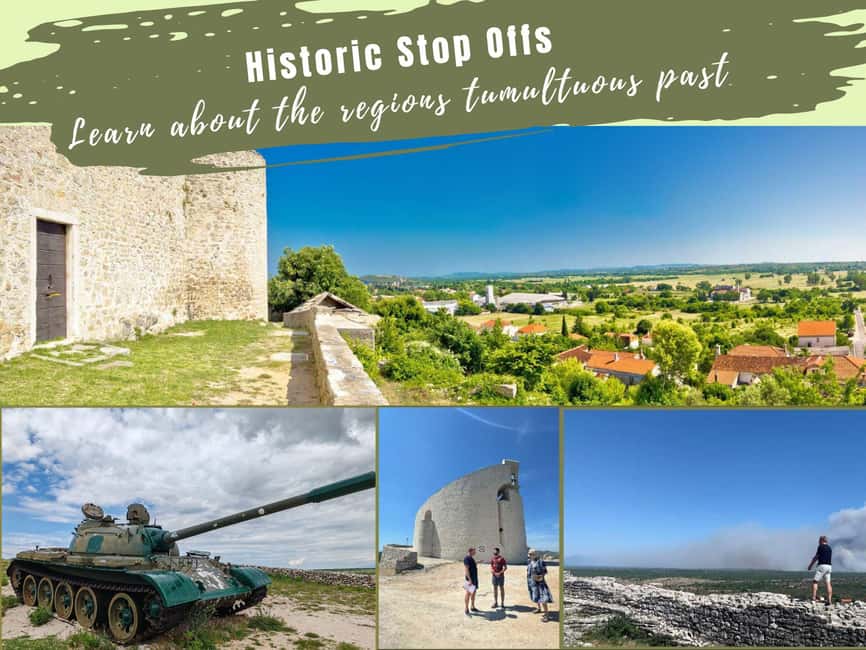
One early stop is a photo point connected with the tank memorial from Operation Leap. It is a striking place to begin because it brings modern Croatian history into view before the day turns toward food and wine.
The memorial also helps explain the importance of this inland corridor. Dalmatia is not only a coastal strip of beaches and old stone towns. The area between the coast and the interior has long been a strategic frontier, shaped by changing empires, conflict, and competing powers.
Neil is at his best here, using the stop to connect the visible countryside with the events that shaped it. The history presentation is intended to give you context rather than turn the morning into a lecture. You can ask questions, take photographs, and get a clearer sense of how Zadar relates to its hinterland.
The itinerary then includes Benkovac, with about 30 minutes for a guided or self-guided visit. This is a short stop, so set your expectations accordingly. You are getting an introduction to the town and region, not a detailed archaeological tour.
That brevity is useful for anyone who wants variety. If you prefer to spend an entire morning exploring one historic site, this may feel too quick. If you want a compact look at local history before lunch, the pace works well.
Learning to taste five Croatian olive oils

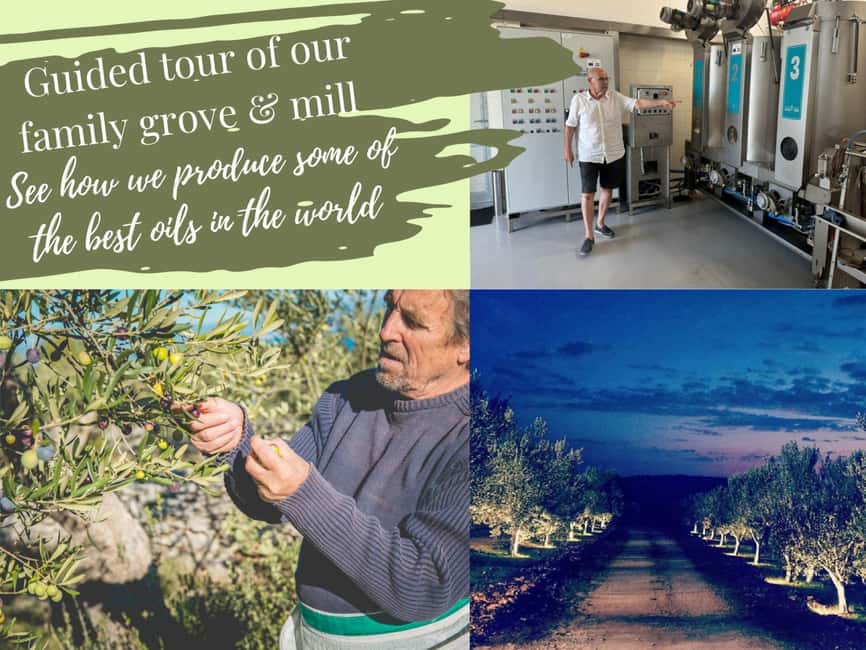
The heart of the outing is Uljara Lepur, a family-owned olive grove and mill. You are welcomed with a glass of local sparkling wine, presented as Dalmatia’s answer to champagne. It gives the visit a festive start without making the setting feel formal.
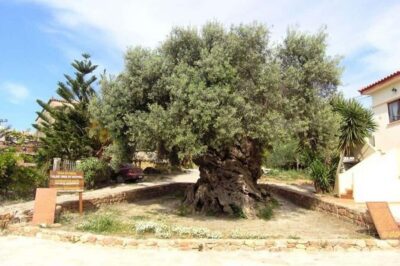
You then walk among the olive trees and hear how the local soil, weather, and farming traditions affect the oil. The point is not simply to see an attractive grove. You learn how the oil begins, how it is produced, and why some bottles earn awards while others do not.
The guided tasting is the part I would most value. Five extra virgin olive oils are served, including award-winning examples. You are shown how to notice scent, bitterness, balance, and finish. You also learn about the oils’ health qualities and how they work with food.
This is practical information you can use later in Croatia and at home. After a proper tasting, it becomes easier to spot the difference between a lively oil with character and a bland bottle used only for cooking. The tasting also gives you a better basis for deciding if you want to buy a bottle to take away.
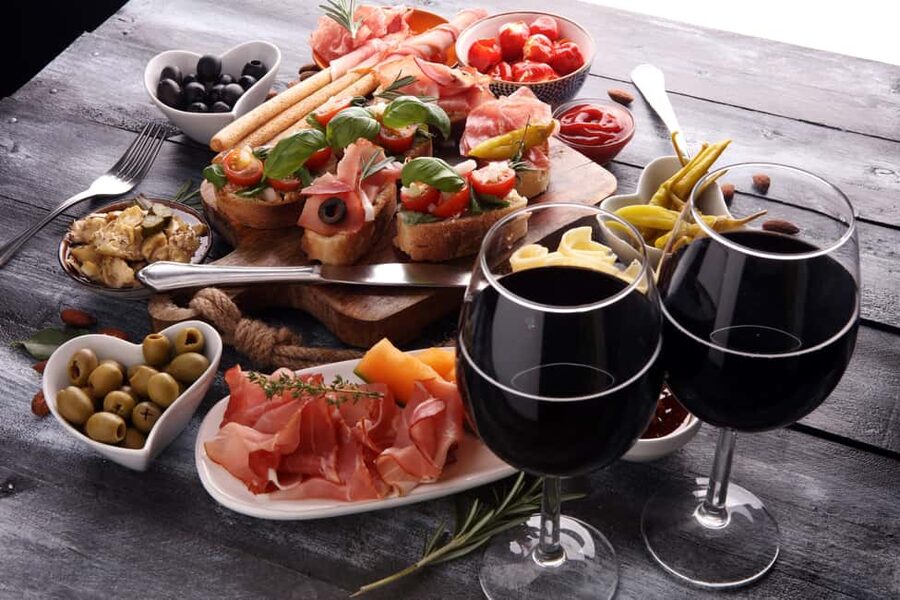
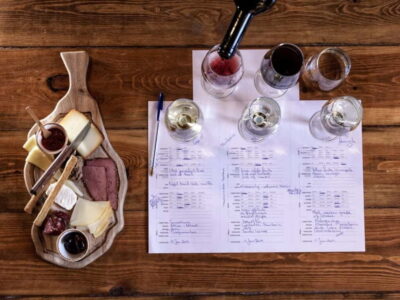
The experience includes light Dalmatian bites to pair with the oils and wine. That pairing is important. Olive oil can taste very different on its own than it does with bread, cheese, seafood, meat, fruit, or vegetables. The food gives you a sense of how local households might use it at the table.
You should be prepared for an educational tasting rather than a simple succession of sips. If you already know a great deal about olive oil, the introductory explanations may cover familiar ground. For most people, though, the structure makes the tasting more rewarding.
Croatian wine, local bites, and an optional lunch
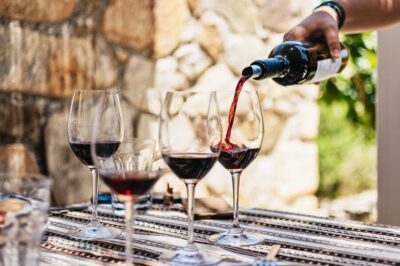
After the oil tasting comes a regional wine tasting. The listed selection includes the welcome sparkling wine, one red, and two white wines made from native Croatian grape varieties. This gives you a useful spread of styles without turning the afternoon into a drinking marathon.
The wine is presented alongside the story of local soil, farming, and tradition. That connection helps you understand why Croatian wine is worth seeking out beyond the best-known coastal destinations. You are not just sampling anonymous house wine. You are tasting wines tied to the country’s own grape varieties.
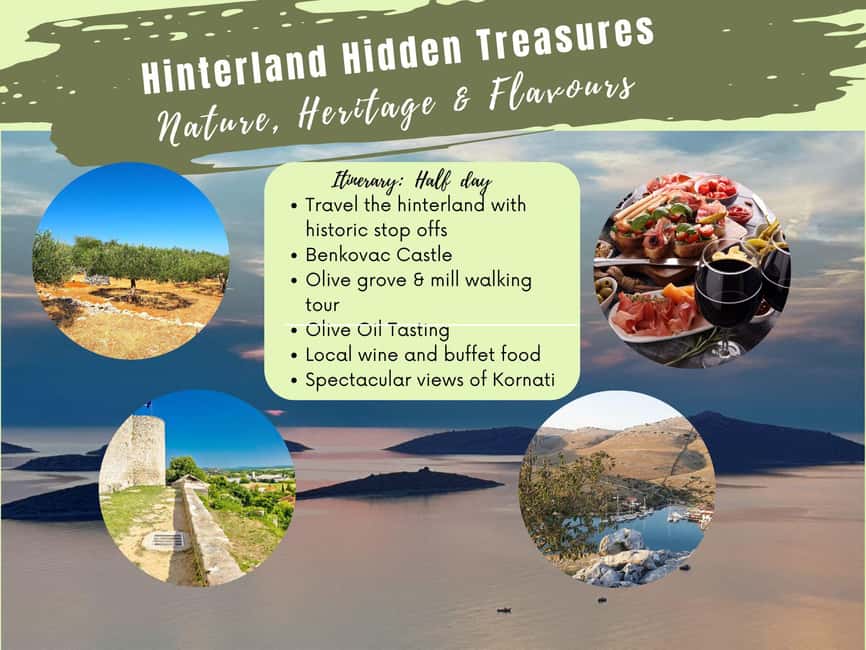
The included food consists of tasty local bites served with the tastings. A fuller traditional Dalmatian lunch is available for an additional €20. It is a cold buffet with changing dishes that may include meats, seafood, cheeses, fruit, and vegetables, served with Croatian wine selected to suit the food and personal preferences.
The changing menu is worth noting. You are not promised one fixed dish, so the meal reflects what is being served that day. That can be a strength if you enjoy regional food presented in a relaxed way, but it also means you should not book expecting a specific specialty.
At $64 per person, the tour offers a fair amount before the extra lunch charge: transport from Zadar, a small group, history commentary, the grove and mill visit, five oil tastings, three wines, sparkling wine, and light snacks. Adding €20 for the buffet brings the food cost into the calculation, but you are still paying for a full half-day-style experience with transport and a specialist tasting.
I would include the lunch if you want the day to feel complete and social. If you prefer a lighter afternoon or have a later meal planned, the included bites may be enough. Ask about the lunch when booking so you know exactly what you are paying for.
Same groves, a different afternoon:
- Split: Klis Fortress GOT and Olive Museum Entry Tickets
★ 4.6 · 283 reviews - Split: Blue Line Sightseeing to Trogir, Klis & Olive Museum
★ 4.3 · 197 reviews - Visit Klis fortress GOT & Olive museum Klis
★ 4.5 · 77 reviews - Split: Olive museum Klis with Olive Oil Tasting
★ 4.9 · 51 reviews
Finishing above Lake Vrana at Kamenjak
The last major stop is Kamenjak Nature Park, a hilltop viewpoint above Lake Vrana. The stop is short, around 20 minutes, but it delivers the broadest views of the day.
From here, you can see across vineyards and olive groves toward the Kornati Islands. The viewpoint brings together the main themes of the trip: agriculture, water, islands, and the inland side of Dalmatia. It is a good place for photographs and a quiet pause after the tasting.
The schedule describes this as a possible sunset stop, although the exact light will depend on the date and the day’s timing. Do not assume you will get a long sunset session. Treat it as a scenic finale with time to walk, look around, and take photos.
The stop also shows why this trip is useful for anyone based only in Zadar. The city gives you Roman remains, medieval streets, and a lively waterfront, but the countryside tells another part of the story. Kamenjak lets you see the region as a connected area rather than a collection of separate coastal attractions.
The drive back to Zadar takes about 50 minutes. With the stated 11:30 departure and return around 17:30, this is best understood as a compact countryside day rather than a literal 10-hour excursion. Confirm the current schedule before booking, since the published duration and detailed timetable do not match.
What makes the small group worthwhile
The group limit of eight is one of the strongest practical features. You spend a fair amount of time in a vehicle and at a tasting table, where a smaller group makes conversation easier. It also gives you more opportunity to ask about oil, wine, food, and the region’s past.
Neil is named as the guide and is described as a natural storyteller. The useful distinction is that he does not simply recite facts. He leaves room for questions and presents the history in a way that makes the drive more engaging.
At the mill, you also meet the family owner, who explains the oil production and shares the family’s connection to the grove. That personal contact is important. It moves the visit beyond a commercial tasting counter and gives you a direct link to the people making the product.
The social side is another quiet strength. The day includes shared food and wine, and the small vehicle encourages conversation. If you enjoy meeting people during a trip, this format should suit you. If you want to keep to yourself, the group setting may feel more involved than a private driver or self-guided outing.
Practical details that affect your decision
The meeting point is central and easy to identify, but you need to arrive at the bus station parking area near McDonald’s. The vehicle carries no more than eight participants and is air-conditioned, a meaningful comfort during warm Croatian weather.
The tour is not designed for children under 12 or people over 95. English is the operating language. Walking is part of the experience at the grove, Benkovac, and Kamenjak, although the supplied information does not give a total walking distance or a detailed accessibility assessment.
The operator offers free cancellation up to 24 hours before departure and allows you to reserve now and pay later. Those terms are useful if your Zadar plans depend on weather or changing ferry connections.
The activity is listed as 10 hours in the summary, but the more specific schedule runs from 11:30 to 17:30 and the additional information says 5.5 to 6 hours. This is the one detail I would clarify before committing, especially if you have an evening reservation. The route includes a 20-minute drive, short historical stops, the 1.5-hour mill visit, lunch, Kamenjak, and the return ride.
Who should book this Zadar outing?
I would recommend it to you if you want to get beyond Zadar’s old town without arranging a car. It suits anyone interested in food, local production, recent history, and scenic viewpoints, especially if you prefer a small group over a large bus.
It is also a strong choice if olive oil is more than an afterthought for you. The five-oil tasting and instruction are the day’s most distinctive feature, and the chance to buy oil or wine afterward gives you a practical souvenir option.
You may want to skip it if your main goal is a long beach day, extensive archaeological sightseeing, or a full 10-hour schedule. The history stops are short, and Kamenjak is a brief viewpoint visit rather than a long nature walk. You should also budget for the optional €20 lunch if you want the full meal.
Should you book it?
Book this trip if you want a friendly, food-focused look at inland Dalmatia, with enough history to give the countryside meaning. The combination of Neil’s storytelling, the family olive mill, five serious oil tastings, Croatian wine, and the view from Kamenjak gives the day a clear identity.
Before you pay, confirm the actual departure and return time and decide if you want the optional lunch. If those details fit your plans, $64 is good value for a small-group outing that shows you a side of Dalmatia many Zadar visitors miss.
FAQ
Where does the tour meet in Zadar?
The meeting point is the parking area of Zadar’s main central bus station, close to McDonald’s. The minibus has an olive oil advertising board on its side.
How long does the experience last?
The detailed schedule runs from 11:30 to about 17:30, or roughly 5.5 to 6 hours. The activity summary also lists a 10-hour duration, so confirm the current timing before booking.
How many people are in the group?
The air-conditioned minibus has a maximum of eight participants, making this a small-group experience.
What olive oil and wine tastings are included?
You receive tuition and tasting for five extra virgin olive oils, along with a welcome glass of local sparkling wine, one red Croatian wine, and two Croatian white wines.
Is lunch included in the price?
Light bites for the oil and wine tasting are included. A full cold buffet lunch costs an additional €20 and may include meats, seafood, cheeses, fruit, and vegetable dishes with Croatian wine.
Can I cancel or pay later?
You can cancel up to 24 hours before departure for a full refund. The reserve-now, pay-later option lets you book without paying immediately.
More History and Heritage Tours around Croatia
- Olive Oil Guided Tasting and History in Pula
★ 4.5 · 34 reviews - Šibenik: Croatia in a Day, Vistas, History, Olive Oil, Wine
★ 5.0 · 30 reviews - Heraklion: Zeus Cave & Knossos History, Villages & Olive Oil
★ 4.9 · 89 reviews - Richtis Waterfall, History, Azoria, OliveTasting, NorthCoast
★ 5.0 · 83 reviews
Newest grove reviews around Croatia
- E Bike Tour with wine and olive oil tasting in Vodnjan★ 5.0 · 4 reviews
- Private Split & Klis Fortress Tour, Olive Museum & Port Pickup★ 4.5 · 13 reviews
- Istrian hill top cities tour with truffle and olive oil tasting★ 5.0 · 18 reviews
- Šibenik or Zadar: Krka falls, olive mill, oil & wine tasting★ 4.8 · 17 reviews
- Cres: Olive Oil Walking Tour with Tastings★ 4.9 · 24 reviews
- Šibenik: Croatia in a Day, Vistas, History, Olive Oil, Wine★ 5.0 · 30 reviews
- Hvar: Island tour with Wine and Olive Oil Tasting★ 5.0 · 36 reviews
- Olive Oil Guided Tasting and History in Pula★ 4.5 · 34 reviews
Olive Oil and Wine Tastings, compared.
Sorrento Farm and Food Experience including Olive Oil, Limoncello, Wine tasting
Read our review →
Krka Waterfalls With Boat Cruise, Wine and Olive Oil
Read our review →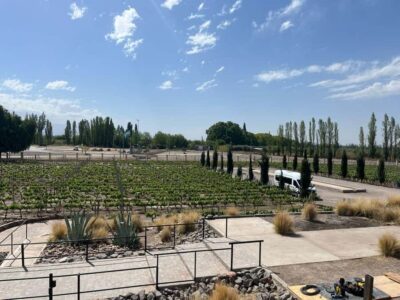
Lemon, Olive Oil and Wine Tasting Tour with Lunch
Read our review →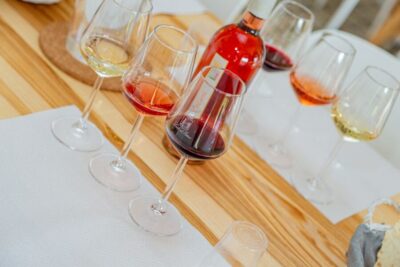
Browse the lists this tour appears in