
Review · OLIVE OIL TASTINGS WITH LUNCH
Olive Oil Tour of Solta Island with Lunch
The best part of this Šolta outing is its family-run olive oil experience. Frane leads you through old groves and the working mill, while his son Marko prepares a generous lunch with the very oils you have just learned to taste. You get a real look at island farming, not just a quick sample in a shop.
I like the easy mix of food and place: you visit Gornje Selo, stop in Maslinica, and have time for a swim or coffee. I also like the friendly, informal style, including Frane stopping to collect wild herbs and explain how they fit into island life. The main drawback is price: at $260.36 per person, plus ferry tickets of about €4 to €5 each way, this is a costly half-day if you are not interested in olive oil or if you visit outside swimming season.
Key points to know before you book
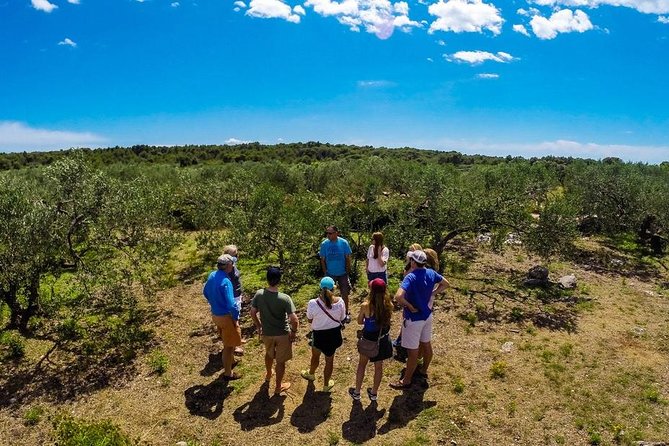
- Frane and Marko host the day: Frane explains the groves, island traditions, and mill, while Marko prepares the lunch.
- The oil tasting is practical: You learn how to recognize real extra virgin olive oil and compare natural garlic, lemon, orange, rosemary, and thyme flavors.
- The ferry is extra: You arrange and pay for transport between Split and Šolta separately, then meet the host at Rogač.
- Lunch is part of the experience: Expect local food, wine, and oil pairings rather than a simple snack.
- Free time changes the feel of the tour: In warm weather, you can swim and sunbathe. In late autumn or winter, the island portion may feel quieter and shorter.
- It is private: Only your group joins the tour, with a minimum booking of two people.
Why Šolta works so well for an olive oil day
Šolta is close enough to Split for a manageable island outing, but the pace changes as soon as you leave the city. The focus here is not on checking off a long list of sights. It is on olive trees, village life, food, and time near the water.
That slower rhythm suits the subject. Olive oil is tied to nearly every part of traditional Dalmatian life: planting and tending trees, harvesting, pressing, cooking, and sharing food. A visit to the groves gives you a better sense of why oil matters than a tasting counter in town ever could.
The tour lasts about five hours once you meet at Rogač. It is a private activity with an air-conditioned vehicle and a host, so you avoid the rigid feel of a large coach group. The vehicle also matters on Šolta, since the route connects several parts of the island rather than keeping you beside the ferry port.
You should note one practical detail at the start. The published meeting point is ROGAČ OKRETIŠTE, 21430 Rogač, not a departure point in central Split. Ferry tickets are not included, so you need to get to Šolta on your own and meet the host at the port. The tour provider confirms the booking at once, and you should provide dietary requirements when booking.
More Olive Oil Tastings with Lunch in Croatia:
- Sorrento: Lemon, Olive Oil and Wine Tasting Tour with Lunch
★ 5.0 · 300 reviews - Wine & Olive Oil Tour with Lunch at Milia Mountain Retreat
★ 5.0 · 194 reviews - Florence: Great Chianti Wine and Olive Oil Trail with Lunch
★ 4.8 · 160 reviews
Rogač to the old olive groves
At Rogač, the host meets you and takes you by van toward the eastern part of the island. This short transfer is useful because the day quickly moves beyond the ferry port and into the agricultural side of Šolta.
The first stop lasts about an hour and centers on centuries-old olive groves. Frane explains the olive varieties, how the trees are cultivated, and why olive growing has remained important to island families. You can expect the emphasis to be on practical knowledge: the tree itself, the work behind the crop, and the connection between farming and daily life.
One especially pleasant detail is Frane’s habit of stopping for wild herbs along the way. He has used these pauses to explain the plants and their place in local cooking. It gives the drive a more personal feel and reminds you that island food is not limited to the products arranged on a tasting plate.
This is not a strenuous walk, but you are visiting a working agricultural setting. Wear shoes suited to uneven ground and bring sun protection in warmer months. The description does not promise a long hike, and the value comes from what Frane explains rather than from covering a great distance.
Gornje Selo and the island’s old rhythm
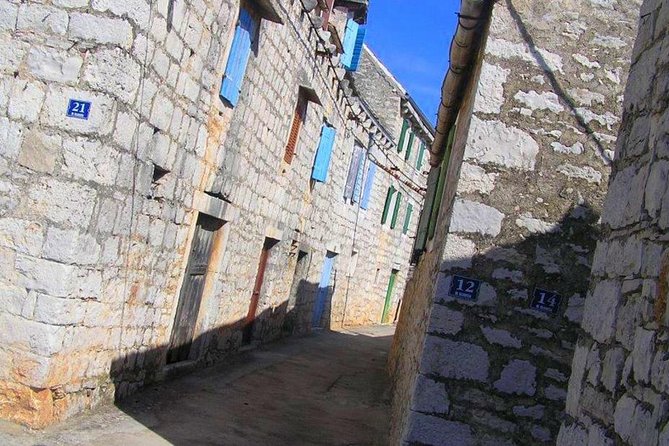
The next stop is Gornje Selo, a village visit of about 45 minutes. A local guide talks about Šolta’s history and traditions, giving the olive farming a wider setting.
Gornje Selo is useful because it keeps the day from becoming only a food tour. You see where island customs took shape and get a feel for the relaxed pace of village life. The visit is short, so do not expect a full museum program or a long list of formal attractions. Instead, treat it as a compact walk and conversation with context.
I find this part important for understanding the food later. Olive oil tastes different when you know it comes from a small island community where farming, family meals, and local customs remain closely connected. The village stop also breaks up the time in the vehicle and gives you a chance to see more than one corner of Šolta.
Inside Olynthia Olive Oil
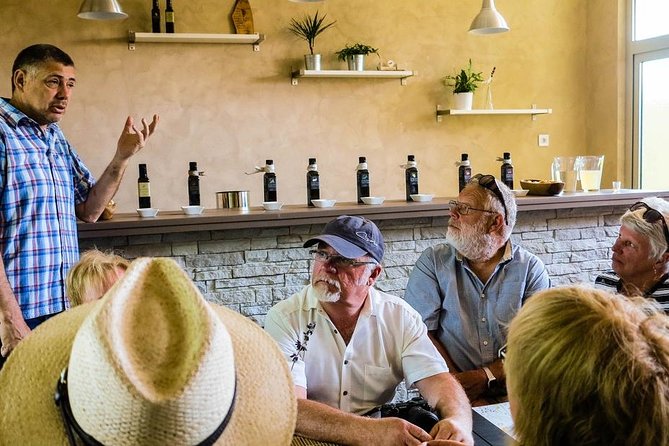
The heart of the day is Olynthia Olive Oil, where you see the mill and learn how olives are pressed. Frane explains the production process from cultivation and harvesting through processing, then shows what helps produce award-winning oil.
The tasting lesson is more useful than a simple sip and nod. You learn how to recognize genuine extra virgin olive oil and what affects quality. This can change the way you shop afterward, since you begin paying attention to aroma, flavor, and balance rather than relying only on a label or an attractive bottle.
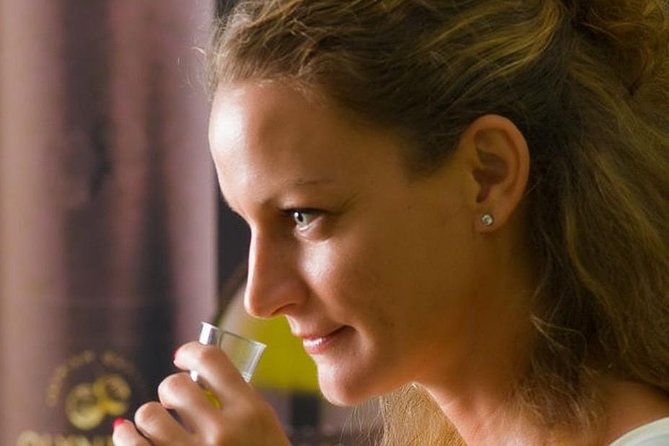
The flavored oils make the tasting lively. You sample oils with garlic, lemon, orange, rosemary, and thyme. These are naturally flavored oils, and the point is to compare how they work with different foods. Garlic may suit a savory dish, while citrus flavors can make a lighter pairing. The tasting gives you ideas you can use at home, especially if you plan to bring a bottle back.
The mill visit also puts the product in context. You see equipment used in processing rather than hearing a general explanation in a shop. For anyone curious about food production, this is likely the most educational section of the outing.
There is no hard sales pressure built into the experience, but the tasting can make it difficult to leave empty-handed. That is not a complaint so much as a budgeting tip. If you enjoy olive oil, you may want to allow room in your luggage for bottles.
More Olive Oil Tours around Croatia:
- Split: Krka Waterfalls With Boat Cruise, Wine and Olive Oil
★ 4.3 · 1,507 reviews - Split: Klis Fortress GOT and Olive Museum Entry Tickets
★ 4.6 · 283 reviews - Split: Blue Line Sightseeing to Trogir, Klis & Olive Museum
★ 4.3 · 197 reviews - Wine, food and olive oil by PhD student
★ 5.0 · 111 reviews
A home-cooked lunch with wine and oil pairings

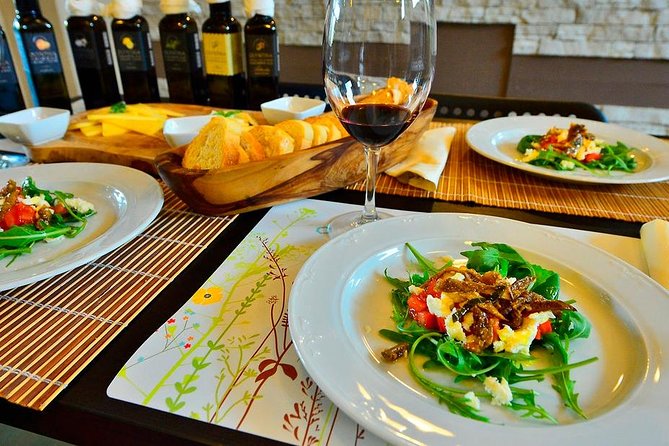
Lunch is included and takes about an hour and a half, making it a major part of the day rather than an afterthought. Marko prepares a home-cooked three-course meal, with Olynthia oils used in the food and presented alongside it.
The pairing is the clever part. Instead of tasting oil by itself and moving on, you try different oils with dishes. One particularly memorable combination is pesto prepared with the local oil. The meal gives you a clear sense of how oil behaves in actual cooking, where it has to work with herbs, vegetables, bread, or other ingredients rather than compete on its own.
Wine is included with lunch, adding to the relaxed, generous mood. Frane and Marko also bring different personalities to the table. Frane handles the island and olive-growing side, while Marko’s cooking makes the mill visit feel like a family welcome rather than a factory demonstration.
You should tell the provider about dietary needs when booking. The supplied information does not give a full alternative menu, so advance notice is the sensible approach. If you prefer not to eat the included lunch, one past participant chose to skip it, but that also removes one of the most distinctive parts of the tour. The meal is not merely a break between stops. It is where the oil lesson becomes practical.
Maslinica, coffee, and time beside the sea
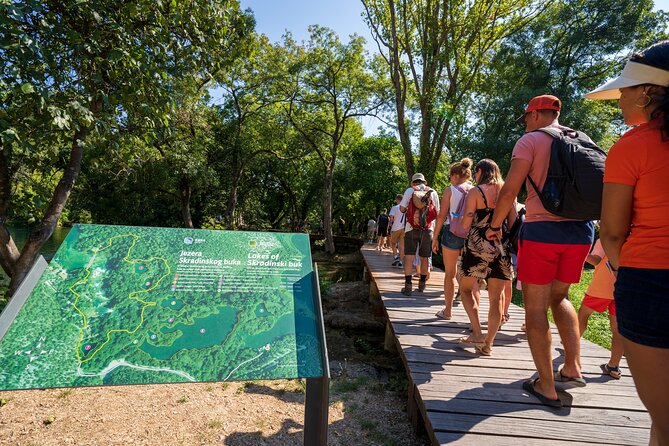
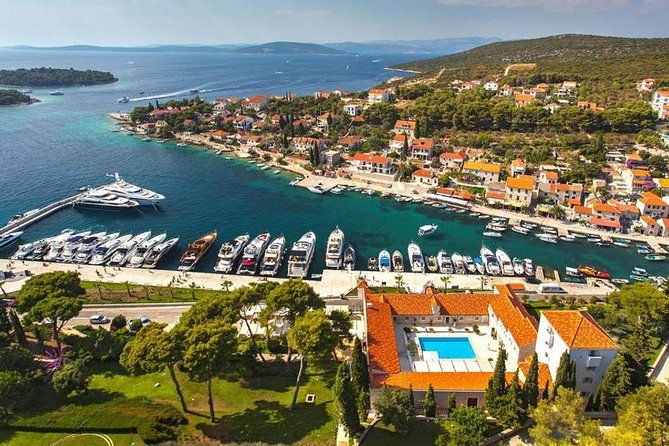
After lunch, the van continues west toward Maslinica, described as the most beautiful place on the island. You have about 90 minutes for sightseeing, a walk beside the sea, or coffee.
This open time is welcome after the structured grove and mill visits. You can slow down, look around, and enjoy Šolta without another explanation arriving every few minutes. The village gives the day a scenic finish, though the activity does not specify a guided tour of particular monuments or sights here.
Swimming and sunbathing are also part of the free time available during the day. A separate swimming stop near Rogač can be used for a dip in clear water, depending on the schedule and conditions. Pack a swimsuit if you are visiting in warm weather and want that option.
Season matters a great deal here. In summer, Maslinica and the swimming time can make the tour feel like a complete island escape. In late November, the sea may be too cold and daylight or weather may limit what you want to do. One person visiting at the end of November found little reason to extend the island stay and returned to Split on an earlier ferry. That is useful advice: the tour’s value is strongest when you can enjoy the outdoor time as well as the olive oil program.
How much value do you get for $260.36?
At $260.36 per person, this is not a budget shore trip. You also pay roughly €4 to €5 each way for the ferry, which is not included. The price makes more sense if you are traveling as a small private group and value personal guiding, lunch, vehicle transport around Šolta, and the chance to meet the producers.
You are paying for more than a tasting. The package includes a private host, air-conditioned vehicle, mill visit, grove visit, village stop, lunch, wine, and free time. A large part of the value comes from the people, especially Frane’s explanations and Marko’s cooking. If the hosts are the main reason you are considering the tour, the private format helps. Your group can ask questions and set a comfortable pace without being folded into a large bus party.
The calculation is less favorable if you only want to see Šolta briefly or if you do not care much about olive oil. In that case, a ferry ride and independent time on the island may suit you better. The tour also offers less value in cold or wet weather, when swimming and long walks by the sea lose their appeal.
I would see this as a special-occasion outing rather than a routine day trip. The combination of a private guide, family meal, and producer-led tasting can justify the cost for food lovers, couples, families, or small groups celebrating something. It is harder to justify for a solo visitor, since the minimum booking is two people and the per-person price remains high.
Who should book this Šolta experience?
I would recommend it to anyone who wants to understand Dalmatian olive oil through the people who grow, press, cook with, and sell it. You do not need to be an oil expert. The tasting lesson is designed to show you what to look for, and the flavored oils make it easy to compare styles.
It also suits visitors who prefer a personal day to a packed sightseeing schedule. The village, groves, lunch, and free time create a gentle structure. You are busy, but not rushed.
Food-focused families may enjoy the mix of education and lunch, though the information provided does not set a child age range. Groups should be comfortable with the price and with arranging their own ferry tickets.
I would think twice if you are visiting in the off-season mainly for swimming. The water may not be appealing, and the island can feel quiet enough that you finish earlier than planned. Also think twice if your main interest is historic architecture or major sights. The day is built around farming, food, and local life, not a long catalog of monuments.
Practical details that affect your day
The experience is offered in English and is private, so only your booking group participates. A minimum of two people is required. The host provides an air-conditioned vehicle for the island portion, and most people can participate. Service animals are allowed, and the meeting point is near public transportation.
The ferry is your responsibility. You meet the host at Rogač, then return to that meeting point at the end. The schedule includes a short drive back to the port and the option to catch the next ferry to Split or continue activities on Šolta.
Build in a little flexibility around the ferry. The listed tour time is approximate, and the final free-time period can feel different depending on weather, season, and ferry timing. If you need to return to Split at a fixed hour, confirm the timing with the provider before booking.
Cancellation is free if you cancel at least 24 hours before the local start time. Changes or cancellations made less than 24 hours ahead are not accepted for a refund.
Should you book the olive oil tour of Šolta?
Book it if you want a personal food-and-island day with a real family connection. Frane’s grove and mill explanations, Marko’s three-course lunch, the flavored oil tasting, and the gentle stops in Gornje Selo and Maslinica make this more meaningful than a quick shop visit.
Skip it if $260.36 feels steep for five hours, if you are visiting in cold weather and want swimming time, or if your main goal is a broad sightseeing tour. For the right person, the cost buys a warm introduction to Šolta’s olive culture and an excellent meal. For everyone else, the ferry and a simple island visit may be the better bargain.
FAQ
Where does the tour begin?
You meet the host at ROGAČ OKRETIŠTE, 21430 Rogač, on Šolta Island.
Are ferry tickets included?
No. Ferry tickets to and from Šolta cost about €4 to €5 one way and must be paid separately.
How long does the experience last?
The tour lasts approximately five hours.
Is this a private tour?
Yes. Only your group participates, and at least two people are required per booking.
Is lunch included?
Yes. Lunch with wine and olive oil pairings is included in the tour price.
What olive oils will I taste?
You can taste naturally flavored oils with garlic, lemon, orange, rosemary, and thyme, along with olive oils used in the meal.
Can I swim during the tour?
Yes. Free time is available for swimming and sunbathing, depending on the season and conditions.
What happens if I have dietary requirements?
You should advise the provider of any specific dietary requirements when booking.
Newest grove reviews around Croatia
- Zadar, Šibenik: olive oil, wine & food tasting, Self Drive★ 4.7 · 9 reviews
- Wine, Honey & Olive Oil of Solta Island – Tasting Tour★ 5.0 · 4 reviews
- Private tour of Brač island with olive oil tasting★ 5.0 · 2 reviews
- Istrian tapestry – gourmet tour combining wine, truffles and olive oil★ 5.0 · 12 reviews
- Makarska Tuk Tuk Tour Olive Grove, Scenic Views and Tastings★ 5.0 · 3 reviews
- Small-Group Olive Oil Tour in Cres with Tasting★ 5.0 · 2 reviews
- Private Hvar Island Tour and Olive Oil Tasting★ 4.5 · 10 reviews
- Poreč: Olive Grove Walk and Tasting with Local Products★ 5.0 · 5 reviews
Olive Oil Tastings with Lunch, compared.
Lemon, Olive Oil and Wine Tasting Tour with Lunch
Read our review →
Wine & Olive Oil Tour with Lunch at Milia Mountain Retreat
Read our review →
Great Chianti Wine and Olive Oil Trail with Lunch
Read our review →
Wine & Olive Oil Tour with Lunch – Semi Private Safari Tour
Read our review →
Milia Mountain Tour w/Lunch Olive Oil/Wine Tastings
Read our review →
Wine & Olive Oil Tour with lunch at the White Mountains
Read our review →
Organic Olive Grove tour & Olive oil tasting & lunch in Kalamata!
Read our review →Browse the lists this tour appears in