
Review · OLIVE OIL AND WINE TASTINGS
Wine, food and olive oil by PhD student
Dubrovnik’s food story makes more sense when you taste it while walking through the city that shaped it. This three-hour tour pairs four Croatian wines with four local dishes, then adds olive oil, dessert, and stories about the old Republic along the way. The guide, Dom, brings both local roots and serious wine training, including a master’s degree and PhD work in wine.
I like the small maximum group of 12, which should make the tastings easier to follow, and I like the broad menu: fish, seafood, two meat dishes, and dessert. The main drawback is the price, $205.59 per person. That is a serious outlay for three hours, so you should book it for the food and wine instruction, not simply as a quick city walk.
Key points at a glance
- Four family-run stops: Taste olive oil, four wines, four dishes, and dessert in separate Old Town venues.
- An academic wine guide: Dom combines local knowledge with formal enology training and PhD research in wine.
- Award-winning olive oil: Compare two Croatian extra virgin oils recognized at the New York International Olive Oil Competition.
- A useful Dubrovnik introduction: The route passes major sights while explaining the Republic’s politics, engineering, and food culture.
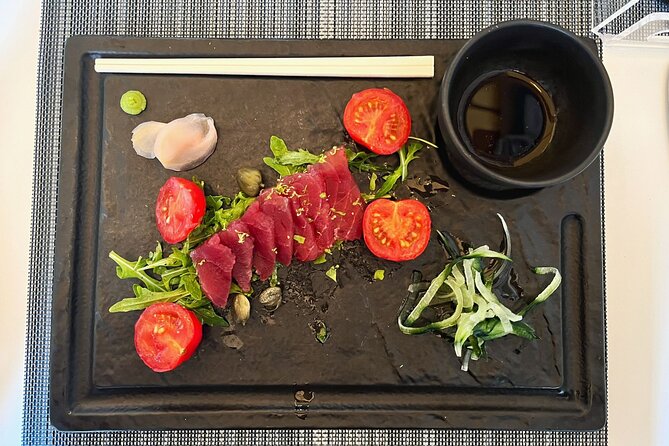
- A full meal, not just nibbles: Fish, seafood, meat, and dessert make this substantial enough to replace lunch or an early dinner.
- Late afternoon timing: The tour begins at 4:00 pm at Large Onofrio’s Fountain and ends near Rector’s Palace.
Why this Dubrovnik food walk feels different
Many Old Town food walks use dishes as an excuse to point out monuments. This one reverses the balance. The food and wine are the main event, while Dubrovnik’s streets provide the setting and the historical thread.
You begin at Large Onofrio’s Fountain, then move through the Old Town toward four family-run places. The route includes Ploče Gate, Revelin Fortress, Lazareti, the Franciscan Monastery, Rupe Museum, the farmers market, the Jesuits’ Stairs, and Rector’s Palace. You will not receive a formal entry to each attraction, but the route lets you connect the city’s well-known sights with the food on your plate.
I especially like the way the experience ties local products to local events. The conversation is not limited to tasting notes. You also hear about the Dubrovnik Republic, its political system, its engineering work, and the cultural setting that shaped its cooking and wine trade.
Dom is identified as the guide in the strongest personal feedback, and his background is a major part of the experience. He is described as having grown up in Dubrovnik, with particular skill in local wine and olive oil. One useful sign of his approach is that he continued answering wine questions after the tour, even when a past participant contacted him from the airport duty-free shop.
More Olive Oil and Wine Tastings in Croatia
- Split: Krka Waterfalls With Boat Cruise, Wine and Olive Oil
★ 4.3 · 1,507 reviews - Hvar: Island tour with Wine and Olive Oil Tasting
★ 4.9 · 77 reviews - Krka Waterfalls Tour with Wine and Olive Oil Tasting
★ 4.5 · 48 reviews
Starting at Large Onofrio’s Fountain at 4:00 pm
The meeting point is Large Onofrio’s Fountain on Poljana Paska Miličevića. This is a practical place to begin because it is easy to identify and sits among the Old Town’s main routes.
The fountain also gives the guide a strong opening subject. You learn about the period when the Dubrovnik Republic was at its peak, including the major engineering projects that brought water into the city. That detail helps explain why a fountain could be more than a decorative monument in medieval Dubrovnik.
From there, the walk passes through the main gates and streets before reaching quieter corners. The route is not only a restaurant crawl. You are moving between stops and using the walk to understand how the city worked.
The start time matters. At 4:00 pm, this is best treated as a late lunch or early dinner. Avoid eating a large meal beforehand. Four dishes, four wines, olive oil, and dessert add up to a substantial afternoon.
The olive oil lesson comes first
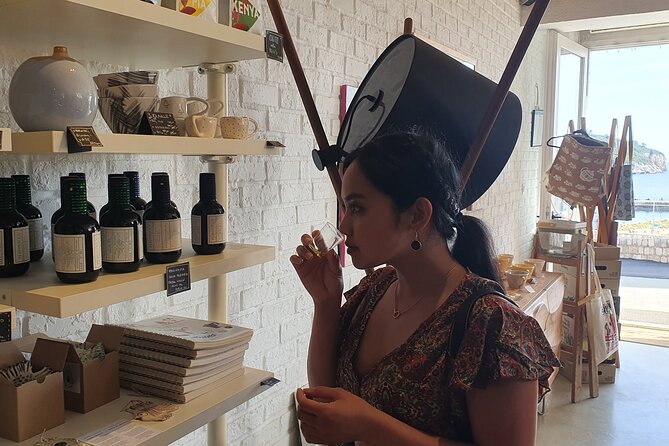
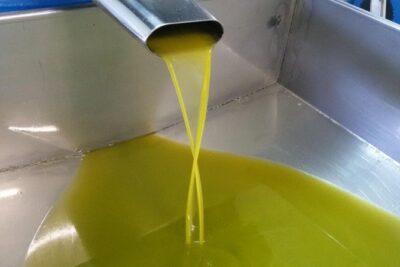
The first tasting focuses on extra virgin olive oil. You compare two Croatian oils that received awards at the New York International Olive Oil Competition, with a licensed olive oil sommelier explaining how to assess them.
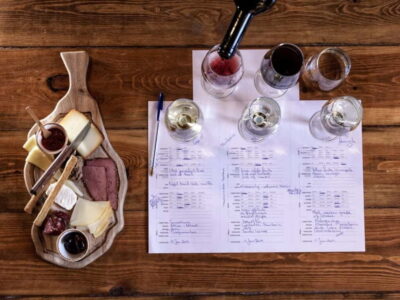
The guided evaluation lasts about 15 minutes. That is brief enough to keep the pace moving, but long enough to give you a usable method for judging oil. You learn to notice its main characteristics rather than simply deciding if you like the flavor.
This is one of the tour’s most useful details because olive oil is often treated as a background ingredient. Here, it becomes a product with its own regional identity and production standards. If you buy Croatian olive oil during your stay, you will have a better idea of what you are tasting.
The session may also be the most technical part of the afternoon. If you prefer relaxed eating with little explanation, the formal evaluation could feel more serious than expected. If you enjoy learning how food is made and judged, it gives the tour a clear purpose from the start.
Four wines paired with four local dishes
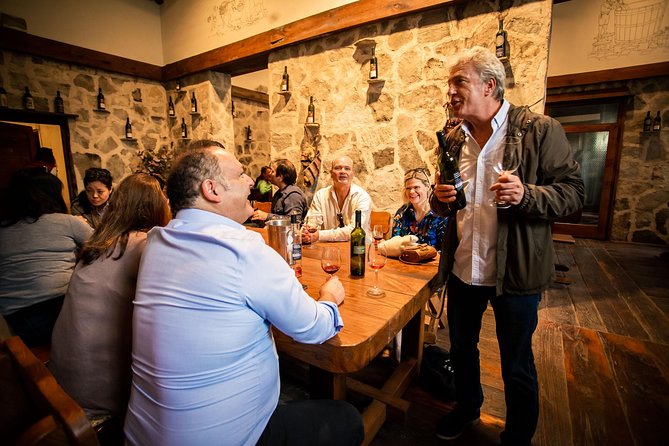
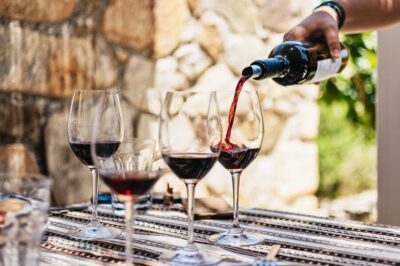
The central meal takes place across two restaurants and lasts about an hour. You taste four wines with four dishes, all based on locally produced ingredients.
The first main pairing is fish with a Croatian white wine. The grape variety was recognized by Decanter in 2021, giving the guide a chance to explain a wine that has earned wider attention while remaining tied to Croatia.
Next comes a seafood dish with another Croatian white wine. The menu gives you two white-wine pairings, but they are not presented as identical. The food allows you to compare how white wine works with fish and with a broader seafood preparation.
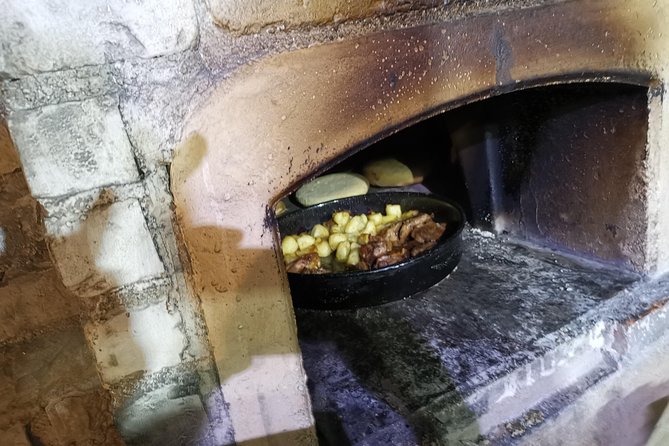
The third dish is meat cooked from a very old recipe dating to the 16th century. It is paired with a locally produced white variety recognized by Decanter in 2017. This is a particularly interesting pairing because it challenges the quick rule that meat always requires red wine. The historical recipe also links the meal to Dubrovnik’s past without turning the food into a museum display.
The fourth dish is meat served with Croatia’s most important red grape, from the oldest protected winegrowing zone in the country near Dubrovnik. This is the clearest local red-wine moment of the tour and gives the meal a strong regional finish before dessert.
The portions matter. One detailed account describes the food as more than small samples, and the menu includes four substantial savory dishes. I would plan on being properly fed by the end, not merely having tasted a few bites.
Same groves, a different afternoon:
- Split: Klis Fortress GOT and Olive Museum Entry Tickets
★ 4.6 · 283 reviews - Split: Blue Line Sightseeing to Trogir, Klis & Olive Museum
★ 4.3 · 197 reviews - Visit Klis fortress GOT & Olive museum Klis
★ 4.5 · 77 reviews - Split: Olive museum Klis with Olive Oil Tasting
★ 4.9 · 51 reviews
Family-run places keep the food local

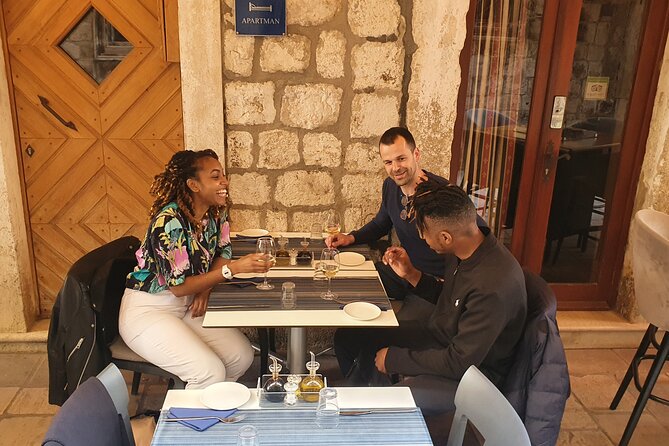
The four venues are family-run places in the Old Town. That choice gives the experience a more personal feel than a single restaurant meal, since each stop has a different role in the afternoon.
The first place handles olive oil. The next two serve the wine and food pairings. The final stop is for dessert. You move through the city between courses rather than sitting in one room for three hours.
This format works well in Dubrovnik because the Old Town itself is compact enough to connect food with place. You may notice how the setting changes as you move from major landmarks toward less obvious streets and views over the rooftops.
There is a trade-off. Moving between four establishments means the experience is not as leisurely as a long, seated tasting menu. You should expect transitions, street walking, and a schedule shaped by several venues. If you want one quiet table and an unhurried dinner, a restaurant reservation may suit you better.
Walking past Dubrovnik’s major sights
The route includes many of the city’s most recognizable landmarks. You pass Revelin Fortress and Ploče Gate, then continue by Lazareti and the Franciscan Monastery. Large Onofrio’s Fountain, where you begin, returns as an early point of discussion about water and engineering.
You also pass Rupe Museum, a 16th-century granary that offers a look at the practical side of old Dubrovnik. The building stored grain, so it connects directly to food security and the city’s ability to survive pressure from outside powers.
The farmers market adds another food-related stop, even though the tour’s main tastings happen at the family-run venues. The market helps place the dishes in a wider setting. You get a sense of where food fits into daily Old Town life rather than treating each plate as an isolated restaurant creation.
The Jesuits’ Stairs and Rector’s Palace bring the walk toward its finish. The final stop is Rector’s Palace, where the tour ends on Ul. Pred Dvorom. The ending is convenient if you plan to continue exploring the palace area afterward, though the activity does not include admission to the palace itself.
Dubrovnik’s Republic explained over food
The historical side is strongest when it focuses on how the Republic governed itself. Near the old granary, the guide discusses the political system and the methods used by the aristocracy to protect Dubrovnik from stronger opponents.
That subject gives the tour more depth than a list of dates. Dubrovnik’s survival depended on negotiation, organization, trade, and careful political choices. Food and wine fit naturally into that conversation because they were part of commerce, agriculture, hospitality, and social life.
I like this approach for a first day in the city. One detailed account specifically recommends taking the tour early in your stay because it helps you get oriented to Dubrovnik and its cuisine. The route introduces major landmarks, while the meal gives you a reason to remember them.
The history is woven into the walk, not delivered as a separate lecture. That may suit you if you prefer short explanations tied to the street in front of you. If you want a full architectural tour or detailed access to museums, this is not a replacement for a dedicated city guide.
Is $205.59 a fair price?
At $205.59 per person, this is one of the more expensive ways to eat in Dubrovnik. The value comes from the full package: a three-hour small-group walk, an enologist guide, licensed olive oil instruction, four dishes, four wines, dessert, and the time spent moving through the Old Town.
The cost is easier to justify if you would otherwise book a separate guided walk, a wine tasting, and a substantial meal. You are also paying for access to a guide who can explain Croatian varieties, local oil, historic recipes, and Dubrovnik’s political past in one afternoon.
Still, the price will not suit every budget. You can eat more cheaply in the city, and a basic Old Town walk costs less. The tour makes most sense for someone who sees food and wine as a central part of a trip, rather than as a quick break between sights.
The high recommendation rate and 4.9 rating indicate a strong overall response, but one less positive assessment found the experience simple and focused more on the guide than on personal preferences. That is useful warning. Dom’s expertise and personality shape the afternoon, so you should be comfortable with a guided, educational tasting rather than expecting a completely customizable food crawl.
Group size, age, and practical details
The maximum group size is 12. That is small enough for questions and tasting instruction, though the actual number on your date can vary.
The tour is offered in English and uses a mobile ticket. Confirmation is provided when you book. Most people can take part, and service animals are allowed. The activity is near public transportation, but the experience itself is a walking tour through the Old Town.
Wine tasting is limited to people aged 18 and above. Anyone under 18 would not be able to take part in the alcoholic tastings, so this is important when planning for a mixed-age group.
Good weather is required. You can cancel for a full refund up to 24 hours before the 4:00 pm start time. If poor weather forces cancellation, you are offered another date or a full refund. That policy gives you some protection, but keep the weather in mind when arranging your Dubrovnik schedule.
Who should book this tasting?
I would recommend it most strongly to you if you:
- Want a serious introduction to Croatian wine without committing to a full winery excursion
- Prefer a small group to a large food bus or scripted city tour
- Like learning how olive oil is evaluated
- Want a full meal built into an Old Town walk
- Are visiting Dubrovnik early in your trip and want help choosing local foods
- Enjoy history when it is connected to real places and dishes
I would be more cautious if you are looking for a cheap snack tour, a purely private experience, or a quiet dinner with no scheduled movement. The late start, wine content, and four-venue format also make it better for adults who are happy to spend an afternoon eating and listening.
Should you book Wine, Food and Olive Oil by PhD Student?
Book it if you want the food and wine to carry as much weight as the sightseeing. The combination of award-winning olive oil, four Croatian wines, four dishes, dessert, and Dubrovnik history is unusually broad for a three-hour Old Town experience.
The best reason to choose it is the guide. Dom’s local background and wine training give the tour a clear personality, and the strongest feedback praises his explanations of wine, olive oil, and the city. The main question is not quality but fit: at $205.59, you need to value instruction and a substantial tasting meal.
For a first afternoon in Dubrovnik, this is a useful choice. You finish near Rector’s Palace with a better sense of the city, its food traditions, and the wines you may want to order for the rest of your stay.
FAQ
Where does the tour start?
It starts at Large Onofrio’s Fountain, Poljana Paska Miličevića, in Dubrovnik’s Old Town.
Where does the tour end?
The tour ends at Rector’s Palace on Ul. Pred Dvorom.
What time does the experience begin?
The start time is 4:00 pm.
How long does the tour last?
The tour lasts approximately three hours.
How many people can join the tour?
The maximum group size is 12 people.
Is wine tasting available to children?
No. Wine tasting is available only to customers aged 18 and above.
What happens if the weather is poor?
The experience requires good weather. If it is canceled because of poor weather, you are offered a different date or a full refund.
More Food Tours around Croatia
- Sorrento Farm and Food Experience including Olive Oil, Limoncello, Wine tasting
★ 5.0 · 2,524 reviews - Crete: Full-Day Cretan Wines, Olive Oil, Raki and Food Tour
★ 5.0 · 264 reviews - Bardolino: Vineyard Tour with Wine, Olive Oil & Food Tasting
★ 4.6 · 221 reviews - Tuscany Bike Tour with Wine, Oil and Food in the Florentine Hills
★ 5.0 · 209 reviews
Newest grove reviews around Croatia
- E Bike Tour with wine and olive oil tasting in Vodnjan★ 5.0 · 4 reviews
- Private Split & Klis Fortress Tour, Olive Museum & Port Pickup★ 4.5 · 13 reviews
- Šibenik or Zadar: Krka falls, olive mill, oil & wine tasting★ 4.8 · 17 reviews
- Istrian hill top cities tour with truffle and olive oil tasting★ 5.0 · 18 reviews
- Cres: Olive Oil Walking Tour with Tastings★ 4.9 · 24 reviews
- Šibenik: Croatia in a Day, Vistas, History, Olive Oil, Wine★ 5.0 · 30 reviews
- Hvar: Island tour with Wine and Olive Oil Tasting★ 5.0 · 36 reviews
- Olive Oil Guided Tasting and History in Pula★ 4.5 · 34 reviews
Olive Oil and Wine Tastings, compared.
Sorrento Farm and Food Experience including Olive Oil, Limoncello, Wine tasting
Read our review →
Krka Waterfalls With Boat Cruise, Wine and Olive Oil
Read our review →
Lemon, Olive Oil and Wine Tasting Tour with Lunch
Read our review →
Browse the lists this tour appears in