
Review · OLIVE OIL AND WINE TASTINGS
From Chania: Wine and Olive Oil Tasting Tour with Snacks
Crete’s best food story is told in the hills, not just on a restaurant plate. This six-hour trip from Chania links family wineries, an olive oil factory, and a village with an olive tree said to be about 3,000 years old. The tasting list can reach ten wines, including Vidiano, Muscat of Spina, Vilana, Assyrtiko, Syrah, and Mourvèdre.
I like the mix of tasting and place: you learn how wine and olive oil are made, then see the groves and vineyards that give the products their character. I also like the friendly, personal guiding, with names such as Andreas, Alex, Nikos, and Kostas appearing among the regular guides. The main consideration is price: at $141 per person, it is not a cheap transfer with a sample or two, though the transport, tastings, snacks, and several stops make the cost easier to justify.
Key points to know before booking
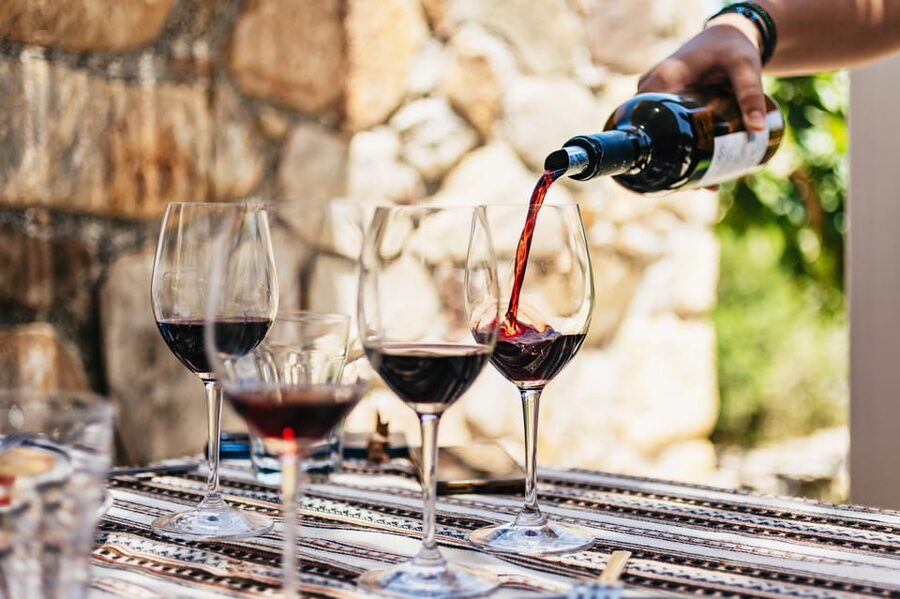
- About ten wines may be poured: Expect Cretan grapes such as Vidiano, Muscat of Spina, and Vilana alongside Assyrtiko, Grenache rouge, Syrah, and Mourvèdre.
- The olive oil stop is a real part of the day: You tour a working factory, learn about extra virgin olive oil, and taste several local oils.
- The ancient olive tree adds a sense of place: The tree is estimated to be around 3,000 years old and sits near a traditional village.
- Guiding is a major strength: Andreas, Alex, Kostas, Nikos, and other guides are noted for their warmth, local stories, wine knowledge, and careful driving.
- The food is light, not a full feast: Expect cheese, local products, and snacks with the tastings. Tell the operator ahead of time if you need vegetarian or vegan food.
- You need a full half-day: Pickup can begin 30 to 60 minutes before departure, and the route takes you into the Kissamos region outside Chania.
Why this Chania wine tour feels different
Many wine outings are built around a single cellar. This one gives you a broader picture of Cretan table culture. Wine is only one part of the story. Olive oil, village life, old farming methods, mountain roads, and a final glass of Tsikoudia all have a place in the day.
You leave Chania in an air-conditioned bus and head toward the Kissamos area. The route climbs through the Cretan countryside, where olive groves and vineyards replace the city streets. I like this change of pace because the drive is not just dead time between tastings. The guide talks about Crete, Chania, local customs, and the island’s farming traditions along the way.
The outing is conducted in English, and the guide also serves as driver. Names vary by departure, but Andreas, Alex, Kostas, Nikos, and Thanassi are among the guides associated with the experience. The strongest guides do more than announce the next stop. Andreas, for example, is described as a sommelier on some departures, while Alex and Kostas are praised for mixing practical wine information with stories about Crete.
The transportation also matters. The bus is air-conditioned, and the transport receives a 90 percent perfect rating. Some departures use a Mercedes van, according to the experience details shared by participants. Roads in the hills can be narrow, so having an experienced driver is worth something, especially after several tastings.
More Olive Oil and Wine Tastings in Crete
- From Chania: Olive Oil, Wine, Cheese & Honey Tasting Tour
★ 4.6 · 490 reviews - Crete: Full-Day Cretan Wines, Olive Oil, Raki and Food Tour
★ 5.0 · 264 reviews - Cretan Wines & Olive oil tour – The treasures of Crete
★ 5.0 · 147 reviews
The first winery: Cretan grapes and modern family farming
The first major stop is a family winery founded in 1993. This is not presented as a grand industrial estate. Instead, you get an introduction to a local business and its approach to modern farming and winemaking.
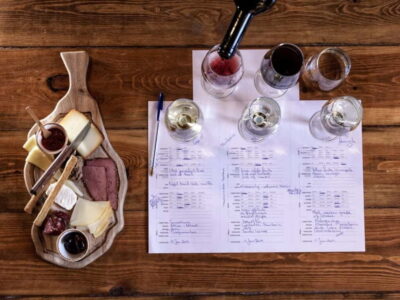
The tasting typically includes five wines. Local varieties may include Vidiano and Muscat of Spina, both useful introductions to Crete’s own wine tradition. You may also taste international grapes such as Grenache rouge, Syrah, and Mourvèdre. The point is not simply to count the glasses. It is to compare how familiar grapes taste when grown in Crete’s soil and climate.
Vidiano is especially important to the island’s modern wine identity. Muscat of Spina gives you another local reference point, while the international grapes show how Cretan producers work with varieties recognized around the world. The guide explains the wines and the effect of local growing conditions, so even a beginner has a way to follow the tasting.
I would not book this as a formal sommelier course. It is more relaxed and social. You learn enough to understand what is in your glass, but the setting remains friendly rather than technical. That suits couples, solo visitors, and anyone who wants an introduction without needing prior wine experience.
The first winery may also be combined with olive oil tasting, depending on the exact order of the day. You might sample two oils with wine before moving on. Portions are described as generous, so pace yourself. You have more tasting ahead.
The ancient olive tree and a traditional village
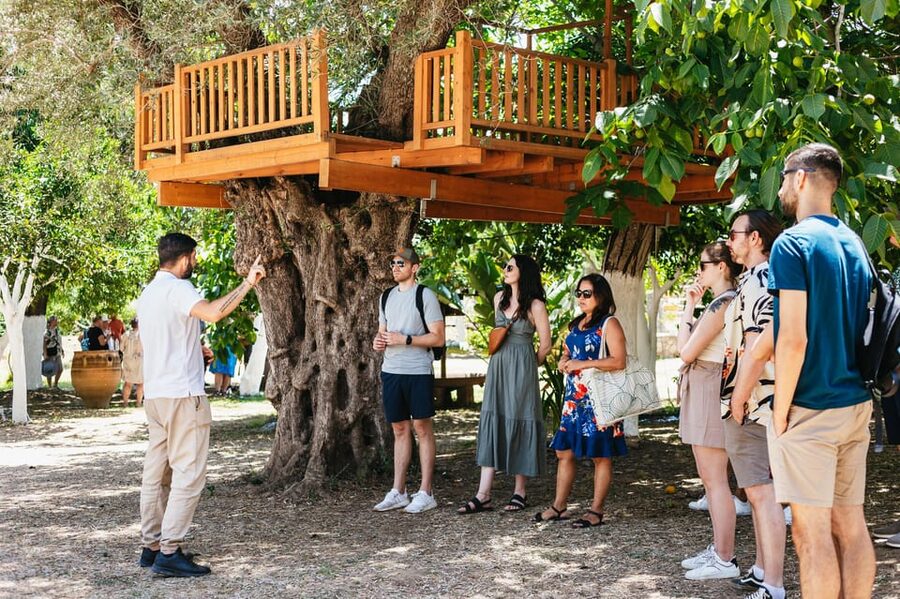
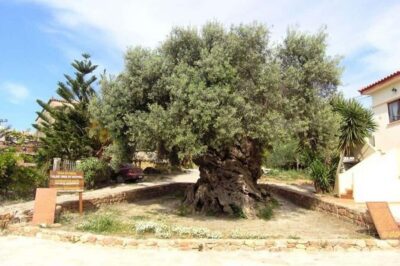
One of the day’s most memorable stops is not a tasting room. It is a traditional village and an olive tree estimated to be about 3,000 years old.
The tree is presented as the oldest olive tree in the world. Exact claims about ancient trees can be difficult to verify, but the age estimate gives the stop its force. You are looking at a living reminder of how long olives have been part of Cretan life. Its twisted trunk and old form make a welcome break after the first tasting.
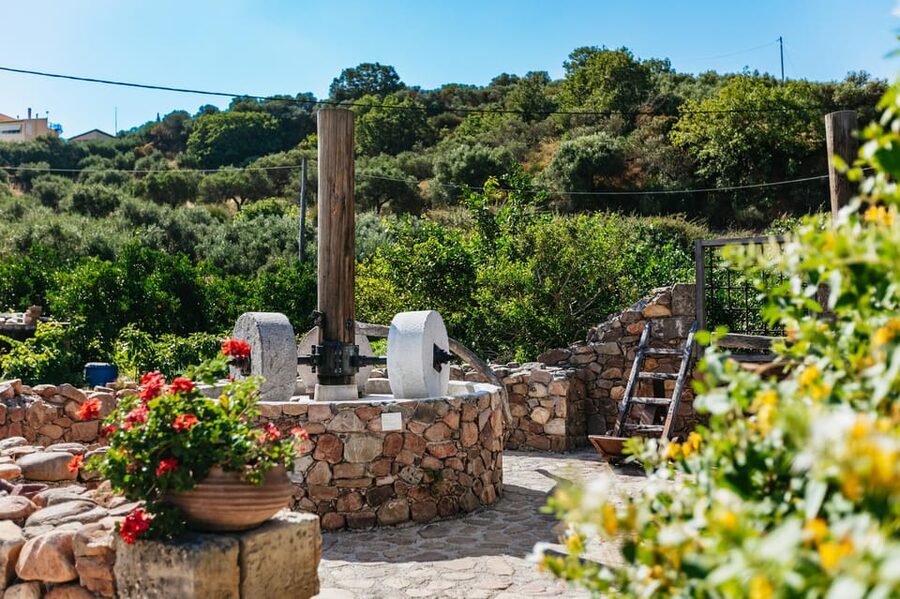
This stop also helps explain why olive oil is not just another local product. Olive cultivation has shaped work, food, trade, and village life on Crete for centuries. The guide uses the setting to explain older oil-making methods and the place of olive trees in the island’s culture.
Do not expect a long archaeological visit or a major museum. The tree is a short, atmospheric stop, and its value comes from the setting and the story. Wear shoes that are comfortable for uneven village paths, though the tour information does not describe a demanding walk.
The olive oil factory: from fruit to extra virgin oil
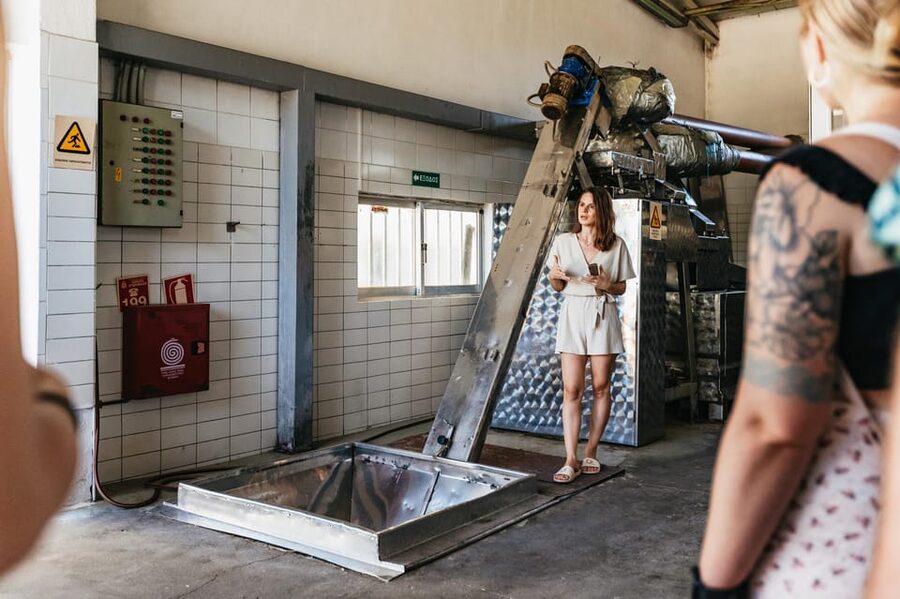
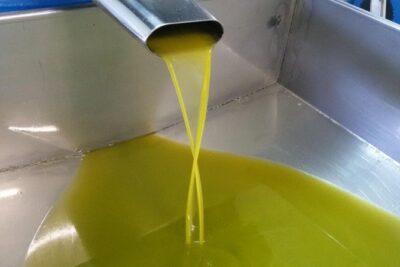
The olive oil visit gives the tour its clearest practical lesson. At the factory, you learn how olives become extra virgin olive oil and see the work behind a bottle that can look simple on a shop shelf.
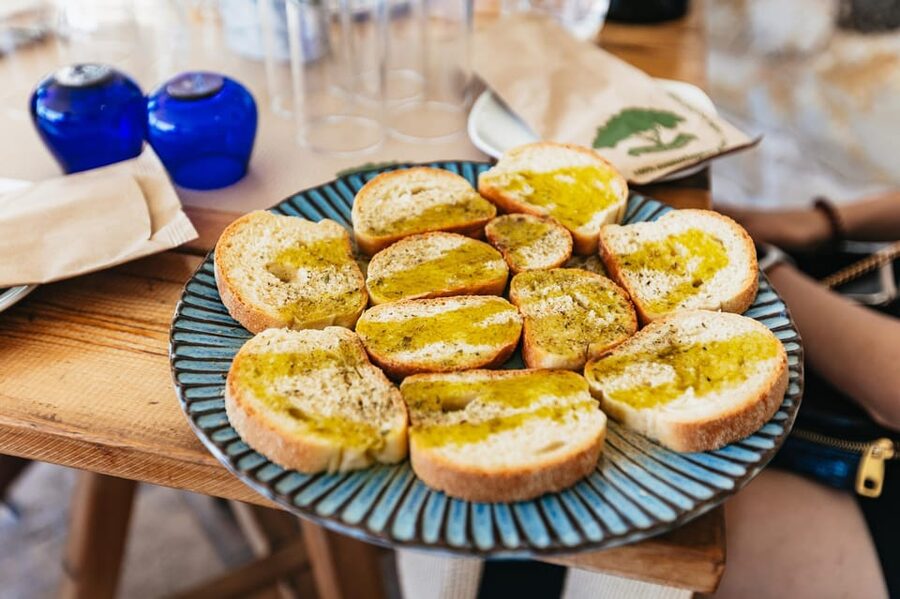
The stop includes a walk through the production area and a tasting of several oils. You may also taste local products alongside wine. This is where the day becomes especially useful for anyone who wants to buy olive oil in Crete but does not know how to compare bottles.
Pay attention to the tasting method. Olive oil is not all the same, and the point is to notice differences in aroma, flavor, and finish. The staff explain how the oils are made, while the guide helps connect the process to Cretan farming. The factory visit also gives you a better sense of why extra virgin oil costs more than ordinary cooking oil.
The atmosphere is generally more personal than a large commercial attraction. The women hosting some visits are praised for being warm and clear in their explanations. There is also no pressure to buy built into the experience. You can purchase oil if you find one you like, but the tone is meant to be informative.
That said, the factory is also a shopping opportunity. If you are flying with only hand luggage, think about how you will carry bottles home. The experience information does not specify shipping arrangements, so ask at the stop before buying more than you can transport.
More Olive Oil and Wine Tastings in Greece
- Rethymno: Private Winery & Olive Oil Tasting Tour with Lunch
★ 5.0 · 56 reviews - Wine, Olive Oil, and Honey Tour with Winemaker
★ 5.0 · 55 reviews - Crete: Knossos Palace, Winery & Olive Oil Tour with Lunch
★ 4.9 · 49 reviews - Cretan Delights – Wine, Olive Oil & Cooking Workshop from Chania
★ 5.0 · 25 reviews
The second winery and a fuller Cretan tasting
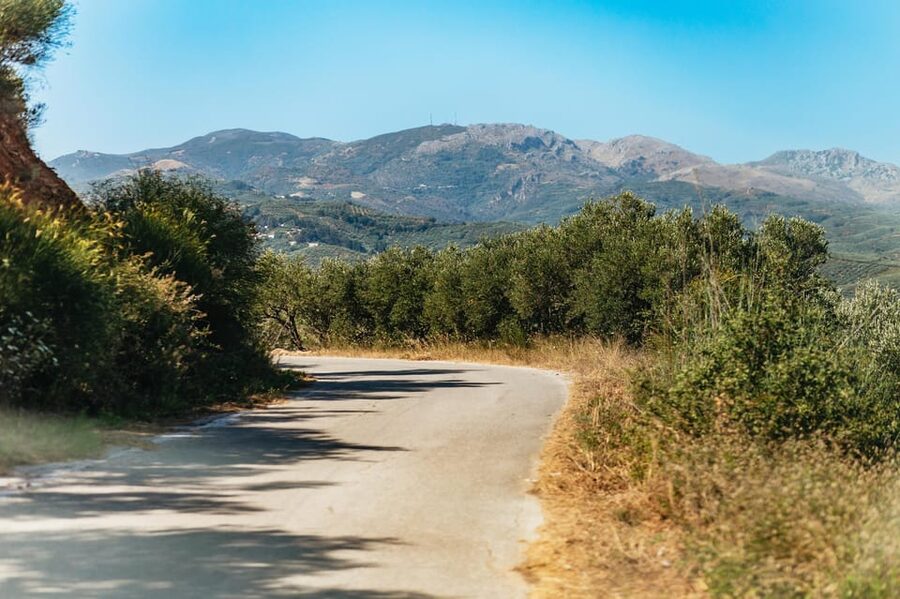
The second winery is often the most scenic tasting setting of the day. You may stroll among vineyards, then sit down for another flight of wines and local food.
This tasting focuses on a white blend that can include Vilana, Vidiano, and Assyrtiko. It is a useful contrast to the first winery because you are tasting a different combination of grapes and seeing another family operation. Some departures include five wines here as well, bringing the day’s total to about ten.
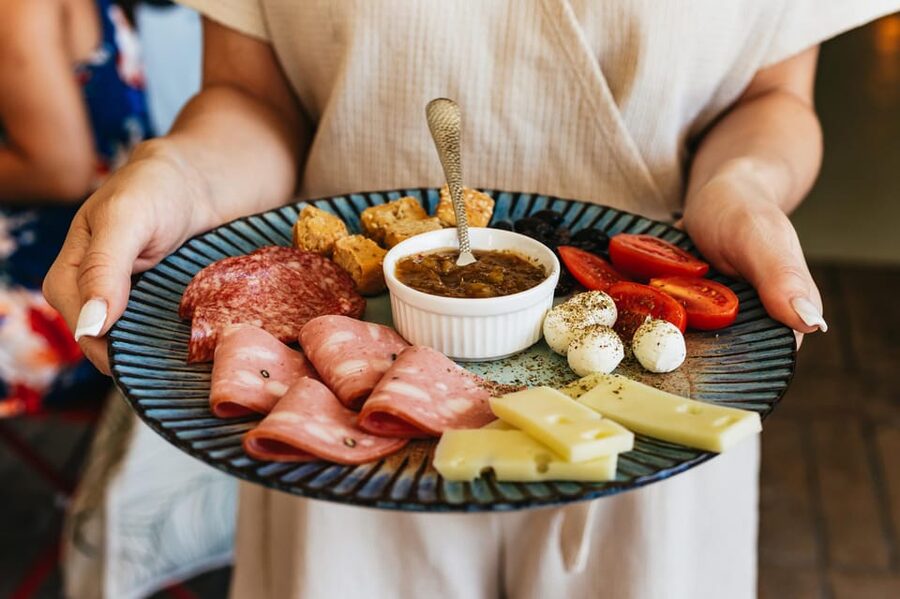
The snacks make the second tasting feel closer to lunch, but you should set your expectations correctly. The official description calls it a light lunch or snacks, and one participant wanted more food to match the amount of wine. Cheese and other local products are included, and vegetarian and vegan food can be accommodated if you tell the operator ahead of time.
I like the pairing of simple food with the wine. Cretan wine makes more sense when you taste it with local flavors rather than in isolation. Still, if you need a substantial midday meal, eat breakfast and consider carrying a little extra food. The combination of generous pours and light snacks can leave you wishing for one more plate.
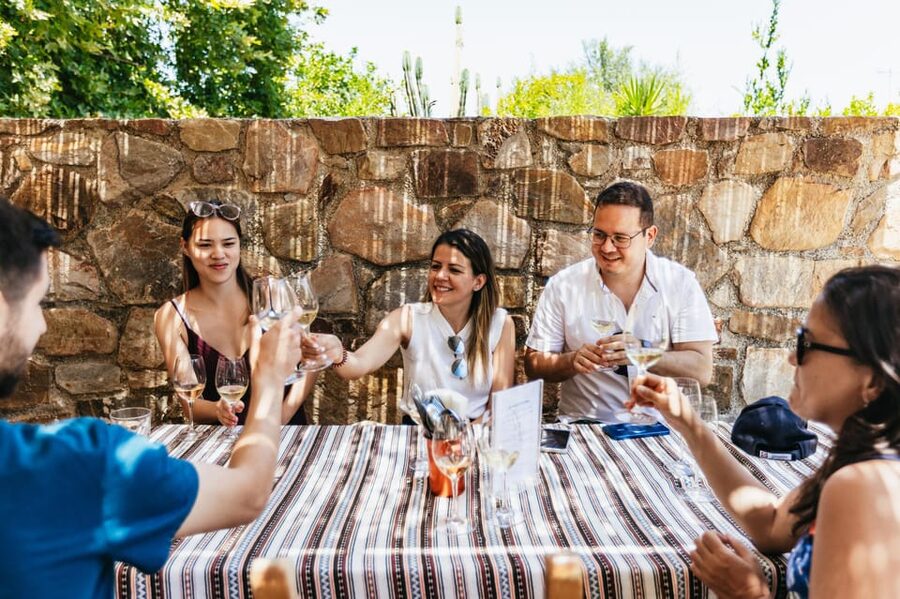
The second winery is also where the social side of the outing tends to come through. Groups are described as small and friendly, though the exact number is not provided. Solo visitors can join comfortably, while couples get an easy shared activity that does not require them to plan every stop themselves.
The final glass of Tsikoudia
The day closes with Tsikoudia, the clear Cretan spirit often served as a goodbye. It is stronger than wine, so treat the final toast as a cultural moment rather than an invitation to hurry through another drink.
This small detail gives the tour a proper Cretan ending. You have seen the vineyards, learned about olive oil, sampled local products, and then raise a glass in the island’s own way of saying farewell. If you do not drink alcohol, the tour does provide water or fresh orange juice for children under 18 at the wine tastings. The information specifically mentions those alternatives for children, so adults with dietary or drinking concerns should confirm available alternatives when booking.
Is $141 a fair price?

At $141, the tour costs more than a simple countryside drive or a single winery visit. You are paying for about six hours, pickup and drop-off from specified locations in the Chania region, an air-conditioned vehicle, an English-speaking driver-guide, entrance fees, two winery visits, olive oil tasting, wine tasting, snacks, and the ancient olive tree stop.
The value improves if you do not have a rental car. You avoid driving unfamiliar mountain roads after drinking and do not need to organize several separate appointments. You also get a guide who can explain what you are tasting and fill the drive with information about Crete.
The price may feel high if your main goal is to buy a bottle of wine or olive oil. It may also feel high if you want a long vineyard walk, a large meal, or a deep technical lesson about winemaking. This is a carefully packed day rather than a slow stay at one estate.
For me, the strongest value comes from the combination. A single tasting would not give you the same connection between wine, olive trees, village life, and food. The fact that guides often help with forgotten glasses or sunglasses also suggests an attentive operation, though that kind of assistance should be considered a pleasant extra, not part of the guaranteed service.
Who should book this experience?
I would recommend it to you if you want a guided introduction to Cretan wine and olive oil without renting a car. It suits first-time tasters because the tone is informal and the explanations are aimed at ordinary visitors, not specialists.
It is also a good choice for:
- Couples looking for a full day beyond Chania’s old town
- Solo visitors who enjoy meeting a small group
- People interested in local food production
- Wine drinkers who want both native and international grapes
- Visitors who prefer family businesses to large commercial attractions
- Anyone who wants countryside views without planning a complicated route
You should think twice if you want a full lunch, a long hike, or a single winery experience with lots of unstructured time. The schedule covers several stops, and the amount of wine can be substantial. The day is social and guided, not private and slow.
Pickup locations are specific, and pickups begin 30 to 60 minutes before the stated departure time. Check the meeting information carefully. Children are welcome only with an adult, and wine is not served to anyone under 18. Bring a passport or ID card as requested, and remember that the operator can make small program changes in poor weather.
Should you book the Chania wine and olive oil tour?
Book it if you want the practical, human side of Crete: family wineries, old olive trees, working production, local grapes, and food served without much fuss. The guides are a real part of the appeal, particularly if you get someone such as Andreas, Alex, or Kostas, who can handle both local stories and tasting questions.
The main tradeoff is cost versus depth. At $141, this is best viewed as a full countryside experience with transportation and several tastings, not as a bargain wine stop. If that sounds like your kind of day, the mix of ten possible wines, olive oils, snacks, and the 3,000-year-old tree makes it a strong choice from Chania.
FAQ
How long does the tour last?
The experience lasts six hours, including transportation between Chania, the Kissamos region, the wineries, the olive oil factory, and the village stop.
Where does the tour take place?
It begins with pickup from specified locations in the Chania region and travels into the mountains and countryside of the Kissamos area in western Crete.
What is included in the price?
The price includes pickup and drop-off from specified Chania locations, air-conditioned transportation, entrance fees, wine tasting, olive oil tasting, light lunch or snacks, and an English-speaking driver-guide.
How many wines will I taste?
The exact selection can vary, but the program includes tastings at two wineries. The listed wines include Vidiano, Muscat of Spina, Vilana, Assyrtiko, Grenache rouge, Syrah, and Mourvèdre. Some departures include about ten wines in total.
Will I taste olive oil at a factory?
Yes. You visit a local olive oil factory, learn about extra virgin olive oil production, and taste a range of local oils and products.
Is the ancient olive tree really 3,000 years old?
The tree is estimated to be about 3,000 years old and is presented as the oldest olive tree in the world.
Is food included?
Yes. Light lunch or snacks are included, with local products such as cheese served during the tastings. Vegetarian and vegan food can be accommodated if you notify the operator in advance.
Can children join the tour?
Children can join when accompanied by an adult. Wine tasting is not allowed for children under 18, and water or fresh orange juice is offered instead.
Is the tour conducted in English?
Yes. The live guide language is English.
Can I cancel the booking?
You can cancel up to 24 hours before the activity for a full refund. The reserve-now, pay-later option is also available, subject to the booking terms.
Newest grove reviews around Crete
- Olive Oil Food Pairing in Crete★ 5.0 · 4 reviews
- Crete’s Wine and Olives Safari Tour from Chania★ 5.0 · 12 reviews
- Private Tour: Soap, Olive Oil & Lyrarakis Winery with Lunch★ 4.5 · 15 reviews
- Knossos Cave of Zeus and Olive Oil Factory Full Day Private Tour★ 5.0 · 19 reviews
- PRIVATE-Zeus Birthplace-Traditional Villages-Olive Oil Factory★ 5.0 · 23 reviews
- Spiridi Olive Oil Farm Tour★ 4.5 · 22 reviews
- Cretan Delights – Wine, Olive Oil & Cooking Workshop from Chania★ 5.0 · 25 reviews
- Knossos & Lasithi Plateau: Villages, Olive Oil Tour From Elounda★ 5.0 · 26 reviews
Olive Oil and Wine Tastings, compared.
Sorrento Farm and Food Experience including Olive Oil, Limoncello, Wine tasting
Read our review →
Krka Waterfalls With Boat Cruise, Wine and Olive Oil
Read our review →
Lemon, Olive Oil and Wine Tasting Tour with Lunch
Read our review →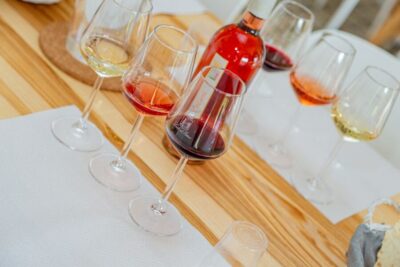
Browse the lists this tour appears in