Review · OLIVE OIL AND WINE TASTINGS
Florence: Great Chianti Wine and Olive Oil Trail with Lunch
Three wineries, an olive oil mill, a village stop, and lunch make this a full but well-shaped day in Chianti. You get the classic Tuscan mix without renting a car or trying to decode country roads, and guides such as Francesco, Chiara, Peter, and Cristina have earned praise for their wine know-how, humor, and careful driving.
I especially like the family-run winery feel and the chance to see olive oil production rather than simply taste another flight of wine. I also like the comfortable Mercedes transport, which matters after several generous tastings. The main caution is pace: some departures may feel tight at one winery, Greve can receive less time than expected, and the lunch quality may not always match the wine.
Key points at a glance
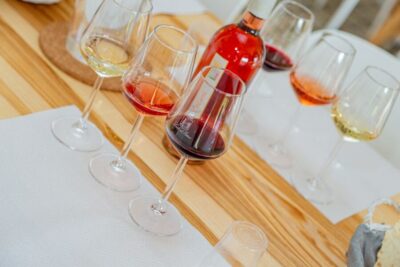
- Three wineries in one day: Taste Chianti, Chianti Classico, Riserva, and possibly Supertuscan wines in different winery settings.
- Olive oil is not an afterthought: A historic estate and working press add a useful second food-and-farming story.
- Lunch comes with wine pairings: The three-course meal is served at a boutique winery, with dietary needs accommodated when arranged in advance.
- Comfortable transport matters: A Mercedes minivan or minibus with Wi-Fi handles the winding roads from Florence.
- Greve may be brief: The medieval town is scheduled as a stop, but winery visits and sales time can reduce your free time there.
- The tastings are generous: Bring a snack, pace yourself, and do not feel obliged to finish every glass.
Why this Chianti day trip works from Florence
At $104 per person, this is priced as a practical all-in-one excursion rather than a simple ride to one tasting room. You receive round-trip transportation, three winery visits, wine tastings, an olive oil tour and tasting, a three-course lunch, and an English-speaking driver-guide.
That bundle matters in Tuscany. The Chianti countryside is close to Florence, but the wineries are spread across winding hill roads. You could rent a car, but then someone in your group must skip the wine. A train does not solve the problem. This tour lets you look out the window, ask questions, and taste freely while someone else handles the driving.
The day lasts about five to seven hours. That gives you enough time for a real outing without swallowing your entire Florence visit. You will still need to reach the meeting point yourself at Via dei Vagellai 22r, at Piazza Mentana on the Arno’s opposite side. Pay attention to the address, since one person specifically wished the meeting instructions had named a nearby hotel or landmark more clearly.
More Olive Oil and Wine Tastings in Florence
- Tuscany Bike Tour with Wine, Oil and Food in the Florentine Hills
★ 5.0 · 209 reviews - Florence: Tuscany Bike Tour with Wine & Olive Oil
★ 4.9 · 174 reviews - Florence: Private Vintage FIAT 500 with Wine & Olive Oil
★ 4.5 · 21 reviews
Riding from Florence into the Chianti hills
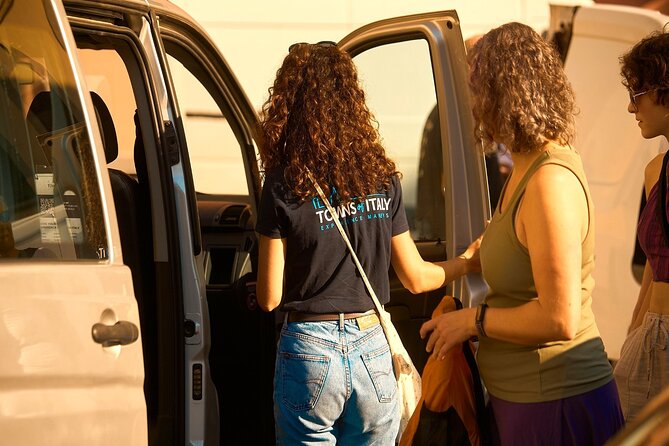
The trip begins in a Mercedes minivan or minibus, generally with a small group. Some departures have had only six people, while other groups have been larger. The vehicle includes free Wi-Fi and air conditioning, both welcome on a warm Tuscan afternoon.
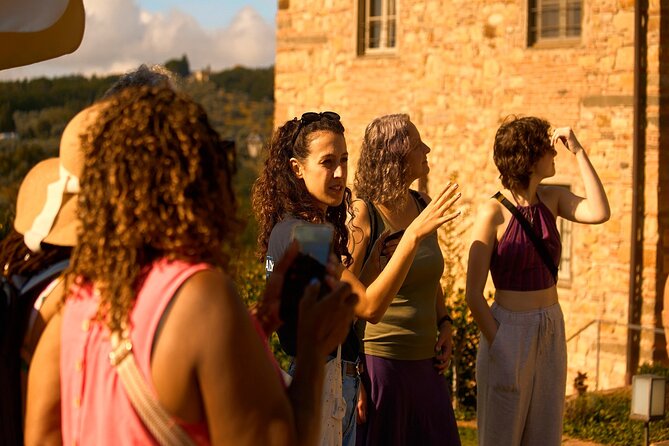
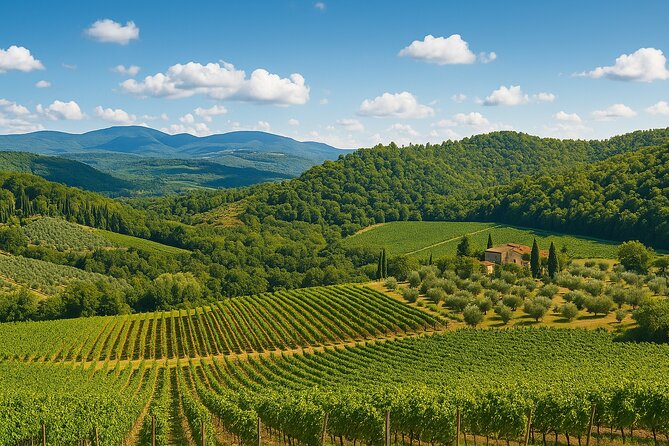
The drive itself is part of the reward. Florence soon gives way to vineyard rows, olive groves, old estates, hilltop views, and villages with terracotta roofs. Your guide provides the regional story as you go, explaining how wine, olive oil, estates, and local families fit together.
Drivers and guides have received especially warm praise. Francesco is described as funny and attentive, while Chiara, Cristina, Peter, Daria, Luisa, Antonella, and others have been singled out for clear explanations and friendly service. This is a guide-led experience, not a bus transfer with a few facts added on. Ask questions as you go, especially if you want help understanding the differences between Chianti Classico, Riserva, and Supertuscan wines.
The vehicle is usually a strong point, though not every departure feels equally spacious. One person found the bus cramped, and larger groups can make the ride feel less personal. If you care strongly about space and individual attention, consider the semi-private option with a maximum of eight people.
Three wineries, three different views of Tuscan wine
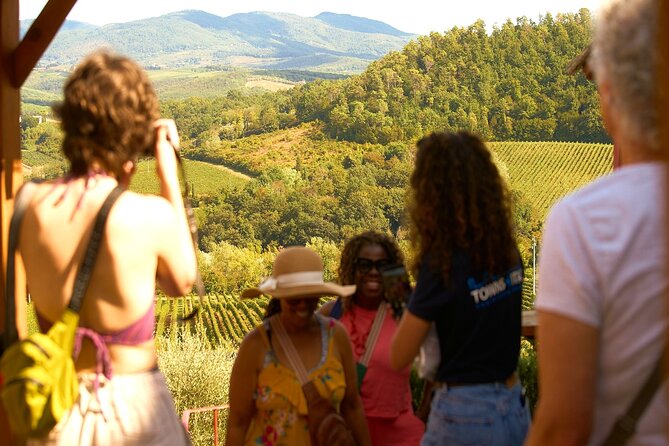
The three winery stops give the day useful variety. You are not simply taken to the same type of tasting room three times. The visits can include boutique production, historic cellars, vineyard walks, olive oil, and more polished wines meant for aging or special occasions.
At the first winery, you may begin with a more artisan feel. One departure included a visit to an olive oil press, with time to taste the oil and learn how it is made. This is one of the most distinctive parts of the day because it adds texture to the usual wine-tour script. You see how another Tuscan staple is produced, then compare the peppery, fresh flavor of extra virgin olive oil with the more familiar wines.
The second winery may be the busiest stop for food, wine, and conversation. A passionate owner or sommelier can turn the tasting into a small performance, explaining the bottles while serving lunch or guiding the group through the estate. That energy is fun, but it can also make the schedule feel rushed. One person felt the second winery moved too quickly, even though the host was engaging.
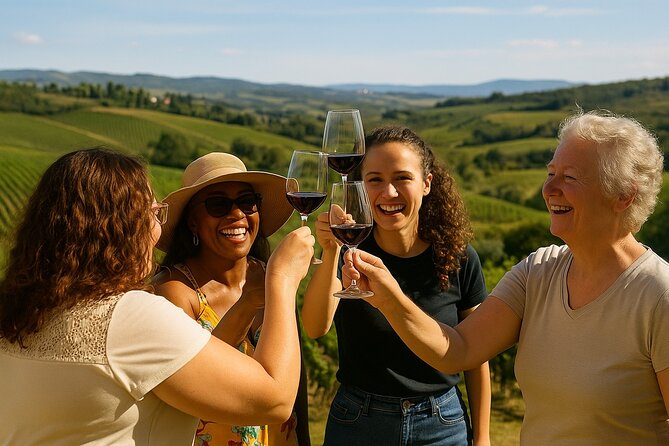
The final winery is often the high point for people who want premium bottles. Tastings can include Chianti Classico, Riserva, and Supertuscan wines, with time to shop if you find something you like. Purchases are available, but there is no stated pressure to buy. Shipping options are easy at some wineries, which is useful if you do not want to carry bottles through the rest of Italy.
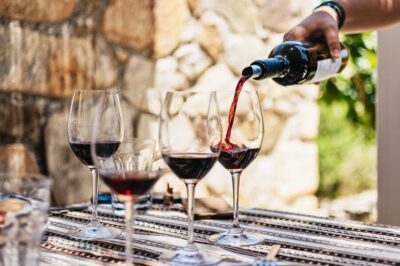
Expect several small pours rather than a single token sip. Some outings have included more than ten glasses across the day. That is generous for the price, but it also means you should pace yourself. You can taste, compare, and leave wine in the glass. There is no prize for finishing every pour, and the combination of heat, lunch, and alcohol can catch up with you later.
Learning to taste wine without the fuss
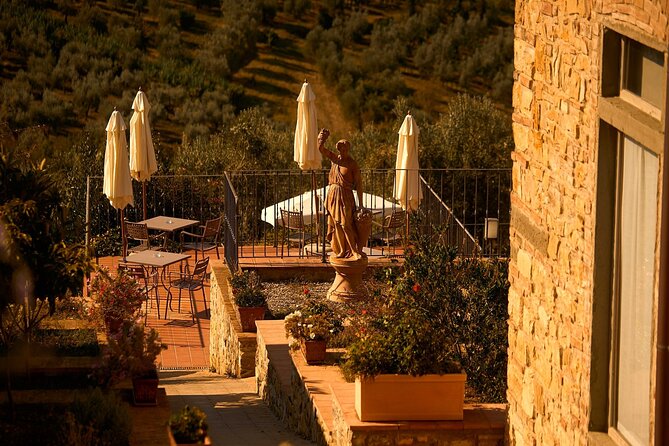
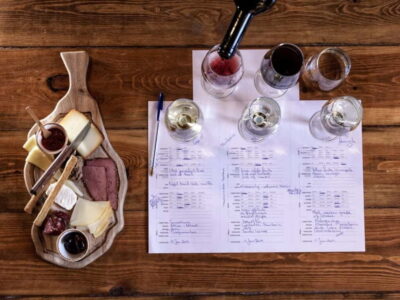
The guide or winery host explains how to assess aroma, structure, acidity, and finish. This is not a formal wine course, but it gives you a useful vocabulary for understanding what is in your glass.
You might learn why Chianti Classico tastes different from a broader Chianti bottling, how a Riserva signals a longer aging process, or why Supertuscan wines sit slightly outside the traditional rules while still representing serious Tuscan winemaking. The exact bottles vary, so the value comes less from memorizing labels and more from comparing several styles in one day.
This is also where the guides make a difference. Francesco, Peter, Chiara, and Lorenzo have been praised for explaining wine in an easy, entertaining way rather than burying the group in technical language. If you are new to wine, you can ask basic questions without feeling out of place. If you already know your Sangiovese from your Cabernet, the semi-private upgrade offers more room for detailed discussion and a stronger focus on Supertuscans.
More Olive Oil and Wine Tastings in Italy
- Sorrento Farm and Food Experience including Olive Oil, Limoncello, Wine tasting
★ 5.0 · 2,524 reviews - Sorrento: Lemon, Olive Oil and Wine Tasting Tour with Lunch
★ 5.0 · 300 reviews - Alghero: Wine and Olive Oil Tasting at a Local Farm
★ 4.8 · 294 reviews - Balestrate: Olive Grove Tour with Wines & Olive Oil Tasting
★ 5.0 · 241 reviews
The olive oil mill adds real substance
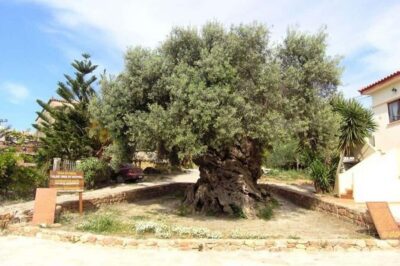
Wine gets top billing, but I think the olive oil visit is what keeps this from feeling like a standard tasting circuit. At an ancient estate, you tour a historic mill and taste extra virgin olive oil while learning about production.
When the pressing process is operating, you may be able to see the machinery and the full production method. That timing is not guaranteed, but the working mill has been a major highlight for people who want something beyond cellar doors and wine glasses.
The tasting also sharpens your attention to food. A good extra virgin olive oil should have freshness and character, not just a bland oily texture. You can take what you learn into the lunch that follows, where bread, pasta, vegetables, and other Tuscan dishes become part of the lesson.
Greve in Chianti, with a warning about time
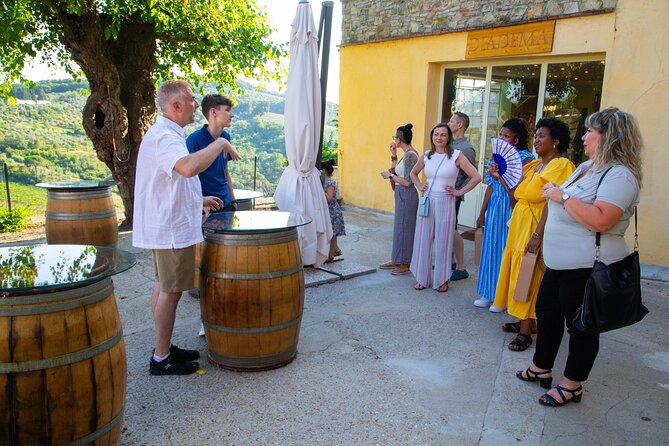
Greve is the medieval heart of the Chianti region and serves as the village stop on the route. You are scheduled to have time for photographs, a short walk, sightseeing, or coffee.
Do not plan your day around a long visit here. The stop can be brief, and winery explanations or shopping may reduce the available time. One departure missed Greve because the winery visits ran long. Another included just enough time for coffee and a quick look around.
That is not necessarily a flaw. The tour’s main purpose is wine and olive oil, not a full village tour. Still, if Greve is high on your list, ask at the start how much time is planned and keep your expectations modest. The town’s old streets and unusual terracotta cat decorations can make a quick stop memorable, but you may not have time for a leisurely wander.
A three-course lunch at a boutique winery
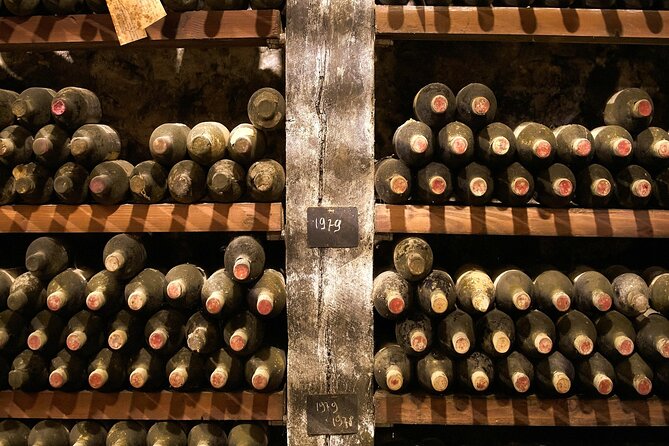
Lunch is served at the third winery and includes wine pairings. It is meant to be a traditional Tuscan meal, and several outings have included excellent food, welcoming hosts, and careful handling of vegetarian, gluten-free, and nut-related needs.
The setting helps. You are not stopping at a roadside restaurant between attractions. You eat at a winery, surrounded by the same countryside and production story that shaped the tasting. That makes lunch feel like part of the visit rather than a break from it.
The food is the least consistent element. Many people have loved the meal, while others felt it did not match the quality of the wines. One person specifically found the lasagna reheated rather than freshly made. I would book this for the overall day, not solely for a guaranteed gourmet lunch.
Tell the operator about dietary needs in advance. The supplied information says the team will do its best to accommodate mobility needs as well, though the tour runs in all weather and winery terrain may vary. Pregnant women should not book this experience, and anyone under 18 receives non-alcoholic drinks under Italian law.
Comfort, group size, and the semi-private choice
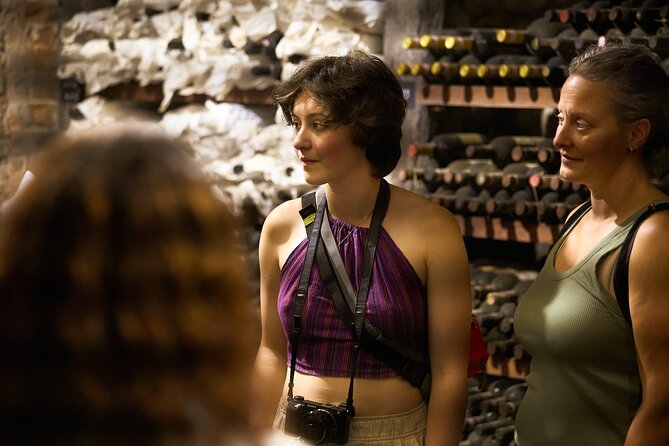
The standard trip is described as a small-group outing, but the exact size can vary. Smaller groups create the friendly, social feel that many people enjoy. You may end up chatting with people from several countries and sharing bottle recommendations by the afternoon.
The trade-off is that a larger van can feel tight, and more people mean less time for individual questions. The drop-off can also differ from the meeting point. One person was left about nine minutes farther away and faced a long walk back to their accommodation, while other guides offered helpful hotel-area drop-offs in bad weather. Do not assume your hotel is included in the transfer. Transportation to the Florence meeting point is not included.
The semi-private upgrade limits the group to eight and includes a certified wine expert with a special focus on Supertuscan wines. It may be worth the extra cost if wine is your main reason for going, you want more cellar access, or you prefer a quieter, more personal day. For a first taste of Chianti, the standard option already covers a lot.
Practical advice for getting the most from the day
Wear comfortable shoes. You may walk through estates, cellars, and outdoor areas, and the route continues in rain or shine.
Bring your passport or ID card. The operator lists this as required, and wine service for anyone under 18 is replaced with non-alcoholic drinks.
Eat something small before departure or carry a snack such as a croissant. The tastings are generous, and lunch comes later. Water and restraint will serve you better than trying to finish every pour.
Leave room in your luggage for olive oil or wine, but remember that the tour does not promise that every winery ships purchases internationally. Ask each estate about shipping before buying several bottles.
The tour is offered in English, with free cancellation up to 24 hours before departure and a reserve-now, pay-later option. Check the exact start time when booking because the duration and departure schedule can vary.
Who should book this Chianti tour?
I would choose this for a first visit to Tuscany, especially if you are staying in Florence and want countryside, wine, food, and olive oil in one manageable outing. It suits couples, friends, solo visitors who enjoy meeting people, and anyone who does not want to drive after tasting.
It is less suited to someone seeking a slow, private estate visit or a dedicated Greve walking tour. The schedule covers a lot, so you trade lingering time for variety. It is also not a good fit for pregnant women, and the wine-heavy format may not suit anyone who cannot drink alcohol, although minors receive non-alcoholic beverages.
Should you book it?
Yes, if you want strong value and broad coverage in one day. Three wineries, olive oil, lunch, a village stop, and transport from Florence make $104 a fair price, especially when you consider that the group avoids the cost and risk of a rental car.
Book the semi-private version if you care most about wine depth and personal attention. Choose the standard trip if you want a sociable day with a well-rounded Tuscan sampler. Just pace yourself, confirm the meeting point, and treat Greve as a bonus rather than the main event.
FAQ
How much does the Chianti wine and olive oil tour cost?
The listed price is $104 per person.
How long does the tour last?
The experience lasts approximately five to seven hours.
Where does the tour meet in Florence?
The meeting point is Via dei Vagellai 22r, at Piazza Mentana, on the opposite side of the Arno River.
Is transportation from my Florence hotel included?
No. Transportation to and from the Florence meeting point is not included. The tour does provide round-trip transport from the meeting point into Chianti.
What type of vehicle is used?
Transport is provided in a Mercedes minivan or minibus with free Wi-Fi.
How many wineries will I visit?
You will visit three wineries and taste a selection of Chianti and Chianti Classico wines.
Is lunch included?
Yes. A three-course traditional Tuscan lunch with wine pairings is included at a boutique winery.
Is olive oil tasting included?
Yes. The tour includes a guided visit to an olive oil mill and olive oil tastings.
Is the tour offered in English?
Yes. The tour includes an English-speaking driver and live English guidance.
Can I cancel the booking?
You can cancel up to 24 hours in advance for a full refund. The reserve-now, pay-later option is also available.
More Olive Oil Tastings with Lunch in Italy
- Farm-to-Table Experience: Olive Oil, Garden Tour & Nonna’s Lunch
★ 5.0 · 35 reviews - Visit to the olive grove, oil tasting and lunch at the farm
★ 5.0 · 31 reviews - Private Pompeii Tour with lunch and Olive Oil Factory Experience
★ 5.0 · 16 reviews - Abruzzo: Country Picnic in an Olive Grove at a Winery
★ 4.8 · 12 reviews
Newest grove reviews around Italy
- Buti: Olive Oil Ancient Mill Tour and Tasting Experience★ 5.0 · 2 reviews
- Cagliari: Wine and Olive oil Experience + Oil Mill Museum★ 5.0 · 2 reviews
- Bevagna: Olive Oil Mill Tour with Guided Tasting★ 5.0 · 6 reviews
- Bari: narrated extra virgin olive oil tasting with aperitif★ 4.5 · 3 reviews
- Olive Mill Tour and Tasting in the Verona Countryside★ 5.0 · 9 reviews
- Olive Oil Tasting & Mill Guided Visit in Perugia★ 4.9 · 12 reviews
- Puglia Olive Oil Tasting Experience with Olive Grove Walk★ 4.5 · 10 reviews
- Visit olive groves and oil mill with oil tasting in Trevi in Umbria★ 5.0 · 5 reviews
Olive Oil and Wine Tastings, compared.
Sorrento Farm and Food Experience including Olive Oil, Limoncello, Wine tasting
Read our review →
Krka Waterfalls With Boat Cruise, Wine and Olive Oil
Read our review →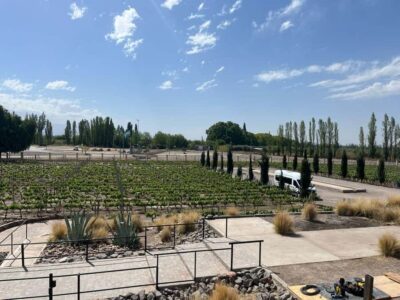
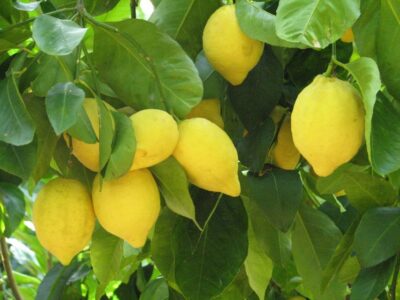
Lemon, Olive Oil and Wine Tasting Tour with Lunch
Read our review →