
Review · HISTORICAL TOURS
Olive Oil Guided Tasting and History in Pula
The clever part of this Pula experience is the side-by-side tasting. You try high-quality Istrian olive oils next to the sort of bottle commonly bought at a supermarket, then test extra virgin olive oil with a sweet dessert. That makes the lesson practical, not just historical.
I like the Roman connection, which shows how long olive oil has shaped Istria, and the clear focus on learning to spot good and bad qualities for yourself. The tasting room is the real heart of the visit. The one drawback is that the museum is fairly small, and its layout may feel less polished than the tasting itself.
- Compare premium and supermarket oils: Learn how taste, smell, and faults separate better oil from ordinary oil.
- See Roman oil-making methods: The exhibition explains how Romans in Istria produced and exported olive oil.
- Watch two short films: Traditional processing and modern production add useful context before the tasting.
- Learn about polyphenols: The guide explains why these natural compounds matter in olive oil and health.
- Finish with dessert: A surprise sweet pairing gives you an unusual way to taste extra virgin olive oil.
- Plan for about 90 minutes: The visit is flexible and may last closer to an hour or an hour and a half depending on your questions.
Starting at the House of Istrian Olive Oil in Pula
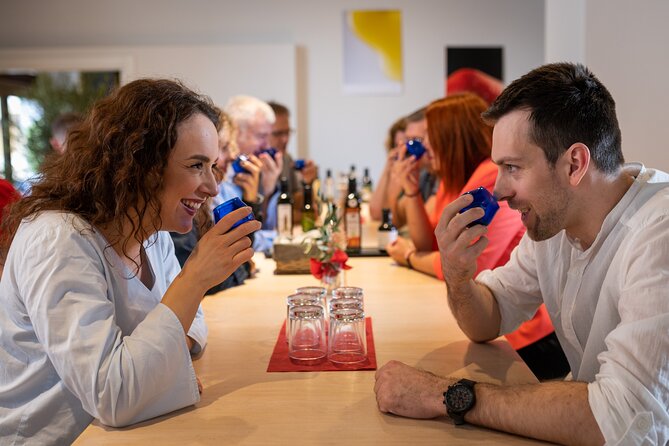
The experience begins at the House of Istrian Olive Oil, at Istarska ul. 30 in Pula. It ends at the same place, so you do not need to arrange a separate pickup or find your way back after the tasting.
You can reach the venue using public transportation, and the activity accepts mobile tickets. The listed operating hours are Monday through Saturday, 10 a.m. to 6 p.m., for the published operating period. Check your booked time carefully, since the experience is not listed for Sundays.
This is a useful stop if you are already exploring central Pula. The visit does not require a full day, and its roughly 90-minute length fits neatly between sightseeing plans, lunch, or an afternoon walk. I would still avoid scheduling it too tightly. The tasting is built around questions, and rushing out just as the discussion gets interesting would miss part of its value.
The group can include up to 20 people. That is not an intimate private tasting, but it is small enough for the guide to explain the oils and answer questions without turning the session into a lecture for a large crowd.
Roman olive oil production before the tasting
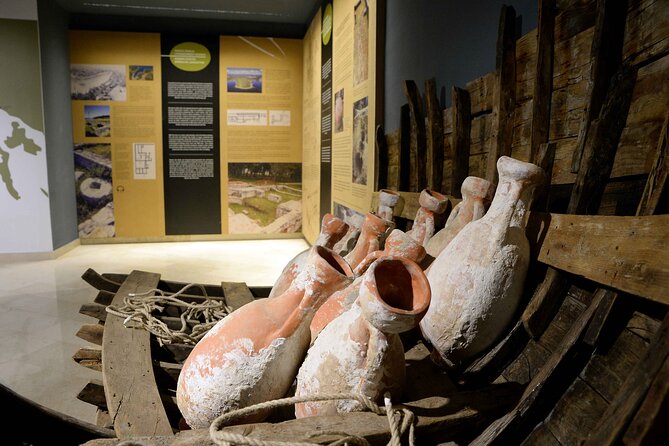
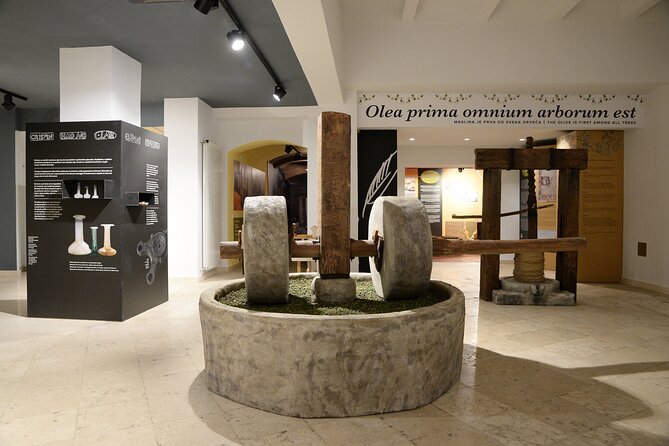
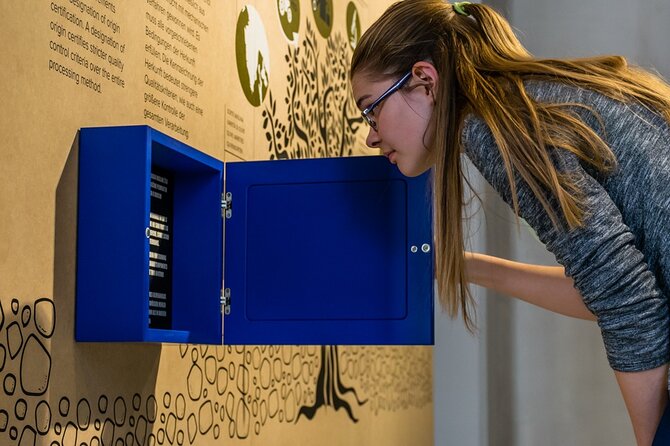
The first section takes place in an exhibition about olive oil in Istria. You learn how Romans made olive oil in the region, where it was exported, and how production connected Istria with the wider Roman world.
That background matters because the tasting is not presented as an isolated food sample. Olive oil is tied to local farming, trade, technology, and daily life. Seeing the older methods first gives you a better frame for understanding how production has changed.
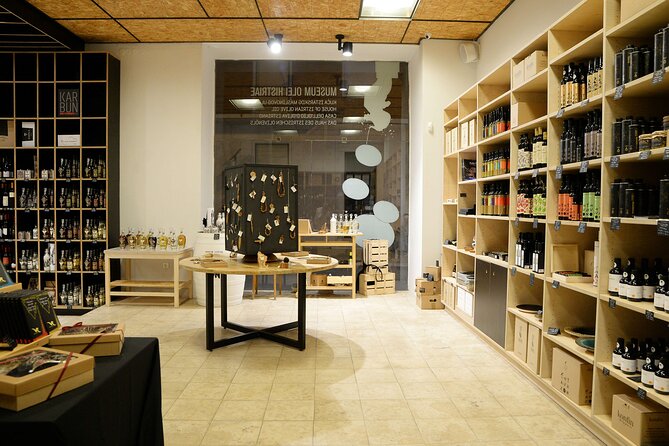
The exhibition is on the small side. One earlier visitor found the museum smaller than expected and thought the layout was unusual, so you should not arrive expecting a large national museum with room after room of displays. Think of this opening section as a compact introduction before the main event.
For me, the scale can actually work in its favor. You are not spending most of the visit reading long panels or walking through a huge collection. You get the basic story, then move on to the part where you can smell, taste, compare, and ask questions.
More History and Heritage Tours around Croatia:
- Zadar Olive Oil & Wine with Dalmatian Views & History
★ 5.0 · 34 reviews - Šibenik: Croatia in a Day, Vistas, History, Olive Oil, Wine
★ 5.0 · 30 reviews - Heraklion: Zeus Cave & Knossos History, Villages & Olive Oil
★ 4.9 · 89 reviews
Two films explain old and new methods
The museum portion also includes two short films. One covers traditional processing, while the other explains how olive oil is made today.
These films help bridge the gap between the Roman material and the modern bottles on the tasting table. If you have never thought about how olives become oil, this sequence gives you a useful outline before the sensory work begins.
The films are not described as long productions, and the whole visit remains compact. You should not expect a full working mill demonstration or a farm visit. Instead, you get a visual explanation of the production process inside the museum.
The exhibition itself may feel less interactive than some modern food museums. That is the clearest weakness in the first half. Still, the guide-led format keeps the information moving, and the tasting gives you a hands-on way to apply what you have just seen.
The tasting room is the strongest part
After the exhibition, you move into the tasting room for a guided sensory analysis of several Istrian olive oils. This is where the experience earns its price.
You are not simply handed a small glass and told whether the oil is good. The guide teaches you how to notice positive and negative attributes, then explains why certain aromas and flavors matter. The goal is to help you judge olive oil more confidently after you leave Pula.
A useful feature is the comparison between higher-quality Istrian oils and an oil commonly bought in a supermarket. That contrast gives you a reference point. Without a comparison, terms such as fresh, bitter, peppery, or faulty can remain vague. With two different quality levels in front of you, the lesson becomes easier to understand.
You can expect the guide to discuss both the pleasant qualities of good oil and the faults that can signal poor storage, age, or production problems. The information provided does not list each oil or every tasting note, so the exact selection may vary. What is clear is that the point is comparison, not simply sampling several similar products.
The session also covers polyphenols, natural compounds found in olive oil. You learn why they are discussed in relation to health and why a more intense, bitter, or peppery character can be part of a good oil rather than a flaw.
That distinction is especially useful for anyone used to mild supermarket oils. A stronger oil can taste surprising at first. The guide helps you understand what you are tasting instead of treating every unfamiliar sensation as a problem.
How the sensory lesson helps you shop
The practical value continues after the visit. You leave with a better chance of recognizing quality when buying olive oil in Croatia or at home.
The experience does not promise to turn you into a professional taster, and you should not expect a technical certification. It gives you a vocabulary and a set of comparisons that make food labels and tasting claims easier to question.
The phrase extra virgin can sound reassuring, but the tasting encourages you to pay attention to the actual oil. Aroma, freshness, balance, bitterness, and peppery notes all contribute to your judgment. The lesson may also make you more skeptical of assuming that every bottle marked extra virgin tastes equally fresh or well made.
This is one reason the activity suits food-focused visitors. You do not need prior experience. You only need curiosity and a willingness to taste oils more carefully than you might at a restaurant table.
More Guided Tours around Croatia:
- Pula: House of Istrian Olive Oil Museum and Guided Tasting
★ 4.9 · 35 reviews - Guided tour and olive oil tasting in Alhaurin el Grande (Málaga)
★ 5.0 · 200 reviews - Guided Tasting Tour in 16th century House and Olive Oil Factory
★ 5.0 · 169 reviews - Guided Wine and Olive oil tasting
★ 5.0 · 158 reviews
The surprise dessert and olive-oil pairing
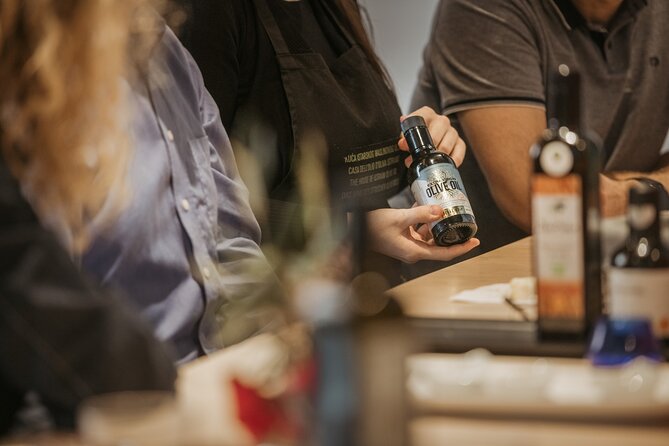
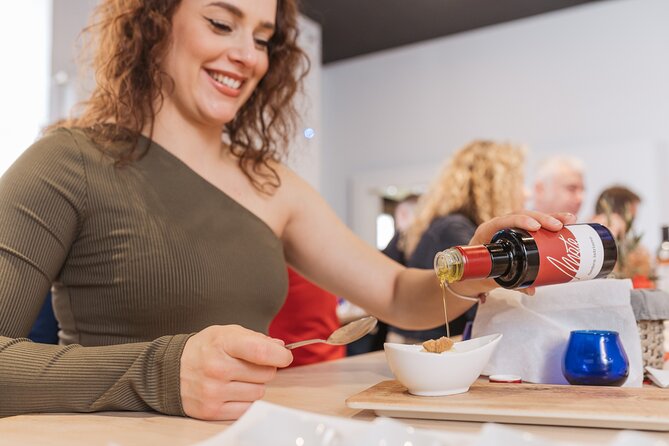
The final tasting element pairs a surprise dessert with high-quality extra virgin olive oil. It is a small but memorable change of direction after the savory sensory analysis.
Many people think of olive oil with bread, vegetables, fish, or other savory foods. Pairing it with something sweet shows how flexible a good oil can be. The surprise format also means you should not expect to know the dessert in advance.
The dessert is included in the price, along with the other tasting snacks. Since no exact ingredients or recipe are provided, anyone with food allergies should ask the provider before tasting. The available information does not confirm a specific allergy-friendly option.
This final pairing also gives the visit a pleasant finish. You have spent time learning to identify defects and desirable traits, then end by considering olive oil as a flavor ingredient rather than just a cooking staple.
Is $36.04 good value for 90 minutes?

At $36.04 per person, this is more expensive than a casual oil sample in a shop. The price includes the exhibition, two films, guided sensory tasting, snacks, and the dessert pairing, so you are paying for instruction as well as food.
I think the value depends on what you want from a Pula activity. If you only want to taste olive oil, the price may feel high. If you enjoy local food culture and want to understand what separates a premium Istrian oil from an everyday supermarket bottle, the cost is easier to justify.
The small group limit of 20 helps. You are not paying for a huge presentation with little chance to ask questions. The guide-led format is central to the experience, and the tasting becomes more useful when you can ask why one oil smells fresher, tastes more bitter, or has an unpleasant note.
The visit also saves time compared with arranging a separate museum stop and tasting appointment. Everything takes place at one address and usually fits into an hour to an hour and a half.
I would rate the value as strongest for people who cook, enjoy food markets, collect regional products, or plan to buy olive oil during their time in Croatia. It is less compelling if you have limited time in Pula and want to focus only on major ancient monuments.
Who should book this Pula olive-oil experience?
I would recommend it to food-focused visitors, couples, solo visitors, and small groups who like learning through taste. It also works well for anyone who wants a calm indoor activity during the middle of a sightseeing day.
You do not need to know anything about olive oil beforehand. The guide starts with the regional and historical setting, then explains the sensory side step by step.
The experience is also a good choice if you want something more specific than a general city tour. Pula has famous Roman remains, but this visit adds another part of local identity: agriculture, trade, production, and the food on everyday tables.
Families may enjoy the tasting, though the supplied information does not specify children’s pricing or a child-focused format. Most people can participate, and service animals are allowed. If mobility or seating details matter to you, ask the provider directly because those points are not specified.
I would be less likely to book it for someone who dislikes tasting strong flavors or prefers highly interactive museums. The exhibition is compact, and one part of the visit relies on watching films and listening to explanations.
Practical timing, tickets, and cancellation
Your confirmation is provided at the time of booking, and you can use a mobile ticket. The activity is offered in English.
The venue is open Monday through Saturday from 10 a.m. to 6 p.m. during the published operating period, which runs from March 30, 2022, through January 21, 2027. The experience is usually booked about 23 days ahead, so advance planning is sensible if your Pula dates are fixed.
Free cancellation is available if you cancel at least 24 hours before the scheduled start time. A cancellation made less than 24 hours before the start is not refunded, and changes inside that period are not accepted. The deadline follows local time in Pula.
My verdict on the House of Istrian Olive Oil
Book this experience if you want to understand Croatian food culture through a focused, hands-on lesson. The best parts are the comparison between premium and supermarket oils, the clear explanation of sensory qualities, and the unusual dessert pairing.
Go in with realistic expectations. The museum is small, and the exhibition may not feel as polished or interactive as the tasting room. But the guide-led session gives the visit its purpose, and the knowledge you gain can change how you shop for and taste olive oil long after you leave Pula.
At $36.04, I see it as a worthwhile half-day-sized stop for food lovers, especially when you value practical learning over a large attraction. If your schedule allows about 90 minutes, this is a thoughtful way to experience an important part of Istrian life without leaving the city.
FAQ
Where does the olive oil experience begin?
It begins at the House of Istrian Olive Oil, Istarska ul. 30, 52100 Pula, Croatia.
Where does the activity end?
The activity ends back at the meeting point at the House of Istrian Olive Oil.
How long does the experience last?
It lasts about one to one and a half hours. The exact length depends on the pace of the visit and your questions.
What language is the experience offered in?
The experience is offered in English.
How much does the activity cost?
The listed price is $36.04 per person.
What is included in the tasting?
Olive oil tasting and snacks are included. The experience also includes a surprise dessert paired with high-quality extra virgin olive oil.
How many people can join the group?
The activity has a maximum of 20 participants.
What days and hours is the venue open?
The listed hours are Monday through Saturday, from 10 a.m. to 6 p.m., during the published operating period.
Can I use a mobile ticket?
Yes. The experience accepts mobile tickets, and booking confirmation is provided at the time of booking.
What is the cancellation policy?
You can cancel for a full refund up to 24 hours before the scheduled start time. Cancellations or changes made less than 24 hours before the start are not accepted for a refund.
Newest grove reviews around Croatia
- E Bike Tour with wine and olive oil tasting in Vodnjan★ 5.0 · 4 reviews
- Private Split & Klis Fortress Tour, Olive Museum & Port Pickup★ 4.5 · 13 reviews
- Istrian hill top cities tour with truffle and olive oil tasting★ 5.0 · 18 reviews
- Šibenik or Zadar: Krka falls, olive mill, oil & wine tasting★ 4.8 · 17 reviews
- Cres: Olive Oil Walking Tour with Tastings★ 4.9 · 24 reviews
- Šibenik: Croatia in a Day, Vistas, History, Olive Oil, Wine★ 5.0 · 30 reviews
- Hvar: Island tour with Wine and Olive Oil Tasting★ 5.0 · 36 reviews
- Zadar Olive Oil & Wine with Dalmatian Views & History★ 5.0 · 34 reviews
Historical Tours, compared.
Zeus Cave & Knossos History, Villages & Olive Oil
Read our review →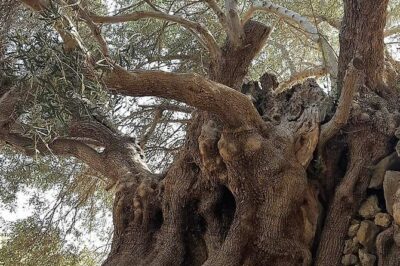
Richtis Waterfall, History, Azoria, OliveTasting, NorthCoast
Read our review →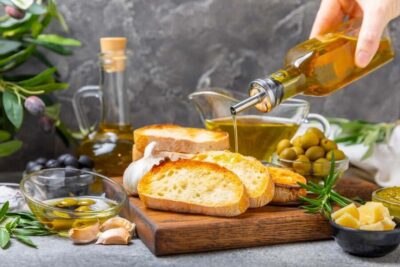
Zadar Olive Oil & Wine with Dalmatian Views & History
Read our review →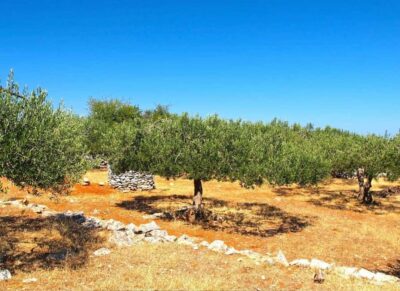
Šibenik: Croatia in a Day, Vistas, History, Olive Oil, Wine
Read our review →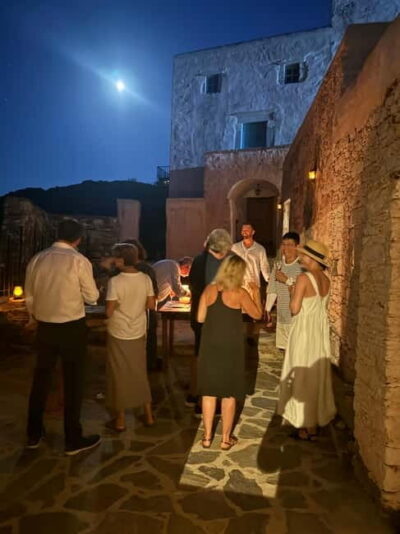
Classical guitar concert in a historic olive press
Read our review →
Douro Valley: A Sensory Experience in the Douro: Wines, Olive Oil, and History
Read our review →Browse the lists this tour appears in