
Review · OLIVE OIL MUSEUMS
Pula: House of Istrian Olive Oil Museum and Guided Tasting
The most useful part of this Pula visit is the tasting. You do not just sip five oils and move on. You learn to compare aroma, taste, texture, and appearance, then test those lessons against an ordinary supermarket oil. That turns a familiar kitchen staple into something you can judge for yourself.
I like the Roman background, which explains how olive oil shaped trade in Istria, and I like the clear tasting format, including a sweet dessert paired with olive oil. The main drawback is simple: at $35 per person, this is a focused museum visit, not a full-day food tour. It makes the most sense if you are curious about olive oil or need a good rainy-day stop in Pula.
Key points to know before you go
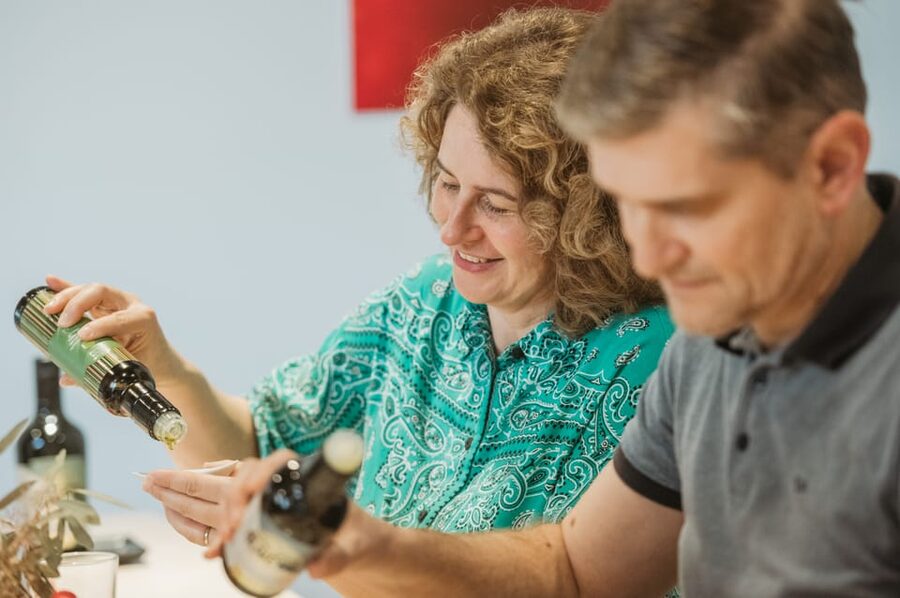
- Five extra virgin olive oils are tasted, giving you a useful side-by-side comparison rather than one quick sample.
- Roman olive oil production and export are part of the story, adding context to Istria’s long connection with the product.
- Two short films show old and modern production methods, so you can compare tools and techniques across time.
- The tasting teaches both positive and negative qualities, including how to spot oil that falls short.
- A dessert and olive oil pairing adds a playful finish and shows that good oil is not limited to savory dishes.
- The central Pula location and rainy-weather appeal make this easy to add to a city sightseeing day.
Starting at the House of Istrian Olive Oil in Pula
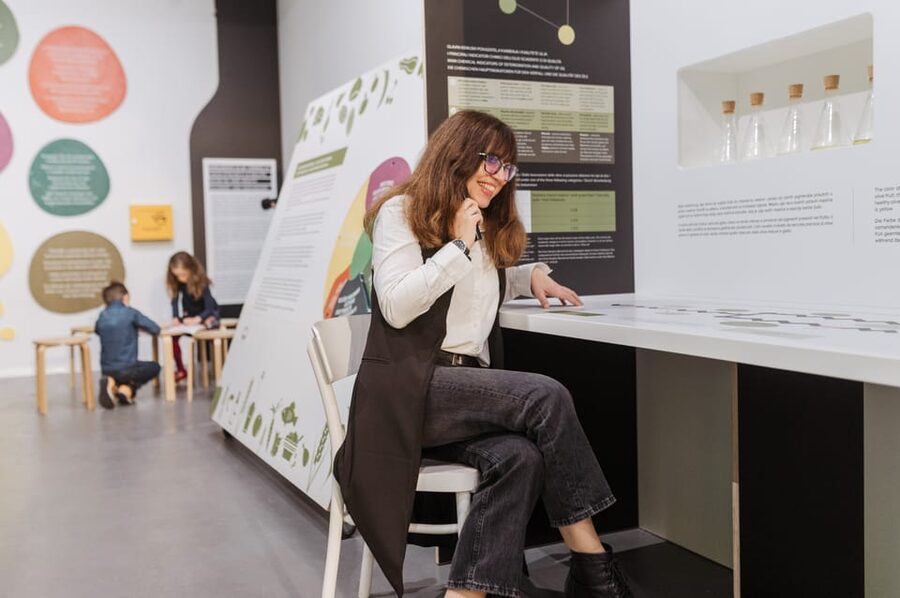
The House of Istrian Olive Oil is in the center of Pula, so this experience fits neatly into a day spent seeing the city. You do not need to make a separate trip into the countryside to learn about Istrian oil. Instead, you get the subject explained in a compact museum setting.
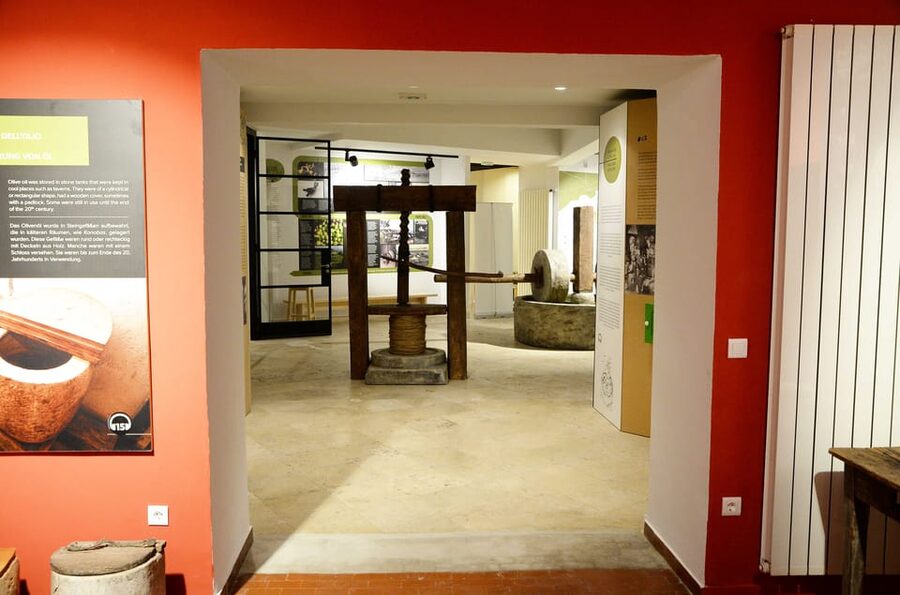
That central location matters. Pula is known for its Roman remains, and the museum connects olive oil to that same period rather than treating it as a modern food trend. You begin with the long story of oil production in Istria, including how the Romans made it and how it was shipped out for trade.
I like this opening because it gives the tasting a reason to exist. You are not simply comparing brands. You are learning why olive oil has mattered in this part of Croatia for centuries and how local production fits into the wider history of the region.
The visit is also a practical choice when the weather turns wet. One visitor specifically found it a strong rainy-day option in Pula, and that is good advice. The indoor format gives you a break from outdoor sightseeing without sending you far from the city center.
More Olive Oil Museums around Croatia:
- Split: Klis Fortress GOT and Olive Museum Entry Tickets
★ 4.6 · 283 reviews - Split: Blue Line Sightseeing to Trogir, Klis & Olive Museum
★ 4.3 · 197 reviews - Visit Klis fortress GOT & Olive museum Klis
★ 4.5 · 77 reviews
Roman presses, trade, and two short films
The historical section looks at how Romans produced olive oil and where it went after production. The export story is especially useful because it shows that olive oil was not only a household item. It was also a trade product with value beyond the grove where it was made.
You then watch two short films. One presents the traditional way of making olive oil, while the other shows how the process is handled today. The films are brief, but they help bridge the gap between the museum displays and the tasting room.
This comparison is one of the better parts of the experience. Traditional methods can sound romantic when described in a few words, but seeing the process beside modern production gives you a clearer picture of what has changed. You can consider the role of machinery, efficiency, and control without losing sight of the older methods.
The films also keep the museum visit from becoming a wall of written information. That matters if you have limited time or prefer to learn through images. An audio guide is available in 12 languages, which gives the visit more flexibility for different language needs.
The listed guided-tasting languages are English and German. If language is important to your booking decision, check the available option when you reserve, since the audio guide and the live tasting support are presented separately.
The tasting room and five different oils
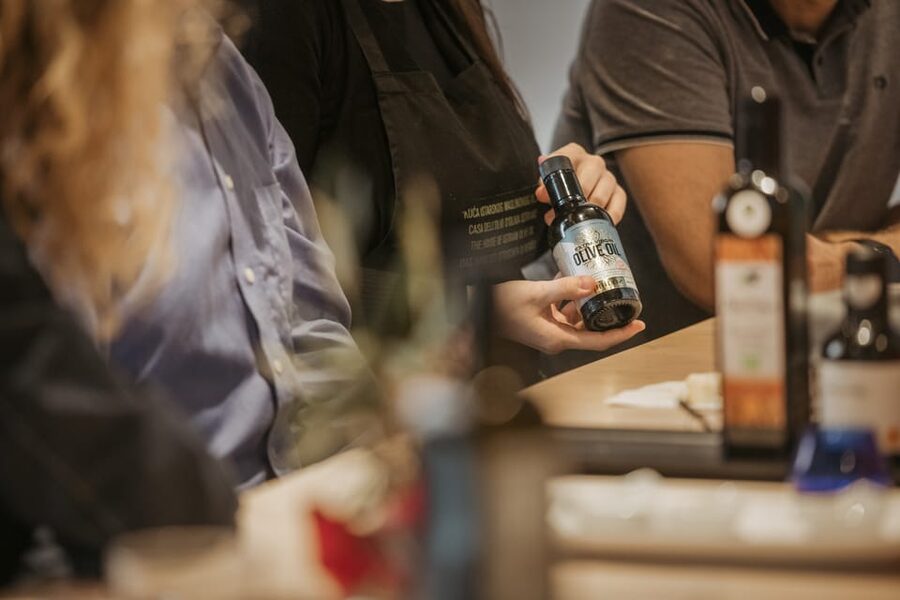
The tasting is the heart of the visit. You sit down in a dedicated tasting room and work through five extra virgin olive oils. The point is not to swallow a spoonful and decide if you like it. You are guided to pay attention to the oil’s smell, flavor, texture, and appearance.
That structure gives you something useful to take home. After the visit, you can approach a bottle of oil with more confidence. You may notice fresh or unpleasant aromas, a smooth or rough texture, and flavors that suggest quality or a problem.
The comparison with a supermarket oil is particularly helpful. Many people buy olive oil based on the label, price, or bottle design. Here, you get a direct chance to compare a typical supermarket product with Istrian extra virgin oils. The contrast may change how you think about everyday cooking oil.
The tasting also covers positive and negative attributes. That balance is important. A good food tasting should not simply tell you that local products are excellent. It should give you a way to identify faults and understand why one oil works better than another.
I would pay close attention to how the guide explains the differences, and ask questions as they come up. The guide is described as enthusiastic about answering questions, so this is a good part of the visit for anyone who wants more than a quick sample.
Learning to recognize premium extra virgin olive oil
The phrase extra virgin appears on many labels, but the visit helps separate the words from the actual experience. You learn what to look for rather than accepting a label at face value.
The tasting focuses on four main points:
- Aroma: What you notice before tasting can reveal a lot about the oil.
- Taste: Good oil has character, and the session helps you identify its positive qualities.
- Texture: The feel of the oil matters, not only its flavor.
- Appearance: Color and look are part of the comparison, though they are considered alongside aroma and taste.
The museum also teaches you to notice negative attributes. That is a useful lesson for home cooks because it gives you a vocabulary for describing an oil that seems flat, unpleasant, or poorly made.
You do not need to be an expert before arriving. The tasting is designed to teach you the basics as you go. I like that approach because it avoids turning the session into a test. You can simply pay attention, compare, and ask questions.
The experience may be especially worthwhile if you cook with olive oil often. A $35 visit can seem expensive for a museum and tasting, but the value improves if you leave able to choose better oil and understand what you are buying. If your main aim is a large meal or a broad food tour, this is not that kind of activity.
More Guided Tours around Croatia:
- Olive Oil Guided Tasting and History in Pula
★ 4.5 · 34 reviews - Guided tour and olive oil tasting in Alhaurin el Grande (Málaga)
★ 5.0 · 200 reviews - Guided Tasting Tour in 16th century House and Olive Oil Factory
★ 5.0 · 169 reviews - Guided Wine and Olive oil tasting
★ 5.0 · 158 reviews
The sweet dessert pairing
The tasting ends with a sweet dessert paired with a selected olive oil. This is a small detail, but it gives the visit a more memorable finish.
Most people think of olive oil with bread, salads, vegetables, or fish. A dessert pairing challenges that narrow idea. It shows that olive oil can work in a sweet setting when the oil and food are matched with care.
This is also a pleasant way to close the tasting. After comparing five oils and thinking about faults and qualities, you get a final example that is less technical and more playful. It helps turn the lesson into a food experience rather than a lecture.
The dessert is not presented as a full meal, so plan your day accordingly. The experience gives you samples and a sweet pairing, but the information provided does not describe lunch or a larger food menu.
Shopping for Istrian products after the tasting
The on-site shop is useful if you want to take the lesson home. It carries a wide selection of Istrian extra virgin olive oils, along with brandies, truffles, lavender-based cosmetics, and souvenirs.
The oil selection is the obvious reason to browse. You have just learned how to compare quality, so shopping after the tasting is more informed than stopping at a random souvenir shop. You can use what you learned about aroma, flavor, texture, and appearance while considering a bottle for your kitchen.
The other products make the shop more useful for gifts. Truffles and brandies connect with Istria’s food and drink traditions, while lavender cosmetics offer a lighter souvenir option. These extras also mean that someone in your group who is less interested in olive oil may still find something worth looking at.
Prices for shop products are not provided, so I would treat shopping as optional rather than part of the $35 value calculation. The admission includes the museum experience, guided tasting of five extra virgin oils, and the dessert pairing. Purchases in the shop are separate.
Is $35 a fair price in Pula?
At $35 per person, the experience sits above the price of a simple museum entry, but it includes more than exhibits. You receive historical interpretation, two films, a guided tasting of five oils, comparison with a supermarket oil, and a dessert pairing.
I think the price is reasonable for the right person. You are paying for instruction as much as for samples. The most valuable part is learning how to judge oil yourself, especially if you like local food products and plan to shop in Istria.
The value is weaker if you only want a quick look at olive oil production. This is a focused visit, and its main subject remains olive oil from start to finish. It does not replace a broad Pula food tour, a farm visit, or a full meal.
The central location improves the deal. You can fit the House of Istrian Olive Oil into a city day without arranging separate transport. The rainy-weather use also adds value, since it gives you a worthwhile indoor activity when outdoor plans are less comfortable.
Who will enjoy this experience most?
I would recommend it to anyone who wants a better understanding of Istrian food culture, especially people who cook with olive oil or enjoy guided tastings. It also suits couples, small groups, and solo visitors who like a compact activity with a clear subject.
Families may find the films and tasting interesting, but the strongest appeal is for adults who enjoy food education. Children may appreciate the dessert, though the supplied information does not describe a child-specific program.
This is also a good choice for visitors who want a lower-pressure cultural stop. You are not hiking, traveling between sites, or committing to a long excursion. You visit the museum, watch the films, sit for the tasting, and browse the shop.
If your schedule is packed with Roman monuments and coastal trips, you may need to decide how much time you want to give one ingredient. If you have a free indoor hour or two, this is a focused way to add local food knowledge to your Pula visit.
Booking details worth knowing
You can reserve your place and pay later, which helps if your plans are still shifting. Full refunds are available when you cancel at least 24 hours in advance.
The activity is in Istria County, at the House of Istrian Olive Oil in central Pula. Audio guidance is available in 12 languages, while the additional language information lists English and German for the guided experience.
The listed rating is 4.9 from 35 reviews, and the praise centers on the exhibit design, the tasting, the friendly staff, and the clear explanation of oil quality. One visitor also noted that staff could speak some German, but you should rely on the stated language options when planning.
Should you book the House of Istrian Olive Oil?
Book it if you want to understand what makes extra virgin olive oil different, enjoy tasting local products, or need a smart rainy-day activity in central Pula. The five-oil comparison and dessert pairing give the visit more substance than a simple museum stop.
Skip it if you are looking for a full meal, a countryside excursion, or a broad tour of Istrian cuisine. At $35, the experience earns its price through the guided tasting and useful instruction, not through length or a large amount of food.
For most food-curious visitors, I think it is a worthwhile Pula add-on. You leave with a better sense of how oil should smell, taste, feel, and look, plus the chance to buy an Istrian bottle with more confidence.
FAQ
Where is the House of Istrian Olive Oil?
It is located in the center of Pula, in Istria County, Croatia.
How much does the experience cost?
The listed price is $35 per person.
What is included in the visit?
The experience includes an audio guide available in 12 languages, a guided tasting of five extra virgin olive oils, and a sweet dessert paired with a selected olive oil.
How many olive oils will I taste?
You will taste five extra virgin olive oils as part of the guided tasting.
Is a supermarket olive oil included in the comparison?
Yes. The tasting includes a comparison between high-quality Istrian olive oils and olive oil typically found in a supermarket.
What will I learn during the tasting?
You will learn how to assess aroma, taste, texture, and appearance, and how to recognize positive and negative qualities in olive oil.
What languages are available?
An audio guide is available in 12 languages. The additional language information lists English and German for the experience.
Can I buy olive oil after the visit?
Yes. The shop offers a wide selection of Istrian extra virgin olive oils, as well as brandies, truffles, lavender-based cosmetics, and souvenirs.
Can I cancel or pay later?
You can reserve and pay later. You can also cancel up to 24 hours in advance for a full refund.
Newest grove reviews around Croatia
- E Bike Tour with wine and olive oil tasting in Vodnjan★ 5.0 · 4 reviews
- Private Split & Klis Fortress Tour, Olive Museum & Port Pickup★ 4.5 · 13 reviews
- Šibenik or Zadar: Krka falls, olive mill, oil & wine tasting★ 4.8 · 17 reviews
- Istrian hill top cities tour with truffle and olive oil tasting★ 5.0 · 18 reviews
- Cres: Olive Oil Walking Tour with Tastings★ 4.9 · 24 reviews
- Šibenik: Croatia in a Day, Vistas, History, Olive Oil, Wine★ 5.0 · 30 reviews
- Zadar Olive Oil & Wine with Dalmatian Views & History★ 5.0 · 34 reviews
- Hvar: Island tour with Wine and Olive Oil Tasting★ 5.0 · 36 reviews
Olive Oil Museums, compared.
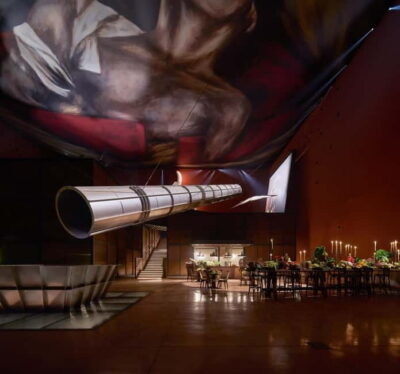
LA Almazara LA Organic, Olive Oil Museum and Tasting
Read our review →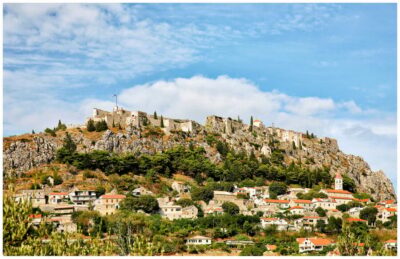
Klis Fortress GOT and Olive Museum Entry Tickets
Read our review →
Blue Line Sightseeing to Trogir, Klis & Olive Museum
Read our review →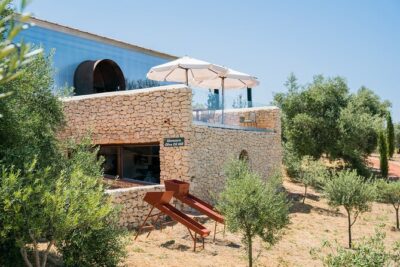
Visit Oil Mill Museum and Olive Oil Tasting in Ronda
Read our review →

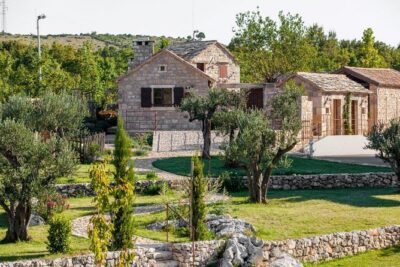
Olive museum Klis with educational olive oil tasting
Read our review →
Guided tour of the Museum of Olive Culture Oil Tasting
Read our review →Browse the lists this tour appears in