
Review · OLIVE OIL MUSEUMS
Guided tour of the Museum of Olive Culture Oil Tasting
The most useful part of this Jaén olive oil tour is that it connects the finished bottle to the tree, the mill, and the people who made olive oil long before modern machinery. You’ll walk through an olive garden with more than 30 varieties, inspect original late-19th-century equipment, and finish by learning how to taste oil properly. I like the clear link between local tradition and practical tasting skills, and I like that the two-hour visit includes the workshop materials rather than stopping at a museum display.
The main consideration is location. The meeting point is at Finca Hacienda La Laguna in Puente del Obispo, outside the main city centers, and no transportation is included in the stated experience. The tour is offered in English, but radio guides in other languages cost an extra €1.50 on arrival. The small maximum of 20 people should help keep the visit manageable, though the published information does not promise a private group.
Key points at a glance
- More than 30 olive tree varieties: The garden gives you a quick lesson in how much olive cultivation can vary within one region.
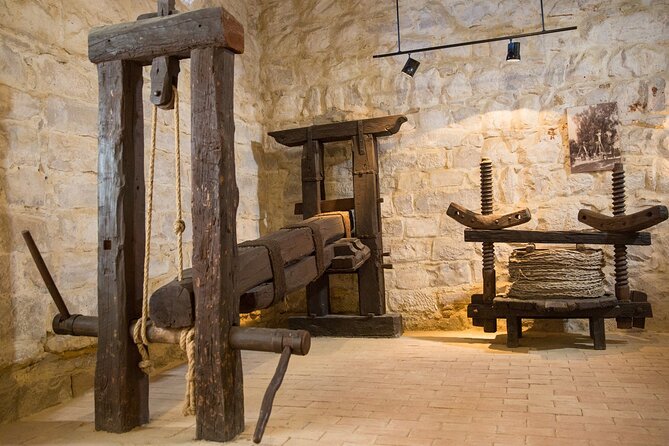
- Original 19th-century milling equipment: You see the old systems used to crush and press olives, not just modern exhibits or photographs.
- The Cathedral of Oil: The mill’s winery, protected as a Cultural Interest site since 1992, is the tour’s most atmospheric stop.
- Practical tasting workshop: You use tasting glasses, an apple, water, pencils, and tasting sheets to identify the oil’s main sensory qualities.
- Two hours for $17.94: The price is modest for a guided museum visit plus a structured tasting lesson.
- Small group limit: A maximum of 20 people keeps this from feeling like a large coach excursion, although the actual group size can vary.
Why Jaén is the right place to learn about olive oil
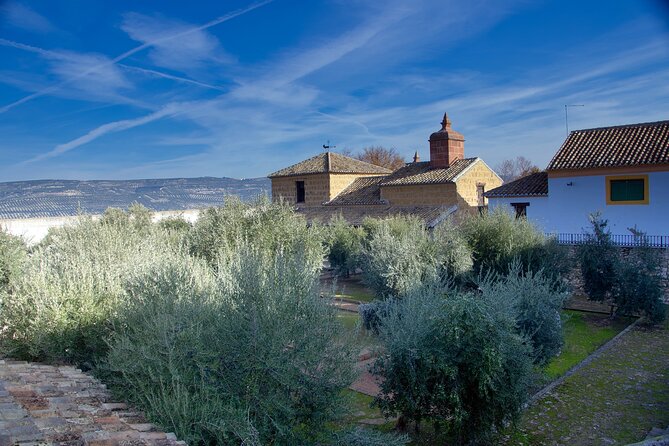
Jaén is one of the key olive-growing areas of Andalucia, and this experience places the subject in its home setting. You are not simply sampling a condiment at a shop counter. You are looking at the trees, tools, buildings, and methods that shape the product.
That context matters. Olive oil can seem simple when it sits on a restaurant table, but the final flavor begins with the olive variety and continues through harvesting, milling, pressing, and storage. The museum gives you a way to connect those steps.
I especially like the focus on traditions and working practices. The visit is built around the culture of the olive tree, not only around buying bottles. That makes it useful for anyone who wants a better understanding of Andalucia’s food traditions, even if you are not an olive oil expert.
The experience begins at 11:00 a.m. and lasts about two hours. That is long enough for a proper museum visit and tasting, but short enough to fit into a day of exploring the province of Jaén. Plan your route carefully, since the meeting point is at Finca Hacienda La Laguna, in Puente del Obispo.
More Olive Oil Museums around Spain:
- Ronda: LA Almazara LA Organic, Olive Oil Museum and Tasting
★ 4.6 · 435 reviews - Visit Oil Mill Museum and Olive Oil Tasting in Ronda
★ 4.5 · 105 reviews - Split: Klis Fortress GOT and Olive Museum Entry Tickets
★ 4.6 · 283 reviews
The olive garden and its 30 varieties
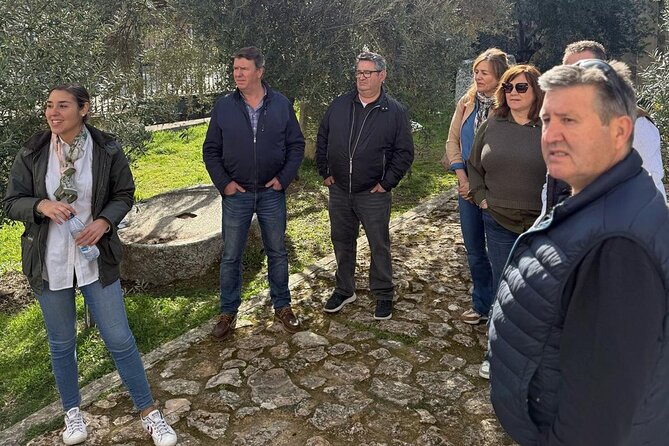
The first major stop is the museum’s garden, where you can see more than 30 different varieties of olive tree. This is one of the best reasons to choose a museum-based experience instead of a tasting alone.
You get a visual introduction to the crop before discussing its oil. The trees let you see that olives are not all the same. Different varieties form part of the agricultural traditions of the region, and the garden helps make that variety concrete.
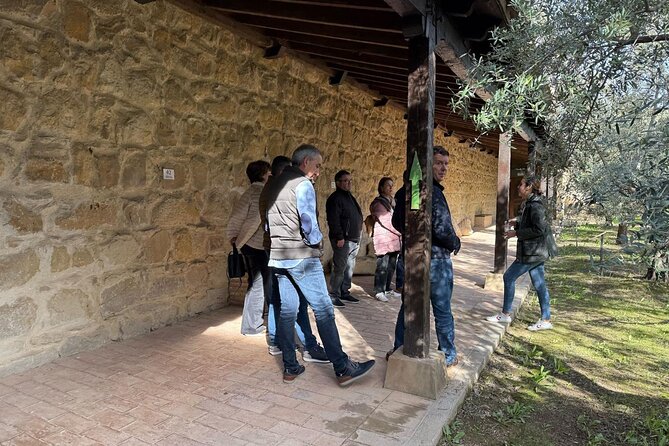
A guide leads you through the museum spaces, so you can ask about the trees and the work connected with them. The supplied information does not name the guide, but it does specify a specialized guide and an English-language tour. If you need another language, radio guides may be hired on arrival for €1.50.
Do not expect the garden to be a separate long walk through an olive farm. It is one part of the museum visit, included alongside the machinery and historic mill. Still, it gives the tour a useful beginning: you see the source before you study the process.
Inside the original mill machinery
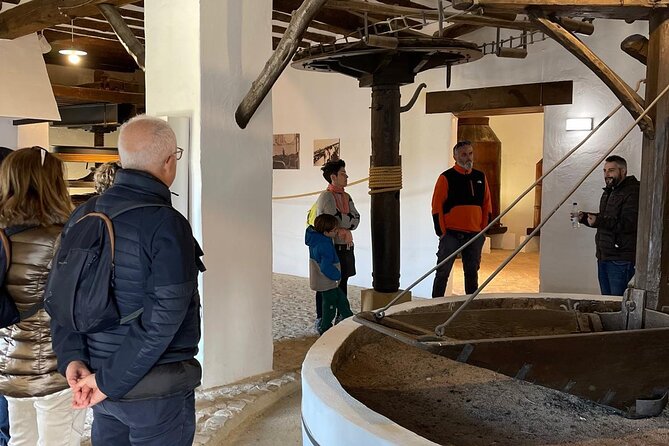
The museum also preserves original milling and pressing systems from the late 19th century. Along with the main equipment, you can see other tools used in the fields.
This section should appeal to you if you enjoy seeing how everyday work was done before industrial systems took over. The old machinery turns a vague story about olive oil production into something physical. You can see the equipment that crushed olives and pressed out their oil, rather than hearing only a short explanation about the process.
The tools also add a human scale to the visit. Olive oil was not produced by a single machine in isolation. It depended on field work, transport, pressing, and storage. The museum’s collection helps show that chain without requiring a long technical lecture.
The experience is guided, which is important here. Historic equipment can be hard to understand when you see it without context. A specialist can explain what each system did and how it fit into the work of the mill.
The trade-off is that the information supplied does not give a detailed list of every machine or tool. If you want an engineering-focused tour with exact dates and technical specifications, you may find the description too general. For most people, though, the combination of guide and original equipment should provide a useful introduction.
The Cathedral of Oil and the old winery
The final museum highlight is the mill’s winery, known as the Cathedral of Oil. It was declared a Cultural Interest site in 1992, giving this part of the visit added historical importance.
The name suggests a large, memorable storage space, and it is easy to understand why this room is treated as a centerpiece of the museum. Oil production does not end when the olives are pressed. Storage is part of the story, too, and the winery shows the setting where the finished oil was kept.
For me, this is the place where the museum’s themes come together. The garden explains the trees. The machinery explains production. The winery explains the final stage and the importance of the building itself.
The information does not specify the exact architecture, the number of storage containers, or how much time you spend inside. I would therefore treat it as a key stop within the two-hour tour, not as a separate architectural tour. Even so, its Cultural Interest designation makes it more than a routine cellar visit.
More Guided Tours around Spain:
- Guided tour and olive oil tasting in Alhaurin el Grande (Málaga)
★ 5.0 · 200 reviews - Guided Tasting Tour in 16th century House and Olive Oil Factory
★ 5.0 · 169 reviews - Sóller: Olive Oil Guided Tour and Tasting at Can Det Estate
★ 4.8 · 82 reviews - Jaén: Guided Olive Mill Tour with Olive Oil Tasting
★ 4.9 · 74 reviews
Learning to taste olive oil properly
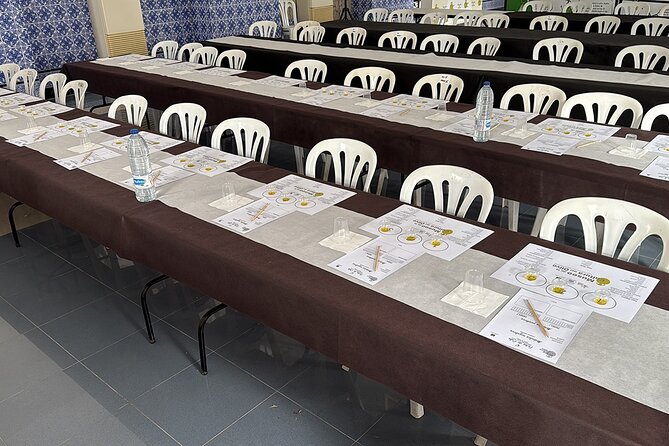
After the museum visit, you take part in an initiation workshop in olive oil tasting. This is not presented as a professional certification course. It is a beginner-friendly introduction to the main organoleptic characteristics of oil, meaning the qualities you can identify through your senses.
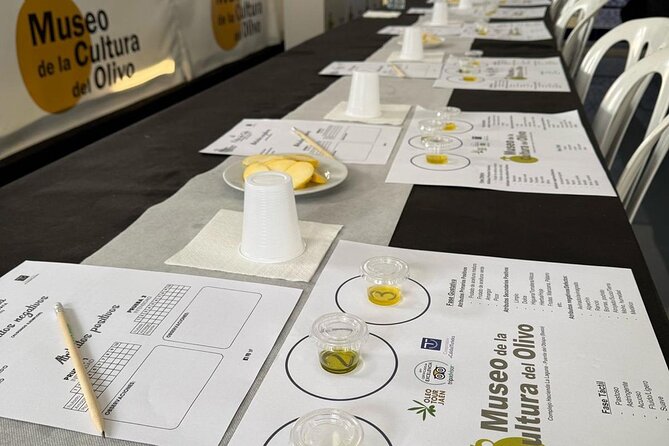
You receive tasting glasses, tasting sheets, pencils, an apple, and water. Those details matter because they make the session structured. You are not simply handed a sample and told to decide if you like it. You have the basic tools to pause, compare, and record what you notice.
The apple and water help refresh your palate during the session. The tasting sheets and pencil give you a way to organize your observations. Even if you forget some of the technical terms later, you should leave with a clearer idea of how professional tasters approach olive oil.
I like this part because it adds a skill you can use after the tour. At home or in a restaurant, you can pay more attention to aroma, flavor, and the overall feel of an oil instead of judging it only by color or price.
The workshop is described as an initiation, so keep your expectations sensible. You are learning the basics, not training for a professional judging panel. The experience is best for a first introduction to tasting language and method.
What the two-hour schedule feels like
The tour has a sensible progression. You begin with the living olive trees, move to the historic tools and milling systems, visit the winery, and then taste the finished product.
That order gives the experience a clear purpose. You first see the agricultural source, then the production process, then the storage space, and finally the oil itself. Each stage prepares you for the next.
At two hours, the schedule should feel focused rather than exhausting. You have enough time for explanation, but you are unlikely to spend an entire day on one narrow subject. This works well for a morning or midday stop during a wider visit to Jaén province.
The meeting time is 11:00 a.m. Since the activity ends back at the same meeting point, you should allow time before and after the tour for getting to and from Finca Hacienda La Laguna. The stated details do not include pickup, a transfer from Jaén, or transport from another town, so those arrangements are your responsibility.
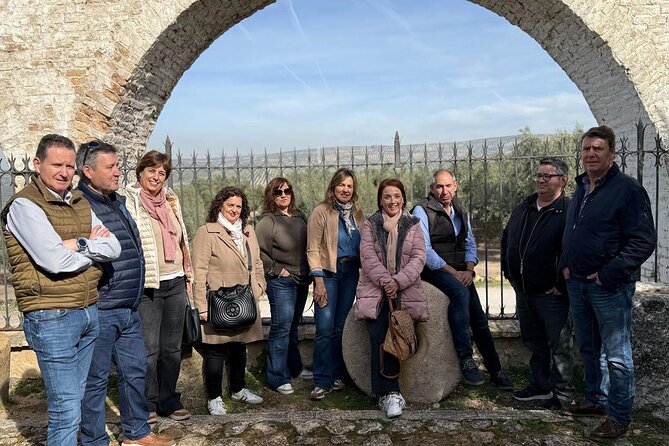
The maximum group size is 20 people. That is not the same as a private tour, but it is smaller than a large museum crowd. A group of that size should make it possible to hear the guide and take part in the tasting without too much waiting. The actual number on your date may be lower.
Is $17.94 a fair price?
At $17.94 per person, the value is strong if you want both cultural background and a hands-on tasting. You receive admission to the museum, a guided visit, access to the olive garden and historic mill, the Cathedral of Oil, and the tasting workshop with its listed supplies.
A cheaper museum entry without a guide might save a little money, but it would not necessarily give you the explanations that make the equipment and storage rooms useful. A tasting alone might offer more samples, but it would not give you the setting and production story.
This experience is not aimed at luxury food tourism. You should not book it expecting a long meal, a large food pairing, or a bottle shipment. The value comes from the combination of education, local culture, and an organized first tasting lesson.
The published score is 4.8 out of 5 from 17 ratings, with 94 percent recommending the experience. The most specific positive point is the chance to learn about olive oil history, old traditions, tree types, and the basics of judging quality. That matches the structure of the tour and points to its strongest use: building an informed foundation.
Who will enjoy this museum and tasting
I would recommend this experience to food-minded visitors who want more than a quick sample. It also suits anyone interested in rural traditions, historic machinery, or the relationship between agriculture and local culture.
Families may find the mix of garden, old equipment, and tasting more varied than a standard museum visit. Most people can participate, and service animals are allowed. The supplied information does not give a minimum age, child price, or details about specific mobility conditions, so ask the provider if those points matter to you.
It is also a good fit for a first olive oil tasting. You do not need prior knowledge, and the workshop provides the basic materials. If you already have advanced tasting experience, the introductory level may feel too simple.
The tour is offered in English. If you need another language, radio guides are available in different languages for €1.50, paid on arrival. The information does not specify which languages are available, so confirm that before relying on a particular option.
A few practical points before booking
The experience has a mobile ticket, which is useful when you are moving around Andalucia with a phone rather than printed paperwork. Confirmation is received at booking, so you should have the essential details before the day of the visit.
The cancellation policy is flexible if your plans are uncertain. You can cancel for a full refund up to 24 hours before the 11:00 a.m. start time. Changes or cancellations inside that 24-hour window are not accepted for a refund, and the cut-off uses local time.
The activity ends where it begins, at the Museum of Olive Culture, Oleoturismo, Cata de Aceites, Finca Hacienda La Laguna, 23529 Puente del Obispo, Jaén, Spain. Check the location carefully before setting out. The address is specific, and the experience details do not include hotel pickup.
You should also arrive ready for a tasting session rather than a meal. Water and an apple are supplied for the workshop, but no larger food service is listed. If you need a substantial lunch, plan that separately.
Should you book the Jaén olive oil tour?
Book it if you want a compact, affordable introduction to Andalucia’s olive oil culture, especially if you value context as much as the tasting itself. The combination of 30-plus olive varieties, original late-19th-century machinery, the protected Cathedral of Oil, and a practical tasting workshop gives you several ways into the subject.
Think twice if you want a private tour, extensive food pairings, transport from your hotel, or an advanced professional tasting. None of those features is stated. For a two-hour English-language visit at $17.94, though, this is a well-focused choice for learning how Jaén’s olive oil tradition works from tree to glass.
FAQ
Where does the olive oil tour begin?
It begins at the Museum of Olive Culture, Oleoturismo, Cata de Aceites, at Finca Hacienda La Laguna, 23529 Puente del Obispo, Jaén, Spain.
What time does the tour start?
The tour starts at 11:00 a.m.
How long does the experience last?
The experience lasts approximately two hours.
What language is the tour offered in?
The tour is offered in English.
Are other languages available?
Radio guides in different languages may be hired on arrival for €1.50. The available languages are not specified.
What does the museum visit include?
The visit includes the olive garden with more than 30 varieties, original late-19th-century milling and pressing systems, other agricultural tools, and the mill’s winery known as the Cathedral of Oil.
What is included in the tasting workshop?
The workshop includes tasting glasses, tasting sheets, pencils, an apple, and water.
How many people can join the tour?
The activity has a maximum of 20 travelers.
Can I cancel for a full refund?
Yes. You can cancel at least 24 hours before the experience starts for a full refund. Cancellations or changes made less than 24 hours before the start time are not accepted for a refund.
Newest grove reviews around Spain
- Córdoba: Olive Oil Tasting Experience★ 4.4 · 8 reviews
- Cazorla: Oleotour – Olive Oil Culture Initiation★ 5.0 · 3 reviews
- Cazorla: Olive grove and mill tour★ 5.0 · 2 reviews
- Cazorla: Highligts Tour with Olive Oil Tasting★ 5.0 · 2 reviews
- Aires de Jaén: Olive Oil Plantation Tour and Local Meal★ 4.9 · 9 reviews
- Olive Oil Tasting and Culinary Day Trip in Carmona★ 5.0 · 2 reviews
- Oleotourism and olive oil tasting in Seville – Private tour★ 5.0 · 7 reviews
- Cordoba Olive Oil mill, Wine, Passion★ 4.5 · 8 reviews
Olive Oil Museums, compared.
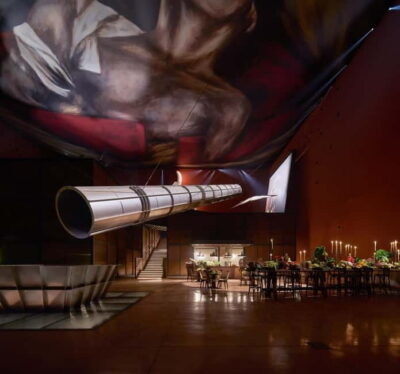
LA Almazara LA Organic, Olive Oil Museum and Tasting
Read our review →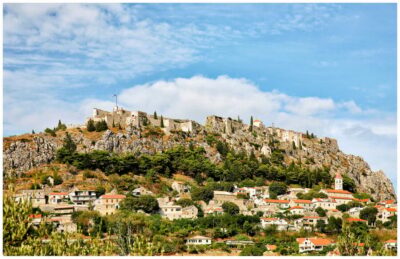
Klis Fortress GOT and Olive Museum Entry Tickets
Read our review →
Blue Line Sightseeing to Trogir, Klis & Olive Museum
Read our review →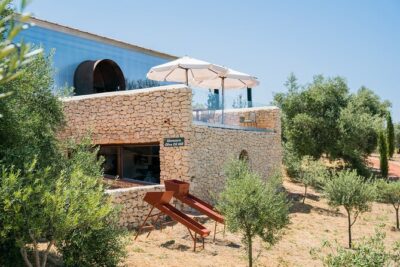
Visit Oil Mill Museum and Olive Oil Tasting in Ronda
Read our review →
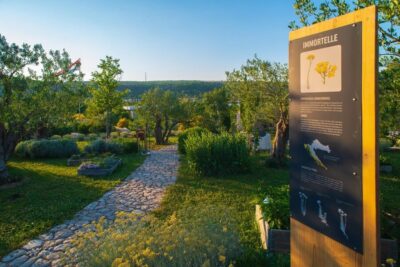
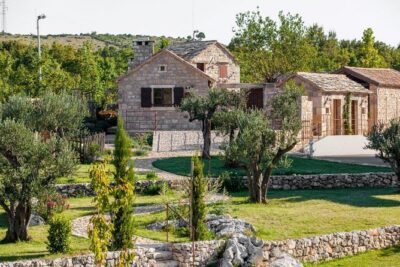
Olive museum Klis with educational olive oil tasting
Read our review →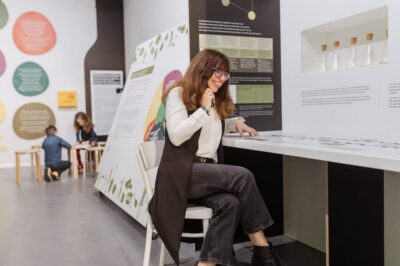
House of Istrian Olive Oil Museum and Guided Tasting
Read our review →Browse the lists this tour appears in