
Review · OLIVE OIL AND WINE TASTINGS
Olive Oil and Winery Tour from Zaragoza City
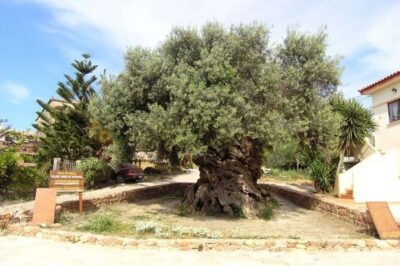
The best part of this trip is the chance to meet the food producers behind two of Aragón’s best-known products. You visit an olive mill with groves nearby, then a winery in old facilities dating from the Muslim era. A 500-year-old olive tree adds a memorable touch.
I like the small group limit of eight, which should make questions and conversation easy. I also like the personal feel reported by guides Marta and Jorge, along with the family-run welcome at the mill and the chance to taste several oils and wines rather than simply look around.
The main consideration is time. The advertised tour lasts about five hours, with travel included, but one description of the private outing ran closer to six. This is a countryside food tour, not a quick tasting near central Zaragoza, so keep part of your day open.
Key points to know before booking
- Two producers in one outing: Visit Molino Alfonso for olive oil, then Bodega Cooperativa de Lecera for wine.
- A 500-year-old olive tree: The olive-grove visit includes a striking old tree that still produces fruit.
- Small groups: A maximum of eight people keeps the outing personal and gives you room to ask questions.
- English guidance: The tour is offered in English, with guides such as Marta and Jorge helping explain local food and wine.
- Regional tasting: Expect extra virgin olive oils, local snacks, Garnacha, Cariñena, white, rosé, red wines, and possibly cava.
- Pickup from your accommodation: Collection is arranged at the address you provide, such as a hotel reception or a nearby street.
From Zaragoza to the Belchite countryside
The day begins at 9:00 a.m., with pickup at the accommodation address you provide. That may mean your hotel reception or a street close to your apartment. Confirming the exact meeting point matters, especially if your accommodation sits in a pedestrian area.
The drive out of Zaragoza is part of the experience. One detailed account describes roughly 45 minutes through quiet countryside before reaching the olive-growing area. Travel time is included in the total tour length, so you are not paying for five hours of tastings on site. Still, the drive gives the outing a rural purpose: you are going to the producers, not bringing the countryside into the city.
The tour is offered in English, and Marta or Jorge may lead it. Marta is described as a lively guide who answers questions, explains local details, and acts as an interpreter when needed. Jorge brings strong knowledge of the area and helps with the olive-oil tasting. The exact guide may vary, but the useful point is that this is more than a driver dropping you at two addresses.
With a maximum of eight people, the group should feel much less crowded than a large coach outing. You can ask why one oil tastes peppery, how wine production works, or what makes these grape varieties important in Aragón. The small size also suits couples, families, and friends who want a relaxed day outside Zaragoza.
More Olive Oil and Wine Tastings in Spain
- Palma: Orange Farm, Olive Mill, & Winery Tour with Tastings
★ 4.9 · 44 reviews - From Malaga: Ronda, Wine & Olive Oil Tasting Premium Small Group
★ 5.0 · 28 reviews - From Málaga: Ronda, Wine & Olive Oil Tasting Small Group
★ 4.9 · 14 reviews
Molino Alfonso and the character of Aragón olive oil
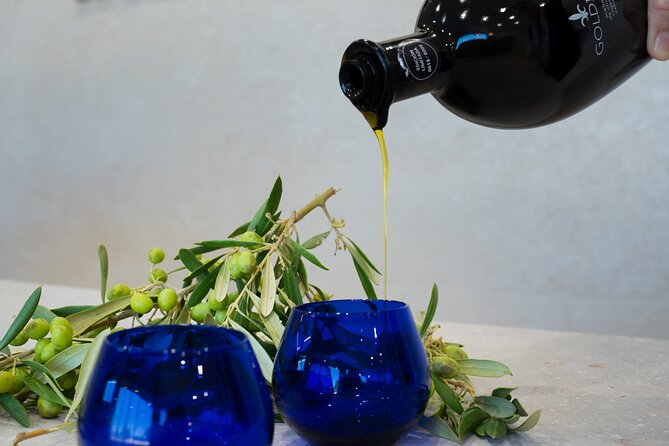
The first visit is Molino Alfonso, presented as one of Spain’s leading oil mills. You begin with the olive groves, then learn how the fruit is handled and turned into oil at the mill. The visit ends with a tasting of extra virgin olive oils and a small selection of local snacks.
That order makes sense. Seeing the trees first helps you connect the finished bottle with the crop. At the mill, production becomes easier to understand because you have already seen where the olives begin. You are not simply tasting a product with no context.
One especially memorable feature is the 500-year-old olive tree. It still bears fruit, and its twisted form gives the visit a clear sense of time. It is also a useful reminder that olive growing is not only an industrial process. Trees can remain productive across many generations, linking the present-day mill with the rural community around it.
The tasting is likely to be the most enjoyable part for anyone who cooks with olive oil. Extra virgin oils can differ in aroma, bitterness, peppery heat, and finish. A good guide can help you notice these differences without making the tasting feel like a test. Jorge is specifically associated with explaining the oils and helping visitors understand the craft behind each variety.
The family-run nature of the mill adds value. Antonio, the owner, is described as welcoming visitors personally and showing them around the facility. That kind of direct contact is one reason to choose a producer visit over a standard retail tasting. You get a look at the people and place behind the food.
The snacks are small, so do not treat this as a full lunch. They are there to accompany the oil and give you a taste of local pairings. If you need a substantial midday meal, plan accordingly, since the supplied details do not promise a full restaurant lunch.
A winery in old Belchite-era facilities
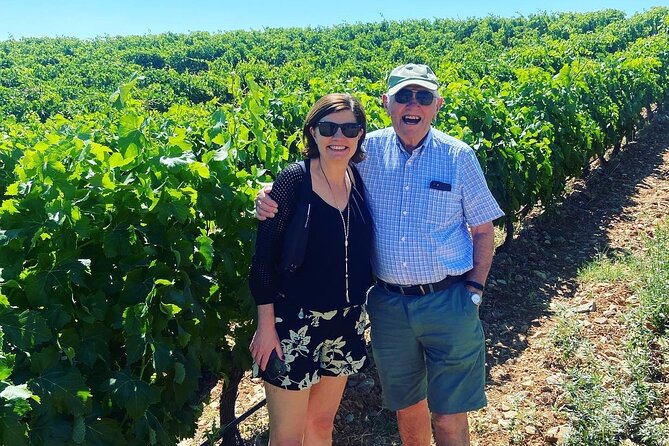
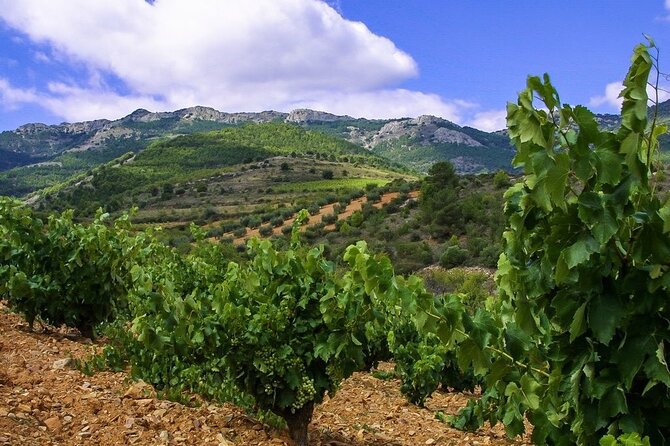
The second stop is Bodega Cooperativa de Lecera, a winery in the Belchite region. You visit the vineyard, learn how the grapes become wine, and see old winery facilities connected with the Muslim era. The setting gives the tasting a sense of place that a modern bar in Zaragoza cannot provide.
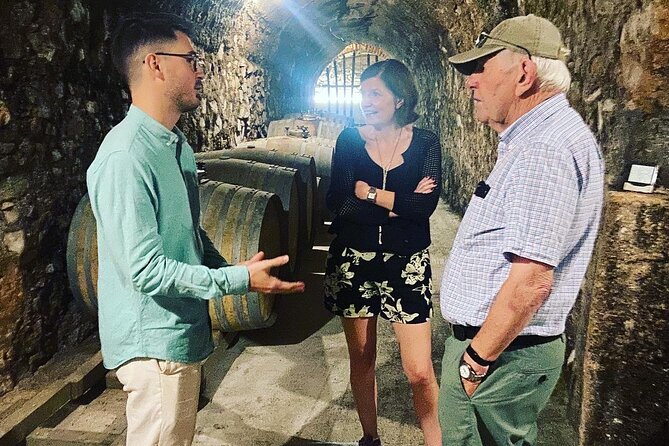
The visit covers the production process and the wine’s finishing stages before the tasting begins. Maria, described as the winemaker and owner, leads the visit at the property. She explains the work from grape selection through bottling, making this a useful stop if you want to understand wine beyond the label.
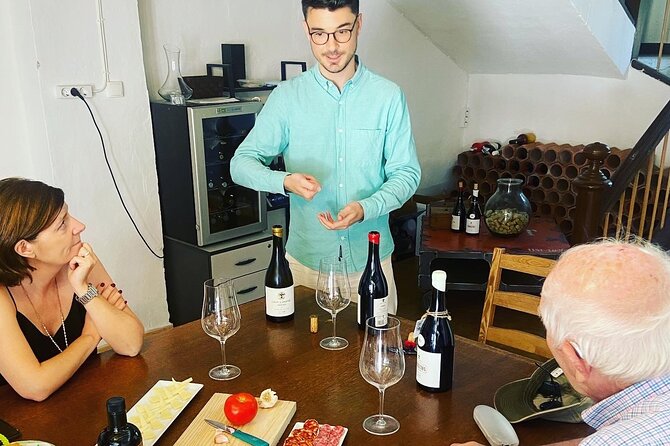
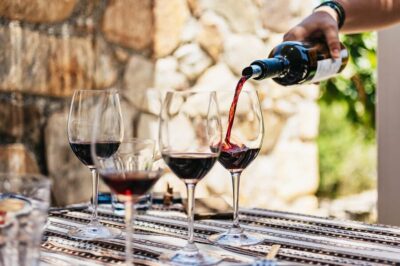
The listed tasting centers on Garnacha and Cariñena, two grape names strongly linked with Aragón. A separate account describes sampling a white, a rosé, and two reds, with cava also included. The exact lineup may depend on the day, but you should expect several wines rather than a single pour.
This is where the guide’s role matters again. Wine tasting can become a blur of names if no one explains what you are drinking. Maria introduces each bottle and discusses the production, while the guide helps with interpretation when needed. You can focus on how the wines differ instead of trying to remember technical terms.
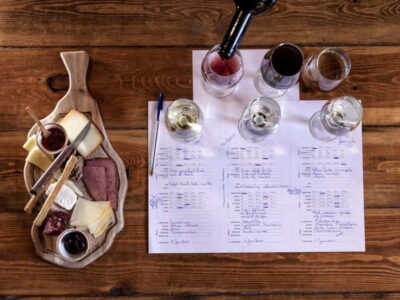
Local snacks are served with the wine, and that improves the visit. Food gives you a practical way to judge a wine’s balance. A crisp white may work differently with a salty bite than a fuller red, and small pairings can make the tasting more memorable without turning it into a formal meal.
The old facilities are another reason this stop has more character than a basic vineyard photo stop. The buildings connect present production with the area’s long agricultural past. The provided details do not specify every architectural feature, so you should not expect a full historical tour, but the Muslim-era connection adds genuine context to the wine visit.
What the five-hour schedule really means
The tour is listed at about five hours, including driving. That makes it a half-day excursion, but a full account of the private outing took around six hours. I would plan for some flexibility rather than scheduling a museum ticket or train immediately after the stated finish.
The two main visits are each allotted about 1 hour and 30 minutes. That is enough time for a proper walk-through, explanations, and tasting, but not so much that the day becomes slow. You get two focused visits instead of one long stop followed by a rushed second tasting.
The morning departure helps. Leaving at 9:00 a.m. gives you a better chance of completing both visits comfortably and returning to Zaragoza with part of the afternoon still available. Pickup is included, so you avoid arranging separate transport to the Belchite area.
You should also remember that countryside travel can make the day feel longer than the clock suggests. The appeal is the change of setting and access to producers, not speed. If your ideal excursion is a short tasting within Zaragoza, this is not the right format.
Same groves, a different afternoon:
- Ronda: LA Almazara LA Organic, Olive Oil Museum and Tasting
★ 4.6 · 435 reviews - Guided tour and olive oil tasting in Alhaurin el Grande (Málaga)
★ 5.0 · 200 reviews - Guided Tasting Tour in 16th century House and Olive Oil Factory
★ 5.0 · 169 reviews - Visit of the olive grove, olive oil tasting and snack
★ 4.9 · 111 reviews
Is $177.52 a fair price?
At $177.52 per person, this is not a bargain-basement tasting. The price makes more sense when you count the transportation from Zaragoza, accommodation pickup, English guidance, two producer visits, and several tastings.
You are paying for access and coordination as much as for the food and wine. Reaching an olive mill and winery outside the city on your own could require a car, route planning, and a sober driver. Here, the day is arranged around both stops, and the group size is capped at eight.
Value also depends on your interests. If you enjoy olive oil, wine, regional food, and small-scale production, the price is easier to justify. If you mainly want scenic views or a cheap drink, it will feel expensive.
Group discounts are offered, which may help if you are booking with friends or family. The tour is also suitable for most people, according to the supplied participation information, but alcohol is only allowed for adults over 18. Anyone under 18 would need to follow the activity provider’s rules regarding the tasting.
The personal touch from Marta, Jorge, Antonio, and Maria
The strongest feature of this outing is its human scale. Marta is described as warm, entertaining, and willing to answer questions throughout the day. Jorge is noted for his knowledge of the area and for helping make the oil tasting clear and engaging.
At the mill, Antonio’s welcome gives the stop a family-business feel. At the winery, Maria combines ownership and winemaking, so you hear directly from someone involved in the work from grapes to bottles. These names matter because they point to a tour built around conversation, not just a recorded explanation.
Guides also help when language gets in the way. The tour is offered in English, and Marta is specifically described as acting as an interpreter. That is useful at small producers, where the most interesting stories may come from the owner or winemaker rather than from a polished visitor center.
Of course, guide assignments can change. You should see Marta and Jorge as examples of the style and personal attention associated with the outing, not as a guarantee that both will lead your particular departure.
Who will enjoy this outing most?
I would recommend it to you if you want to understand Aragón through food. It suits people who enjoy hearing how products are made, tasting several examples, and meeting the people behind a local business.
It is also a good choice for couples and small groups. The eight-person limit creates a quieter setting than a large bus tour, and group discounts may improve the cost for friends traveling together.
Wine and olive-oil enthusiasts will get the most from the day, but you do not need specialist knowledge. The guide-led tastings are designed to explain the differences, and the visits cover the basic production process in a practical way.
Families can participate if everyone is comfortable with a food-and-wine schedule. Keep in mind that wine and other alcoholic drinks are restricted to adults over 18. The tour is not built around children’s entertainment, so younger participants may find the production explanations less engaging.
You should think twice if you dislike driving outside the city, have a tightly packed Zaragoza schedule, or want a substantial meal included. The snacks are described as small local accompaniments, not a full lunch.
Practical details before you reserve
Confirmation is sent at the time of booking. Pickup is offered from the accommodation address you provide, so enter that information carefully and check where the vehicle will meet you.
The tour accepts mobile tickets, is available in English, and has a maximum of eight people. Most people can participate, but the available details do not give a specific accessibility breakdown for the mill, vineyard, or old winery facilities. If you have mobility needs, ask the provider before reserving.
Free cancellation is available when you cancel at least 24 hours before the start time. Cancellations made inside that window are not refunded, and changes made less than 24 hours before departure are not accepted. The cut-off follows local time in Spain.
Because the tour begins at 9:00 a.m., have your pickup location settled the night before. Wear practical clothing for walking through olive-growing and vineyard areas, though the supplied information does not specify a dress code.
Should you book the Zaragoza olive oil and winery tour?
Book this outing if you want a small, personal day in the countryside with real emphasis on production, tasting, and local people. The combination of the 500-year-old olive tree, the family-run mill, the old winery facilities, and the range of oils and wines gives the day more substance than a simple tasting session.
The strongest reasons to go are the two producers, the limited group size, and the guide support from people such as Marta and Jorge. The strongest reasons to pause are the price, the included driving time, and the possibility that the day may run closer to six hours than five.
For a first visit to Zaragoza, I would choose this when you have already seen the city’s main sights and want to understand the surrounding region. It is a good fit for curious eaters who would rather meet a mill owner and winemaker than spend another half-day indoors.
FAQ
What time does the tour begin?
Pickup begins at 9:00 a.m. The exact collection point is the accommodation address provided at booking, such as a hotel reception or a nearby street.
How long does the tour last?
The advertised duration is approximately five hours, and driving time is included. One detailed account of the private outing lasted six hours, so keep some flexibility in your schedule.
How many people can join the tour?
The maximum group size is eight people.
Is pickup from my accommodation included?
Yes. Pickup is offered from the accommodation address you provide, including a hotel reception or a street near an apartment.
What will I taste at the olive mill?
You will taste extra virgin olive oils with small local snacks after visiting the olive groves and learning about production at Molino Alfonso.
What wines are included?
The winery visit includes tastings of Garnacha and Cariñena wines. The supplied details also describe a white, a rosé, two reds, and cava being sampled on one outing, though the exact selection may vary.
Can I cancel for a full refund?
Yes, if you cancel at least 24 hours before the experience start time. Cancellations made less than 24 hours in advance are not refunded, and late changes are not accepted.
Newest grove reviews around Spain
- XXI Century Olive Oil Mill Tour★ 5.0 · 3 reviews
- Visit to an olive oil mill and oil tasting with aperitif and food and wine pairing.★ 5.0 · 2 reviews
- Treurer: Tapas Gourmet and Extra Virgin Olive Oil★ 4.7 · 3 reviews
- Ulldecona: Guided Tour of the Millenary Olive Trees of Arión★ 5.0 · 2 reviews
- Olive Oil Private Full-Day Tour with Tasting in Valencia★ 5.0 · 2 reviews
- Olive Oil Factory from Seville Private Tour★ 5.0 · 2 reviews
- Olive Oil Tasting Experience in Sevilla★ 5.0 · 2 reviews
- Paella, Olive Oil, Wine & Relax in Rural Estate outside Madrid★ 5.0 · 2 reviews
Olive Oil and Wine Tastings, compared.
Sorrento Farm and Food Experience including Olive Oil, Limoncello, Wine tasting
Read our review →
Krka Waterfalls With Boat Cruise, Wine and Olive Oil
Read our review →
Lemon, Olive Oil and Wine Tasting Tour with Lunch
Read our review →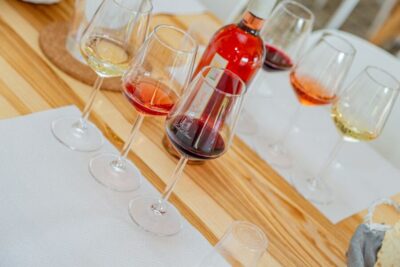
Browse the lists this tour appears in