
Review · OLIVE MILL AND FACTORY TOURS
Visit Oil Mill Museum and Olive Oil Tasting in Ronda
The most surprising thing here is the marriage of organic olive farming and modern art. At LA Organic, a visit to an oil mill becomes part farm tour, part small museum, and part tasting lesson, with photographs in the car park and Philippe Starck touches scattered among the groves and vineyards.
I like the beautiful setting and the way the tour explains how olive oil reaches your table. I also like the tasting itself, which moves beyond simply dipping bread into oil and helps you notice differences in strength and flavor. The main drawback is that the tour may be bilingual, so English explanations can take longer, and some people find the dark museum area or occasional background noise less than ideal.
Key points to know before you go
- Art begins before the tour: Photographs in the car park and Philippe Starck designs make the arrival unusual.
- The 75 to 90 minute visit mixes several parts: Expect a short film, olive groves, vineyards, indoor spaces, and an organic oil tasting.
- The tasting is more useful than a simple sample: You may compare different olive varieties, including blind tasting and oils served with bread and vinegar.
- The grounds provide lovely views: This is a pleasant morning stop to pair with time in Ronda.
- Lunch is optional: For €20 per person, you can add Iberian meats, ham, Payoyo cheese, salad, and seasonal fruit.
- English may be shared with Spanish: Ask about the language format when booking if you want the clearest possible presentation.
A modern oil mill outside Ronda
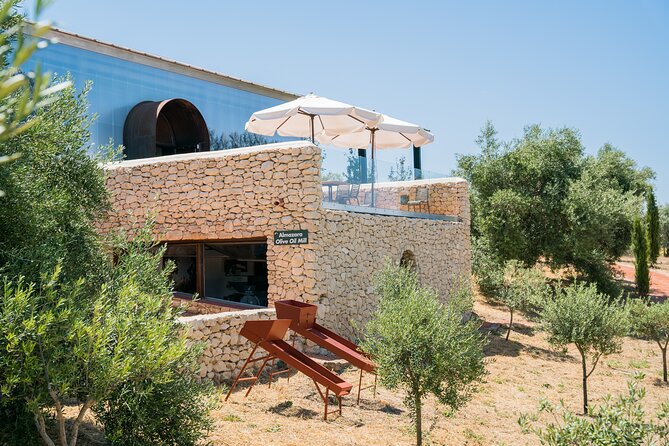
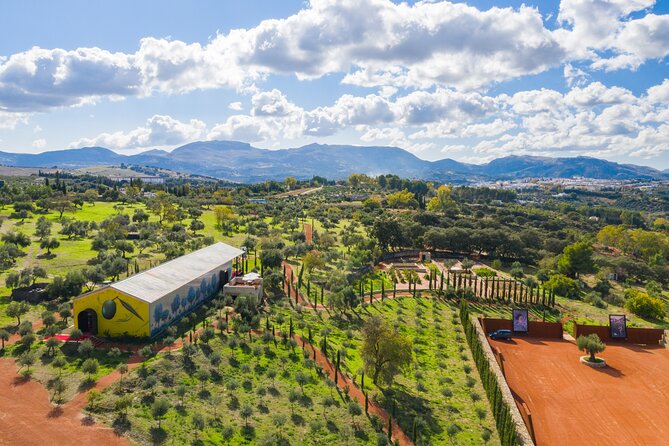
LA Organic sits at Carretera Ardales Ronda A-367, KM 39.5, outside Ronda in Málaga province. This is not an old-fashioned mill with dusty machinery and a rustic farmhouse feel. The setting is deliberately modern, with architecture, photography, sculpture, and farming sharing the same space.
That contrast is the point. Olive oil is an old Andalusian food, but this project presents it in a fresh way. You can look at art, walk through working agricultural land, and then taste the finished product while the information is still fresh in your mind.
The visit begins around a greenhouse-like building called the Greenhouse. Inside, the space includes an artisanal oil mill, a projection room, a gastronomic bar, a tasting room, and two terraces. The building gives you a sheltered starting point before the tour moves outdoors.
Before walking through the property, you watch a film of about five minutes. It explains the origin and history of olive oil, along with the basic production process. This is a useful introduction because it gives you the vocabulary to follow the rest of the visit: olives, harvesting, processing, and the qualities that affect the oil you buy.
More Olive Mill and Factory Tours in Spain
- Guided Tasting Tour in 16th century House and Olive Oil Factory
★ 5.0 · 169 reviews - Jaén: Guided Olive Mill Tour with Olive Oil Tasting
★ 4.9 · 74 reviews - Picualia, olive oil mill tour & EVOO tasting
★ 5.0 · 49 reviews
Photographs, vineyards, and Philippe Starck touches
The visual side of LA Organic starts in the car park. A striking display of photographs, designed by Stefano Robotti, sets the tone before you even enter the main building. It is a small detail, but it tells you this will not be a standard agricultural tour.
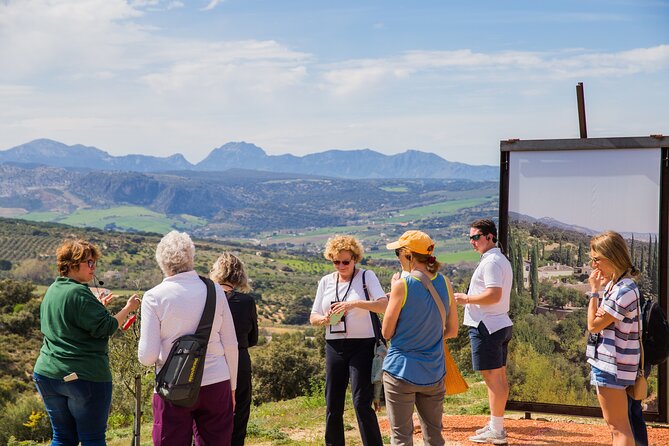
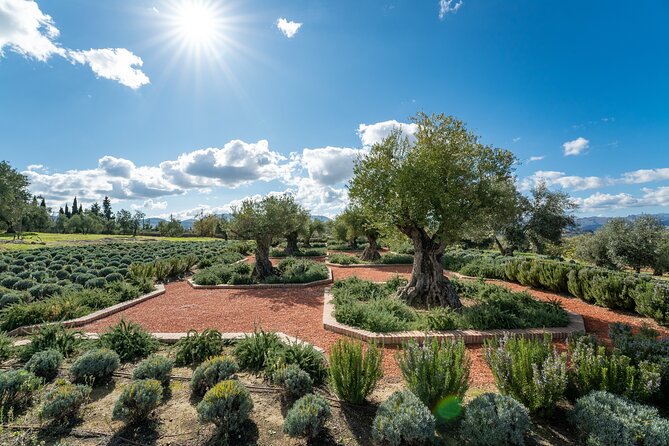
The outdoor route leads between olive groves and organic vineyards. The walk is not simply a transfer from one building to another. It is part of the presentation, with views across the Ronda area and several artistic features placed among the plants.
Philippe Starck’s involvement gives the property its most recognizable design details. You may find sculptures and structures that blend into the fields, making the route feel more like an open-air art setting than a conventional farm. The art is not separate from the agriculture. It is placed among the trees and vines, so you keep switching between looking at the plants, the views, and the design.
I would allow yourself enough time to look around rather than hurrying from one stop to the next. The advertised visit takes about one hour and 15 minutes, though some sessions run closer to 90 minutes. After the formal tour, you can spend additional time at the museum, terrace, shop, or bar.
What the oil-making explanation adds
The value of the visit is not only the scenery. Olive oil bottles often use labels such as extra virgin, organic, mild, or intense, but those words can be vague when you are standing in a supermarket. The tour gives you a clearer idea of how harvesting and processing affect the final taste.
You will not just hear about olive oil in the abstract. The visit connects the process to the farm around you, then gives you a chance to taste different oils. That sequence matters. You first see the trees and production spaces, then learn the basic method, and finally compare the results in the tasting room.
One point to keep in mind is that production may not be taking place during your visit. The oil mill is part of the site, but you should not assume you will see every machine operating. One part of the facility is below the main area, and access to all equipment is not guaranteed.
That is a fair limitation for a short scheduled visit. If your main goal is to watch active pressing, ask ahead about the seasonal schedule. If you mainly want an introduction to olive oil, the film, guide talk, farm walk, and tasting still give you plenty to take away.
The olive oil tasting, from blind samples to bread
The tasting is the payoff. Sessions have included a blind comparison of two oils, followed by three oils tasted with bread and vinegar. The exact format may vary, but the point is to compare oils rather than treat them all as interchangeable.
Blind tasting is especially helpful for beginners. Without a label or bottle design influencing you, you have to pay attention to what is in the glass. One oil may seem gentle and rounded, while another has more force or a sharper finish. The tasting can change how you think about the bottle you usually buy.
Bread makes the tasting easy and practical. You are not dealing with a formal wine-style ritual that requires special knowledge. You taste, compare, and listen to the guide explain the different olive varieties and levels of intensity.
I would pay close attention to the advice about quality and processing. This is the part most likely to help you later in a shop. You may leave with a better sense of why one organic extra virgin oil costs more than another and which flavors you prefer for cooking or dipping.
There is also a shop where you can buy oil, and the property sells vinegar and other food products. One useful tip is to check the producer’s own website for purchase discounts rather than assuming the tour price includes a shopping deal.
More Olive Oil Museums around Spain:
- Ronda: LA Almazara LA Organic, Olive Oil Museum and Tasting
★ 4.6 · 435 reviews - Guided tour of the Museum of Olive Culture Oil Tasting
★ 5.0 · 17 reviews - Split: Klis Fortress GOT and Olive Museum Entry Tickets
★ 4.6 · 283 reviews - Split: Blue Line Sightseeing to Trogir, Klis & Olive Museum
★ 4.3 · 197 reviews
The optional country lunch
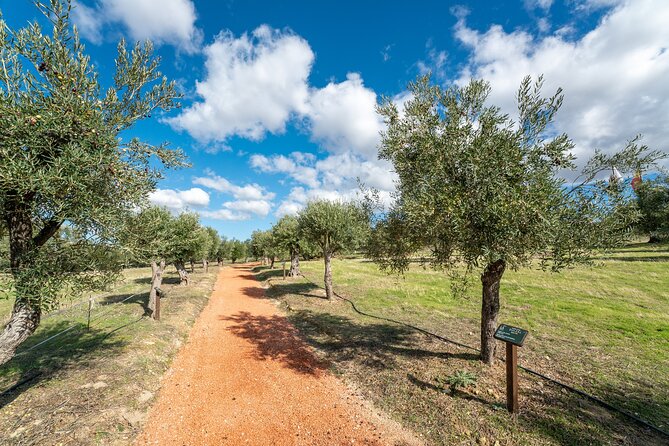
After the tasting, you can add a country menu for €20 per person. It includes an Iberian assortment, Iberian ham, Payoyo cheese, garden salad, and seasonal fruit.
This is not included in the $30.23 tour price, so treat it as a separate decision. The meal makes sense if you want to turn the visit into a relaxed morning or midday outing rather than leave immediately after the tasting. It also gives you more time to enjoy the terrace, views, wine, and local products.
The menu is simple, but that is appropriate here. Ham, cheese, salad, fruit, and olive oil make a good follow-up to the tasting without competing with it. If you have a full lunch planned in Ronda, you may prefer to skip the extra cost.
The gastronomic bar and outdoor terraces also give you somewhere to linger. The formal visit ends back at the meeting point, but the property itself offers reasons to stay a little longer.
How the bilingual format affects the visit
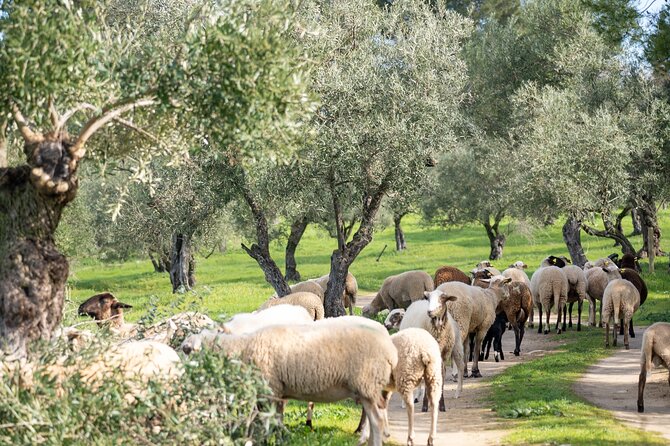
The experience is offered in English, but some sessions include both English- and Spanish-speaking participants. In that case, the guide may explain each section twice.
That arrangement is workable, but it can affect the rhythm. The tour may take longer, and the group can move on before the second language explanation is finished. During the tasting, background conversation from people eating or ordering food may also make the guide harder to hear.
If English-only instruction matters to you, contact LA Organic Experience before booking and ask about the language format for your date. The guide names Alina and Ursula have been associated with highly praised sessions, and both have been described as clear and helpful, but you cannot assume a particular guide will lead your tour.
The guide’s role matters here. The property has plenty to look at, but the explanation turns the art and agriculture into a connected story. A good guide can make the difference between a pleasant walk and a useful introduction to olive oil.
Timing, price, and who gets the best value
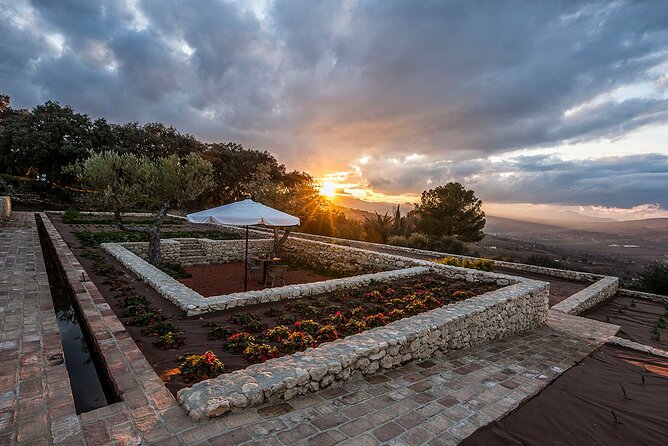
The listed price is $30.23 per person, with a visit lasting roughly one hour and 15 minutes to one hour and 30 minutes. For a short organized activity, that is not bargain-basement pricing, but the fee includes the route through the groves and vineyards, the oil tasting, and all listed taxes and fees.
I think the price works best for people who value several elements at once: design, scenery, food, and a guided introduction to olive oil. You are not paying only to walk through an orchard. You are also paying for the film, the indoor spaces, the art installations, and the tasting.
The value is less convincing if you want a long technical tour of machinery or a full meal. The visit is compact, and the optional lunch costs extra. You may also find the bilingual format reduces the amount of English information you hear during the walk.
This makes it a good match for a day based in Ronda. The tour is short enough to fit around sightseeing, yet substantial enough to feel like a real activity rather than a quick sample at a shop. It also suits families, since the art, outdoor route, and tasting give the visit more variety than a lecture about farming.
Most people can participate, and service animals are allowed. The group size can reach 30 people, so do not expect a private farm visit. A smaller group may feel more personal, while a full group can make the tasting and guide commentary noisier.
The tour requires good weather. If poor weather cancels the activity, you are offered another date or a full refund. A minimum number of participants is also required, with a new date, another experience, or a full refund offered if that minimum is not met.
You can cancel for a full refund up to 24 hours before the start time. Changes or cancellations inside that period are not accepted, so check your Ronda plans before committing.
Who should book this olive oil visit
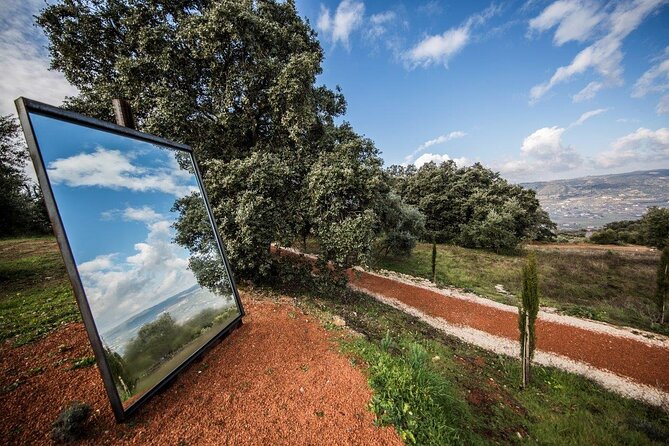
I would recommend it to you if you want to understand Andalusian olive oil without spending half a day at a large agricultural site. It is especially good for anyone who enjoys food tastings but also wants a scenic setting and something visual to explore.
Families can get a lot from it. The short film keeps the introduction manageable, the outdoor route breaks up the explanation, and the sculptures give younger visitors something to look for. The tasting then provides a clear ending rather than a long technical talk.
It is also a good choice for design fans. The Stefano Robotti photographs and Philippe Starck elements are not an add-on afterthought. They shape the character of the property.
I would hesitate if your priority is an active harvest or a detailed look at every piece of mill equipment. I would also think twice if you dislike bilingual tours or have trouble hearing in a group setting. The facility can be dark in its museum areas, and one lower section has been hard for some people to walk through comfortably.
Should you book LA Organic near Ronda?
Book it if you want a well-paced food and farm outing with art, scenery, and a tasting that teaches you how to compare oils. The beautiful grounds and terraces make the visit pleasant, while the tasting gives it a practical purpose.
Add the €20 lunch if you want a slower half-day and like Iberian ham, Payoyo cheese, salad, and seasonal fruit. Skip lunch if you have limited time or a better meal waiting in Ronda.
For the strongest experience, ask about English-only departures, arrive ready for outdoor walking, and leave room in your schedule to browse the museum, terrace, and shop after the formal tour. At a 4.6 rating with 92 percent of people recommending it, this is a solid choice for curious eaters and families, provided you understand that it is an artful introduction to olive oil, not a full working-mill demonstration.
FAQ
Where is the olive oil tour located?
The meeting point is LA Almazara, LA Organic, at Carretera Ardales Ronda A-367, KM 39.5, 29400 Ronda, Málaga, Spain.
How long does the activity last?
The scheduled visit takes about one hour and 15 minutes. Some descriptions place the total duration closer to one hour and 30 minutes.
What is included in the price?
The price includes all fees and taxes, the route through the olive groves and vineyard, and the organic olive oil tasting.
Is lunch included?
No. Lunch is optional and costs €20 per person. The country menu includes an Iberian assortment, Iberian ham, Payoyo cheese, garden salad, and seasonal fruit.
Is the tour offered in English?
Yes, English is one of the offered languages. Some departures may combine English and Spanish speakers, so the guide may give explanations in both languages.
What happens during the tour?
You watch a short film about the origins and production of olive oil, visit the greenhouse and its facilities, walk through olive groves and organic vineyards, see art installations, and finish with an organic olive oil tasting.
How many people can join the tour?
The maximum group size is 30 people.
Are service animals allowed?
Yes, service animals are allowed.
Can most people participate?
Yes. Most people can participate, though the route includes walking through the property and among the groves.
What is the cancellation policy?
You can cancel at least 24 hours before the start time for a full refund. Cancellations or changes made less than 24 hours before the start time are not accepted. If bad weather or an insufficient number of participants cancels the activity, you are offered another date or a full refund.
Newest grove reviews around Spain
- Córdoba: Olive Oil Tasting Experience★ 4.4 · 8 reviews
- Cazorla: Olive grove and mill tour★ 5.0 · 2 reviews
- Cazorla: Oleotour – Olive Oil Culture Initiation★ 5.0 · 3 reviews
- Cazorla: Highligts Tour with Olive Oil Tasting★ 5.0 · 2 reviews
- Aires de Jaén: Olive Oil Plantation Tour and Local Meal★ 4.9 · 9 reviews
- Olive Oil Tasting and Culinary Day Trip in Carmona★ 5.0 · 2 reviews
- Oleotourism and olive oil tasting in Seville – Private tour★ 5.0 · 7 reviews
- Cordoba Olive Oil mill, Wine, Passion★ 4.5 · 8 reviews
Olive Mill and Factory Tours, compared.
Knossos-Zeus Cave -Old Traditional Villages-Olive Oil Factory
Read our review →
The Governor’s Olive Mill Tour with Olive Oil Tasting
Read our review →
Road-trip to Lasithi, Zeus Cave & Olive Mill Farm
Read our review →
Lassithi, Zeus Cave, Olive Mill Farm & Knossos Combo Tour
Read our review →
Lake Garda Oil Mill Tour with Olive Oil Tasting
Read our review →Browse the lists this tour appears in