
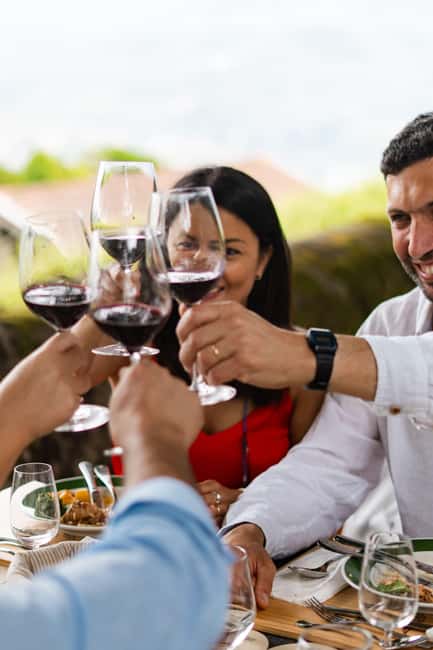
Review · OLIVE OIL AND WINE TASTINGS
Douro Valley: A Sensory Experience in the Douro: Wines, Olive Oil, and History
The most unusual part of this Douro Valley visit is the setting: Quinta de Santa Júlia is a working family estate with roots reaching back to 1596, yet its gardens have a French style inspired by Versailles. I like the mix of old Douro tradition and grand garden design, and I like that the tasting takes place in more than 200-year-old Port wine warehouses rather than in a polished modern room.
I also like the personal scale. Guides such as Rafaela and Paolo have made the visit lively, answered questions, and adjusted the conversation to the group. A possible drawback is the short scheduled visit, about one hour, and the fact that you must arrange your own transportation to the quinta. The free time afterward helps, but you should not mistake this for a full-day estate tour.
Key points
- A family estate dating to 1596: The story of the property gives the tasting a clear sense of place.
- French-style private gardens: Walk among gardens inspired by Versailles, then continue toward the vineyards, olive grove, and old country lanes.
- Three local products in one tasting: Try DOC Douro wines, Port wine, and the estate’s extra virgin olive oil with traditional bread.
- A historic cellar: The tasting takes place in old Port wine warehouses more than 200 years old.
- Time to linger: After the guided portion, you may stroll through the gardens and woods, take photos, or relax by the pool at no extra cost.
Why Quinta de Santa Júlia feels different
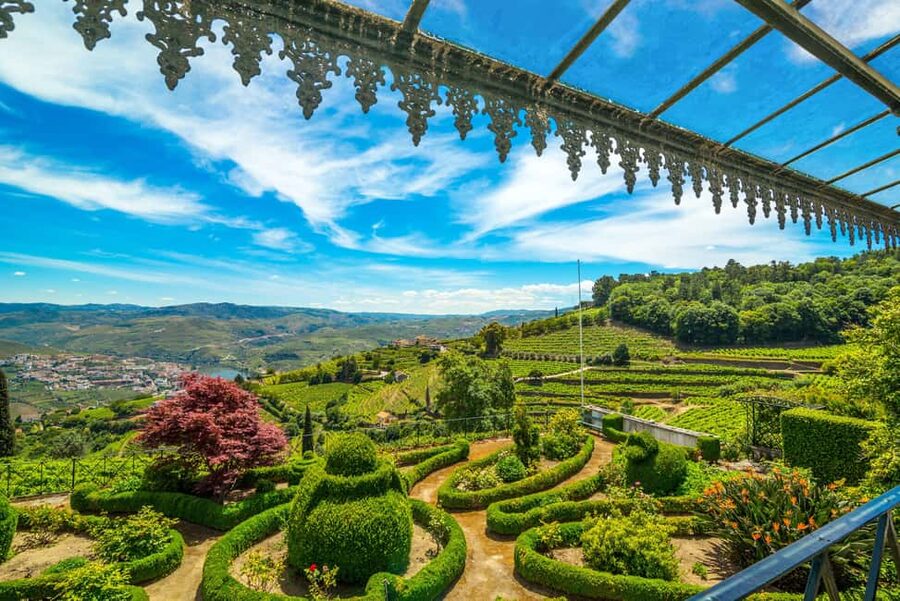
Many Douro tastings focus tightly on the glass in front of you. This one begins outside, with the property itself. That matters because wine in the Douro is tied to land, family, labor, and long-established customs. At Quinta de Santa Júlia, you first get a feel for the estate before sitting down to taste its products.
The property is still family-owned, and its history reaches back to 1596. You hear about the family, the Douro Valley, and the story of Port wine while moving through the grounds. This gives the tasting a human frame. You are not simply comparing flavors. You are learning how wine and olive oil fit into the life of one estate.
I would choose this experience if you want a quieter visit away from the busiest wine-tour circuit. It has an intimate feel, and the guide can keep the conversation informal. A Canadian visitor who did not normally care much for wine still found the experience enjoyable and learned a great deal. That tells you something useful: you do not need a trained palate or a strong interest in wine to get value from the visit.
More Olive Oil and Wine Tastings in the world:
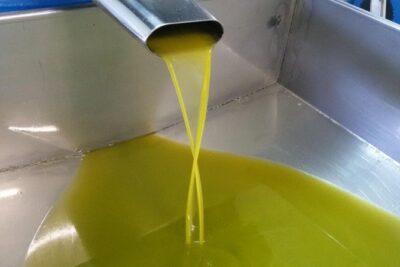
- Sorrento Farm and Food Experience including Olive Oil, Limoncello, Wine tasting
★ 5.0 · 2,524 reviews - Split: Krka Waterfalls With Boat Cruise, Wine and Olive Oil
★ 4.3 · 1,507 reviews - From Mendoza: 3 Wineries, Olive Oil Factory Tour & Tasting
★ 4.6 · 901 reviews
Start with the gardens inspired by Versailles
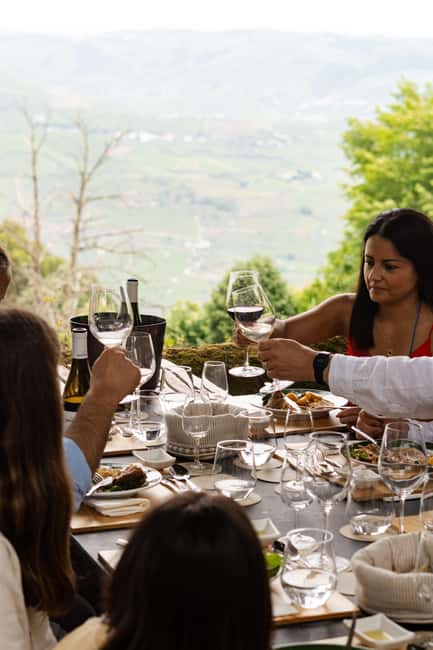
The visit begins with a walk through the family’s private gardens. Their French design, inspired by the classic features of Versailles, is an unexpected touch in the Douro. You might arrive expecting vines on steep hillsides and instead find formal garden elements near an old family house.
This opening walk gives you room to settle into the estate. You can take photos, look across the property, and hear the background of Quinta de Santa Júlia before the tasting starts. The route also includes old country lanes and outdoor areas, so the experience is not confined to a cellar.
The garden portion is especially useful for anyone in your group who is less interested in wine. It gives the visit a cultural and visual side. You can pay attention to the architecture, grounds, and family story while more wine-focused members of your party listen for details about grapes and production.
The estate also offers access to panoramic points with views toward the Douro. The exact views depend on where you are guided and on the day’s conditions, but you should have time for photographs. Wear shoes that are comfortable for a short walk over outdoor paths rather than treating this as a sit-down tasting only.
Hear the story of a 1596 family property
The historical context is not a separate museum lecture. It is woven into the walk through the estate. You learn about the family’s connection to the property, the development of the Douro, and the role of Port wine in the region.
That approach works well because the information arrives in the places where it makes sense. A story about the family is easier to remember when you are looking at the house and gardens. An explanation of Port wine has more meaning when you are about to taste it inside an old Port warehouse.
The guides have received strong praise for their warmth and ability to answer questions. Rafaela has led visits with a friendly, flexible style, while Paolo has been singled out for sharing local stories, history, and regional anecdotes. French-speaking service has also been available on at least some visits, making the experience easier for French-speaking visitors.
The official tour language is English, and some material may be presented in its original language. If you need help with mobility, contact the estate before arriving. The team asks you to mention mobility difficulties in advance so it can assist where possible.
Taste Douro wine, Port, and estate olive oil
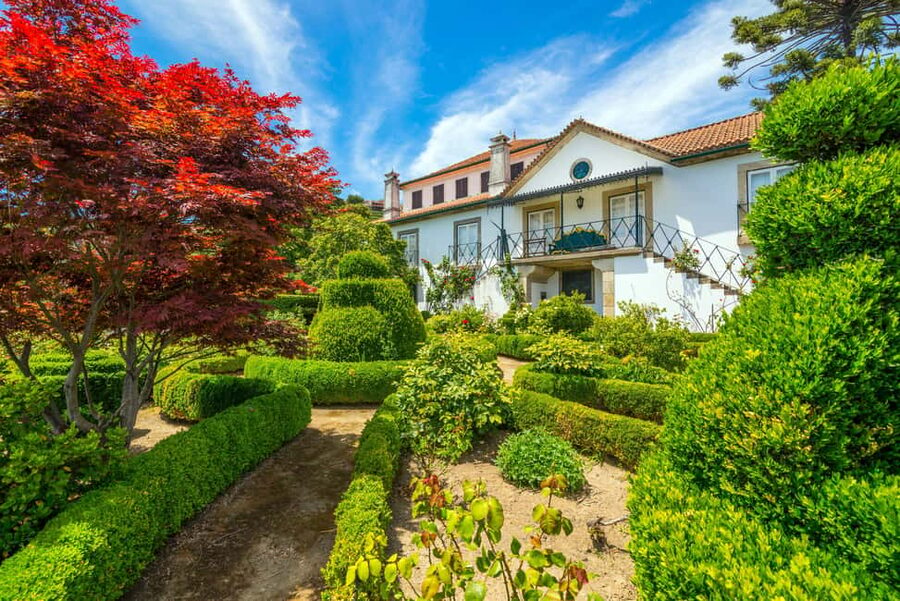
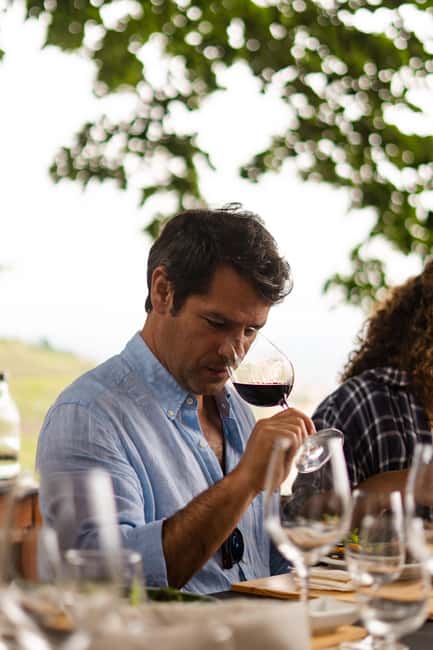
The tasting is held in the estate’s old Port wine warehouses, a setting that gives the final part of the visit real character. These buildings are more than 200 years old, and their age helps explain why the tasting feels connected to the property rather than added on for visitors.
You taste the estate’s own DOC Douro wines first or as part of the guided presentation. DOC Douro refers to wines from the controlled Douro denomination, so you are sampling wine tied to this specific Portuguese region. The exact wines served can vary, but the point is to taste products made from the estate’s own fruit and local production.
Port wine is included as well. If you usually think of Douro wine and Port as the same thing, this is a useful chance to compare them. The guide can explain how the styles differ and how Port fits into the region’s identity.
The third element is extra virgin olive oil made on the estate. Traditional bread is served with the tasting, which gives you a simple way to try the oil on its own. I like this three-part format because it broadens the visit beyond wine. You get a better sense of the farm as a whole, including its olive grove and the products that come from it.
Do not expect a large meal. Bread accompanies the tasting, but the experience is designed around wine, Port, and olive oil rather than lunch. If you are arriving hungry, plan food separately.
More History and Heritage Tours around the world:
- Heraklion: Zeus Cave & Knossos History, Villages & Olive Oil
★ 4.9 · 89 reviews - Richtis Waterfall, History, Azoria, OliveTasting, NorthCoast
★ 5.0 · 83 reviews - Olive Oil Guided Tasting and History in Pula
★ 4.5 · 34 reviews - Zadar Olive Oil & Wine with Dalmatian Views & History
★ 5.0 · 34 reviews
The old cellar is part of the experience
The warehouse setting is one of the strongest details here. A modern tasting room can be comfortable, but it often tells you little about the work behind the bottle. An old Port cellar gives you a physical connection to storage, age, and tradition.
You are also receiving products made on the property. That does not automatically mean every bottle will suit your taste, but it does make the tasting more focused. You can ask about the estate’s own wines and oil, then buy the products directly if something catches your interest.
The farm team provides personalized service, and the guide can adjust the pace to the group. One solo visitor ended up with a private tasting because no one else had booked that time. That kind of quiet visit may happen when demand is low, but you should not count on having the guide to yourself.
Stay after the guided hour
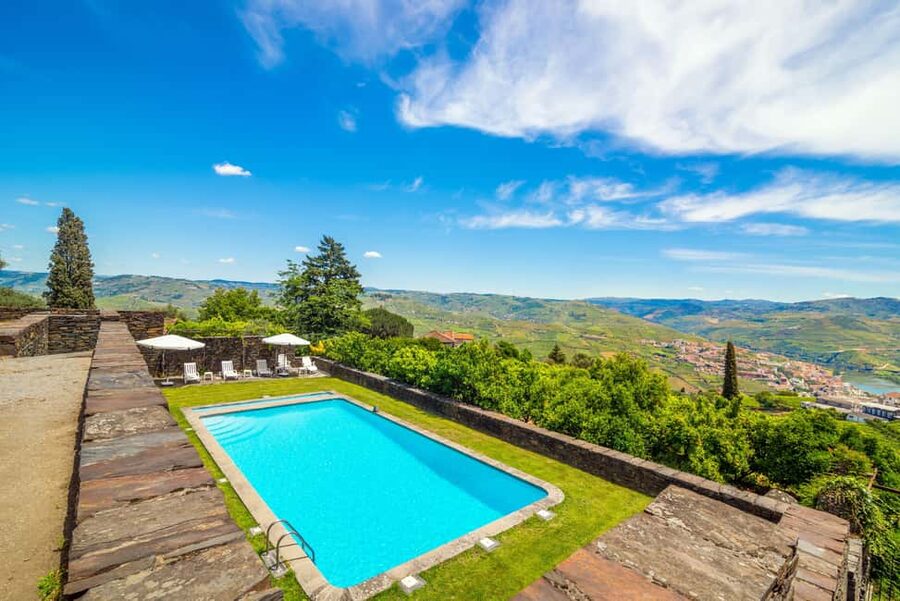
The formal experience lasts about one hour. Afterward, you may stay at the estate as long as you like, with no extra charge, and enjoy the grounds at your own pace.
You can wander through the vineyards, woods, and gardens, return to a panoramic viewpoint, take photos, or relax beside the pool. This changes the value calculation. At $34 per person, the scheduled tour is not just a quick tasting at a roadside shop. You are paying for a guided visit, the setting, the estate story, three tastings, and the option to spend additional time on the grounds.
Still, plan your expectations carefully. The guided part is short, so the quality of the visit depends partly on whether you use the free time. If you need to get back to a hotel, train, or another appointment immediately, you may not benefit from that extra flexibility. If you have a relaxed afternoon, the chance to stay makes the experience feel less hurried.
Pool access is included, but the information does not specify pool hours, changing facilities, or seasonal availability. Ask the estate if swimming is important to your plans.
Getting to the winery and planning your arrival
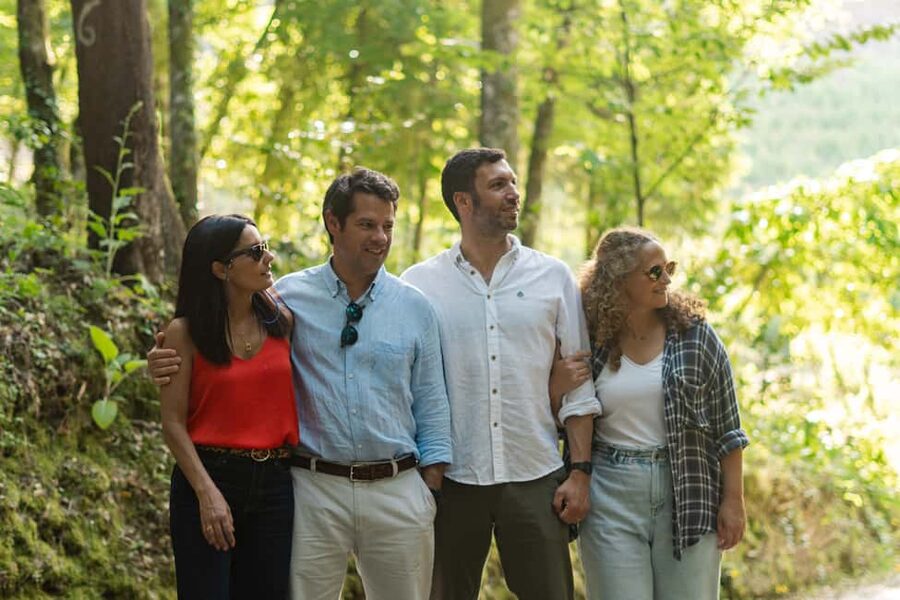
Transportation is not included. You need to reach Quinta de Santa Júlia on your own, and the meeting instructions are clear once you arrive.
Park next to the winery on the main road of the property. The lot is described as easy to access, with enough room to maneuver. From there, walk about one minute along a short path to the main house, where the team will welcome you.
Arrive 15 minutes early. That gives you time to park, walk to the house, and begin without rushing. The estate is not presented as a city-center attraction with public transport details, so confirm your route before setting out. A private car is the simplest option if you are touring the Douro independently, but the experience does not include pickup.
Pets are not allowed, although assistance dogs are permitted.
Is $34 a fair price?
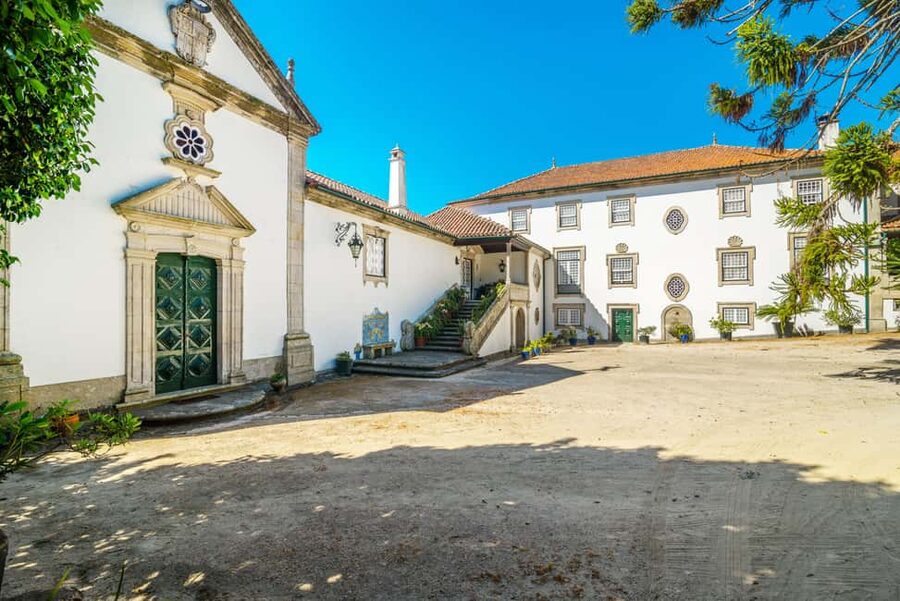
At $34 per person, this is a good value for a small-scale estate visit if you care about setting and personal attention. The price includes the guided outdoor tour, the historic cellar, the family story, views, DOC Douro wines, Port, olive oil, and bread. You also receive free time afterward.
The value is less compelling if you judge a tasting mainly by the number of wines poured or the amount of food served. This is not a long winery lunch, a full-day excursion, or a broad regional tasting with transport between several estates.
I see the price as paying for access to a historic family property as much as for the drinks. The French-style gardens, the old warehouses, and the option to linger give you more than a standard bar tasting. If you buy wine or olive oil, those purchases cost extra, and the farm shop is not included in the ticket.
The estate can arrange safe shipping to your home country for products bought on site. Ask about current shipping costs and destinations before you purchase.
Who will enjoy this visit most?
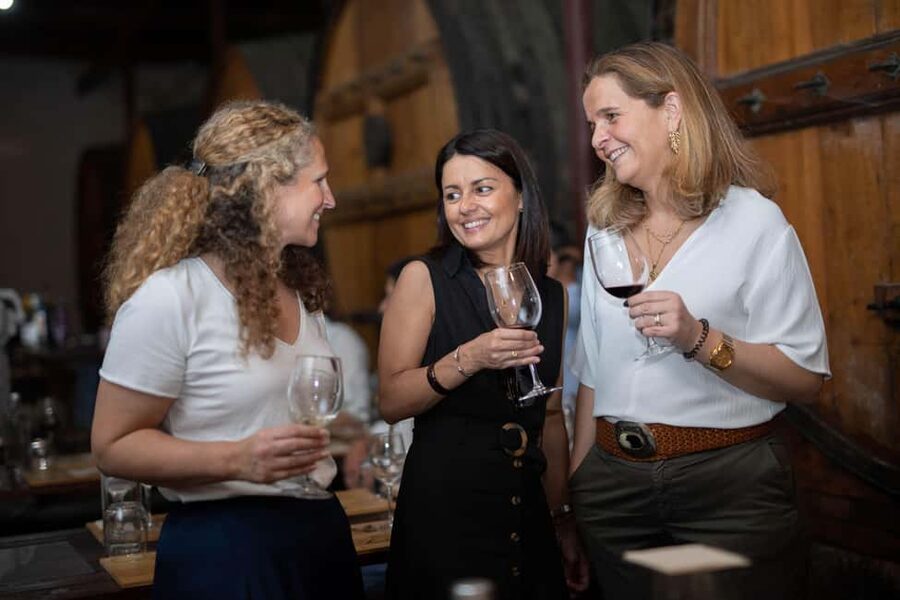
I would recommend Quinta de Santa Júlia to several kinds of visitors:
- You want an authentic family estate rather than a large commercial attraction.
- You enjoy history, gardens, and architecture as much as wine.
- You are traveling with someone who is curious about the Douro but not especially interested in wine.
- You want a short scheduled activity with the option to stay longer.
- You would like to taste both wine and olive oil from the same property.
- You are comfortable arranging your own transportation.
It is also a good fit for solo visitors. The guide can make the tasting personal, especially during a quiet time slot. Couples and small groups should appreciate the relaxed pace and the chance to continue exploring after the official visit.
I would hesitate if you need a full meal, transportation from your hotel, a long technical wine course, or a guaranteed swim. Those needs are not covered by the information provided.
Practical advice before you book
Book a starting time that leaves room after the one-hour visit. The estate is designed for lingering, and rushing away right after the tasting means missing part of what you paid for.
Arrive 15 minutes early, park beside the winery, and expect a short walk to the main house. Let the team know ahead of time if mobility assistance is needed.
Bring a phone or camera for the gardens and Douro views. Wear sensible shoes for the outdoor paths, vineyard areas, woods, and country lanes. If you hope to use the pool, confirm the arrangements in advance because pool conditions and facilities are not detailed.
The tour is offered in English, with some content in its original language. French has been available with at least some guides, including one visit led in French. If language is important to you, check the guide details when booking.
Cancellation is free up to 24 hours before the activity for a full refund. You may also reserve now and pay later, which helps if your Douro plans are still shifting.
Should you book Quinta de Santa Júlia?
Book it if you want a personal, place-based Douro experience with history, gardens, wine, Port, and olive oil in one stop. The setting does much of the work, but the family story and friendly guide make the visit feel more than decorative.
The best reason to choose it is the balance: one hour of guided content, followed by as much unhurried time as you want. Just remember to arrange your own transport and keep your food plans separate. For $34, this is a strong choice for a relaxed estate visit, especially if your group includes both wine drinkers and people who mainly want scenery, culture, and a pleasant afternoon.
FAQ
How long does the Quinta de Santa Júlia experience last?
The guided experience lasts about one hour. After the visit, you may stay as long as you like to stroll, take photos, explore the grounds, or relax by the pool at no extra cost.
What is included in the tasting?
You taste the estate’s DOC Douro wines, Port wine, and extra virgin olive oil. Traditional bread is served with the tasting.
Where does the tasting take place?
The tasting takes place in Quinta de Santa Júlia’s Port wine warehouses, which are more than 200 years old.
Is transportation included?
No. You must arrange your own transportation to and from Quinta de Santa Júlia.
Where should I park?
Park next to the winery on the main road of the property. From the parking area, the walk to the main house takes about one minute.
How early should I arrive?
You should arrive 15 minutes before the scheduled start time.
What language is the tour offered in?
The live tour guide language is English. Some content may be shown in its original language. French service has been available on some visits, so check when booking if that matters to you.
Can I buy wine and olive oil at the estate?
Yes. You can buy wine and olive oil directly on site. The estate can also arrange shipment to your home country, with shipping details confirmed at the time of purchase.
Are pets allowed?
Pets are not allowed. Assistance dogs are permitted.
Newest grove reviews around the world
- Córdoba: Olive Oil Tasting Experience★ 4.4 · 8 reviews
- Corinthian olive oil tour & tasting experience★ 5.0 · 4 reviews
- Corfu: Olive Oil & Wine Tastings & Traditional Villages Tour★ 5.0 · 6 reviews
- Corfu: Organic Olive Oil Farm Tour with Transfer and Tasting★ 5.0 · 8 reviews
- Chania: Authentic Crete Villages Tour & Olive Oil Tasting★ 4.5 · 2 reviews
- Chania Olive Tour: 3,000-Year-Old Tree, Museum &Organic Mill★ 5.0 · 5 reviews
- Chania Private Olive Oil Tour: Oil Tasting & Villages Tour★ 4.4 · 9 reviews
- Cazorla: Oleotour – Olive Oil Culture Initiation★ 5.0 · 3 reviews
Olive Oil and Wine Tastings, compared.
Sorrento Farm and Food Experience including Olive Oil, Limoncello, Wine tasting
Read our review →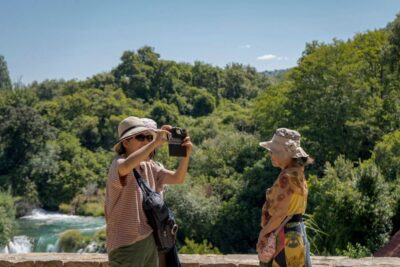
Krka Waterfalls With Boat Cruise, Wine and Olive Oil
Read our review →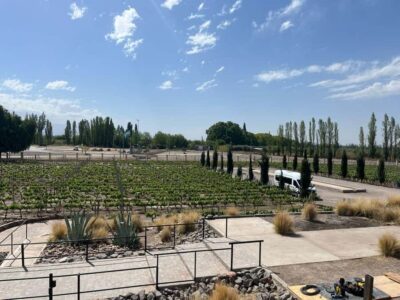
Lemon, Olive Oil and Wine Tasting Tour with Lunch
Read our review →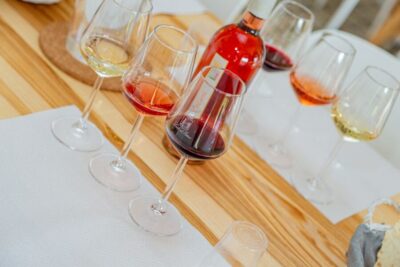
Browse the lists this tour appears in