
Review · HISTORICAL TOURS
Richtis Waterfall, History, Azoria, OliveTasting, NorthCoast
The most memorable part of this eastern Crete outing is the change of pace. You leave Agios Nikolaos in a 4×4 Land Rover, pass from the coast into the hills, then walk through Richtis Gorge to a cold freshwater waterfall where you can swim. Later, the day shifts from nature to archaeology, food, and olive farming.
I love the small group size, capped at six people, because it gives the guide room to adjust the pace. I also like the mix of experiences: a proper walk, a very old olive tree, an archaeological site, a Cretan meal, and an olive oil tasting. The main caution is the gorge walk. Good shoes and decent physical condition matter, and the waterfall entrance fee is not included.
Key points to know before booking
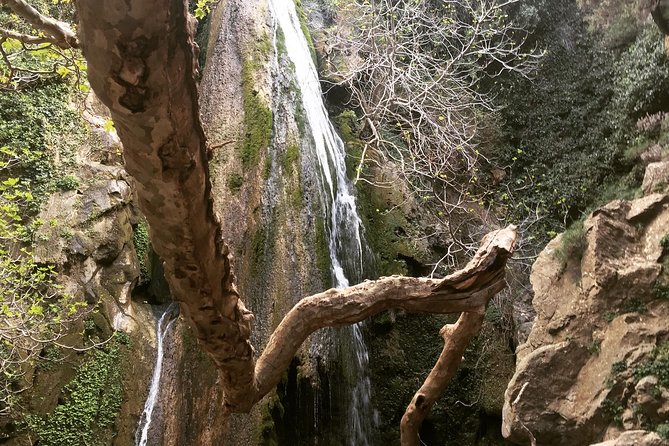
- Richtis Gorge includes a waterfall swim, so bring a swimsuit and towel.
- The walk can be demanding in places, especially after rain or for anyone unsteady on rough ground.
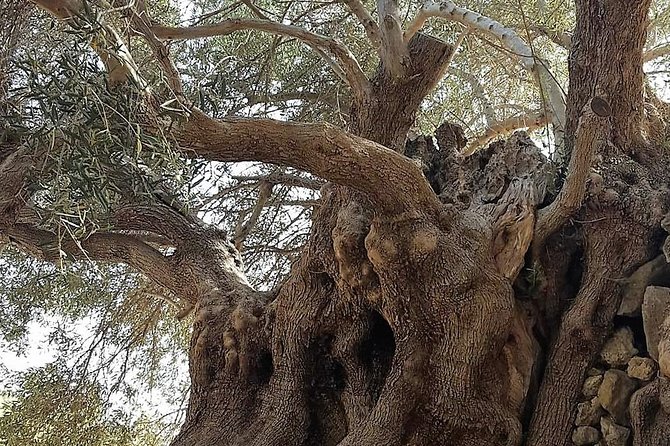
- Azorias offers two unusual stops, a 3,250-year-old olive tree and a Late Minoan settlement still being excavated.
- Lunch is part of the experience, with traditional Cretan dishes served during the countryside portion of the day.
- A family olive oil factory adds local flavor, with tasting and olive-based products in Agios Nikolaos.
- Pickup is included in selected eastern Crete areas, but not from Chania or Rethymno.
Why this 4×4 day feels different from a standard excursion
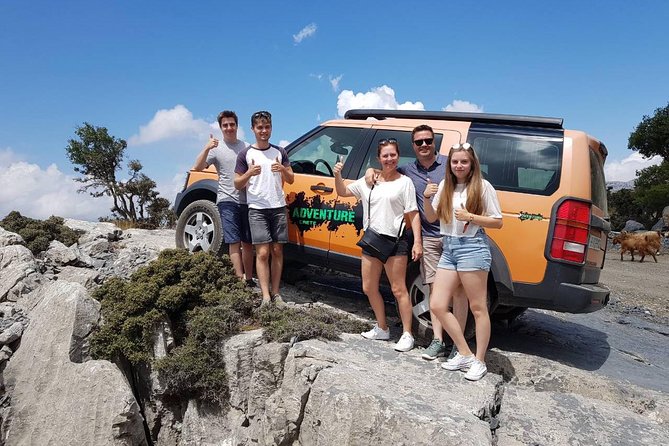
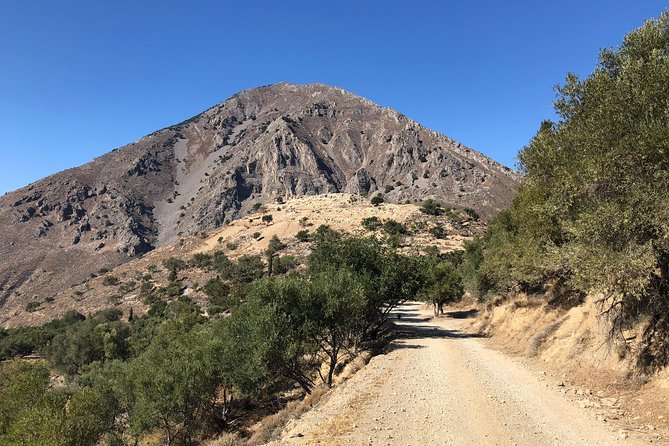
Many Crete day trips move from one major sight to another by coach. This one is more personal and more rural. The vehicle is suited to mountain roads, and the route reaches places far from the busiest tourist paths.
You spend about seven hours moving through several sides of eastern Crete. The day is not just an outdoor walk, and it is not just a history visit. You get water, trees, ruins, food, and farming in one compact route.
The small group is important here. With no more than six people, guides such as Michael, George, Andre, or Petra can give more attention to the walking pace and explain what you are seeing without addressing a large crowd. One account describes George switching between French and English with ease, which may matter if your group includes more than one language.
The trip begins at about 8:30 in the morning. Pickup is available from hotels, villas, and apartments in Chersonissos, Malia, Sissi, Agios Nikolaos, Elounda, Istron, and Ierapetra. Heraklion pickup is offered only for VIP tours. Chania and Rethymno are outside the normal pickup area.
More History and Heritage Tours around Greece:
- Heraklion: Zeus Cave & Knossos History, Villages & Olive Oil
★ 4.9 · 89 reviews - Classical guitar concert in a historic olive press
★ 5.0 · 23 reviews - Olive Oil Guided Tasting and History in Pula
★ 4.5 · 34 reviews
Richtis Gorge and the cold-water reward
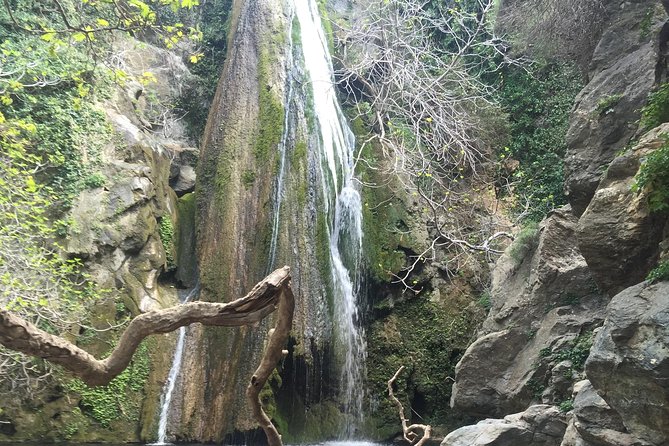
Richtis Gorge is the active part of the day. You walk toward a waterfall through a natural setting that feels far removed from the resort towns. The scheduled time is about 90 minutes, which allows for the walk, time around the waterfall, and a swim if conditions suit you.
The water is fresh and cold. That is part of the appeal, especially on a warm Cretan day, but you should not expect a gentle beach-style swim. Bring a swimsuit and towel, and wear shoes with a firm grip. Sandals or smooth-soled trainers are a poor choice for uneven ground.
The walk is described as manageable by most people, but it is not completely effortless. Some sections can be difficult, and wet weather can make the route more slippery. A person in good general condition should be able to take part, but this is not the right outing if you want a fully paved, low-effort day.
The waterfall entrance fee is not included in the tour price. That is a small but important detail when comparing the total cost. Ask about the current fee when booking or before departure, since the supplied information does not give an amount.
The gorge is also where the guide adds real value. A careful guide can set a sensible pace, point out the route, and help the group handle rougher sections. One account specifically praised Andre for helping people who found the terrain difficult, while another described George keeping the group safe after heavy rain.
Azorias olive tree: a living link to Crete’s past
After the gorge, the route turns toward Azorias and one of the day’s most striking sights: an olive tree estimated to be 3,250 years old. Even without a long lecture, the age is hard to grasp. This is not simply an attractive old tree. It connects modern Crete with the agricultural practices that have shaped the island for thousands of years.
You have about 20 minutes here. That is enough to see the tree, take photographs, and hear the guide explain why olive growing matters so much in Crete. The stop is short, but it works well after the physical part of the morning because it gives you time to slow down.
This is also a good example of why the 4×4 format helps. The day is not limited to famous urban sights. You reach a rural place connected to farming and local tradition, then continue to an archaeological site nearby.
The lost settlement of Azoria
The Late Minoan settlement of Azoria receives about 30 minutes. Archaeological work is still taking place there, so you are seeing a site that remains a work in progress rather than a fully packaged monument.
That unfinished quality is part of its appeal. You are not walking through a polished museum display with every stone explained. Instead, you get a glimpse of an ancient settlement while researchers continue to study it. Your guide helps turn the remains into something understandable, especially if you are not already familiar with Minoan-era Crete.
Keep your expectations sensible. Thirty minutes is enough for an introduction, not a full archaeological seminar. The site is best for people who enjoy context, old stonework, and the feeling of reaching somewhere outside the usual sightseeing circuit.
The nearby olive tree and settlement also make a useful pair. One shows how the land has been worked across generations. The other shows how people organized life in an earlier period. Together, they give the countryside more meaning than a quick scenic drive would.
More Olive Oil Tours around Greece:
- Crete: Quad Safari, Olive Mill with Tasting & Ghost Village
★ 4.9 · 1,004 reviews - Knossos-Zeus Cave -Old Traditional Villages-Olive Oil Factory
★ 5.0 · 694 reviews - The Governor’s Olive Mill Tour with Olive Oil Tasting
★ 5.0 · 502 reviews - From Chania: Olive Oil, Wine, Cheese & Honey Tasting Tour
★ 4.6 · 490 reviews
Lunch with traditional Cretan flavors
Lunch is included, and it is one of the strongest parts of the value. The meal offers a variety of traditional Greek and Cretan foods rather than a quick roadside snack. Exact dishes are not specified, so you should treat it as a regional meal rather than expect a fixed menu.
The setting matters too. The meal is served with a broad countryside view, making it a natural pause between the ruins and the olive oil visit. You get time to sit, eat, and talk with the group instead of spending the full day moving from stop to stop.
Vegetarian food is available if you request it when booking. Alcoholic beverages are also included, along with bottled water. If you have other dietary needs, the supplied details only confirm the vegetarian option, so ask in advance rather than assume.
I see the lunch as more than an included extra. It gives the day a local center. You taste the food traditions connected to the olive-growing countryside you have just been seeing.
Olive oil tasting at a family factory
The final scheduled stop is a family olive oil factory in Agios Nikolaos. You learn about olive oil production, taste the oil, and see products made from olives. This is a useful finish because it brings the earlier sights together.
The ancient tree is no longer just a photo stop. The settlement is no longer isolated archaeology. At the factory, you see how olive cultivation remains part of everyday economic and food life in Crete.
The visit lasts about 30 minutes. That is long enough for an introduction and tasting, but not so long that the day turns into a shopping stop. You may find olive-based products available, though the information does not state that purchases are required or that shopping is the main purpose.
People often remember this part because tasting gives you a direct way to compare the island’s agricultural identity with what appears on the table at lunch. If you enjoy food-focused sightseeing, this is a real strength.
The drive back and the Voulisma view
On the return route, you pass Voulisma Beach. The schedule does not list a separate beach stop, so you should think of this as a scenic view from the vehicle rather than time for swimming or sunbathing.
That distinction matters. If your main goal is a beach day, choose a dedicated coastal outing instead. Here, Voulisma adds a coastal glimpse to a day otherwise focused on the gorge, hills, ruins, and olive farming.
The route also passes Agios Nikolaos and its well-known lake. In most cases, this is part of the drive rather than a separate sightseeing stop. Still, it helps you see how the day connects the town with the countryside around it.
Price, group size, and what you receive
At $119.47 per person, the tour is not the cheapest way to spend a day in eastern Crete. It includes roughly seven hours of transport, hotel pickup and drop-off, an air-conditioned 4×4 vehicle, bottled water, lunch, alcoholic beverages, the olive tree and Azoria visits, and the olive oil tasting.
The group limit of six makes the price easier to justify. You are paying for a more personal outing rather than a large bus circuit. The included meal and transport also reduce the extra costs that can add up on an independent day out.
The Richtis Gorge entrance fee is separate. You should also remember that this price is most useful if you value variety and guidance. If you only want to see the waterfall, a shorter self-directed visit may cost less. If you want the gorge combined with archaeology, food, and olive oil, the package has stronger value.
The tour is offered in English. Specific guides named in the available information include Michael, George, Andre, and Petra. Guide assignments can vary, so you should not book on the assumption that one particular person will lead your departure.
Who should book this Crete countryside tour
I would recommend it to you if you want to see more than the main resort towns and prefer a small, active day. It suits couples, families with older children, and small groups who enjoy switching between nature, history, and food.
The tour can work for families. One 10-year-old reportedly found it the best day of a week in Crete, but children must be accompanied by an adult. The key issue is not age alone. Your child should be comfortable with a walk on uneven terrain and a cold-water swim.
It is also a strong choice for people staying in Agios Nikolaos, Elounda, Hersonissos, Malia, Sissi, Istron, or Ierapetra. Pickup is a major convenience in those areas. It is not practical for a normal stay in Chania or Rethymno because those areas are not included in standard pickup.
You should look elsewhere if you dislike walking, want a guaranteed relaxed beach stop, or prefer a large organized excursion with fixed facilities at every stop. Richtis Gorge is the main physical test, and the day is built around variety rather than long stays at one place.
Practical preparation for the day
Wear sturdy shoes with good grip. Bring a swimsuit and towel, even if you are unsure about swimming, and carry the supplied water as you walk. An air-conditioned vehicle makes the driving portions more comfortable, but you will still spend time outdoors.
The tour requires a minimum number of participants. If that minimum is not reached and the departure is canceled, you are offered another date or experience, or a full refund. You can cancel for a full refund up to 24 hours before the start time. Changes or cancellations inside that 24-hour window are not accepted.
The experience is offered in English and confirms most people can participate, but the physical note should be taken seriously. If you have concerns about the gorge, ask before booking rather than relying on the general participation statement.
Should you book it?
Book this tour if you want one well-packed day that connects Crete’s natural scenery with its farming traditions and ancient sites. The combination of a waterfall swim, a 3,250-year-old olive tree, an active archaeological site, Cretan food, and olive oil tasting is the real reason to choose it.
I would call it especially good value for people based in eastern Crete who want a small group and hotel pickup. Just budget for the separate gorge entrance fee, wear proper shoes, and accept that the route includes some rough ground. If that sounds like your kind of day, this is a thoughtful way to get beyond the coast without giving up comfort or local food.
FAQ
Where does the tour depart from?
Pickup is available from your hotel, villa, or apartment in Chersonissos, Malia, Sissi, Agios Nikolaos, Elounda, Istron, and Ierapetra.
Is pickup available from Chania or Rethymno?
No. Normal tour pickup is not available from Chania or Rethymno.
What time does the tour start?
The scheduled start time is 8:30 am.
How long does the experience last?
The tour lasts approximately seven hours.
What language is the tour offered in?
The tour is offered in English.
How many people can join the tour?
The group has a maximum of six participants.
Is swimming possible at Richtis Waterfall?
Yes. You can swim in the cold freshwater pool at the waterfall. Bring a swimsuit and towel.
Is the Richtis Gorge entrance fee included?
No. Entrance to Richtis Gorge is not included in the tour price.
Is lunch included?
Yes. Lunch, bottled water, and alcoholic beverages are included. A vegetarian option is available if you request it when booking.
Can children join the tour?
Yes, but children must be accompanied by an adult. Good shoes and reasonable physical condition are necessary because the gorge includes difficult terrain.
Newest grove reviews around Greece
- Corinthian olive oil tour & tasting experience★ 5.0 · 4 reviews
- Corfu: Olive Oil & Wine Tastings & Traditional Villages Tour★ 5.0 · 6 reviews
- Corfu: Organic Olive Oil Farm Tour with Transfer and Tasting★ 5.0 · 8 reviews
- Chania Private Olive Oil Tour: Oil Tasting & Villages Tour★ 4.4 · 9 reviews
- Chania: Authentic Crete Villages Tour & Olive Oil Tasting★ 4.5 · 2 reviews
- Chania Olive Tour: 3,000-Year-Old Tree, Museum &Organic Mill★ 5.0 · 5 reviews
- Chania E-Bike Adventure: Culture, Coastline & Olive Tasting★ 5.0 · 2 reviews
- Athens: Cretan Olive Oil Tasting Experience★ 5.0 · 10 reviews
Historical Tours, compared.
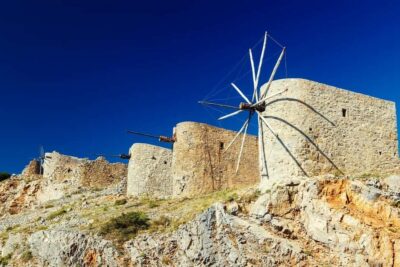
Zeus Cave & Knossos History, Villages & Olive Oil
Read our review →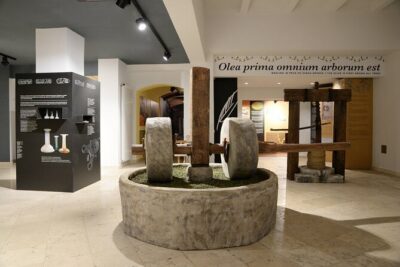

Zadar Olive Oil & Wine with Dalmatian Views & History
Read our review →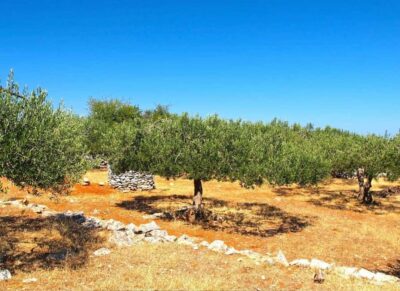
Šibenik: Croatia in a Day, Vistas, History, Olive Oil, Wine
Read our review →
Classical guitar concert in a historic olive press
Read our review →
Douro Valley: A Sensory Experience in the Douro: Wines, Olive Oil, and History
Read our review →Browse the lists this tour appears in