
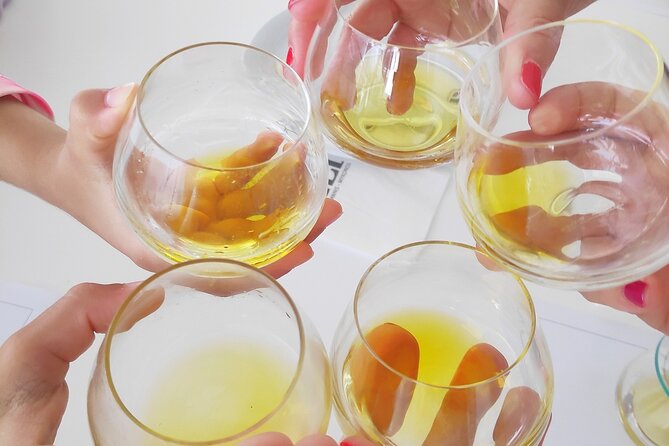
Review · OLIVE FARM VISITS
Olive Oil Tasting at the Mykonian Farm
The clever part of this Mykonos experience is that you do not simply taste good olive oil. You taste two award-winning Greek extra virgin oils beside two flawed oils, which gives your palate a useful comparison. An expert taster explains how to smell, sip, and describe what you find, from fruity aromas to bitter and spicy finishes.
I like the focused two-hour format, and I like that the session connects olive oil with the Mediterranean Diet, including its health and beauty benefits. The farm owner is also described as a friendly host who adds food and wine to the occasion. The main caution is price: at $104.28 per person, this is costly for a tasting, especially since the dinner portion may feel lighter than expected.
Key Points
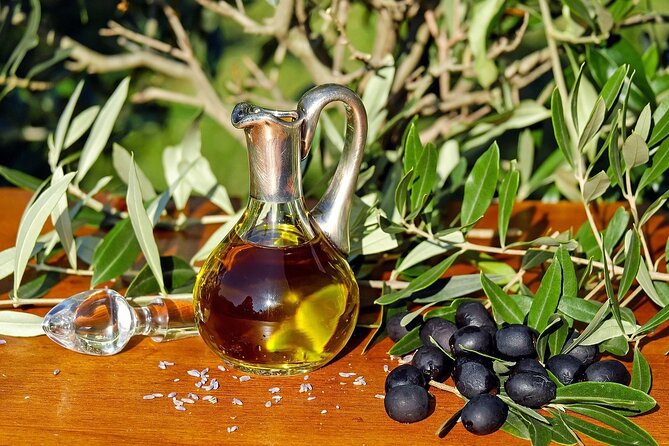
- Four-oil comparison: Taste two exceptional Greek EVOOs and two oils with negative attributes.
- Expert-led tasting: Learn the basic sensory language of fruity, bitter, and spicy.
- Ancient Greek tradition: Explore the long role of olive trees and olive oil in Greek food.
- Small-group setting: The session is limited to 15 people, which should allow room for questions.
- Farm atmosphere: The owner hosts, with food and wine included in the broader experience.
- Fixed commitment: It lasts about two hours, begins at 5:00 pm, and is non-refundable.
What Makes This Mykonos Tasting Different
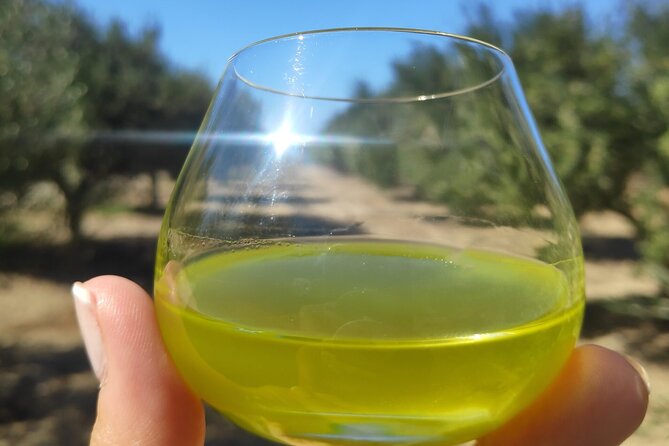
Many food activities ask you to sample local products and call it a day. This one takes a more useful approach. You learn how to judge olive oil rather than simply being told which bottle is best.
The tasting is built around four oils. Two are award-winning Greek extra virgin olive oils. The other two have negative qualities. That contrast matters. A good oil can taste fresh, grassy, fruity, bitter, or spicy. A poor oil may have an unpleasant defect that you would otherwise mistake for normal olive-oil flavor.
I like this teaching method because it gives you a reference point. Once you have tasted a sound oil beside a defective one, you are better prepared to choose olive oil in a shop, understand a restaurant bottle, or judge the quality of what you already use at home.
The activity takes place in a specially designed area of Mykonian Farm. The setting is part of the appeal, but the real purpose is the tasting lesson. This is not mainly a sightseeing outing or a long farm tour. It is a structured food session with a short cultural introduction and practical instruction.
More Olive Farm Visits in Greece
- Crete: Road-trip to Lasithi, Zeus Cave & Olive Mill Farm
★ 4.4 · 451 reviews - Heraklion: Olive Farm Tour with Tasting of Local Delicacies
★ 4.9 · 411 reviews - Lassithi, Zeus Cave, Olive Mill Farm & Knossos Combo Tour
★ 4.6 · 404 reviews
The Two-Hour Schedule at Mykonian Farm
The experience begins at 5:00 pm and lasts about two hours. Pickup is offered, though the supplied details do not specify the pickup area, timing, or vehicle arrangement, so you should confirm those points when booking.
The session opens with a short history of Greek olive trees and olive oil. Olive oil has been central to Greek cooking since ancient times, and this introduction gives the tasting a useful setting. You learn why the ingredient matters to Greek food instead of treating it as just another product to sample.
Next comes the basic method of tasting. The expert taster explains how to smell the oil, how to take it into your mouth, and how to notice its character. The focus is sensory rather than technical for its own sake. You are learning a set of simple habits that can make olive oil easier to understand.
The vocabulary is practical. You will hear about fruity, bitter, and spicy qualities. These terms can sound strange at first, particularly when bitter or peppery sensations are presented as positive signs. The guided comparison helps explain how these flavors can belong to a healthy, well-made extra virgin oil.
The four oils then provide the central exercise. Two are exceptional Greek EVOOs, while the other two show negative attributes. The point is not to guess a winner. It is to recognize the difference between desirable flavor and a defect.
The session also covers the main features that define an extra virgin olive oil. The details supplied do not list a formal certification lesson or laboratory demonstration, so expect a clear introduction rather than professional-level training. Still, for a first encounter with olive-oil tasting, the format should be enough to sharpen your senses.
Learning What Extra Virgin Really Means
The phrase extra virgin appears on bottles everywhere, but many people never stop to ask what it means. This experience addresses that gap directly.
You learn the important elements that characterize an EVOO and how to describe its flavor correctly. The lesson is not only about whether you like an oil. It is about whether the oil has the qualities expected from extra virgin olive oil and whether it shows signs of a fault.
That distinction makes the experience useful for shoppers. You may leave with a better sense of why one oil smells fresh and lively while another seems flat or unpleasant. You also gain words for describing the difference without relying on vague labels such as strong or mild.
The tasting is led by an expert olive oil taster, not just a general farm host. No individual guide name is provided, but the host’s role is clear: teach the basics of sensory analysis and explain the oils in front of you.
The group limit is 15 people. That is not a private lesson, but it is small enough to keep the session reasonably personal. If you have a question about an aroma or finish, the format should make it possible to ask without trying to compete with a large crowd.
Why the Good Oils and Flawed Oils Matter
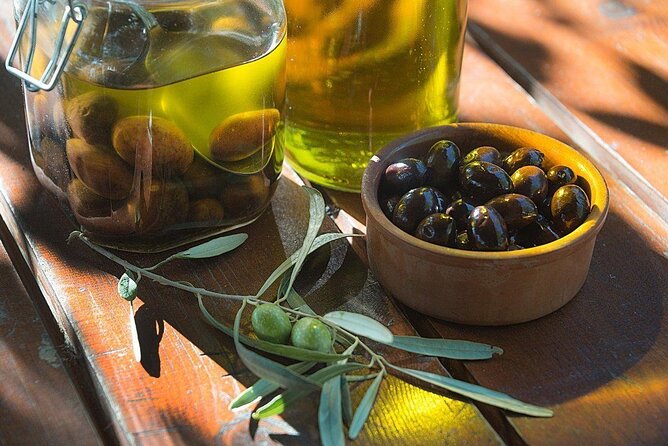
The most valuable part of the tasting is the side-by-side comparison. If you sample only excellent oils, you may enjoy them without learning why they are excellent. Adding oils with negative attributes gives the lesson a clear purpose.
A sound extra virgin olive oil can offer fruity aromas and a pleasant bitter or spicy sensation. Those qualities may surprise people who expect olive oil to taste smooth and neutral. The expert taster helps you separate positive character from unpleasant defects.
This is also where the session may change your shopping habits. You begin to understand that freshness, aroma, and balance matter more than a fancy label alone. The activity does not promise that you will become a professional taster in two hours, but it can help you avoid treating every olive oil as interchangeable.
The biodegradable tasting glasses are a small but sensible detail. They suit a short tasting and reduce the need for conventional single-use plastic. They also keep the session simple, with attention on the oil rather than on elaborate equipment.
One limitation is that the supplied details do not identify the names, regions, harvest dates, or producers of the four oils. If those details matter to you, ask the taster during the session. The experience is clearly about sensory learning, not a full catalog of Greek olive-growing regions.
Same groves, a different afternoon:
- Crete: Quad Safari, Olive Mill with Tasting & Ghost Village
★ 4.9 · 1,004 reviews - Knossos-Zeus Cave -Old Traditional Villages-Olive Oil Factory
★ 5.0 · 694 reviews - The Governor’s Olive Mill Tour with Olive Oil Tasting
★ 5.0 · 502 reviews - From Chania: Olive Oil, Wine, Cheese & Honey Tasting Tour
★ 4.6 · 490 reviews
Greek Olive Oil and the Mediterranean Diet
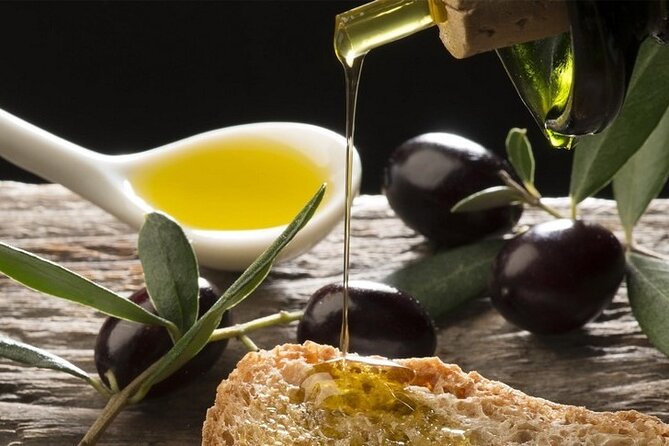
Olive oil is presented here as the core fat of the Mediterranean Diet. The activity covers its basic health benefits, including antioxidants, fatty acids, and vitamins.
The health section adds context, but you should keep your expectations sensible. This is a tasting led by an olive-oil specialist, not a medical consultation. The experience can explain why EVOO is valued in Mediterranean cooking, but it should not replace personal medical advice.
The broader point is cultural. Olive oil is not a finishing touch added after the real meal. In Greek cooking, it is a daily staple tied to farming, family food, and long-standing habits. Learning to taste it gives you a better connection to the meals you will encounter across Greece.
The session also introduces claimed health and beauty benefits of extra virgin olive oil. That may appeal to visitors interested in food and wellness, but the strongest value remains the tasting skill. I would treat the health discussion as background, then focus on how the oil smells and tastes.
Food, Wine, and the Farm Host
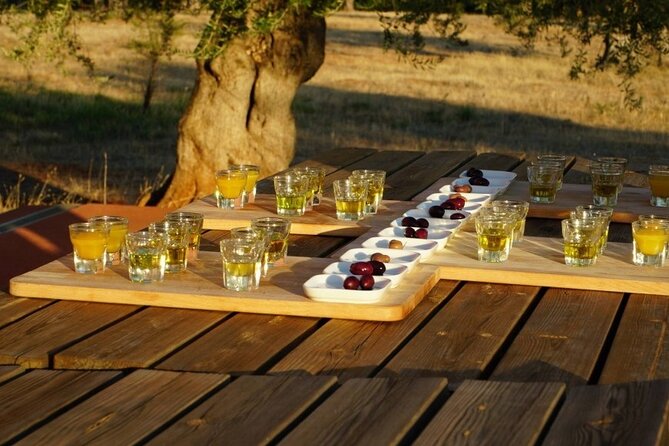
The experience can include food and wine, and the farm owner is described as a friendly, capable host. That personal touch may make the visit feel more like a farm welcome than a formal classroom.
Still, you should separate the olive-oil lesson from the meal expectations. One account found the food and wine enjoyable, while another felt the dinner was much less substantial than expected and considered the total price high. That difference is important when deciding how to value the activity.
If you are booking mainly for olive-oil education, the meal becomes an extra. If you expect a generous farm dinner as the centerpiece, you may be disappointed. The supplied program does not list a detailed menu or promise a full dinner, so do not pay $104.28 expecting a lavish feast.
The owner-host element is one of the more appealing features. A farm owner can give the setting a sense of place that a generic tasting room may lack. But the precise food service, portion size, and wine selection are not specified, so consider them pleasant additions rather than guaranteed highlights.
Is $104.28 a Fair Price?
At $104.28 per person, this is a premium activity. The price pays for more than four small samples: you receive an expert-led sensory lesson, a cultural introduction, health information, the farm setting, biodegradable tasting glasses, and possibly food and wine.
The value is strongest if you care about olive oil and want to learn a skill. A casual visitor who simply wants to taste a local product may find the cost hard to justify. The tasting itself is only about two hours, and the program does not promise a large meal or a broad farm tour.
I would compare this price with your other Mykonos plans. If you are already booking several expensive food experiences, this may feel repetitive. If you want one focused activity tied to Greek food culture, it could be a worthwhile splurge.
The contrast between premium and flawed oils improves the value. You are not merely sampling four similar products. You are receiving a lesson designed to show why quality matters.
The small group also helps. With a maximum of 15 people, the session should feel more attentive than a large commercial tasting. That does not make the price automatically low, but it gives the experience a more personal scale.
Who Will Enjoy This Most?
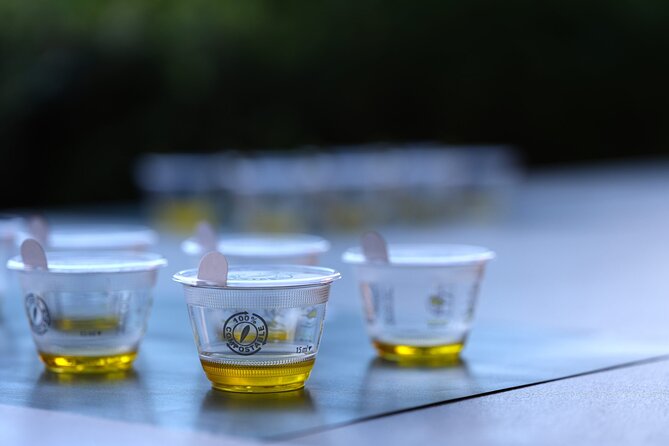
I would recommend this to food-focused visitors, curious cooks, couples, and anyone who wants a quieter cultural activity in Mykonos. It is especially useful if you have wondered what extra virgin means or if you have trouble describing olive-oil flavors.
It should also suit people interested in the Mediterranean Diet. You receive both food context and basic health information, while the tasting gives you something practical to take home.
Families may appreciate the farm setting, but the activity is built around smell, taste, and discussion. Young children may not get much from the technical side. The supplied details say most people can participate, but they do not provide a specific child age policy.
You should skip it if you want a full farm day, extensive animal activities, or a large traditional dinner. A separate account describes animal feeding and a dinner that felt smaller than expected, but those elements are not the main focus of the olive-oil program.
Practical Details Before You Book
The scheduled start is 5:00 pm, and the activity lasts about two hours. That makes it easy to place after a daytime outing, though the fixed start means you need to plan your afternoon around it.
Pickup is offered. Since the details do not state the exact pickup locations, ask for confirmation before you rely on it. The booking includes a mobile ticket, and confirmation is sent at booking.
The maximum group size is 15 people. Most people can take part, and no special skill is required. The tasting glasses are biodegradable and included.
The biggest booking condition is the cancellation policy. This experience is non-refundable and cannot be changed for any reason. If your plans are uncertain, think carefully before committing. The activity is also booked an average of 46 days ahead, which suggests that you should not assume a last-minute place will be available during a busy Mykonos visit.
Should You Book the Mykonian Farm Tasting?
Book it if you want to understand Greek olive oil instead of simply sampling it. The four-oil comparison, expert instruction, farm setting, and small group give the experience a clear purpose.
I would be more cautious if you are judging the price mainly by the amount of food. The meal may be pleasant, but the program does not guarantee a large dinner, and one account found it underwhelming. At $104.28, the educational part needs to matter to you.
For an olive-oil enthusiast, this is a focused and useful Mykonos activity. For everyone else, ask yourself one question: do you want a lesson in tasting quality, or do you mainly want a cheap local meal? If the answer is the first, this farm session makes sense. If it is the second, spend your money elsewhere.
FAQ
Where does the olive-oil tasting take place?
The activity takes place in a specially designed tasting area at Mykonian Farm in Mykonos, Greece.
What time does the experience start?
The scheduled start time is 5:00 pm.
How long does the olive-oil tasting last?
The activity lasts approximately two hours.
How many olive oils will I taste?
You will taste four oils: two award-winning Greek extra virgin olive oils and two oils with negative attributes.
Will an expert lead the tasting?
Yes. An expert olive oil taster leads the session and explains sensory analysis and the qualities of extra virgin olive oil.
What will I learn to identify?
You will learn basic tasting methods and terms such as fruity, bitter, and spicy. You will also learn how to recognize a defective oil.
Does the activity discuss health benefits?
Yes. The program covers basic health benefits associated with olive oil and explains its place in the Mediterranean Diet.
Is pickup available?
Yes. Pickup is offered, but the available pickup locations and exact arrangements are not specified in the supplied details.
What is the maximum group size?
The activity accepts a maximum of 15 people.
Can I cancel or change my booking?
No. The experience is non-refundable and cannot be changed for any reason.
Newest grove reviews around Greece
- Athens: Greek Wine & Olive Oil Tasting at Brettos Plaka★ 4.5 · 3 reviews
- Breakfast in the markets with olive oil and honey tasting★ 4.8 · 8 reviews
- PRIVATE RHODES TOUR + Lunch Stop & WINE/OLIVE OIL Tasting★ 5.0 · 2 reviews
- Olive Tour & Tasting★ 5.0 · 4 reviews
- Private Tour in Historic Estate in Monemvasia with wine-olive oil tasting & meal★ 5.0 · 4 reviews
- Olive Facility Visit with Olive Oil Tasting Session★ 5.0 · 2 reviews
- Olive Oil Tour close to Nafplio★ 4.5 · 3 reviews
- Olympia shore Excursion – 4 hour tour (Olympia, Olive press, Beach)★ 4.5 · 12 reviews
Olive Farm Visits, compared.
Sorrento Farm and Food Experience including Olive Oil, Limoncello, Wine tasting
Read our review →
Road-trip to Lasithi, Zeus Cave & Olive Mill Farm
Read our review →
Olive Farm Tour with Tasting of Local Delicacies
Read our review →
Lassithi, Zeus Cave, Olive Mill Farm & Knossos Combo Tour
Read our review →
Traditional Olive Grove and Dragon Fruit Farm Tour
Read our review →
Moires: Cooking Class and Olive Oil Tasting at a Family Farm
Read our review →
Sóller: Olive Oil Guided Tour and Tasting at Can Det Estate
Read our review →Browse the lists this tour appears in