
Review · OLIVE FARM VISITS
Heraklion: Olive Farm Tour with Tasting of Local Delicacies
The best part of this Skalani outing comes at the end: a generous Cretan table where you taste Kleanthi olive oils with bread, cheese, fruit, honey, yogurt, herbs, ham, and other local foods. Before that, you walk among old olive trees and see how the fruit becomes oil inside a modern mill. I especially like the clear farm-to-bottle story and the fact that the tasting feels substantial enough to replace a light lunch.
I also like the warm, personal guiding. Mary, Theodora, Maria, John, and Giannis are among the guides praised for friendly explanations and patient answers. The main drawback is getting there: Kleanthi is outside Heraklion in Skalani, and there is no hotel pickup. If you are driving, the final road can be narrow, so take it slowly.
Key points to know before booking
- Ancient trees and modern machinery: See olive varieties, pruning, harvesting, and automated pressing in one compact visit.
- A generous food pairing: Expect more than a few drops of oil. Bread, cheese, fruit, vegetables, meat, honey, yogurt, herbs, and other local foods may be served.
- A good value at $23: The tour combines a farm visit, mill explanation, tasting, refreshments, and time to shop.
- A convenient Knossos pairing: Kleanthi is about eight minutes by car from the Palace of Knossos, making the two stops easy to combine.
- Easy to fit into a day: The guided walk itself may take roughly 20 to 25 minutes, followed by the tasting and shopping.
- Plan your transport: Meet at Kleanthi Olive Farm in Skalani. Hotel transfers are not included, and Sunday bus service may not reach the farm.
Why the olive oil story works so well
Olive oil can seem simple until you see how much care comes before the bottle. At Kleanthi, the visit connects the tree, the harvest, the mill, and the table. That makes the tasting more useful than a stand-alone sample at a shop.
You begin at the family-run olive grove, where a guide explains the trees, olive varieties, pruning methods, and harvesting practices. The old trees give the visit a sense of place, but the talk stays practical. You learn what happens to the olives before they reach the mill and why careful handling matters.
I like this opening because it gives you something to look at while you learn. You are not sitting through a long lecture in a tasting room. You are walking among the trees, taking photographs, and seeing the setting that produces the main ingredient.
The farm also explains its sustainable farming practices. The information provided does not list every method in detail, so you should think of this as a chance to ask questions rather than a formal environmental workshop. Guides have been praised for answering questions patiently, which helps if you want more than a quick overview.
More Olive Farm Visits in Greece
- Crete: Road-trip to Lasithi, Zeus Cave & Olive Mill Farm
★ 4.4 · 451 reviews - Lassithi, Zeus Cave, Olive Mill Farm & Knossos Combo Tour
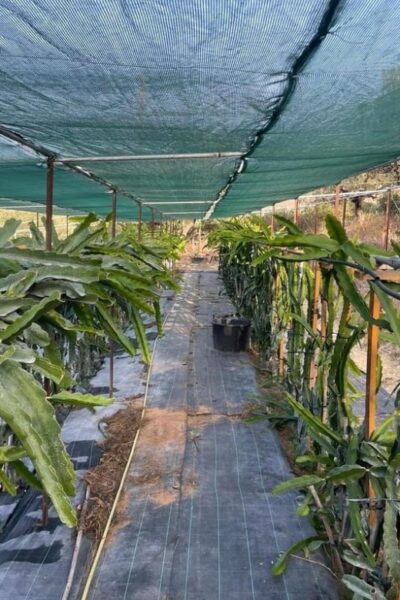
★ 4.6 · 404 reviews - Traditional Olive Grove and Dragon Fruit Farm Tour
★ 4.8 · 118 reviews
Walking through the grove in Skalani
The grove visit is short, focused, and outdoors. One detailed account puts the walk at around 20 to 25 minutes, followed by the production area and tasting. That makes the experience a good fit if you want a real agricultural stop without giving up half a day.
The trees are the star here. You can see old olive trees, hear about their importance in Crete, and learn how different varieties affect the final oil. The farm also provides scenic views for photographs, so bring a phone or camera if you like to record the setting.
Comfortable shoes are the sensible choice. The tour takes place around a working farm, not on a polished city pavement, and the approach road may be narrow. One useful tip is to drive carefully on the final track and allow extra time instead of rushing in.
Summer heat is another factor. The grove is outdoors, and one visit took place on a very hot day. The farm provides water and refreshments, but light clothing, sun protection, and comfortable footwear will make the walk easier. The information does not specify shade or a particular amount of time in direct sun, so dress for warm conditions during the hotter months.
Inside the modern olive mill
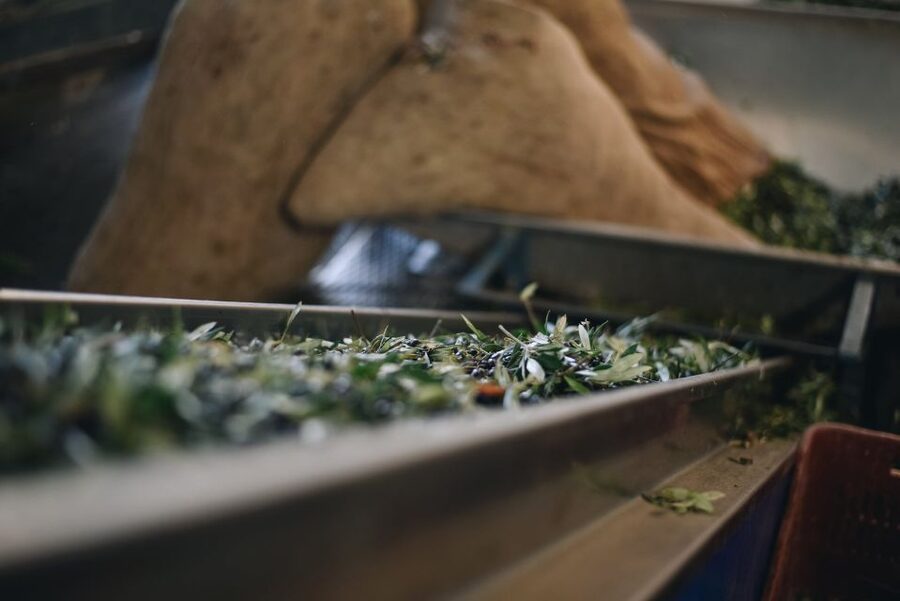
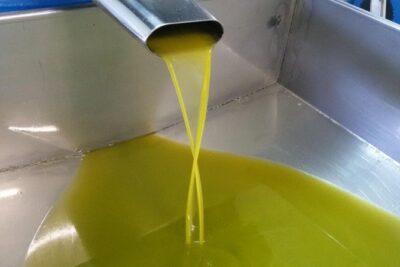
After the trees, you go into the production area. Here the guide explains the steps that turn harvested olives into oil and shows the automated pressing and extraction equipment.
This is the most useful part for anyone who has wondered what extra virgin olive oil production actually involves. Instead of hearing only that the oil is pressed, you see the machinery and learn how the process is controlled. A short video about olive harvesting may also be shown, adding a visual explanation to the walk and equipment tour.
The mill is modern, which creates a nice contrast with the centuries-old trees outside. That contrast is one of the visit’s strongest features. Cretan olive farming is old, but the farm is not presenting it as a frozen tradition. You see an active operation using current equipment to produce its oil.
Guides such as Theodora, Mary, and Maria have been singled out for explaining the process in a clear, friendly way. The exact guide depends on the day, but the tour is conducted in English. If you are curious about oil quality, ask about the characteristics of good oil and how the farm’s different oils vary.
The production visit is mainly visual and explanatory. You should not expect a long technical factory tour with every stage examined in detail. The strength is the clear overview, especially for first-time visitors.
The tasting is the real meal
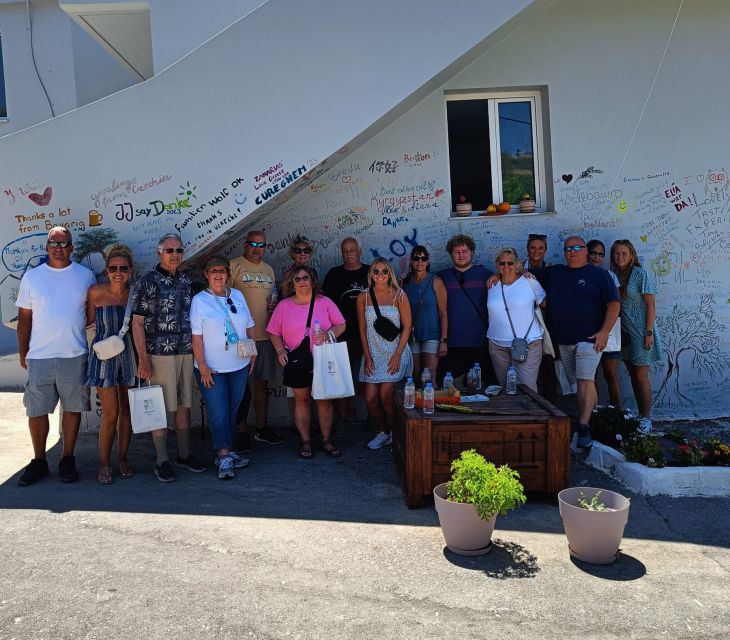
Once the mill visit ends, you sit down for the food tasting. This is where the $23 price begins to look especially attractive. You are not simply handed a tiny piece of bread and a spoonful of oil. The spread has been described as generous enough to count as lunch for some people.
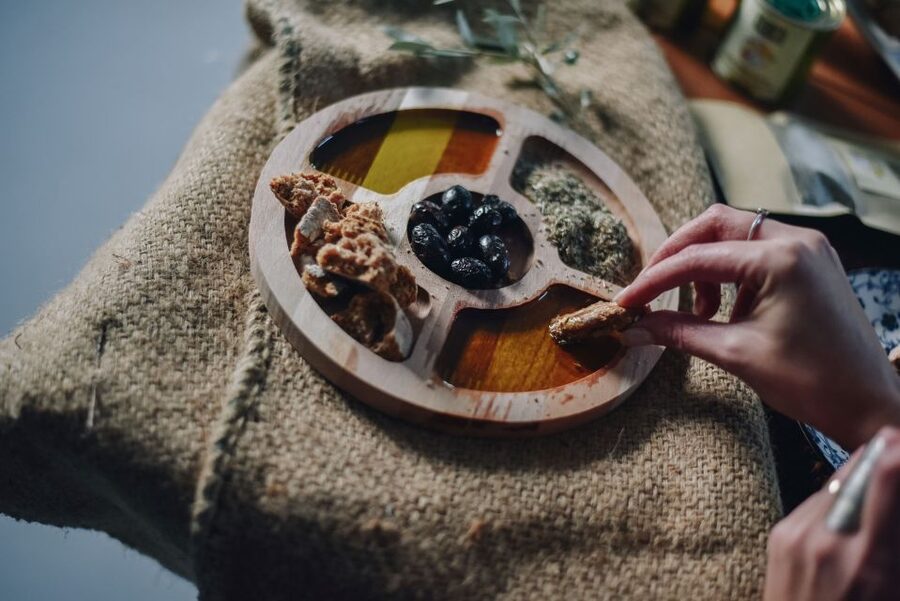
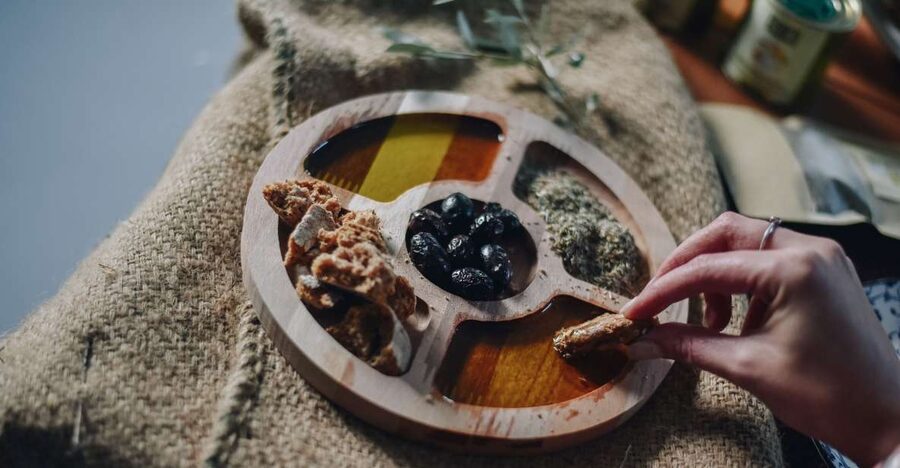
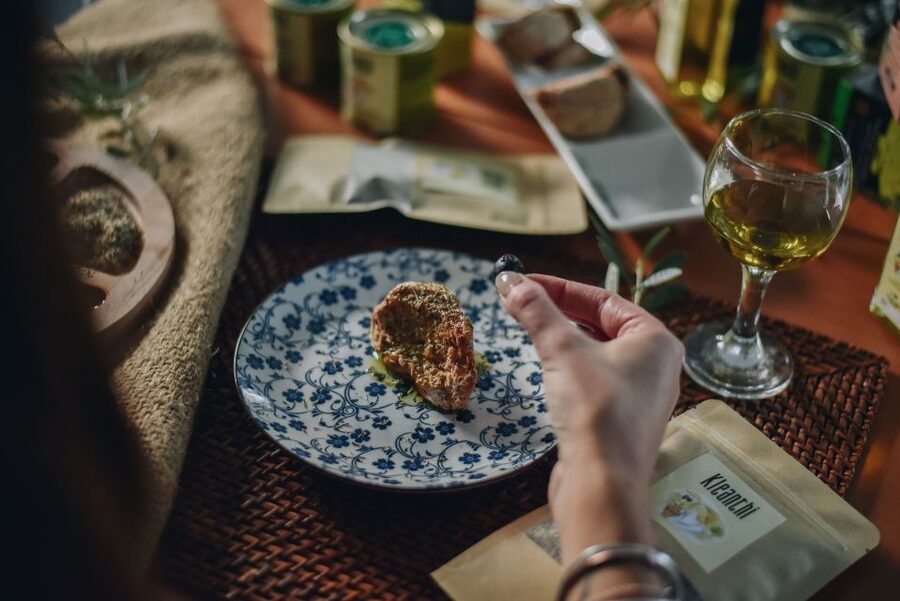
The exact selection can vary, but expect combinations of Kleanthi olive oil with artisanal bread, cheeses, olives, fruit, vegetables, yogurt, ham, honey, herbs, and other local foods. Some tastings also include grape vinegar and raki. Water and refreshments are included.
The guide helps you notice how the oil changes with different pairings. Bread shows the basic flavor. Cheese and meat make it feel fuller. Honey and fruit bring out a sweeter contrast, while herbs and vegetables offer another way to taste the oil. This turns the table into a practical lesson rather than a simple snack.
I would avoid eating a large lunch before arriving. Several accounts describe the tasting as plentiful, and the combination of bread, cheese, fruit, and other foods can be enough to leave you satisfied. If you are visiting in the morning, a light breakfast is a better plan.
The tasting also gives the experience its social side. You sit, eat, ask questions, and talk with the people leading the visit. One account describes visitors staying to chat with new acquaintances after the formal part ended. That relaxed pace is a welcome change from a rushed stop at a shop counter.
Same groves, a different afternoon:
- Crete: Quad Safari, Olive Mill with Tasting & Ghost Village
★ 4.9 · 1,004 reviews - Knossos-Zeus Cave -Old Traditional Villages-Olive Oil Factory
★ 5.0 · 694 reviews - The Governor’s Olive Mill Tour with Olive Oil Tasting
★ 5.0 · 502 reviews - From Chania: Olive Oil, Wine, Cheese & Honey Tasting Tour
★ 4.6 · 490 reviews
Shopping for useful Cretan gifts
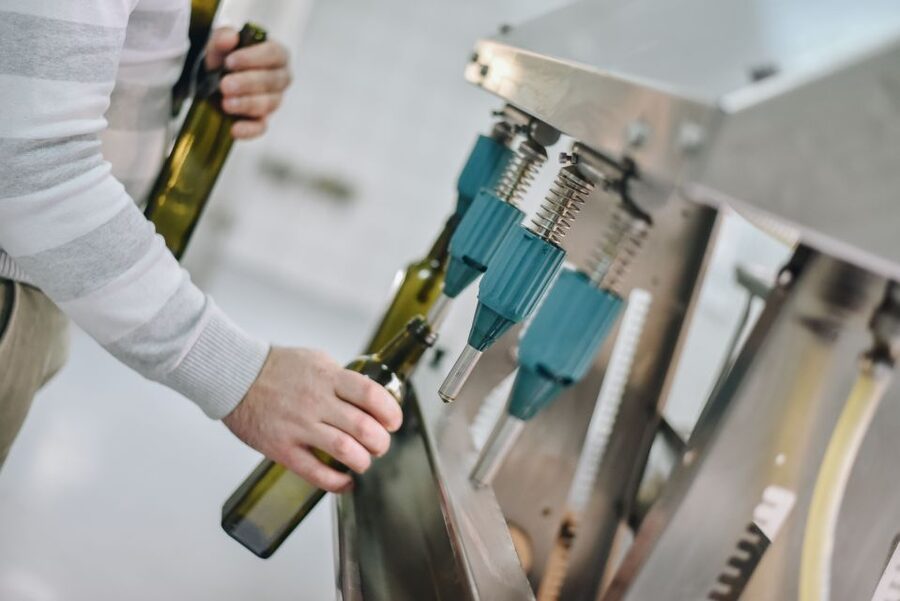
After tasting the products, you have the chance to shop. This is optional, but it makes sense if you want to take home something practical rather than a generic souvenir.
Kleanthi olive oil is the obvious purchase, and there are other local products available as well. The tasting helps you choose because you have already tried the oils with food. You are less likely to buy a bottle based only on a label or a sales pitch.
The price of the products is described as reasonable, though exact bottle sizes and prices are not provided. Pack liquids carefully for your journey and check your airline’s current baggage rules if you are flying.
Shopping does not appear to be an aggressive part of the visit. It follows the tasting, so you have time to decide. You can simply enjoy the food and leave without buying anything.
How much time should you allow?
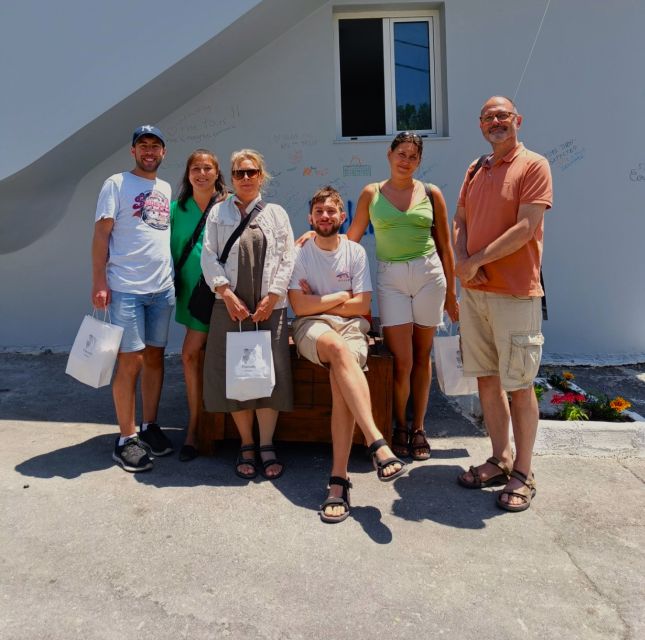
The activity is listed as valid for one day, with starting times based on availability. The core guided portion may be around 20 to 25 minutes, but you should allow more time for the mill explanation, video, tasting, questions, photographs, and shopping.
The exact total length is not stated, so do not schedule another activity immediately afterward. A comfortable visit could take substantially longer than the walk alone, particularly if you enjoy the food and conversation.
Kleanthi makes a sensible addition to a Heraklion day. The farm is in Skalani, and one account places it about eight minutes by car from Knossos. You can visit the archaeological site first, then trade stone and palace remains for olive trees and a Cretan meal.
That pairing works well because the two stops are different. Knossos gives you ancient architecture and archaeology. Kleanthi gives you a living food tradition that still shapes everyday life in Crete.
Getting to Kleanthi from Heraklion
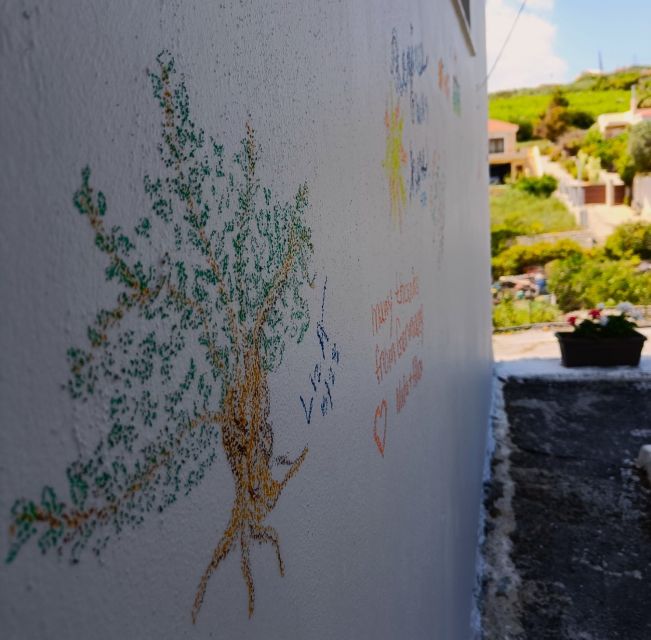
You meet at Kleanthi Olive Farm in Skalani. Look for road signs marked Kleanthi as you approach.
Hotel pickup and drop-off are not included. A taxi from the cruise port has been described as an easy option, while visitors arriving by rental car have found the farm straightforward to reach. If you drive, take the narrow final road slowly and watch for the signs.
Public transport needs more care. Bus service may not run all the way to the farm on Sundays, so you may need a taxi or another connection. Check your route for the exact day and time before booking.
The farm is listed as wheelchair accessible. Since the tour includes outdoor areas and a grove, it is still sensible to confirm any particular mobility needs in advance, especially if you need details about the route between the grove, mill, and tasting area.
Who will enjoy this experience?
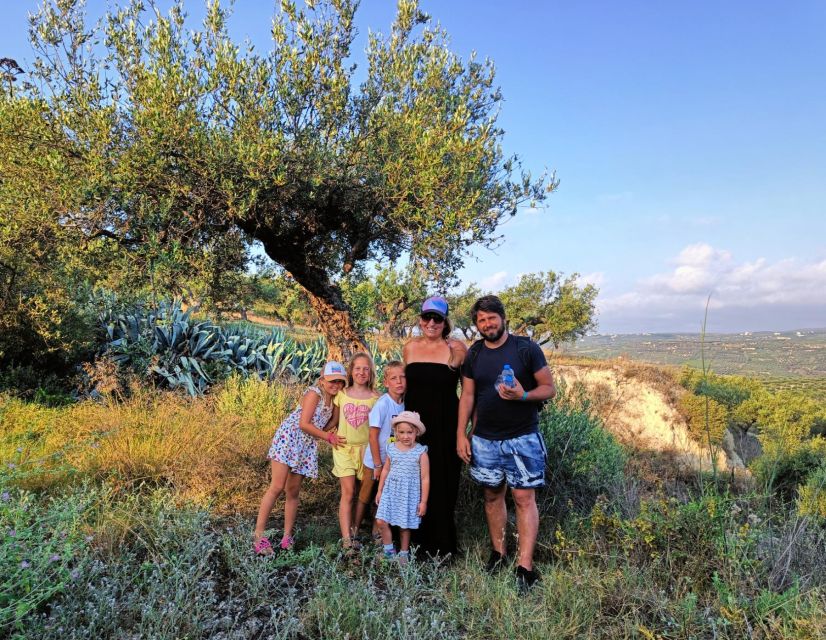
I would recommend Kleanthi to anyone who likes food with a story. You do not need to be an olive oil expert. The explanations are aimed at ordinary visitors, and the tasting gives you an easy way to understand the subject without studying technical terms.
It is also a good choice for couples, families, food-minded visitors, and cruise passengers looking for a short activity near Heraklion. The setting is quieter than a city attraction, and the tasting gives the visit a social, relaxed finish.
You will get the most from it if you enjoy asking questions and trying local foods. The guide can explain the process, but the visit is not designed as a long hike or a major historical tour. If you want a full-day agricultural expedition, this may feel brief.
It may also be less suitable if you want guaranteed transport, a fully specified timetable, or a large museum-style presentation. The experience depends on getting to the farm and spending time outdoors.
Is $23 a fair price?
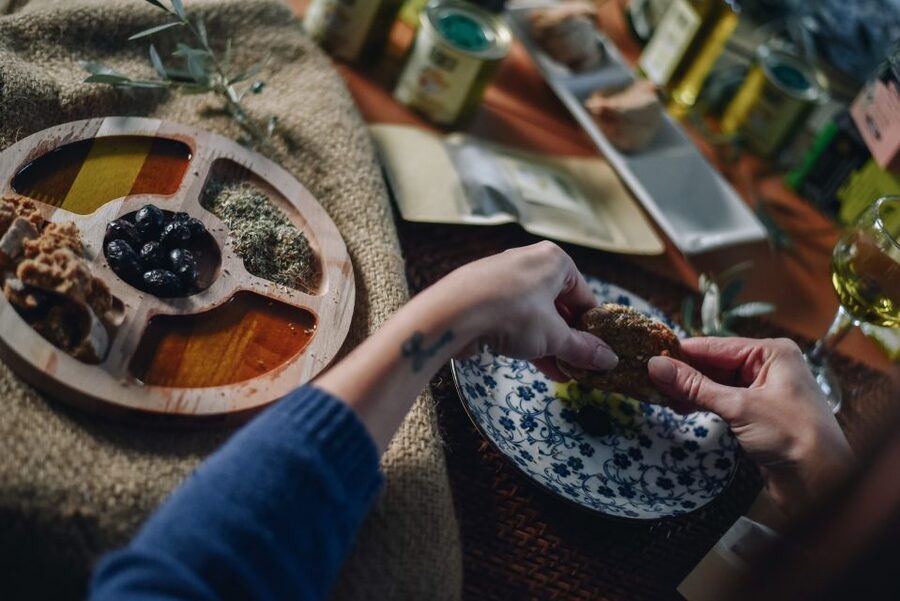
At $23 per person, the value is strong. You receive the grove walk, an explanation of olive cultivation, a look at the mill and extraction machinery, a tasting menu, water, refreshments, and the chance to shop.
The food is the key reason the price works. A tasting with bread, cheese, fruit, honey, meat, and other local products can function as a light meal, not just a few samples. That helps offset the fact that you must arrange your own transport.
The tour also gives you context you would miss by buying a bottle in Heraklion. You see the source, learn the production steps, and taste the product in several combinations. For a modest outlay, that is a useful introduction to one of Crete’s main foods.
Free cancellation up to 24 hours before the start and the option to reserve now and pay later add flexibility. These terms are useful when your Heraklion plans depend on cruise timing, weather, or transport.
Should you book the Kleanthi Olive Farm Tour?
Book it if you want a short, friendly introduction to Cretan olive oil with plenty of food at the end. The combination of old trees, modern machinery, clear English explanations, and a generous tasting gives you more than a shop visit.
I would especially choose it near a Knossos visit or as a shore excursion from Heraklion, provided you arrange transport carefully. Bring comfortable shoes, avoid a heavy meal beforehand, and allow extra time for the tasting and shopping.
Skip it only if you dislike food tastings, cannot manage an outdoor farm setting, or need hotel transport included. For most visitors interested in Cretan food and everyday culture, Kleanthi offers a practical and satisfying stop at a very fair price.
FAQ
Where is the Kleanthi Olive Farm Tour held?
The tour takes place at Kleanthi Olive Farm in Skalani, near Heraklion, Crete. Look for road signs marked Kleanthi as you approach.
How much does the experience cost?
The listed price is $23 per person.
How long is the experience?
The activity is valid for one day, with starting times based on availability. The guided walk itself may take about 20 to 25 minutes, followed by the mill visit, tasting, questions, and shopping. The exact total duration is not specified.
What happens during the tour?
You walk through the olive grove with a guide, learn about olive varieties, cultivation, pruning, and harvesting, then visit the modern mill to see how olives become oil. The experience ends with food and olive oil tasting.
What food is included in the tasting?
The tasting can include bread, cheeses, olives, fruit, vegetables, yogurt, ham, honey, herbs, and other local delicacies. Some visits also include grape vinegar and raki.
Is the tasting enough for lunch?
The portions are described as generous, and some people find the spread substantial enough to replace a light lunch. It is sensible not to eat a large meal immediately before the tour.
Is hotel transportation included?
No. Hotel pickup and drop-off are not included. You must make your own way to Kleanthi in Skalani.
Can I reach the farm by taxi or car?
Yes. A taxi from the cruise port has been used to reach the farm, and rental-car visitors have found driving there easy. The final road or track can be narrow, so drive slowly.
Is the tour offered in English?
Yes. The live tour guide speaks English.
Is the farm wheelchair accessible?
The activity is listed as wheelchair accessible. Because the visit includes a grove and several areas around the farm, confirm any specific access requirements before arrival.
Can I cancel my booking?
You can cancel up to 24 hours in advance for a full refund. The reserve-now-and-pay-later option is also available.
Newest grove reviews around Greece
- Corinthian olive oil tour & tasting experience★ 5.0 · 4 reviews
- Corfu: Organic Olive Oil Farm Tour with Transfer and Tasting★ 5.0 · 8 reviews
- Corfu: Olive Oil & Wine Tastings & Traditional Villages Tour★ 5.0 · 6 reviews
- Chania: Authentic Crete Villages Tour & Olive Oil Tasting★ 4.5 · 2 reviews
- Chania Olive Tour: 3,000-Year-Old Tree, Museum &Organic Mill★ 5.0 · 5 reviews
- Chania Private Olive Oil Tour: Oil Tasting & Villages Tour★ 4.4 · 9 reviews
- Chania E-Bike Adventure: Culture, Coastline & Olive Tasting★ 5.0 · 2 reviews
- Athens: Cretan Olive Oil Tasting Experience★ 5.0 · 10 reviews
Olive Farm Visits, compared.
Sorrento Farm and Food Experience including Olive Oil, Limoncello, Wine tasting
Read our review →
Road-trip to Lasithi, Zeus Cave & Olive Mill Farm
Read our review →
Lassithi, Zeus Cave, Olive Mill Farm & Knossos Combo Tour
Read our review →
Traditional Olive Grove and Dragon Fruit Farm Tour
Read our review →
Moires: Cooking Class and Olive Oil Tasting at a Family Farm
Read our review →
Sóller: Olive Oil Guided Tour and Tasting at Can Det Estate
Read our review →
Road-trip to Lasithi, Zeus Cave, Vidiani, Krasi & Olive Mill Farm
Read our review →Browse the lists this tour appears in