
Review · OLIVE OIL AND WINE TASTINGS
Šibenik: Croatia in a Day, Vistas, History, Olive Oil, Wine
Dalmatia in a Day is really two experiences joined together: a thoughtful trip through Croatia’s turbulent past and a generous afternoon of olive oil, wine, food, and family hospitality. The highlight is the visit to Uljara Lepur, where Brane Lepur welcomes you to his grove and mill with a glass of local sparkling wine, then shows you how olives become award-winning extra virgin oil.
I like the wide views from Okit Hill and Kamenjak, and I like the small group size, limited to eight people. Guide Neil, also called Dr. Neil in some descriptions, brings the history to life without turning the drive into a lecture. The main consideration is timing: the experience is advertised as six hours, but the practical information also describes it as five hours, and the optional lunch costs an extra €20.
Key things to know before you book
- Five olive oils are tasted: You learn how aroma, balance, and flavour change from one oil to the next.
- The tour reaches beyond Šibenik: Okit Hill, Kaštel Benković, and Kamenjak provide history and views away from the usual coastal route.
- The family-run mill is the heart of the day: Brane Lepur and his family offer a personal look at olive growing, milling, and local food.
- The food is more than a nibble: Tasting plates accompany the oil and wine, while a larger Dalmatian buffet lunch is available for €20.
- The group is genuinely small: The air-conditioned minibus carries no more than eight participants, with optional pickup from your accommodation.
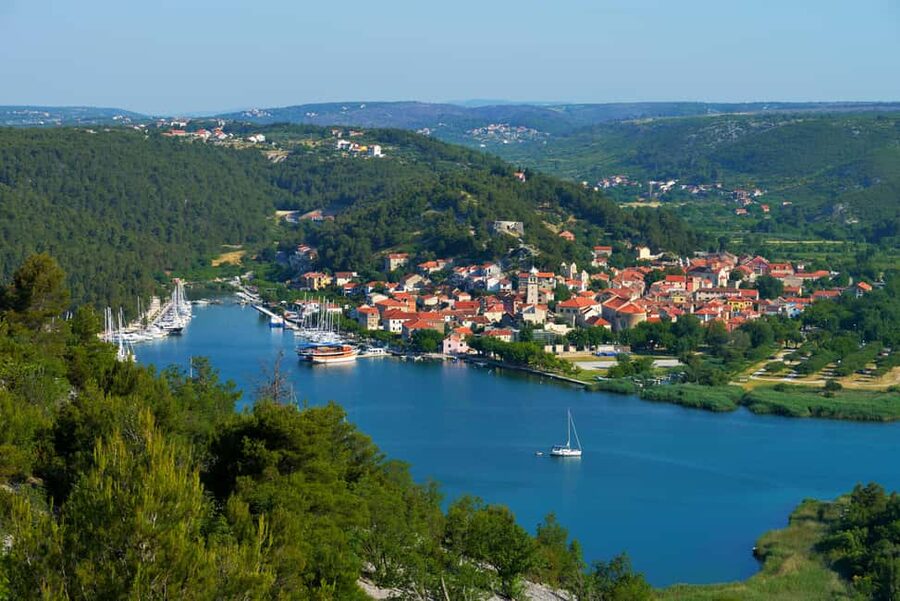
- The views are unusually broad: From Kamenjak, you look over Lake Vrana and toward the Kornati Archipelago.
Why this Šibenik countryside trip is worth your afternoon
Šibenik has no shortage of stone streets, sea views, and historic churches. This tour gives you something different: a look at the inland side of Dalmatia, where olive trees, vineyards, old fortifications, and family farms tell a fuller story of the region.
I like the way the day links food with place. The olive oil is not treated as a souvenir you taste in a shop and forget. You see the trees, learn about the mill, compare five oils, and then eat local food with wine and oil on the table. That makes the tasting easier to understand, even if you know little about olive oil.
At $64 per person, the tour offers good value if you take part in the tastings and enjoy the history stops. The price includes transport, the guide, the olive grove and mill visit, five oils, sparkling wine, four regional wines, and small food pairings. The full lunch is extra, but the €20 charge includes a cold buffet and wine, so it can make sense if you want the day to function as your main meal.
This is not the best choice if you want a free afternoon in Šibenik or a long, slow olive-grove walk. Several transfers connect the stops, and the countryside portion is structured around short visits and viewpoints. You spend time in the minibus, but the route gives you a useful sense of how coast and hinterland fit together.
More Olive Oil and Wine Tastings in Croatia
- Split: Krka Waterfalls With Boat Cruise, Wine and Olive Oil
★ 4.3 · 1,507 reviews - Wine, food and olive oil by PhD student
★ 5.0 · 111 reviews - Hvar: Island tour with Wine and Olive Oil Tasting
★ 4.9 · 77 reviews
Starting in Šibenik with a small group
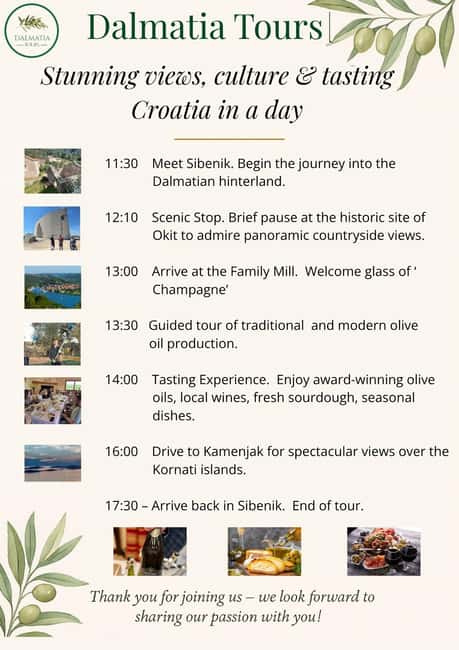
The central meeting point is the bus station in Šibenik. Look for the silver Opel minibus. Pickup from your accommodation is also available, which is useful if you are staying outside the center or prefer not to arrange your way to the bus station.
The group limit is eight people. That matters here because the experience depends on conversation. Neil can explain a historic site, answer questions about Croatian politics and war, or talk through the differences between olive oils without addressing a large crowd.
The vehicle is air-conditioned, an important detail for a summer visit. The tour begins around 11:30 and runs into the late afternoon. You should confirm the exact start time and pickup details by WhatsApp or message before the tour, since the information gives both a five-hour and six-hour duration.
The safety briefing is brief, followed by a transfer of about 15 minutes. From the start, this is more of a countryside outing than a walking tour of Šibenik. Wear shoes that are comfortable on uneven ground, and bring sun protection for the viewpoints and olive grove.
Okit Hill and the view across Dalmatia

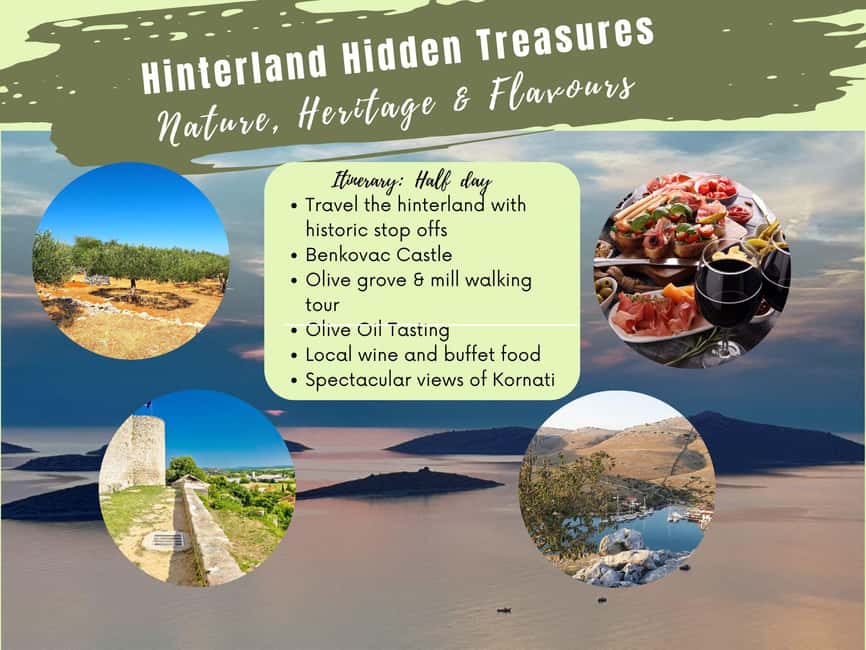
The first major stop is the Sanctuary of Our Lady of Carmel at Okit, known as Svetište Gospe od Karmela. The visit lasts about 15 minutes, so expect a viewpoint and short introduction rather than a long guided visit.
Okit Hill gives you a useful visual lesson in Dalmatia. You can see olive groves and vineyards spread through the countryside, with the Kornati Islands visible in the distance. The view helps explain why this area has long mattered: it links the coast, the islands, the inland plain, and routes toward the wider region.
Neil uses the stop to explain more than two thousand years of local history. The region has passed through changing empires, political systems, and periods of war. The history is described as turbulent because Dalmatia has repeatedly sat at a strategic meeting point between the coast and the hinterland.
The short stop is a strength if you want variety, but a limitation if you prefer plenty of time for photographs. I would have your camera ready before leaving the minibus. The views are the point, and you do not want to spend the entire stop looking for the best angle.
Kaštel Benković and the story of a strategic crossroads
After roughly 30 minutes on the road, the tour reaches Kaštel Benković for a guided visit of about 35 minutes. This historic site adds substance to the scenery. You are not simply being driven from one food stop to another.
The fortification helps explain how local power, trade, and defense worked between the coast and the interior. Neil’s role is especially useful here. He is described as a natural storyteller with a strong grasp of regional history, and his style seems to favor clear stories over a string of dates.
You will hear about the wars and political struggles that shaped Croatia and the surrounding area. The tour also connects large events to ordinary life, including the survival of local families through communism and the more recent war for independence.
This is one of the reasons I would choose this trip over a basic tasting excursion. Olive oil and wine are enjoyable on their own, but they mean more when you understand the ground where they are produced and the pressures local communities have faced.
The history is not presented as a full academic course. The stops are fairly short, and the amount of detail depends on questions and conversation. If you want a specialist military-history tour, this will feel light. If you want enough context to understand what you are seeing, it should be a good fit.
Same groves, a different afternoon:
- Split: Klis Fortress GOT and Olive Museum Entry Tickets
★ 4.6 · 283 reviews - Split: Blue Line Sightseeing to Trogir, Klis & Olive Museum
★ 4.3 · 197 reviews - Visit Klis fortress GOT & Olive museum Klis
★ 4.5 · 77 reviews - Split: Olive museum Klis with Olive Oil Tasting
★ 4.9 · 51 reviews
The Lepur olive grove and a warm family welcome
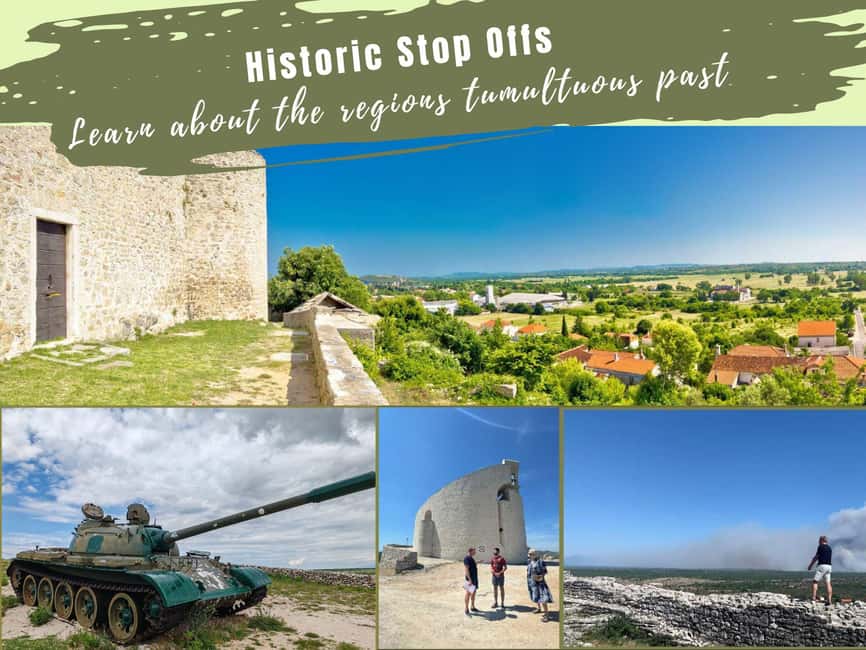
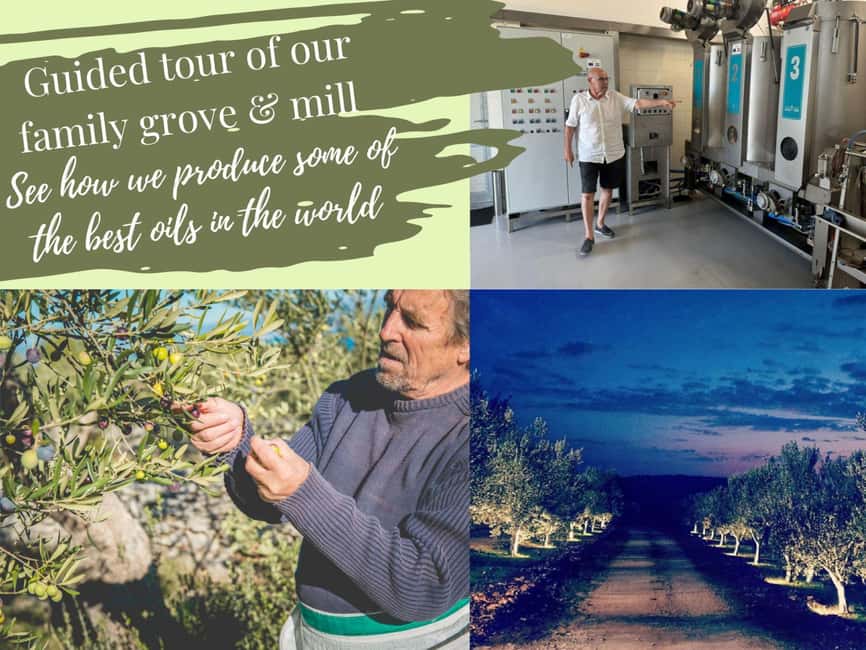
The tour then travels about 10 minutes to Uljara Lepur, a family-owned olive grove and mill in a historic village. This is the main event for most people.
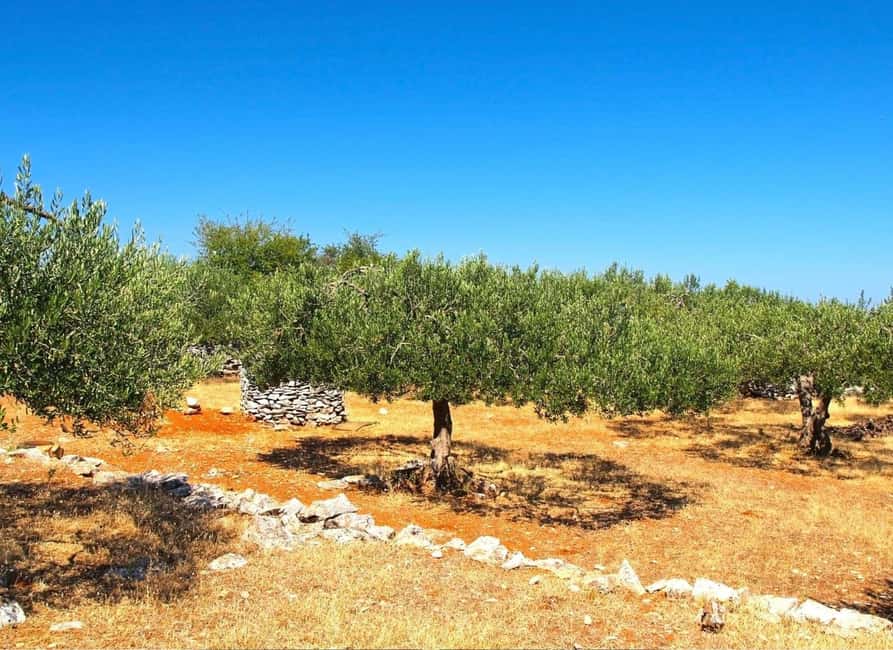
You are welcomed with a glass of local sparkling wine, sometimes described as Dalmatia’s answer to champagne. The welcome sets a relaxed tone, but the visit soon becomes practical. You walk among the olive trees and learn how soil, weather, farming tradition, and the local climate affect the finished oil.
One particularly unusual detail is that the grove tour may use a 40-year-old British fire engine. That gives the visit an easygoing, personal quality rather than the feel of a polished factory tour. The experience is closely connected to the family, and Brane Lepur is part of the welcome and explanation.
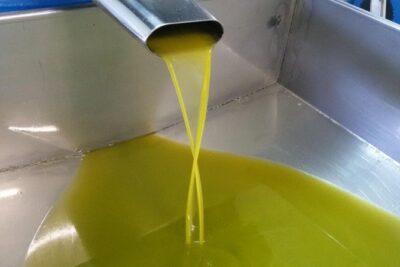
Inside the mill, you learn how the olives are turned into oil through modern cold-press methods. The process is tied to generations of local experience, but the equipment itself is current. That contrast is worth noticing: traditional farming does not mean the production is old-fashioned.
You also get a clearer idea of why fresh extra virgin olive oil can taste so different from ordinary cooking oil. The focus is on aroma, balance, flavour, and health properties. The tasting includes five oils, including gold award-winning examples, so you can compare them rather than judging one in isolation.
How to taste the five olive oils
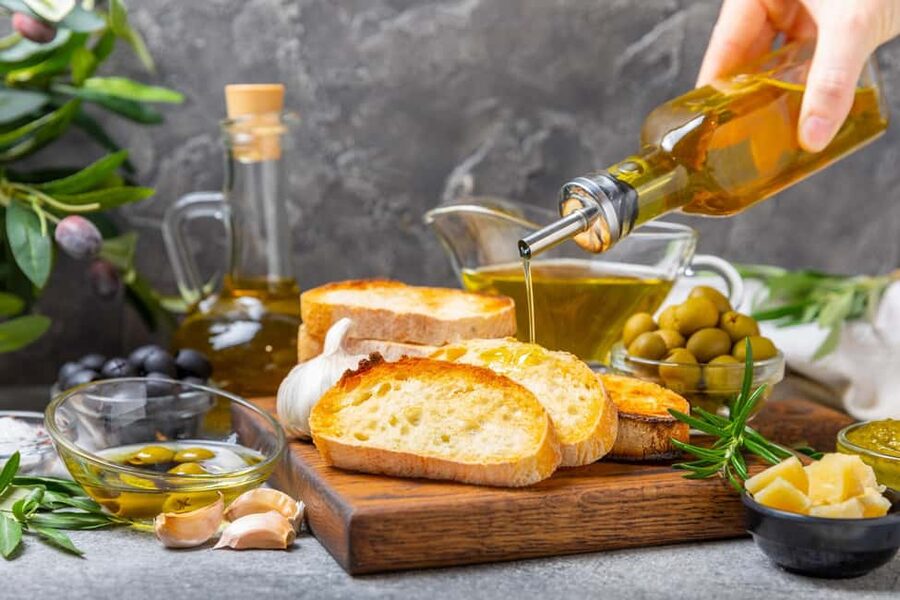
If you normally pour olive oil over bread and move on, this part may change how you use it. The guide explains what to look for in the nose and taste, and how the oils differ in strength and character.
You can expect instruction on:
- Aroma and freshness
- Balance between bitterness and pepperiness
- The flavour of different grades of oil
- How cold pressing helps protect quality
- The health properties associated with high-quality extra virgin olive oil
The health discussion includes possible benefits connected with heart disease, strokes, dementia, and other age-related concerns. Treat these points as general food education rather than medical advice, but they add useful context to the tasting.
The mill is also a practical place to buy oil for home. Purchases are not included, but the oils can be bought after the tasting. That is a better moment to decide what you like because you will have tried several options and can ask questions before choosing.
Croatian wine and Dalmatian food at the mill
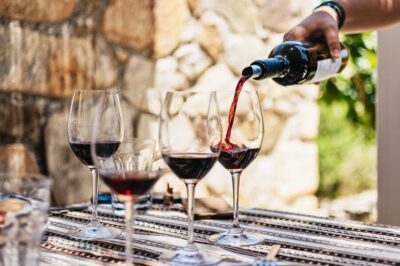
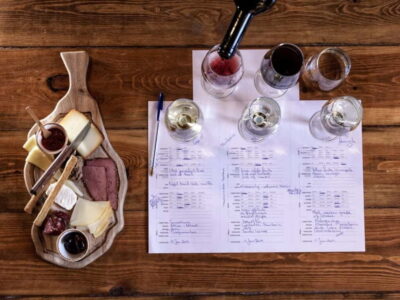
The wine tasting includes local sparkling wine, one red wine, and two white wines made from native Croatian grape varieties. These wines are presented alongside the oils and local bites, so you get to see how the flavours work together.
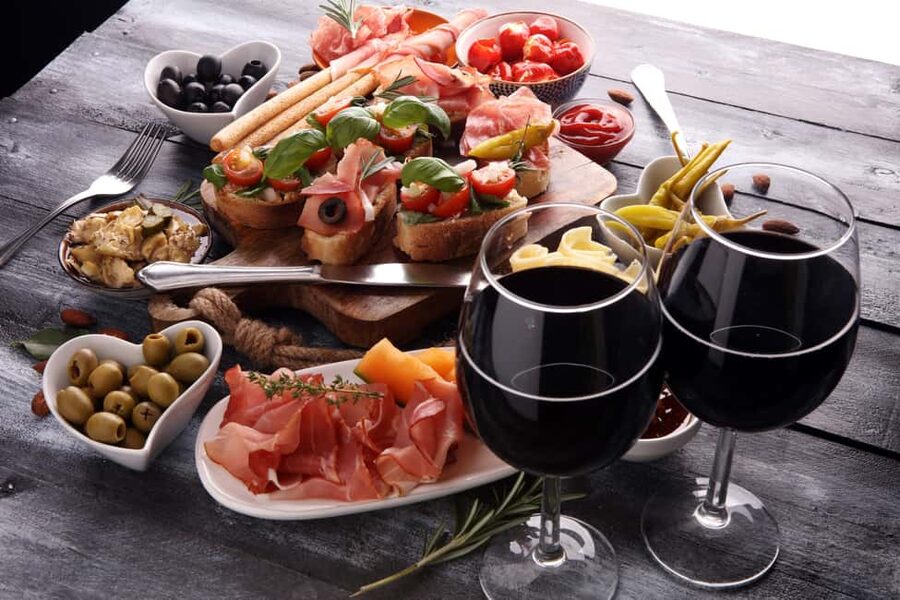
The food is described as locally produced Dalmatian fare. Depending on the day, the larger lunch can include cold buffet-style meats, seafood, cheeses, fruit, and vegetable dishes. Everything is intended to work with Croatian wine and the olive oil produced at the mill.
The included food tasting is enough to make the wine and oil session feel generous. If you want a full meal, add the €20 buffet lunch. It is served in a relaxed style rather than as a formal restaurant course, which suits the family setting.
I would add lunch if you are taking the tour in the middle of the day and do not want to search for food afterward. Several people have found the meal substantial enough that they needed little or nothing for dinner. If you prefer a lighter schedule or have strict dietary needs, ask for details before booking because the menu changes daily.
The hospitality is one of the strongest parts of the experience. Brane’s wife and daughter may also be involved, and the visit can include coffee and conversation with the family. That personal contact is something a standard commercial tasting room rarely provides.
Kamenjak above Lake Vrana
The final scenic stop is Kamenjak Nature Park, high above Lake Vrana. The visit is brief, around 10 minutes for photographs and sightseeing, but the setting gives the day a strong finish.
From this high point, you look across Lake Vrana and toward the Kornati Archipelago. The view pulls together many of the day’s themes: the sea and inland plain, olive-growing country, old routes, and the exposed geography that made this part of Croatia strategically important.
The stop is not a long nature walk. Think of it as a panorama and reflection point after the mill visit. You may wish there were more time here, especially if the light is good, but the short stop also keeps the tour moving toward its afternoon drop-offs.
The return route includes several possible drop-off points, including Šibenik, Zadar, and Biograd na Moru, along with listed locations in Šibenik-Knin County. Confirm your exact drop-off when you book, since the starting point and return arrangement depend on the option selected.
Who should book this tour
I would choose this tour if you want to connect Croatian food with Croatian history. It suits couples, small groups of friends, and independent visitors who prefer a local host and a compact minibus rather than a large coach.
It is also a strong choice for anyone who enjoys tasting experiences but wants more than a shop counter. The olive grove, the production explanation, the family welcome, and the five-oil comparison give the food side real depth.
You should be comfortable with a mixed day. There are short walks, several transfers, viewpoint stops, historic information, and a fairly long tasting session. The day is not built around one major monument, and the stops are not all lengthy.
Children under 12 are not permitted, and the experience is not suitable for people over 95. The tour is in English, with live guiding throughout.
Practical value at $64
At $64, the price is fair for a small group outing that includes transport beyond Šibenik and several tastings. You are paying for more than the olive oil itself: the guide, vehicle, historic sites, views, sparkling wine, four other wines, five oils, and food pairings are part of the package.
The optional lunch changes the total cost, but €20 is reasonable if the buffet includes the listed meats, seafood, cheeses, fruit, vegetables, and wine. I would treat it as a useful add-on rather than an automatic requirement.
Free cancellation is available up to 24 hours before departure, and you can reserve without paying immediately. These policies are helpful if your Croatian itinerary is still shifting, though you should still confirm pickup and departure details before the day.
The experience has a 5.0 rating from 30 reviews, with especially strong praise for Neil’s storytelling, the family hospitality at the mill, the food and wine, and the quality of the olive oil. One cancellation is recorded, so it is sensible to keep your phone available for confirmation messages.
Should you book it?
Book this tour if you want a personal, food-centered look at Dalmatia that also explains the region’s wars, politics, and geography. The best parts are the small group, Neil’s relaxed storytelling, the Lepur family’s welcome, and the chance to taste five oils in the place where they are made.
Skip it if you want a full day of monuments, a long hike, or a completely flexible schedule. The route includes several short stops and a fair amount of driving, and the lunch costs extra.
For most visitors with half a day free from Šibenik, this is a smart choice. You return with more than a bottle of olive oil: you understand why that oil, the wine, and the countryside matter here.
FAQ
Where does the tour start?
The usual meeting point is the central bus station in Šibenik. Look for the silver Opel minibus. Optional pickup from your accommodation is available.
How long does the experience last?
The activity is advertised as six hours, beginning around 11:30. The practical information also describes it as five hours, so confirm the exact timing before departure.
What language is the tour conducted in?
The live tour guide speaks English.
What food and drink are included?
The tour includes a welcome glass of local sparkling wine, five olive oil tastings, one red wine, two white wines, and local food bites.
Is lunch included?
A full cold buffet lunch is optional and costs €20. It includes local meats, seafood, cheeses, fruit, and vegetable dishes, with Croatian wine.
How large is the group?
The tour is limited to eight participants and uses an air-conditioned minibus.
Are children allowed?
Children under 12 are not permitted. The experience is also not suitable for people over 95.
More History and Heritage Tours around Croatia
- Olive Oil Guided Tasting and History in Pula
★ 4.5 · 34 reviews - Zadar Olive Oil & Wine with Dalmatian Views & History
★ 5.0 · 34 reviews - Heraklion: Zeus Cave & Knossos History, Villages & Olive Oil
★ 4.9 · 89 reviews - Richtis Waterfall, History, Azoria, OliveTasting, NorthCoast
★ 5.0 · 83 reviews
Newest grove reviews around Croatia
- E Bike Tour with wine and olive oil tasting in Vodnjan★ 5.0 · 4 reviews
- Private Split & Klis Fortress Tour, Olive Museum & Port Pickup★ 4.5 · 13 reviews
- Istrian hill top cities tour with truffle and olive oil tasting★ 5.0 · 18 reviews
- Šibenik or Zadar: Krka falls, olive mill, oil & wine tasting★ 4.8 · 17 reviews
- Cres: Olive Oil Walking Tour with Tastings★ 4.9 · 24 reviews
- Hvar: Island tour with Wine and Olive Oil Tasting★ 5.0 · 36 reviews
- Olive Oil Guided Tasting and History in Pula★ 4.5 · 34 reviews
- Zadar Olive Oil & Wine with Dalmatian Views & History★ 5.0 · 34 reviews
Olive Oil and Wine Tastings, compared.
Sorrento Farm and Food Experience including Olive Oil, Limoncello, Wine tasting
Read our review →
Krka Waterfalls With Boat Cruise, Wine and Olive Oil
Read our review →
Lemon, Olive Oil and Wine Tasting Tour with Lunch
Read our review →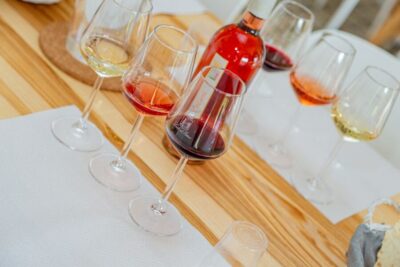
Browse the lists this tour appears in