
Review · OLIVE OIL MUSEUMS
Split: Olive museum Klis with Olive Oil Tasting
The most useful part of this $18 Stella Croatica tour is not simply tasting olive oil. It teaches you how to tell good oil from poor oil, using smell and taste rather than a pretty bottle or a grand label. That small lesson can change how you shop and eat in Croatia.
I like the mix of practical food knowledge and local craft. I also like the chance to see fig, almond, orange, and lavender products being made, then wander through a botanical collection with about 500 plant species. The main consideration is that there are no olive groves at the site itself, so this is a museum and food workshop visit, not a walk through working olive fields.
Key points to know before you go
- The olive oil tasting is the main attraction: Compare two oils labeled extra virgin and learn how professional tasters assess them.
- Stella Croatica is more than a museum: You also see traditional sweets, natural cosmetics, a small botanical collection, and old buildings.
- The tour costs $18 per person: Entry, guided touring, two olive oil tastings, traditional sweets, and cosmetic testing are included.
- The Olive Oil Museum reached the 2023 European Museum of the Year finalist list: That gives the visit more weight than a simple shop display.
- You can stay after the guided portion: Use free time to explore the park, browse the concept store, or have a traditional lunch.
- This suits families and curious food lovers: The clear explanations can work for children, and a nine-year-old has taken part in the tasting workshop.
Why this small tour is worth your time
Stella Croatica sits in the Klis area of Dalmatia, where Croatian food traditions are presented through a working family estate. The visit gives you several short windows into local production rather than one long museum lecture. You move from food preparation to herbs, cosmetics, plants, olive oil, and tasting.
That variety helps keep the experience lively. If olive oil alone sounds too narrow, the other parts give you plenty to see. If you already care about food, the olive oil session gives the tour its clear purpose.
The price is easy to understand. For $18, you get admission, a guide, two olive oils to taste, traditional sweets, and natural cosmetic testing. You are not paying only to look at objects behind glass. You are also getting instruction and samples, plus time to browse products at the concept store.
Still, keep your expectations in the right place. This is not a full-day culinary class, an olive harvest visit, or a countryside farm walk. It is a compact cultural stop with several connected displays and a hands-on tasting.
More Olive Oil Museums around Croatia:
- Split: Klis Fortress GOT and Olive Museum Entry Tickets
★ 4.6 · 283 reviews - Split: Blue Line Sightseeing to Trogir, Klis & Olive Museum
★ 4.3 · 197 reviews - Visit Klis fortress GOT & Olive museum Klis
★ 4.5 · 77 reviews
Starting at the family estate
You begin at the main building of Stella Croatica. From the main road, follow the signs to the estate, enter the building, and wait for your host. The activity ends at this same meeting point, so you do not need to arrange a second pickup point or find your way back to a distant location.
The tour is offered in English. The guide leads you through the estate and explains how traditional Dalmatian products are made. The tone appears to be clear and easy to follow, which matters here because the visit covers several different subjects in a relatively short time.
The estate setting also helps you see how food, plants, and household products fit together. Figs, almonds, oranges, lavender, herbs, oils, sweets, and cosmetics are not treated as separate tourist props. They connect to the way local ingredients are used in daily life and small-scale production.
Seeing figs, almonds, oranges, and lavender become products
One of the first stops shows local women producing and packing traditional products in the factory. The ingredients include figs, almonds, oranges, and lavender. This is a useful part of the visit because you see the practical side of the brand rather than only finished packages in a shop.
You can watch how regional ingredients are turned into products for sale. That gives you a better sense of the work behind familiar Croatian flavors, especially if you plan to take home sweets or preserves from the concept store.
The products are also available to taste. Traditional sweets are included, and you can sample handmade items before deciding if you want to buy anything. The shop allows purchases at factory prices, which makes this a sensible place to pick up edible gifts if something catches your eye.
Do not feel pressured to buy. You can try the products even if you do not plan to purchase them. That makes the shop part of the visit rather than an awkward sales stop.
Herbs, essential oils, and natural cosmetics
The next part explains how essential oils are extracted from typical Dalmatian herbs. You then see how those oils are used to make natural cosmetics. The process gives the herb garden and cosmetic products a practical link.
You can also test natural cosmetics, which is included in the experience. This is a small detail, but it adds a hands-on element to a subject that could otherwise become a basic explanation of ingredients and production.
I would give this section more attention if you enjoy plants, soaps, creams, or local products. If cosmetics do not interest you, it is easy to treat this as a short supporting stop before the olive oil museum.
The estate presents the products as part of Dalmatian tradition, but the focus is practical rather than academic. You learn what some plants can be used for and how their oils move from herb to finished item.
More Olive Oil Tours around Croatia:
- Split: Krka Waterfalls With Boat Cruise, Wine and Olive Oil
★ 4.3 · 1,507 reviews - Wine, food and olive oil by PhD student
★ 5.0 · 111 reviews - Hvar: Island tour with Wine and Olive Oil Tasting
★ 4.9 · 77 reviews - Olive museum Klis with educational olive oil tasting
★ 4.5 · 50 reviews
Walking through the 500-species botanical collection
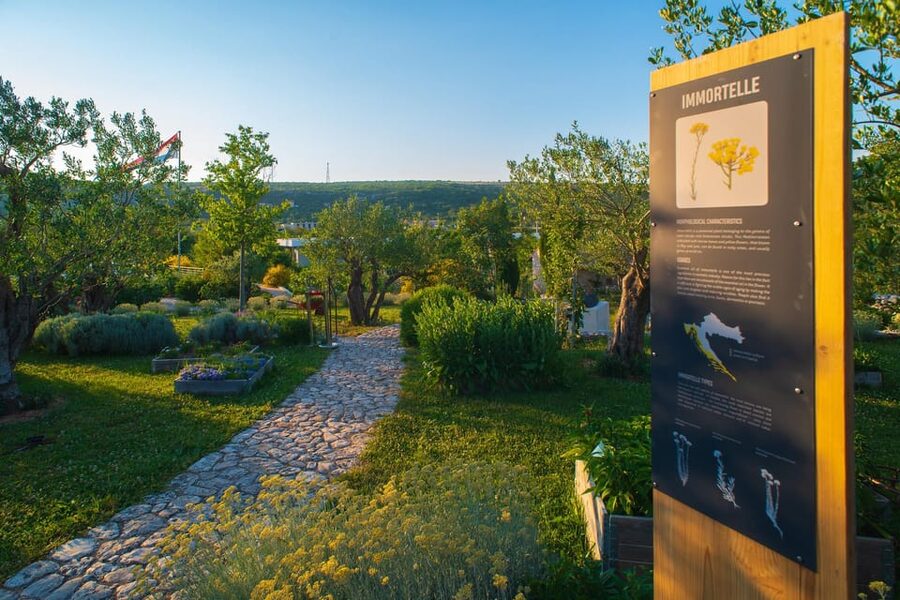
The botanical collection includes about 500 species. You walk through the collection with the guide and learn what some of the plants can be used for. This is not described as a major botanical garden, and one useful review called the garden small, so you should picture a compact collection rather than a vast park.
That smaller scale can work in your favor. You can look closely at the plants without needing a long walk, and the guide can connect them to food, medicine, fragrance, or cosmetics. The collection also gives you a pleasant break from indoor displays.
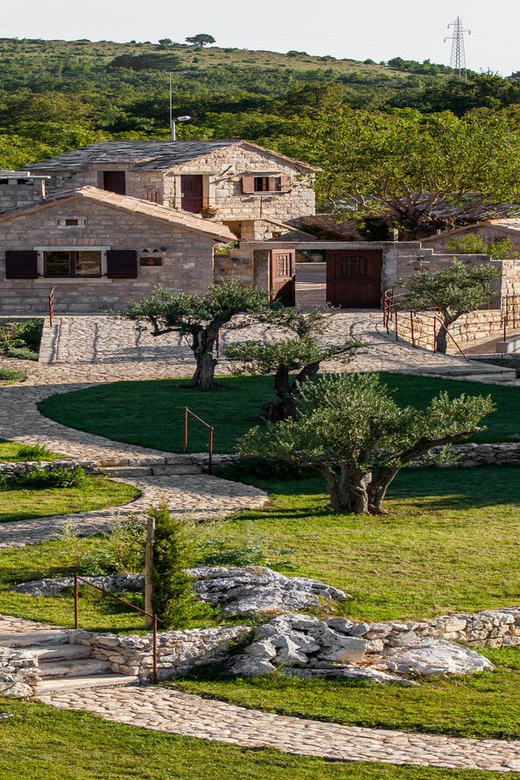
The wider estate includes old buildings and a park, so you have room to explore after the formal tour. The free time is valuable because the guided portion may move at a set pace, while the park lets you slow down and look around.
If you are hoping for olive trees stretching across the property, this is where you may feel let down. The site itself does not offer olive fields. The botanical area is attractive, but it is not a substitute for a traditional olive grove visit.
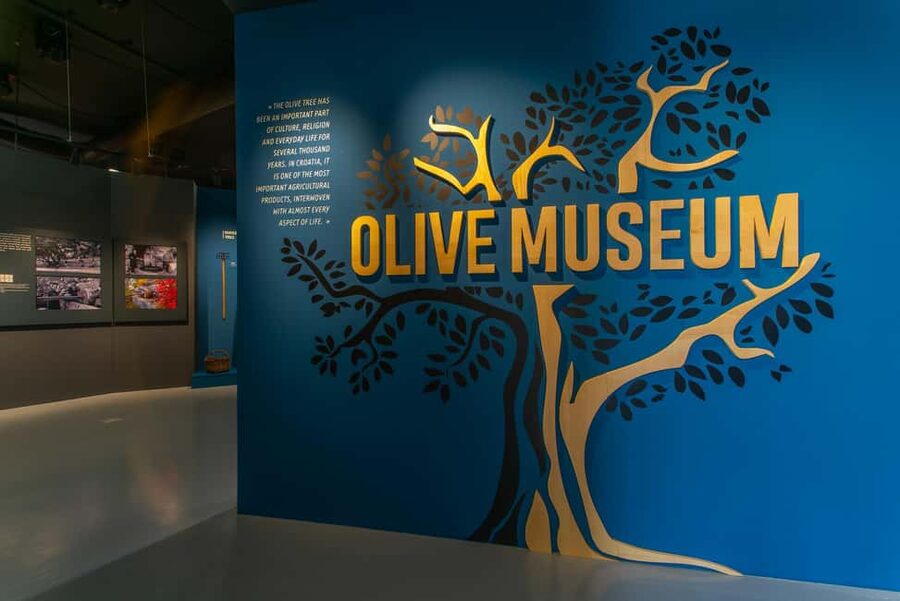
Inside the Olive Oil Museum
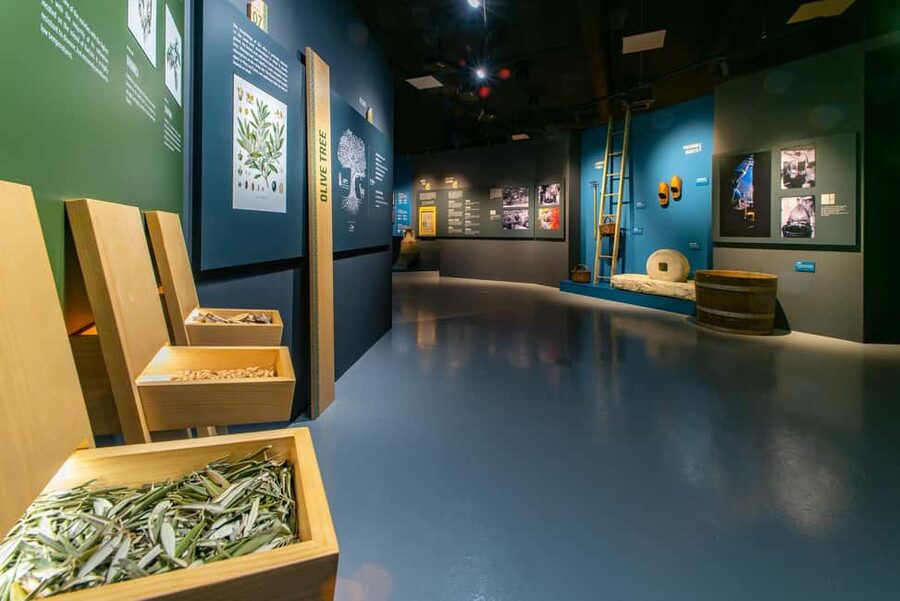
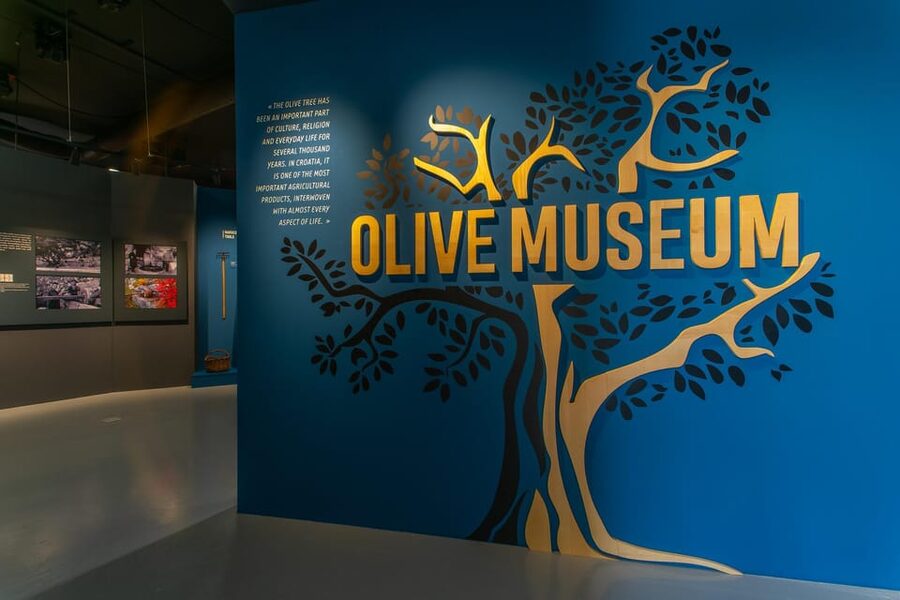
The Olive Oil Museum is the center of the experience. It explains the role of what Croatians often call liquid gold, from the olive and its oil to the methods used to judge quality.
The museum was a finalist for the European Museum of the Year Award in 2023. That detail signals that it has a serious museum purpose, not just a shelf of bottles surrounded by decorative farm tools. You can expect displays focused on olive oil and its place in Croatian food culture.
The quality of the guiding matters here. Most of the experience depends on explanations, and a flat or unenthusiastic delivery can make the museum feel dull. One account found the museum guide lacking energy, while the tasting instructor was friendly and clear. That difference is worth keeping in mind if you prefer fast-moving attractions.
Still, the museum works best when you treat it as preparation for the tasting. The displays give you context, then the workshop lets you put the information to use. You are not just told that one oil is better than another. You learn what to look for.
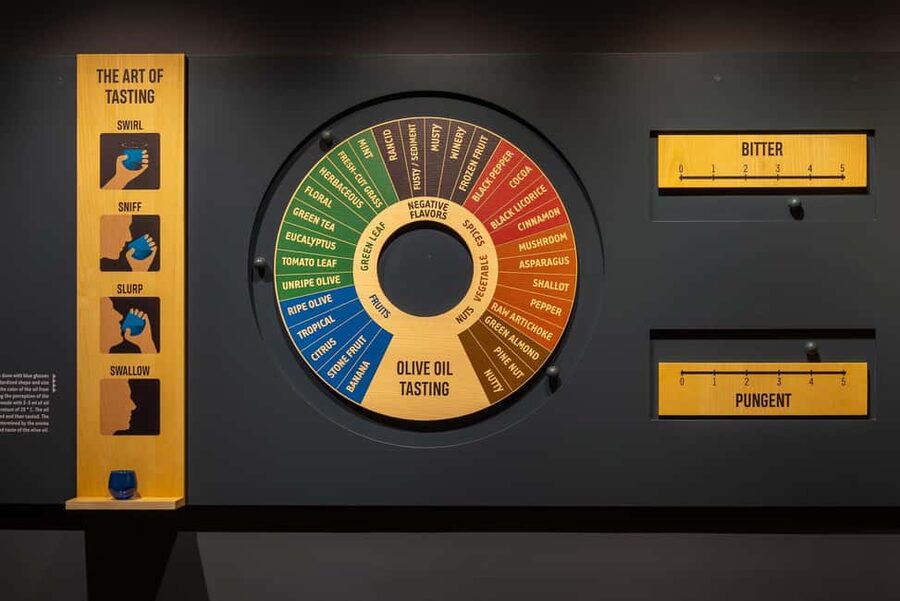
Learning to taste extra virgin olive oil
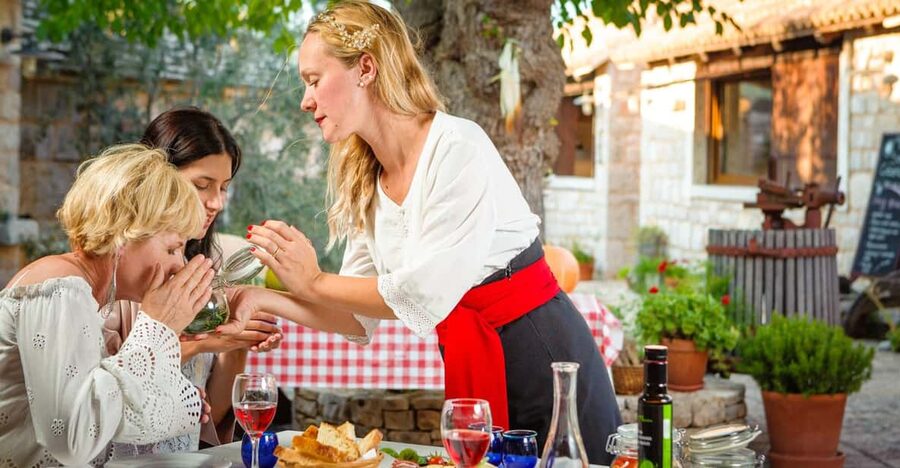
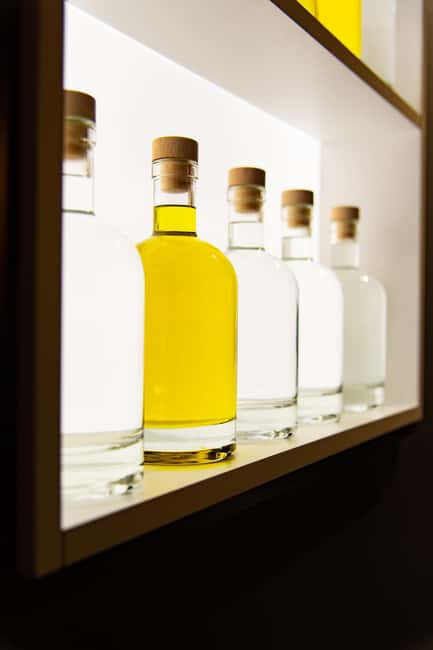
The tasting session is the strongest reason to book. You receive an introduction to recognizing extra virgin olive oil through an interactive exercise. Then you taste two different oils, both labeled extra virgin.
The session teaches you to use your nose and palate. You learn the basic habits of professional tasters, including how to smell the oil and assess the flavor. The point is not to memorize fancy tasting notes. It is to notice the difference between a clean, sound oil and one with faults.
This can be surprisingly useful at home. Olive oil bottles often rely on attractive labels, regional claims, or words such as premium. A basic tasting method gives you a better tool than packaging alone.
The session also explains that not every oil labeled extra virgin will seem equal in quality. You compare the oils directly, which makes the lesson much clearer than a lecture. The tasting is organized as a workshop, so you actively test what you have learned.
Families can take part. The explanations are clear enough for a child to follow, and a nine-year-old has enjoyed the museum and tasting. Parents should still consider their child’s interest in food and smells, but this is not limited to serious culinary students.
The two-oil format keeps the tasting manageable. You do not face a long flight of samples, and you can focus on the differences. If you are already an olive oil expert, the session may feel introductory. For most visitors, that is a benefit rather than a flaw.
Sweets, shopping, and the time after the tour
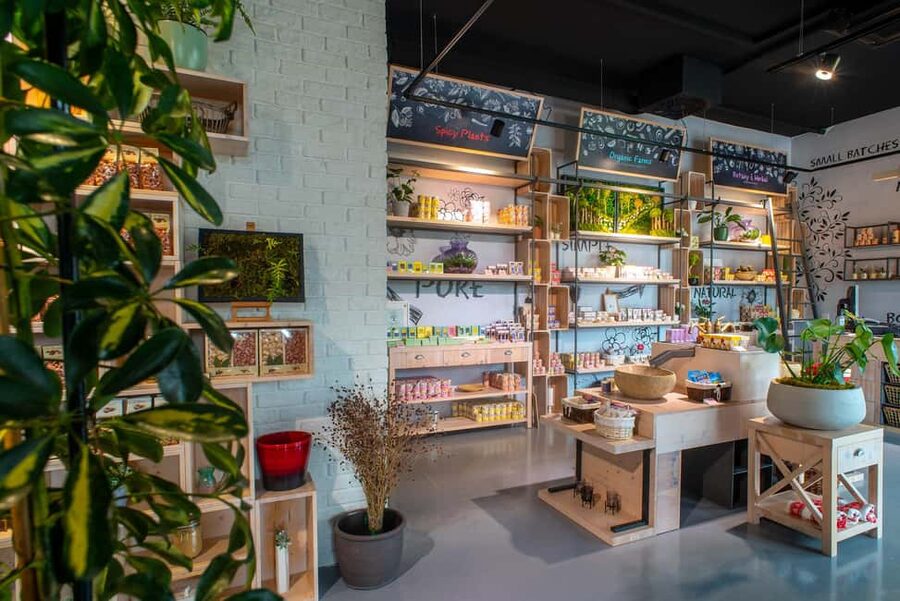
Traditional sweets are included, and the concept store offers more handmade products to taste. You can browse products made with local ingredients, including the items connected to the factory visit.
The store is also a practical place to buy olive oils and other products. Factory pricing can make the purchases more appealing, especially if you want food gifts from Croatia. You can make your decision after tasting instead of buying blindly.
After the guided experience, you have free time to explore the park and old buildings. You may also have a traditional lunch, though additional food and drinks are not included in the $18 price.
That final free period makes the visit more flexible. You can leave soon after the tasting if you are continuing toward another sight, or stay longer if you want a slower estate visit. The activity does not force you into a quick exit immediately after the guide finishes.
Who will enjoy this, and who may want more
I would recommend this tour to anyone who likes local food, small producers, practical museum visits, or Croatian souvenirs with a clear connection to the region. It is especially useful if you have never learned how to assess olive oil and want a simple lesson you can use beyond this trip.
Families may find the range of activities helpful. The factory, plants, sweets, cosmetics, and tasting give children more variety than a single-subject museum. The English explanations are clear, and the workshop has an activity to hold attention.
It also works well as a stop for visitors exploring the Klis area who want something beyond fortifications and scenery. The estate provides a food-centered view of Dalmatia.
I would hesitate to recommend it to someone seeking a large olive farm, a long countryside walk, or a major historical attraction. There are no olive fields at the site, and the botanical garden is modest. If the museum guide happens to be low-energy, the indoor portion may feel slower than expected.
The experience is also not ideal for someone who wants a full meal included. Traditional lunch is an option after the tour, but you pay separately for additional food and drinks.
The practical details that affect your choice
The listed price is $18 per person. That is good value if you make use of the whole visit: guided touring, museum entry, sweets, cosmetics testing, two olive oils, and free time at the estate.
You should arrive at the main building and wait for the host. The meeting point and end point are the same. Follow the signs from the main road, since the directions provided do not describe a shuttle or transfer service.
The activity is conducted in English. Food and drinks from outside are not allowed, and video recording is not allowed. You can bring your curiosity, but plan to follow the estate’s rules once inside.
Booking can be flexible. You can reserve now and pay later, and cancellation is allowed up to 24 hours before the activity for a full refund. That is useful if your plans around Klis or Split are still moving.
There is no stated tour duration, so I would not build a tightly timed connection around it. Leave some breathing room for the guided visit, the tasting, shopping, and the park. The free time is part of the appeal, not a problem to rush through.
Should you book Stella Croatica?
Book it if you want a reasonably priced food and culture stop with a real lesson attached. The olive oil tasting is the strongest feature, and the mix of factory work, herbs, cosmetics, sweets, and museum displays gives you more variety than the price suggests.
Skip it if you specifically want to walk among olive trees or see oil made during harvest. You will not get that at Stella Croatica. You will get an indoor museum, a compact botanical collection, a concept store, and a tasting workshop.
For most visitors staying in the Split and Klis area, I think the $18 price is fair. Go with modest expectations about the museum’s presentation, pay close attention during the tasting, and leave time for the old buildings and park. You may arrive thinking olive oil is simply olive oil, then leave able to tell a better bottle from a bad one.
FAQ
Where is the Stella Croatica olive oil experience?
It is located in the Klis area of Dalmatia, Croatia. You follow signs from the main road to reach Stella Croatica.
What is the price?
The listed price is $18 per person.
What is included in the price?
Entry to Stella Croatica and the Olive Oil Museum, a guided tour, tasting of two different olive oils, traditional sweets, and testing of natural cosmetics are included.
Is the tour offered in English?
Yes. The tour language is English.
How many olive oils do I taste?
You taste two different olive oils. Both are labeled as extra virgin.
Does the experience include traditional food?
Traditional sweets are included. Additional food and drinks, including a traditional lunch after the tour, are not included.
Can I buy products at Stella Croatica?
Yes. The concept store offers handmade products, olive oils, and other items. Products may be purchased at factory prices.
Are there olive groves at the site?
No olive fields are provided at the site itself. The experience focuses on the Olive Oil Museum, tasting, botanical collection, and family estate activities.
Where does the activity begin and end?
You enter the main building at Stella Croatica and wait for your host. The activity ends back at the same meeting point.
Can I cancel or pay later?
You can reserve and pay later. Cancellation up to 24 hours in advance qualifies for a full refund.
Newest grove reviews around Croatia
- E Bike Tour with wine and olive oil tasting in Vodnjan★ 5.0 · 4 reviews
- Private Split & Klis Fortress Tour, Olive Museum & Port Pickup★ 4.5 · 13 reviews
- Šibenik or Zadar: Krka falls, olive mill, oil & wine tasting★ 4.8 · 17 reviews
- Istrian hill top cities tour with truffle and olive oil tasting★ 5.0 · 18 reviews
- Cres: Olive Oil Walking Tour with Tastings★ 4.9 · 24 reviews
- Šibenik: Croatia in a Day, Vistas, History, Olive Oil, Wine★ 5.0 · 30 reviews
- Pula: House of Istrian Olive Oil Museum and Guided Tasting★ 4.9 · 35 reviews
- Hvar: Island tour with Wine and Olive Oil Tasting★ 5.0 · 36 reviews
Olive Oil Museums, compared.
LA Almazara LA Organic, Olive Oil Museum and Tasting
Read our review →
Klis Fortress GOT and Olive Museum Entry Tickets
Read our review →
Blue Line Sightseeing to Trogir, Klis & Olive Museum
Read our review →
Visit Oil Mill Museum and Olive Oil Tasting in Ronda
Read our review →
Olive museum Klis with educational olive oil tasting
Read our review →
House of Istrian Olive Oil Museum and Guided Tasting
Read our review →
Guided tour of the Museum of Olive Culture Oil Tasting
Read our review →Browse the lists this tour appears in