
Review · OLIVE OIL MUSEUMS
Olive museum Klis with educational olive oil tasting
The most useful part of this 75-minute visit is the olive-oil lesson. You do not just taste oil and move on. You learn what to look for in premium extra virgin olive oil, then compare different samples while the flavors are fresh in your mind.
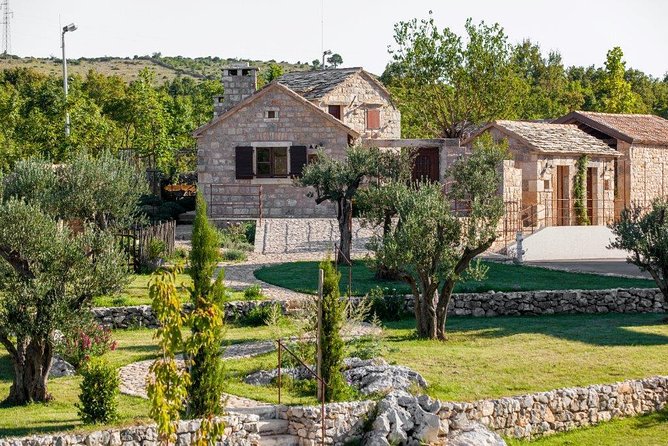
I like the way the tour links food with production. You see the Olive Museum, botanical gardens, and essential-oil distillery, then sample regional specialties and natural cosmetics. I also like the warm, personal feel of a family-run estate, with staff such as Ines, Dragica, and Fani involved in different parts of the visit.
The main drawback is its fixed noon start and short length. If you want a slow meal, a long garden stroll, or a full-day food tour, you will need more time. Lunch is available for an extra booking, but it is not part of the tour price.
Key points to know before you go
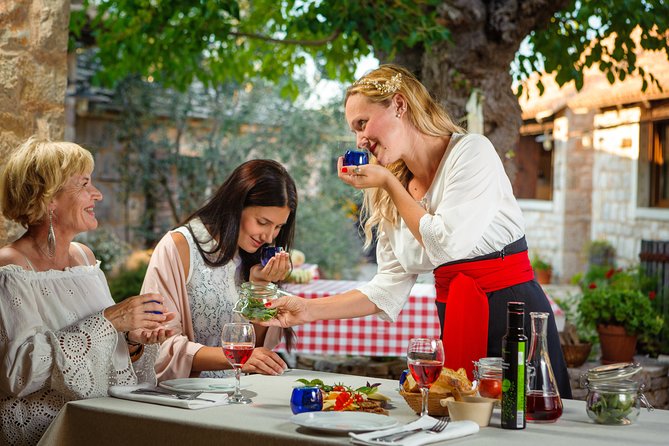
- The oil tasting is the heart of the visit: Learn how to identify premium extra virgin olive oil while sampling several varieties.
- You see more than an olive museum: The estate also includes botanical gardens, an essential-oil distillery, a concept store, and spaces for tasting local foods.
- The tour lasts about 1 hour and 15 minutes: It gives you a focused introduction rather than an all-day estate experience.
- The setting is near Klis, outside central Split: The meeting point is Mihovilovići, 21231, Klis, Croatia.
- Lunch costs extra: You can book a meal at the traditional tavern after the tour.
- The group can reach 20 people: That is small enough for a guided visit, though the experience is not a private tour.
A close look at Dalmatian food and craft
Stella Croatica is designed as a one-stop introduction to Dalmatian products. The family-run estate makes artisan food, health, and beauty items, so this is not only an olive-oil stop. You get a quick look at how local ingredients move from cultivation to finished goods.
That range gives the visit its appeal. You can compare food products with cosmetics, learn about essential oils, and see how olive oil fits into daily life in Dalmatia. For you, that means the tour works well if you want cultural context but do not want to spend several hours in a formal museum.
The visit is also easy to understand. Instead of covering a long list of unrelated sights, the guide connects the estate’s gardens, production areas, tasting room, and shop. You see the products in context, then get a chance to taste or test them.
The experience is best viewed as an introduction. You will learn useful basics, but the 75-minute schedule does not leave room for an extended production demonstration or a detailed study of every product. If you enjoy compact tours with several small parts, the pace should suit you. If you prefer one subject explored at length, the olive-oil lesson is the portion to focus on.
More Olive Oil Museums around Croatia:
- Split: Klis Fortress GOT and Olive Museum Entry Tickets
★ 4.6 · 283 reviews - Split: Blue Line Sightseeing to Trogir, Klis & Olive Museum
★ 4.3 · 197 reviews - Visit Klis fortress GOT & Olive museum Klis
★ 4.5 · 77 reviews
The Olive Museum and botanical gardens
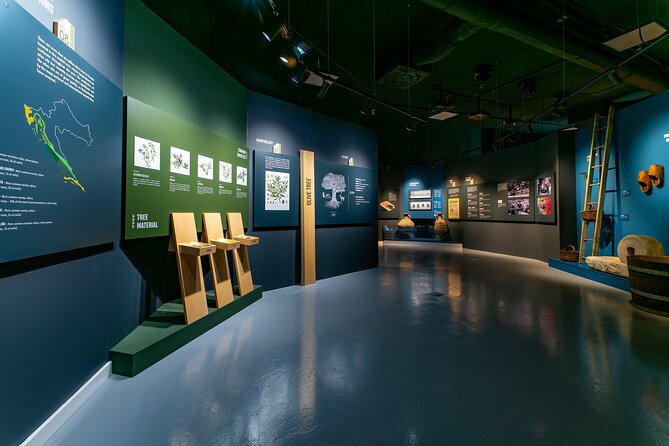
The guided walk includes the Olive Museum, described as the main attraction within the estate. This is where the visit moves beyond a simple tasting. You get a look at olive culture and the role of oil in Dalmatian food traditions.
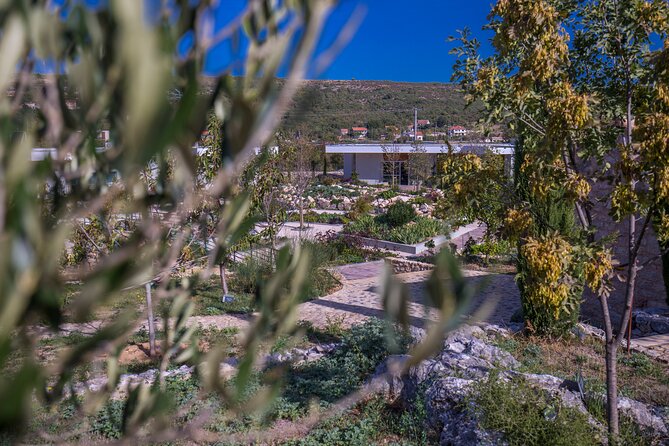
The botanical gardens add a welcome outdoor element. Rather than spending the whole hour inside, you move through the estate and see the plants connected to its products. The gardens also help explain why the estate is more than a shop with samples.
I would pay attention to the guide’s explanations here, especially if you are new to olive oil. You may already know that extra virgin oil is considered the top grade, but the tasting makes the label more meaningful. The point is not simply to choose the strongest flavor. You learn to notice differences between oils and to recognize qualities associated with premium extra virgin oil.
Because the garden and museum visit are guided, you are not left to read displays on your own. That matters when you have limited time in the Split area. You get a clear route through the estate, with the guide providing the connection between what you see and what you later taste.
Learning to taste olive oil
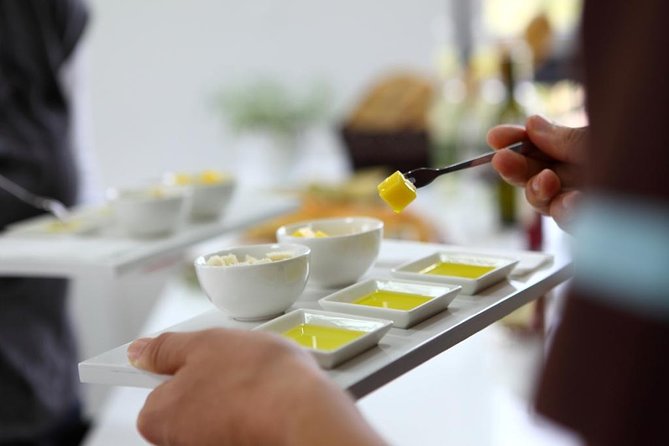
The educational tasting is the most distinctive part of the experience. You sample different olive oils and learn how to judge them. This is practical knowledge you can use later in Croatia, at home, or when shopping for a bottle to take back with you.
The tasting also gives the tour a stronger purpose than a basic product sampling. You are not merely offered food and asked if you like it. The lesson helps you pay attention to the oil itself, which can be subtle, peppery, grassy, or mild depending on the sample. The supplied information does not specify the exact oils served, so expect a selection rather than a guaranteed list of varieties.
I like this format because it suits beginners. You do not need a trained palate to take part. The guide leads you through the process, and comparing oils side by side makes the differences easier to notice.
Keep your expectations sensible. This is not presented as a professional certification course, and the short schedule limits how much technical detail can fit in. Still, for a first encounter with Croatian olive oil, it offers more value than a quick taste at a souvenir shop.
Behind the scenes at the essential-oil distillery
Another stop takes you to the distillery, where essential oils are extracted. This adds a different side of the estate’s work and shows how plants can become health and beauty products, not only food.
For me, this is an important part of the visit because it broadens the story. Olive oil gets the headline, but Stella Croatica also works with products connected to natural care. Seeing the distillery helps explain the range of items later offered in the concept store.
The information supplied does not spell out the exact extraction equipment, plants, or length of this stop. You should think of it as a guided look at the process rather than a full technical workshop. The value comes from seeing how the estate turns local ingredients into finished goods.
If you are interested in natural cosmetics, this section will likely hold your attention. If your only goal is olive oil, it may feel like a side trip. That is the tradeoff of choosing a broad estate tour instead of a tasting devoted only to oil.
More Olive Oil Tours around Croatia:
- Split: Krka Waterfalls With Boat Cruise, Wine and Olive Oil
★ 4.3 · 1,507 reviews - Wine, food and olive oil by PhD student
★ 5.0 · 111 reviews - Hvar: Island tour with Wine and Olive Oil Tasting
★ 4.9 · 77 reviews - Split: Olive museum Klis with Olive Oil Tasting
★ 4.9 · 51 reviews
Sampling Dalmatian specialties and natural cosmetics
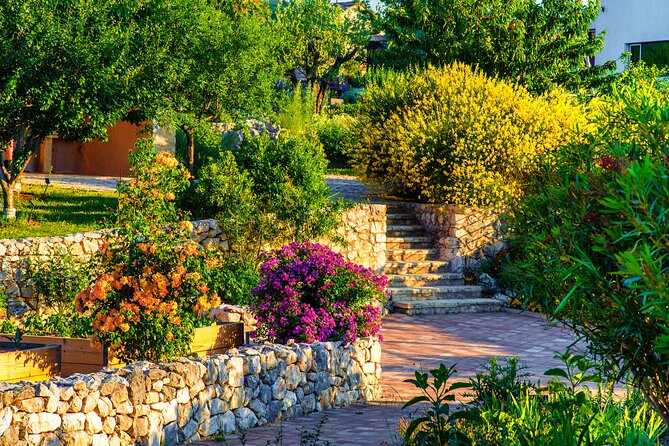
After the museum and production areas, you sample traditional gastro delicacies. These tastings give you a small but useful introduction to regional flavors without requiring you to commit to a full meal.
The exact foods are not listed, so you should not book this expecting a named menu. Think of the tasting as a selection of local specialties connected to the estate’s products. It is a chance to try several items and decide what interests you before buying anything.
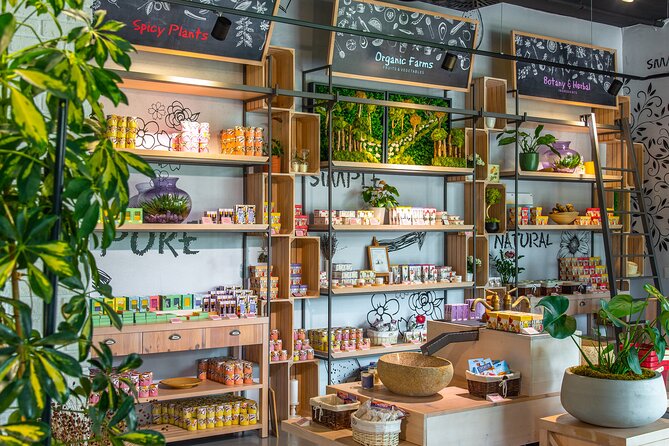
You also test natural cosmetics in the concept store. This is a hands-on finish to the visit. Food tastings can tell you what a product tastes like, but cosmetics need a different kind of introduction. You can examine and try the products rather than simply hearing about them.
The concept store may be tempting if you want a practical souvenir. Still, remember that shopping is part of the experience, not a substitute for the tour. You are not required to buy anything, and the price includes the guided experience, tasting, and estate access rather than a product credit.
What the staff adds to the visit
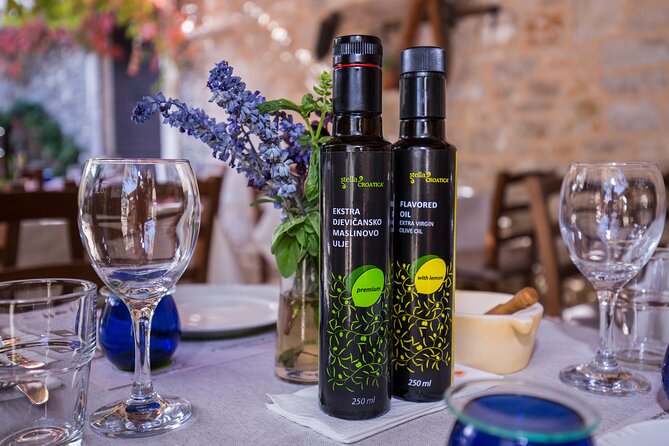
The staff roles appear to be divided among several people. Ines is identified as a guide, Dragica as a hostess, and Fani as a tasting guide. That arrangement can make the visit feel personal because different people handle the welcome, tour, and tasting.
The names matter for another reason: they give you a useful point of reference when you arrive. If the same team is working that day, you may meet Ines during the walk and Dragica or Fani during the tasting and welcome. The exact staffing can change, so treat these names as examples rather than a guarantee.
The available feedback gives particular praise to the staff’s friendliness and ability to keep the experience engaging. That matches the format of the tour, which asks you to move between a museum, gardens, production area, tasting, and shop in a short period.
A good guide matters here. Without clear explanations, the visit could feel like a sequence of displays and samples. With a strong guide, each stop supports the main lesson: Dalmatian food and natural products are tied to the land, the family business, and local customs.
Price, timing, and the practical details
The cost is $17.98 per person. For that price, you receive the guided estate tour, Olive Museum visit, botanical gardens, essential-oil distillery visit, olive-oil education and tasting, regional food samples, and natural-cosmetic testing. All fees and taxes are included.
I consider that a fair price if you want several related experiences in one stop. A separate olive-oil tasting, museum admission, and product visit could easily take more planning, while this packages them into roughly 75 minutes.
The value is less clear if you are mainly seeking a full meal. Lunch is not included, although you can arrange it at the traditional tavern after the tour. If lunch is important to you, plan it as a separate expense and allow extra time beyond the scheduled visit.
The tour begins at 12:00 p.m. at Mihovilovići, 21231, Klis, Croatia. It ends back at the same meeting point. The location is near public transportation, which helps, but the supplied details do not specify the exact bus route or travel time from central Split. Check your route before booking and allow enough time to arrive at the Klis meeting point.
A mobile ticket makes the visit simple at the entrance. Confirmation is provided at booking. The group limit is 20 people, so you should expect a shared guided experience rather than a private appointment.
The activity states that most people can participate. No special physical requirements are given. Since the tour includes walking through the estate and gardens, wear shoes you can use comfortably for a guided walk.
Who will enjoy Stella Croatica most
I would recommend this tour to you if you want a compact cultural stop near Split that combines food, local production, and shopping. It is especially useful for first-time visitors who want to understand olive oil instead of simply buying a bottle without knowing what they are choosing.
Families and mixed-interest groups may also like the format. One person can focus on food, another on gardens and production, and another on cosmetics. The tour changes subject often enough to keep the hour moving.
It also suits you if you are planning a visit to the Klis area and want an activity with a clear start and finish. The noon departure makes it easy to pair with a later meal, provided you arrange lunch separately.
You may want a different experience if you are looking for a long cooking class, a private tasting, or a full-day visit. The group can reach 20 people, the tour is only 75 minutes, and the food portion is tasting rather than lunch.
Cancellation and booking flexibility
You can cancel for a full refund up to 24 hours before the local start time. Cancellations made within 24 hours are not refunded, and changes within that period are not accepted.
That policy is fairly flexible for a short scheduled activity, but the noon start means you should check your plans carefully. If you are coordinating transport from Split or combining this with another Klis visit, leave room for delays before the 24-hour cutoff.
Should you book this olive-oil tour?
Book it if you want a well-priced introduction to Dalmatian olive oil with more substance than a quick shop tasting. The museum, gardens, distillery, food samples, cosmetics, and staff-led education give you a useful picture of Stella Croatica’s work in a short time.
I would make the booking with two conditions in mind: you must be able to reach Klis for noon, and you should not expect lunch to be included. Add the tavern meal if you want to turn the visit into a longer food outing.
For a first look at local products near Split, this is a sensible choice. Its strongest feature is the oil education, while its main limitation is the compressed schedule. If those tradeoffs suit your plans, the $17.98 price offers solid value.
FAQ
Where does the olive museum tour begin?
The tour begins at Mihovilovići, 21231, Klis, Croatia, at Stella Croatica.
What time does the tour start?
The scheduled start time is 12:00 p.m.
How long does the experience last?
The guided experience lasts approximately 1 hour and 15 minutes.
Is lunch included in the price?
No. Lunch is not included, but you can book a meal at the traditional tavern after the tour.
What does the tour include?
It includes all fees and taxes, a guided visit to the estate and Olive Museum, the botanical gardens, olive-oil education and tasting, regional food samples, and natural-cosmetic testing.
Does the tour end at the meeting point?
Yes. The activity ends back at the same meeting point where it begins.
How many people can join the tour?
The activity allows a maximum of 20 people.
Newest grove reviews around Croatia
- E Bike Tour with wine and olive oil tasting in Vodnjan★ 5.0 · 4 reviews
- Private Split & Klis Fortress Tour, Olive Museum & Port Pickup★ 4.5 · 13 reviews
- Šibenik or Zadar: Krka falls, olive mill, oil & wine tasting★ 4.8 · 17 reviews
- Istrian hill top cities tour with truffle and olive oil tasting★ 5.0 · 18 reviews
- Cres: Olive Oil Walking Tour with Tastings★ 4.9 · 24 reviews
- Šibenik: Croatia in a Day, Vistas, History, Olive Oil, Wine★ 5.0 · 30 reviews
- Pula: House of Istrian Olive Oil Museum and Guided Tasting★ 4.9 · 35 reviews
- Hvar: Island tour with Wine and Olive Oil Tasting★ 5.0 · 36 reviews
Olive Oil Museums, compared.
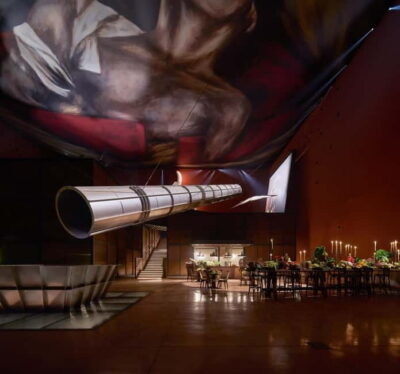
LA Almazara LA Organic, Olive Oil Museum and Tasting
Read our review →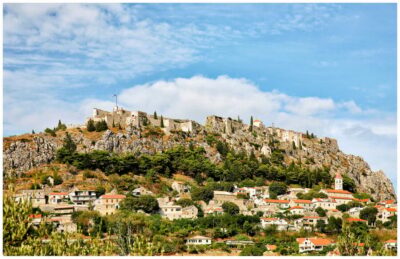
Klis Fortress GOT and Olive Museum Entry Tickets
Read our review →
Blue Line Sightseeing to Trogir, Klis & Olive Museum
Read our review →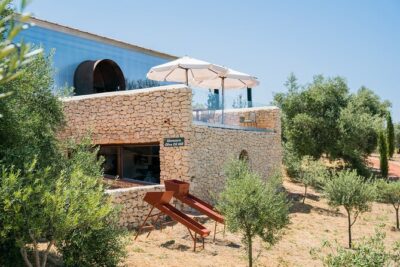
Visit Oil Mill Museum and Olive Oil Tasting in Ronda
Read our review →
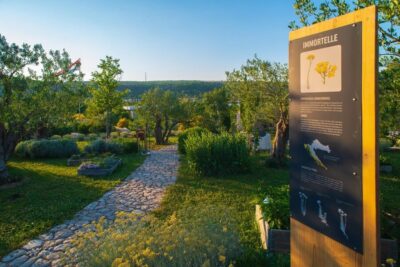
House of Istrian Olive Oil Museum and Guided Tasting
Read our review →
Guided tour of the Museum of Olive Culture Oil Tasting
Read our review →Browse the lists this tour appears in