
Review · OLIVE OIL MUSEUMS
Lefkada: Olive Museum Fabbrica Ticket and Guided Tour
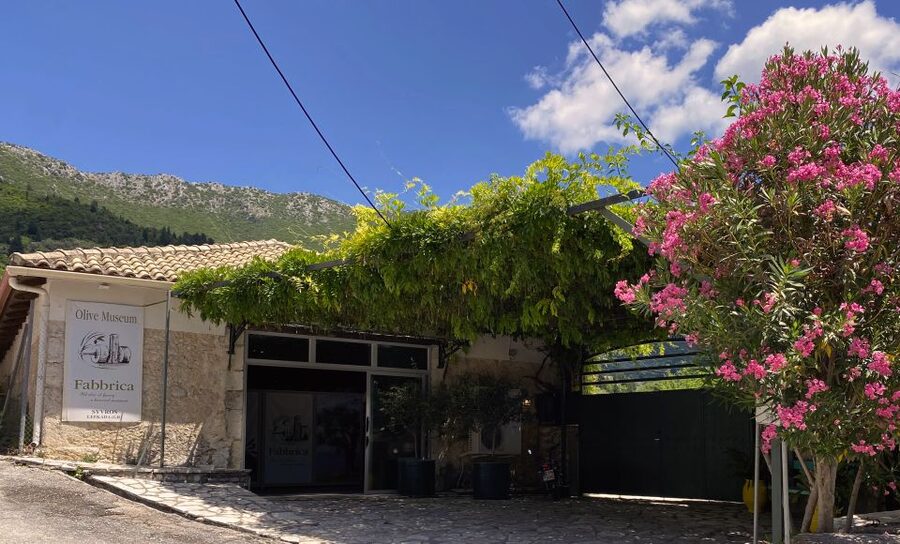
Fabbrica Olive Museum takes you into a working piece of Lefkada’s rural past: a 19th-century olive mill where heavy old machinery shows how oil was made before modern equipment. The visit is short, but it packs in a video, a guided walk, and a tasting.
I like the clear contrast between old and new production methods, and I like that the tasting includes more than oil, with marmalade and a local drink also offered. The main drawback is the 20-minute length. This is a focused stop, not a long museum visit, so you should pair it with other sights in southern Lefkada.
Key points
- See a real 19th-century olive mill: Examine the old machinery and warehouse rooms used in traditional production.
- Compare past and present: A short video explains how olive oil is produced today before the historic mill tour.
- Taste local products: Sample extra virgin olive oil, marmalade, and a local drink.
- Learn useful basics: The guide covers production methods and the nutritional properties of olive oil.
- Easy village stop: The museum is in Syvros, with marked parking spaces right beside it.
- Good value for a short visit: At $2.82 per person, it is an inexpensive addition to a Lefkada sightseeing day.
Entering the old mill in Syvros
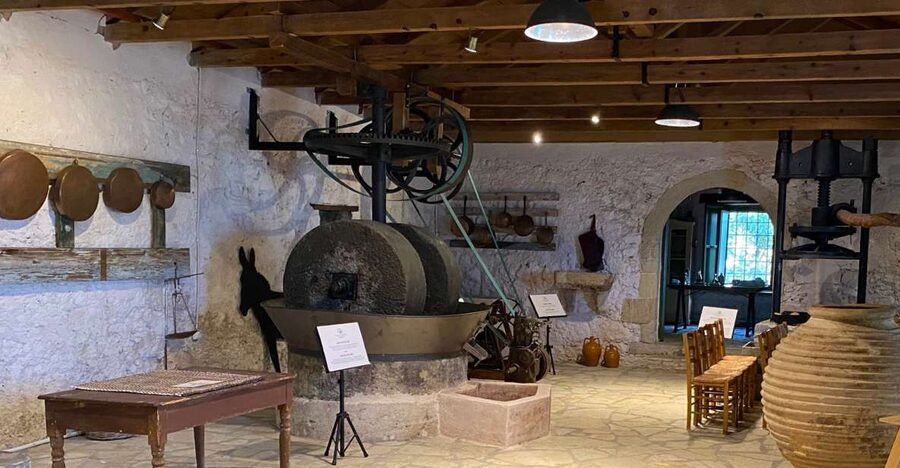
Fabbrica Olive Museum is in the village of Syvros in western Greece. You drive to the museum independently, and marked parking spaces are available right next to the building. That simple arrival matters, especially if you are fitting the visit between villages, beaches, or other stops around Lefkada.
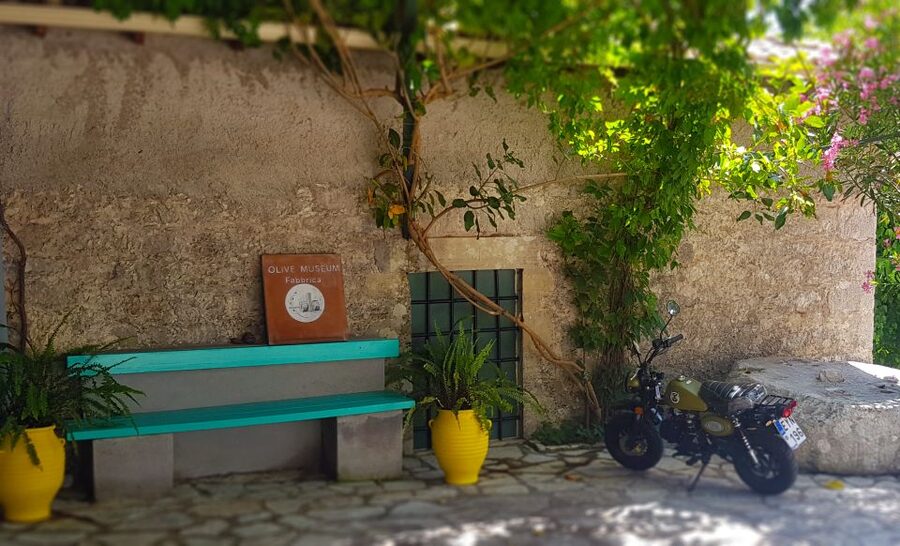
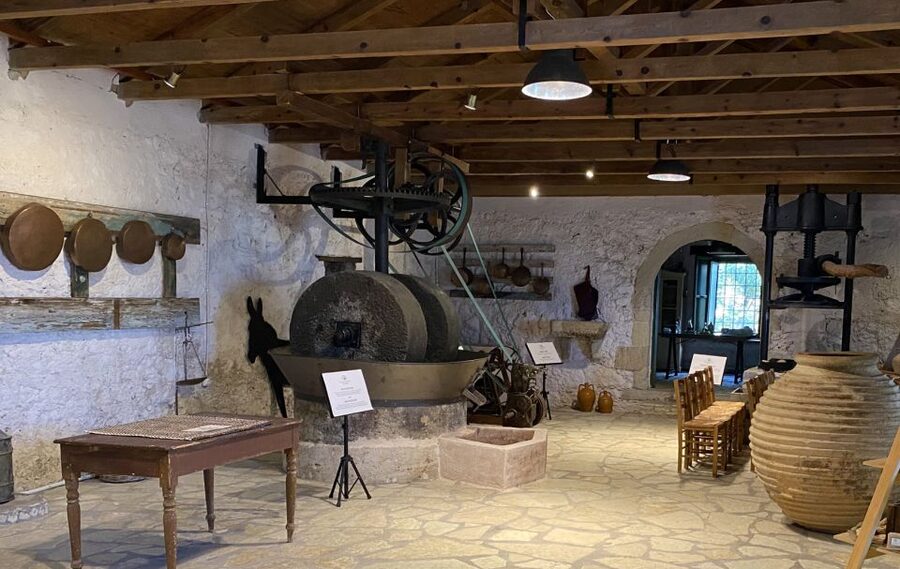
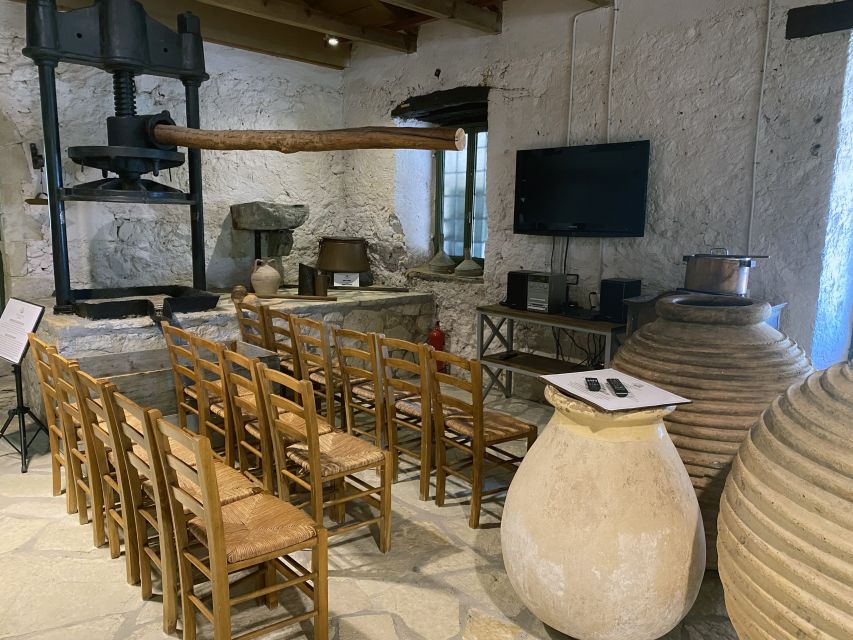
The museum gives you a look at olive oil production as it was practiced in the 1800s. Instead of seeing only display panels, you walk through an actual old mill setting and inspect the machinery that once handled the olives. The equipment gives the visit its character. It helps you picture the physical work behind a bottle of oil, long before modern production lines made the process faster.
Your guide greets you at the museum and leads the visit in English. The tour is structured and compact, which suits you if you want a clear introduction without spending half a day indoors. A friendly female guide has been especially praised for explaining the tasting in detail, so you can expect personal help when it is time to compare the products.
More Olive Oil Museums around Greece:
- Chania Olive Tour: 3,000-Year-Old Tree, Museum &Organic Mill
★ 5.0 · 5 reviews - Ronda: LA Almazara LA Organic, Olive Oil Museum and Tasting
★ 4.6 · 435 reviews - Split: Klis Fortress GOT and Olive Museum Entry Tickets
★ 4.6 · 283 reviews
The modern process begins with a short video
The first stop is a video projection about how olive oil is produced today. This is a smart opening because it gives you a basic idea of modern production before you see the old machinery.
The video also gives the visit a useful point of comparison. You first see the current method, then move into the 19th-century mill to understand how production once worked. That past-and-present contrast is the central idea of the tour, and it keeps the museum from feeling like a simple collection of old tools.
The supplied details do not give the video’s exact running time or technical level. You should expect an introductory explanation rather than a full industrial lesson. Still, it helps you follow the guide’s comments during the rest of the visit, particularly if you know little about olive oil production.
How olive oil was made in the 1800s
After the video, you follow the guide through the historic mill. The old machinery is the main visual attraction, and the guide explains how the equipment was used to make olive oil in the 19th century.
This part has value because it connects food with work. Olive oil is central to Greek cooking, but a supermarket bottle tells you very little about the labor and equipment behind it. Inside the mill, you get a better sense of the traditional process and the importance of the olive harvest to local life.
You also learn general information about olive oil, including its nutritional properties. That makes the visit useful beyond Lefkada. You leave with a better basis for thinking about the oil you buy and eat, rather than simply hearing a few facts about an old building.
The machinery is old, so you should not expect a live production demonstration. The museum shows how the mill worked, while the video explains current production. That distinction is worth keeping in mind when you decide how much time to allow.
Tasting extra virgin olive oil in the warehouse
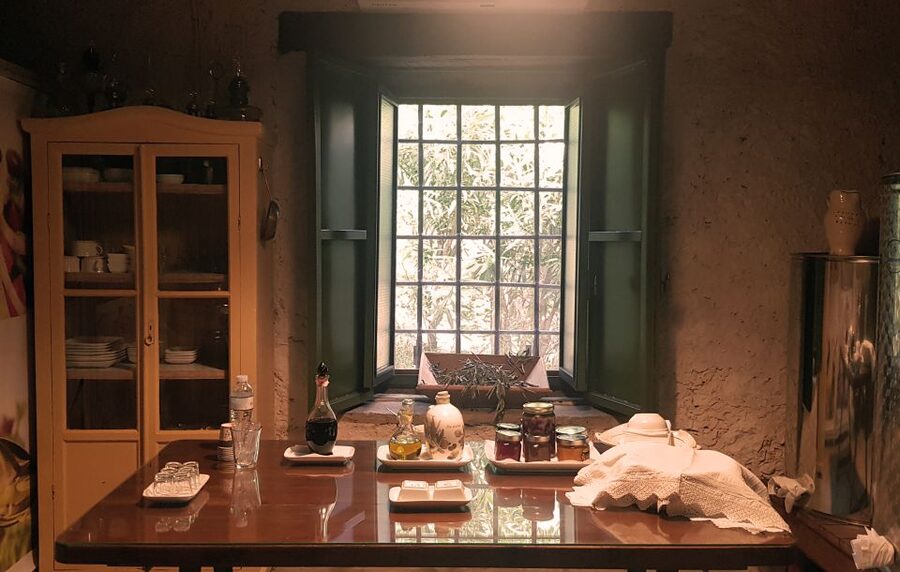
The tasting takes place in an old warehouse room within the mill. This setting is more fitting than a modern shop counter. You are tasting the product in the same type of place where olive oil was stored and handled, which gives the final part of the visit a strong connection to the building.
The main sample is carefully selected extra virgin olive oil. Your guide explains the tasting, helping you pay attention to the flavor and qualities of the oil rather than treating it as a quick free sample. The tasting is one of the most praised parts of the experience, and it is easy to see why. It turns the earlier explanation into something you can assess for yourself.
The tasting also includes local products such as marmalade and a local drink. This adds variety and gives you a small introduction to other handmade foods from the area. It is not a full meal, so arrive expecting samples rather than lunch.
You can buy local products on the way out. The available information does not list every product or give prices, so I would treat the shop as an optional final stop rather than build a shopping plan around it. Still, it is convenient if you taste something you enjoy and want to take home.
Same groves, a different afternoon:
- Crete: Quad Safari, Olive Mill with Tasting & Ghost Village
★ 4.9 · 1,004 reviews - Knossos-Zeus Cave -Old Traditional Villages-Olive Oil Factory
★ 5.0 · 694 reviews - The Governor’s Olive Mill Tour with Olive Oil Tasting
★ 5.0 · 502 reviews - From Chania: Olive Oil, Wine, Cheese & Honey Tasting Tour
★ 4.6 · 490 reviews
Why the 20-minute format works
Twenty minutes is a very short tour, but here the format has a clear purpose. You receive a video, a guided explanation of the old mill, and a tasting without committing a large part of your day. One visit may run closer to 20 to 25 minutes, depending on the pace of the explanation and tasting.
I like this length for a busy sightseeing day. You can stop in Syvros, learn something specific about Lefkada, sample local food, and continue on without reorganizing your whole schedule. The $2.82 price also makes the visit an easy addition to a day out.
The tradeoff is depth. If you want a detailed lesson on farming, pressing, storage, regional olive varieties, or the chemistry of extra virgin oil, this visit may feel brief. The information supplied does not indicate a longer workshop or hands-on pressing session.
You should also check the available starting times before you set off. The tour operates at scheduled times, and the visit ends back at the museum. There is no separate transport or extended route included.
What the price really gives you
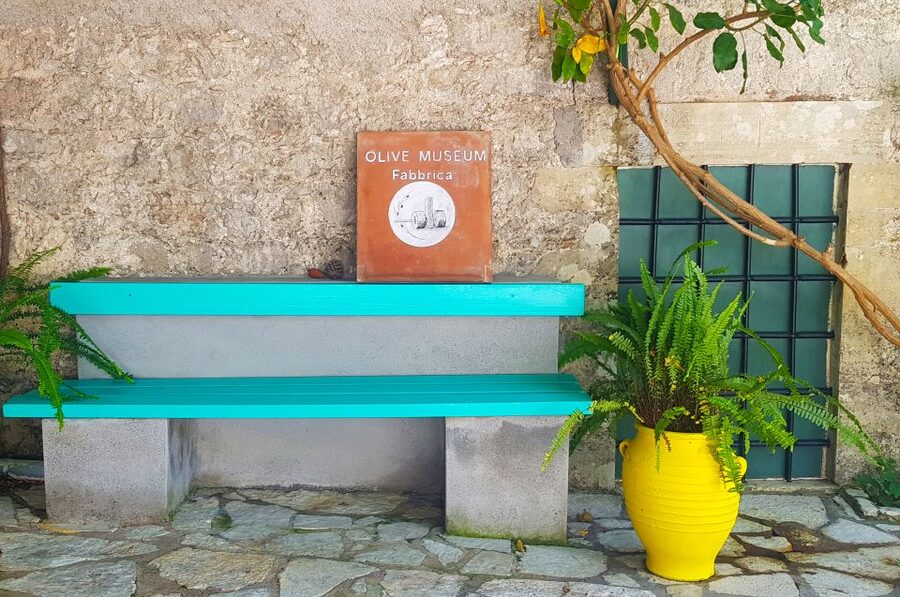
At $2.82 per person, this is inexpensive even by the standards of short attractions. The price covers the video projection, guided museum tour, and tasting session. Those three elements work together, so you are not paying simply to walk through an old room.
The strongest value comes from the combination of access and explanation. Old machinery alone might take only a few minutes to see. The guide adds meaning by explaining how the mill worked, why olive oil matters, and how the old process compares with modern production.
The tasting also improves the value. You do not only hear about extra virgin olive oil. You get to taste it, along with marmalade and a local drink. For a little over the price of a small snack, you receive a compact cultural stop with food included.
The low price should not lead you to expect a large museum complex. This is best understood as a short, specialized experience. If you enjoy focused visits tied to local food and traditions, the cost is easy to justify. If you prefer major museums with many rooms and exhibits, you may find it too limited.
Who will enjoy Fabbrica Olive Museum most
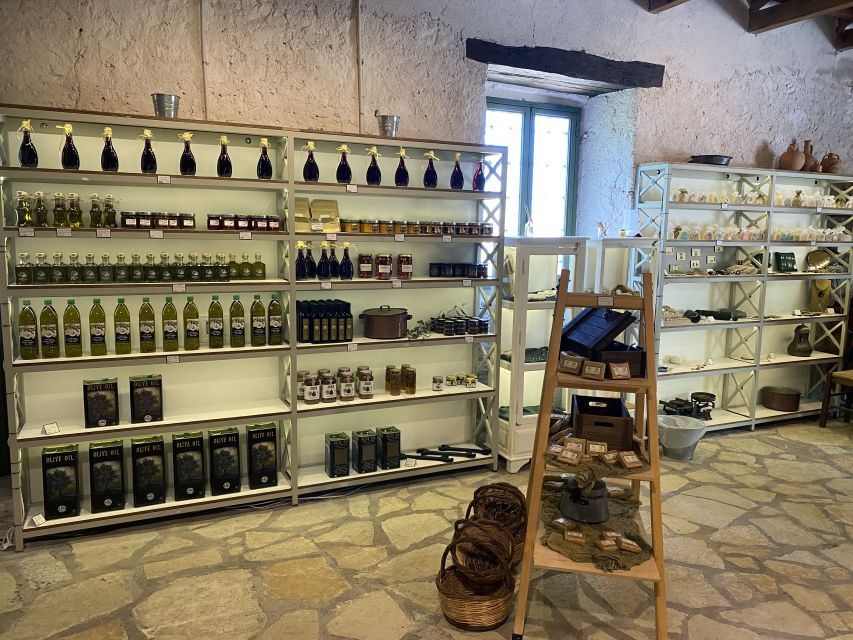
I would recommend this visit to anyone curious about how everyday Greek food is made. It is especially suitable if you are already exploring Syvros or driving through the area and want an activity that adds local context without taking much time.
Families may appreciate the short format. Children can see large, unusual machinery and take part in a tasting, though the supplied information does not specify a child-focused program. The visit may work best for children who can stay engaged during a short explanation and video.
Food lovers will find the tasting the most useful part. You can learn what the guide points out about extra virgin olive oil and then sample it directly. The marmalade and local drink give the experience a wider food focus.
It also suits visitors with limited time. You do not need to plan a full morning around it. The museum is easy to reach by car, and parking is located beside the entrance.
The activity is wheelchair accessible, which is an important practical advantage. The information provided does not describe every surface, doorway, or restroom, so you may still want to confirm any specific access needs before booking.
What to know before you go
Plan on roughly 20 minutes, with the possibility of a visit lasting 20 to 25 minutes. Check the available start times, then allow enough time to park and arrive before the tour begins.
The meeting point is the museum in Syvros. Since the activity starts and ends there, you will need your own way to reach the village. No transfer is included.
The tour is offered in English with a live guide. If you want explanations in another language, this activity may not suit you, since English is the stated tour language.
Wear whatever is comfortable for a short museum visit. The supplied information does not mention special clothing, outdoor walking, or a long route. The main focus is inside the old mill and warehouse.
You can cancel up to 24 hours in advance for a full refund, and you can reserve now while paying later. Those terms are useful if your Lefkada plans depend on weather or changing driving times.
The best place to fit it into your Lefkada day
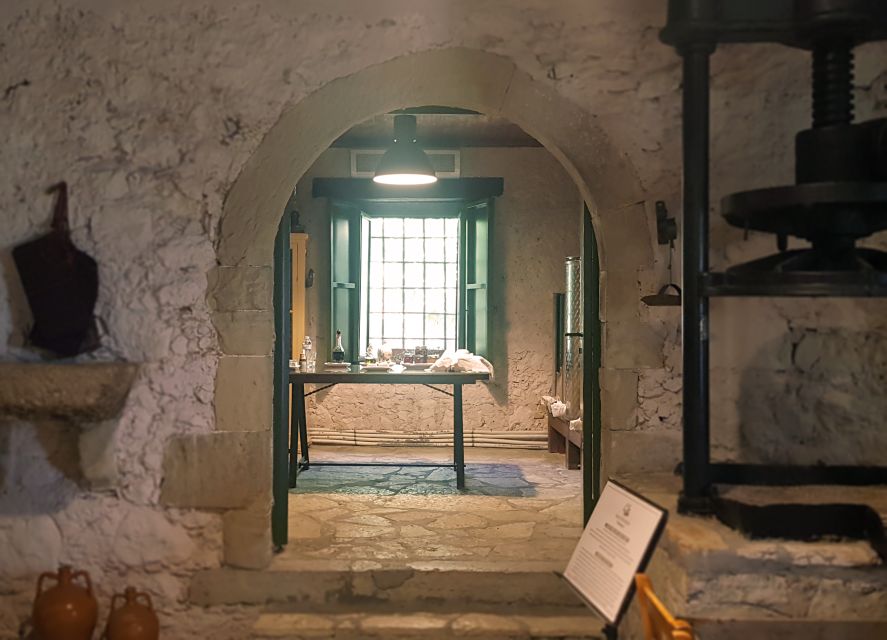
Fabbrica Olive Museum works best as a short cultural stop, not as the main event of the day. You might place it between other southern Lefkada visits, using the museum to add food and local history to a route that might otherwise focus only on scenery.
Because the visit is so brief, avoid making a long drive solely for the museum unless olive oil production is a particular interest. Its value improves when you are already near Syvros or can combine it with other plans in the area.
The stop also gives you a break from outdoor sightseeing. A short indoor tour, followed by tasting in the old warehouse, offers a change of pace from beaches and village roads. You can leave with a better understanding of a product that appears on nearly every Greek table.
Should you book the Fabbrica Olive Museum tour?
Book it if you want a low-cost, English-guided introduction to Lefkada’s olive oil tradition. The combination of the old mill, modern-production video, extra virgin olive oil tasting, and local products makes the short visit feel purposeful.
Skip it if you are looking for a long museum experience, a full meal, or a hands-on demonstration of pressing olives. The 20-minute schedule is its strength for some visitors and its limitation for others.
For $2.82, I think it is an easy choice when you are already in the Syvros area. Check the starting time, allow for the short duration, and treat the tasting as the finishing touch rather than the whole reason to visit. You will get a compact, authentic look at one of the foods most closely tied to Greek daily life.
FAQ
Where is Fabbrica Olive Museum located?
The museum is located in the village of Syvros in western Greece, on the island of Lefkada.
How long does the tour last?
The stated duration is 20 minutes. Some visits may take around 20 to 25 minutes, depending on the pace of the explanation and tasting.
What does the activity include?
The activity includes a video projection, a guided tour of the museum, and a tasting session.
What will I taste?
You will taste high-quality extra virgin olive oil and other local products, including marmalade and a local drink.
Is the tour available in English?
Yes. The activity includes a live English-speaking guide, and English is the stated tour language.
Is parking available at the museum?
Yes. Marked parking spaces are available right next to the museum.
Newest grove reviews around Greece
- Corinthian olive oil tour & tasting experience★ 5.0 · 4 reviews
- Corfu: Olive Oil & Wine Tastings & Traditional Villages Tour★ 5.0 · 6 reviews
- Corfu: Organic Olive Oil Farm Tour with Transfer and Tasting★ 5.0 · 8 reviews
- Chania: Authentic Crete Villages Tour & Olive Oil Tasting★ 4.5 · 2 reviews
- Chania Olive Tour: 3,000-Year-Old Tree, Museum &Organic Mill★ 5.0 · 5 reviews
- Chania Private Olive Oil Tour: Oil Tasting & Villages Tour★ 4.4 · 9 reviews
- Chania E-Bike Adventure: Culture, Coastline & Olive Tasting★ 5.0 · 2 reviews
- Athens: Cretan Olive Oil Tasting Experience★ 5.0 · 10 reviews
Olive Oil Museums, compared.
LA Almazara LA Organic, Olive Oil Museum and Tasting
Read our review →
Klis Fortress GOT and Olive Museum Entry Tickets
Read our review →
Blue Line Sightseeing to Trogir, Klis & Olive Museum
Read our review →
Visit Oil Mill Museum and Olive Oil Tasting in Ronda
Read our review →
Olive museum Klis with educational olive oil tasting
Read our review →
House of Istrian Olive Oil Museum and Guided Tasting
Read our review →Browse the lists this tour appears in