
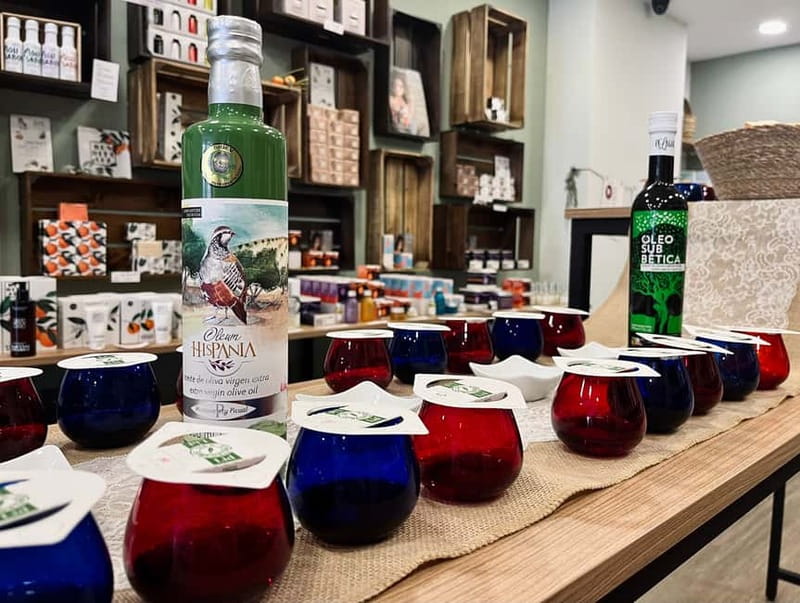
Review · CORDOBA OLIVE OIL TOURS
Córdoba: Olive Oil Tasting Experience
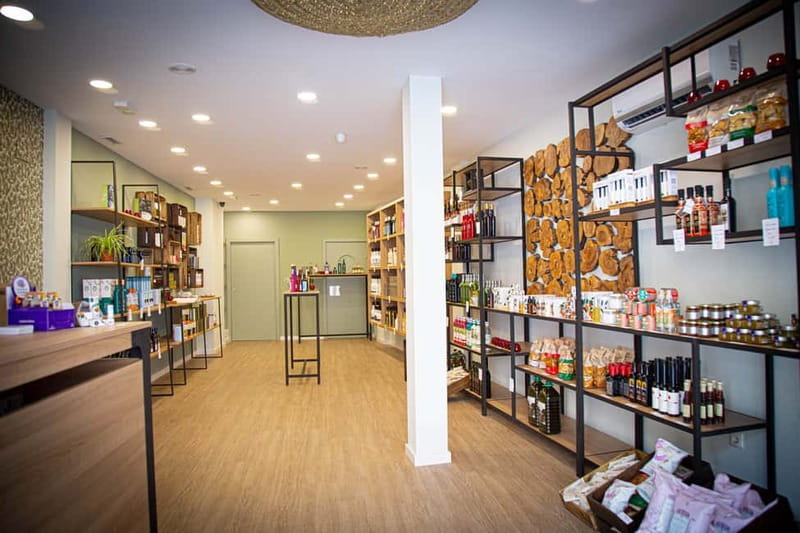
Córdoba’s olive oil tasting is more than a series of little cups on a table. You’ll learn why one oil tastes fresh and peppery while another tastes flat or flawed, then see how farming and milling shape the result. The tasting takes place at La Oleoteca de Córdoba, a central shop on Calle Ángel de Saavedra, across from the Church of Santa Ana.
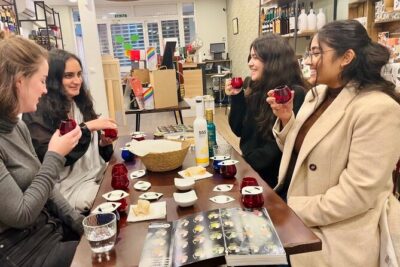
I like the small-group, hands-on format, which gives you room to ask questions instead of simply listening to a speech. I also like the practical finish: you use extra virgin olive oil and cocoa to make a typical Cordovan dessert, so the lesson moves from tasting table to kitchen.
The main consideration is that this is a focused food lesson, not a visit to an olive grove or a working mill. You’ll study the process from field to mill, but the meeting point is in central Córdoba, and the experience lasts 115 minutes.
Key points at a glance
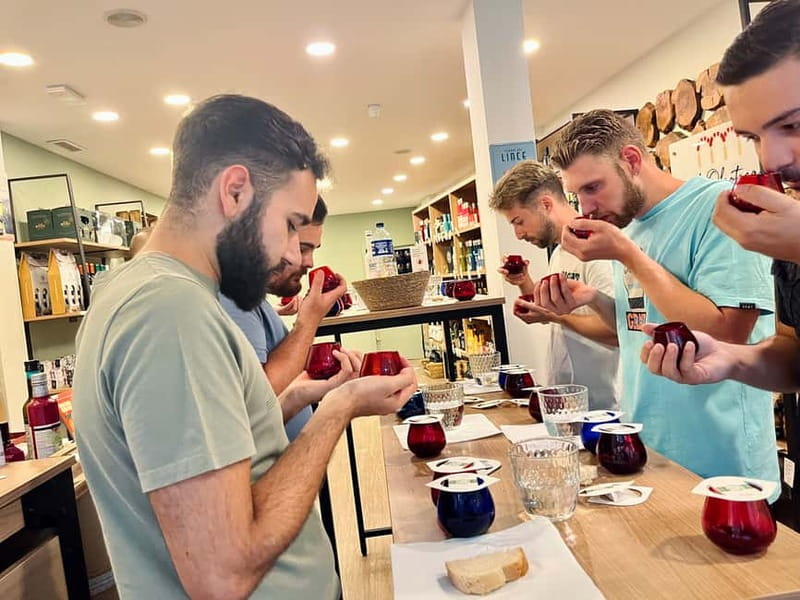
- Taste both flawed and outstanding oils: Comparing defective oils with top extra virgins teaches you more than tasting only the good stuff.
- Learn the organoleptic basics: You’ll use your senses to identify positive qualities, faults, intensity, and maturity.
- Follow olive oil from field to mill: The session explains production rather than treating oil as a mystery product.
- Put each variety to work: You’ll discuss how different oils fit different kitchen uses.
- Finish with a Cordovan dessert: Extra virgin olive oil and cocoa make the final lesson edible.
- Meet local guides in central Córdoba: Alvaro, Albert, and Maricarmen have each led sessions praised for clear explanations, humor, and warmth.
Why olive oil makes sense in Córdoba
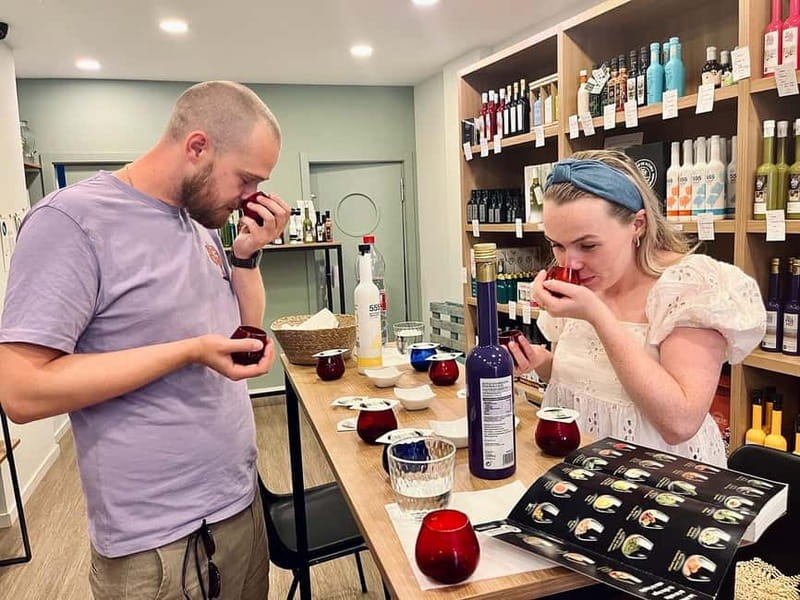
Andalusia is closely tied to olive growing, and Córdoba is a useful place to study the subject because olive oil is part of everyday Spanish cooking, not just a souvenir in a decorative bottle. This session gives you a way to understand what you are tasting before you buy or order it again.
The lesson begins with the basics of how olive oil is classified. That matters because labels can sound impressive while telling you little about flavor. You’ll look at the difference between extra virgin oils and oils with defects, then connect those categories to what you actually smell and taste.
I appreciate this approach because it avoids the usual food-tour trap. You are not simply told that one sample is better. You are given a reason. A fresh oil may show positive aromas and a lively finish, while a defective oil can reveal why proper harvesting, storage, and milling matter.
The session also covers varieties, intensity, and maturation. Those terms help you make sense of the wide range of bottles sold in Andalusia. An oil can be mild or forceful, young or more mature, and suited to different foods. You do not need to become an oil professional to benefit from that information. You only need enough vocabulary to recognize what you enjoy.
More Olive Oil Tours around Spain:
- Ronda: LA Almazara LA Organic, Olive Oil Museum and Tasting
★ 4.6 · 435 reviews - Guided tour and olive oil tasting in Alhaurin el Grande (Málaga)
★ 5.0 · 200 reviews - Guided Tasting Tour in 16th century House and Olive Oil Factory
★ 5.0 · 169 reviews
Inside the tasting at Calle Ángel de Saavedra
The meeting point is La Oleoteca de Córdoba at Calle Ángel de Saavedra number 8. It is in the center of town, opposite the façade of the Church of Santa Ana, and only a few minutes from the Judería and the Mosque-Cathedral area.
That location is handy if you are building the tasting into a day of sightseeing. You do not need to arrange a separate trip into the countryside, and the session can fit before or after time among Córdoba’s historic streets. The central setting also makes it easy to continue your day with lunch, shopping, or a visit to nearby monuments.
The tasting itself is led by a professional olive oil team in Spanish or English. Individual guides bring different personalities to the session. Alvaro received particular praise for teaching the subject clearly, while Albert was noted for an informative presentation with a good sense of humor. Maricarmen was described as warm, engaging, and very well informed.
You should expect instruction rather than a formal lecture. The experience is designed to be personalized, and the small-group format gives it a conversational feel. The exact group size can vary, but one of the strongest features reported for the session is its intimate, interactive character.
Learning how to taste oil with your senses
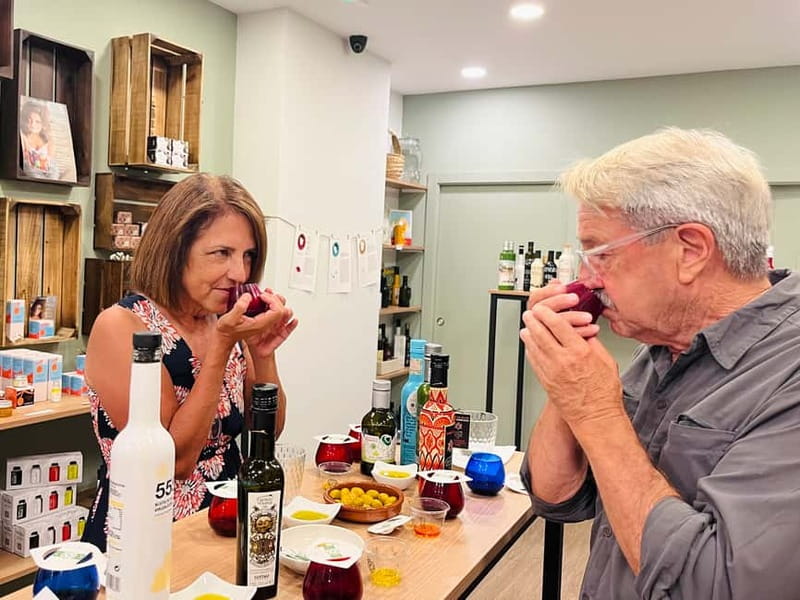
The tasting teaches the organoleptic basics, which means using your senses to assess the oil. That sounds technical, but the idea is simple: smell it, taste it, and notice what your body tells you.
You will learn to identify positive attributes. These can include the fresh character associated with good extra virgin oil, along with differences in intensity and maturity. The point is not to memorize a long list of fancy terms. It is to build a useful connection between what you sense and how the oil was made.
You also taste defective oils. This is one of the most useful parts of the experience. If you only sample excellent oils, every comparison can blur together. A faulty sample gives you a clear reference point and makes it easier to recognize problems later in a restaurant, shop, or your own kitchen.
A tasting like this rewards attention more than confidence. You do not need a trained palate. Start by noticing whether the oil smells fresh or dull, whether the taste is gentle or strong, and whether the finish feels clean or unpleasant. The instructor can then give those impressions a more precise name.
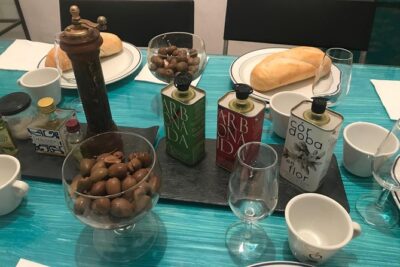
Mineral water and bread are included. They keep the tasting comfortable and give you simple ways to reset your palate between samples. Since the session includes a range of oils, those small practical touches matter.
From olive grove to mill
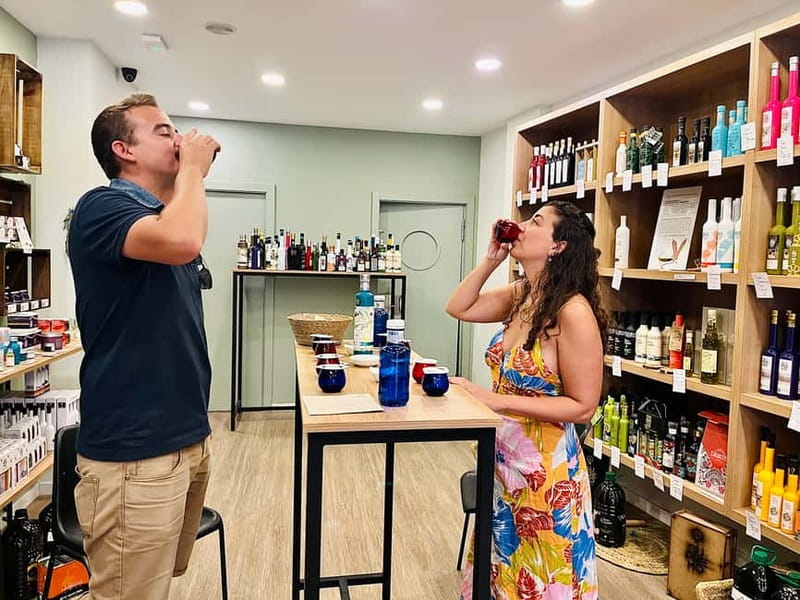
The production section follows olive oil from the field to the mill. You’ll learn how the fruit becomes oil and why each stage can affect the final flavor.
This part adds value because olive oil is often treated as if it comes directly from a label. In reality, the oil’s character depends on the olives, their maturity, and the way they are handled and processed. The session connects those steps to the aromas and flavors in your glass.
You’ll also examine how olive oil is classified. That is especially useful in Spain, where shelves are full of different bottles, regions, varieties, and price points. The lesson helps you understand what the classifications mean instead of choosing by packaging alone.
The production discussion is not the same as visiting an operating mill. If you want machinery, olive groves, or a rural farm setting, this may feel limited. If you want a compact explanation before exploring Andalusian food, the central location and two-hour format are more convenient.
Same groves, a different afternoon:
- Visit of the olive grove, olive oil tasting and snack
★ 4.9 · 111 reviews - Visit Oil Mill Museum and Olive Oil Tasting in Ronda
★ 4.5 · 105 reviews - Private Tasting of Olive Oil in Córdoba
★ 5.0 · 93 reviews - Olive Oil tasting breakfast & Tour in Cordoba
★ 4.5 · 84 reviews
Choosing the right oil for your kitchen
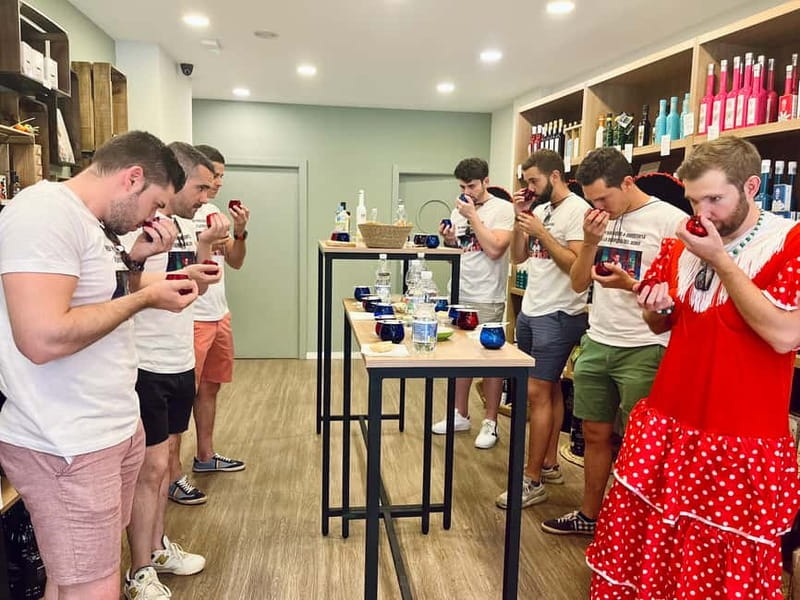
The session does not stop at tasting. You’ll discuss how to use each variety in the kitchen.
That practical angle is a strong reason to book. A forceful oil may suit a dish that can handle a bold flavor, while a gentler oil may work better when you want other ingredients to remain in charge. You’ll consider intensity and maturity rather than assuming that the most expensive bottle is always the best choice for every meal.
The lesson can also help you shop more carefully after leaving Córdoba. You may pay more attention to the oil’s variety, classification, and flavor profile. You may also stop treating extra virgin olive oil as a single, uniform ingredient.
I would not expect a full cooking class. The focus remains on olive oil tasting, production, classification, and use. The cooking element arrives at the end through a simple Cordovan dessert rather than a complete meal or extended kitchen workshop.
The cocoa and olive oil dessert
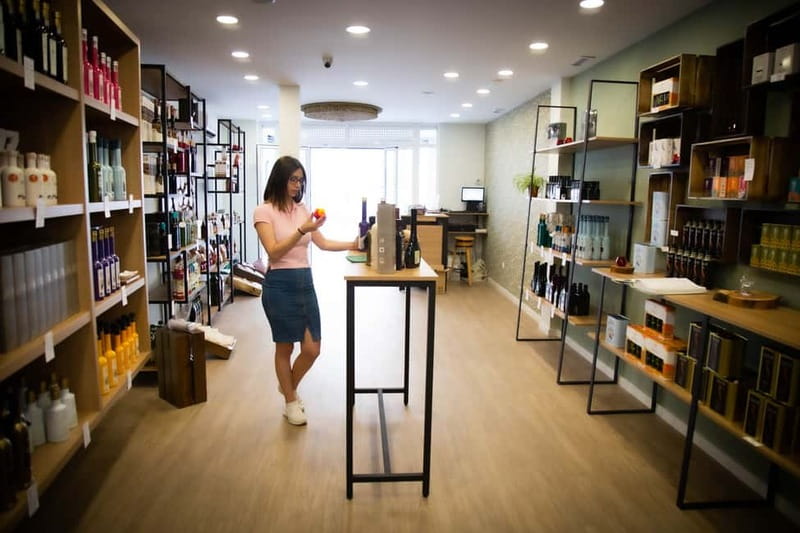
The final activity is a typical Cordovan dessert made in situ with extra virgin olive oil and cocoa. It gives the session a pleasant change of pace after the tasting.
This ending is not just a sweet treat. It shows how extra virgin olive oil can work outside the usual salad or bread pairing. The cocoa adds a different flavor setting, and you get to see the ingredient used in a local preparation rather than discussed only in theory.
Do not book this expecting a large meal. Bread and mineral water are included, and the dessert is prepared as part of the lesson. If you need lunch, plan that separately.
Is $34 a fair price?
At $34 per person, the experience is priced as a compact food lesson rather than a simple product sampling. You are paying for 115 minutes of guided instruction, professional tasting support, several types of oil, bread, water, and the dessert activity.
The value depends on your interest. If you already know olive oil well and only want to purchase a bottle, you may find the session longer than necessary. If you are curious about Andalusian food or often feel lost when comparing oils, the lesson gives you skills you can use after the visit.
The tasting is also more useful than a generic food stop because it includes defective oils as well as some of the best extra virgins. That comparison takes planning and instruction. You are not simply sampling whatever happens to be open in a shop.
The experience has a current rating of 4.4 from eight reviews. Most of the written feedback is strongly positive, with praise for the guides’ teaching, humor, warmth, and ability to make the subject interesting. One practical warning matters: a January booking was cancelled on arrival, so I would confirm the appointment if your schedule is tight.
Who will enjoy this tasting most?
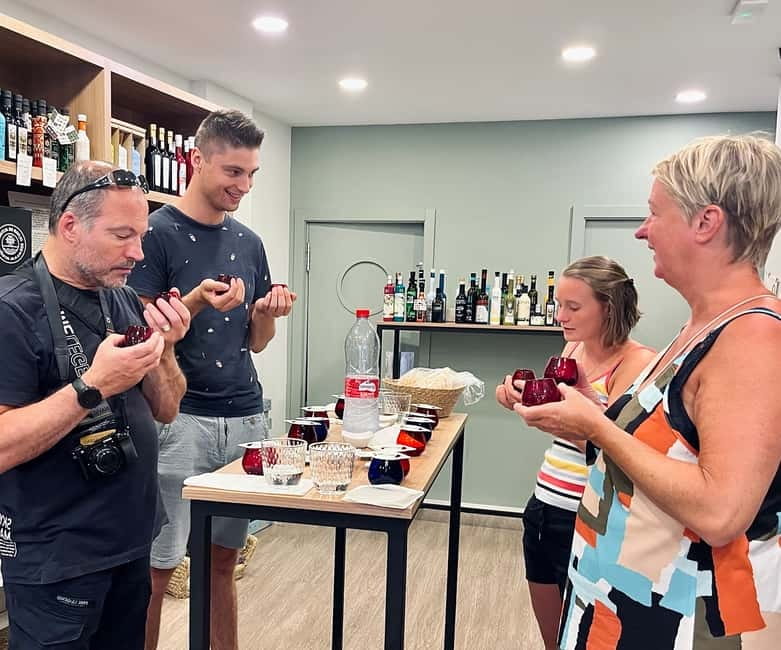
I would recommend it to anyone who likes food and wants a better understanding of one of Spain’s everyday staples. It suits curious cooks, food-focused visitors, couples, and small groups looking for an activity that is more relaxed than a major monument visit.
It is also a good choice if you have already seen the Mosque-Cathedral and want something rooted in local life. The tasting does not require a full day, and the central meeting point makes it easy to combine with Córdoba’s historic center.
Families may appreciate the short length and the interactive format, though the supplied information does not specify a minimum age. The experience is wheelchair accessible, which makes it a practical option for many visitors.
English speakers can book with an English-speaking instructor, and Spanish is also available. If you want a rural olive farm visit, a large meal, or a long cooking class, choose something else or pair this with a separate countryside excursion.
The booking terms are flexible. You can reserve now and pay later, and cancellation is free up to 24 hours before the experience for a full refund. Starting times depend on availability, so check the schedule before building the rest of your Córdoba day around it.
Should you book the Córdoba olive oil tasting?
I would book this if you want a clear, local, and useful introduction to olive oil without leaving central Córdoba. The best parts are the comparison between defective and excellent oils, the explanation of production from field to mill, and the chance to apply the lesson to a Cordovan dessert.
I would skip it if you are searching for a working farm, an olive harvest, or a substantial meal. For everyone else, $34 buys a focused 115-minute session with practical information you can carry into restaurants and Spanish food shops. Just confirm the appointment if your visit is tightly scheduled.
FAQ
Where does the olive oil tasting take place?
It takes place at La Oleoteca de Córdoba, Calle Ángel de Saavedra number 8, opposite the Church of Santa Ana. The shop is a few meters from the Judería and the Mosque-Cathedral.
How long does the experience last?
The tasting lasts 115 minutes.
How much does the tasting cost?
The listed price is $34 per person.
Which languages are available?
The experience is available in Spanish and English.
What is included?
A professional olive oil tasting team, mineral water, and bread are included. The experience also includes making a typical Cordovan dessert with extra virgin olive oil and cocoa.
Will I taste different kinds of olive oil?
Yes. You will taste defective oils as well as some of the best oils in the world, and study varieties, intensities, and maturations of extra virgin olive oil.
Is the experience wheelchair accessible?
Yes, the activity is wheelchair accessible.
Can I cancel for a refund?
Yes. You can cancel up to 24 hours in advance for a full refund.
Can I reserve now and pay later?
Yes. The reserve now and pay later option lets you keep your plans flexible. Starting times depend on availability.
Newest grove reviews around Spain
- Cazorla: Oleotour – Olive Oil Culture Initiation★ 5.0 · 3 reviews
- Cazorla: Olive grove and mill tour★ 5.0 · 2 reviews
- Cazorla: Highligts Tour with Olive Oil Tasting★ 5.0 · 2 reviews
- Aires de Jaén: Olive Oil Plantation Tour and Local Meal★ 4.9 · 9 reviews
- Olive Oil Tasting and Culinary Day Trip in Carmona★ 5.0 · 2 reviews
- Oleotourism and olive oil tasting in Seville – Private tour★ 5.0 · 7 reviews
- Cordoba Olive Oil mill, Wine, Passion★ 4.5 · 8 reviews
- Visit to Family Ecological Olive Tree and Olive Oil Tasting★ 5.0 · 3 reviews
Cordoba Olive Oil Tours, compared.

Browse the lists this tour appears in