
Review · CORDOBA OLIVE OIL TOURS
Extra Virgin Olive oil tasting
Cordoba’s olive oil story begins with breakfast. You taste several oils with bread, learn how picual differs from arbequino, and see why this part of Andalusia takes its liquid gold seriously. I like the market stop before the tasting and the relaxed way guides such as Barbara and Adrian connect oil with Cordoba’s food and past. The one drawback is that this is a tasting-room visit, not a trip to an olive grove or mill.
I also like the small-group feel reported across the sessions. You get time to ask questions, compare flavors, and buy a bottle at the end. At $15 per person, the price is fair for 75 minutes of guided tasting, though the experience suits curious food lovers more than anyone seeking a full farm tour.
Key points at a glance
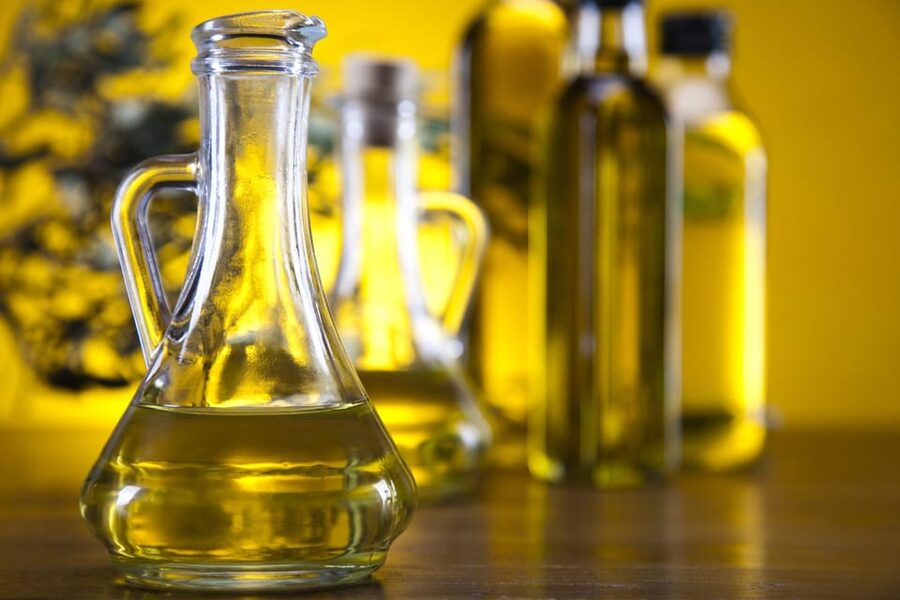
- A breakfast with local roots: Try the traditional desayuno molinero, bread served with olive oil in the old mill-worker style.
- Four important olive varieties: Learn the basic character of picual, arbequino, picudo, and hojiblanca oils.
- A market-led introduction: Meet beneath the large clock at the Corredera Market and begin with local foods before heading to the tasting room.
- English or Spanish guidance: Guides including Barbara, Adrian, Gloria, and Mara have led sessions, depending on the date.
- Useful shopping at the end: Buy the oil you prefer directly after tasting it, rather than guessing from a label.
- A short, central food activity: The 75-minute format fits neatly between Cordoba sightseeing stops.
Starting beneath the clock at Corredera Market
The meeting point is easy to identify: look for the large clock beneath the main entrance to the Corredera Square market. This gives you a practical starting place in central Cordoba, and the market adds a local-food setting before the more focused tasting begins.
Several sessions have included a short stroll through the market. You may hear about local produce, see the difference between everyday and premium foods, and choose or buy bread for the tasting. That opening matters because olive oil makes more sense when you place it beside the foods people eat with it.
The market stop is not a long guided food tour. Think of it as a useful introduction before the main event. If you arrive hungry, that is a plus. If you want a full market tour with many tastings, this activity may feel brief.
Some participants have also stopped at a bakery to choose the bread used later. The supplied information identifies the traditional bread as pan del vacar. Details can vary by session, but the basic idea stays the same: you are not tasting oil in isolation. You are tasting it in the way it belongs on an Andalusian table.
More Olive Oil Tours around Spain:
- Ronda: LA Almazara LA Organic, Olive Oil Museum and Tasting
★ 4.6 · 435 reviews - Guided tour and olive oil tasting in Alhaurin el Grande (Málaga)
★ 5.0 · 200 reviews - Guided Tasting Tour in 16th century House and Olive Oil Factory
★ 5.0 · 169 reviews
The tasting room and the molinero breakfast
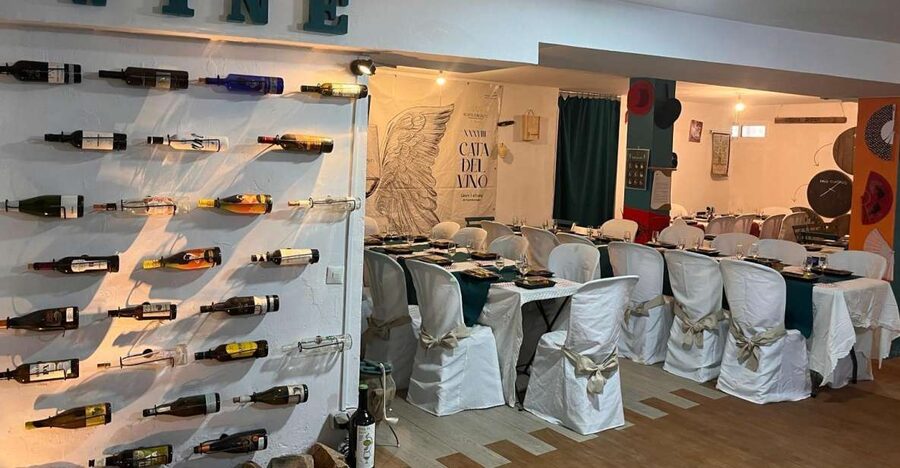
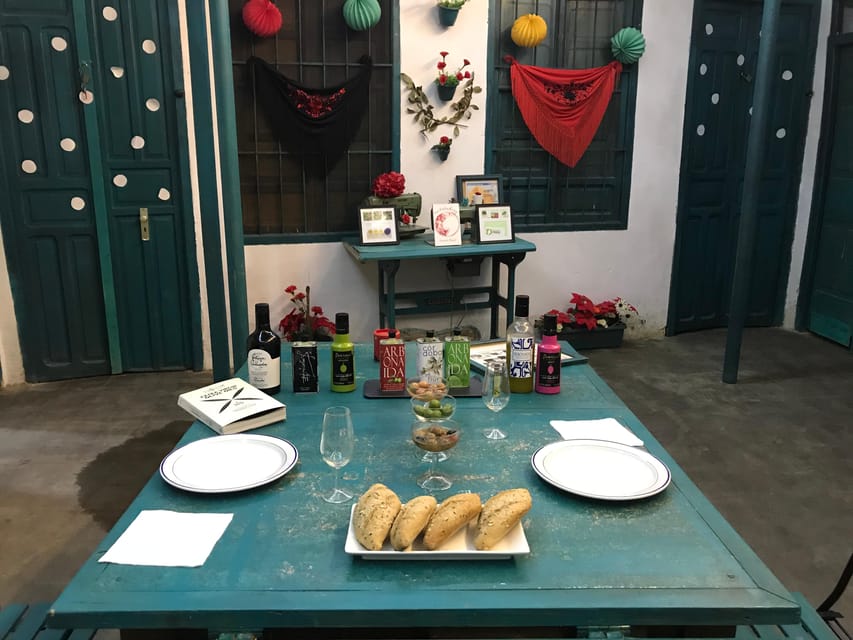
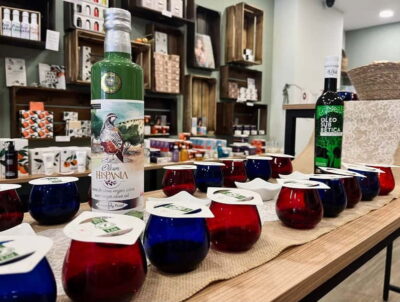
From the market, you go to the tasting room. One session described it as a cool, comfortable basement studio, while another called the setting a welcoming little wine shop. The room itself is not presented as a grand historic site. Its value is practical: you can focus on the oil, bread, aroma, and conversation.
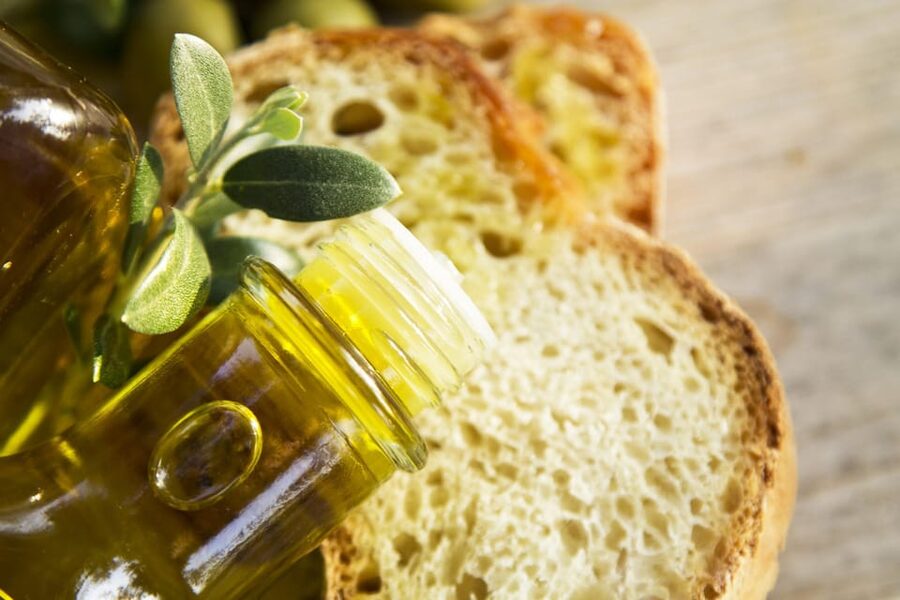
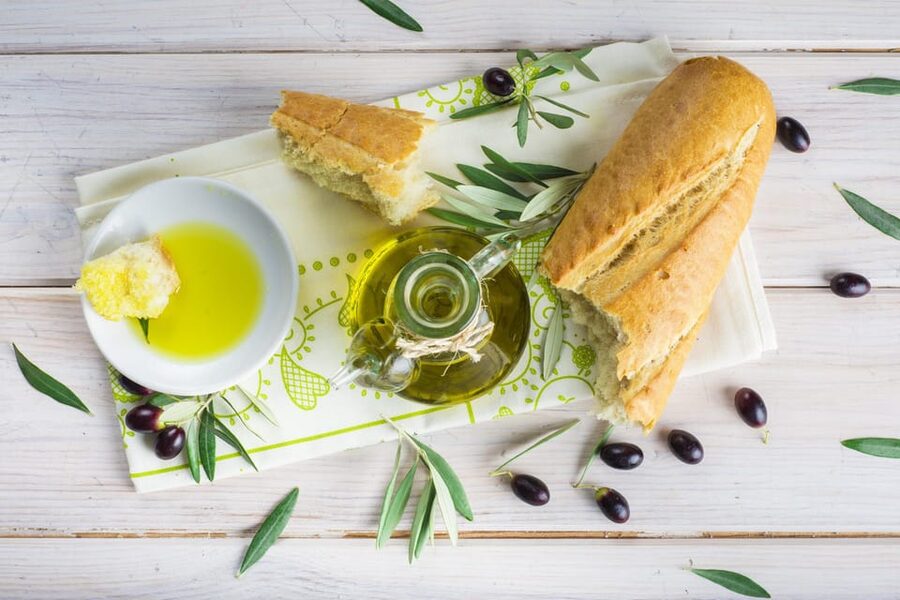
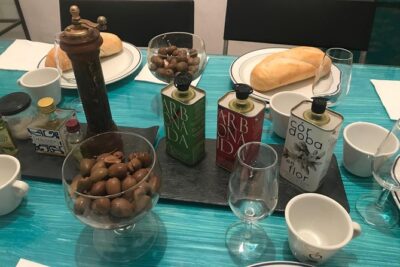
The tasting follows the old desayuno molinero, or miller’s breakfast. Bread is the base, and olive oil takes center stage. This custom helps explain why good oil is not just a cooking ingredient in Andalusia. It can be the main flavor of a simple meal.
You receive coffee and tea, along with water to clear your palate between samples. Arabic coffee from a local quality producer is also part of the experience. That small coffee detail adds another local food note without turning the activity into a general beverage tour.
The advertised tasting includes six Cordoba olive oils. One account describes seven oils, so the exact number may vary by session. Either way, you should expect several oils tasted one at a time, with bread used to carry the flavor.
Comparing picual, arbequino, picudo, and hojiblanca
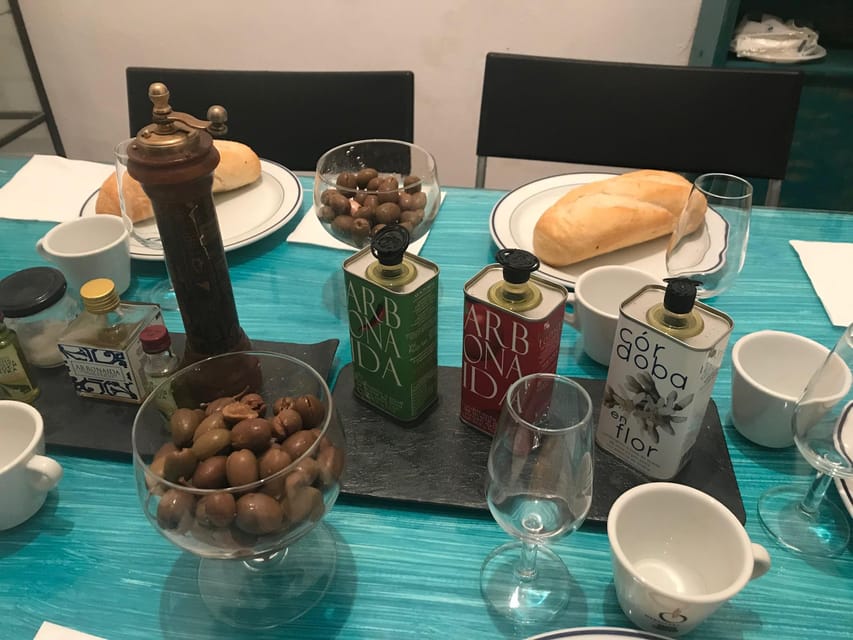
The best reason to book this activity is the side-by-side comparison. A supermarket label may tell you that oil is extra virgin, but it does not teach you how different two bottles can taste. Here, the guide introduces the olive variety, where it is grown, and how the finished oil reaches the bottle.
The four varieties named for the session are picual, arbequino, picudo, and hojiblanca. You learn their organoleptic characteristics, meaning the things you can notice with your senses: smell, taste, bitterness, fruitiness, and the peppery feeling that can appear in a good oil.
You do not need formal tasting skills. The guide leads you through the process, and the bread makes the exercise simple. Taste one oil, note what you notice, clear your palate with water, and compare it with the next.
This is where the experience earns its modest price. You are not just eating bread with oil. You are learning why oils from different olives can have distinct personalities, even when both meet the extra virgin standard.
The session also covers what makes an oil extra virgin and how production affects the result. That includes the path from tree to bottle, the harvesting and processing stages, and the standards used for quality. The material is practical enough for a first-time taster, but there is room for questions if you already know your way around Spanish food.
From olive tree to bottle
Cordoba is one of the world’s major olive oil producing areas, and the activity uses that local setting well. Instead of treating olive oil as a souvenir with a pretty label, the guide explains how it fits into the region’s agriculture, food, and older household habits.
You learn about olive varieties and the process used to make the oil. The exact production details can change by producer, but the session covers the route from olives on the tree to the final product. You also hear about the old ways people consumed oil and why it remains so important in Spanish cooking.
The personal side of the teaching can be a strong point. Barbara, one of the guides named in the feedback, has spoken about growing up in a family that has made olive oil since the 1700s. That kind of family connection gives the lesson a human scale. It turns production from an abstract factory process into something tied to people and place.
Other named guides include Adrian, Gloria, and Mara. Adrian has been praised for linking the tasting with Cordoba’s food and past. Gloria has led tastings that connect the oils with the olive plantations of the region. Mara has been described as engaging and good at explaining the differences between oils.
You should not book based on one particular guide, since staff can vary. Still, the repeated pattern is clear: the teaching is a central part of the activity, not something added between samples.
Same groves, a different afternoon:
- Visit of the olive grove, olive oil tasting and snack
★ 4.9 · 111 reviews - Visit Oil Mill Museum and Olive Oil Tasting in Ronda
★ 4.5 · 105 reviews - Private Tasting of Olive Oil in Córdoba
★ 5.0 · 93 reviews - Olive Oil tasting breakfast & Tour in Cordoba
★ 4.5 · 84 reviews
Why the tasting feels more useful than a souvenir stop
Many olive oil shops invite you to taste a few bottles, then encourage you to buy. This activity gives you more tools for making that choice. You can compare oils first, ask how they were made, and decide which one suits your taste.
The in-person shop is available at the end. If you find an oil you like, you can buy it for yourself or take bottles home for friends and family. The practical benefit is obvious: you avoid buying an expensive bottle based only on packaging.
Do check your own luggage and customs rules before purchasing several bottles. The activity information confirms that oil is available to buy, but it does not provide shipping details or baggage guidance. For many people, one well-chosen bottle will be easier than a large haul.
The shopping element does not need to dominate your visit. You can enjoy the tasting without buying anything. That makes the $15 fee easier to judge, since the activity has value even if you leave empty-handed.
How much time and money should you allow?
The stated duration is 75 minutes. Some sessions have lasted about an hour and a half, so allow a little breathing room if your schedule is tight. The market walk, bread stop, questions, and number of oils can affect the finish time.
At $15 per person, this is an inexpensive food activity in Cordoba. You receive several olive oils, bread, coffee or tea, instruction, and a guided look at local food traditions. The price is especially good if you are interested in Spanish cooking or plan to buy olive oil afterward.
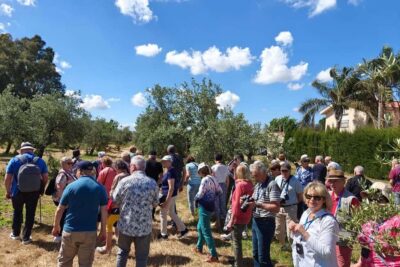
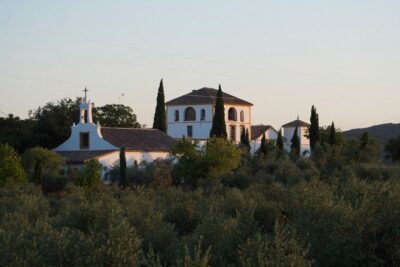
The value is less clear if you expect transportation into the countryside, an olive grove visit, a working mill, or a full meal. None of those are promised. This is a city-center tasting with a market introduction and a compact lesson.
The booking terms are also flexible. You can cancel up to 24 hours before the activity for a full refund, and you can reserve now and pay later. Starting times depend on availability, so check the time against your Cordoba plans.
Who will enjoy this most?
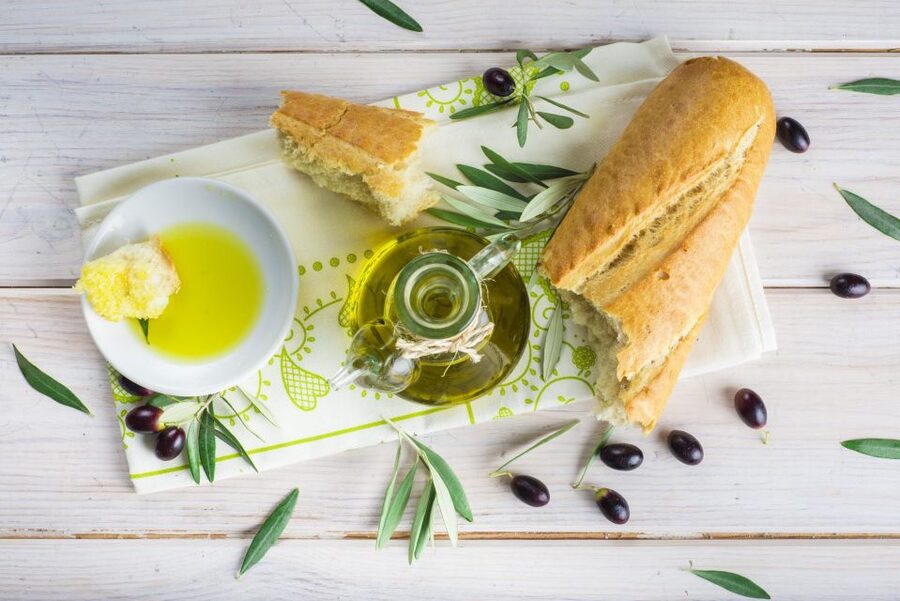
I would recommend this for anyone who likes food but wants more than a quick sample. You will get the most from it if you are willing to smell, taste, compare, and ask why one oil feels different from another.
It works well for couples, families with older children, and small groups of friends. The sessions are described as personal and friendly, and the guides use humor as well as instruction. You should finish with a better sense of what you like, even if you never become an olive oil expert.
It is also a good break from churches, palaces, and museums. Cordoba can fill a day with major sights, but this activity gives you a direct connection to an everyday part of Andalusian life.
The activity is less suitable if you use a wheelchair, since it is specifically listed as not suitable for wheelchair users. It may also disappoint anyone who wants a large formal meal, a rural drive, or a long technical class on agricultural production.
Small details that improve the visit
Meet at the clock beneath the market entrance, not simply at the general square. The clear landmark should make the start easier, but arrive ready to identify the correct entrance.
Wear something comfortable for a short market walk and tasting-room visit. No special clothing or equipment is listed. Bring an open mind about bitterness and pepperiness, since extra virgin oils can taste stronger than the mild oils many people use at home.
If you are interested in taking oil home, ask your guide which bottle best matches the flavor you preferred. You have already done the useful work by comparing the varieties, so the purchase becomes more personal and less of a guess.
The activity is offered in English and Spanish. If you need one language in particular, confirm it when choosing your time, since the available guide may change.
Should you book the Cordoba olive oil tasting?
Yes, if you want a short, good-value food activity with a local focus. The market introduction, traditional bread, Arabic coffee, several Cordoba oils, and clear explanation of production make this more rewarding than a simple shop tasting.
I would book it early in your Cordoba stay if possible. Then you can use what you learn when ordering food or shopping for oil later. Just keep your expectations in check: this is a city tasting, not a farm visit, and the exact number of oils or final duration may vary.
For $15, the combination of food, culture, and practical tasting skills is hard to fault. Skip it only if accessibility is a concern or if your main aim is to visit olive groves outside the city.
FAQ
Where does the olive oil tasting begin?
Meet beneath the large clock at the main entrance to the Corredera Square market in Cordoba.
How long does the activity last?
The stated duration is 75 minutes. Some sessions have lasted about an hour and a half, so allow extra time if your schedule is close.
How much does the tasting cost?
The listed price is $15 per person.
Which olive oils will I taste?
The activity includes six olive oils from Cordoba. The named varieties are picual, arbequino, picudo, and hojiblanca. One session included seven oils, so the exact number may vary.
Is food included?
Yes. Bread for the traditional desayuno molinero is included, along with coffee and tea. Arabic coffee from a local producer is also available.
Is the activity offered in English?
Yes. The instructor languages are English and Spanish.
Can I buy olive oil after the tasting?
Yes. An on-site shop lets you buy the oils you prefer for yourself, friends, or family.
Can I cancel or pay later?
You can cancel up to 24 hours in advance for a full refund. You can also reserve now and pay later.
Newest grove reviews around Spain
- Córdoba: Olive Oil Tasting Experience★ 4.4 · 8 reviews
- Cazorla: Oleotour – Olive Oil Culture Initiation★ 5.0 · 3 reviews
- Cazorla: Olive grove and mill tour★ 5.0 · 2 reviews
- Cazorla: Highligts Tour with Olive Oil Tasting★ 5.0 · 2 reviews
- Aires de Jaén: Olive Oil Plantation Tour and Local Meal★ 4.9 · 9 reviews
- Olive Oil Tasting and Culinary Day Trip in Carmona★ 5.0 · 2 reviews
- Oleotourism and olive oil tasting in Seville – Private tour★ 5.0 · 7 reviews
- Cordoba Olive Oil mill, Wine, Passion★ 4.5 · 8 reviews
Cordoba Olive Oil Tours, compared.
Browse the lists this tour appears in