
Review · OLIVE GROVE WALKS
Visit olive grove centenary with oil tasting course
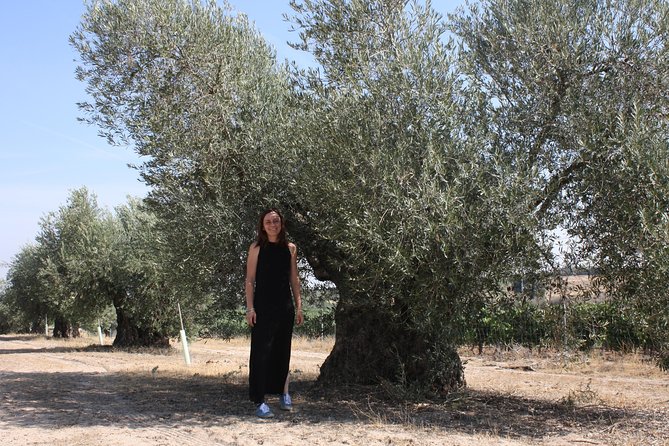
A grove of 300-year-old olive trees is the star here. In Arcicóllar, outside Toledo, you walk among ancient trees while learning how olives reached the Iberian Peninsula, how organic farming works, and why the local Cornicabra variety matters.
I like the practical tasting lesson, especially the advice on reading olive-oil labels and understanding bitterness, peppery heat, color, and acidity. I also like the generous local finish: Manchego cheese from the family’s own sheep, bread with tomato and olive oil, and wine made from their grapes. The main drawback is that this is a rural visit with limited facilities, and meeting-point directions have caused confusion in the past.
Key points to know before booking
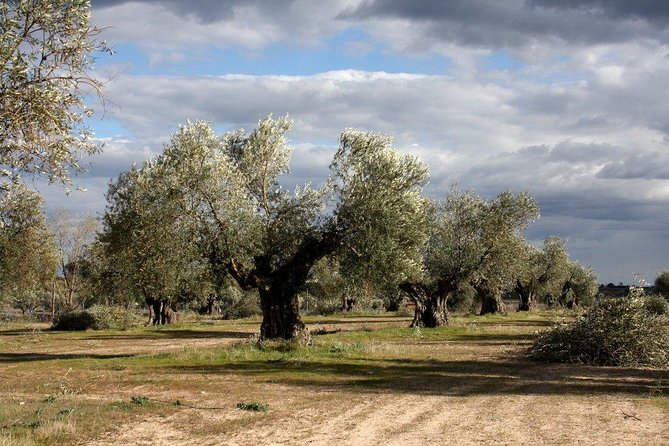
- 300-year-old organic grove: See ancient olive trees and learn how the farm protects soil, trees, and biodiversity.
- Hands-on oil tasting: Compare different oils and learn what bitterness, peppery heat, color, and acidity really mean.
- Family-run experience: Laura, a biologist, and Guillermo share the work and history behind their farm.
- Local food and wine: Taste family-produced wine, Manchego cured sheep cheese, bread, tomato, and olive oil.
- Small enough to feel personal: The group limit is 30 people, with the visit lasting about two hours.
- Rural practicalities: The meeting point is in Arcicóllar, and outdoor conditions can be hot, windy, or weather-dependent.
Meeting an ancient olive grove near Toledo
The visit begins at 10:00 am at C. Visitación, 12, 45182 Arcicóllar, Toledo. This is not a polished estate with grand gates and souvenir displays. It is a working family farm, and that gives the experience its character.
Laura and Guillermo run the grove, and Laura also has a background in biology. Their explanations connect farming with the natural world around the trees. You learn not only how olives are grown, but also why organic methods, wildflowers, and biodiversity matter to the final bottle of oil.
The old trees are the visual highlight. More than three centuries old, they give you a direct link to the farming traditions of Castilla-La Mancha. The visit also explains how olive trees arrived in the Iberian Peninsula and why olive cultivation became so important across Spain.
I like that the tour treats the grove as a living farm rather than a museum piece. You hear about the work done throughout the year, from caring for the trees to preparing for harvest and producing extra-virgin olive oil. The focus is on the real effort behind a product that many people use every day without thinking much about its origin.
The walking is not demanding. You spend time outdoors among the trees, and much of the route can be in the shade. Still, this is a countryside activity, so sensible shoes, water, and sun protection are good ideas. One visit took place during a heat wave, yet the hosts provided water and straw hats. That is reassuring, but I would still dress for strong sun, especially in summer.
More Olive Grove Walks in Spain
- Visit of the olive grove, olive oil tasting and snack
★ 4.9 · 111 reviews - Jaen: Olive oil tour with the 5 senses, grove and tasing
★ 4.9 · 53 reviews - Córdoba: Visit a family organic olive grove with tasting
★ 5.0 · 30 reviews
Why the Cornicabra olive matters
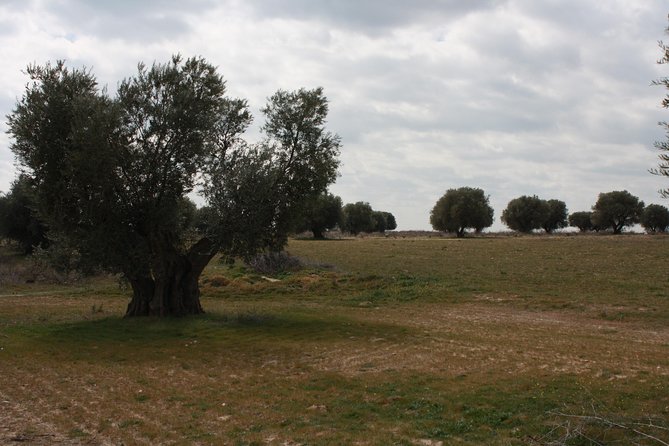
The farm gives special attention to the Cornicabra variety, an olive associated with central Spain. The tour uses this local type to explain how the character of an oil depends on the olive, the harvest, and the production method.
You will not simply hear that one oil is good and another is bad. The aim is to help you identify differences for yourself. A peppery sensation at the back of the throat can be a positive sign. Bitterness can also be part of a sound, fresh oil. These qualities often surprise people who expect olive oil to taste mild and smooth.
This is where the visit becomes useful beyond the morning itself. Once you understand the basic flavors, you can make better choices in a shop. The lesson covers label information, acidity, and the limits of judging an oil by its color.
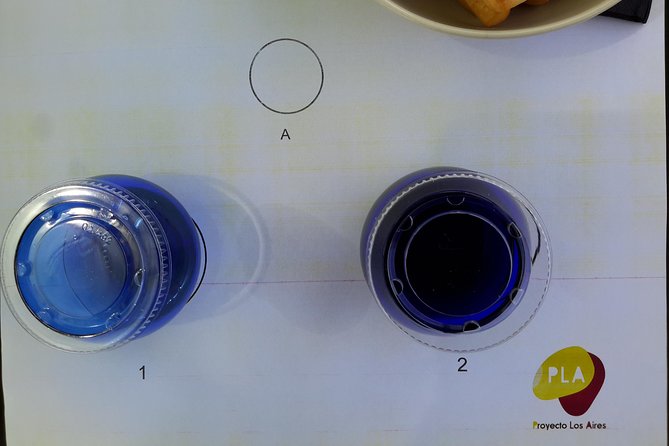
Color is a particularly helpful point. Bright green oil may look impressive, but color alone does not prove quality. A proper tasting is usually done in a way that keeps appearance from controlling your judgment. The lesson here helps separate what looks attractive from what smells and tastes fresh.
The hosts also explain categories of oil, including why lampante oil is not something you want to confuse with quality extra-virgin olive oil. You leave with a clearer sense of what to look for, rather than a vague feeling that one bottle tastes nicer than another.
The oil tasting course in plain language
The tasting is the most educational part of the activity. You sample several oils and compare their aromas and flavors under Laura’s guidance. She explains what to notice and answers practical questions as they come up.
Expect discussion of:
- Bitterness and peppery heat
- Acidity and what it does, and does not, tell you
- Color and why it is not a reliable quality test
- Differences between oil categories
- Label details that help you shop with more confidence
The tasting is designed for beginners, so you do not need special vocabulary or previous experience. I like the way it turns a familiar pantry item into something you can examine with your senses.
The lesson is also flexible. Strong wind once moved the tasting from the grove to the family’s office in town. That is a sensible change, since an outdoor tasting is less enjoyable when cups and papers are blowing around. The setting may change with the weather, but the useful part of the activity remains.
If you are already an olive-oil enthusiast, you may find the introductory material familiar. The value for you will be the local focus, the Cornicabra variety, and the chance to connect tasting with an operating organic farm. For most people, the comparison of samples is enough to make this feel like more than a standard farm walk.
A simple Manchego and wine finish
After the grove and tasting, you sit down for a small local food course. The serving includes cured Manchego sheep cheese, made by the family using its own livestock, along with bread, tomato, and olive oil.
This is not presented as a full restaurant meal. Think of it as a substantial tapa or light rural lunch. It gives you a chance to taste the oil in a familiar Spanish combination, where bread, tomato, salt, and cheese help show how the oil works with food.
The wine comes from grapes grown on the family’s property. That extra homemade element adds to the sense that you are seeing several parts of the farm’s work in one visit. You taste the oil, then pair it with local food and the family’s own wine rather than being handed unrelated packaged snacks.
A vegetarian option is available. The food has also worked well for families, including groups with teenagers. That matters if you are planning a day outside Toledo and want an activity that appeals to different ages without turning into a long lecture.
The pace is relaxed. You are not rushed from one display to another, and the meal gives you time to ask questions. The hosts have been described as warm and welcoming, with an easy, personal way of explaining their work. I would expect the tone to feel more like being shown around a family farm than attending a formal agricultural class.
Same groves, a different afternoon:
- Ronda: LA Almazara LA Organic, Olive Oil Museum and Tasting
★ 4.6 · 435 reviews - Guided tour and olive oil tasting in Alhaurin el Grande (Málaga)
★ 5.0 · 200 reviews - Guided Tasting Tour in 16th century House and Olive Oil Factory
★ 5.0 · 169 reviews - Visit Oil Mill Museum and Olive Oil Tasting in Ronda
★ 4.5 · 105 reviews
What the two-hour schedule feels like
The stated duration is about two hours. That is enough time for a proper introduction to the grove, a useful tasting, and the food and wine without taking over your whole day.
The exact order can change. Weather, wind, and practical farm conditions may affect where the tasting happens. The visit may begin outdoors, then move to an office or refurbished farm building for the tasting and food.
You should not expect long-distance walking. The route through the olive grove is gentle, but you are outside for much of the experience. In hot weather, that makes the supplied water and occasional shade important. In wet or poor weather, the activity may be canceled or moved to another date.
The group limit is 30 people. That is not a private tour, but it is still a manageable size for a guided tasting. If the group is full, ask questions promptly so you can hear the explanations and take part in the comparisons.
The price and what you receive
At $35.82 per person, this is reasonably priced for a two-hour farm visit that includes guided instruction, several oil samples, local cheese, bread with tomato and oil, and a glass of property-made wine.
The value is strongest if you want more than a quick tasting. You are paying for access to a working organic grove, an explanation of year-round farming, a lesson in oil quality, and food produced or sourced through the family’s own farm connections.
It is less compelling if you only want to buy a bottle of olive oil or take a short photo stop. The experience is educational by design. You need to be willing to spend time listening, tasting, and asking questions.
The price also makes this a useful choice for families or small groups looking for a distinct activity near Toledo. You get local food and agricultural context without committing to a full-day excursion. Transport is not described as included, so you need to arrange your own way to Arcicóllar.
Getting to the meeting point and avoiding confusion
The listed meeting point is C. Visitación, 12, 45182 Arcicóllar, Toledo, Spain, and the activity ends back there. The precise address matters because this is a rural setting rather than a major tourist attraction with a clear entrance.
One past arrival became confusing because an address entered into a map led to an off-road route. The hosts solved the problem by calling and sending the correct meeting-point information. I would still check the address before leaving and keep your phone available around the start time.
The activity is offered in English, and confirmation is provided when you book. Public transportation is nearby, though the information does not specify a particular route or schedule. You should not assume that a Madrid or Toledo hotel pickup is included.
For a smooth morning, aim to arrive with time to spare. Rural roads and map pins can be less clear than city streets, and the tour starts at 10:00 am.
Heat, wind, shade, and farm facilities
Weather is a real part of this experience. The grove can be beautiful in spring, when wildflowers are in bloom, but summer may bring intense heat. Strong wind can also change the plan, moving the tasting indoors.
Bring water, a hat, sunscreen, and clothing suited to the forecast. Straw hats may be available, but I would not rely on that. Comfortable shoes are enough because the walk is not extensive, though the ground is still rural.
Bathroom information is inconsistent. One account describes no bathroom at the grove, while another describes clean bathrooms in a refurbished hen house where food and tasting took place. The safest advice is to use facilities before leaving town and ask the hosts about current arrangements when you confirm.
Service animals are allowed, and most people can take part. The activity requires suitable weather and a minimum number of participants. If poor weather or low enrollment causes cancellation, you are offered another date or a full refund.
Who will enjoy this most
I would recommend this visit to anyone curious about Spanish food production, especially if olive oil is more than a cooking afterthought. It suits people who enjoy meeting small producers and learning how a local product is made from soil to table.
Families can also make good use of it. The walk is manageable, the tasting is hands-on, and the bread, cheese, tomato, and wine create a pleasant finish. Teenagers may not care about farming theory at first, but the sensory part gives them something concrete to do.
This is also a good fit for visitors staying in the Madrid and Toledo area who want a countryside outing with a clear local identity. You see old trees, hear about organic farming, taste a regional oil, and eat food tied to the farm.
I would be more cautious if you dislike outdoor heat, have strict mobility needs, or want a polished attraction with guaranteed indoor facilities. The tour is friendly and well organized in spirit, but the setting remains rural and weather-sensitive.
Should you book the olive grove visit?
Book it if you want a personal introduction to Castilla-La Mancha’s olive culture, not just another sightseeing stop. The ancient grove, Cornicabra oil tasting, family-produced wine, and Manchego snack give the two hours a clear sense of place.
The strongest reason to go is the tasting lesson. You learn how to judge oil by smell and flavor, understand label language, and stop treating color as a quality shortcut. That knowledge stays useful after your Spanish holiday ends.
Before booking, confirm the exact meeting details and ask about current bathroom arrangements. Plan for sun, allow time to reach Arcicóllar, and remember that weather can affect the schedule.
At $35.82, I see this as good value for food lovers, families, and anyone making a Madrid or Toledo area itinerary more local. Skip it only if you want a city-center activity or dislike farm visits. For everyone else, it offers a relaxed, practical look at Spanish olive oil with a very good snack at the end.
FAQ
Where does the olive grove experience begin?
It begins at C. Visitación, 12, 45182 Arcicóllar, Toledo, Spain, and ends back at the same meeting point.
What time does the activity start?
The start time is 10:00 am.
How long does the experience last?
The activity lasts about two hours.
Is the experience offered in English?
Yes. The activity is offered in English.
What food and drink are included?
The experience includes a serving of cured Manchego sheep cheese, bread with tomato and olive oil, and a glass of wine made from grapes grown on the family’s property.
How many people can join the activity?
The maximum group size is 30 people.
Can I cancel for a full refund?
Yes. You can cancel at least 24 hours before the start time for a full refund. Cancellations made less than 24 hours before the start time are not refunded.
What happens if the weather is poor or the minimum group size is not reached?
If poor weather or insufficient enrollment causes cancellation, you are offered a different date or experience, or a full refund.
Newest grove reviews around Spain
- XXI Century Olive Oil Mill Tour★ 5.0 · 3 reviews
- Visit to an olive oil mill and oil tasting with aperitif and food and wine pairing.★ 5.0 · 2 reviews
- Treurer: Tapas Gourmet and Extra Virgin Olive Oil★ 4.7 · 3 reviews
- Ulldecona: Guided Tour of the Millenary Olive Trees of Arión★ 5.0 · 2 reviews
- Olive Oil and Winery Tour from Zaragoza City★ 5.0 · 4 reviews
- Olive Oil Private Full-Day Tour with Tasting in Valencia★ 5.0 · 2 reviews
- Olive Oil Factory from Seville Private Tour★ 5.0 · 2 reviews
- Olive Oil Tasting Experience in Sevilla★ 5.0 · 2 reviews
Olive Grove Walks, compared.
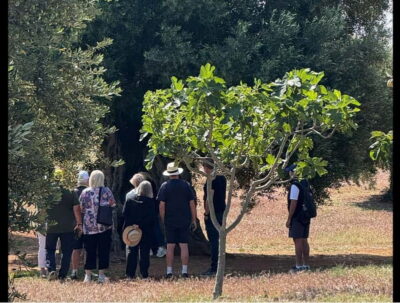
Masseria tour among thousand-year-old olive trees with oil tasting
Read our review →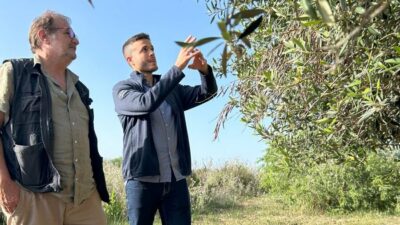
Olive Grove Tour with Wines & Olive Oil Tasting
Read our review →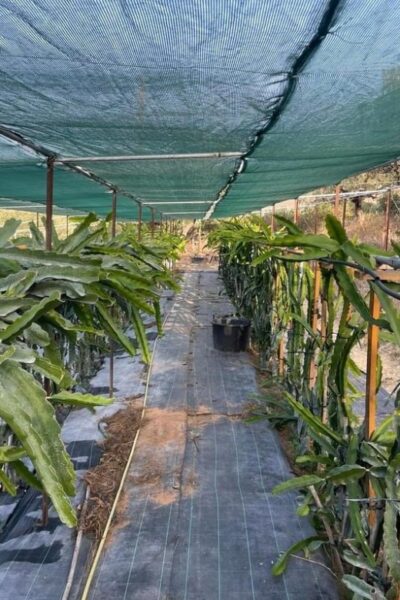
Traditional Olive Grove and Dragon Fruit Farm Tour
Read our review →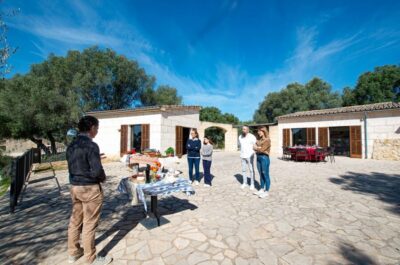
Visit of the olive grove, olive oil tasting and snack
Read our review →
Bologna: Olive Grove and Vineyard Tour with Product Tastings
Read our review →
Balestrate Olive Grove Tour: Wine and Olive Oil Tasting
Read our review →
Guided tours of the olive grove with oil tasting.
Read our review →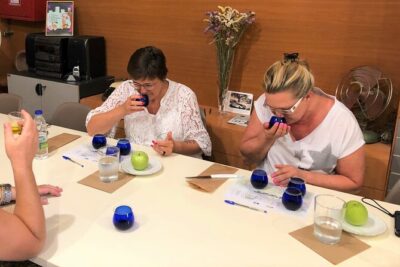
Organic Olive Grove tour & Olive oil tasting & lunch in Kalamata!
Read our review →Browse the lists this tour appears in