
Review · OLIVE GROVE WALKS
Jaen: Olive oil tour with the 5 senses, grove and tasing
The most interesting part of this Jaén olive oil tour is that it shows you three different ways to grow olives before you taste the result. At Aires de Jaén’s Finca Badenes, you walk through traditional, intensive, and super-high-density plantations, so olive farming becomes something you can see rather than just hear about.
I like the clear link between field and bottle, and I like that the final tasting is led by people from the Aires de Jaén laboratory. You learn how to use your senses properly, not simply which oil tastes good. The main consideration is that this is an estate visit in the countryside, not a Jaén city tour, so you need to reach the meeting point in Jabalquinto yourself.
Key points to know before you go
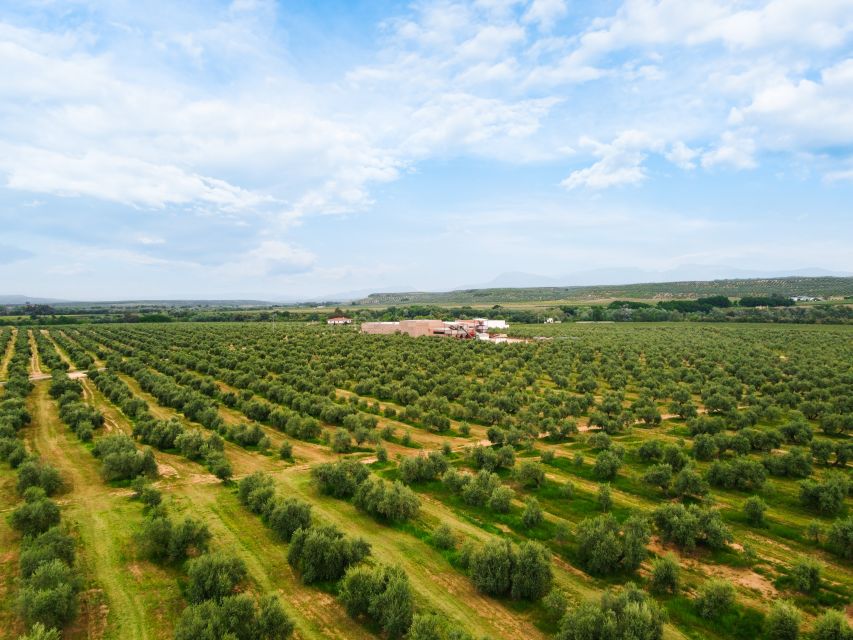
- Three farming methods in one estate: Compare traditional, intensive, and super-high-density olive cultivation.
- A real oil mill visit: See how extra virgin olive oil is produced through mechanical processing.
- A guided sensory tasting: Learn how to assess aroma and flavor with help from Aires de Jaén staff.
- Tapas are included: The tasting has a small food pairing, but this is not a full lunch.
- A compact two-hour format: The visit gives you a focused look at olive production without taking up a whole day.
- English and Spanish tours: The activity is wheelchair accessible, with comfortable shoes and sun protection recommended.
Why this Jaén olive oil tour is worth your time
Jaén is closely tied to olive oil, and this visit gives you a useful way to understand that connection. Instead of treating oil as a souvenir on a shop shelf, the tour follows it from the grove to the mill and then to your glass.
That sequence matters. You first see the trees and the farming systems, then learn how the fruit is processed, and finally taste the finished oil. Each stage answers a practical question: how are olives grown, how is oil extracted, and how can you tell one oil from another?
The tour costs $23 per person and lasts two hours. I consider that good value if you are already in the Jabalquinto area or arranging your day around Jaén’s olive country. The price includes the estate tour, a guide, extra virgin olive oil tasting, and tapas. It does not include lunch, so plan this as a morning or afternoon activity rather than a meal replacement.
The 4.9 rating from 53 ratings also fits the shape of the experience. The strongest praise focuses on the friendly guides, the useful explanations, the interactive format, and the chance to taste several oils after seeing how they are made. One practical note came up clearly: the meeting point is at the Aires de Jaén estate, in an office complex on the property. Allow yourself time to identify the correct building.
More Olive Grove Walks in Spain
- Visit of the olive grove, olive oil tasting and snack
★ 4.9 · 111 reviews - Córdoba: Visit a family organic olive grove with tasting
★ 5.0 · 30 reviews - Granada in EVOO: Olive grove guided tour and sensory tasting
★ 4.8 · 26 reviews
Walking through Finca Badenes and three olive plantations
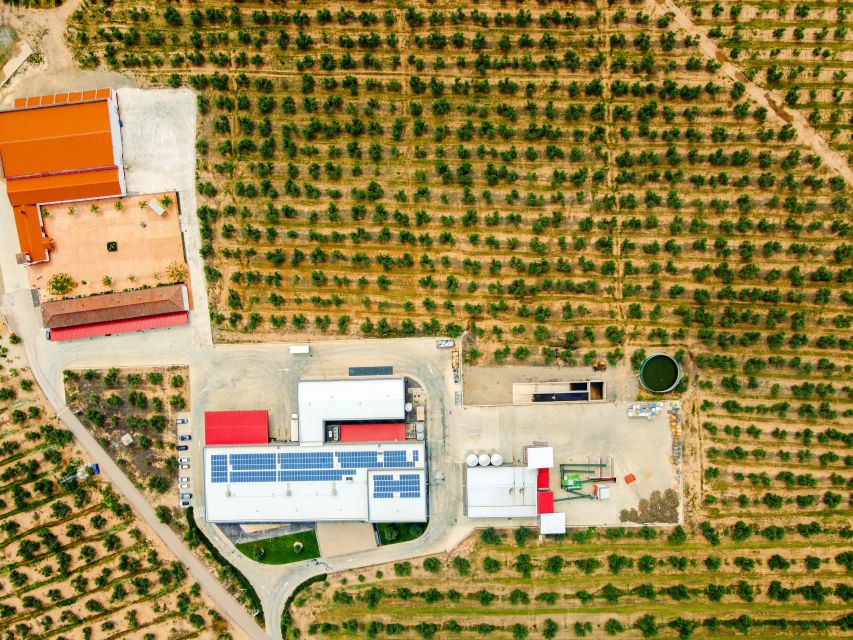
The tour begins outdoors at Finca Badenes. This first walk gives you a chance to see the olive estate before entering the production area, and it places the rest of the visit in context.
The key feature is the comparison of three cultivation systems. You visit traditional, intensive, and super-high-density plantations. The value here is not only the number of trees. You get a basic lesson in how different farming methods shape the way an estate is organized and managed.
Traditional olive farming gives you the clearest sense of the classic olive grove, with trees spaced in a way that reflects older methods of cultivation. Intensive farming takes a more controlled approach, while super-high-density farming places trees much closer together. The exact technical details are explained during the visit, but seeing all three systems on one estate makes the contrast easier to grasp.
I like this part because it moves beyond the usual picture of one tree standing in a dry field. Olive production has different models, and each one has practical effects on the work done in the grove. You can ask questions about cultivation and learn how the farm uses more than one approach.
Bring comfortable shoes. The tour includes a walk through the plantations, so this is not an experience to attend in formal footwear. Sunglasses, a hat, water, and comfortable clothing are also sensible choices, especially in bright weather.
The outdoor portion may be the least appealing part for anyone who wants a purely indoor food tasting. You are visiting a working estate, so expect the grove walk to be an important part of the experience. For most people interested in olive oil, that is a strength rather than a nuisance, but it is worth knowing before you book.
What the oil mill reveals about extra virgin olive oil
After the groves, the tour moves to the oil mill. Here you learn about the mechanical process used to obtain extra virgin olive oil.
This is where the earlier walk starts to make sense. The quality and character of oil are not created only at the tasting table. They depend on the olives, the farming approach, and the way the fruit is handled and processed. The mill visit gives you a look at that production stage without turning the tour into a long technical lecture.
The focus is on how extra virgin olive oil is produced mechanically. That distinction is useful because many people buy olive oil without knowing what the label means or how the oil reaches the bottle. The guide explains the process in plain terms, and you can connect the machinery and mill area with the grove you have just visited.
I would pay close attention here if you cook with olive oil. The visit can help you think about oil as an ingredient with its own qualities, not just a general-purpose cooking liquid. The tour also covers different uses of the varieties, which is especially helpful when you want to choose an oil for cooking, dressing, dipping, or finishing a dish.
The mill section may be less visually dramatic when the facility is not operating at full production, since the information matters as much as the machinery. Still, it gives you a working explanation of a process that is often hidden from the buyer.
Learning to taste oil with all five senses
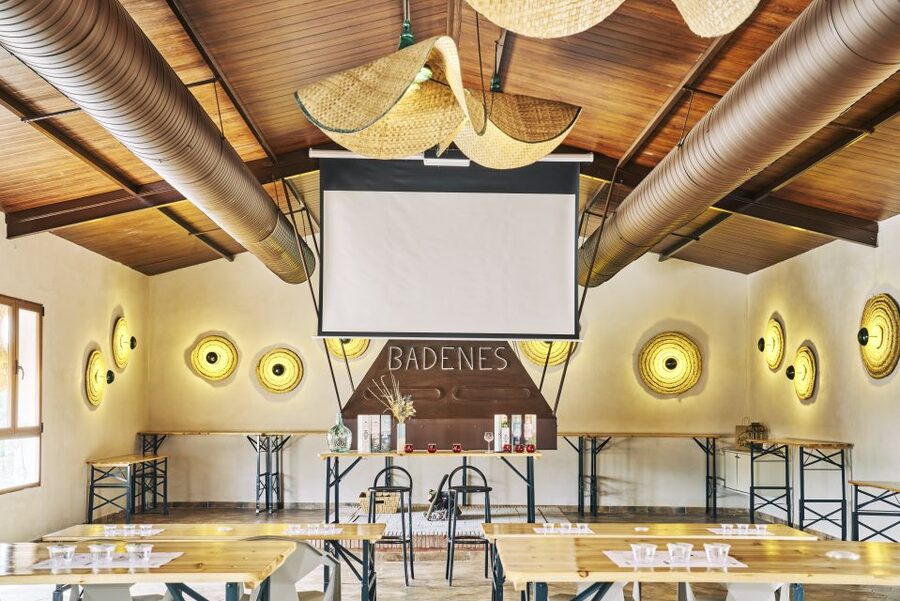
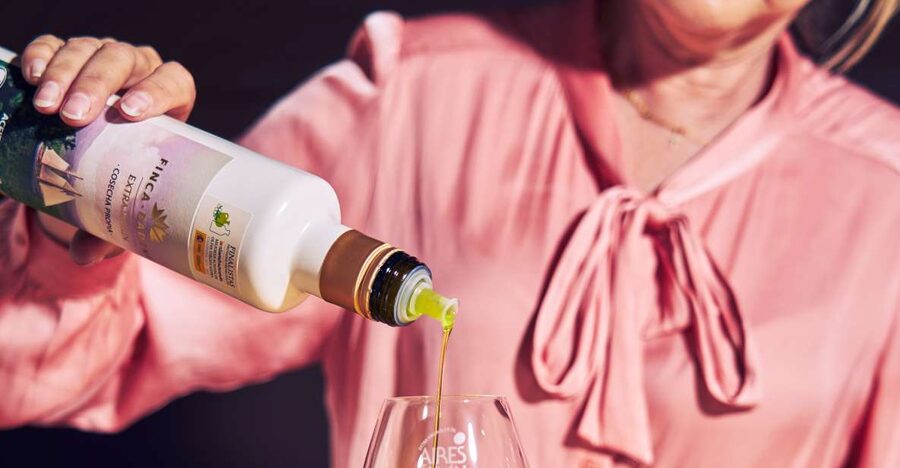
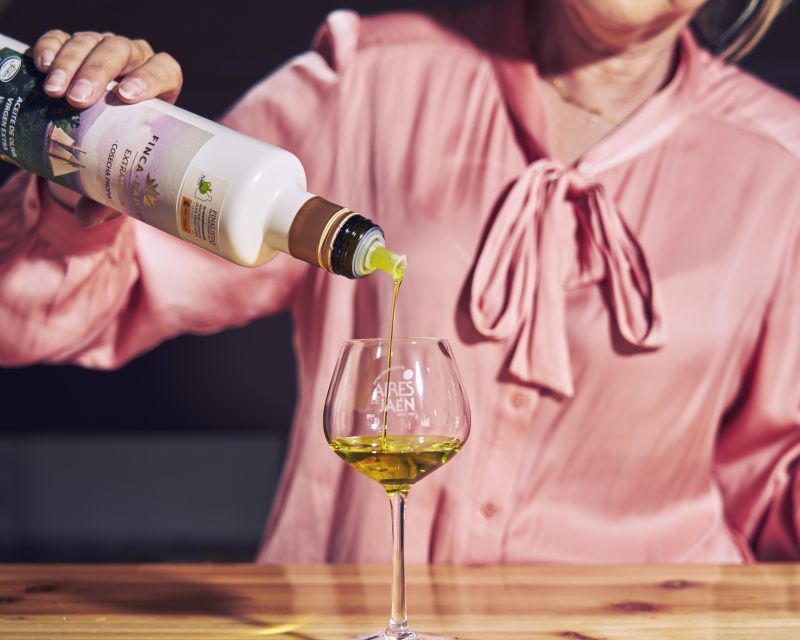
The final part is the tasting, and it is more structured than simply pouring oil into a dish and calling it a day. Professionals from the Aires de Jaén laboratory introduce you to an organoleptic, or sensory, tasting.
You use your senses to assess the oils, paying attention to their smell, flavor, and other sensory qualities. The point is not to pretend you are an expert after one session. It is to give you a method you can use the next time you taste extra virgin olive oil.
This is one of the best reasons to choose this experience over a basic farm visit. You do not only see olive trees and machinery. You learn how to compare the finished product and think about why oils differ.
Several oils are included in the tasting, giving you a chance to notice contrasts between varieties. The guide also explains different uses for the oils, so the session has a practical side. You can leave with a better idea of which style might suit a salad, a cooked dish, or a final drizzle over food.
Tapas are included, which makes the tasting feel more like a small food experience. Keep your expectations sensible: lunch is not included, and the tapas are an accompaniment rather than a full meal. If you are planning this around lunchtime, arrange a separate meal afterward.
I also like that the tasting comes after the farm and mill visits. You have already seen the source and production method, so the oil in front of you has a story. That order helps the information stick.
Same groves, a different afternoon:
- Ronda: LA Almazara LA Organic, Olive Oil Museum and Tasting
★ 4.6 · 435 reviews - Guided tour and olive oil tasting in Alhaurin el Grande (Málaga)
★ 5.0 · 200 reviews - Guided Tasting Tour in 16th century House and Olive Oil Factory
★ 5.0 · 169 reviews - Visit Oil Mill Museum and Olive Oil Tasting in Ronda
★ 4.5 · 105 reviews
The guide and the tone of the visit
The tour is led in Spanish or English, and the guide is an important part of its appeal. The available feedback points to a friendly, patient approach, with time given to questions. One particularly useful detail is that the guide took time to answer questions rather than rushing through a fixed speech.
That matters on a subject that can become technical. Olive farming includes plenty of terms and production details, but a good guide can keep the visit approachable for people who know little about the subject.
The visit has also been described as interactive. You are not simply moved from one stop to another while listening quietly. The plantation comparison and sensory tasting give you natural chances to ask questions and form your own impressions.
No individual guide names are provided for this activity, so I would not book expecting a particular host. What you can count on is live guiding in English or Spanish and a format built around explanation, questions, and tasting.
Who will enjoy the two-hour format
I would recommend this tour to several types of visitors:
- Food-minded visitors who want to understand a major Andalusian ingredient.
- Couples and families looking for a short countryside activity.
- Home cooks who want to improve their ability to choose and use olive oil.
- Jaén-area visitors who have time for a focused estate visit.
- People who prefer practical tours with both outdoor and indoor sections.
It is also a good choice if you want something more specific than a general agricultural tour. The three cultivation methods give the visit a clear subject, while the mill and tasting keep it varied.
You may want to skip it if you dislike outdoor walking, have no interest in food production, or need a full meal during the activity. The tour is only two hours, so it does not provide a full-day visit to several estates or a long olive oil workshop.
The wheelchair accessibility is a useful feature, though the tour still includes time at the estate and in the groves. If you have detailed mobility needs, confirm the current route and access arrangements when booking.
Getting to the estate and preparing well
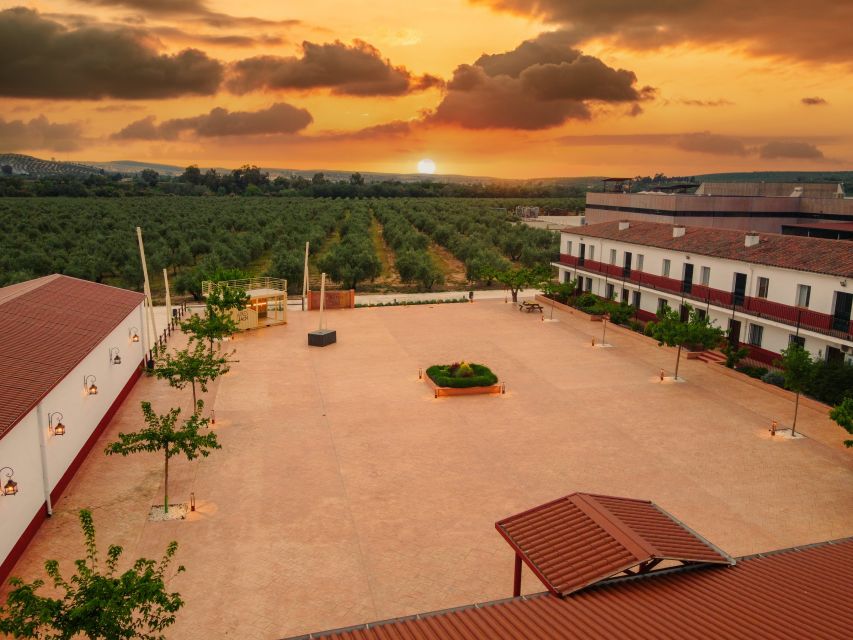
The meeting point is the Aires de Jaén estate in Jabalquinto. This is not a city-center meeting point, and transport to the estate is not listed as included, so plan your own way there.
Pay attention to the property layout. The meeting point is in an office complex on the estate, and it may not be immediately obvious if you expect to meet beside the olive trees or at the mill. Once you arrive, look for the Aires de Jaén office area rather than assuming the tour begins at the first grove you see.
Wear comfortable clothes and shoes. Add sunglasses and a hat, and bring water. These suggestions are simple, but they matter during the outdoor section, especially on a sunny day.
The activity runs for two hours, with starting times based on availability. I would place it in a half-day plan rather than trying to squeeze it between several distant sights. The visit is short enough to leave room for another activity, but the estate location means you should not treat it like a quick city-center stop.
Free cancellation is available up to 24 hours before the activity for a full refund, and you can reserve while paying later. Those terms are useful if your Andalusia plans are still shifting.
How the $23 price compares
At $23 per person, this is a modestly priced guided food experience. You receive a two-hour estate visit, a live guide, access to three cultivation areas, an explanation of the oil mill, a sensory tasting, and tapas.
The value is strongest if you care about understanding the product. A simple tasting might cost less, but it would not show you the groves or explain the farming methods. A longer food tour might offer more dishes, but it may not give you the same farm-to-mill sequence.
You should not measure the price against a full meal because lunch is not included. Think of the tapas as a small pairing during the tasting, then budget separately for food if the timing calls for it.
The price also works well for people who want a focused activity rather than a major day trip. You get a clear introduction to olive oil without spending several hours at a large attraction or committing to a full culinary course.
Is the Aires de Jaén tour right for you?
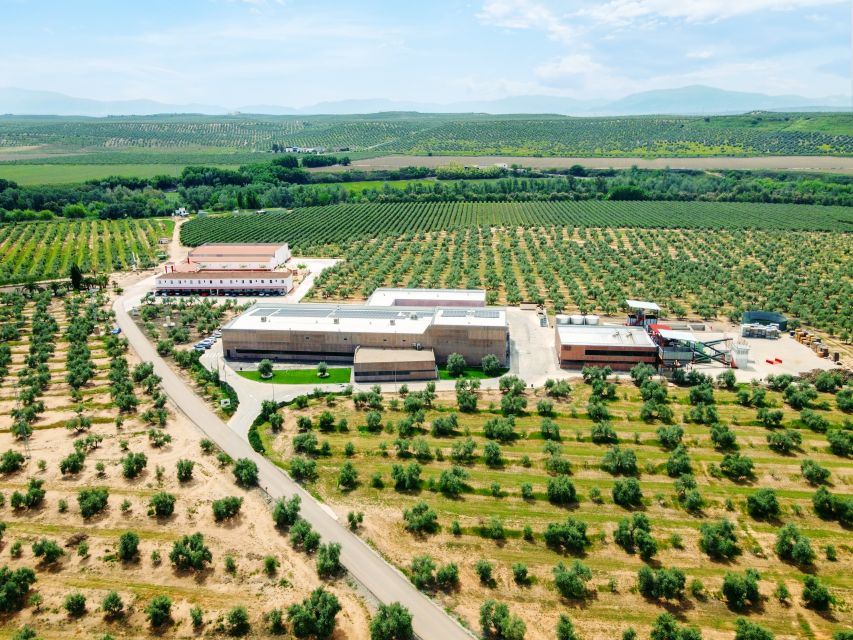
I would book this experience if you are curious about how Andalusian olive oil is grown, made, and judged. The strongest feature is the complete chain: three types of plantations, the mechanical production process, and a guided tasting with laboratory staff.
It is particularly good for anyone who has bought extra virgin olive oil but never learned how to compare varieties or decide how to use them. The tasting gives you a skill you can carry home, while the grove walk explains why farming methods matter.
I would be more cautious if you are looking for a meal, a city walking tour, or a long list of attractions. This is a focused estate visit in Jabalquinto, with outdoor walking and a strong emphasis on olive production.
For $23 and two hours, it offers a useful look at one of Andalusia’s defining foods. Bring water, sun protection, and an appetite for learning rather than a full lunch. If that sounds like your kind of stop, the Aires de Jaén estate is an easy choice.
FAQ
Where does the olive oil tour take place?
The tour takes place at the Aires de Jaén estate in Jabalquinto, in Andalusia, Spain.
How long does the tour last?
The activity lasts two hours.
What languages are available?
The live tour guide is available in Spanish and English.
What does the tour include?
It includes the olive estate tour, a guide, an extra virgin olive oil tasting, and tapas.
Is lunch included?
No. Lunch is not included.
Which olive-growing methods will I see?
You will visit plantations using super-high-density, intensive, and traditional olive farming methods.
Will I visit the oil mill?
Yes. The tour includes a visit to the oil mill and an explanation of the mechanical process used to produce extra virgin olive oil.
What happens during the tasting?
You learn how to carry out an organoleptic, or sensory, tasting with professionals from the Aires de Jaén laboratory.
Is the activity wheelchair accessible?
Yes, the activity is listed as wheelchair accessible.
What should I bring?
Bring comfortable shoes, sunglasses, a hat, water, and comfortable clothing.
Can I cancel for a full refund?
Yes. You can cancel up to 24 hours in advance for a full refund.
Can I reserve now and pay later?
Yes. The activity allows you to reserve your place and pay later.
Newest grove reviews around Spain
- Córdoba: Olive Oil Tasting Experience★ 4.4 · 8 reviews
- Cazorla: Oleotour – Olive Oil Culture Initiation★ 5.0 · 3 reviews
- Cazorla: Olive grove and mill tour★ 5.0 · 2 reviews
- Cazorla: Highligts Tour with Olive Oil Tasting★ 5.0 · 2 reviews
- Aires de Jaén: Olive Oil Plantation Tour and Local Meal★ 4.9 · 9 reviews
- Olive Oil Tasting and Culinary Day Trip in Carmona★ 5.0 · 2 reviews
- Oleotourism and olive oil tasting in Seville – Private tour★ 5.0 · 7 reviews
- Cordoba Olive Oil mill, Wine, Passion★ 4.5 · 8 reviews
Olive Grove Walks, compared.
Masseria tour among thousand-year-old olive trees with oil tasting
Read our review →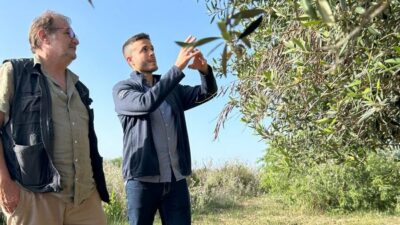
Olive Grove Tour with Wines & Olive Oil Tasting
Read our review →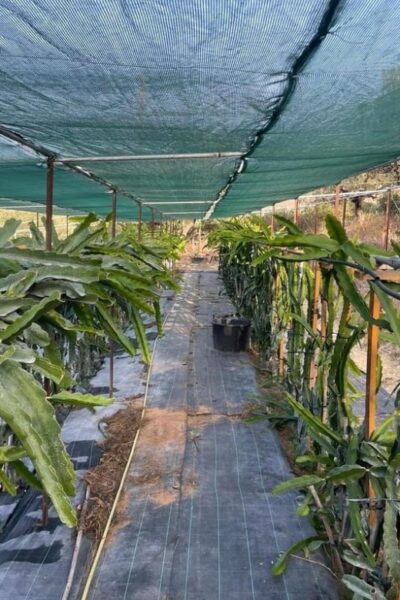
Traditional Olive Grove and Dragon Fruit Farm Tour
Read our review →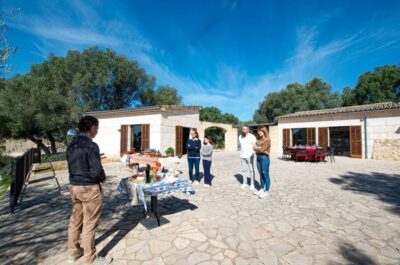
Visit of the olive grove, olive oil tasting and snack
Read our review →
Bologna: Olive Grove and Vineyard Tour with Product Tastings
Read our review →
Balestrate Olive Grove Tour: Wine and Olive Oil Tasting
Read our review →
Guided tours of the olive grove with oil tasting.
Read our review →
Organic Olive Grove tour & Olive oil tasting & lunch in Kalamata!
Read our review →Browse the lists this tour appears in