
Review · OLIVE GROVE WALKS
Ulldecona: Guided Tour of the Millenary Olive Trees of Arión
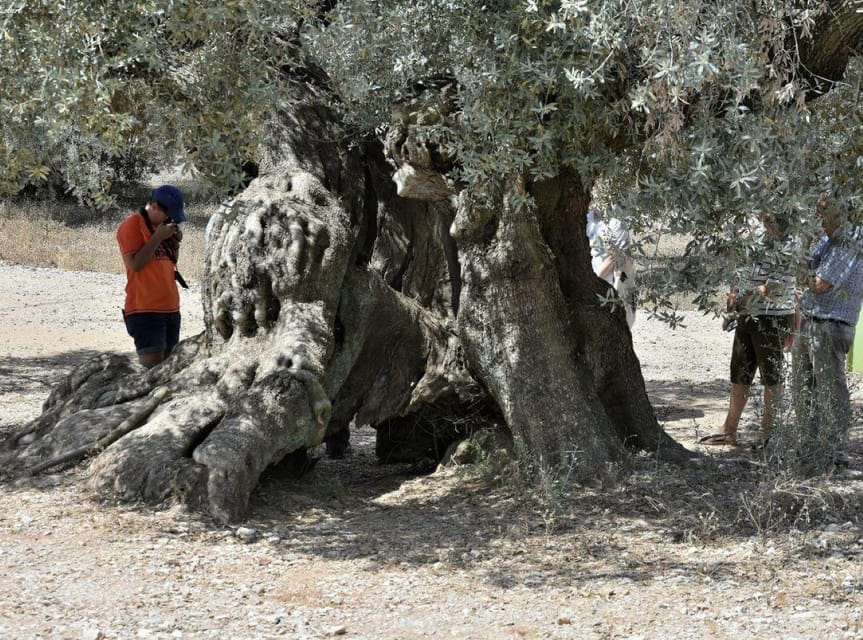
The remarkable thing here is not simply the age of one olive tree. It is the sheer concentration of millenary olive trees in the Arión Valley, a place described as having the highest number of thousand-year-old trees per hectare in the world. The visit brings that story to life at Farga I, a monumental grove more than 1,700 years old.
I like the simple route: meet in Ulldecona, visit the valley with a guide, then taste oils made in the same village. I also like the price, about $11 for two hours of local history and tasting. The main point to consider is language: the regular guide service is listed in Spanish and Catalan, so you need to request French or English when booking and confirm what can be provided.
Key points to know before you book
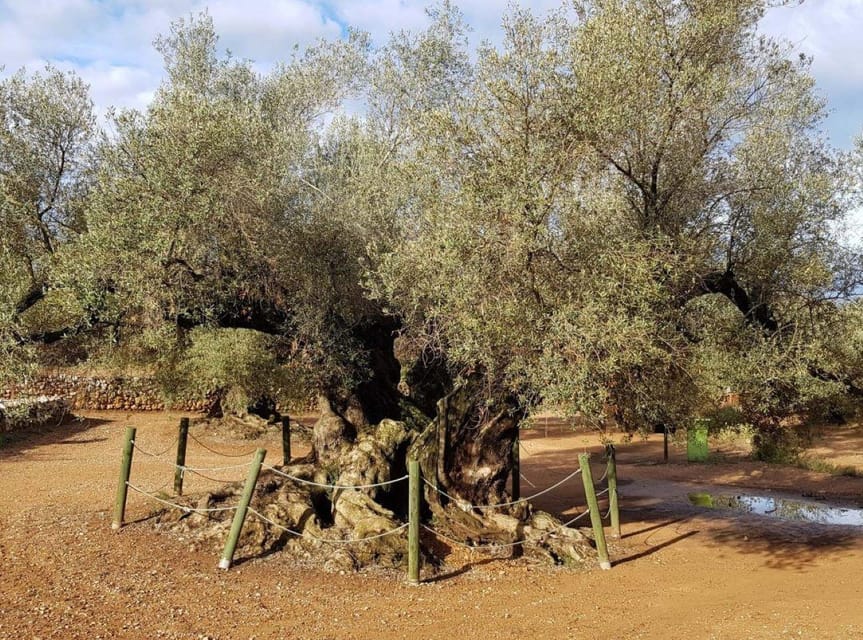
- Farga I is more than 1,700 years old: This is the central stop, not just a quick photo opportunity.
- Arión Valley has an exceptional concentration of ancient olive trees: The setting gives the tour its real sense of place.
- The tasting connects old trees with local agriculture: You sample varietal and thousand-year-old oils from the same village.
- The tour begins and ends at the Ulldecona Tourist Office: You have a clear meeting point and return there after the visit.
- The experience lasts two hours: It fits well into a day exploring Ulldecona and the surrounding area.
- Language planning matters: Spanish and Catalan are listed, while French and English must be requested in advance.
Why Arión Valley is the real subject of the tour
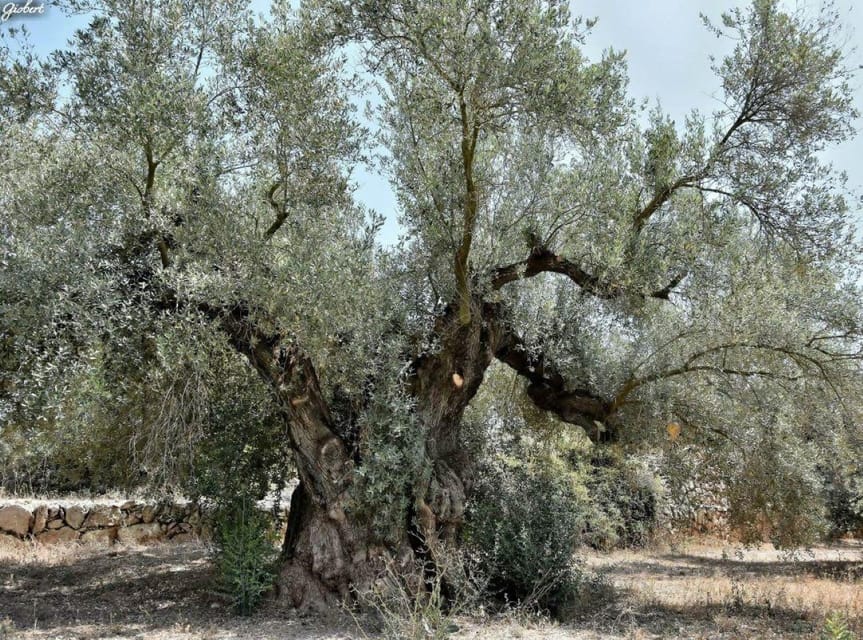
Many olive oil visits focus on a mill, a shop, or a tasting room. This one begins with the trees themselves. That changes the experience. You are not tasting an anonymous product and then hearing a little background. You first see the old groves and learn how the valley shaped olive cultivation, then taste oils connected to that same place.
Arión Valley is presented as the area with the highest concentration of thousand-year-old olive trees per hectare in the world. That claim gives the visit a clear purpose. You are seeing an agricultural area where age is part of the setting, not an isolated curiosity brought indoors for display.
The valley also gives the guide room to explain how olive trees and oil production developed together. The information provided does not promise a long museum lecture or a working mill visit, so you should expect the trees, their history, and the tasting to carry the tour.
That focus suits you if you prefer a small regional story to a general introduction to Spanish food. It is especially useful if you are already touring Catalonia and want to understand a local product through its growing area.
More Olive Grove Walks in Spain
- Visit of the olive grove, olive oil tasting and snack
★ 4.9 · 111 reviews - Jaen: Olive oil tour with the 5 senses, grove and tasing
★ 4.9 · 53 reviews - Córdoba: Visit a family organic olive grove with tasting
★ 5.0 · 30 reviews
Meeting at Ulldecona Tourist Office
The tour starts at the Ulldecona Tourist Office. This is both the meeting point and the place where the experience ends, which keeps the logistics straightforward. You do not need to arrange a separate meeting at the valley based on the information available.
From the office, you set off with the guide to Arión Valley. The details do not specify the transport method, so you should check the meeting instructions before the day of the tour. Do not assume that the activity includes hotel pickup or independent transport to the grove.
The two-hour duration includes the visit and oil tasting, as well as the return to the tourist office. That makes this an easy activity to place before or after another stop in Ulldecona, but you should avoid booking it too tightly against a train, meal, or timed admission elsewhere.
A clear starting point is useful in a rural area. It also means you can ask about the meeting location, language, and date before leaving town. Reservations are required, so this is not an activity to treat as a casual walk-in stop.
Farga I and the story of ancient olive trees
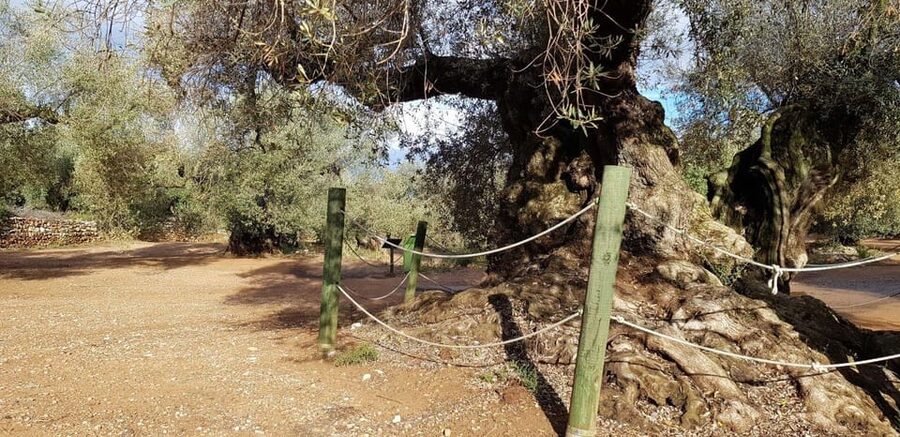
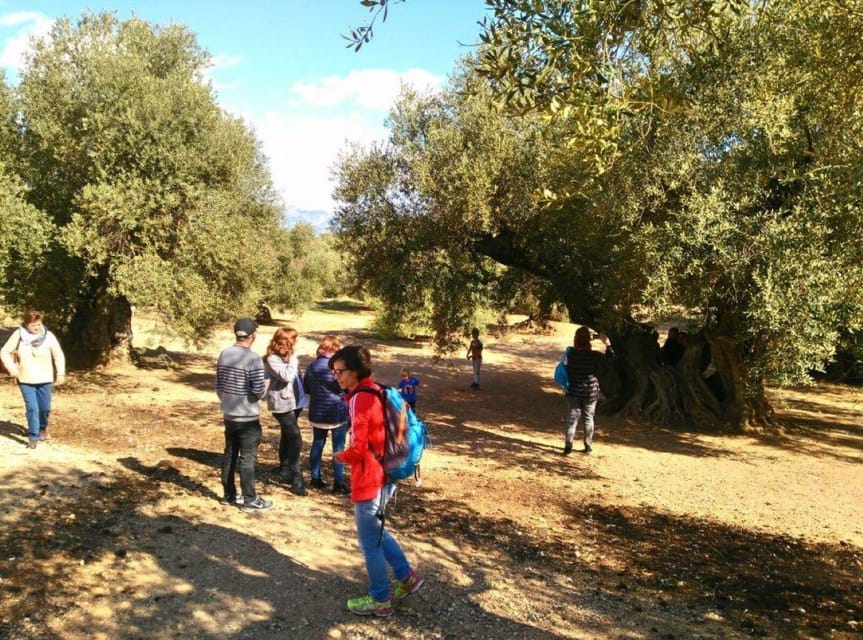
The highlight is Farga I, described as a monumental olive grove more than 1,700 years old. The age is the headline, but the setting matters just as much. A single ancient tree can feel like a curiosity. A grove of old trees helps you understand that olive growing here has continued across many generations.
Your guide explains the history of the Arión Valley and its millenary olive trees during the visit. You can expect the commentary to connect the trees with the production of olive oil in the region. The supplied details do not name individual guides or list specific monuments beyond Farga I, so the value comes from the site and the guide’s interpretation rather than a long sequence of separate attractions.
The word monumental is useful here. These are not being presented as ordinary orchard trees. Their age and scale give them cultural value, and the tour treats them as part of the area’s heritage.
I would pay attention to how the guide describes time. A tree more than 1,700 years old turns olive oil into a link between agriculture, family tradition, and local identity. You are likely to get more from the visit if you listen for that connection instead of treating the grove as a quick backdrop for photographs.
The tour is also a good reminder that food history does not always happen inside a grand building. Here, the central subject is outdoors, among the trees that made the local oil possible.
Learning how the valley produced olive oil
The tour includes an explanation of olive oil production in the region. The available details do not specify a mill demonstration or a full technical lesson, so expect an introduction rather than a professional oil-making course.
That is still useful. Tasting oil without knowing where it comes from can make the activity feel disconnected from the place. The guide gives you the agricultural context first, allowing the final tasting to function as a practical part of the story.
The phrase from the same village is important. The varietal and thousand-year-old oils are not simply generic examples from somewhere in Spain. They are tied to the community you are visiting. That local link gives the tasting more meaning and makes it easier to compare the character of oils connected to different types or ages of olive production.
You should also keep expectations sensible. The information confirms an oil tasting, but it does not describe the number of samples, food pairings, tasting-room setup, or a take-home bottle. If those details matter to you, ask the provider before booking.
Same groves, a different afternoon:
- Ronda: LA Almazara LA Organic, Olive Oil Museum and Tasting
★ 4.6 · 435 reviews - Guided tour and olive oil tasting in Alhaurin el Grande (Málaga)
★ 5.0 · 200 reviews - Guided Tasting Tour in 16th century House and Olive Oil Factory
★ 5.0 · 169 reviews - Visit Oil Mill Museum and Olive Oil Tasting in Ronda
★ 4.5 · 105 reviews
The oil tasting at the end
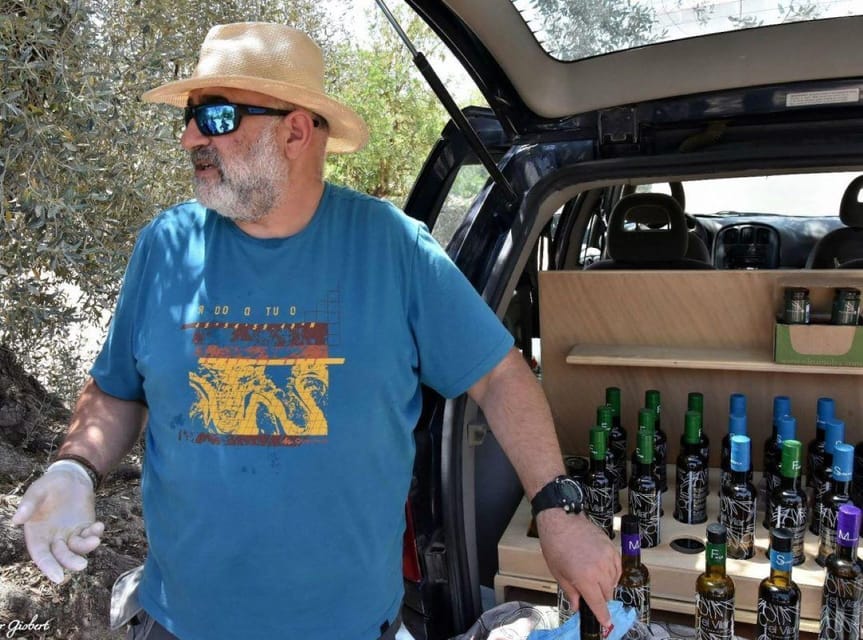
The tasting is the tour’s most direct sensory moment. You taste varietal oils and oils associated with the thousand-year-old olive trees, all from the same village. The comparison gives you a way to think about local oil beyond the usual label of extra virgin.
A tasting can be brief, but it helps turn the earlier explanation into something you can remember. You have seen the trees, heard about production, and then encountered the finished product. That sequence is the strongest reason to choose this tour over simply visiting an olive oil shop.
The information does not identify the exact olive varieties or tasting notes. You should not expect a formal lesson in aroma, bitterness, or pepperiness unless the guide chooses to explain those qualities during the visit. Still, you can use the tasting to notice differences between the oils and ask how age, variety, or local conditions affect them.
I like that the tasting is not presented as a separate luxury add-on. It is included in the guided visit, so the $11 price covers both the cultural explanation and a taste of the local product.
For anyone who cooks with olive oil, this is a practical souvenir idea even if you do not buy anything. You gain a better sense of what makes regional oil worth discussing, and you can use that knowledge later when choosing a bottle.
What $11 gets you
At about $11 per person, the tour offers good value if you want an organized introduction to Arión Valley. The price includes the guided visit to the millenary olive trees and the oil tasting. It does not list meals, hotel pickup, transport details, or additional purchases, so calculate the cost around those limits.
Two hours is also a helpful length. You get enough time for the valley, the historical explanation, and the tasting without giving up an entire day. If you are building a wider itinerary around Ulldecona, this activity should be easy to combine with other plans.
The value is strongest for people who would not otherwise know how to find Farga I or understand the importance of the groves. The guide adds interpretation that you would miss on an unplanned visit. You are paying for access to a local story, not just a walk among trees.
The value is less clear if your only goal is a large food tasting or a full production tour. The available details do not promise an extensive sample list, a mill visit, or a meal. Choose it for the ancient trees and the connection between the valley and its oil.
Language, booking, and timing
The live tour is listed in Spanish and Catalan. If you need Catalan or Spanish, indicate your preference when booking so the guide can plan for the group. French and English are mentioned as possible requested languages, but you must ask for a specific language in advance rather than assume it will be available.
The guide may adapt the language to the group if no preference is provided. That can work well for a mixed group, but it may not suit you if you need detailed explanations in a particular language. Put your request in the booking details and check the confirmation.
Reservations are required. Starting times vary by date, so check availability before building the rest of your day. The experience provider is CONFICON Turisme i tradicions.
You can reserve now and pay later, which helps if your Catalonia plans are still changing. Cancellation is free up to 24 hours before the activity for a full refund. Keep those rules in mind, but focus first on confirming the date, meeting point, and language.
Who will enjoy this olive grove visit
I would recommend the tour to you if you like local food, old agricultural traditions, and short guided outings with a clear theme. It suits couples, families, and independent visitors who want more context than a self-guided stop can provide.
It is also a good choice for anyone interested in olive oil beyond supermarket tasting. Seeing the trees before sampling the oil makes the subject concrete, and the local connection gives the tasting a stronger sense of place.
You may want to skip it if you need a tour in English without advance planning, or if you want a full olive mill demonstration. The supplied information confirms a guided grove visit and tasting, not a long technical workshop.
Photography may be part of the appeal, but the tour should not be judged only by pictures. The important experience is understanding why these trees matter to Arión Valley and how they relate to local oil.
Should you book the Arión olive tree tour?
Book it if you want a reasonably priced, two-hour introduction to one of Catalonia’s most unusual agricultural traditions. Farga I and the concentration of ancient olive trees give the visit a clear sense of place, while the tasting provides a simple and satisfying finish.
Before paying, confirm your preferred language and check the meeting instructions at Ulldecona Tourist Office. If those details work for you, this is a smart choice for a relaxed local experience that connects history, farming, and food without taking over your day.
FAQ
Where does the tour begin?
The tour begins at the Ulldecona Tourist Office.
Where does the tour finish?
After visiting Arión Valley and completing the tasting, you return to the Ulldecona Tourist Office.
How long does the experience last?
The guided visit lasts two hours.
What is included in the price?
The price includes the guided tour of the millenary olive trees of Arión and an oil tasting.
What languages are available?
The listed live-tour languages are Spanish and Catalan. You can request French or English when booking, and the guide may adapt the language to the group if no specific request is made.
Do I need to reserve in advance?
Yes. Reservations are required.
Can I cancel the booking?
You can cancel up to 24 hours in advance for a full refund.
Can I pay later?
Yes. The reserve-now, pay-later option allows you to book your spot without paying at the time of reservation.
Newest grove reviews around Spain
- XXI Century Olive Oil Mill Tour★ 5.0 · 3 reviews
- Visit to an olive oil mill and oil tasting with aperitif and food and wine pairing.★ 5.0 · 2 reviews
- Treurer: Tapas Gourmet and Extra Virgin Olive Oil★ 4.7 · 3 reviews
- Olive Oil and Winery Tour from Zaragoza City★ 5.0 · 4 reviews
- Olive Oil Private Full-Day Tour with Tasting in Valencia★ 5.0 · 2 reviews
- Olive Oil Factory from Seville Private Tour★ 5.0 · 2 reviews
- Olive Oil Tasting Experience in Sevilla★ 5.0 · 2 reviews
- Paella, Olive Oil, Wine & Relax in Rural Estate outside Madrid★ 5.0 · 2 reviews
Olive Grove Walks, compared.
Masseria tour among thousand-year-old olive trees with oil tasting
Read our review →
Olive Grove Tour with Wines & Olive Oil Tasting
Read our review →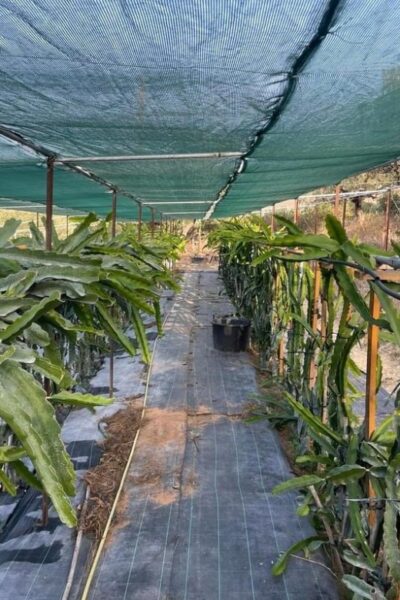
Traditional Olive Grove and Dragon Fruit Farm Tour
Read our review →
Visit of the olive grove, olive oil tasting and snack
Read our review →
Bologna: Olive Grove and Vineyard Tour with Product Tastings
Read our review →
Balestrate Olive Grove Tour: Wine and Olive Oil Tasting
Read our review →
Guided tours of the olive grove with oil tasting.
Read our review →
Organic Olive Grove tour & Olive oil tasting & lunch in Kalamata!
Read our review →Browse the lists this tour appears in