Review · OLIVE FARM VISITS
WIne & Olive Oil Tasting in an Organic Farm in Laconia, Greece!
The oldest olive trees here have been rooted in the soil for more than 500 years, and that gives this private farm visit a sense of place that a standard tasting room cannot match. You walk through working groves and vineyards, then sit down to compare four olive oils and four to five Greek wines with a sommelier.
I like the private format, since only your group takes part, and I like the practical olive oil lesson on tasting, buying, and storage. The main drawback is distance: the farm sits about two hours from Kalamata toward Sparta, and transportation is not included in the listed price.
Key Points
- Ancient olive trees: Walk among trees that may have been growing for more than five centuries.
- Four olive oil varieties: Learn how to compare flavor and texture, then get advice on storing oil at home.
- Rare Greek wine grapes: Taste Agiorgitiko, Avgoustiatis, Athyri, Kydonitsa, and Moschofilero.
- Private three-hour visit: Your party stays together, with no other group added after booking.
- Maria’s storytelling: The local leader has used personal stories to connect the farm and olive oil traditions to Greece’s past.
- Transportation matters: The farm is two hours from Kalamata, so arrange a vehicle or pay extra for partner transport.
A Farm Visit That Begins With the Drive
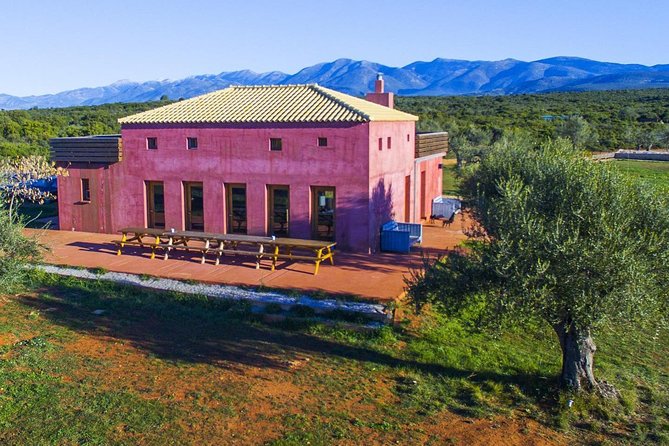
This experience starts at 8:30 a.m. at Kalamata Port Authority, on Mpoumpoulinas 4. The published tour itself lasts about three hours, but you need to budget much more time for the day because the organic farm is in a small Laconian village roughly two hours from Kalamata, in the direction of Sparta.
That distance is the first practical issue to settle. If you have your own vehicle, tell the operator in advance. If not, transportation can be arranged through local partners for an extra charge. The listed price of $590.38 per person does not include that service, so ask for the complete cost before you commit.
I see the drive as part of the appeal for visitors who want more than a city tasting. You leave Kalamata behind and reach a rural setting where the olive trees and vineyards are part of the production itself. Still, this is not a quick shore excursion. If you are arriving at the port with only a few free hours, the timing may be too tight.
The tour returns to the original meeting point. Availability runs from March through November, Monday through Sunday except Thursdays, Greek official holidays, and the period from Holy Friday through Easter Tuesday. The farm requires suitable weather, since much of the visit happens outdoors.
More Olive Farm Visits in Greece
- Crete: Road-trip to Lasithi, Zeus Cave & Olive Mill Farm
★ 4.4 · 451 reviews - Heraklion: Olive Farm Tour with Tasting of Local Delicacies
★ 4.9 · 411 reviews - Lassithi, Zeus Cave, Olive Mill Farm & Knossos Combo Tour
★ 4.6 · 404 reviews
Walking Through Five Centuries of Olive Trees
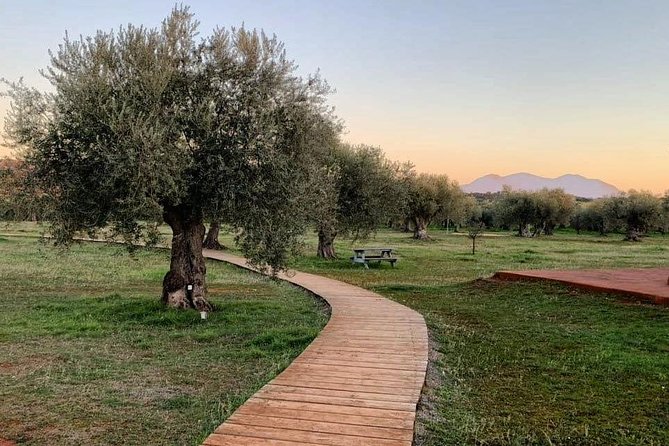
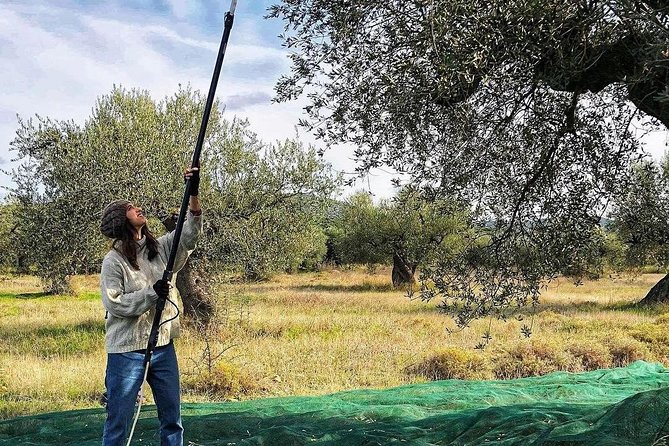
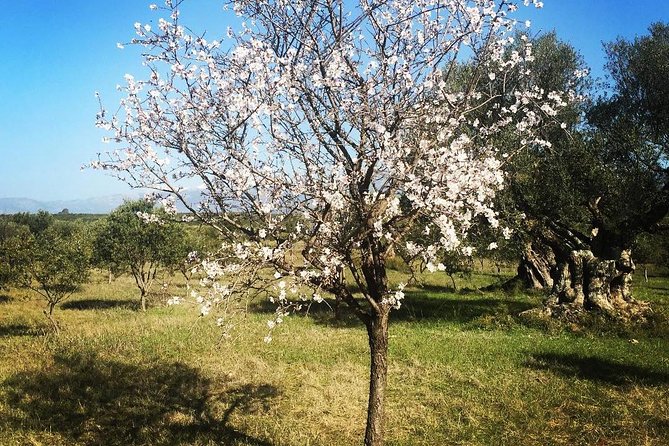
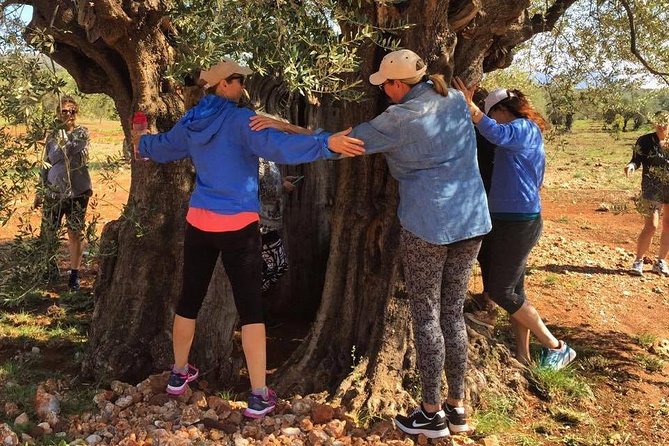
The guided farm walk is the heart of the experience. You see the vineyards and olive groves before tasting what they produce, which helps connect the food on your plate to the land around you. Some olive trees are more than 500 years old, an age that gives the visit a strong historical and visual character without turning it into a museum-only lesson.
The farm uses organic and sustainable farming methods. Your host explains how the owners work with the land and how the operation also functions as a nature-based retreat. The details of each technique are not specified in advance, so you should think of this as an introduction to the farm’s approach rather than a formal agricultural course.
Wear comfortable shoes. You will spend a good part of the visit outside, and a hat is useful in the Greek sun. Bring an open mind about the pace, too. A walk through an old olive grove is slower and less polished than a tasting counter in town, but that is exactly what makes it useful for understanding the product.
The private setup helps here. Your group can ask questions without being folded into a large crowd, and the guide can adjust the discussion to suit adults, children, or relatives with different interests. The experience is listed as family-friendly, and one previous booking included children aged five, two, and one and a half.
Learning to Taste Olive Oil Properly
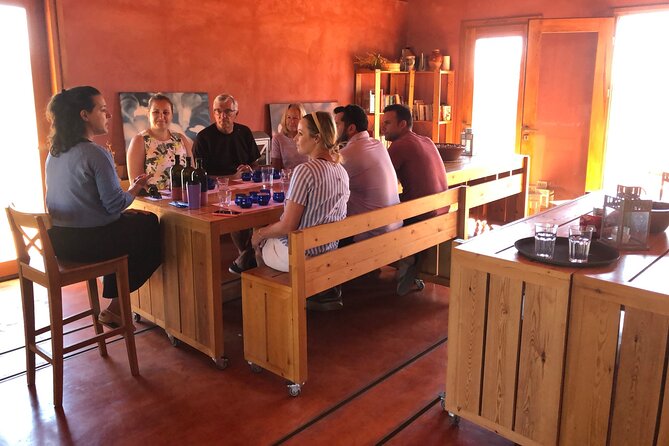
Many people use olive oil every day but have never compared several oils side by side. This tasting gives you four different varieties and guidance from a certified olive oil taster. You learn to notice differences in flavor and texture, rather than treating all extra virgin oil as the same.
That lesson has value beyond the day itself. The guide explains how to choose oil for cooking or for serving at the table, and how to store it properly. Those are small details, but they can save you from buying a beautiful bottle and then leaving it in a warm, bright kitchen where its quality fades.
The farm produces its own oil through sustainable methods, and the tasting lets you connect the oil to the groves you have just seen. You may find this more memorable than a retail tasting because you are not only sampling finished bottles. You are also seeing the setting and people behind the work.
I would pay close attention to the language used during this portion. Ask about the Greek olive varieties, the differences between the four oils, and which styles are best for cooking, dipping, or finishing a dish. The information provided does not name the olive cultivars, so the guide is the right person to clarify what is in each glass or dish.
Greek Wine Beyond the Familiar Names
The wine portion includes four to five labels of biodynamic Greek wine, with white, rosé, and red examples. The grapes may include Agiorgitiko, Avgoustiatis, Athyri, Kydonitsa, and Moschofilero. Several of these varieties are not widely known outside Greece, which makes the tasting a useful chance to move beyond the international names found on many restaurant lists.
A wine sommelier guides the tasting and explains the character of the wines and their connection to Greek soil and climate. Since the tasting includes multiple colors and grape varieties, you get a broader picture than a single winery flight. The exact labels can vary, so do not expect a fixed lineup every time.
The pairing format is especially helpful. Instead of tasting wine in isolation, you sample it with local food and can see how a fresh white, rosé, or red works with salty, grilled, or herb-focused dishes. The event is not presented as a full meal, though. It includes a light lunch, so hungry eaters should set their expectations accordingly.
I like that the wine session is designed to teach, not simply pour. If you are new to Greek wine, ask the sommelier to compare the grapes directly. If you already know wine, ask which bottles are made for local drinking and which styles might work well with food back home.
More Olive Oil and Wine Tastings in Greece
- From Chania: Olive Oil, Wine, Cheese & Honey Tasting Tour
★ 4.6 · 490 reviews - From Chania: Wine and Olive Oil Tasting Tour with Snacks
★ 4.8 · 354 reviews - Athens: Acropolis Wine Tasting with Cheese and Olives
★ 4.9 · 337 reviews - Crete Wine and Olive Oil Tour
★ 5.0 · 272 reviews
A Light Lunch of Greek Farm Flavors
The food accompaniment includes local treats such as olives, cheeses, grilled vegetables, Greek pita or a similar regional dish. Bottled water and local drinks are also included, along with the wines. The menu is not fixed in the information provided, so the exact selection may depend on what the farm and local suppliers have available.
This is a good match for the tasting because the food stays simple. Strong cheese, olives, grilled vegetables, and pita give you familiar reference points for comparing the oils and wines. You can focus on the ingredients rather than a complicated plated meal.
Tell the operator about dietary needs and allergies before the visit. Vegetarian, vegan, pescatarian, flexitarian, and other requests can be discussed, as can food or bee allergies. Do not wait until you arrive, since the farm portion takes place outdoors and the food is arranged as part of the experience.
For families, the light lunch is probably easier than a long formal meal. For anyone expecting a substantial midday feast, it may feel modest. I would plan a later meal in Kalamata or Sparta if you usually need more than a tasting lunch.
Maria and the Human Side of the Experience
The local host and certified tour leader are important to the feel of this visit. Maria has led the experience and used personal stories to explain the olive’s place in Greek life and the area’s past. Her style, as described in the available feedback, adds a narrative layer to the walk and tasting.
That personal element matters because farming visits can otherwise become a string of technical facts. Here, the stories help connect the old trees, local production, and the people who selected this farm as a partner. The operator also describes the farm owners as passionate about their work, which fits the small-scale, personal tone of the activity.
The wine sommelier is another key part of the day, though the name is not provided. You can expect this person to guide the four to five wine labels and introduce the Greek varieties. If a particular guide matters to you, ask who will lead your date when you confirm availability.
The experience is private, so you do not have to match the pace or interests of strangers. That is useful for couples, families, or a small group of friends. It also makes the price easier to assess, since you are paying for a dedicated outing rather than a seat in a large public tasting.
Is $590.38 Per Person Good Value?
At $590.38 per person, this is an expensive food and farm activity. The value depends heavily on what that figure covers for your group and whether transportation is added. The experience includes a private three-hour farm visit, a local leader, a certified olive oil taster, a wine sommelier, four olive oils, four to five wines, lunch, water, and taxes. Transportation to the farm costs extra.
The price makes more sense for a group that wants a private day and values specialist guidance. It also includes access to a rural farm setting that would be difficult to reach without local planning. If you are already renting a car and have a strong interest in Greek food, wine, or agriculture, the outing may feel worthwhile.
It is harder to justify if you only want a quick wine flight or a basic olive oil sample. Kalamata has food and drink experiences closer to town, and this option asks you to spend about four hours on the road in addition to the farm visit. You are paying for the setting, privacy, guides, and access to a working organic operation, not simply for the number of pours.
Ask for the full transport quote before booking. Also confirm the date, since confirmation can take up to 48 hours and the tasting is subject to availability. The operator may offer another date or a similar option if your chosen day is not available.
The Optional Sparta Olive Oil Museum

An olive oil and olive oil museum in Sparta can be added upon request, but its entrance fee is not included. One account of the experience combined the museum with the farm tasting and found that the two parts gave a fuller picture of Greece’s olive traditions.
I see the museum as a useful addition if you have a strong interest in production and history, or if you are already traveling toward Sparta. It can broaden the day beyond tasting into interpretation and preservation. But it also adds time, so ask how the stop changes the schedule and total cost.
Do not assume the museum visit is automatic. You need to request it, and the fee is separate. If you prefer a focused farm visit, you can keep the day centered on the groves, vineyard, oil, wine, and lunch.
Who Will Enjoy This Best?
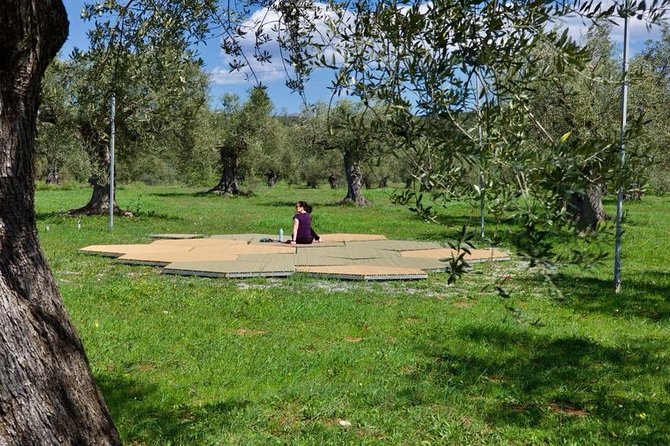
I would recommend this experience to people who want a private, slow-paced day in the countryside and are happy to pay for personal attention. It suits couples, families, and small groups with a real interest in Greek food, old olive trees, and lesser-known wine grapes.
It is also a good choice for anyone who wants practical knowledge. You leave with tips on storing olive oil, choosing different varieties, and comparing Greek wines. The visit is not just a scenic stop, although the old groves provide much of its charm.
You may want to skip it if your schedule is limited to Kalamata, if you dislike long drives, or if you want a full lunch rather than a light spread. The two-hour journey each way is the key limitation, and the extra transportation fee can change the final value.
The private format is useful for families, but remember that the farm is outdoors. Comfortable shoes, a hat, and planning for sun are sensible. Anyone with allergies should notify the operator in advance, including allergies related to bees.
Should You Book This Farm Tasting?
Book it if you want to connect Greek wine and olive oil to the land where they are made, and if your group values privacy and a personal guide. The combination of ancient olive trees, four oil varieties, unusual Greek grapes, local food, and Maria’s storytelling gives the day more substance than a simple tasting.
Think twice if you have only a short port stop or are watching your budget. The listed price is high, transportation costs extra, and the farm is far from Kalamata. For the right group, though, this is a thoughtful Laconian outing with real food value and a clear sense of place.
FAQ
Where does the experience begin?
It begins at 8:30 a.m. at Kalamata Port Authority, Mpoumpoulinas 4, Kalamata 241 00, Greece. The activity ends back at the meeting point.
How long does the farm experience last?
The guided farm visit and tasting last about three hours. The farm is around two hours from Kalamata toward Sparta, so the full day will be much longer once travel is included.
Is transportation to the organic farm included?
No. Transportation is needed because the farm is in a small village in Laconia. You can use your own vehicle or arrange transportation through the operator’s partners for an extra charge.
What food and drinks are included?
The experience includes a light lunch with local treats such as olives, cheeses, grilled vegetables, Greek pita, or similar delicacies. It also includes local white, rosé, and red wines, other local drinks, and bottled water.
How many wines and olive oils will I taste?
You will taste four different olive oil varieties and four to five wine labels. The wines may include Agiorgitiko, Avgoustiatis, Athyri, Kydonitsa, and Moschofilero.
Can children or people with dietary needs join?
The experience is family-friendly. You should notify the operator in advance about dietary needs or allergies, including vegetarian, vegan, pescatarian, flexitarian, food, and bee allergies.
More Organic Olive Farms in Greece
- Organic Olive Grove tour & Olive oil tasting & lunch in Kalamata!
★ 5.0 · 61 reviews - Kalamata, Greece: Organic Olive Grove Tour-Olive oil tasting
★ 5.0 · 10 reviews - Corfu: Organic Olive Oil Farm Tour with Transfer and Tasting
★ 5.0 · 8 reviews - Corfu Organic Olive Oil Tasting at Family Farm
★ 5.0 · 5 reviews
Newest grove reviews around Greece
- Athens: Greek Wine & Olive Oil Tasting at Brettos Plaka★ 4.5 · 3 reviews
- Breakfast in the markets with olive oil and honey tasting★ 4.8 · 8 reviews
- PRIVATE RHODES TOUR + Lunch Stop & WINE/OLIVE OIL Tasting★ 5.0 · 2 reviews
- Olive Tour & Tasting★ 5.0 · 4 reviews
- Private Tour in Historic Estate in Monemvasia with wine-olive oil tasting & meal★ 5.0 · 4 reviews
- Olive Facility Visit with Olive Oil Tasting Session★ 5.0 · 2 reviews
- Olive Oil Tasting at the Mykonian Farm★ 4.5 · 3 reviews
- Olive Oil Tour close to Nafplio★ 4.5 · 3 reviews
Olive Farm Visits, compared.
Sorrento Farm and Food Experience including Olive Oil, Limoncello, Wine tasting
Read our review →
Road-trip to Lasithi, Zeus Cave & Olive Mill Farm
Read our review →
Olive Farm Tour with Tasting of Local Delicacies
Read our review →
Lassithi, Zeus Cave, Olive Mill Farm & Knossos Combo Tour
Read our review →
Traditional Olive Grove and Dragon Fruit Farm Tour
Read our review →
Moires: Cooking Class and Olive Oil Tasting at a Family Farm
Read our review →