
Review · SPAIN OLIVE OIL TOURS
Visit an almazara + extra virgin olive oil tasting: Baeza
The most interesting part of this Baeza experience is that you do not just taste olive oil at a shop. You visit an operating almazara, or olive mill, set among the famous sea of olive trees, then follow the oil from incoming olives to bottled product. It gives you a clear picture of why olive oil is central to Andalusian food, work, and daily life.
I like two things especially. First, the tour shows the full production chain, including the reception yard, cleaning area, mill, storage tanks, and packaging section. Second, the tasting is practical rather than decorative: you learn how different varieties and early harvest oils taste, and how to tell extra virgin olive oil from lower-quality oil.
The main consideration is language. The live tour guide speaks Spanish, and the experience lasts only 1.5 hours, so the visit is focused rather than leisurely. If you need English interpretation, confirm that before booking.
Key points at a glance
- One kilometer from Baeza: The meeting point is at El Alcázar’s main offices on Ctra. Ibros s/n, making this an easy add-on to a visit to town.
- A working olive mill: You see the practical stages of production, from receiving and cleaning olives to milling, storage, and packaging.
- A useful EVOO tasting: Compare varieties and early harvest oils while learning what separates extra virgin oil from non-extra virgin oil.
- A close look at Andalusia’s olive-growing culture: The tour explains the vast cultivated olive region often called the world’s biggest humanised forest.
- A strong price for food lovers: At $11 per person, the visit costs little compared with many guided food activities and includes both the mill tour and tasting.
- Spanish-language and wheelchair accessible: Plan around the language, but the stated accessibility makes the experience open to more visitors.
Why Baeza is a good place to learn about olive oil
Baeza sits in Jaén province, one of the great olive-growing areas of Andalusia. Here, olive trees cover the surrounding countryside in long rows, creating the famous sea of olive trees. The phrase sounds poetic, but it also describes the scale of the local economy and daily work.
Olive oil is not a side dish in this part of Spain. It is a basic cooking fat, a farm product, a source of local income, and a point of regional pride. A visit to an almazara lets you see that connection in physical form.
El Alcázar is described as one of the largest mills in Andalusia, with advanced facilities for EVOO production. That matters because you are not only looking at old tools or a staged display. You are learning how modern production handles a traditional crop.
The tour also explains the relationship between people and the olive groves. Calling the region a humanised forest points to the constant care required to grow, harvest, process, and store the olives. You get a better sense of why the quality of the final oil depends on much more than the tree itself.
More Olive Oil Tours around Spain:
- Ronda: LA Almazara LA Organic, Olive Oil Museum and Tasting
★ 4.6 · 435 reviews - Guided tour and olive oil tasting in Alhaurin el Grande (Málaga)
★ 5.0 · 200 reviews - Guided Tasting Tour in 16th century House and Olive Oil Factory
★ 5.0 · 169 reviews
Arriving at El Alcázar from Baeza
The meeting point is the main offices building at Almazara El Alcázar, on Ctra. Ibros s/n, about 1 kilometer from Baeza. The supplied information does not specify transport arrangements, so plan your route to the mill in advance rather than assuming that a transfer is included.
That short distance makes the experience convenient if you already have a car or are arranging local transport. It also places you close to the olive-growing area instead of keeping the activity inside Baeza’s historic center. You see the town and then move into the working agricultural setting that supports much of the region’s food culture.
The visit lasts 90 minutes. That is long enough to cover the main production areas and enjoy a proper tasting, but not so long that it takes over your day. I would pair it with time in Baeza rather than treat it as a full-day outing.
The tour is wheelchair accessible, an important practical point for anyone who needs step-free access. Since the information does not describe the exact layout of every area, you may still want to confirm any specific mobility needs when booking.
From olive delivery to clean fruit
Your tour begins with an introduction to EVOO, or extra virgin olive oil. This sets up the tasting later, since the names on a bottle can be confusing if you do not know what they mean.
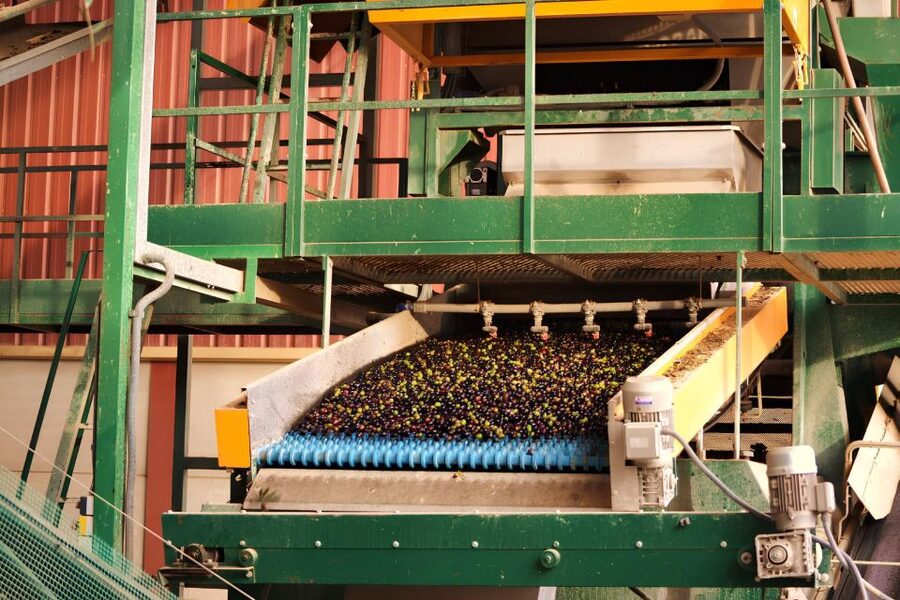
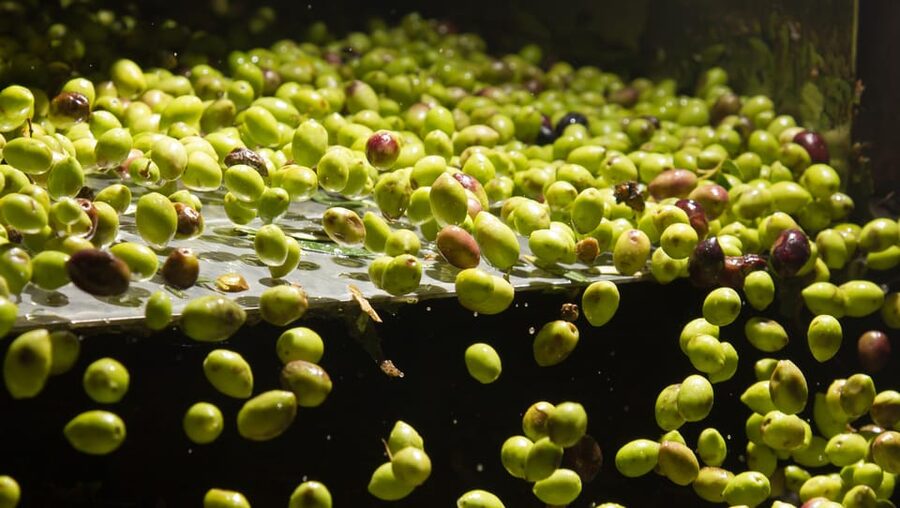
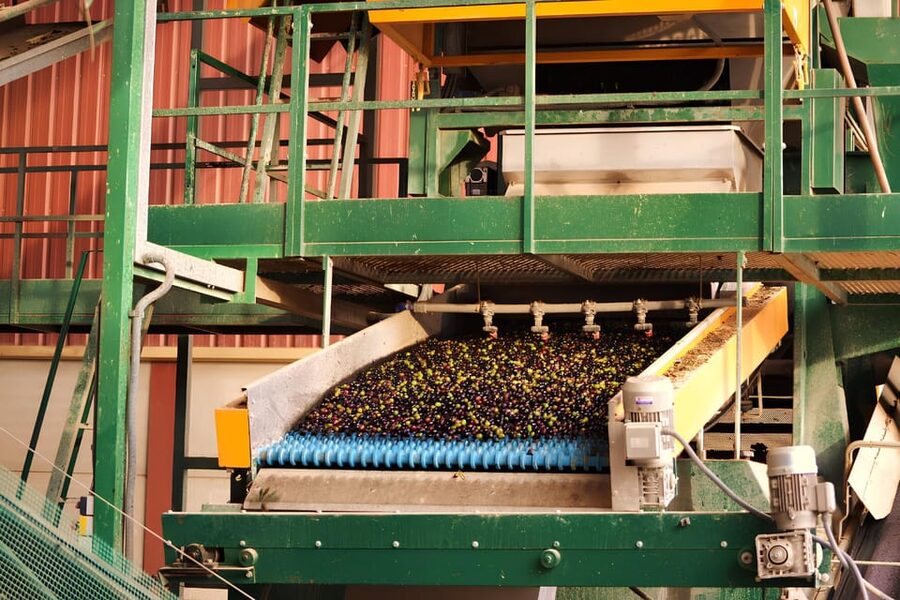
You then visit the reception yard. This is where the mill receives olives before production begins. The area helps explain that olive oil quality starts before the fruit reaches the machinery. The handling of the olives and the speed of processing can affect the final result, even though the tour information does not provide technical details about the exact equipment or timing.
Next comes the cleaning and classification area. Olives arrive with leaves, twigs, dust, and other field material. Cleaning prepares them for milling, while classification helps organize the crop before extraction.
This part is useful because it turns a vague idea into a visible sequence. Olive oil does not simply appear after olives are pressed. The fruit is received, sorted, and prepared before it enters the main production equipment.
The tour may use projections of the extraction process when it is not harvesting season. That is a sensible solution. An olive mill can be much quieter outside the harvest period, but visual presentations help you understand what happens when the machinery is running.
One unusual benefit is that the timing of your visit can change what you see. A visit during harvest might let you see more activity. A visit outside harvest may rely more on projections and explanation, but the quieter setting can make it easier to focus on the building and production stages.
Inside the mill and extraction area
The mill is the point where the prepared olives are processed into oil. This is the heart of the tour, since you can connect the raw fruit with the product on your table.
The exact technical sequence is not specified, so you should not expect a detailed engineering lesson on every machine. You will, however, learn about the processes involved in making EVOO at one of Andalusia’s major facilities.
The value here is context. At home, olive oil often arrives in a dark bottle with a polished label. At El Alcázar, you see the industrial side of that bottle. The visit helps you understand why terms such as variety, harvest, and quality matter.
The mill is also where the scale of production becomes clear. This is not a tiny household operation. El Alcázar is known for its large size and advanced facilities, giving you a look at how traditional agriculture connects with modern food production.
If you visit when farmers are bringing in olives, the experience can feel more immediate. One visit included the chance to see farmers arrive and watch the real process in action. That cannot be guaranteed, but it is worth asking about the current activity when you arrive.
Same groves, a different afternoon:
- Visit of the olive grove, olive oil tasting and snack
★ 4.9 · 111 reviews - Visit Oil Mill Museum and Olive Oil Tasting in Ronda
★ 4.5 · 105 reviews - Private Tasting of Olive Oil in Córdoba
★ 5.0 · 93 reviews - Olive Oil tasting breakfast & Tour in Cordoba
★ 4.5 · 84 reviews
Storage and packaging: where quality must survive
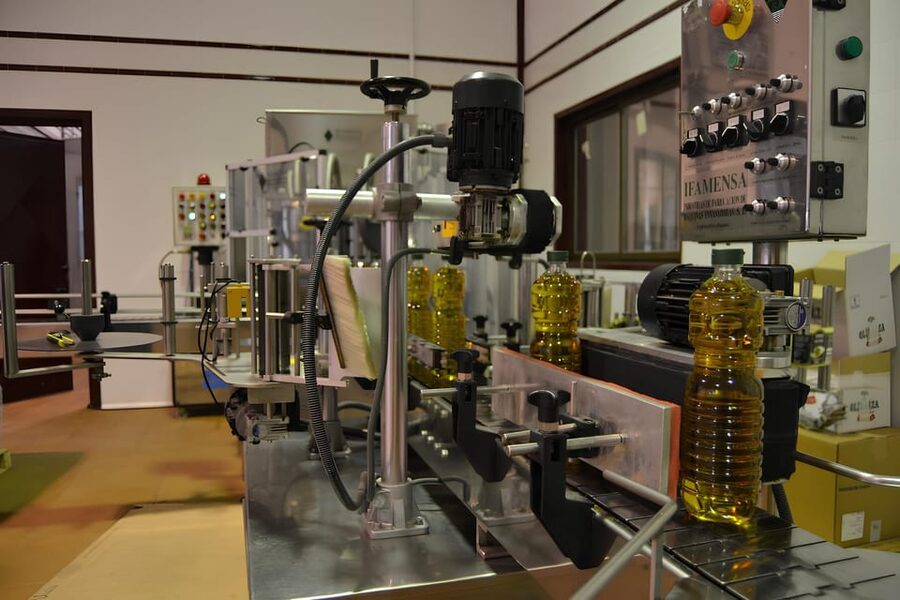
After milling, the tour continues to the storage area. This is an important stop because good oil can lose quality if it is poorly handled after extraction. The storage section shows that production does not end at the mill.
You then visit the packaging area. Here, the oil is prepared for sale and transport. The packaging stage also gives you a useful reminder that the bottle is part of the product’s protection, not just its decoration.
I like that the route includes both storage and packaging. Many food visits focus only on the dramatic moment of production, then skip what happens afterward. This tour gives you a more complete picture of the path from olive to finished oil.
The information does not specify the type of tanks, packaging materials, or labeling standards used at El Alcázar. You can ask the guide about those details, especially if you are interested in buying EVOO or comparing bottles at home.
The tasting: learning to notice more than bitterness
The tasting is the part most likely to change how you use olive oil. You taste several oils, including different varieties and early harvest oils, while learning about their distinct characteristics.
A good EVOO tasting is not about finding one oil that everyone should like. It is about noticing differences. One oil may taste greener, fruitier, sharper, or more peppery than another. The point is to understand that olive oil has its own range of flavors and aromas, much as wine or coffee does.
You also learn how to distinguish extra virgin olive oil from non-extra virgin olive oil. That is practical information for shopping. Labels can look impressive, but tasting helps you connect the official category with the sensory experience.
Early harvest oils are particularly useful in the comparison. Olives picked earlier can produce a different style of oil from olives harvested later. The tour introduces this contrast without requiring you to know technical tasting language in advance.
Guide Irene received specific praise for making the tasting clear and welcoming. She answered questions and kept a smile throughout the visit. That suggests the experience can work well for curious beginners, not just people who already know olive oil.
The tour is in Spanish, so your enjoyment will depend partly on your ability to follow the language. If you speak Spanish, you should be able to ask about flavors, varieties, and production. If you do not, the visual parts of the mill and the tasting still offer value, but the explanations may be harder to follow.
What the $11 price really buys you
At $11 per person, this is an inexpensive food and agriculture experience. You are paying for a guided introduction, access to a major olive mill, a look at several production areas, and an EVOO tasting.
The value is especially strong if you are already interested in Andalusian food. A bottle of olive oil can be easy to buy without understanding what you are tasting. This visit gives you a framework for making better choices later.
The price also works well for a short schedule. You do not have to give up an entire day to learn about the region’s main agricultural product. Add the 90-minute tour to a Baeza visit and you get both cultural sightseeing and a local food experience.
The main limit is that the tour does not appear designed as a long specialist workshop. If you want detailed chemistry, a technical comparison of every olive variety, or a full harvest-day farm program, this may feel brief. For most visitors, that focus is a benefit: the tour gives you the essentials without making olive oil feel like homework.
Who will enjoy this visit most
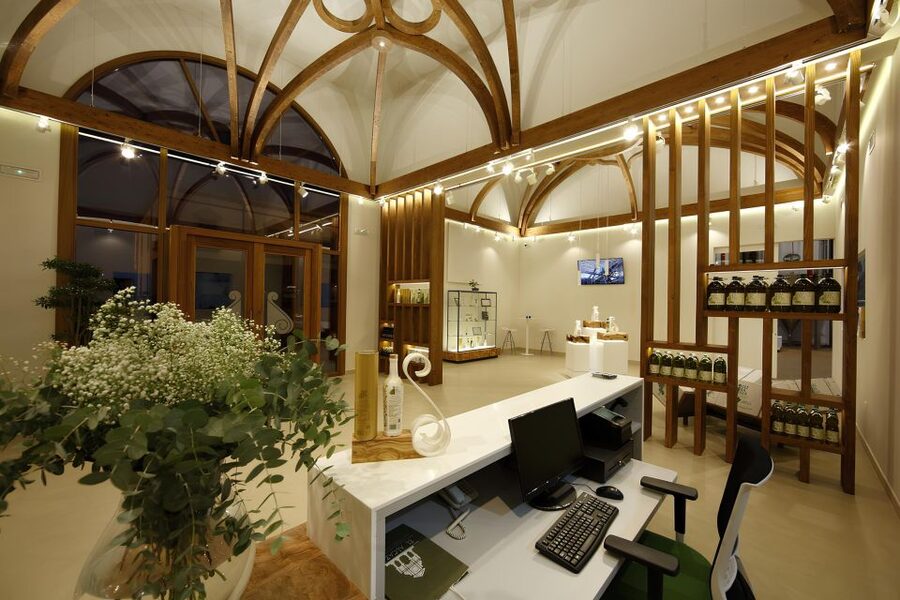
I would recommend El Alcázar to food-minded visitors, curious first-time tasters, and anyone who wants to understand why olive oil matters so much in Jaén and Andalusia.
It is also a good choice for people visiting Baeza who want to get beyond monuments and streets. The mill connects the town to the countryside around it, showing the work behind a product you will see on nearly every Spanish table.
Families may appreciate the short length and tasting format, though the listing does not specify a children’s program or child pricing. Couples and small groups can easily fit it into a day of sightseeing.
Spanish speakers have the clearest advantage because the live guide uses Spanish. For visitors who do not speak the language, I would book only if you are comfortable with a more visual visit or can confirm language support first.
The wheelchair-accessible status makes the tour worth considering for visitors who need that feature. Still, the exact accessibility details are not provided, so ask about the route if you have specific requirements.
Booking details worth knowing
The activity offers free cancellation up to 24 hours before the visit, and you can reserve now and pay later. Those terms are useful if your Baeza plans may shift.
Starting times depend on availability, so check the schedule before building the rest of your day. The experience provider is Turistour, turismo, cultura y gestión.
You should arrive at the Almazara El Alcázar main offices, not simply somewhere in central Baeza. The address is Ctra. Ibros s/n, about 1 kilometer from town.
Should you book the El Alcázar olive oil tour?
Book it if you want a short, affordable introduction to the product that shapes this part of Andalusia. The combination of a real mill, several production areas, and an educational tasting gives you more than a simple sample at a shop.
I especially recommend it if you are planning to cook with Spanish olive oil after your trip. You will leave with a better sense of varieties, early harvest styles, and the difference between EVOO and lower-grade oil.
Think twice if you need an English-language tour or want a long, highly technical session. For everyone else, $11 buys a useful look at Baeza’s agricultural heart, plus a tasting that can sharpen your palate for the rest of your trip.
FAQ
Where is the olive oil tour located?
The meeting point is at the main offices of Almazara El Alcázar on Ctra. Ibros s/n, about 1 kilometer from Baeza.
How long does the experience last?
The guided visit and tasting last 1.5 hours.
How much does the tour cost?
The listed price is $11 per person.
What language is the tour in?
The live tour guide speaks Spanish.
Is the tour wheelchair accessible?
Yes, the activity is listed as wheelchair accessible.
What areas of the olive mill will I visit?
The route includes the reception yard, cleaning and classification area, mill, storage area, and packaging area.
What happens during the olive oil tasting?
You taste different olive oils, including early harvest oils, and learn about their varieties, characteristics, and how to distinguish extra virgin olive oil from non-extra virgin olive oil.
Can I cancel the booking for a full refund?
Yes. You can cancel up to 24 hours in advance for a full refund. You can also reserve now and pay later.
Newest grove reviews around Spain
- Córdoba: Olive Oil Tasting Experience★ 4.4 · 8 reviews
- Cazorla: Oleotour – Olive Oil Culture Initiation★ 5.0 · 3 reviews
- Cazorla: Olive grove and mill tour★ 5.0 · 2 reviews
- Cazorla: Highligts Tour with Olive Oil Tasting★ 5.0 · 2 reviews
- Aires de Jaén: Olive Oil Plantation Tour and Local Meal★ 4.9 · 9 reviews
- Olive Oil Tasting and Culinary Day Trip in Carmona★ 5.0 · 2 reviews
- Oleotourism and olive oil tasting in Seville – Private tour★ 5.0 · 7 reviews
- Cordoba Olive Oil mill, Wine, Passion★ 4.5 · 8 reviews
Spain Olive Oil Tours, compared.
LA Almazara LA Organic, Olive Oil Museum and Tasting
Read our review →
Guided tour and olive oil tasting in Alhaurin el Grande (Málaga)
Read our review →
Guided Tasting Tour in 16th century House and Olive Oil Factory
Read our review →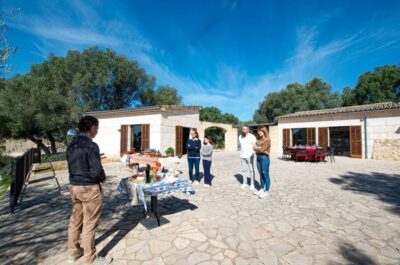
Visit of the olive grove, olive oil tasting and snack
Read our review →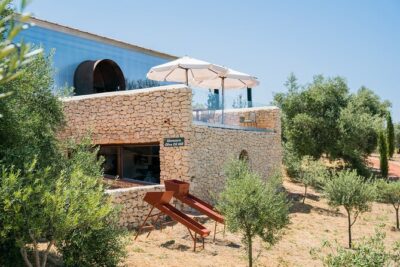
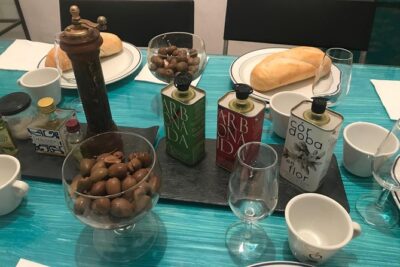
Visit Oil Mill Museum and Olive Oil Tasting in Ronda
Read our review →
Sóller: Olive Oil Guided Tour and Tasting at Can Det Estate
Read our review →Browse the lists this tour appears in