

Review · OLIVE MILL AND FACTORY TOURS
Tour of Olive Grove and Oil Mills with Oil Tasting
Cazorla’s olive trees are not a side note to the town. They are the setting, the livelihood, and the flavor of this corner of Jaén. This four-hour outing takes you from a centenary olive grove to a modern oil mill, then ends with a guided tasting led by Antonio, an agricultural engineer who explains the subject with real feeling.
I especially like the clear three-part shape: you see where the fruit grows, how oil is made, and how to judge the finished product. I also like the small group limit of 10 people, which gives the tasting a better chance to feel like a lesson rather than a rushed sample table. The main consideration is the early 9:00 am start and the need for good weather.
Key points to know before booking
- See Cazorla’s mountain olive groves up close: The opening visit puts you beside old olive trees with views across one of Spain’s great olive-growing regions.
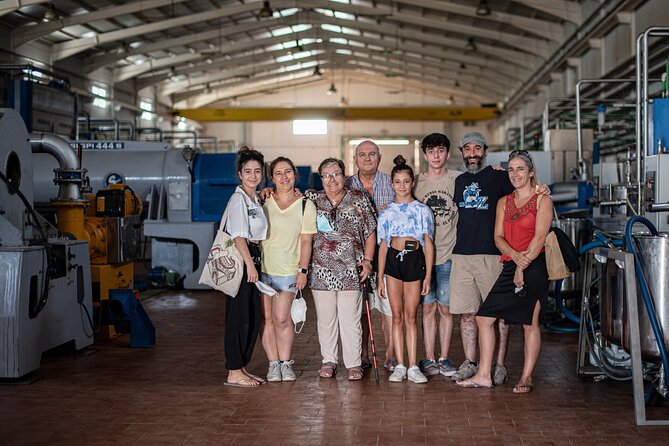
- Follow the oil from fruit to bottle: A visit to the area’s largest and most modern cooperative shows the machinery and stages behind production.
- Learn how professionals taste oil: Antonio covers defects, positive qualities, aromas, and the differences between royal and picual varieties.
- Finish in Cazorla’s historic center: The Olearum tasting room is close to shops, bars, and restaurants, making it a useful place to continue your day.
- Small group, modest price: At $28.81 per person, the tour offers four hours of local culture and instruction, with a maximum of 10 participants.
- Plan around the conditions: Pickup is offered, but the stated meeting point is the public parking area at La Villa, and the outing can be canceled for poor weather or low enrollment.
Why olive oil makes sense as a Cazorla experience
Cazorla is framed by mountains and surrounded by what can feel like an endless sea of olive trees. In Jaén province, olive growing is not simply a farm activity. It shapes local customs, food, work, and the rural identity of the region.
That context gives this visit more weight than a quick tasting in a shop. You begin outside town, looking at the trees and the terrain that influence the crop. You then move into the production side before sitting down to assess the oil with your own senses.
I like this order because it answers the questions that often get skipped. Where does the oil come from? What happens after harvest? What makes one extra virgin oil better than another? By the end, you have a practical framework for choosing and tasting olive oil at home.
The setting is also part of the appeal. The groves around Cazorla are presented as a possible UNESCO World Heritage candidate, and the tour gives you a direct way to understand why this place matters. You are not just looking at pretty hills. You are seeing a working agricultural region with a long connection to the olive tree.
More Olive Grove Walks in Spain
- Visit of the olive grove, olive oil tasting and snack
★ 4.9 · 111 reviews - Jaen: Olive oil tour with the 5 senses, grove and tasing
★ 4.9 · 53 reviews - Córdoba: Visit a family organic olive grove with tasting
★ 5.0 · 30 reviews
The centenary grove beside Cazorla
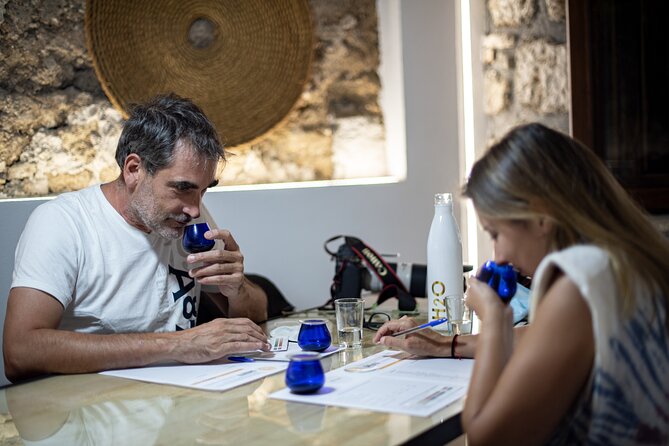
The first stop is a centenary olive grove near Cazorla. This is the best place to get a sense of scale and age before the tour turns technical.
Old trees tell a different story from a bottle on a shop shelf. Their twisted trunks and long lives help connect the product to the land. You can look across the mountain groves, take in the views, and learn about the role of olive growing in local life.
The supplied details do not promise a specific walking route or terrain level, so I would wear comfortable shoes and expect an outdoor stop rather than a formal garden visit. The tour is listed as suitable for most people, but anyone who finds uneven rural ground difficult should ask about conditions before booking.
Antonio guides the visit and brings an agricultural background to the explanation. That matters here. You are more likely to hear how olive trees and oil production actually relate than receive a string of generic facts about Spain.
The morning timing may work well for the grove. At 9:00 am, you have the main activity finished by early afternoon, leaving room for lunch or more sightseeing in Cazorla. On the other hand, you need to be ready early, especially if you are staying outside the town center.
Inside the modern cooperative
After the grove, the tour moves to the region’s largest and most modern cooperative. This is where the rural view becomes an industrial process.
You can observe the stages and machinery used to produce olive oil. The information provided does not list every machine or processing step, so do not expect a detailed factory specification. The value is in seeing the scale of the operation and understanding that quality oil depends on careful handling after the olives leave the tree.
For many people, this will be the most useful part of the visit. Olive oil is often sold with broad labels such as extra virgin, early harvest, or single variety. Seeing the mill helps you connect those words to a real production site.
The cooperative also provides a useful contrast with the old grove. First you see the age and tradition of the trees. Then you see the modern equipment needed to turn their fruit into a food product. That pairing avoids a romantic but incomplete picture of olive farming.
There is one practical point to keep in mind. A working oil mill is not the same as a museum, and the experience is centered on production rather than decoration. If you want local culture with a clear food focus, this is a strength. If you are looking only for scenic viewpoints, the grove will likely be your favorite portion.
The tasting: royal, picual, and your own senses
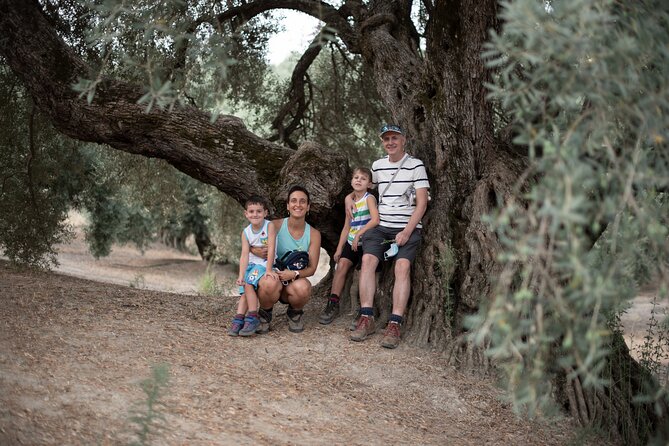
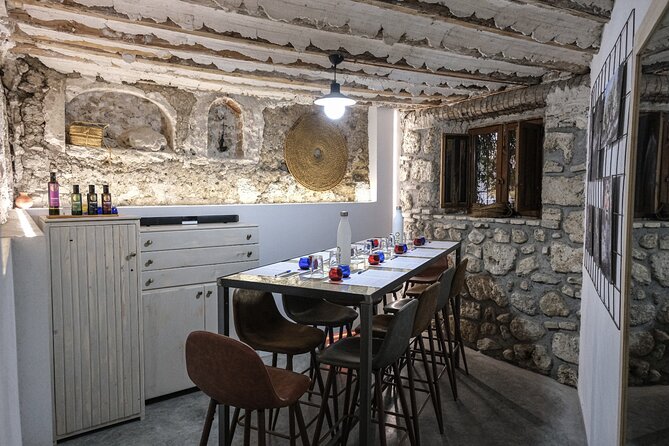
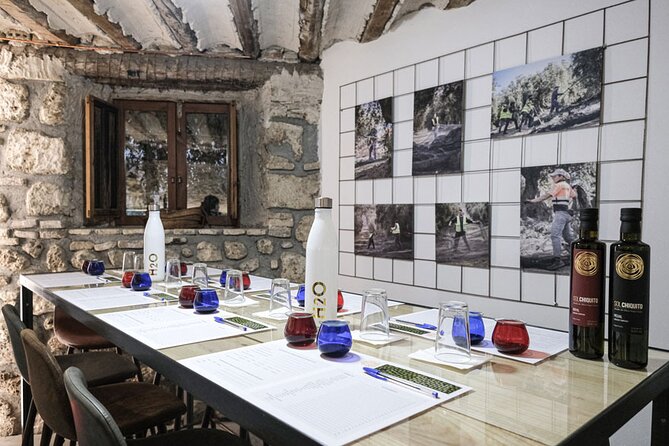
The final stop takes place in Olearum’s exclusive tasting room in the historic center of Cazorla. The session focuses on early harvest oil and compares the two main varieties from the area, royal and picual.
You learn to look for positive qualities as well as defects. That is a valuable distinction. A tasting is not only about deciding if you like an oil. It can teach you to notice aroma, flavor, balance, and signs that a product has been poorly handled.
The tasting also gives you a chance to test your own senses. You may notice different aromatic details between the varieties, even if you have never tried to describe olive oil before. The aim is not to turn you into a professional taster in one sitting. It is to give you a better vocabulary and a sharper palate.
This part appears to be carefully structured and entertaining, rather than a simple pour-and-sip activity. Antonio’s role is important because he explains how the oil is assessed while keeping the process approachable. Families can take part, and the supplied feedback specifically indicates that children found the explanations interesting.
I would not expect a large meal. The information describes an oil tasting, not a full food pairing or lunch. If you arrive hungry, plan another meal afterward. The tasting room is near shops, bars, and restaurants, so the location makes that easy.
More Olive Mill and Factory Tours in Spain
- Guided Tasting Tour in 16th century House and Olive Oil Factory
★ 5.0 · 169 reviews - Visit Oil Mill Museum and Olive Oil Tasting in Ronda
★ 4.5 · 105 reviews - Jaén: Guided Olive Mill Tour with Olive Oil Tasting
★ 4.9 · 74 reviews - Picualia, olive oil mill tour & EVOO tasting
★ 5.0 · 49 reviews
What Antonio adds to the experience
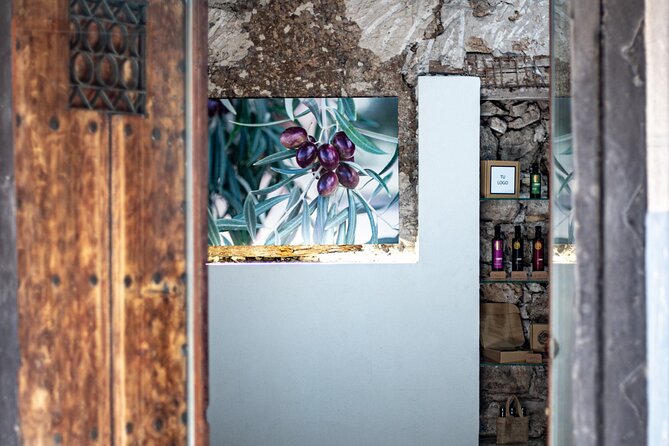
The guide’s name comes up repeatedly in the details of the experience, and for good reason. Antonio is described as an agricultural engineer and as someone who works with clear enthusiasm for olives, oil, and the land.
That background should appeal to you if you prefer a guide who can explain both the practical and sensory sides of a subject. He covers the olive grove, the machinery, and the tasting instead of treating each as a separate attraction.
The tone also seems suited to mixed groups. Families can follow the explanations, and the tasting is designed to be engaging rather than intimidating. You do not need prior knowledge of olive oil to take part.
Some logistical flexibility is also noted. One booking account describes Antonio collecting the group from a hotel, while the official start point is the public parking area at La Villa. Since pickup is offered but the exact arrangement may depend on your booking, confirm the pickup details rather than assuming door-to-door service.
Is four hours a good use of your morning?
For a food and culture activity, four hours is a sensible length. It gives enough time for three different settings without turning the subject into a rushed stop.
The schedule begins at 9:00 am and includes the grove, the cooperative, and the tasting room. You should allow the full four hours, since each stage adds something different. Cutting out the grove would remove the link to the land. Skipping the mill would leave out the production story. Treating the tasting as an afterthought would miss the part where you learn to evaluate the oil yourself.
The duration also makes this easy to fit into a Cazorla visit. You can use it as a morning plan and keep the afternoon for the town, mountain scenery, or a meal. The ending point is in the historic center rather than back at the opening parking area, so you finish in a useful part of town.
The group size is another advantage. With no more than 10 participants, questions should be easier to ask, and the tasting should feel more personal than a large coach excursion. A small group does not guarantee a private tour, but it does keep the experience relatively contained.
Is $28.81 good value?
At $28.81 per person, this is good value if you want more than a sample of local oil. The fee covers about four hours, admission to the listed stops, a guided tasting, and a subject that is central to Jaén’s economy and food culture.
The value comes from the range. A shop tasting might show you the final product. This outing adds the grove and the mill, so you understand the full chain from tree to oil.
It is also a practical purchase if you plan to buy olive oil during your time in Spain. After learning about defects, positive qualities, and varieties, you can make a more informed choice at a market or specialty shop. The lesson may continue to pay off after you return home.
The price is less compelling if you have little interest in food production or already know olive oil well. It is also not the right pick if you want a broad tour of Cazorla’s monuments, since the focus stays firmly on the olive culture of the area.
The experience is often booked around 40 days ahead, which suggests that you should not leave it until the final morning of your trip if your schedule is fixed. Confirmation is sent within 48 hours, subject to availability.
Practical details that affect your day
The official meeting point is Parking Público la Villa, Camino de San Isicio, 0, in Cazorla. The tour begins at 9:00 am. The finish is at C. Gómez Calderón, 14, home of the Olearum tasting room in the historic center.
Pickup is offered, but the provided details do not spell out the service area or whether every booking includes hotel pickup. Ask before booking if transport from your accommodation matters.
A mobile ticket is accepted, which keeps the arrival process simple. Service animals are allowed, and most people can participate. The maximum group size is 10.
The outing requires good weather. If conditions prevent the activity, you are offered another date or a full refund. The same applies if the minimum number of participants is not reached.
Free cancellation is available up to 24 hours before the start time. Canceling later than that, or changing the booking within 24 hours, does not qualify for a refund. The cutoff uses local time, so keep that in mind if you are booking from another country.
Who should book this olive oil tour?
I would recommend it to food-focused visitors, families, couples, and anyone who wants a stronger connection to the countryside around Cazorla. It is especially useful for people who enjoy learning how everyday foods are made.
You will get the most from it if you are willing to listen, ask questions, and taste with some attention. The experience is not built around thrills or a long list of attractions. Its pleasure comes from understanding a familiar ingredient in a new way.
It also suits a first visit to the area because it explains something you will see everywhere around Jaén: olive trees. Once you have visited a grove and oil mill, the surrounding countryside becomes easier to read.
I would think twice if you need a late start, have mobility concerns about an outdoor agricultural site, or want a tour centered on Cazorla’s architecture and sights. The activity is focused, and that focus is both its strength and its limitation.
Should you book it?
Book this tour if you want to understand why olive oil is so important to Cazorla and Jaén, not just taste a free sample. The sequence is well judged: old trees, modern production, then a guided comparison of royal and picual oils.
The strongest reason to go is Antonio’s role. His agricultural training and clear enthusiasm give the visit a human guide through a subject that could otherwise become technical. The small group, four-hour format, and $28.81 price also make it a sensible choice for a morning in Cazorla.
Skip it if your time is extremely tight or your interests lie elsewhere. For most food-minded visitors, though, this is one of the more useful ways to understand the town’s countryside and bring home a better sense of what extra virgin olive oil should taste like.
FAQ
Where does the tour start?
The tour starts at 9:00 am at Parking Público la Villa, Camino de San Isicio, 0, 23470 Cazorla, Jaén, Spain.
Where does the tour finish?
It finishes at the Olearum tasting room at C. Gómez Calderón, 14, in the historic center of Cazorla, near shops, bars, and restaurants.
How long does the experience last?
The experience lasts approximately four hours.
How much does the tour cost?
The listed price is $28.81 per person.
How many people can join the tour?
The activity has a maximum of 10 participants.
Is pickup available?
Pickup is offered. The stated meeting point is Parking Público la Villa, so confirm the pickup arrangement and location when booking.
What olive oil varieties are included in the tasting?
The tasting focuses on the royal and picual varieties, which are identified as the two main varieties in the area.
Can I cancel for a full refund?
Yes. You can cancel at least 24 hours before the start time for a full refund. Cancellations or changes made less than 24 hours before the start time are not refunded. If bad weather or low enrollment cancels the activity, you are offered another date or a full refund.
Newest grove reviews around Spain
- Córdoba: Olive Oil Tasting Experience★ 4.4 · 8 reviews
- Cazorla: Oleotour – Olive Oil Culture Initiation★ 5.0 · 3 reviews
- Cazorla: Olive grove and mill tour★ 5.0 · 2 reviews
- Cazorla: Highligts Tour with Olive Oil Tasting★ 5.0 · 2 reviews
- Aires de Jaén: Olive Oil Plantation Tour and Local Meal★ 4.9 · 9 reviews
- Olive Oil Tasting and Culinary Day Trip in Carmona★ 5.0 · 2 reviews
- Oleotourism and olive oil tasting in Seville – Private tour★ 5.0 · 7 reviews
- Cordoba Olive Oil mill, Wine, Passion★ 4.5 · 8 reviews
Olive Mill and Factory Tours, compared.
Knossos-Zeus Cave -Old Traditional Villages-Olive Oil Factory
Read our review →
The Governor’s Olive Mill Tour with Olive Oil Tasting
Read our review →
Road-trip to Lasithi, Zeus Cave & Olive Mill Farm
Read our review →
Lassithi, Zeus Cave, Olive Mill Farm & Knossos Combo Tour
Read our review →
Lake Garda Oil Mill Tour with Olive Oil Tasting
Read our review →Browse the lists this tour appears in