

Review · GREECE OLIVE OIL TOURS
Kalamata: The Olive Oil Routes Tour
The most memorable part of this olive oil tour is its family connection. You do not simply hear how olives are grown and pressed. You visit a family orchard and a mill that has worked in Androusa for more than 120 years, then sit down with a certified taster to compare oils properly. I especially like the walk among the old trees and the clever food pairings, from Kalamata olives and olive paste to sfela cheese and smoked ham.
I also like that the tour ties olive oil to local life rather than treating it as a luxury product. Guides such as Dimitra and Athanasia use stories, questions, and games to keep the group involved. The main consideration is transport: you must reach the castle meeting point yourself, and the tour involves walking outdoors, so comfortable shoes, sun protection, and a car or taxi are important.
Why this olive oil experience is worth your time
- A 13th-century castle sets the scene: Begin outside Androusa Castle, about 20 minutes from Kalamata and 10 minutes from Ancient Messene.
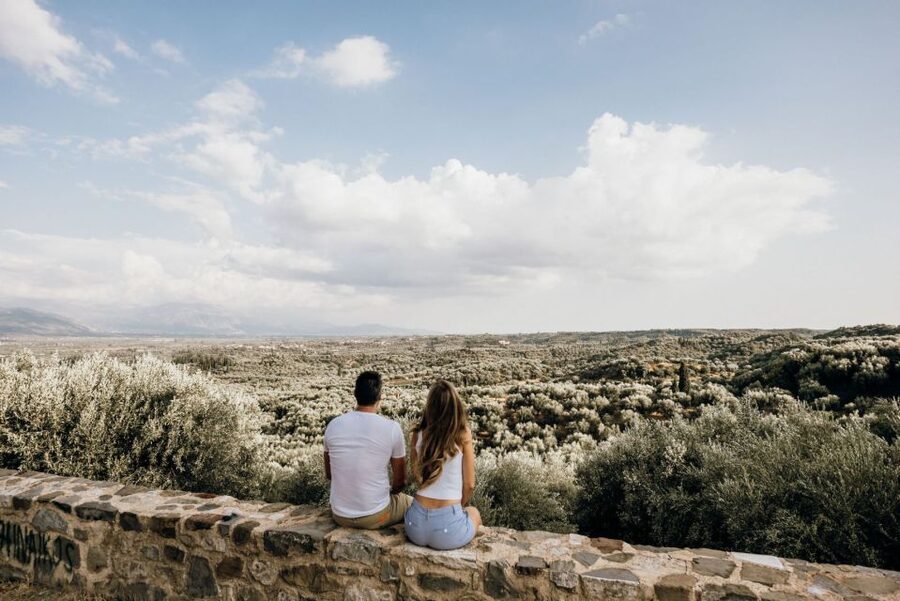
- Old trees tell local stories: Walk through Messinia’s olive groves while learning about varieties, farming traditions, and the role of the trees in Greek culture.
- A fifth-generation mill shows the real process: See how olives become extra virgin olive oil, from extraction to storage and standardization.
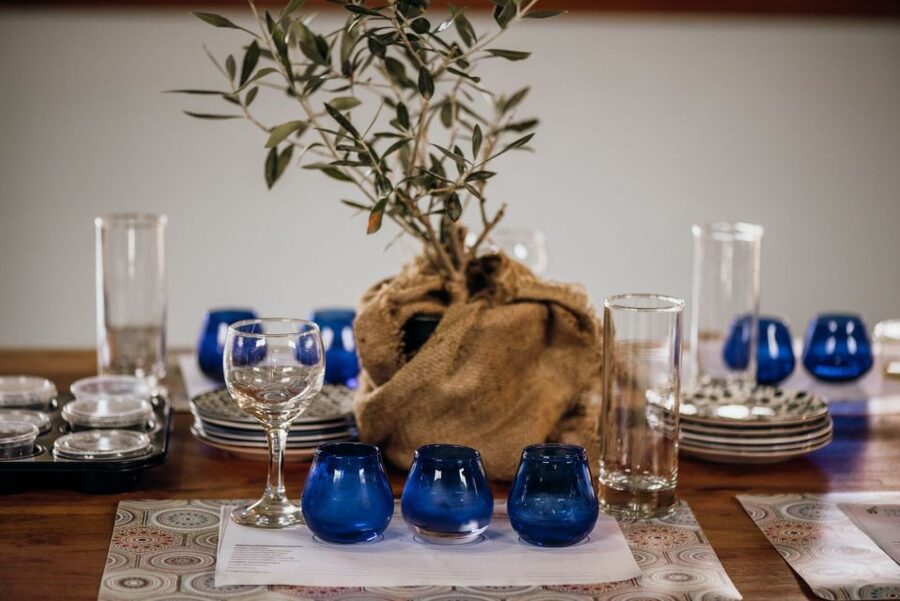
- Certified tasting makes the oil easier to understand: Use blue tasting glasses to compare flavor, aroma, and other qualities in a guided session.
- Food turns the lesson into lunch: Match several oils with fruit, tzatziki, lalagia, local cheeses, Kalamata olives, olive paste, and pasto.
- The price covers more than a tasting: At $106 per person, you receive a 3.5-hour guided visit, entrance fees, food and oil tastings, taxes, and photos.
Starting at Androusa Castle in Messinia
Your meeting point is outside the castle of Androusa, on the main road. This matters because the castle is not in central Kalamata. Plan on a 20-minute drive from Kalamata, or about 10 minutes from Ancient Messene, and allow extra time to find the meeting spot.
The castle gives the tour a strong opening. You are in the heart of Messinia, surrounded by the sort of countryside that makes the olive trade easier to understand. The first walk connects the ruins and the groves, with the guide explaining the traditions and stories attached to the area’s olive trees.
Do not expect a long castle tour with detailed architectural interpretation. The castle is the starting point and setting for the first portion of the experience. The focus quickly shifts to olive farming, local customs, and the relationship between land and family.
That opening walk is useful because it gives you context before the tasting begins. Olive oil can seem like a supermarket item until you see the trees, the soil, and the work behind every bottle. Here, the subject starts with a place rather than a sales pitch.
More Olive Oil Tours around Greece:
- Crete: Quad Safari, Olive Mill with Tasting & Ghost Village
★ 4.9 · 1,004 reviews - Knossos-Zeus Cave -Old Traditional Villages-Olive Oil Factory
★ 5.0 · 694 reviews - The Governor’s Olive Mill Tour with Olive Oil Tasting
★ 5.0 · 502 reviews
Walking among the perennial olive trees
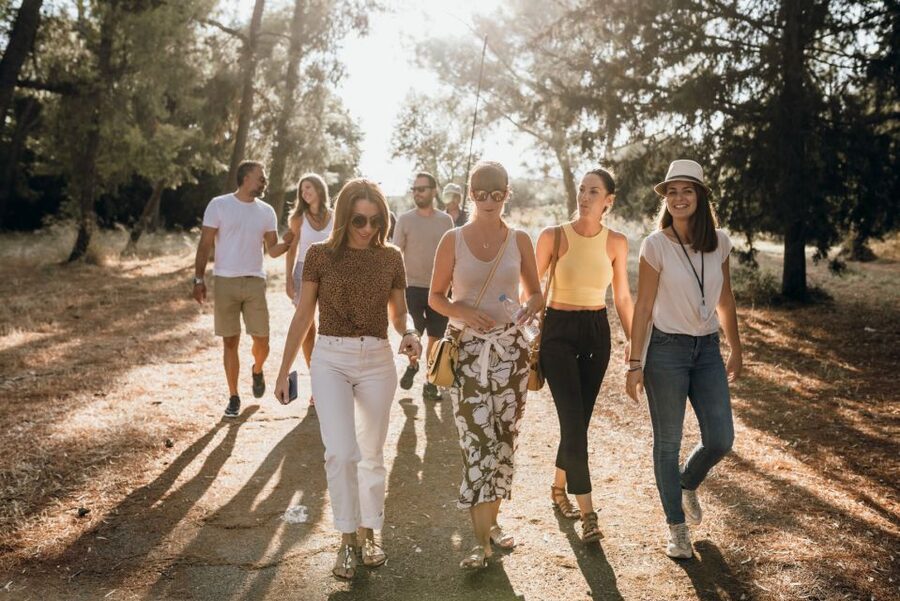
The grove visit is the most atmospheric part of the morning or afternoon. You walk among old olive trees and learn how different varieties grow in the region. The guide also uses the tree trunks and the shape of the groves to explain how Messinian farming has continued across generations.
Dimitra’s family connection gives this section a personal feel. She has explained her family’s olive-growing background and the importance of the farm to Greek family life. Athanasia has also been praised for speaking with real feeling about land, family, and the value of olive farming.
The tour works well for people who know little about olives, but it does not leave experienced Greece visitors behind. One useful feature is the interactive approach. Questions, names, and simple games help the group take part rather than stand quietly while facts are recited.
Families can enjoy this section. A four-year-old has taken part successfully, and older children and teenagers have also responded well to the activities. The walking is not presented as strenuous, but you should still wear stable shoes. Paths through groves are not the place for thin sandals or dress shoes.
If you visit during the November harvest, you might see crews picking olives and may be invited to take part briefly. That seasonal detail cannot be guaranteed, but harvest time gives you the best chance to see the work in progress rather than only hear about it.
Inside Androusa’s 120-year-old olive mill
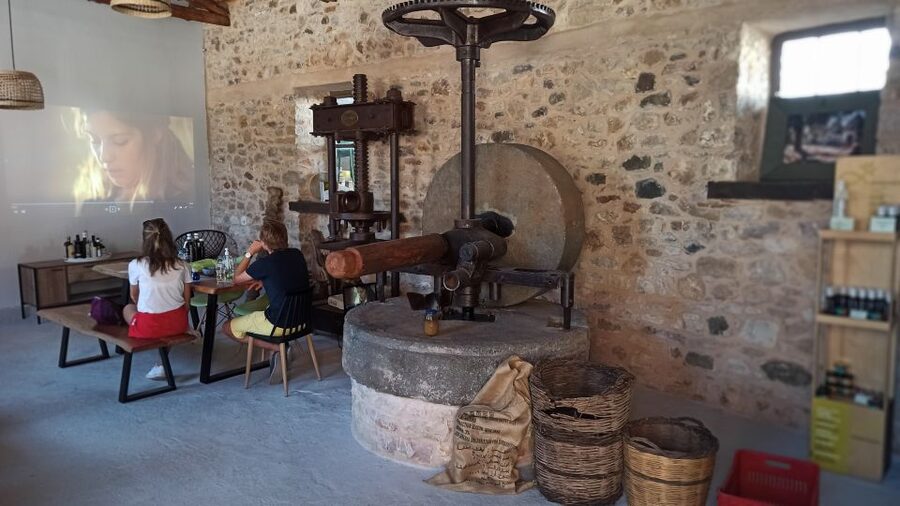
In the center of Androusa Village, the tour visits an olive press and mill that has operated for more than 120 years. The fifth-generation owner explains extraction, storage, and standardization, giving you a useful view of what happens after olives leave the trees.
This is where the experience moves from culture to practical information. You learn how olives are handled and how extra virgin olive oil is produced. The focus is not only on pressing. Storage and standardization matter too, since poor handling after extraction can affect the final product.
The family setting adds value. You are not touring an anonymous factory built only for visitors. You are seeing a working family connection to the crop, and the guides can explain the process through their own experience.
The mill visit is not a full industrial tour. The attraction lies in the explanation and the sense of continuity. If you want a technical engineering inspection of every machine, this may feel light. If you want to understand how a regional product moves from grove to bottle, it hits the right level.
You also learn about table olives and different olive varieties during this part of the experience. That helps separate two products often confused by first-time visitors: olives served as food and olives processed for oil.
Learning to taste extra virgin olive oil
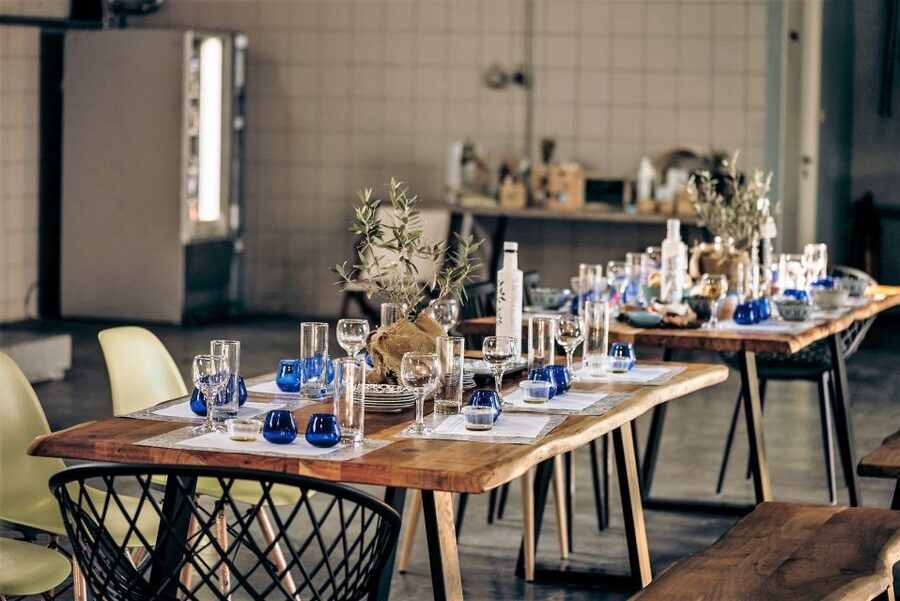
The tasting takes place around a table set with special blue olive oil glasses. These glasses are not just decorative. Their shape and color help you focus on the oil’s smell and taste rather than judge it by appearance.
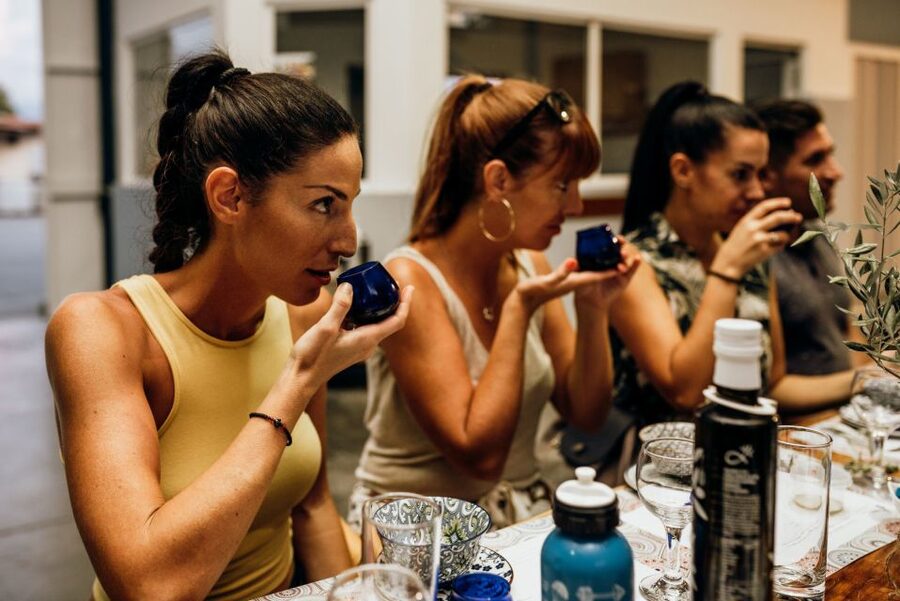
A certified olive oil taster leads the session. You begin with Koroneiki, a variety strongly associated with the area, and learn about its organoleptic qualities, meaning the features you can identify through your senses. The session teaches you how to notice aroma, flavor, balance, and defects that can separate a genuine extra virgin oil from an inferior product.
You then compare oils made from varieties such as Manaki, Xalkidikis, and Mavroelia. That comparison is one of the tour’s best features. Instead of hearing that Greek olive oil has different styles, you taste the differences side by side.
I like this approach because it gives you a skill you can use later. After the tour, you may pay closer attention to an oil’s aroma and finish, rather than choosing only by label or price. The point is not to turn you into a professional taster in one sitting. It is to give you a clear way to think about quality.
The tasting is also accessible to beginners. You do not need to arrive with a trained palate. The guide explains what to notice and gives you time to compare. If you already buy specialty oil, you will still appreciate the chance to examine several Greek varieties in one place.
Same groves, a different afternoon:
- From Chania: Olive Oil, Wine, Cheese & Honey Tasting Tour
★ 4.6 · 490 reviews - Crete: Road-trip to Lasithi, Zeus Cave & Olive Mill Farm
★ 4.4 · 451 reviews - Heraklion: Olive Farm Tour with Tasting of Local Delicacies
★ 4.9 · 411 reviews - Lassithi, Zeus Cave, Olive Mill Farm & Knossos Combo Tour
★ 4.6 · 404 reviews
Pairing four or more local foods with the oils
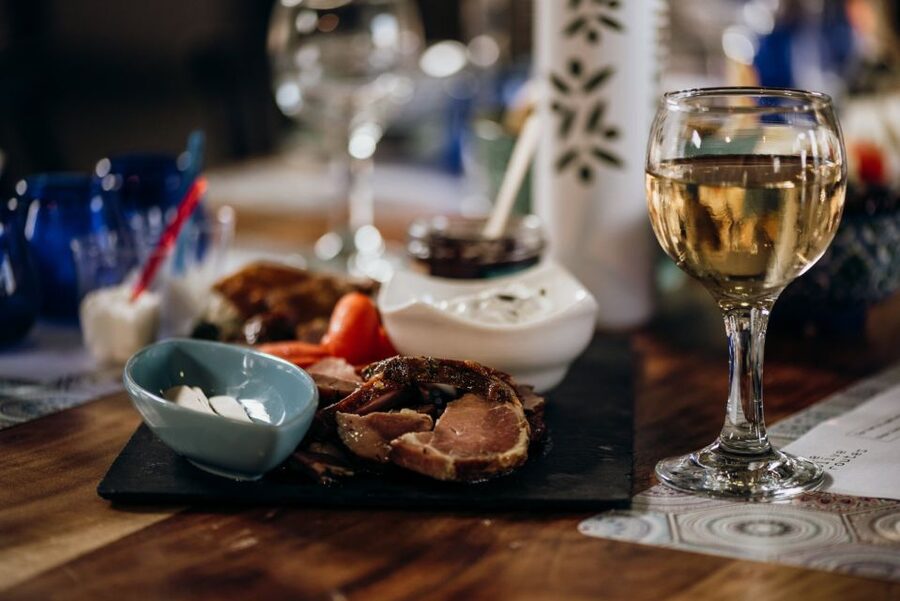
The food portion makes the tasting practical. You do not only sip oil from a glass. You try it with fruit, small gourmet dishes, tzatziki, Kalamata olives, olive paste, lalagia, pasto, and local cheeses.
Lalagia, a traditional fried dough preparation, gives the oil a different setting from bread or a plain tasting spoon. Sfela, a local cheese, brings salt and firmness. Pasto, a smoked ham, adds another strong flavor. These pairings show that olive oil is not a single-purpose topping.
You are encouraged to make your own combinations. Try one oil with fruit, then another with cheese or tzatziki. The exercise helps you notice that the best match is not always the strongest oil. Some varieties may work better with delicate foods, while others can handle salty or smoky flavors.
The food is often substantial enough to function as a generous local meal rather than a token snack. Several participants have described a full lunch at a nearby tavern, with homemade dishes and local wine, while the advertised format emphasizes small plates and tastings. Treat the food as a major part of the experience, but do not book it solely as a guaranteed restaurant lunch if your plans depend on a particular menu.
Dietary needs should be raised in advance. Gluten-free arrangements have been handled before, but the tour information does not promise every dietary substitution. A quick message before booking is the sensible move.
Guides who make the lesson feel personal
Dimitra is the guide most often associated with the experience, and she is also a certified olive oil taster. Her approach combines family stories, regional history, and hands-on questions. She has a knack for using people’s names and drawing them into the discussion.
Athanasia has also led portions of the tour, bringing a warm explanation of the connection between family and land. Dimitra’s assistant has been praised for engaging each person during the mill visit and tasting.
The guiding style is active rather than formal. If you prefer a quiet lecture, the games may feel a little youthful at first. One participant initially found the approach similar to a school lesson, then found that the activities helped the group relax and remember the material. That is a fair description: the tour uses play to make a serious subject easier to absorb.
This style is especially helpful in a small group. You get chances to ask questions and taste at a comfortable pace. The tour is offered in Greek and English, with a live guide.
Is $106 good value for 3.5 hours?
At $106 per person, this is not the cheapest olive grove visit in Greece. The value comes from the number of parts included: the castle setting, grove walk, mill visit, certified tasting, food pairings, entrance fees, taxes, local guide, and tour photos.
If you only want to see olive trees and take a few pictures, the price may feel high. You could visit rural areas independently for less. But arranging a family farm visit, a working mill, a structured tasting, and a local food spread on your own would take time and still might not give you the same explanation.
The experience also saves you from treating Kalamata as only a city stop. It takes you into the surrounding Messinian countryside without requiring a full-day excursion. For a half-day activity, the schedule is efficient and focused.
The price looks strongest for people who value food, culture, and instruction together. It is also good for couples and families who want one activity that works across age groups. Children may not care about the technical details of extraction, but the walks, stories, and tasting foods give them several ways to take part.
The tour does not include hotel pickup or drop-off. Add the cost and time of your own taxi or rental car when comparing it with other excursions.
Practical advice before you go
Wear comfortable walking shoes. You move through outdoor groves and around rural sites, so this is not an activity for polished footwear.
Bring a sun hat and sunscreen. The information provided does not promise shade throughout the walk or waiting areas, and Messinia can be bright even when the air feels mild.
If you are staying in Kalamata, a rental car makes the meeting point simple. A taxi can also reach Androusa, but confirm the return arrangement before setting out. The castle meeting point is outside the city, not a hotel lobby.
The tour allows cancellation up to 24 hours before the start for a full refund, and you can reserve now and pay later. Starting times vary, so check availability before building the rest of your day around it.
Photos from the tour are included. That is a small but useful extra, especially if you want pictures of the grove and group experience without constantly holding your own phone.
Who should book the Olive Oil Routes Tour?
Book it if you want to understand why olive oil matters so much in Messinia, not merely sample a few bottles. The combination of old trees, a fifth-generation mill, certified tasting, and local food gives the subject real depth without making the activity feel academic.
It is a strong choice for families, food-focused visitors, couples, and anyone visiting Ancient Messene or Kalamata with half a day available. It is also a good fit if you prefer meeting local producers and hearing family stories over visiting a polished commercial attraction.
Think twice if you dislike group activities, outdoor walking, or participatory guides. The tour asks you to taste, answer questions, and join in. Also remember that transport is your responsibility and that the food setup may vary between small plates and a fuller tavern meal.
For most visitors with an interest in Greek food, I would book it. You leave with more than olive oil in your shopping bag. You understand the trees, the work, the family ties, and the simple reason this crop is at the center of Messinian life.
FAQ
Where does the Olive Oil Routes Tour meet?
Meet your guide outside the 13th-century castle of Androusa, on the main road. The meeting point is about 20 minutes from Kalamata and 10 minutes from Ancient Messene by car.
How long does the tour last?
The experience lasts 3.5 hours. Starting times vary, so check availability when you reserve.
Is hotel pickup included?
No. Hotel pickup and drop-off are not included. You need to reach the castle meeting point by car or taxi.
Which languages are available?
The tour is offered with a live guide in Greek and English.
What foods and oils will I taste?
You taste extra virgin olive oils including Koroneiki, Manaki, Xalkidikis, and Mavroelia. Food pairings can include fruit, tzatziki, Kalamata olives, olive paste, lalagia, sfela, pasto, local cheeses, and other small local dishes.
What should I bring?
Bring comfortable shoes, a sun hat, and sunscreen. You will walk outdoors through olive groves and visit rural sites.
Newest grove reviews around Greece
- Corinthian olive oil tour & tasting experience★ 5.0 · 4 reviews
- Corfu: Olive Oil & Wine Tastings & Traditional Villages Tour★ 5.0 · 6 reviews
- Corfu: Organic Olive Oil Farm Tour with Transfer and Tasting★ 5.0 · 8 reviews
- Chania: Authentic Crete Villages Tour & Olive Oil Tasting★ 4.5 · 2 reviews
- Chania Olive Tour: 3,000-Year-Old Tree, Museum &Organic Mill★ 5.0 · 5 reviews
- Chania Private Olive Oil Tour: Oil Tasting & Villages Tour★ 4.4 · 9 reviews
- Chania E-Bike Adventure: Culture, Coastline & Olive Tasting★ 5.0 · 2 reviews
- Athens: Cretan Olive Oil Tasting Experience★ 5.0 · 10 reviews
Greece Olive Oil Tours, compared.
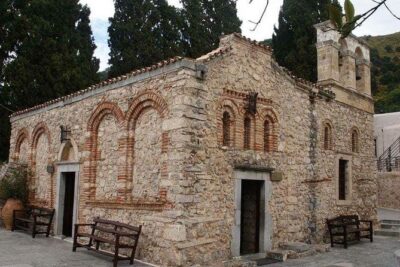
Knossos-Zeus Cave -Old Traditional Villages-Olive Oil Factory
Read our review →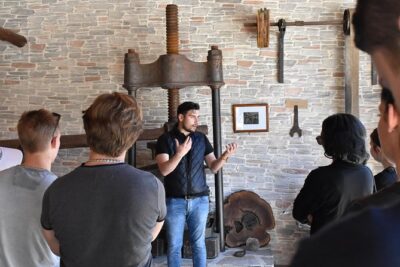
The Governor’s Olive Mill Tour with Olive Oil Tasting
Read our review →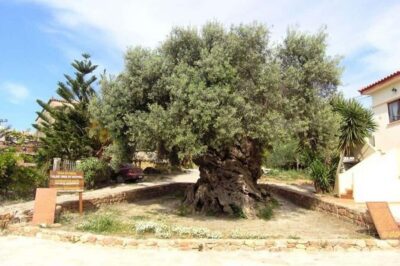
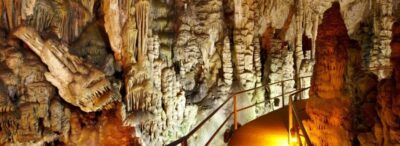
Road-trip to Lasithi, Zeus Cave & Olive Mill Farm
Read our review →
Olive Farm Tour with Tasting of Local Delicacies
Read our review →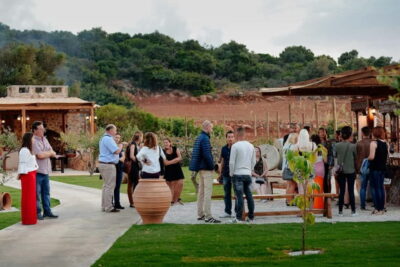
Lassithi, Zeus Cave, Olive Mill Farm & Knossos Combo Tour
Read our review →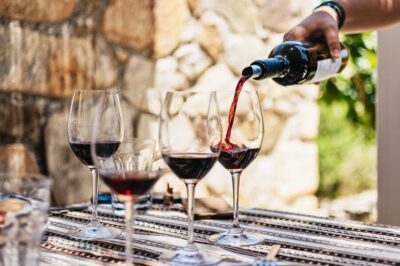
Browse the lists this tour appears in