
Review · OLIVE OIL AND WINE TASTINGS
Hvar: Island tour with Wine and Olive Oil Tasting
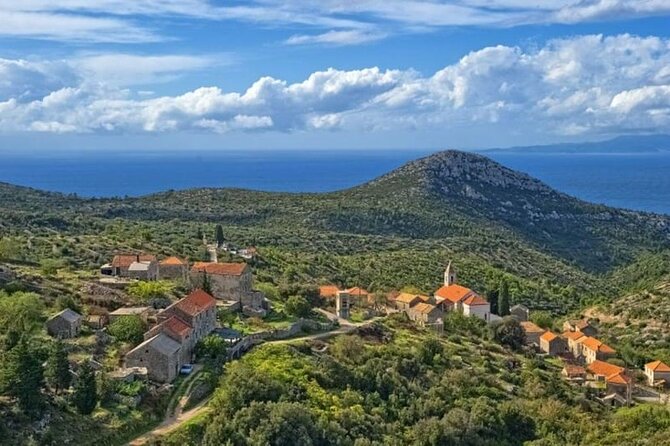
Hvar’s best views are not all found along the waterfront. This three-hour tour climbs to Napoleon’s Fortress, crosses the island’s old roads, and finishes in a traditional konoba in Jelsa with wine and flavored olive oils. I especially like the mix of scenery and local food, plus the small maximum group of eight, which keeps the ride personal.
I also like the guides Petar and Luka, who explain island life, history, vineyards, lavender, and old farming traditions rather than simply pointing out photo stops. The main consideration is that you may repeat Napoleon’s Fortress or Duboković Winery if you have already taken another Hvar wine tour.
Key points to know before booking
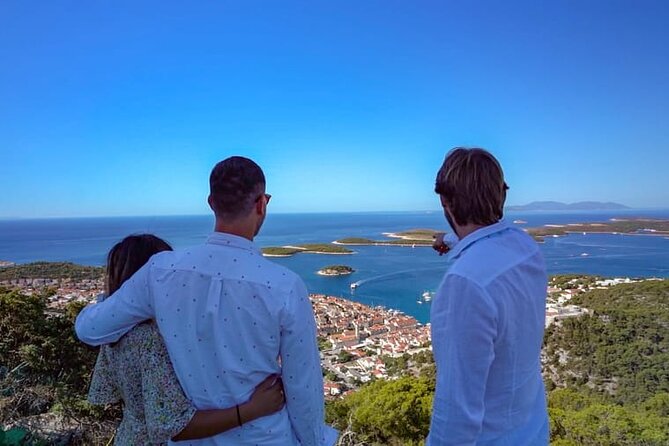
- Napoleon’s Fortress reaches 250 meters above Hvar Town, with broad views toward the harbor and Paklinski Islands.
- The route crosses Hvar’s interior, passing dry stone walls, villages, lavender fields, and the old road toward central Hvar.
- Duboković Winery is a small producer, making roughly 15,000 to 20,000 bottles a year, including the sought-after Medvid wine.
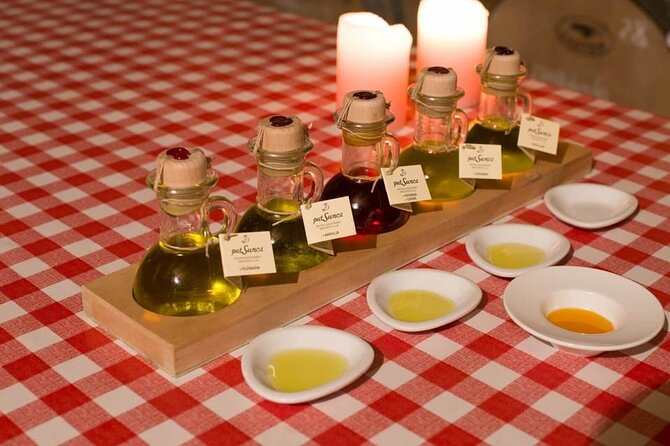
- The tasting can include many pours, with one visit featuring seven wines and another offering about ten wines, plus four flavored olive oils and bread.
- The group is limited to eight people, and pickup is offered, though hotels in Hvar’s pedestrian zone use the Hvar Bus Station as the meeting point.
- Bring cash for olive oil purchases, since the winery accepts cash for that product. Wine can be shipped, according to the information provided.
Why this three-hour Hvar tour works
Hvar Town is handsome, but it gives you only one piece of the island. The interior tells a different story: narrow old roads, hillsides marked by dry stone walls, tiny settlements, lavender country, and vineyards that have survived for generations.
This excursion gives you that wider view without asking you to rent a car or work out the island’s winding roads yourself. You ride in a tour van, stop at major viewpoints, and have a guide explaining what you are seeing. The time is short, but the route covers several distinct parts of Hvar.
I would call it a sightseeing tour with a serious tasting at the end, not a winery visit with a little scenery added on. That balance is its main strength. You get photographs and context first, then time to sit down and taste local products at a relaxed pace.
The tour costs $143.79 per person. That is not a cheap quick outing, but the price includes transportation, the guide, entrance to Napoleon’s Fortress, and the wine and olive oil tasting. For a visitor without a car, the cost also buys convenience and a safe driver on narrow, winding roads.
More Olive Oil and Wine Tastings in Croatia
- Split: Krka Waterfalls With Boat Cruise, Wine and Olive Oil
★ 4.3 · 1,507 reviews - Wine, food and olive oil by PhD student
★ 5.0 · 111 reviews - Hvar: Island tour with Wine and Olive Oil Tasting
★ 4.9 · 77 reviews
Starting above Hvar Town at Napoleon’s Fortress
The first major stop is Napoleon’s Fortress, also known as Fort Napoljun, at about 250 meters above sea level. From here, you can look down toward Hvar Town and across the water to the Paklinski Islands.
This is the tour’s strongest photo stop. The viewpoint lets you understand Hvar’s setting in one glance: the compact town below, the harbor, the islands offshore, and the slopes rising behind the coast. Guides such as Petar have also been praised for taking good group photos here, a small but useful touch when everyone wants a picture together.
The stop lasts about 15 minutes, so plan on a quick visit rather than a long walk around a large fortress complex. The attraction is primarily the outlook and the position above town. If you want extensive time exploring the fort itself, this tour does not provide that.
You should also expect roads that curve sharply as the van climbs. That is part of the island experience, but anyone prone to motion sickness may want to sit where the ride feels most comfortable. Several comments specifically praise the drivers for safe handling of the winding roads.
Crossing Hvar’s old road through the interior
After the fortress, the route follows an older island road toward central Hvar. This is where the excursion becomes more than a list of viewpoints.
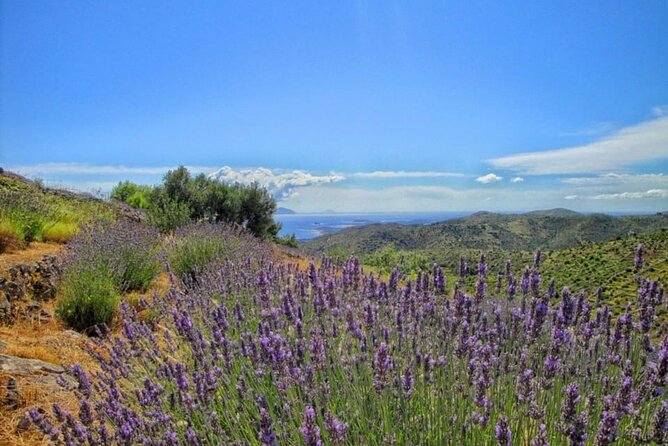
You pass through a network of dry stone walls, picturesque villages, and areas known for lavender. These walls are not decorative. They reflect the hard work once needed to clear and farm the island’s rocky ground. Your guide may also explain how olive growing, vineyards, and village life fit together on Hvar.
The drive gives you a look at the island beyond its busy coastal towns. You will see a quieter side of Hvar, with open hills and rural roads replacing waterfront cafés. The exact appearance of the fields depends on the season, and lavender is not guaranteed to be in bloom, but the route itself remains scenic.
This portion also makes the guide important. Petar is from a family with long roots on Hvar, while Luka has been praised for explaining local history and culture in an easy, personal way. The best part of having a local guide here is the extra context: Greek-era practices, island customs, farming, and the changes that shaped Hvar are easier to appreciate when someone connects the scenery to everyday life.
A short stop at Velo Grablje and St. Roko’s Chapel
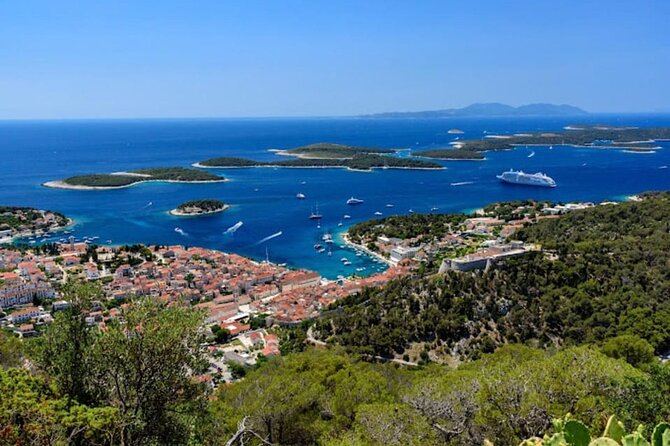
The next stop is St. Roko’s Chapel near Velo Grablje. From the chapel, you get views toward Stari Grad and the Stari Grad Plain, a UNESCO World Heritage site.
The visit lasts about 15 minutes and has no separate admission charge. It is a short, scenic pause rather than a full village tour. You will have enough time to look out over the plain, take photographs, and hear why this part of Hvar matters.
The Stari Grad Plain is especially interesting because it links the modern island to its ancient agricultural past. Its organized field pattern has endured for centuries, making the view more than just a pretty patchwork below. This is a good place to pay attention when your guide explains how land use on Hvar goes back to Greek settlement.
Do not expect a long stop with cafés, shopping, or a detailed chapel interior visit. The value is the outlook and the setting. If you prefer a tour that spends more time in villages, this excursion moves on fairly quickly.
Same groves, a different afternoon:
- Split: Klis Fortress GOT and Olive Museum Entry Tickets
★ 4.6 · 283 reviews - Split: Blue Line Sightseeing to Trogir, Klis & Olive Museum
★ 4.3 · 197 reviews - Visit Klis fortress GOT & Olive museum Klis
★ 4.5 · 77 reviews - Split: Olive museum Klis with Olive Oil Tasting
★ 4.9 · 51 reviews
Tasting Duboković wines in Jelsa
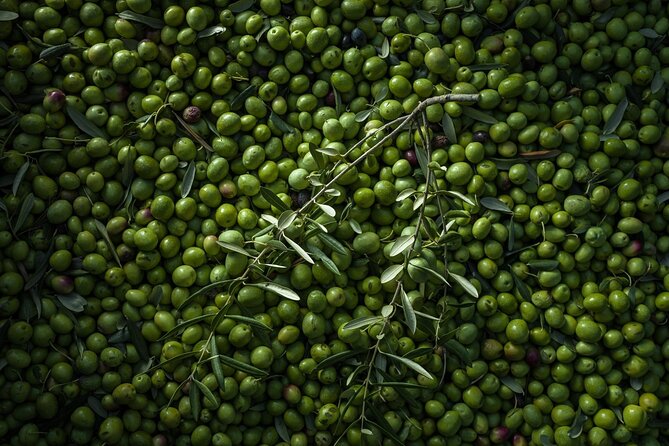
The tasting in Jelsa is the heart of the tour. Duboković Winery operates from a traditional Dalmatian konoba, giving the visit a more intimate feel than a large commercial wine center.
The owner, Ivo Duboković, produces only about 15,000 to 20,000 bottles each year. That limited output helps explain why the wines are sought after in Croatia and in several European markets. His best-known wine is Medvid, and the winery also works with an old cooperative vineyard near St. Nicholas Peak.
One of the notable vineyards sits at about 530 meters above sea level and contains vines more than 90 years old. The grape variety Darnekuša is indigenous to Hvar, so this is a chance to taste something tied closely to the island rather than only familiar international varieties.
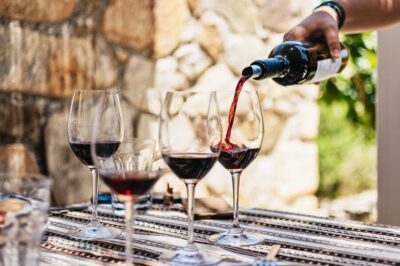
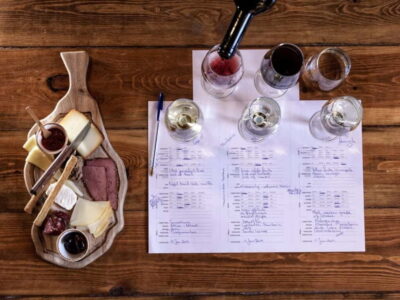
The tasting is not a token sip. One account describes seven wines, while another recalls roughly ten, along with bread and four different olive oils. The exact number may vary, but you should expect a generous tasting rather than a single glass.
I like that the winery is willing to experiment. Alongside the wines, you taste aromatized olive oils, which can become one of the most memorable parts of the visit. The flavors are unusual enough to make you pay attention, and the tasting gives you a practical way to compare how herbs and other additions change the oil.
The host is described as funny, engaging, and generous with his time. That matters because wine tasting can feel stiff when the host rushes through technical details. Here, you have room to ask questions and enjoy the setting.
If you are not a wine enthusiast, do not assume you will be out of place. The visit also works as a local food experience. You can focus on the flavors, the production methods, and the character of the cellar without knowing much about wine beforehand.
What the tasting does not include
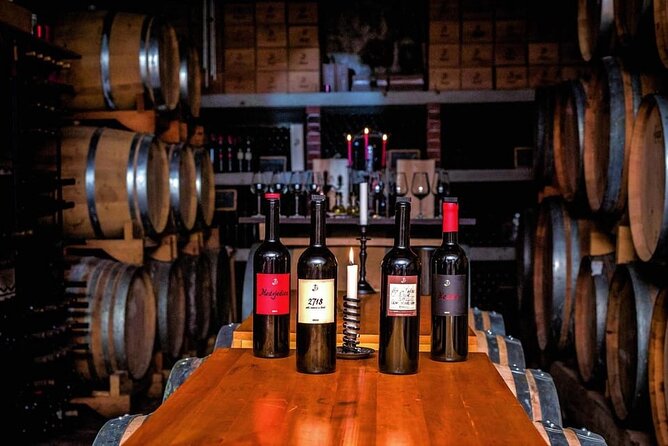
The tasting is included in the tour price, but purchases are extra. Bring cash if you want olive oil. This is one of the most useful practical details to remember, because the flavored oils are a popular take-home item and cash may be needed for them.
Wine can be shipped, according to the available information. If you are flying with only hand luggage, shipping may be easier than trying to carry bottles through the rest of your trip. Ask the winery directly about the current shipping arrangements before buying a large quantity.
The wording about a cave wine tasting appears in one description, while the main visit is described as a traditional konoba in Jelsa. I would plan on a rustic cellar setting rather than expect a specific cave room. The important point is the small-scale winery atmosphere, not a grand facility.
The return to Hvar Town
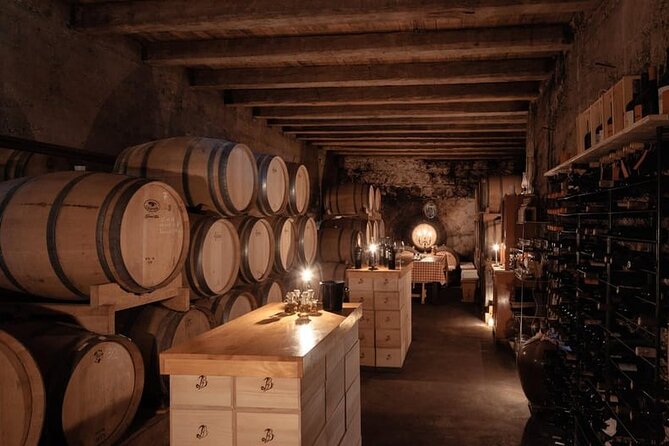
After the tasting, the van returns to Hvar by the newer road, which makes the ride back shorter. The return transfer is listed at about 30 minutes, though the full excursion is approximate.
For hotels such as Adriana, Riva, Beach Bay, and Palace Elisabeth, as well as other addresses inside Hvar’s pedestrian zone, the pickup point is Hvar Bus Station. It is next to the port and is described as about a five-minute walk from the ferry arrival area.
That arrangement is simple, but do not wait for a van to enter the pedestrian streets. Confirm the exact meeting time and walk to the bus station. Pickup is offered for other locations in Hvar, including some hotels and apartments, but the stated arrangement for the pedestrian zone is the bus station.
The tour normally carries no more than eight people. That is a good size for a van ride and a winery table. You get the social feel of a shared outing without the scale of a full coach tour. On quieter dates, the group may be very small, and one booking even became a private tour.
How the guides shape the experience

The guide can make or break a short island tour. Petar receives repeated praise for his local background, safe driving, humor, and ability to explain Hvar’s past and present. Luka is also described as warm, easy to talk with, and good at adding stories to the drive.
You should expect more than transport between stops. The guides explain the island’s history, the olive and lavender areas, old farming practices, and village life. They also help turn scenic pauses into useful orientation points.
The driving matters. Hvar’s roads can be narrow and winding, and the route climbs into the hills before crossing the interior. A careful driver lets you look out the window instead of worrying about every bend.
The experience suits solo visitors particularly well. A small group, a social tasting, and an involved guide make it easier to meet people without committing to a full-day outing. It also works well for couples and small groups who want an introduction to Hvar beyond the old town.
Who should book it, and who should skip it
You should book this tour if you want three things in one outing: high viewpoints, a look at rural Hvar, and a substantial local tasting. It is especially useful if you do not have a rental car or do not want to drive after sampling several wines.
It is also a strong choice for first-time visitors. In about three hours, you see the island from above, learn how the interior is used, and taste products from a small Hvar producer. That gives you a useful map of the island before deciding how to spend the rest of your stay.
Wine lovers will appreciate the range of pours and the access to an indigenous grape such as Darnekuša. Olive oil fans should be equally happy, particularly if you enjoy flavored oils and want to bring some home.
I would hesitate if you have already taken the separate Wine Lovers Tour from Hvar and know that it uses the same Napoleon Fortress and Duboković Winery. In that case, much of the content may feel familiar, although a different route back or a different guide can still change the day.
The short timing is another consideration. You will see several places, but you will not linger at each one. If you want long walks, extended village visits, or a full day at the winery, choose a longer outing.
Booking, weather, and cancellation details
The tour is offered in English, confirmation is provided at booking, and most people can participate. It requires good weather, so poor conditions can lead to a new date or a full refund. The experience also requires a minimum number of participants, and if that number is not reached, you can choose another date or experience, or receive a full refund.
Free cancellation is available up to 24 hours before the start time. Changes or cancellations made less than 24 hours before departure are not accepted for a refund.
The tour is often reserved well ahead of time, with bookings averaging about 44 days in advance. That is worth noting if your Hvar dates are fixed, especially during the busiest part of the season.
Should you book the Hvar island wine and olive oil tour?
I would book it for a first visit to Hvar, particularly if you want an efficient introduction to the whole island without renting a car. The combination of Napoleon’s Fortress, St. Roko’s Chapel, old roads, and Duboković’s cellar gives you far more than a simple tasting.
The strongest reasons are the excellent viewpoints, the small group, and the guides Petar and Luka, who add useful local detail. The wine and olive oil tasting is generous enough to justify the afternoon, and the chance to taste Darnekuša and several flavored oils adds a real sense of place.
Skip it only if you have already visited Duboković Winery, want a much longer countryside tour, or prefer to spend your time walking Hvar Town. Otherwise, this is a practical, good-value way to see the island’s quieter side and taste something you are unlikely to find at an ordinary waterfront bar.
FAQ
How long is the Hvar island tour?
The experience lasts approximately three hours, including the island drive, scenic stops, tasting, and return transfer to Hvar.
What places does the tour visit?
The route includes Napoleon’s Fortress, the interior road through villages, dry stone walls, and lavender areas, St. Roko’s Chapel near Velo Grablje, and Duboković Winery in Jelsa.
Is hotel pickup available?
Pickup is offered. For hotels and apartments in Hvar’s pedestrian zone, including Adriana, Riva, Beach Bay, and Palace Elisabeth, the meeting point is Hvar Bus Station.
How many people are in the group?
The tour has a maximum of eight participants.
What is included in the wine tasting?
The tasting includes Duboković wines and a range of aromatized olive oils. The exact number of wines may vary, with tasting descriptions including seven to about ten wines. Bread and four olive oils were also included on one visit.
Can I buy wine and olive oil at the winery?
Yes. Bring cash if you want to purchase olive oil. Wine can be shipped, according to the available tour information.
Is the tour offered in English?
Yes, the tour is offered in English.
What happens if the weather is poor?
If bad weather causes the tour to be canceled, you can be offered another date or receive a full refund. If the minimum number of participants is not reached, you will also be offered another date or experience, or a full refund.
Newest grove reviews around Croatia
- E Bike Tour with wine and olive oil tasting in Vodnjan★ 5.0 · 4 reviews
- Private Split & Klis Fortress Tour, Olive Museum & Port Pickup★ 4.5 · 13 reviews
- Šibenik or Zadar: Krka falls, olive mill, oil & wine tasting★ 4.8 · 17 reviews
- Istrian hill top cities tour with truffle and olive oil tasting★ 5.0 · 18 reviews
- Cres: Olive Oil Walking Tour with Tastings★ 4.9 · 24 reviews
- Šibenik: Croatia in a Day, Vistas, History, Olive Oil, Wine★ 5.0 · 30 reviews
- Zadar Olive Oil & Wine with Dalmatian Views & History★ 5.0 · 34 reviews
- Pula: House of Istrian Olive Oil Museum and Guided Tasting★ 4.9 · 35 reviews
Olive Oil and Wine Tastings, compared.
Sorrento Farm and Food Experience including Olive Oil, Limoncello, Wine tasting
Read our review →
Krka Waterfalls With Boat Cruise, Wine and Olive Oil
Read our review →
Lemon, Olive Oil and Wine Tasting Tour with Lunch
Read our review →
Browse the lists this tour appears in