
Review · GUIDED
Corfu: Private Olive Oil Tasting with Guide
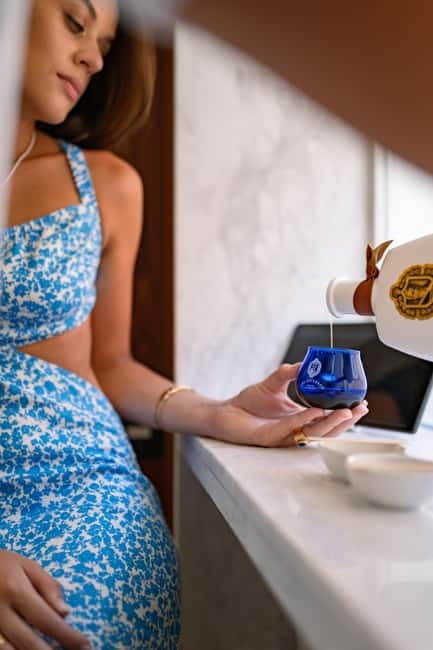
Corfu’s olive oil is not just something to drizzle over a salad. At The Olive House in Old Corfu Town, you spend 40 minutes learning how to smell, taste, and judge it properly, then try it with Greek and Corfiot foods. The tasting can include unusual treats such as olive oil ice cream, which gives the session a playful edge.
I like two things right away: the private-group format, which lets you ask questions without competing with a crowd, and the central location, which is easy to fit into a day of walking around Corfu Town. The guides, including George, Victoria, and Eleftheria, explain the subject with energy rather than turning it into a dry lecture.
The main drawback is the short running time. Forty minutes is enough for a focused introduction, but not a farm visit or a full meal. The shop and tasting room are also not suitable for wheelchair users, so check that before booking.
Key points to know before you book
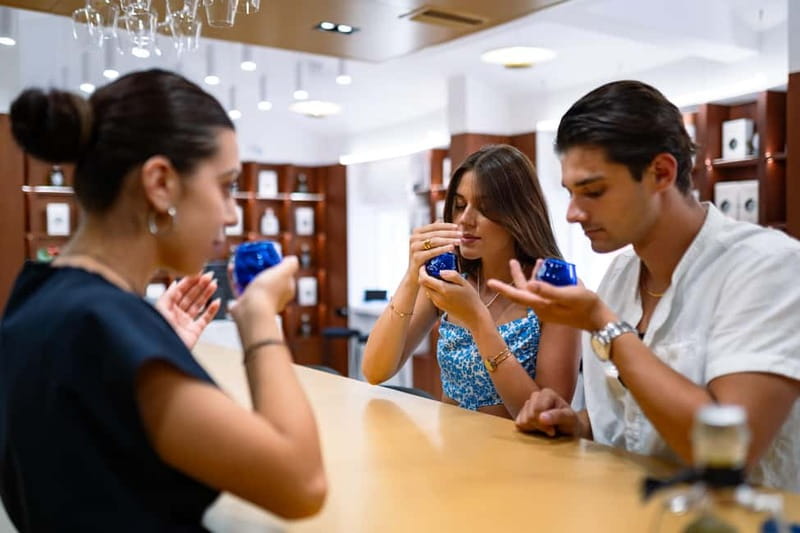
- A private 40-minute tasting: You receive direct attention from an English-speaking guide instead of joining a large public group.
- More than bread and oil: Tastings can include tomatoes, cucumber, cheeses, yogurt, traditional Greek foods, and unusual dishes made with olive oil.
- A lesson in quality: You learn how aroma, flavor, bitterness, and peppery sensations can reveal an oil’s character.
- Easy Old Town location: The Olive House is on Nikiforou Theotoki 29, near the Ionian Bank Museum and across from the Papagiorgis sweet shop.
- Guides who keep it lively: George, Victoria, and Eleftheria are praised for clear explanations, humor, and friendly answers.
- A useful take-home souvenir: You leave with a small reminder of the tasting, and the shop sells olive oil products if you want gifts.
What happens inside The Olive House
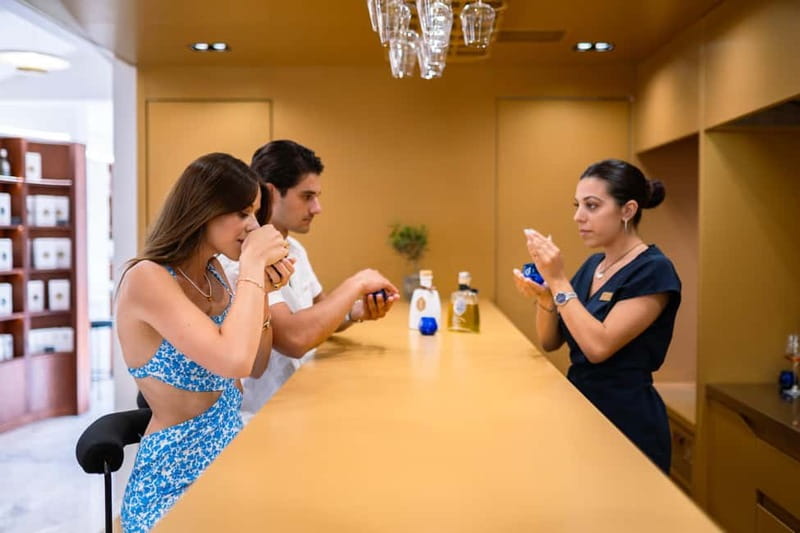
You begin at The Olive House by The Governor, a compact tasting room and shop in the center of Old Corfu Town. Look for the storefront with the The Olive House logo, olive oil bottles displayed out front, and a screen showing a short video. It sits beside a jewelry shop and a souvenir shop, across from Papagiorgis sweet shop and close to the Ionian Bank Museum.
That location matters. You do not need a taxi, bus, or trip into the countryside, and you can place the tasting between a visit to the Old Fortress, a walk through the kantounia, or a meal in town. It is a practical choice if you have only a few hours in Corfu.
Once inside, your guide introduces the oils and explains how Corfu’s olive-growing tradition developed. The session connects everyday food with agriculture, family practice, and the local economy. You hear about harvesting, production, and the care needed to turn olives into a clean, fragrant oil.
This is not a formal museum tour. The appeal is the close contact with the guide and the chance to ask simple questions. If you have always wondered why one olive oil tastes grassy and another feels peppery, this is the place to ask.
More Guided Tours around Greece:
- Kleanthi Olive Farm: Guided Tour with Local Delicacies Tasting
★ 5.0 · 51 reviews - Lefkada: Olive Museum Fabbrica Ticket and Guided Tour
★ 4.8 · 14 reviews - Guided tour and olive oil tasting in Alhaurin el Grande (Málaga)
★ 5.0 · 200 reviews
Learning to taste olive oil properly
The tasting follows some of the same basic ideas as a wine tasting, though olive oil has its own language. You are guided through the smell first, then the flavor and texture. You learn to notice freshness, fruitiness, bitterness, and the peppery finish that can linger in your throat.
The point is not to pretend you are a professional taster after 40 minutes. The point is to give you a better way to shop and cook. You may leave better able to tell a lively, fresh oil from a flat one, and more willing to use olive oil as a main flavor rather than a background ingredient.
The guide also explains how olive oil quality can be judged. You learn what to look for when buying a bottle and why labels, storage, and production details matter. This practical information is one of the strongest parts of the experience because it continues to be useful after you leave Corfu.
Several visitors have described learning more in this short session than they expected. That makes sense: most people use olive oil often but rarely stop to examine it. A guide who can explain the difference between good and poor quality in plain English gives you a useful skill for the rest of your trip and back home.
Corfiot food pairings, from bread to olive oil ice cream
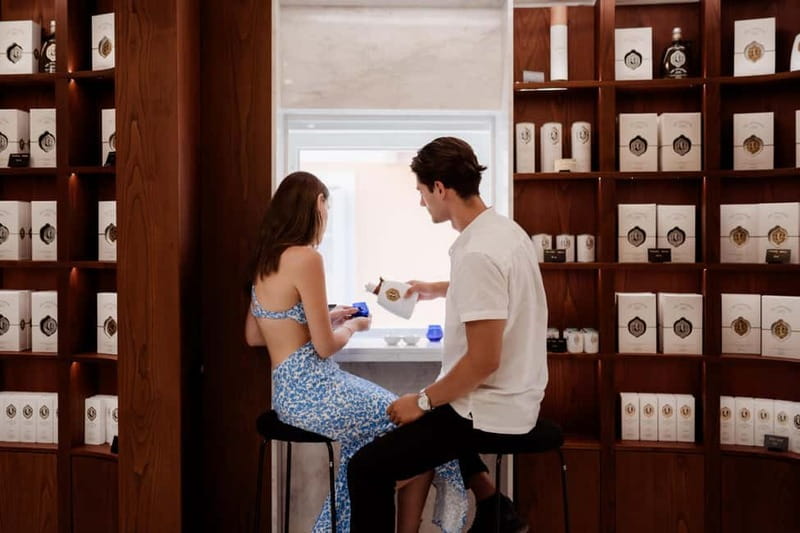
The food served alongside the oils keeps this from feeling like a technical exercise. Depending on the tasting setup, you may try the oils with bread, tomatoes, cucumber, two kinds of cheese, and yogurt. These familiar foods help you notice how the same oil changes when paired with salt, dairy, vegetables, or a plain starch.
The tasting can also include small traditional Greek and Corfiot dishes. One particularly memorable item is olive oil ice cream. It sounds odd until you consider the oil’s fruitiness and smooth texture, but the unusual pairing shows how far olive oil can go beyond salad dressing.
In another presentation, the guide prepares three small dishes to demonstrate different uses for the oil. This is helpful because tasting oil from a small cup can feel abstract. Once you see it used in a dish, you understand how bitterness, fruitiness, and pepper can support food rather than overpower it.
Do not expect a full lunch. The included delicacies are there to compare flavors and demonstrate uses, not to replace a restaurant meal. If you arrive hungry, plan to eat before or after. The tasting works best as a flavorful cultural stop, not as your main dining event.
The guides make the short format work
A 40-minute activity succeeds or fails with the guide. Here, the individual hosts receive especially strong praise for their presentation style.
George is described as energetic and able to turn technical information into an entertaining session. He has prepared small dishes that show different ways to use olive oil, and he gives the tasting a warm, personal feel. If George leads your session, expect plenty of explanation and a host who enjoys the subject.
Victoria brings a friendly and funny style to the tasting. Her presentation covers how olive oil is created and the amount of work involved in making it. She also gives guests time to taste small snacks with the oil, which helps you notice the flavors instead of simply swallowing a sample.
Eleftheria is another guide associated with the experience. Her explanations cover harvesting, production, and the details of proper tasting. She is especially useful if you want to ask questions about what to smell for, what to taste for, and how to choose a bottle later.
You cannot request a specific guide based on the information available, so treat these names as examples of the team rather than a guarantee. The key advantage is the live English-language instruction and private format. You can slow down, ask for clarification, or focus on the parts that interest you most.
More Olive Oil Tours around Greece:
- Crete: Quad Safari, Olive Mill with Tasting & Ghost Village
★ 4.9 · 1,004 reviews - Knossos-Zeus Cave -Old Traditional Villages-Olive Oil Factory
★ 5.0 · 694 reviews - The Governor’s Olive Mill Tour with Olive Oil Tasting
★ 5.0 · 502 reviews - From Chania: Olive Oil, Wine, Cheese & Honey Tasting Tour
★ 4.6 · 490 reviews
Why Corfu olive oil gives the tasting local character
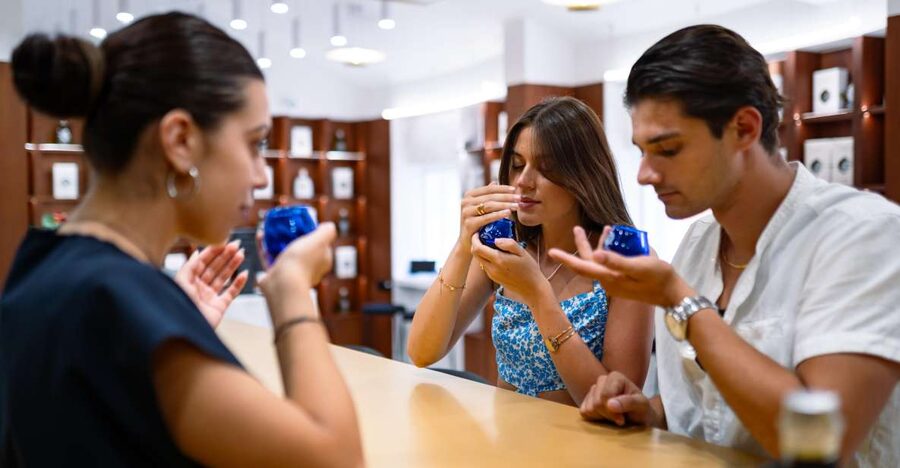
Corfu has a strong connection to olive cultivation, and the session places that connection in a Greek setting rather than presenting olive oil as a generic Mediterranean product. You hear about traditions passed from one generation to the next and about how production methods have changed over thousands of years.
The experience does not take you to an olive grove or mill. That is important to understand. You are learning about Corfu’s oil culture from a town tasting room, not watching the harvest in the countryside. For some people, the central location is a major advantage. For others, a farm visit with machinery and outdoor views would be more satisfying.
The talk also covers olive oil’s place in the Mediterranean diet and the health claims linked to regular consumption. The guide discusses current research and the role of olive oil in everyday cooking. Keep your expectations sensible: this is an educational food tasting, not a medical consultation, and it should not replace advice from a health professional.
What you gain is context. The oil on your table becomes connected to farming, labor, family traditions, cooking, and local identity. That makes the tasting a useful introduction to Corfu’s food culture, especially if you plan to eat at local tavernas during the rest of your stay.
A close look at the meeting point
The address is Nikiforou Theotoki 29 in Old Corfu Town. The clearest visual signs are the front display of olive oil bottles and the video screen. The shop is across from Papagiorgis sweet shop, near the Ionian Bank Museum, with a jewelry store on one side and a souvenir store on the other.
These details are worth saving before you set out. Old Corfu Town has narrow streets and plenty of similar storefronts, so using the nearby businesses as landmarks can save time. Arrive with enough time to locate the shop rather than rushing in at the last minute.
The activity ends where it begins. There is no transport, second stop, or transfer to arrange. Afterward, you can browse the shop, buy bottles or other products, or continue exploring on foot. Several people have bought gifts after the tasting, and the shop is a natural place to look for something edible and distinctly local.
Is the private format worth the cost?
No price is provided here, so I cannot judge the exact euro value. I can judge what you receive for the fee: a private group, a live English-speaking guide, structured tasting instruction, traditional food pairings, and a souvenir.
That package can be good value if you want personal attention. The experience is short, but the private format means your 40 minutes are not spent waiting for a large group to catch up. It is also convenient because you are paying for a focused activity in town rather than transport to a distant producer.
The value is weaker if you want a long agricultural tour, a full meal, or a broad sampling of many producers. This is a compact introduction held in a shop and tasting room. Its strength is efficiency and personal explanation, not scale.
The included food also affects the calculation. You are not simply tasting oil from a spoon. Bread, vegetables, cheeses, yogurt, and small prepared dishes help explain how the product fits into Greek cooking. The souvenir adds a modest finishing touch, while the shop gives you a chance to purchase something useful rather than a generic trinket.
Who will enjoy this Corfu activity most?
I would recommend it to food-focused visitors, curious first-time tasters, couples, and families with older children who can pay attention for a short lesson. It works particularly well for anyone who cooks with olive oil and wants to understand what makes one bottle different from another.
It is also a good choice for a cruise stop or a tight Corfu Town schedule. Forty minutes is easy to fit between major sights, and you do not lose time traveling outside the city. The activity gives you a local food experience without requiring half a day.
The private format suits people who prefer conversation to a scripted group tour. You can ask about harvesting, storage, cooking, health claims, or buying oil as a gift. If you are traveling with friends or family, the session can feel more personal than a standard tasting counter.
I would be more cautious if you need step-free access. The activity is listed as unsuitable for wheelchair users, and no further accessibility details are provided. Contact the operator before booking if mobility is a concern.
You should also consider your taste. Olive oil has bitterness and a peppery finish, and the session asks you to pay attention to those sensations. If you dislike strong flavors or expect a sweet snack stop, the tasting may not be your ideal use of time.
Practical tips for getting more from the tasting
Save the address and nearby landmarks on your phone before walking through Old Corfu Town. The Olive House is easy to identify once you know what to seek, but the compact streets can make a precise meeting point useful.
Avoid scheduling a heavy meal immediately before the session. You do not need to arrive hungry, but a light appetite leaves room for the food pairings and makes it easier to notice the oils.
Ask questions. The short format covers a lot, and the best information may be the answer to something specific, such as how to store a bottle at home or how to spot a poor-quality product. The private group gives you a good chance to guide the conversation.
Take notes on the tasting terms if you want to shop later. Fruitiness, bitterness, and pepperiness can be hard to remember once you are back among the shelves of a supermarket. The practical buying advice is one of the reasons this activity can stay useful after your holiday.
Leave time to look at the shop after the session. You may find olive oil gifts and other products at reasonable prices, though the tasting itself does not require you to buy anything.
Should you book it?
Book this tasting if you want a short, personal introduction to Corfu’s food culture and you like the idea of learning a skill you can use at home. The central Old Town location, private group, friendly English-speaking guides, traditional pairings, and unusual olive oil ice cream make it more interesting than a basic sample-and-shop stop.
Skip it if you are looking for an olive farm, a working mill, countryside scenery, or a substantial meal. Those are not part of this 40-minute town experience.
For most food-minded visitors, I think it is a smart addition to a day in Corfu Town. It is compact, unusual, and practical. You leave with a better sense of how olive oil should smell and taste, a few new food ideas, and a souvenir that connects your trip to one of Greece’s most important ingredients.
FAQ
How long does the olive oil tasting last?
The experience lasts 40 minutes. Check availability for the available starting times.
Where does the tasting take place?
It takes place at The Olive House by The Governor, at Nikiforou Theotoki 29 in Old Corfu Town.
What landmarks are near the meeting point?
The shop is across from the Papagiorgis sweet shop and near the Ionian Bank Museum. A jewelry shop is on one side, and a souvenir shop is on the other.
Is the activity private?
Yes. It is offered as a private group activity with a live English-speaking guide.
What food is included?
Traditional Greek and Corfiot delicacies are included. The tasting may include bread, tomatoes, cucumber, cheeses, yogurt, and other small dishes. Olive oil ice cream may also be served.
Is the tasting suitable for wheelchair users?
No. The activity is listed as not suitable for wheelchair users.
Newest grove reviews around Greece
- Corinthian olive oil tour & tasting experience★ 5.0 · 4 reviews
- Corfu: Olive Oil & Wine Tastings & Traditional Villages Tour★ 5.0 · 6 reviews
- Corfu: Organic Olive Oil Farm Tour with Transfer and Tasting★ 5.0 · 8 reviews
- Chania: Authentic Crete Villages Tour & Olive Oil Tasting★ 4.5 · 2 reviews
- Chania Olive Tour: 3,000-Year-Old Tree, Museum &Organic Mill★ 5.0 · 5 reviews
- Chania Private Olive Oil Tour: Oil Tasting & Villages Tour★ 4.4 · 9 reviews
- Chania E-Bike Adventure: Culture, Coastline & Olive Tasting★ 5.0 · 2 reviews
- Athens: Cretan Olive Oil Tasting Experience★ 5.0 · 10 reviews
Guided, compared.
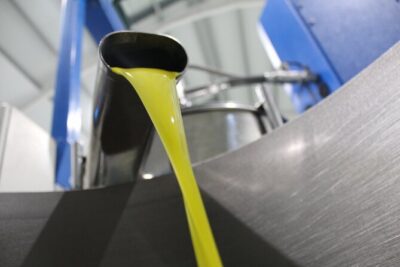
Guided tour and olive oil tasting in Alhaurin el Grande (Málaga)
Read our review →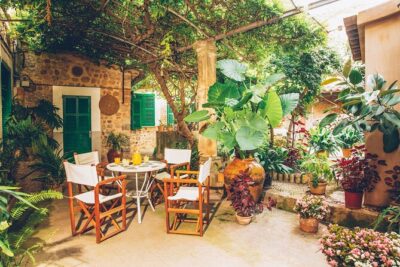
Guided Tasting Tour in 16th century House and Olive Oil Factory
Read our review →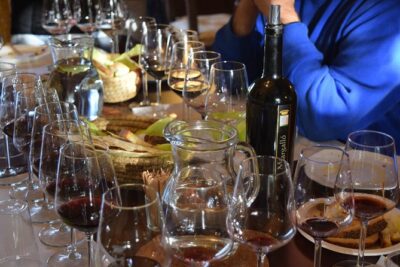
Sóller: Olive Oil Guided Tour and Tasting at Can Det Estate
Read our review →
Jaén: Guided Olive Mill Tour with Olive Oil Tasting
Read our review →
Guided tours of the olive grove with oil tasting.
Read our review →
Kleanthi Olive Farm: Guided Tour with Local Delicacies Tasting
Read our review →
House of Istrian Olive Oil Museum and Guided Tasting
Read our review →Browse the lists this tour appears in