
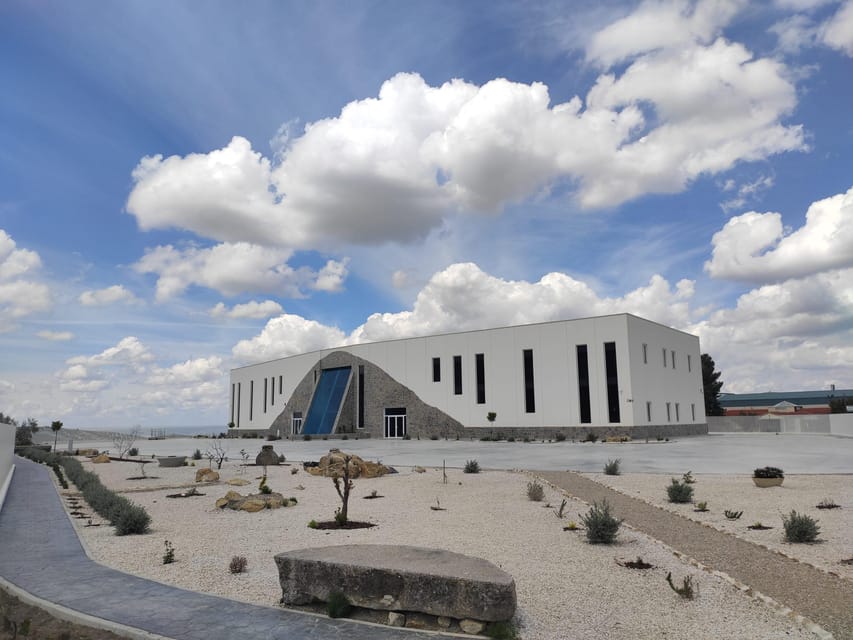
Review · SPAIN OLIVE OIL TOURS
Cazorla: Oleotour – Olive Oil Culture Initiation
The most interesting part of Oleotour Cazorla is that it treats olive oil as more than a bottle on a restaurant table. You follow the story from olive tree to finished EVOO, with old machinery, modern production, harvest displays, and a tasting that teaches you what to notice in the glass.
I like the visit to the 18th-century oil mill museum, which gives the subject a strong sense of place, and I like the sensory tasting, where you can put the tour’s lessons to work. The botanical garden, with more than 60 native species, adds variety to what could otherwise be a machinery-heavy stop.
The main consideration is language. The live tour is in Spanish, so you’ll get the most from it if you understand Spanish or are comfortable learning through demonstrations and tasting. Two hours is enough for a useful introduction, but not for a specialist-level course.
Key points before you book
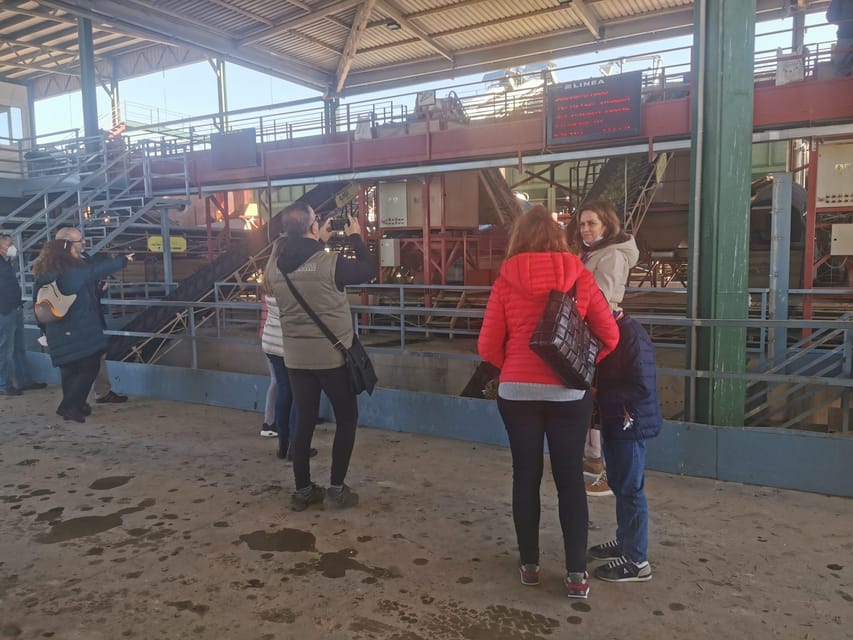
- See old and new production side by side: The tour includes an 18th-century oil mill museum and a modern oil mill, making the changes in olive processing easier to understand.
- Taste with purpose: The sensory session helps you recognize qualities in Extra Virgin Olive Oil instead of simply deciding which one tastes best.
- Meet the Sierra de Cazorla designation: A visit to the Regulatory Council explains the local identity and standards behind the area’s olive oil.
- Walk among olive trees: The route includes an olive-tree path and a recreation of harvesting in the grove.
- Expect a Spanish-language tour: The guide service is listed in Spanish, and Laura has been praised for clear communication and useful explanations.
- Get a broad two-hour introduction: The visit also includes a botanical garden, audiovisual material, watercolor recreation, and the EVOO Can Guitar Monument.
Why olive oil makes a good Cazorla experience
In Andalusia, olive oil is part of daily life, farming, food, and local identity. Yet many visitors use EVOO without knowing how it is made or how to tell a good bottle from an average one. This tour gives you a way into that culture without requiring prior knowledge.
You’ll look at the olive tree, the harvest, the mill, the local designation, and the tasting table as parts of one story. That matters because oil quality is not created at just one point. The fruit, the picking process, the pressing, and the handling all affect what reaches your plate.
The Cazorla setting also gives the tour a clear local focus. Instead of discussing olive oil only as a product from Spain, the experience points you toward the Sierra de Cazorla Designation of Origin and the people and institutions connected with it.
If you know very little about olives, that is not a problem. One visitor who began with almost no idea how olives were pressed came away pleased and surprised by how much the tour explained. That is a useful clue about the intended level: this is an introduction, not an advanced professional tasting.
More Olive Oil Tours around Spain:
- Ronda: LA Almazara LA Organic, Olive Oil Museum and Tasting
★ 4.6 · 435 reviews - Guided tour and olive oil tasting in Alhaurin el Grande (Málaga)
★ 5.0 · 200 reviews - Guided Tasting Tour in 16th century House and Olive Oil Factory
★ 5.0 · 169 reviews
Starting at the Regulatory Council
The visit includes the Regulatory Council of the Sierra de Cazorla Denomination of Origin. This is one of the more important stops because it gives context to the name on the bottle.
A designation of origin links a food to a specific area and its recognized production standards. At the council, you can expect the tour to connect local olive growing and oil making with the identity of Sierra de Cazorla. It helps answer a practical question: what makes this oil from this area, rather than simply another Spanish olive oil?
For a first-time visitor, this stop may sound formal compared with the grove or tasting. Still, it gives the rest of the visit a frame. When you later see the mill and sample EVOO, you have a better idea of why origin and production methods matter.
The guide service is in Spanish. Laura, one of the guides associated with the experience, has received especially strong praise for explaining the subject clearly and communicating well. You should not assume she will lead every departure, but her good reputation suggests that the guide’s presentation can make a real difference.
The 18th-century oil mill museum
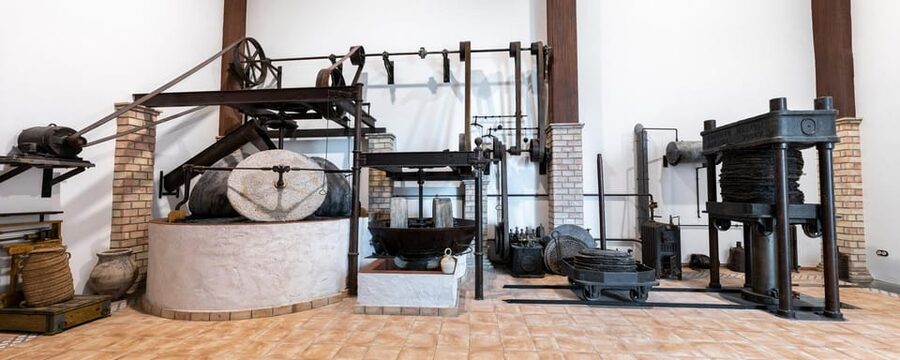
The old oil mill is the strongest history stop on the route. Here, the subject becomes physical: buildings, equipment, and the earlier methods used to turn olives into oil.
An old mill can show you how labor-intensive production once was. It also makes the modern equipment later in the visit easier to appreciate. You are not just told that technology changed. You can compare the older setting with the newer one and form a clearer picture of the work involved.
I like this kind of contrast because it keeps the tour from becoming a lecture about abstract terms. The past is presented through a real mill, while the modern facility shows how the same basic goal is handled today.
The drawback is that the supplied details do not specify which machines are operating or how much of the old process is demonstrated live. Treat it as a museum visit within the tour, not as a guaranteed working demonstration. Its value is in the setting and comparison.
Seeing the modern oil mill
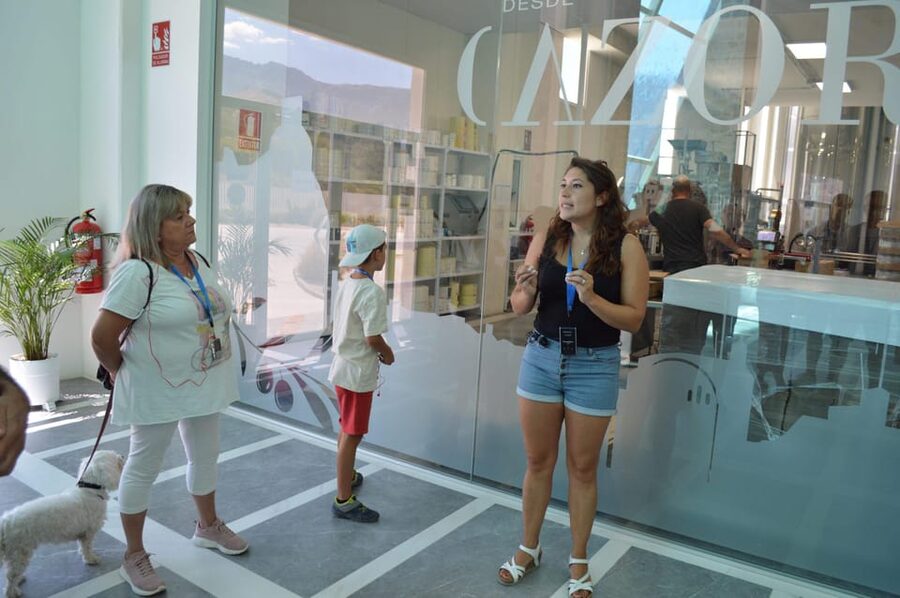
The modern oil mill shifts the focus from tradition to production. You’ll get a look at the current side of EVOO making and see how the process has developed from the older mill.
This is useful if you want to understand what happens after olives leave the grove. The tour is designed to explain the process of crafting Extra Virgin Olive Oil, so this stop should help connect the harvest to the finished product you taste later.
The modern mill also adds balance. A tour focused only on old tools might make olive oil production seem like a museum subject. A tour focused only on modern machinery might lose its local character. Here, you get both ends of the story.
You should keep your expectations measured. No production schedule, operating dates, or guarantee of active milling is provided. The experience includes a visit to a modern oil mill, but the information does not promise that you will see olives being processed during your particular time slot.
Same groves, a different afternoon:
- Visit of the olive grove, olive oil tasting and snack
★ 4.9 · 111 reviews - Visit Oil Mill Museum and Olive Oil Tasting in Ronda
★ 4.5 · 105 reviews - Private Tasting of Olive Oil in Córdoba
★ 5.0 · 93 reviews - Olive Oil tasting breakfast & Tour in Cordoba
★ 4.5 · 84 reviews
Olive trees, harvest displays, and the botanical garden
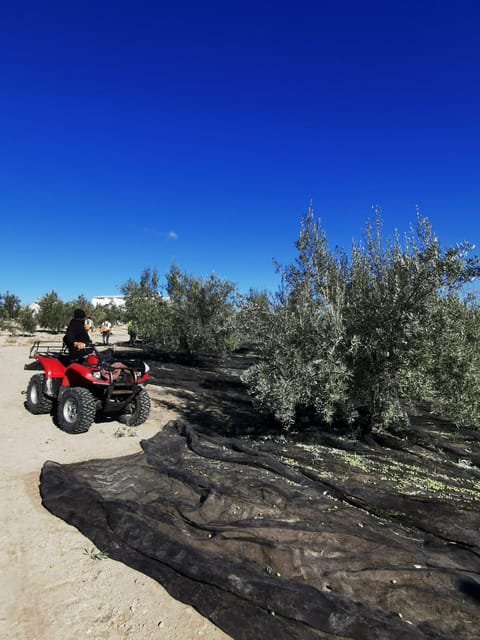
The outdoor sections give you a break from buildings and explain the source of the oil. The tour includes a path between olive trees and a recreation of harvesting in the olive grove.
That recreation matters because harvesting is easy to overlook when you buy oil in a polished bottle. Seeing how the fruit is gathered helps you think about the crop as an agricultural product, not just a flavor. It also gives you a clearer sense of the connection between the tree and the mill.
The botanical garden includes more than 60 native species. This adds a wider view of the local plant world and gives you something to examine beyond olive production. If you enjoy gardens and small details, allow yourself time to look around rather than treating this stop as filler.
The wording supplied for the garden uses species, sometimes translated as spices. I would read this as a collection of native plant types rather than assume that all 60 are culinary spices.
The olive-tree path and garden may be especially useful for families and first-time visitors because they make the experience more visual. You are learning through places, objects, and plants, not only through spoken explanation.
The audiovisual and artistic parts of the route
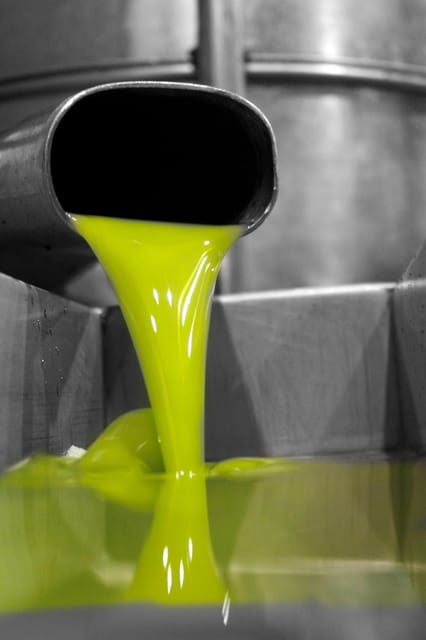
Oleotour Cazorla also includes an audiovisual projection and a recreation in watercolor. These elements bring a different pace to the visit.
The projection can help organize the information you have seen in the mill and grove. The watercolor recreation adds an artistic view of olive culture, showing that the subject is tied not only to farming and machinery but also to local memory and imagery.
The EVOO Can Guitar Monument is another unusual feature. The available information does not explain its exact design or story, so I would not book the tour solely for this stop. Still, it gives the visit a memorable visual marker and breaks up the more expected mill and tasting sections.
These additions are a good fit if you like cultural visits with several small components. If you want only a working mill and a serious tasting, they may feel like extras. The tour is clearly built as a general introduction to olive culture, not as a narrow technical inspection.
How the sensory tasting works for a beginner
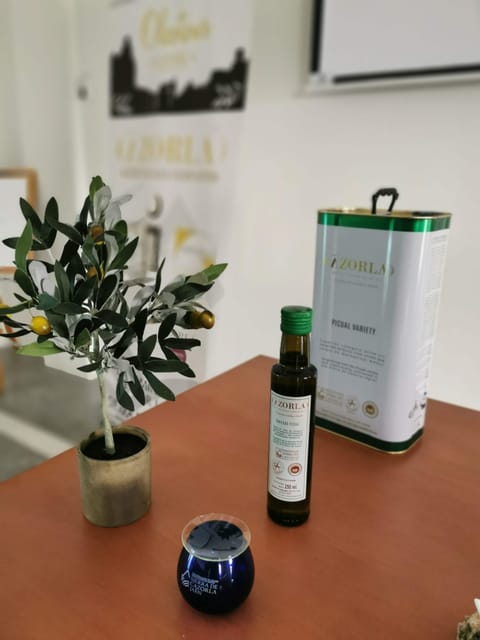
The tasting is where you get to use what you have learned. You’ll sample EVOO and pay attention to its sensory qualities, with guidance on recognizing better oils.
The point is not simply to choose a favorite. You’ll be encouraged to notice aroma, flavor, and other impressions that can indicate freshness and quality. This makes the tasting practical. Afterward, you should have a better idea of what you are looking for when buying or serving Extra Virgin Olive Oil.
A beginner may find the terminology unfamiliar at first. That is normal. Focus on comparing the oils and describing what you notice in your own words. A good guide can help you turn a vague reaction into a clearer observation.
The experience is listed as a tasting, but the details do not identify the number of oils, varieties, serving format, or whether food is paired with them. Do not assume it is a full meal or a large tasting flight. Think of it as a guided introduction to the sensory side of EVOO.
This is also the part that gives the $23 price its strongest value. You are not paying only to look at a museum. You get a lesson you can carry into restaurants, markets, and your own kitchen.
What two hours feels like
Two hours is a sensible length for this kind of introduction. It gives the tour enough time to cover the council, old mill, modern mill, outdoor areas, audiovisual material, and tasting without turning the visit into a full-day commitment.
You should expect a fairly full sequence of stops. The benefit is variety. You can move from history to production, then from olive trees to tasting. The tradeoff is that no single part can receive an enormous amount of time.
If you already work with olive oil or have taken several mill tours, you may want more technical detail than this format provides. For a newcomer, the broad range is a strength. You can build a basic understanding without spending half a day on one process.
The duration also makes the tour easy to add to a day in Cazorla or the surrounding Andalusian area. The exact start time depends on availability, so check that before planning other activities around it.
Is $23 a fair price?
At $23 per person, the experience offers solid value if you want an organized introduction to local olive oil culture. The price covers the guide, the old and modern mill visits, the Regulatory Council, botanical garden, olive-tree displays, audiovisual elements, and sensory tasting.
You are getting more than a tasting and more than a museum ticket. The tour combines several small attractions into one guided route, which is useful if you would otherwise have trouble finding or understanding them on your own.
The value is less clear for a specialist who wants detailed agronomy, a long production demonstration, or an extensive professional tasting. Those features are not promised. For most visitors, though, the mix of culture, process, and tasting makes the cost reasonable.
Free cancellation is available up to 24 hours before the visit, and you can reserve now while paying later. Those terms help if your Andalusian plans are still shifting, but check the current booking conditions when you reserve.
Who will enjoy this visit most?
I would recommend Oleotour Cazorla to several kinds of visitors:
- First-time olive oil buyers: You’ll gain a useful starting point for judging EVOO.
- Food-focused visitors: The tasting connects a local agricultural product with what you eat.
- Culture seekers: The old mill and Regulatory Council add local context.
- Families and mixed-interest groups: The gardens, grove path, monument, projection, and tasting offer more variety than a single technical tour.
- Spanish speakers: You’ll get the clearest benefit from the live guide.
- Visitors with two hours to spare: The format gives you a focused activity without taking over the day.
I would be more cautious if you need English interpretation, a guaranteed working mill, or a specialist tasting with detailed oil data. The tour language is Spanish, and the supplied information does not promise those features.
My booking advice
Book this tour if you want to understand why olive oil matters in Andalusia and prefer learning through a mix of places, objects, plants, and tasting. The old mill, modern mill, grove displays, and sensory session work well together, and the price is fair for the range of stops.
I would make the booking after confirming that Spanish suits you. If it does, this is a practical way to get beyond simply buying a bottle labeled Extra Virgin Olive Oil. You’ll leave with a clearer sense of how olives are harvested, pressed, presented, and judged.
FAQ
Where does Oleotour Cazorla take place?
The experience takes place in Cazorla, in Andalusia, Spain. It includes visits to the Cazorla Olive Complex and sites connected with the Sierra de Cazorla Designation of Origin.
How long does the tour last?
The tour lasts two hours.
How much does the experience cost?
The listed price is $23 per person.
What language is the live tour in?
The live tour guide service is in Spanish.
Is an olive oil tasting included?
Yes. A sensory EVOO tasting is included as part of the experience.
Which historical site is included?
The tour includes an 18th-century oil mill museum.
Does the tour include a modern oil mill?
Yes. The program includes a visit to a modern oil mill as well as the old oil mill museum.
What outdoor areas are included?
The experience includes a botanical garden with more than 60 native species, an EVOO Can Guitar Monument, a recreation of harvesting in an olive grove, and a path between olive trees.
Can I cancel for a full refund?
Yes. You can cancel up to 24 hours in advance for a full refund. You can also reserve now and pay later, according to the stated booking terms.
Newest grove reviews around Spain
- Córdoba: Olive Oil Tasting Experience★ 4.4 · 8 reviews
- Cazorla: Olive grove and mill tour★ 5.0 · 2 reviews
- Cazorla: Highligts Tour with Olive Oil Tasting★ 5.0 · 2 reviews
- Aires de Jaén: Olive Oil Plantation Tour and Local Meal★ 4.9 · 9 reviews
- Olive Oil Tasting and Culinary Day Trip in Carmona★ 5.0 · 2 reviews
- Oleotourism and olive oil tasting in Seville – Private tour★ 5.0 · 7 reviews
- Cordoba Olive Oil mill, Wine, Passion★ 4.5 · 8 reviews
- Jaén Discover the Secrets of Olive Oil: Tour & Sensory Tasting★ 5.0 · 4 reviews
Spain Olive Oil Tours, compared.
LA Almazara LA Organic, Olive Oil Museum and Tasting
Read our review →
Guided tour and olive oil tasting in Alhaurin el Grande (Málaga)
Read our review →
Guided Tasting Tour in 16th century House and Olive Oil Factory
Read our review →
Visit of the olive grove, olive oil tasting and snack
Read our review →
Visit Oil Mill Museum and Olive Oil Tasting in Ronda
Read our review →
Sóller: Olive Oil Guided Tour and Tasting at Can Det Estate
Read our review →Browse the lists this tour appears in