
Review · SPAIN OLIVE OIL TOURS
Baeza: Olive Oil Tasting Experience
Baeza’s olive oil is more than a bottle on the dinner table. It is the product of an entire region, and this 90-minute tasting gives you a clear look at how olives, varieties, harvesting, and quality shape the final flavor. I especially like the proper tasting glass and the chance to compare three oils side by side, rather than simply dipping bread into one sample.
I also like the setting at La Casa del Aceite, right on Plaza de la Constitución, and the small tasting of olive-oil products at the end. The main limitation is the short format: one visitor wished for a film showing the production process, and you should not expect a full olive grove visit or a working mill tour.
Key points at a glance
- Three different olive oils: Compare varieties and learn how their aromas, flavors, and other sensory traits differ.
- A proper tasting setup: Use an official blue or red tasting glass and a note card while you taste.
- Jaén’s olive-oil story: Learn about local olive trees, plantations, harvesting, production, and quality levels.
- More than oil and bread: Finish with a small sampling of products made with extra virgin olive oil, including specialty chocolate.
- Central Baeza meeting point: Find La Casa del Aceite at the entrance on Plaza de la Constitución.
- Good value for a short stop: At $17 per person, the experience adds a focused food lesson to a day of sightseeing.
Why olive oil makes sense in Baeza
Baeza is in Jaén, the Spanish province closely tied to olive cultivation and oil production. Here, olive oil is not treated as a minor condiment. It connects agriculture, local work, food, and regional identity.
That context matters. A supermarket tasting can tell you which bottle tastes peppery or fruity, but this experience explains why oils taste different in the first place. You learn about the kinds of olive trees grown around Baeza, the plantations, how olives are picked, and how oil is produced.
I like this approach because it gives you a way to read Spanish oil labels and restaurant menus with more confidence. You are not only sampling three liquids. You are learning why one oil may seem grassy, another more rounded, and another sharper or more pronounced.
The session also helps place Baeza’s food culture in its proper setting. You are tasting a product tied closely to the surrounding area, not a generic Spanish specialty brought in for tourists.
More Olive Oil Tours around Spain:
- Ronda: LA Almazara LA Organic, Olive Oil Museum and Tasting
★ 4.6 · 435 reviews - Guided tour and olive oil tasting in Alhaurin el Grande (Málaga)
★ 5.0 · 200 reviews - Guided Tasting Tour in 16th century House and Olive Oil Factory
★ 5.0 · 169 reviews
Meeting at La Casa del Aceite on Plaza de la Constitución
Your guide meets you at the entrance of La Casa del Aceite, located on Plaza de la Constitución. The central location is useful if you are already walking around Baeza, since you do not need transport to an outlying farm or estate.
The meeting point also gives the activity a clear beginning. You walk into a place devoted to olive oil, rather than meeting at a restaurant and wondering when the educational part will start. The ticket line is skipped, and the session is offered in English or Spanish.
The activity is listed as wheelchair accessible. For comfort, wear practical clothes. This is a seated tasting and presentation, not a muddy farm visit, but comfortable clothing still makes sense for a relaxed food experience.
The session lasts about an hour and a half. That is long enough for explanation and tasting without taking over your day in Baeza. I would schedule it between major sightseeing stops, leaving enough time afterward for lunch or a walk through the old town.
The first lesson: from olive tree to oil
The opening part introduces the culture of olive oil in Jaén. You learn about the first crops, the varieties of olive trees, and the plantations around Baeza.
The guide also explains how olives are picked and how oil is usually produced. Images help show these stages, which is useful because the tasting itself does not take place in an olive grove or mill. You get a visual account of the work behind the bottle while remaining in the city center.
This section is especially helpful if you know little about production. Olive oil can sound simple until you compare how harvesting and processing affect quality. The presentation gives you a basic framework before you taste, so the three samples have a clear purpose.
Do not expect a technical course for professional tasters. The information is aimed at curious visitors who want to understand the food they are eating. One session could have used a short film about production, so the visual material may be more image-based than film-based.
Still, the talk has real value. A well-structured explanation keeps the tasting from becoming a string of disconnected samples. You understand what to notice and why the oils may differ.
Three oils, one tasting glass
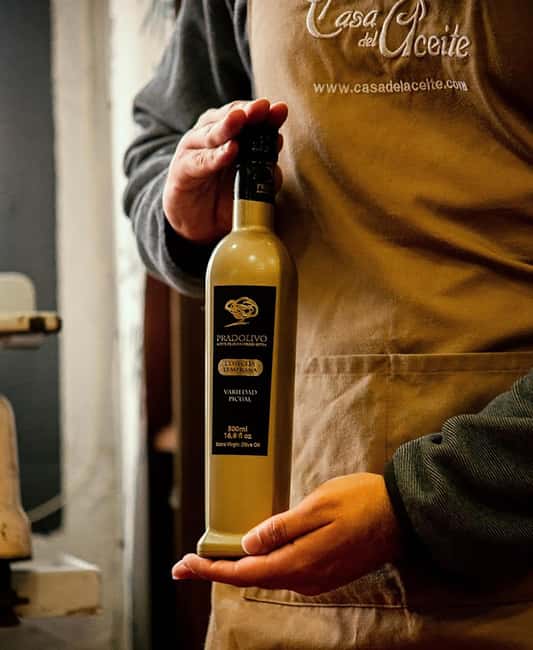
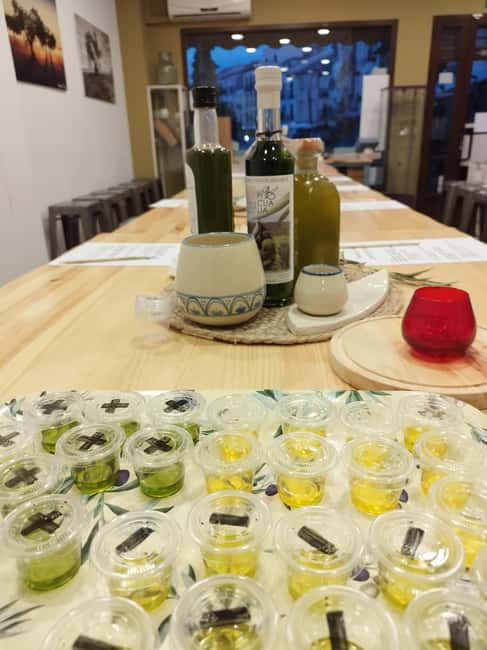
The central part of the experience is the tasting of three different olive oils. Each oil is presented as a chance to compare sensory qualities, not simply as another spoonful of the same product.
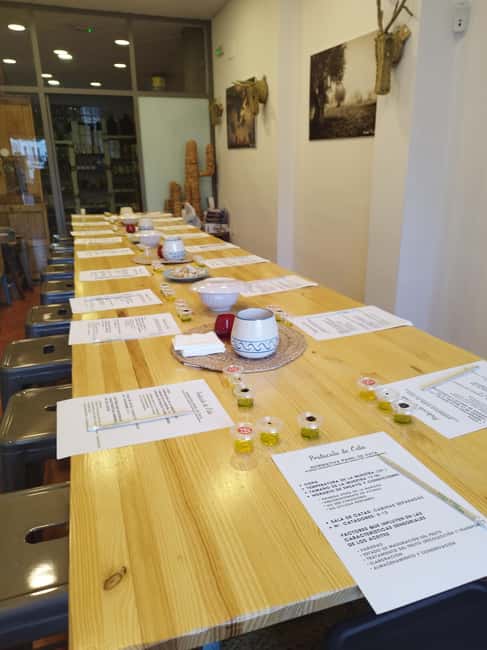
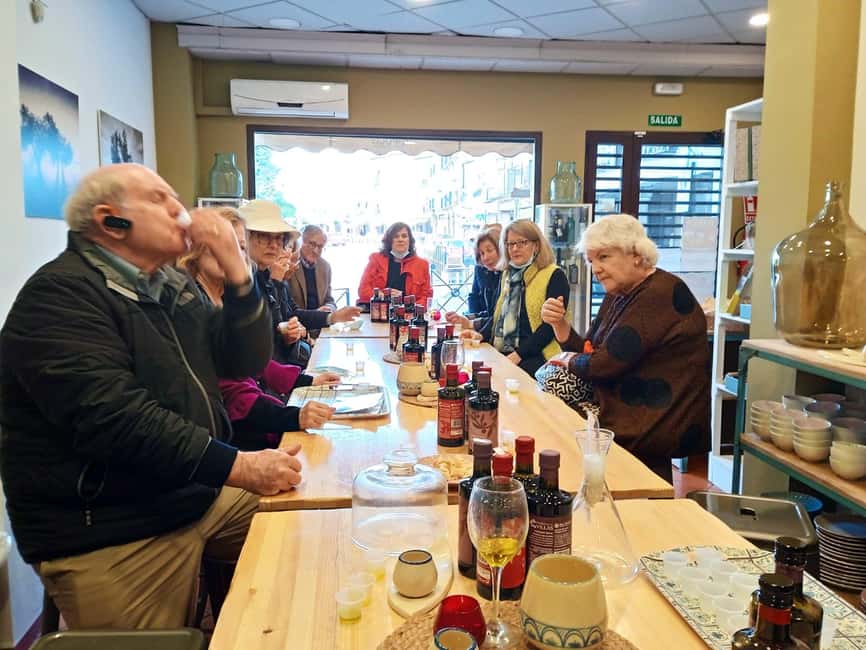
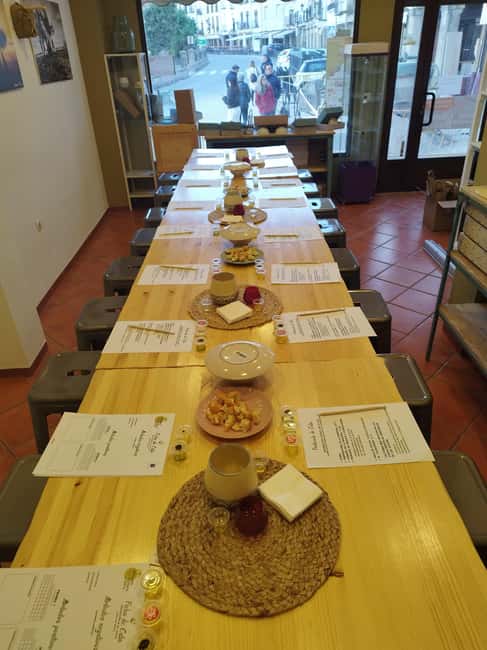
You receive an official blue or red tasting glass and a card for recording notes. The glass is an important detail. Its shape and color help focus attention on smell and taste while keeping the appearance of the oil from influencing your first impression.
The card encourages you to slow down. You can note what you smell, what you taste, and how the oil feels. You do not need expert vocabulary. The guide’s job is to help you distinguish the oils and make sense of your own impressions.
I like this hands-on element because it turns a passive demonstration into a small skill lesson. You can leave knowing more than the name of one local oil. You have practiced comparing oils in a way you can repeat at home.
The three samples also make the $17 price easier to judge. If this were only a short talk with one pour, the value would be less convincing. Here, the comparison gives the visit a clear center and makes the information useful.
Your group size can affect the feel of the session. A very small group may allow more questions and a more personal exchange. One earlier session had only two visitors, which made the presentation especially individual. The exact group size is not guaranteed, but the format allows room for questions when attendance is light.
Same groves, a different afternoon:
- Visit of the olive grove, olive oil tasting and snack
★ 4.9 · 111 reviews - Visit Oil Mill Museum and Olive Oil Tasting in Ronda
★ 4.5 · 105 reviews - Private Tasting of Olive Oil in Córdoba
★ 5.0 · 93 reviews - Olive Oil tasting breakfast & Tour in Cordoba
★ 4.5 · 84 reviews
Apples, bread, and EVOO-made treats
Apples and bread accompany the tasting. They help clear the palate between oils, so each sample gets a fair chance. This is more useful than treating the bread as decoration.
The food also makes the tasting easier for beginners. Strong or unfamiliar flavors can blur together when you sample several oils. A bite of apple or bread gives you a reset before moving to the next glass.
At the end, you sample a small selection of foods made with extra virgin olive oil. Specialty chocolate is one example. This final touch shows that EVOO is not limited to dipping bread or dressing salad.
The closing food sample is modest, not a full meal. You should still plan lunch separately. Think of it as a small local-food add-on that completes the lesson rather than a replacement for a restaurant stop.
That distinction matters when you compare this activity with a market tour or cooking class. The focus here stays on understanding and tasting olive oil. The accompanying foods give you a few practical connections, but they do not turn the experience into a full culinary workshop.
The guides and language options
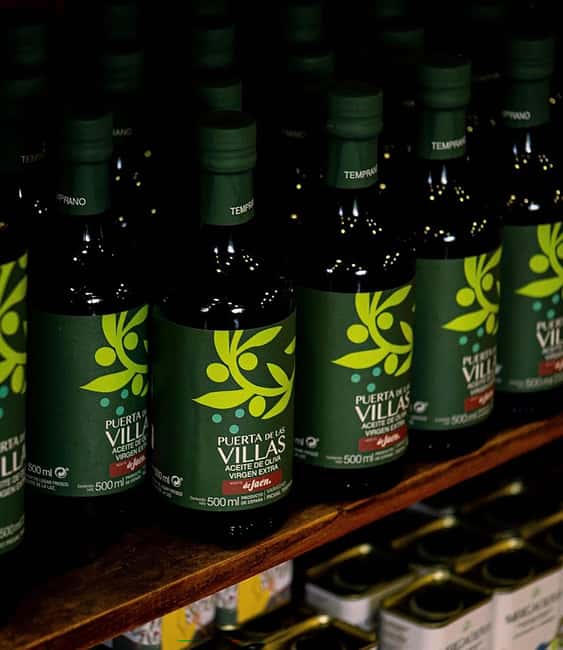
The tour is available in English and Spanish, with a live guide rather than an audio recording. That makes a difference during the tasting, since you can ask why one oil smells or tastes different from another.
Maria has led a session in excellent English and explained many parts of olive-oil production while answering questions. Anna has also been praised for her enthusiasm and command of the subject. Your guide may be someone else, but the format allows the human explanation to carry the experience.
If English is important to you, confirm the selected language when booking. The activity information lists both English and Spanish, but the exact guide assignment is not specified in advance.
The best questions are practical ones: How do the varieties differ? What should you notice first? How does harvesting affect quality? What does extra virgin mean in everyday terms? The tasting glass and note card give the guide something concrete to discuss, rather than leaving you with a general lecture.
What the $17 price buys you
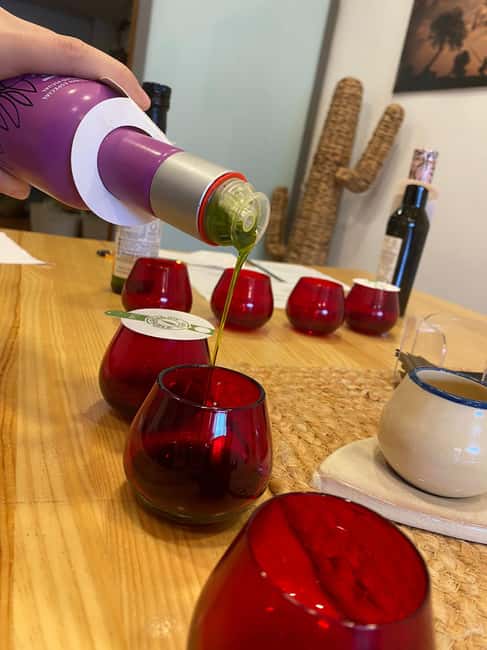
At $17 per person, this is an inexpensive activity by the standards of guided food experiences in Spain. You receive a live presentation, three oil samples, a tasting glass, a note card, palate cleansers, and small EVOO-based food samples.
The main value is not the volume of food. You are not paying for a large meal. You are paying for context and comparison, which can be hard to get on your own.
I would consider it a strong buy if you are curious about Spanish food, enjoy tasting products carefully, or want an indoor activity in Baeza that lasts less than two hours. It is also a sensible choice for a couple or small group that wants a focused local experience without committing to a full-day excursion.
The value is weaker if you already know olive oil well or want to see the entire production process in person. There is no stated olive grove visit, harvest demonstration, or mill walk-through. The production story is explained through the presentation and images.
The flexible booking terms also help. You can reserve and pay later, and cancellation is available up to 24 hours in advance for a full refund. That is useful when you are building an Andalusia itinerary with several moving parts.
Who will enjoy this Baeza tasting most
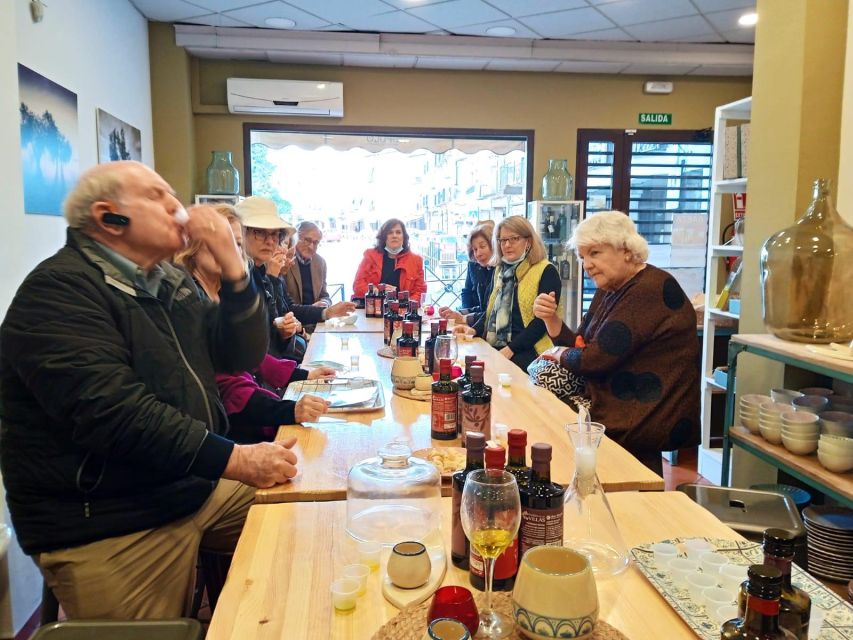
I would recommend it to:
- Food-focused visitors who want a local product explained by a guide.
- First-time olive-oil tasters who want help identifying different sensory qualities.
- Couples and small groups who prefer a calm, seated activity with room for questions.
- Baeza sightseers who want a central experience that fits into a morning or afternoon.
- Visitors seeking an accessible activity rather than a walk through rural terrain.
- People who enjoy buying local food and want a better idea of what to look for in Spanish EVOO.
It may be less satisfying for you if your main goal is outdoor scenery, farm machinery, or a large meal. The experience is about tasting and explanation, not transport into the countryside.
Families can also consider it, though the strongest appeal will usually be for adults and older children who are willing to pay attention to aroma, flavor, and production. The supplied information does not specify a minimum age, so check the booking details if age is an important concern.
A practical way to fit it into Baeza
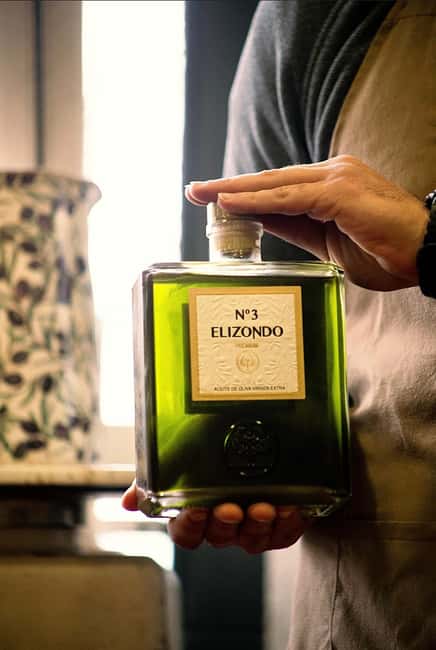
Plan to arrive at La Casa del Aceite in Plaza de la Constitución a little before the start time. The meeting point is central, but giving yourself a few minutes helps you locate the entrance without rushing.
Wear comfortable clothes and avoid scheduling a heavy meal immediately before the tasting. You will sample only small amounts, but a full stomach can dull your attention to aroma and flavor.
Bring an open mind rather than a fixed idea of what olive oil should taste like. The point is not to choose a single winner. It is to notice how three oils differ and understand what creates those differences.
Afterward, use the lesson when you eat in Baeza. Notice how restaurants use olive oil with bread, vegetables, meat, or sweets. The final EVOO-based samples may also give you ideas for local products to seek out, although the experience itself does not promise a shop visit or a specific purchase opportunity.
Should you book this olive-oil experience?
I would book it if you want a short, affordable activity with a strong local connection. The best parts are the comparison of three oils, the proper tasting glass, and the clear explanation of Jaén’s production culture. The guides, including Maria and Anna in past sessions, have made the presentation friendly and easy to follow in English or Spanish.
I would skip it only if you are looking for a full farm or mill tour, a substantial meal, or a broad food walk. At $17, this is a focused introduction, not an all-day culinary outing.
For most visitors spending time in Baeza, it is a sensible addition. You leave with a better understanding of one of Andalusia’s key foods, a few tasting skills, and a more informed palate for the rest of your trip.
FAQ
Where does the olive oil tasting take place?
The experience takes place at La Casa del Aceite in Baeza. The meeting point is at the entrance on Plaza de la Constitución.
How long does the experience last?
The tasting lasts approximately 1.5 hours.
How many olive oils will I taste?
You will taste three different varieties of olive oil and learn how to distinguish their sensory qualities.
Is the experience available in English?
Yes. The activity is offered with a live English- or Spanish-speaking guide.
What food is included with the tasting?
Apples and bread are provided to cleanse the palate between samples. You will also receive a small tasting of products made with extra virgin olive oil, such as specialty chocolate.
Can I cancel or pay later?
You can reserve now and pay later. Cancellation is available up to 24 hours in advance for a full refund.
Newest grove reviews around Spain
- Córdoba: Olive Oil Tasting Experience★ 4.4 · 8 reviews
- Cazorla: Oleotour – Olive Oil Culture Initiation★ 5.0 · 3 reviews
- Cazorla: Olive grove and mill tour★ 5.0 · 2 reviews
- Cazorla: Highligts Tour with Olive Oil Tasting★ 5.0 · 2 reviews
- Aires de Jaén: Olive Oil Plantation Tour and Local Meal★ 4.9 · 9 reviews
- Olive Oil Tasting and Culinary Day Trip in Carmona★ 5.0 · 2 reviews
- Oleotourism and olive oil tasting in Seville – Private tour★ 5.0 · 7 reviews
- Cordoba Olive Oil mill, Wine, Passion★ 4.5 · 8 reviews
Spain Olive Oil Tours, compared.
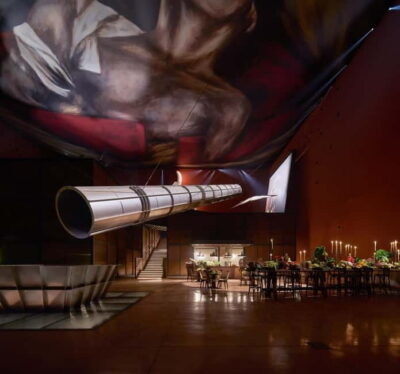
LA Almazara LA Organic, Olive Oil Museum and Tasting
Read our review →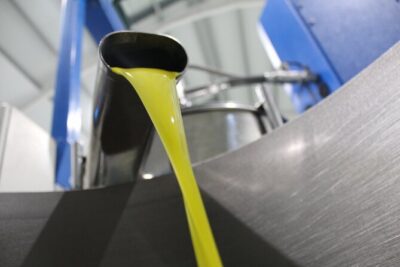
Guided tour and olive oil tasting in Alhaurin el Grande (Málaga)
Read our review →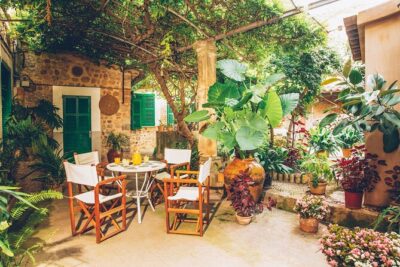
Guided Tasting Tour in 16th century House and Olive Oil Factory
Read our review →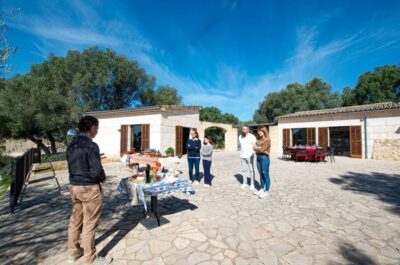
Visit of the olive grove, olive oil tasting and snack
Read our review →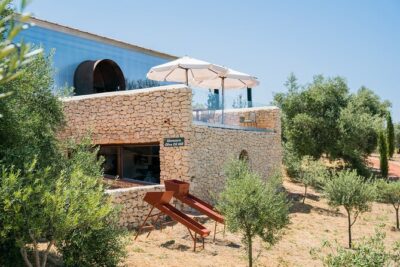
Visit Oil Mill Museum and Olive Oil Tasting in Ronda
Read our review →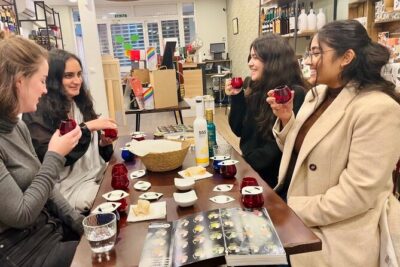
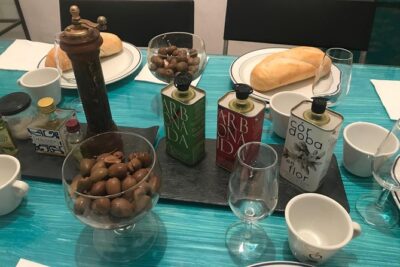
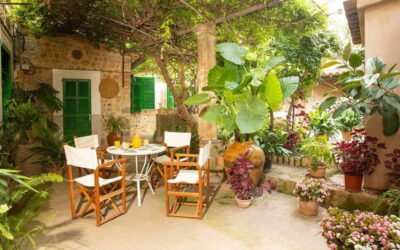
Sóller: Olive Oil Guided Tour and Tasting at Can Det Estate
Read our review →Browse the lists this tour appears in