
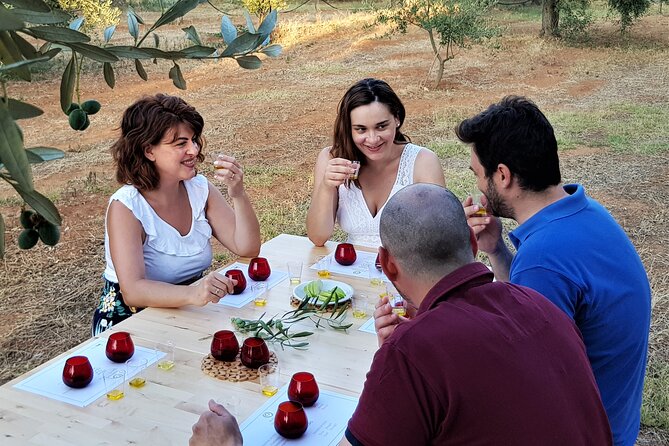
Review · GREECE OLIVE OIL TOURS
Olive Oil Tour & Tasting with sommelier -Kalentzi, Athens daytrip
The rare Manaki olive trees are the main reason to make the trip to Kalentzi. You walk through a working family grove, learn how farming affects flavor, then sit down for a guided tasting with views toward the slopes of Mt. Fokas, where Greek myth places the birth of the Lion of Nemea. Marianna brings the subject to life with stories about the trees, the oil, and the family behind the grove.
I like two things right away: the small maximum group of eight, which gives the tasting a personal feel, and the practical lesson on spotting good oil at the shelf rather than simply admiring a bottle. The one drawback is that transportation and lunch are not included, so you need to arrange your own way to Kalentzi and treat the Greek meze as a tasting snack, not a full meal.
Key points at a glance
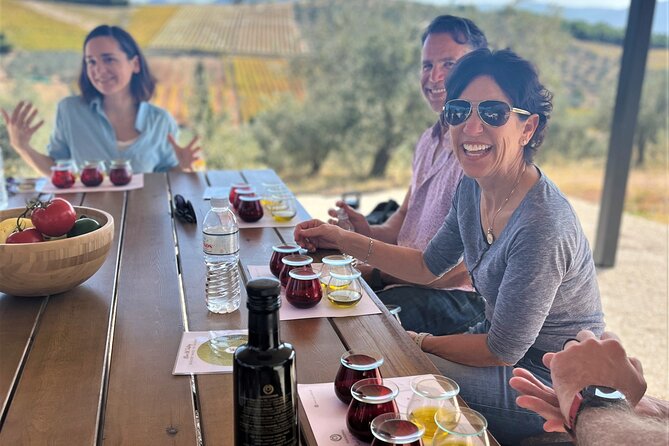
- Rare Manaki olives: See a traditional variety and learn how cultivation and harvest choices shape the oil.
- Marianna’s storytelling: The guide covers olive biology, production methods, grades, flavor, and Greek family farming.
- A real tasting lesson: Practice identifying fruitiness, bitterness, pungency, and unwanted traits.
- Mt. Fokas views: Taste oil beside the grove with views of olive trees and vineyards on the mythical slopes.
- Greek food pairing: Sample small Greek meze designed to show how olive oil works with familiar Mediterranean flavors.
- Small, focused group: The experience is limited to eight people and lasts about two hours.
A working olive grove near Corinth
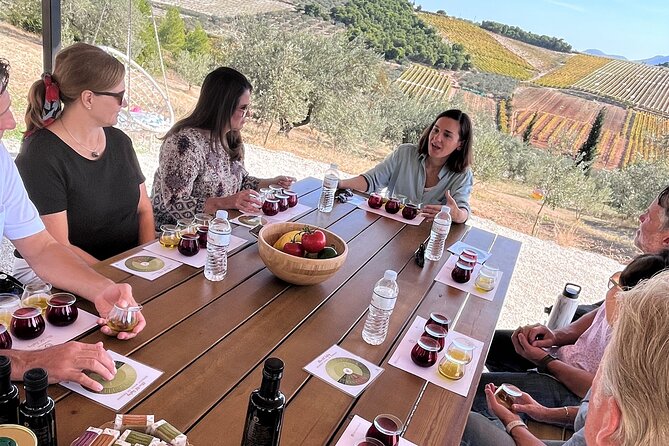
This is not a quick stop at a shop with a few bottles lined up on a counter. You begin at the petite chapel of St. Efrem, the meeting point for OLEOSOPHIA Olive Garden & Olive Oil Tastings in Kalentzi, about a daytrip setting from Athens and within the wider Corinth area.
From there, you walk into a traditional family olive grove. The walk gives you a useful sense of place before the tasting begins. Instead of treating olive oil as a generic Greek souvenir, you see the trees, the soil, and the farming setting connected to the final product.
The grove is home to Manaki olive trees, a less familiar variety for many people outside Greece. The point is not simply to memorize the name. You learn how the olive variety, growing conditions, cultivation, and production choices can influence what reaches your plate.
The family connection matters here. You hear about the history of the grove and the people who care for it, while also learning about sustainable agricultural practices. That combination gives the visit more substance than a basic tasting. You are looking at agriculture, food culture, and family work at the same time.
The walk is also a reminder that olive oil begins as fruit. That sounds obvious, but it is easy to forget when supermarket shelves offer dozens of polished bottles with little useful context. Seeing the trees helps you connect the sharp, grassy, bitter, or fruity notes in the oil to a living crop.
More Olive Oil Tours around Greece:
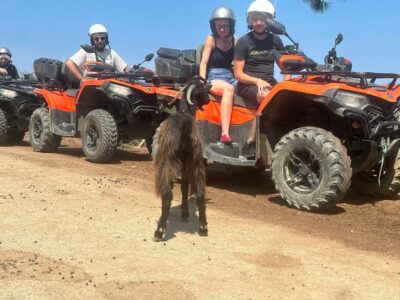
- Crete: Quad Safari, Olive Mill with Tasting & Ghost Village
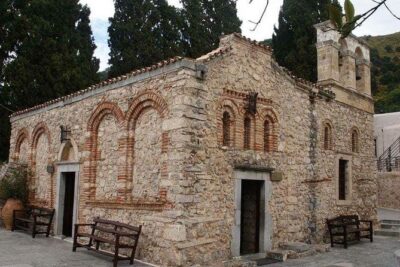
★ 4.9 · 1,004 reviews - Knossos-Zeus Cave -Old Traditional Villages-Olive Oil Factory
★ 5.0 · 694 reviews - The Governor’s Olive Mill Tour with Olive Oil Tasting
★ 5.0 · 502 reviews
What Marianna explains along the way
Marianna is the guide named most clearly in the experience details, and her style is a major part of the visit. She explains subjects ranging from the biological processes inside the olive tree to manufacturing approaches and product grades.
That matters because olive oil labels can be confusing. You will learn the basic categories of olive oil and the differences that affect quality. The aim is not to turn you into a professional taster in two hours. It is to give you enough working knowledge to make a better choice when you buy oil later.
The biological side adds useful depth. Changes in the fruit and tree can affect flavor, so taste is not only about processing after harvest. You get a clearer picture of why oils from different olives, seasons, and production methods do not all taste alike.
Marianna also brings in some less obvious culinary uses for olive oil. That can help you think beyond the standard salad dressing or bread dip. The experience connects the oil to everyday cooking, which makes the lesson more useful after you leave Kalentzi.
The family setting adds warmth, but you should still expect a teaching experience rather than a formal agricultural lecture. The information is presented through the grove, the oil, and the food on the table.
Tasting fruitiness, bitterness, and pungency
The tasting is the heart of the activity. You learn the basic principles of tasting and pay attention to three central traits: fruitiness, bitterness, and pungency.
Fruitiness refers to the fresh character of the oil, while bitterness and pungency can provide signs of a lively, well-made product rather than flaws. The tasting helps you separate these sensations and recognize how they work together.
Pungency may show up as a peppery feeling in the throat. Bitterness can be surprising if you are used to mild supermarket oils, but it is not automatically a problem. The important lesson is to tell the difference between a positive characteristic and an unpleasant defect.
You also learn to identify negative traits to avoid. This is one of the most useful parts for a shopper. A bottle can look attractive and carry a Greek name, but the taste tells you much more. The session gives you a simple way to pay attention to freshness, balance, and faults.
This is a hands-on lesson rather than a lecture about tasting vocabulary. You get to smell and taste the oil, then relate the flavors to what Marianna explains. Even if you forget some technical terms, you should leave more confident about judging an oil with your own senses.
The experience is not recommended for anyone with an olive oil allergy. That is an important practical point, since tasting is central to the activity rather than an optional add-on.
Meze with a view of Mt. Fokas
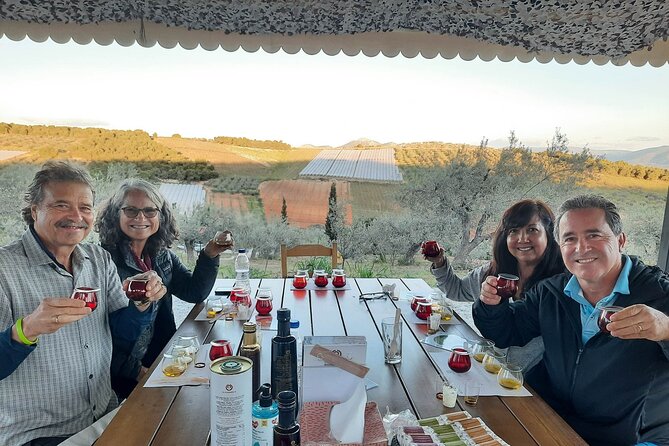
After the walk, you sit down for olive oil food pairing with Greek flavors. The included food is a small Greek meze, intended as a starter and tasting accompaniment.
Do not plan on this being lunch. Lunch is not included, and the food is described as snacks for pairing. You get enough to explore how olive oil changes the taste of Greek-style foods, but you should arrange a separate meal if you need a full midday stop.
The setting adds a lot. You taste with views of olive groves and grapes on the slopes of Mt. Fokas, a place linked in mythology with the Lion of Nemea. That detail gives the meal a sense of place without turning the experience into a mythology tour.
The pairing is valuable because olive oil can behave differently with different foods. A peppery oil may add force to one bite, while fruitiness may suit another. Sampling the oil with Greek flavors makes the lesson easier to remember than tasting it alone.
This is also the point where the Mediterranean diet discussion becomes more practical. You learn about olive oil as part of a broader way of eating, not as a miracle product or isolated ingredient. The focus includes nutrition and well-being, but the activity remains rooted in food and farming rather than medical advice.
Same groves, a different afternoon:
- From Chania: Olive Oil, Wine, Cheese & Honey Tasting Tour
★ 4.6 · 490 reviews - Crete: Road-trip to Lasithi, Zeus Cave & Olive Mill Farm
★ 4.4 · 451 reviews - Heraklion: Olive Farm Tour with Tasting of Local Delicacies
★ 4.9 · 411 reviews - Lassithi, Zeus Cave, Olive Mill Farm & Knossos Combo Tour
★ 4.6 · 404 reviews
Why the two-hour format works
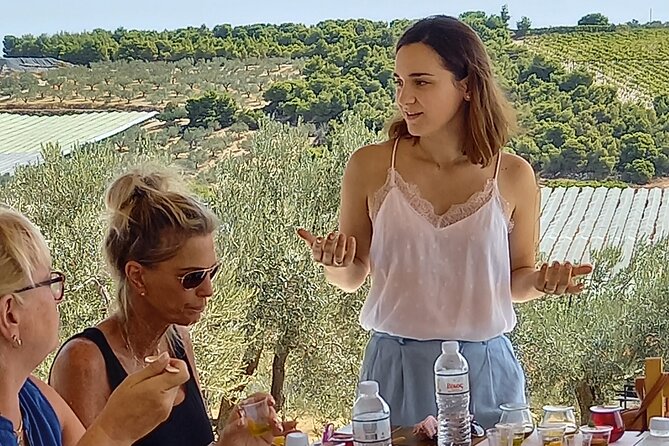
The experience lasts about two hours and begins at 10:00 am. That is enough time for a proper walk, an explanation of the grove, and a guided tasting without turning the morning into a long excursion.
I like this length for a daytrip from Athens or Corinth because it can fit beside other plans. At the same time, you need to allow extra time for getting to Kalentzi, since private transportation is not included.
The small group limit of eight is important. A tasting works better when you can hear the guide, ask questions, and take your time with each sample. A larger group could make the grove walk and table discussion less personal. Here, the format is intended to remain close and conversational.
The activity is offered in English, and a mobile ticket is accepted. Confirmation is provided at booking. The meeting point is OLEOSOPHIA Olive Garden & Olive Oil Tastings, at Kalentzi 200 01, Greece, with the experience ending back at the same meeting point.
You should also plan around the weather. The activity requires good conditions, and poor weather can lead to a different date or a full refund. That policy makes sense for an experience built around walking and sitting outdoors, but it is worth keeping in mind if you have a tightly scheduled daytrip.
What the $96.12 price includes
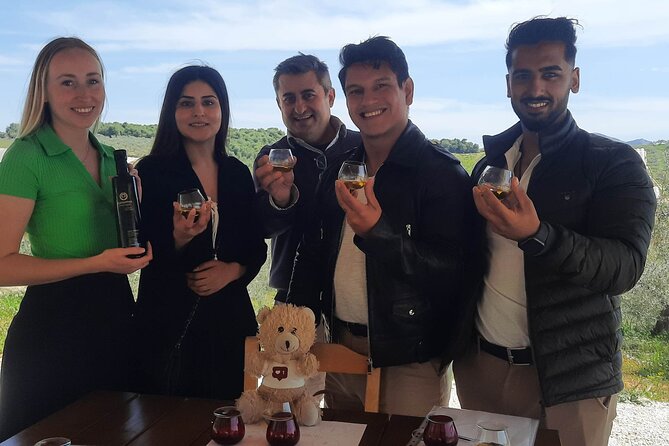
At $96.12 per person, this is not the cheapest way to taste olive oil. You are paying for a small-group experience, a guide-led lesson, access to a family grove, and a food pairing rather than simply purchasing a tasting flight.
The value depends on what you want from the visit. If you only want to sample a few oils, the price may feel high. A shop or market can provide a faster and less costly introduction.
If you want to understand what you are tasting, the price makes more sense. You receive context about Manaki trees, sustainable farming, production, oil categories, flavor defects, health benefits, and buying decisions. You also get time in the grove and a connection to the local family operation.
The practical value continues after the tour. You can use the tasting skills when comparing bottles at home, reading labels, or choosing oil for cooking. That makes the experience more than a pleasant morning snack, especially if olive oil is already part of your kitchen routine.
The included meze helps, but remember that it is not a full meal. You are paying for interpretation and access to the farm setting first, with food as part of the lesson.
Who will enjoy this most
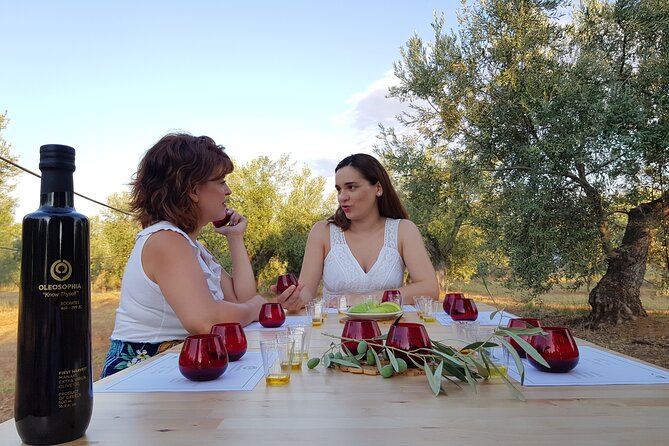
I would choose this for anyone interested in Greek food, sustainable agriculture, regional products, or hands-on tastings. It suits couples, small groups, and families who can manage a two-hour outdoor activity. One review specifically described children enjoying the experience, so it can work for families, especially when the children are curious about food and how it is made.
It is also a good choice if you have already seen major archaeological sites and want a quieter connection to the countryside around Corinth. The visit gives you a different view of Greece, built around trees, food, and family work rather than monuments alone.
You may want to skip it if you dislike tasting strong flavors, have an olive oil allergy, or are looking for a substantial meal. It is also less convenient if you do not have a plan for reaching Kalentzi, because private transportation is not included.
The activity is recommended by all listed participants and carries a five-star rating from 18 reviews. The strongest praise centers on Marianna’s clear storytelling, the friendly family setting, the useful buying advice, and the quality of the oil. Those are the features I would weigh most heavily when deciding.
Should you book the Kalentzi olive oil tasting?
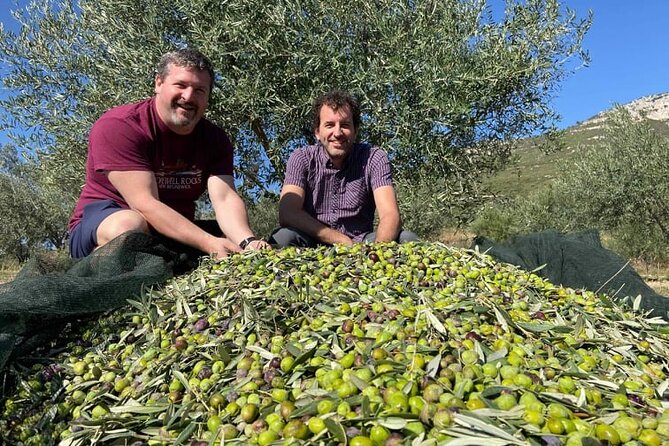
Book it if you want a focused, personal introduction to Greek olive oil and can arrange your own transportation to the grove. The best reason to go is the mix of real agricultural setting and practical tasting skills. You do not just hear that Greek oil is important. You learn how to smell, taste, compare, and choose it.
The $96.12 price is easier to justify for people who value small groups and local food experiences. Families can enjoy the relaxed setting, while food-minded visitors will appreciate learning how olive oil works with Greek meze.
Skip it if your day is already packed, you need a full lunch, or you prefer a short retail tasting with no outdoor walk. For everyone else, this is a thoughtful way to add a living food tradition to a Corinth-area daytrip.
FAQ
Where does the olive oil tour begin?
The activity begins at OLEOSOPHIA Olive Garden & Olive Oil Tastings, Kalentzi 200 01, Greece. The meeting point is the petite chapel of St. Efrem.
What time does the experience start?
The start time is 10:00 am.
How long does the olive oil experience last?
The activity lasts approximately two hours.
Is transportation included?
No. Private transportation is not included, so you need to arrange your own way to the meeting point.
Is lunch included?
No. The experience includes small Greek meze and snacks for olive oil pairing, but lunch is not included.
How many people can join the activity?
The activity has a maximum of eight travelers.
What happens if bad weather cancels the tour?
If poor weather causes cancellation, you will be offered a different date or a full refund. You can also cancel up to 24 hours before the start time for a full refund.
Newest grove reviews around Greece
- Corinthian olive oil tour & tasting experience★ 5.0 · 4 reviews
- Corfu: Olive Oil & Wine Tastings & Traditional Villages Tour★ 5.0 · 6 reviews
- Corfu: Organic Olive Oil Farm Tour with Transfer and Tasting★ 5.0 · 8 reviews
- Chania: Authentic Crete Villages Tour & Olive Oil Tasting★ 4.5 · 2 reviews
- Chania Olive Tour: 3,000-Year-Old Tree, Museum &Organic Mill★ 5.0 · 5 reviews
- Chania Private Olive Oil Tour: Oil Tasting & Villages Tour★ 4.4 · 9 reviews
- Chania E-Bike Adventure: Culture, Coastline & Olive Tasting★ 5.0 · 2 reviews
- Athens: Cretan Olive Oil Tasting Experience★ 5.0 · 10 reviews
Greece Olive Oil Tours, compared.
Knossos-Zeus Cave -Old Traditional Villages-Olive Oil Factory
Read our review →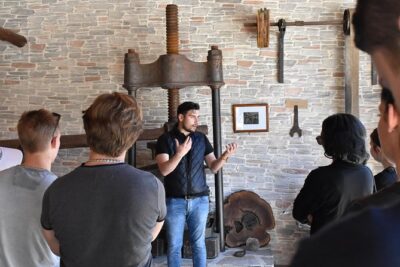
The Governor’s Olive Mill Tour with Olive Oil Tasting
Read our review →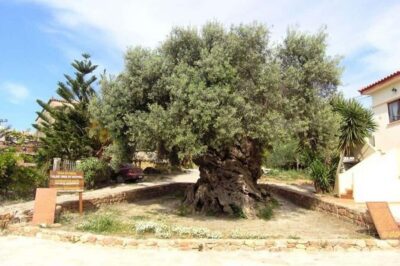
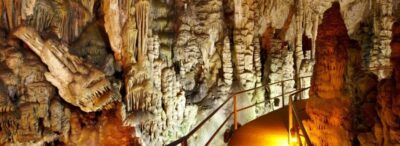
Road-trip to Lasithi, Zeus Cave & Olive Mill Farm
Read our review →
Olive Farm Tour with Tasting of Local Delicacies
Read our review →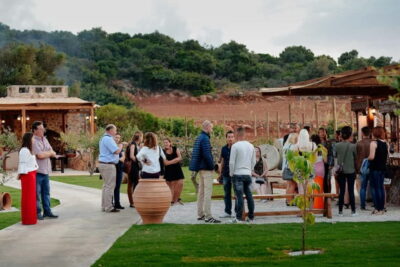
Lassithi, Zeus Cave, Olive Mill Farm & Knossos Combo Tour
Read our review →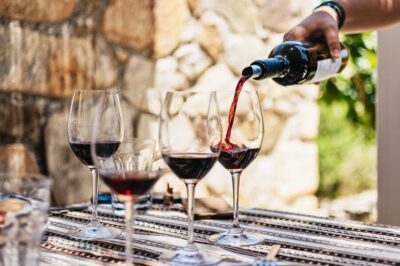
Browse the lists this tour appears in