
Review · CRETE OLIVE OIL TOURS
The Terra Creta Olive Oil Experience Tour
Cretan olive oil is more than a bottle on a grocery shelf. At Terra Creta, you see how olives move from harvest to modern processing, then learn how to taste the finished oil properly. The tour is short, clear, and set inside a working facility in the Kolymvari region.
I like the three-oil tasting, which turns a factory visit into a useful food lesson. I also like the practical advice on storage and cooking, plus the chance to buy local products in travel-safe packaging for about $11.
The main drawback is timing: the mill operates only from October through February, and parts of the site may be limited from April through September during expansion or machinery work. You also need to make your own way to Kamisiana.
Key points to know before you go
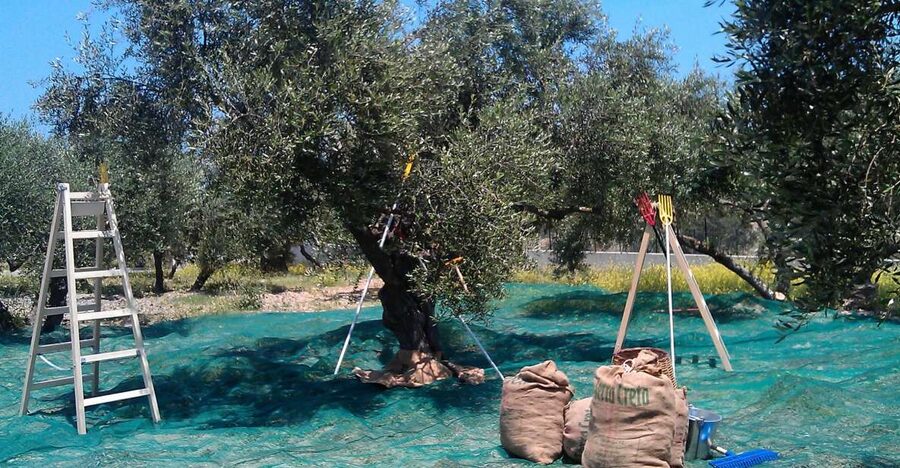
- See modern olive oil production: Follow the process from harvesting and grading through extraction, production, and bottling.
- Taste three different oils: Learn how to judge quality and notice differences between labels.
- Meet guides who explain the subject clearly: Guides including Katerina, Lisa, Sophia, and Stavros have led sessions with warmth and practical detail.
- Plan for a short visit: The full experience takes about one hour, making it easy to add to a day around Chania or Kissamos.
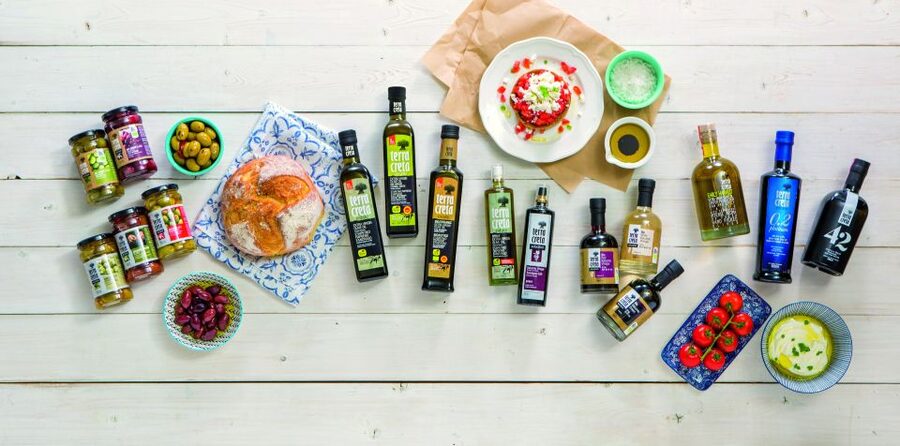
- Shop for Greek food gifts: Buy Terra Creta oils, balsamic vinegar, and olives in packaging designed to travel more easily.
- Check seasonal access: The mill runs from October to February, while some areas can be restricted during spring and summer upgrades.
Why this one-hour olive oil visit works
I like tours that respect your time, and this one does. In roughly an hour, you get a useful explanation of olive farming and processing, a look at the Terra Creta facility, a guided tasting, and time in the shop.
That short length makes the experience easy to fit into a Cretan road day. You could pair it with a visit to Chania, Kissamos, or the Kolymvari area without giving up half a day. It also suits anyone who wants a focused introduction rather than a long agricultural excursion.
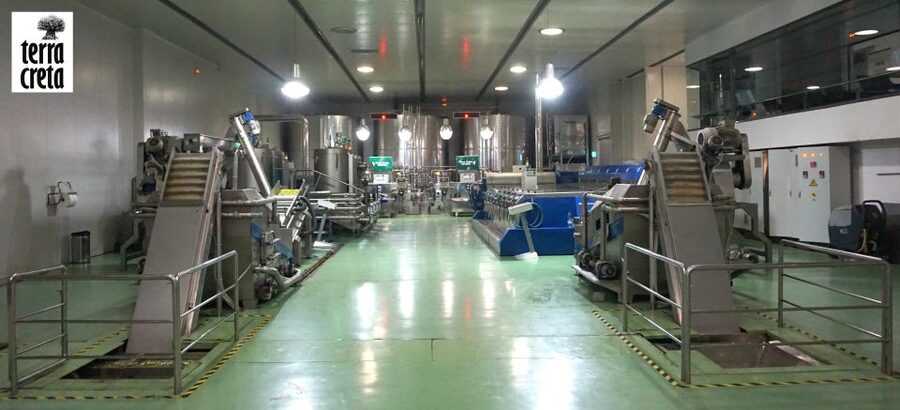
The setting is a state-of-the-art olive oil factory, not a staged folk display. That matters. You learn about the machinery and modern production methods used to turn freshly harvested olives into a finished product. One particularly useful part is the explanation of the process from harvesting through grading and extraction.
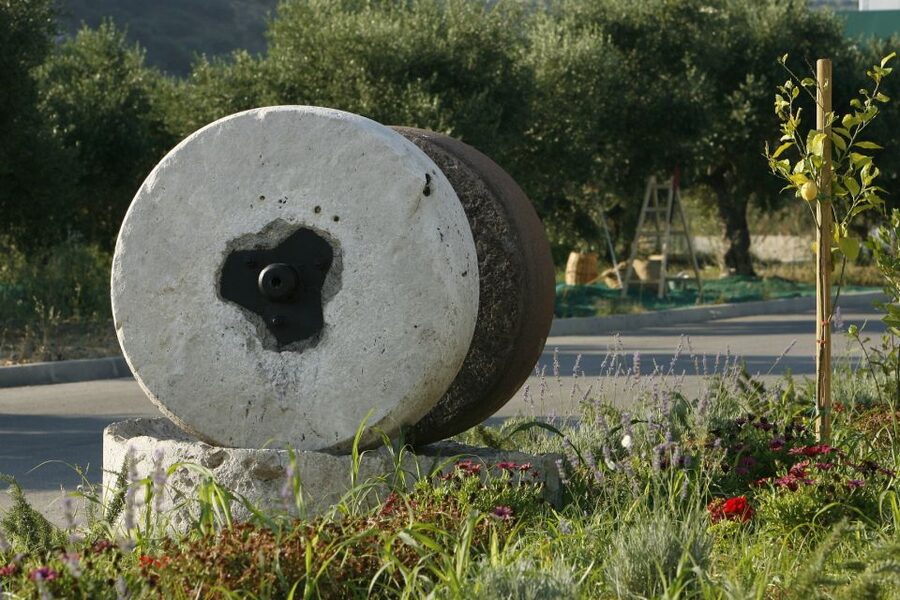
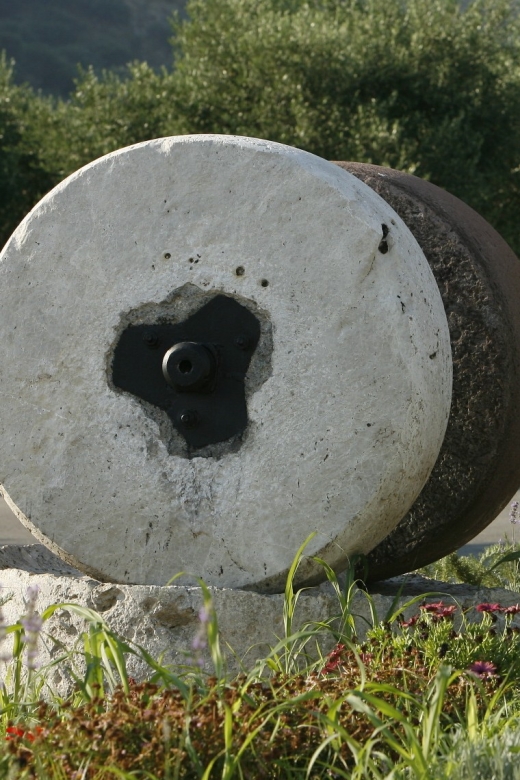
You should not expect a traditional olive farm visit or a large museum of old equipment. The focus is modern production. If you want to compare ancient stone presses with current machinery, this may feel limited. One useful addition would be a display of traditional tools, but the existing tour gives you a clearer picture of how a contemporary mill operates.
More Olive Oil Tours around Crete:
- Crete: Quad Safari, Olive Mill with Tasting & Ghost Village
★ 4.9 · 1,004 reviews - From Chania: Olive Oil, Wine, Cheese & Honey Tasting Tour
★ 4.6 · 490 reviews - Crete: Road-trip to Lasithi, Zeus Cave & Olive Mill Farm
★ 4.4 · 451 reviews
Inside Terra Creta’s modern production process
The visit begins with the basic question behind every bottle: what happens after olives are picked? Your guide explains the path from harvesting to production and bottling, using the facility to make the process easier to understand.
The factory setting helps put the information in context. Rather than hearing only a general talk about olive oil, you get an introduction to the actual stages of processing. You can learn about grading, extraction, and the equipment used to handle the crop.
The wording of the tour is simple and direct, which makes it suitable even if you know little about olive oil. Guides such as Katerina have been praised for explaining farming and processing in an easy-to-follow way, while Sophia has been noted for making the factory visit engaging. Stavros has also led the tasting and explained how extra-virgin olive oil is assessed.
Guide assignments can change, so you should not book expecting one particular person. Still, the experience places real weight on the guide. This is not a self-guided walk through a building where you simply read signs. You get explanations and can ask questions as the tour progresses.
The mill operates only from October through February. That is an important distinction. The experience may be available at other times, but the mill itself is seasonal, and some areas inside or outside the facility may be inaccessible from April through September because of building expansion or machinery upgrades.
If seeing active mill operations is your priority, choose a date in the October to February period and confirm what parts of the site will be open. In warmer months, you may still get the educational visit and tasting, but you should not assume that every production area will be accessible.
The tasting is the real lesson
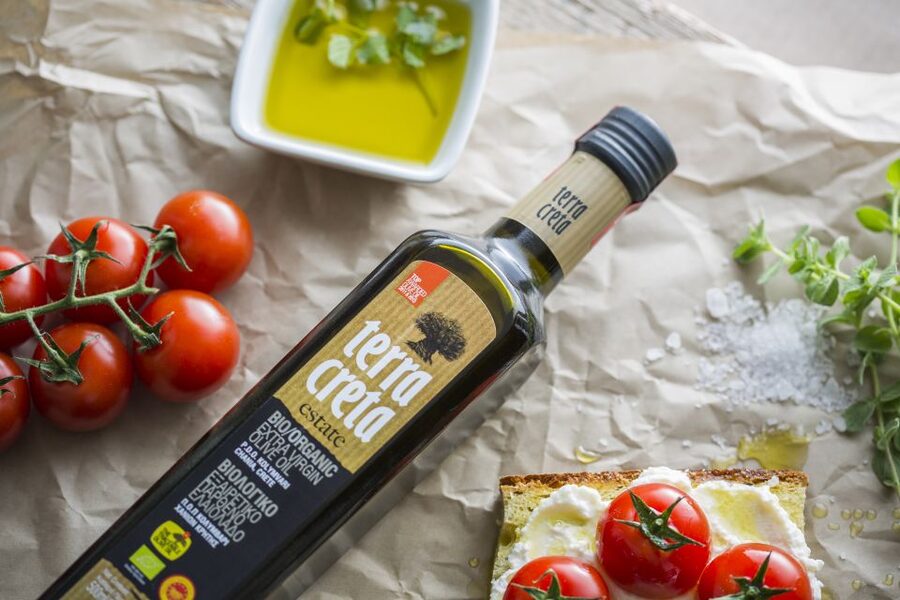
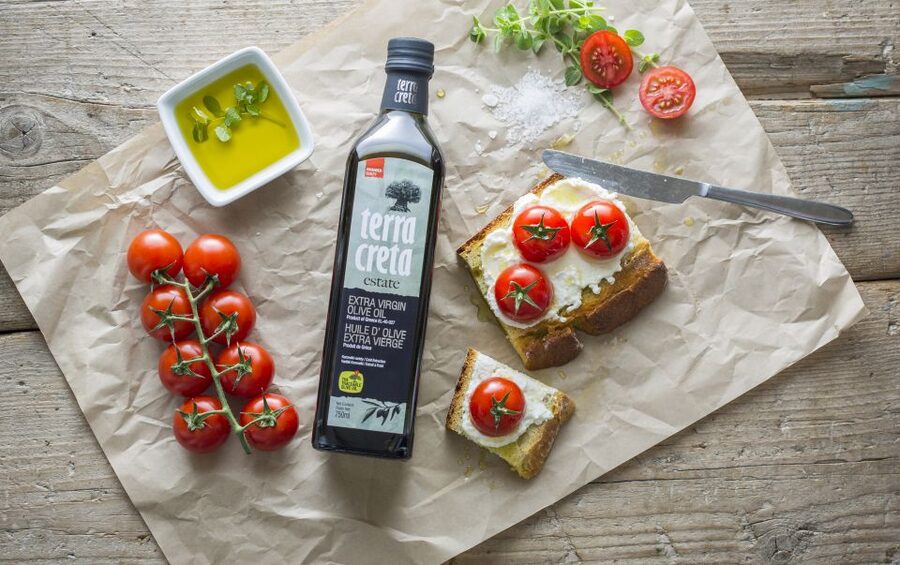
The tasting is more than a quick sip at the end. You sample three Terra Creta olive oils and learn how to taste them properly. That guidance changes the experience from simply liking or disliking an oil to noticing its smell, flavor, and finish.
Bread, finger foods, water, and Greek olive accompaniments are provided. The food keeps the tasting relaxed and gives you a simple way to try the oils with something familiar. The tasting is also a pleasant pause after the factory explanation.
I especially like this part for people who cook with olive oil at home. The difference between labels can seem vague in a supermarket. Here, you can compare three oils in one sitting and connect the tasting notes with advice about cooking and storage.
The experience also covers how to use olive oil well. You can ask about storage and learn why keeping a bottle properly matters. That sort of advice has more value than a generic product pitch because you can use it long after you return home.
Do not expect a full meal. The food is described as finger foods and appetizers, so plan lunch separately if you are hungry. The tasting is enough to support the lesson, not a substitute for dining.
What the shop adds to the visit
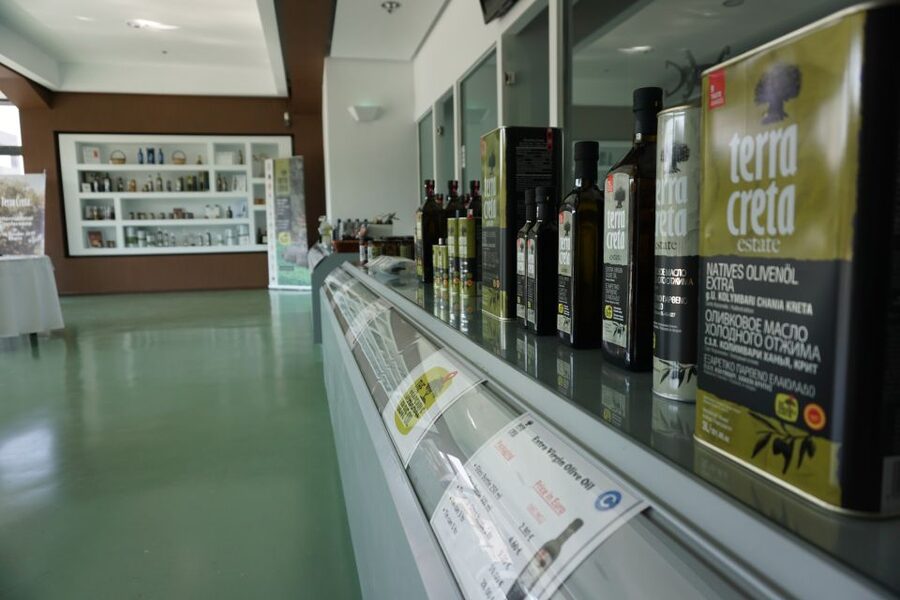
After the tasting, you can browse the Terra Creta shop. It carries different Terra Creta olive oil labels, balsamic vinegar, and Greek olives. Cash and credit cards are accepted.
The shop is useful because you can taste before buying. You have a better sense of what you prefer, rather than choosing a bottle based only on its label. Prices in the shop have been described as good value, though the tour price itself does not include purchases.
Pay attention to luggage limits before buying large bottles. Carry-on baggage can make transporting olive oil difficult, and small bottles of 100 milliliters or less are not specifically promised. If you are flying, ask the shop what packaging is available and check your airline rules before purchasing.
The travel-safe packaging is helpful for checked luggage and for reducing the risk of leaks. Still, do not assume every product will fit in a carry-on. Olive oil, olives, and vinegar can be excellent gifts, but they are not always easy to take aboard a flight.
Same groves, a different afternoon:
- From Chania: Wine and Olive Oil Tasting Tour with Snacks
★ 4.8 · 354 reviews - Crete: Zeus Cave, Lassithi Plateau, and Olive Factory Tour
★ 4.7 · 310 reviews - Crete: Full-Day Cretan Wines, Olive Oil, Raki and Food Tour
★ 5.0 · 264 reviews - Olive Oil Tasting Tour
★ 5.0 · 195 reviews
Getting to Kamisiana from Chania or Kissamos
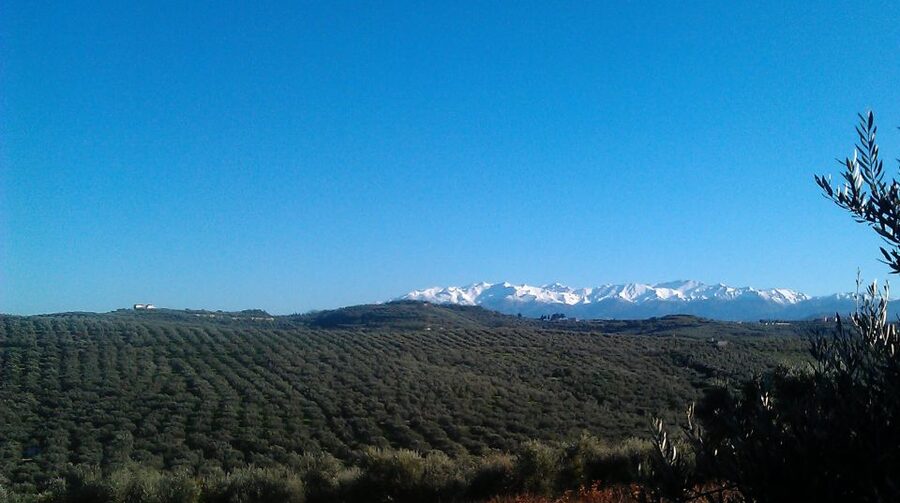
The meeting point is the Terra Creta olive oil factory in Kamisiana Kolymvari. It is outside the center of Chania, so this is not a walk-up city activity.
A taxi takes about 25 minutes from Chania or Kissamos, according to the supplied directions. The taxi cost is not included, so add that expense to the $11 tour price. One earlier booking noted a taxi fare of about 20 euros from Chania, but fares can change, so treat that figure only as a rough guide.
This transport issue affects the value calculation. The tour itself is inexpensive, especially when you receive a guided factory visit and three tastings. But if you are traveling alone and must pay for a taxi in both directions, the total cost rises quickly.
If you already have a rental car, the arithmetic is better. You can combine the tour with other stops in western Crete and avoid arranging separate transport. If you are staying near Chania without a car, check taxi availability and the return plan before booking.
The experience includes Wi-Fi and an area map, but it does not include hotel pickup or drop-off. You are responsible for reaching the factory and continuing on afterward.
Who will enjoy this experience most
I would recommend Terra Creta to several kinds of people:
- Home cooks: The tasting and storage advice give you something practical to take back to your kitchen.
- Food-focused visitors: You get a closer look at one of Crete’s key products without committing to a long food tour.
- Families with older children: The one-hour format is manageable, and the machinery gives the visit a clear focus.
- People who prefer short activities: It fits neatly between sightseeing stops.
- Anyone shopping for edible gifts: The shop offers oil, olives, and balsamic vinegar in packaging meant for transport.
- Visitors interested in modern industry: The tour explains current methods rather than presenting only old farming traditions.
It is less suitable for people with food allergies, since the visit includes olive oil, bread, and other appetizers. You should ask the provider about ingredients before booking if you have dietary concerns.
The site is wheelchair accessible, which is a useful feature. Still, seasonal construction or machinery work may affect access to certain areas. If you need access to every part of the facility, contact Terra Creta before your visit and confirm current conditions.
What the guides bring to the experience
The guide is the difference between a basic factory stop and a worthwhile lesson. The strongest sessions have included clear explanations, stories about olive oil, and careful instruction on tasting.
Katerina has been singled out for explaining the full route from harvesting to grading and production. Lisa has led an informative visit with useful suggestions for nearby places to eat. Sophia has guided visitors around the factory before the tasting, and Stavros has explained both the product and the correct tasting method.
These names reflect guides who have led the activity, not a guaranteed schedule. You may meet someone else. The important point is that the tour depends on a live English-speaking guide, so you can ask questions rather than rely on a recorded presentation.
The tone is described as friendly and clear. That works well here because olive oil can become technical very quickly. You want enough detail to understand what you are tasting, but not so much jargon that the hour feels like a class.
One guide also arranged a chair for a person with an injured foot, which suggests a willingness to respond to practical needs. Still, bring up mobility concerns before arrival, particularly because parts of the facility can be affected by upgrades.
Is $11 good value?
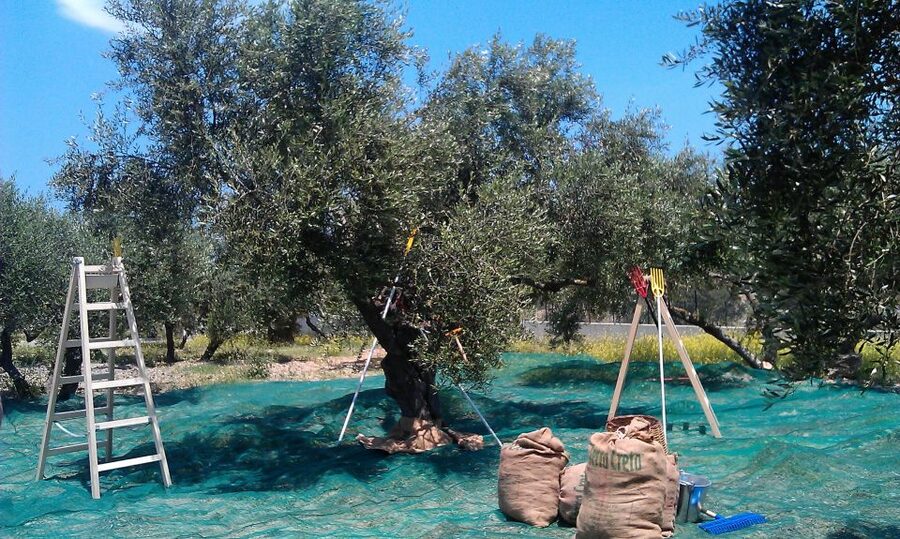
At about $11 per person, the price is strong for a one-hour guided visit, especially because it includes three olive oils, finger foods, and water. You are paying for an introduction to production as well as the tasting.
The tour becomes an even better deal if you are already driving through the area. The added value comes from seeing the factory, learning how to taste, and getting advice you can use when buying olive oil later.
The cost is less simple if you need a taxi from Chania or Kissamos. Transport can cost more than the activity itself. For that reason, I would avoid making a special trip solely for the $11 ticket unless olive oil is a real interest or you can share the taxi.
The shop can also tempt you to spend more. That is not a problem if you planned to buy local food products, but remember that the purchase price and transport arrangements are separate from the tour.
Free cancellation up to 24 hours before the activity and the option to reserve now and pay later make planning easier. Starting times vary, so you need to check availability for your date.
Practical details that matter
Wear sensible clothing and shoes for a factory setting. The information supplied does not require special equipment, but you should follow instructions inside the facility and avoid touching exhibits or machinery.
Several restrictions are listed: no pets, large bags, oversized luggage, smoking, vaping, sprays, strong fragrances, or sharp objects. These rules are stricter than you might expect for a food visit, so arrive without unnecessary items.
The tour is conducted in English. It includes an area map and Wi-Fi, but hotel transport is not included. You can pay for shop purchases with cash or a credit card.
The overall rating is 4.7 from 344 ratings, and the most consistent praise centers on the guides, the clear explanation of production, the tasting, and the short format. That combination is exactly why the activity works: you learn something concrete, taste the product, and get back to your day.
Should you book Terra Creta?
Book it if you want a short, affordable food experience with real production context. It is particularly good for people who cook with olive oil, want edible gifts, or are already exploring western Crete by car.
Think twice if you expect an old-fashioned farm, a long meal, or a full history of traditional olive pressing. Terra Creta focuses on modern machinery and present-day production. Also check the season, access conditions, allergies, luggage limits, and taxi cost before committing.
For about $11, the core activity offers solid value. If you approach it as a practical introduction to Cretan olive oil rather than a grand half-day excursion, you are likely to leave with a better palate, smarter storage habits, and a bottle you chose with some confidence.
FAQ
Where is the Terra Creta Olive Oil Experience located?
It takes place at the Terra Creta olive oil factory in Kamisiana Kolymvari, Crete.
How long does the tour last?
The guided experience lasts about one hour.
How much does the tour cost?
The listed price is $11 per person.
Is the tour conducted in English?
Yes. The activity includes a live English-speaking guide.
What is included in the price?
The price includes the guided tour, a tasting of three olive oils, finger foods, water, Wi-Fi access, wheelchair access, and an area map.
Does the tour include hotel transportation?
No. Hotel pickup and drop-off are not included. The meeting point is at the factory, and a taxi takes about 25 minutes from Chania or Kissamos.
Can I buy olive oil after the tour?
Yes. The shop sells Terra Creta olive oils, balsamic vinegar, and Greek olives. Cash and credit cards are accepted.
Is the mill open all year?
The mill operates from October through February. Some areas inside and outside the facility may also be inaccessible from April through September because of expansion or machinery upgrades.
Newest grove reviews around Crete
- Olive Oil Food Pairing in Crete★ 5.0 · 4 reviews
- Crete’s Wine and Olives Safari Tour from Chania★ 5.0 · 12 reviews
- Private Tour: Soap, Olive Oil & Lyrarakis Winery with Lunch★ 4.5 · 15 reviews
- Knossos Cave of Zeus and Olive Oil Factory Full Day Private Tour★ 5.0 · 19 reviews
- PRIVATE-Zeus Birthplace-Traditional Villages-Olive Oil Factory★ 5.0 · 23 reviews
- Spiridi Olive Oil Farm Tour★ 4.5 · 22 reviews
- Cretan Delights – Wine, Olive Oil & Cooking Workshop from Chania★ 5.0 · 25 reviews
- Knossos & Lasithi Plateau: Villages, Olive Oil Tour From Elounda★ 5.0 · 26 reviews
Crete Olive Oil Tours, compared.

Road-trip to Lasithi, Zeus Cave & Olive Mill Farm
Read our review →
Full-Day Cretan Wines, Olive Oil, Raki and Food Tour
Read our review →
Richtis Waterfall Full-Day Tour with Olive Tasting
Read our review →
Browse the lists this tour appears in