Review · OLIVE MILL AND FACTORY TOURS
Crete: Zeus Cave, Lassithi Plateau, and Olive Factory Tour
The best part of this Crete day trip is the switch from resort roads to the high mountains. In a Land Rover for six people, you climb through olive groves and old villages toward the Lassithi Plateau, with time for views, local food, goats, mythology, and crafts rather than a quick bus-stop photo.
I like the small group size and the way the day connects several sides of Crete: olive oil production, mountain farming, ancient stories, and family-run food. I also like the guides’ personal touch. Michael, Petra, Panos, George, and others are described as warm, funny, and well informed about plants, local customs, geography, and Greek mythology.
The main caution is the price, $115 per person, plus the €6 adult entrance fee for Psychro Cave. That is fair for a private-feeling day with a maximum of six, but it is not the right choice if you want a thrilling off-road ride or a tightly scheduled sightseeing circuit. Also, check that Zeus Cave is open when you book, since access has changed during renovation periods.
Key points at a glance
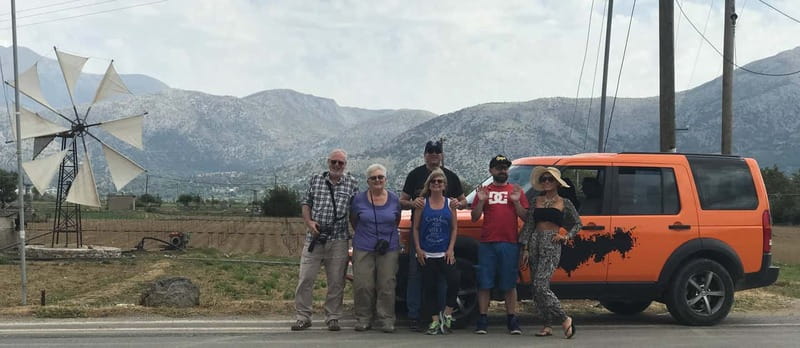
- Maximum six people: The small Land Rover makes it easier to ask questions and stop at places large buses cannot reach.
- A real mountain day: You climb as high as about 1,000 meters, with views across the Lassithi Plateau and stops in traditional villages.
- Zeus Cave requires effort: The approach includes a steep uphill walk, followed by steps and uneven ground inside the cave. Wear stable shoes.
- Lunch is part of the value: You eat at a family-run mountain taverna, with Cretan dishes, wine or raki, and dietary needs accommodated.
- Local tastes and crafts: Olive oil sampling and a pottery workshop add hands-on experiences beyond sightseeing.
- Pickup has limits: Hotel pickup covers many eastern Crete resorts, but usually not Heraklion or areas farther west toward Chania.
Why the small Land Rover matters
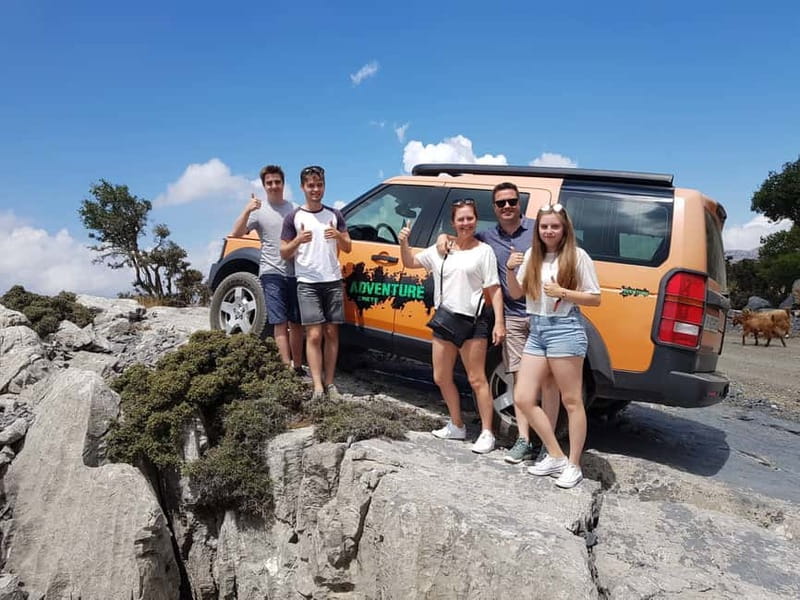
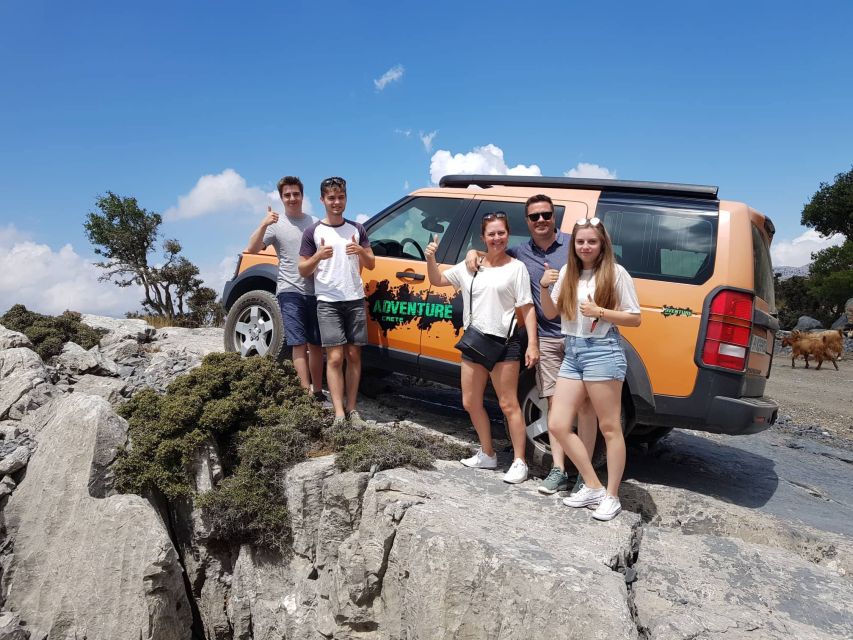
A seven-hour mountain outing can feel tiring in a large coach. Here, the maximum group size is six, and the vehicle has air conditioning and forward-facing leather seats. That matters on Crete’s winding roads, where comfort is more useful than flashy off-road driving.
You are not signing up for a hard-core 4×4 expedition. The vehicle is used to reach mountain roads, villages, viewpoints, and rural stops that are awkward without your own car. The reward is flexibility. Guides have made small detours to point out plants, animals, ravines, and views that would be easy to miss from a full-size bus.
The ride also gives the guide room to talk with you. Michael is often praised for his humor and his ability to explain everything from wild herbs to Greek mythology. Petra is described as especially good at combining local history, plants, and stories. Panos and George have also led days built around conversation rather than a rehearsed speech.
That personal element is a large part of what you are paying for. At $115, this is not the cheapest way to reach the mountains. But if your group would otherwise need to rent a car, find the cave, arrange lunch, and locate village stops on its own, the cost becomes easier to justify.
More Olive Mill and Factory Tours in Crete
- Crete: Quad Safari, Olive Mill with Tasting & Ghost Village
★ 4.9 · 1,004 reviews - Crete: Road-trip to Lasithi, Zeus Cave & Olive Mill Farm
★ 4.4 · 451 reviews - Knossos & lasithi plateau villages,Zeus’s cave,&olive oil Mill
★ 5.0 · 90 reviews
Climbing from the coast to the Lassithi Plateau
Pickup is offered from many eastern Crete bases, including Elounda, Agios Nikolaos, Istro, Sissi, Malia, Hersonissos, Analipsi, Anissaras, Kokkini Hani, Ierapetra, Neapoli, and nearby areas. The exact pickup point and time need confirming, especially if you are staying outside the main resort zone.
Heraklion is usually not included in the standard pickup area. A shuttle may be arranged for an additional charge because the transfer can take about an hour. If you are staying farther west toward Chania, this is generally not a convenient tour.
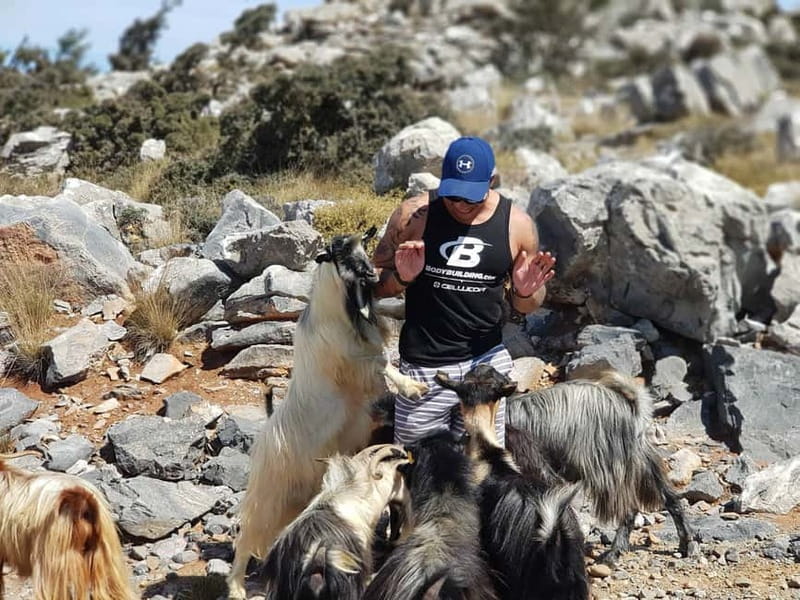
Once you leave the coast, the scenery changes quickly. Olive groves give way to mountain roads and scattered villages. Your guide may point out native plants, herbs, birds, goats, and other details that make the drive more than simple transport.
The altitude is part of the fun. The route climbs to about 1,000 meters, and several people have noticed the change in their ears as the vehicle rises. Bring a light layer even in warm weather, since mountain conditions can feel different from the coast.
Olive oil, honey, olives, and local products
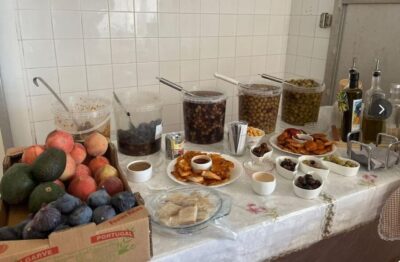
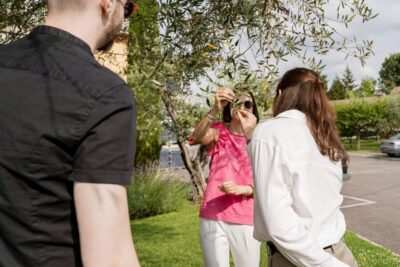
The olive oil factory is a useful first stop because it gives context to one of Crete’s most important foods. You see how the oil is made using traditional and modern methods, then taste extra virgin olive oils and other local products.
Tastings can include olives, spreads, honey, raki, and traditional delicacies. This is not just a shopping stop, although you can buy products directly from the source. The guide explains what to look for in good olive oil, which makes the tasting more useful once you return home.
I like this part because it connects the scenery to daily life. Those endless groves are not just pretty roadside scenery. They support farms, families, food traditions, and a major local industry.
Allow room in your luggage if you want to buy oil or other products. Bottles add weight, and the tasting can easily turn into an unplanned shopping stop. You are not pressured to purchase anything, but the products offer a more meaningful souvenir than another mass-produced beach item.
Villages, viewpoints, and the old mountain Crete
The route includes traditional villages such as Psychro, Tzermiado, and Krasi. Each stop is fairly short, so do not expect a slow village stay with hours to wander. Instead, the day gives you a series of glimpses into mountain Crete.
Krasi is known for its ancient plane tree, said to be about 2,400 years old, and its historic fountain square. These places help you picture how village life once centered on shade, water, and shared public space.
At other stops, you might have time for photographs, local crafts, small shops, or a conversation with a craftsperson. One stop includes a local artist’s shop with hand-painted work. These visits are pleasant if you enjoy buying directly from makers, but less appealing if you prefer uninterrupted scenery and no shopping opportunities.
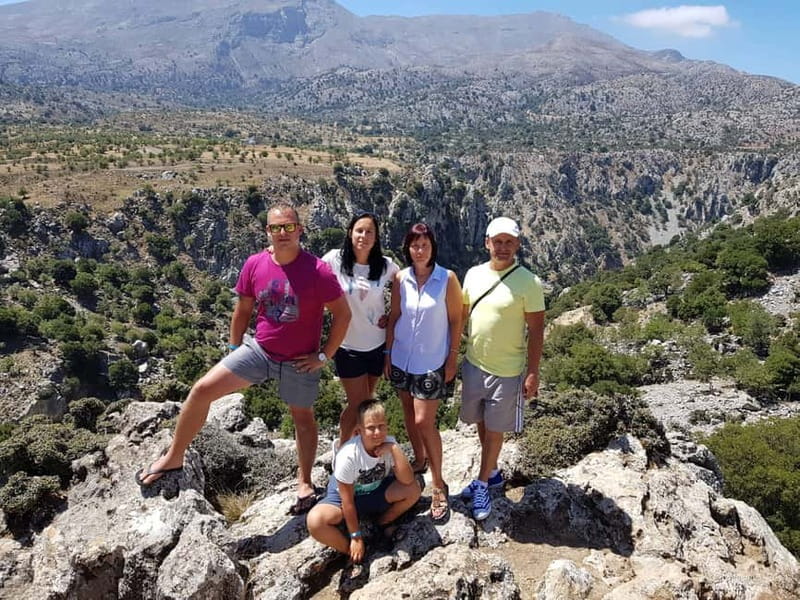
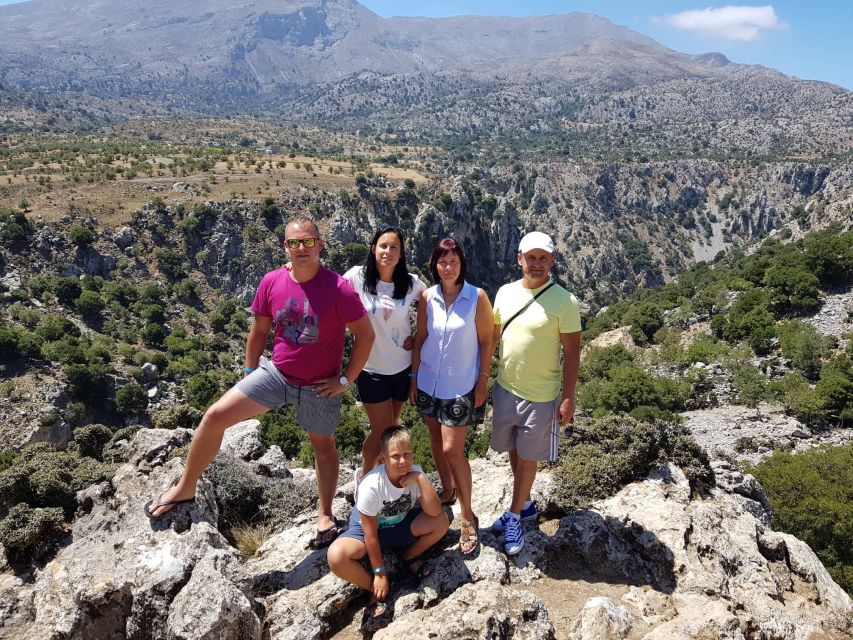
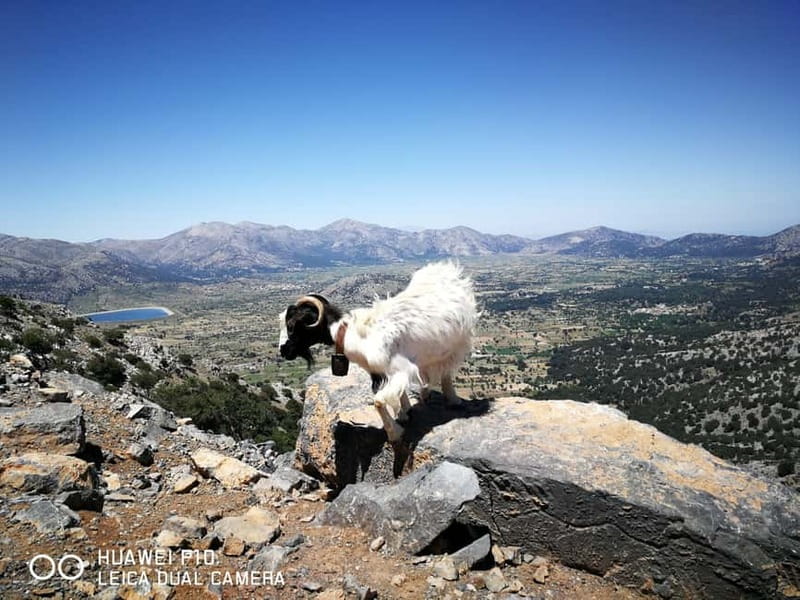
The viewpoints are a strong part of the day. From above, the Lassithi Plateau opens into a broad agricultural plain surrounded by mountains. The plateau sits at about 840 meters and is known for potatoes, apples, pears, and grain.
It was also once famous for thousands of white windmills. Many have disappeared, but the plateau still has a distinctive agricultural character. This is a working mountain plain, not a polished resort attraction. Take time for the wide view, since it is one of the clearest ways to understand Crete’s geography.
More Olive Mill and Factory Tours in Greece
- PRIVATE-Zeus Cave-Knossos-Olive oil Factory-Traditional Villages.
★ 5.0 · 69 reviews - Kournas Lake Argiroupolis and olive oil factory from Rethymno
★ 4.5 · 39 reviews - PRIVATE Spinalonga & Agios Nikolaos & Olive Oil Factory CRETE
★ 4.5 · 31 reviews - PRIVATE-Zeus Birthplace-Traditional Villages-Olive Oil Factory
★ 5.0 · 23 reviews
Zeus Cave: mythology with a steep approach
Psychro Cave, also called Dikteon Cave, is tied to the story of Zeus. According to Greek mythology, the infant Zeus was hidden here from his father, Kronos. The cave was also used for worship from Minoan times and was identified as an important site after its discovery in 1886.
The approach is the part that catches some people by surprise. You walk uphill from the road, with reports ranging from roughly 12 to 30 minutes depending on pace and fitness. The path is steep in places, and the final section can feel awkward if you are unsteady.
Inside, you descend into a cavern with stalactites, stalagmites, and an underground lake. The cave is more rewarding when you pay attention to the shapes and atmosphere rather than expecting a huge open chamber. Your guide adds the mythological and archaeological context, which makes the visit more meaningful than simply looking at rock formations.
Wear trainers or other firm, closed shoes. Bring water, a hat, and clothes suitable for a short mountain hike. The walk down is easier for most people than the climb up, but you still have to manage uneven ground and steps.
Donkey rides have been available for the approach for an extra cash payment, reported at €10 per person. If you prefer not to use animals, walking is the straightforward alternative. Older visitors or anyone with balance problems should think carefully about this stop before booking.
The €6 adult entrance fee is not included. Children enter free of charge. Most important, confirm the cave’s current operating status. It has closed temporarily for renovation in the past, and the exact substitute or revised schedule may change. If the cave is unavailable, the operator has sometimes substituted another cave or adjusted the route.
A family taverna lunch on the plateau
Lunch is one of the strongest reasons to choose this day over a simple sightseeing transfer. You eat at a family-owned taverna in a mountain village, rather than returning to a resort restaurant.
The meal is described as generous and traditional, with dishes such as Greek salad, chicken, pork, and local specialties. Homemade wine or raki is included, along with water. One taverna has been described as run by a shepherd and his family, with meat cooked over a wood fire.
The exact menu can vary, so you should not book expecting one fixed dish. Vegetarian meals and dietary requirements can be accommodated, but tell the operator in advance.
This is not fine dining, and the meal may take a relaxed portion of the day. That is a plus if you want to slow down and eat as people do in the mountain villages. It is less suitable if you want to maximize the number of monuments visited.
Pottery you can actually try
The pottery workshop adds a hands-on stop to a day otherwise filled with driving and walking. A local craftsperson demonstrates traditional techniques, then gives you the chance to try shaping clay yourself.
Children especially may enjoy this part, but adults should not dismiss it as a filler. Making even a simple vase or small object gives you a better sense of the patience and skill behind handmade Cretan pottery. Some participants have taken their creations home, although you should ask the workshop how finished pieces are handled.
As with the cave, the exact sequence of stops can vary. The tour description includes the workshop, but the shorter itinerary outline does not spell out every named stop. If pottery is a deciding factor for you, confirm it when booking.
Is $115 good value?
The price covers hotel pickup in the stated service area, air-conditioned Land Rover transport, an experienced driver and guide, water or refreshments, and lunch. The group limit of six is the key value point.
For a couple or family that wants a private car without paying for a fully private tour, this can be a sensible middle ground. You get a guide for the whole day and avoid organizing mountain roads yourself.
The value is weaker if your main goal is only Zeus Cave. You still pay for the wider route, and the cave entrance is extra. A self-drive visit could cost less, but then you take on navigation, parking, mountain roads, and the work of finding the olive oil factory, village stops, pottery, and lunch.
I would also avoid this tour if you want constant action. The day includes long stretches in the vehicle, educational commentary, food, village visits, and scenic stops. The excitement comes from access and variety, not speed.
Who should book this Crete mountain day?
This tour suits you if you want to see beyond the beach resorts without renting a car. It is especially good for couples, families, and small groups who enjoy food, local crafts, mythology, and conversations with a guide.
It also works well for repeat visitors who have already seen the major coastal sights. The mountain villages and plateau show a quieter side of Crete, and the local stops feel more connected to everyday life than a standard coach excursion.
Think twice if you have difficulty walking uphill or on uneven ground. The cave visit is not a simple roadside stop. You should also skip it if your ideal holiday day means a slow morning, a long swim, and minimal time in a vehicle.
The multilingual guide option is useful for mixed groups. Tours may be conducted in English, French, German, Dutch, Russian, Spanish, Romanian, or Greek, depending on availability.
Should you book it?
Book this tour if you want a full picture of eastern Crete in one day: mountain roads, the Lassithi Plateau, village life, olive oil, pottery, mythology, and a hearty local meal. The small Land Rover group and the guides, particularly names such as Michael, Petra, Panos, and George, are central to the experience.
Skip it if you only want a dramatic off-road ride, a short cave visit, or the lowest possible price. Before paying, confirm your pickup area, the pottery stop, and whether Psychro Cave is open. With those details settled, this is a well-rounded choice for seeing inland Crete without driving yourself.
FAQ
How long does the Zeus Cave and Lassithi Plateau tour last?
The tour lasts about seven hours, including transportation, sightseeing stops, the cave visit, lunch, and the return journey.
How many people can join the tour?
The Land Rover accommodates a maximum of six participants, creating a much smaller group than a standard coach excursion.
Is hotel pickup included?
Yes. Pickup is included from many locations in eastern Crete, including Elounda, Agios Nikolaos, Malia, Hersonissos, Ierapetra, Sissi, Istro, Neapoli, Analipsi, Anissaras, and Kokkini Hani, along with surrounding areas.
Is pickup available from Heraklion?
Usually not. A shuttle may be arranged from Heraklion or farther east for an additional cost, and the transfer can take about one hour.
Is the entrance fee for Zeus Cave included?
No. Adults pay a €6 entrance fee to Psychro Cave. Entrance is free for children.
What should I wear for the cave visit?
Wear stable shoes suitable for a steep uphill walk, steps, and uneven ground. Trainers or other closed shoes, water, and a hat are recommended.
More Lasithi Plateau and Zeus Cave Tours around Crete
- Heraklion: Zeus Cave & Knossos History, Villages & Olive Oil
★ 4.9 · 89 reviews - PRIVATE-Knossos Palace-Zeus Cave-Olive Oil Tasting-Old Villages
★ 5.0 · 81 reviews - Knossos & Lasithi Plateau: Villages, Olive Oil Tour From Elounda
★ 5.0 · 26 reviews - Knossos-Zeus Cave -Old Traditional Villages-Olive Oil Factory
★ 5.0 · 694 reviews
Newest grove reviews around Crete
- Olive Oil Food Pairing in Crete★ 5.0 · 4 reviews
- Crete’s Wine and Olives Safari Tour from Chania★ 5.0 · 12 reviews
- Private Tour: Soap, Olive Oil & Lyrarakis Winery with Lunch★ 4.5 · 15 reviews
- Knossos Cave of Zeus and Olive Oil Factory Full Day Private Tour★ 5.0 · 19 reviews
- PRIVATE-Zeus Birthplace-Traditional Villages-Olive Oil Factory★ 5.0 · 23 reviews
- Spiridi Olive Oil Farm Tour★ 4.5 · 22 reviews
- Cretan Delights – Wine, Olive Oil & Cooking Workshop from Chania★ 5.0 · 25 reviews
- Knossos & Lasithi Plateau: Villages, Olive Oil Tour From Elounda★ 5.0 · 26 reviews
Olive Mill and Factory Tours, compared.
Knossos-Zeus Cave -Old Traditional Villages-Olive Oil Factory
Read our review →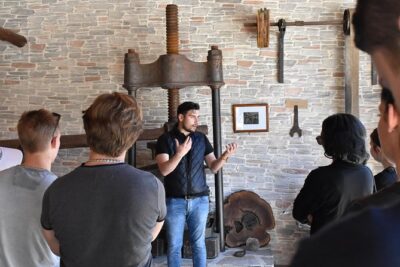
The Governor’s Olive Mill Tour with Olive Oil Tasting
Read our review →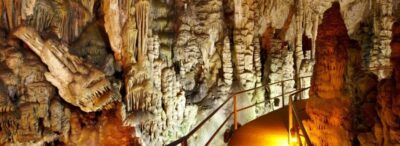
Road-trip to Lasithi, Zeus Cave & Olive Mill Farm
Read our review →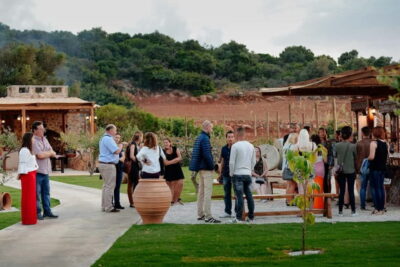
Lassithi, Zeus Cave, Olive Mill Farm & Knossos Combo Tour
Read our review →