
Review · SPAIN OLIVE OIL TOURS
Aires de Jaén: Olive Oil Plantation Tour and Local Meal
The best part of this Finca Badenes visit is that it shows olive oil from tree to table. You walk through three different growing systems, visit the oil mill, taste several extra-virgin olive oils, and finish with a traditional Andalusian meal. The small group of six gives you room to ask questions, while the virtual-reality harvest experience fills in the gaps outside picking season.
I like the practical focus on how farming affects flavor, and I like the meal pairing, which turns a technical visit into a proper taste of Jaén. The main thing to watch is the schedule: the meal may begin about an hour after the grove visit, and it is served at a restaurant in town rather than among the olive trees. Transportation is not included, so plan your own way to and from the experience.
Key points at a glance
- Three growing systems: Compare super-intensive, intensive, and traditional olive cultivation in one field visit.
- Oil tasting with purpose: Learn how to identify aroma and flavor differences instead of simply swallowing olive oil with bread.
- A working production story: See how mechanical extraction produces EVOO and how early processing affects quality.
- Traditional food pairing: End with an Aires menu featuring local dishes and Finca Badenes olive oils.
- Small-group format: With no more than six participants, you can ask detailed questions about trees, harvesting, and flavor.
- Seasonal flexibility: Outside harvest time, a virtual-reality experience explains how olives are collected.
Why Finca Badenes is more than an olive grove photo stop
Jaén is one of the central olive-growing areas of Andalusia, and its groves can seem endless from the road. That view is impressive, but it does not explain much. This visit gives you a closer look at the choices hidden behind those rows of trees: how tightly the trees are planted, how they are cared for, and how cultivation methods affect the work of harvesting.
The tour begins with a walk through the Finca Badenes area. The guide explains the three main cultivation types presented here: super-intensive, intensive, and traditional. These are not just labels for a farm brochure. They show different ideas about spacing, tree shape, machinery, labor, and production.
Traditional cultivation gives the clearest sense of the old olive-growing pattern, with trees spaced farther apart and given more room to develop. Intensive and super-intensive systems place trees closer together and are designed for more streamlined production. You will not simply look at three rows and move on. The point is to see how the trees differ and why a producer might choose one method over another.
I find this field section especially useful if you have seen olive groves all over southern Spain but never understood the differences between them. The guide also covers olive varieties, along with the flora and fauna found around the finca. The exact route and amount of walking can vary, but the experience is built around an outdoor visit, so comfortable shoes and sun protection make sense.
More Olive Oil Tours around Spain:
- Ronda: LA Almazara LA Organic, Olive Oil Museum and Tasting
★ 4.6 · 435 reviews - Guided tour and olive oil tasting in Alhaurin el Grande (Málaga)
★ 5.0 · 200 reviews - Guided Tasting Tour in 16th century House and Olive Oil Factory
★ 5.0 · 169 reviews
What the three cultivation methods teach you
The three systems provide a simple way to understand modern olive farming.
Traditional groves generally use widely spaced trees and require a different approach to harvesting. Their shape and spacing can make mechanical work more complicated, but they also show the long-established appearance many visitors associate with Andalusian olive country.
Intensive cultivation brings the trees closer together and allows the farm to produce more efficiently. Super-intensive planting takes that idea further, with narrow rows designed for highly organized mechanical harvesting. Seeing the systems next to one another makes the comparison much clearer than reading about them in a museum display.
The guide also explains how varieties influence the final oil. Different olives can bring different levels of fruitiness, bitterness, and peppery heat. You may not remember every agricultural term, but you will leave with a better answer to a common question: why can two bottles labeled extra-virgin olive oil taste so different?
A visit during the harvest season may include the chance to see olives being picked. That is a real bonus because it connects the field explanation to the machinery and timing of the work. Outside the harvest, a virtual-reality presentation shows how harvesting takes place. It is not the same as watching a live machine move through the trees, but it keeps the production story intact throughout the year.
Inside the oil mill: from fruit to EVOO
The next part takes you to the oil mill, where the guide explains the mechanical process used to obtain extra-virgin olive oil. This is the point where the visit moves from farming to food production.
You learn how olives are handled and processed, and why speed and care matter. The oil is not made by adding flavor or blending in another ingredient. It comes from the fruit itself, and the quality depends on the olives, the condition of the fruit, and the production method.
The term EVOO means extra-virgin olive oil. It refers to oil that meets specific quality standards, but the phrase alone does not tell you how the bottle will taste. The tasting later in the visit gives you a more useful understanding of that difference.
A good question to ask here is how harvest timing affects the oil. The answer helps explain why one oil may taste green and peppery while another feels softer and more rounded. The supplied information does not promise a full technical mill demonstration at every visit, so think of this portion as an accessible explanation of production rather than a long factory tour.
The tasting teaches your palate to notice quality
The organoleptic tasting is one of the strongest parts of the experience. A professional from the Aires de Jaén laboratory guides you through the process of assessing oil by smell and taste. Organoleptic sounds technical, but the basic idea is straightforward: you use your senses to judge the oil.
You taste three different oils and compare them. Before this kind of session, many people treat olive oil as a background ingredient. Afterward, you are more likely to notice fruitiness, bitterness, and the peppery sensation that can linger in the throat.
The tasting gives you a practical skill for shopping later. You can pay attention to aroma and balance rather than choosing a bottle only because its label looks attractive. You also learn why an oil that tastes strongly green or peppery is not necessarily flawed. Those traits can be part of its character.
One useful limitation is that the tasting may be fairly focused. One piece of feedback suggested adding bread and cheese, and that is a fair point. Bread or food can help some people understand how oil works at the table, though a plain tasting is better for noticing the oil on its own.
The guide also covers food and wine pairings. I would pay close attention here because the advice can be used well beyond Jaén. You learn which oils suit milder foods and which can handle stronger flavors. The tasting is not just a souvenir sip. It gives you a clearer sense of what you are buying and eating.
Same groves, a different afternoon:
- Visit of the olive grove, olive oil tasting and snack
★ 4.9 · 111 reviews - Visit Oil Mill Museum and Olive Oil Tasting in Ronda
★ 4.5 · 105 reviews - Private Tasting of Olive Oil in Córdoba
★ 5.0 · 93 reviews - Olive Oil tasting breakfast & Tour in Cordoba
★ 4.5 · 84 reviews
The traditional meal is part of the experience, not an afterthought
The visit ends with the Aires menu, a tasting menu of traditional local gastronomy paired with Finca Badenes olive oils. The meal is served at a restaurant, not necessarily beside the trees. One practical detail matters: the restaurant is about 15 minutes from the orchard, and lunch may start at least an hour after the field portion ends.
That gap can be inconvenient if you are driving onward or have another appointment. One person had to skip the meal because the timing did not fit the rest of the day. If the food is a major reason you are booking, leave a generous block of time and do not plan a tight connection afterward.
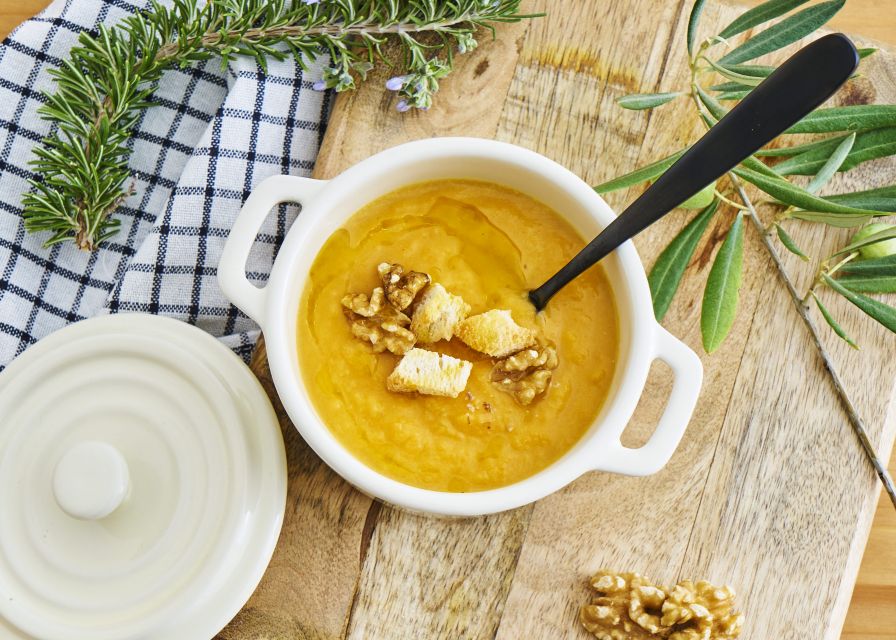
For those who can stay, the meal adds real value. You are not merely tasting oil in a laboratory setting. You are seeing how it works with the food of the region. The menu includes traditional fare and may feature cortijeras or country rice, according to the available description.
The meal also gives the tour a stronger local character. A technical farm visit can leave you with facts but no sense of how the product belongs in daily life. Sitting down to eat with the oils brings the two parts together.
Keep your expectations precise. The provided details do not list every course, restaurant name, or wine pairing, so the menu may vary. The central promise is the combination of traditional gastronomy and Finca Badenes EVOO, not a fixed restaurant tasting menu with a published list of dishes.
Timing, transport, and group size
The full activity lasts about four hours, though the grove and mill portion may finish around late morning, followed by a wait before lunch. A reported schedule began at 9:30 and ended around 11:30 or noon for the first section, with the meal starting later. Treat the four-hour duration as a total estimate and confirm the start time before booking.
You arrange your own transportation because transfers are not included. That is important in rural Andalusia, where the finca and the restaurant may not be in the same place. The meal restaurant is described as being in town, about 15 minutes from the orchard, so you need a clear plan for moving between locations.
The group limit of six is a major advantage. You will not be lost in a crowd while looking at different olive trees or trying to ask about oil quality. A small group also makes the tasting more useful because the guide can respond to personal questions about flavor and farming.
The tour is offered in Spanish and English. Wheelchair access is listed, but the experience includes a field visit, so it is sensible to ask in advance about the exact walking surface and route if you have mobility concerns. The information confirms accessibility, but it does not describe the terrain in detail.
Who will get the most from this Jaén experience?
I would recommend this tour to food lovers who want more than a quick tasting at a shop. It suits you if you like knowing how a product is grown, processed, judged, and served. It also works well for visitors who have several days in Andalusia and want one activity tied closely to the region’s agriculture.
It is a good match for couples, families with older children, and small groups who enjoy asking questions. The four-hour format gives you a full morning or afternoon without taking over the whole day, provided you allow for the meal timing.
You will get the most from it if you are curious about farming methods. Someone who only wants a quick photo in an olive grove may find the explanations too detailed, while someone interested in food production will appreciate the progression from tree to plate.
This is also a sound choice if you are unsure how to taste olive oil. The professional tasting gives you a vocabulary and a method, and the meal shows how to apply that knowledge.
Is $58 a fair price?
At $58 per person, the value depends on how much use you make of the full four-hour program. You are paying for a guided field visit, explanations of varieties and cultivation, an oil-mill presentation, a professional EVOO tasting, and a traditional meal paired with the farm’s oils. Purchased separately, those parts could easily become several short stops.
The small group improves the value because you receive more direct attention than you would in a large bus tour. The meal is also important to the calculation. If you skip it because the timing does not work, you lose one of the main parts included in the price.
The experience does not include transportation or extra services. That means the real cost is higher if you need to arrange a taxi or other transport, and you should factor in the time between the finca and the restaurant.
Still, the price is reasonable for a four-hour food and farm experience with a meal included. I would book it for the complete program, not just for the grove walk.
Practical tips before you book
Plan your day around the meal, not just the olive-grove visit. The first section may finish by noon, but lunch can start later, so leave room for the transfer and the wait.
Wear shoes suitable for a field visit and bring protection from the sun. The activity takes place outdoors for part of the time, and the information does not promise shade throughout the walk.
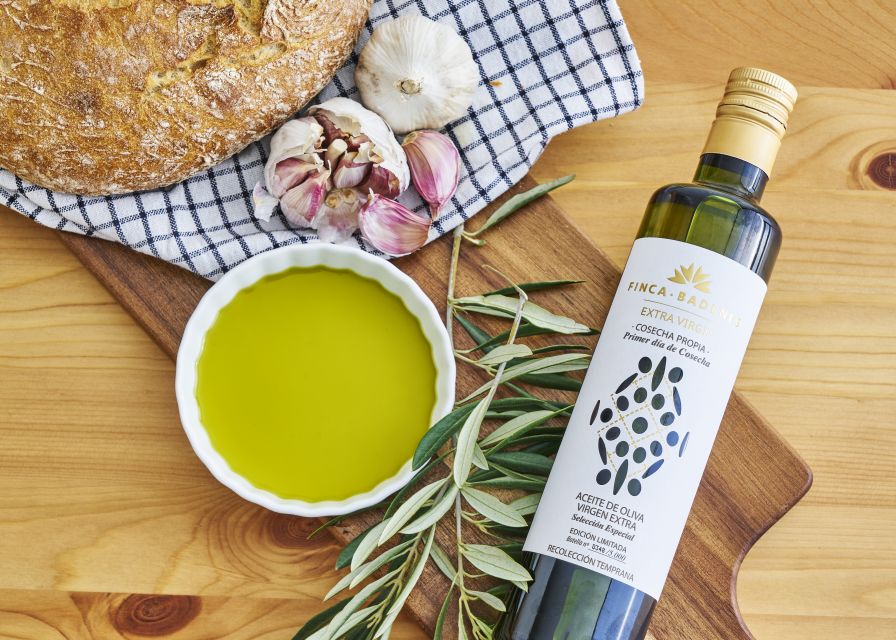
If you want to buy your favorite oil, ask about it during the visit. There is no shop on site, but oil may be offered for purchase at a price lower than what you might pay at home. Availability and payment details are not specified, so do not count on taking home a particular bottle.
If you are visiting outside harvest season, expect the virtual-reality harvesting presentation rather than a live harvest. During the picking period, you may see the work in progress, which adds a useful sense of timing and movement to the farm explanation.
Free cancellation is available up to 24 hours in advance, and you can reserve without paying immediately. That flexibility helps if your Andalusia plans are still shifting.
Should you book Aires de Jaén?
Book this experience if you want to understand Jaén through its most important food product. The strongest elements are the comparison of three cultivation systems, the guided three-oil tasting, the small group, and the meal with local EVOO.
Skip it if you need a tightly timed morning, have no way to arrange transport, or only want a short stop in an olive grove. The meal schedule needs room, and the restaurant is separate from the orchard.
For most food-focused visitors, $58 is a fair price for the complete program. Just make sure you stay for lunch. The field visit explains the product, but the meal is where the olive oil becomes part of the place.
FAQ
How long does the Aires de Jaén experience last?
The activity lasts about four hours, though the field and mill portion may finish before the meal begins. Start times vary, so check availability when booking.
What languages are available?
The live guide is available in Spanish and English.
How many people are in the group?
The experience is limited to six participants.
Is transportation included?
No. Transportation is not included, so you need to arrange your own way to and from the finca and restaurant.
What types of olive cultivation will I see?
You will learn about super-intensive, intensive, and traditional cultivation.
Does the tour include an olive-oil tasting?
Yes. The visit includes an EVOO tasting guided by professionals from the Aires de Jaén laboratory.
What meal is included?
The experience includes an Aires menu of traditional gastronomy paired with Finca Badenes EVOO. The description mentions cortijeras or country rice, but it does not provide a fixed list of every course.
Is the experience wheelchair accessible?
Yes, wheelchair accessibility is listed for the activity. The exact field route and surfaces are not specified, so confirm those details if needed.
Can I cancel the booking?
You can cancel up to 24 hours in advance for a full refund.
Can I reserve without paying immediately?
Yes. The reserve-now, pay-later option lets you hold a place without paying at the time of booking.
Newest grove reviews around Spain
- Córdoba: Olive Oil Tasting Experience★ 4.4 · 8 reviews
- Cazorla: Oleotour – Olive Oil Culture Initiation★ 5.0 · 3 reviews
- Cazorla: Olive grove and mill tour★ 5.0 · 2 reviews
- Cazorla: Highligts Tour with Olive Oil Tasting★ 5.0 · 2 reviews
- Olive Oil Tasting and Culinary Day Trip in Carmona★ 5.0 · 2 reviews
- Oleotourism and olive oil tasting in Seville – Private tour★ 5.0 · 7 reviews
- Cordoba Olive Oil mill, Wine, Passion★ 4.5 · 8 reviews
- Baeza: Olive Oil Tasting Experience★ 4.7 · 7 reviews
Spain Olive Oil Tours, compared.
LA Almazara LA Organic, Olive Oil Museum and Tasting
Read our review →
Guided tour and olive oil tasting in Alhaurin el Grande (Málaga)
Read our review →
Guided Tasting Tour in 16th century House and Olive Oil Factory
Read our review →
Visit of the olive grove, olive oil tasting and snack
Read our review →
Visit Oil Mill Museum and Olive Oil Tasting in Ronda
Read our review →
Sóller: Olive Oil Guided Tour and Tasting at Can Det Estate
Read our review →Browse the lists this tour appears in