
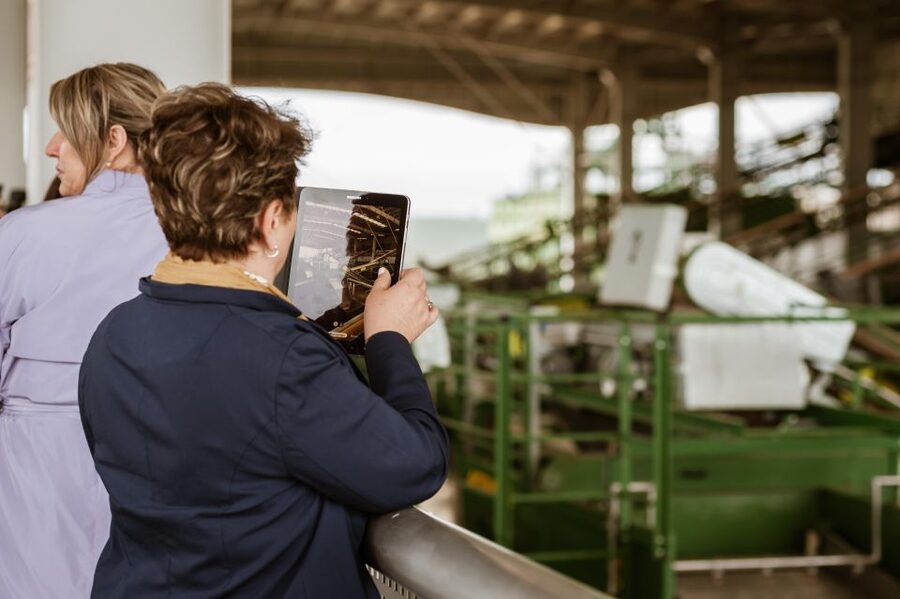
Review · OLIVE MILL AND FACTORY TOURS
XXI Century Olive Oil Mill Tour
Picualia gives you a close look at the machinery and methods behind Andalusia’s most famous liquid product. In 45 minutes, you follow the olive from arrival at the mill to the bottle, with the focus on physical and mechanical production rather than chemical treatment. The process itself is the main attraction.
I like the clear explanation of olive oil categories, since labels such as extra virgin, virgin, and other grades can confuse even regular cooks. I also like the modern setting: Picualia presents itself as a 21st-century mill, with technology aimed at protecting the quality of the fruit. At $9, it offers good value for a short, focused introduction.
The main consideration is its brief length. You will get an organized overview rather than a long agricultural visit, tasting workshop, or broad tour of Andalusian olive culture. The tour is offered in English, so visitors hoping for French or another language should check before booking.
Key points
- Follow the olive from fruit to bottle: The tour explains each main stage, from reception at the mill through production and bottling.
- Learn the difference between oil grades: You’ll receive a practical introduction to extra virgin olive oil and other classifications.
- See a modern production model: Picualia uses physical and mechanical methods, with technology placed at the service of quality.
- Visit a mill with a restaurant: Picualia combines oil production, a gourmet shop, and a restaurant in one facility.
- Plan around a 45-minute visit: This is an easy add-on to a day in Andalusia, not a half-day excursion.
- Expect a friendly English explanation: The guide is praised for answering questions clearly and keeping the presentation approachable.
Why Picualia Makes a Good Olive Oil Stop
Andalusia is closely tied to olive oil, but it can be hard to understand how the product reaches your kitchen. An olive grove tells you where the fruit grows. A supermarket shelf shows you the finished bottle. Picualia fills in the missing middle.
The visit takes place inside the oil mill, where you can learn how olives are handled after they arrive from the farmers who grow them. The stated aim is simple: preserve the quality of the fruit and produce extra virgin olive oils through a physical-mechanical process.
That point matters. Extra virgin olive oil is not simply any oil pressed from olives. Its quality depends on the condition of the fruit, the care taken during processing, and the methods used at the mill. Picualia’s presentation helps connect those ideas instead of treating olive oil as just another souvenir.
I also appreciate the scale of the visit. At 45 minutes, it fits neatly into a day of sightseeing, especially if you want a local food experience but do not want to spend several hours at a farm or cooking school. The short format keeps the focus tight.
More Olive Mill and Factory Tours in Spain
- Guided Tasting Tour in 16th century House and Olive Oil Factory
★ 5.0 · 169 reviews - Visit Oil Mill Museum and Olive Oil Tasting in Ronda
★ 4.5 · 105 reviews - Jaén: Guided Olive Mill Tour with Olive Oil Tasting
★ 4.9 · 74 reviews
Entering the 21st-Century Mill
Your visit begins at PICUALIA, the oil mill, olive tourism center, and restaurant. To start, validate your ticket at the gourmet shop inside the mill. This is a useful detail to remember because the shop is the meeting point, not a separate downtown office.
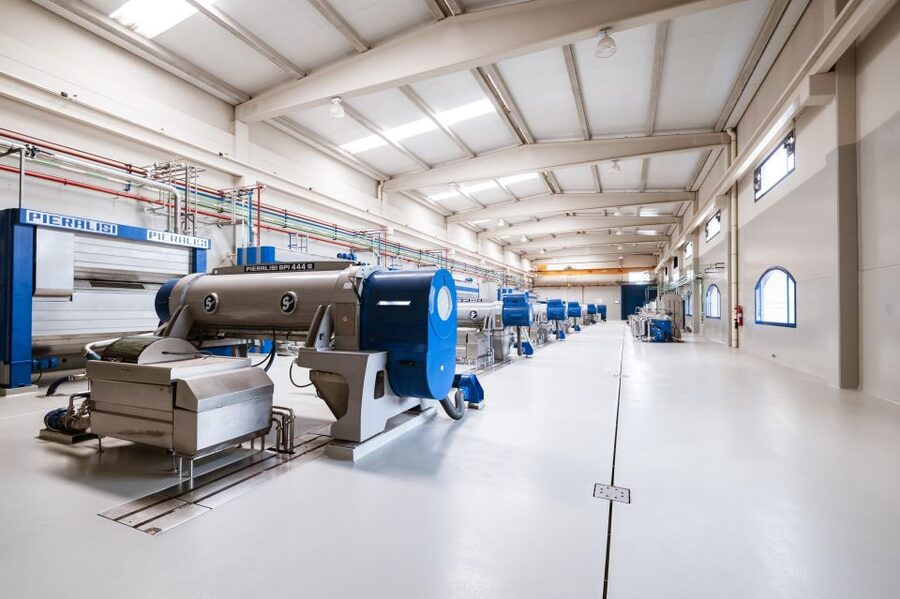
Picualia presents its facility as a model for the 21st-century oil mill. That means the tour is not built around old-fashioned pressing equipment or a staged rural display. Instead, you learn how modern technology supports the quality of the olives and the final oils.
The mill’s approach also includes sustainability. The business model aims to make high-quality extra virgin olive oil while respecting the careful work of the farmers who supply the fruit. You should not expect a full technical lecture on every machine, but you will come away with a better sense of why the mill’s equipment and process matter.
For many people, this is the most useful part of the visit. You may have heard that olive oil should be made with mechanical methods, but not know what that means. Here, the phrase becomes part of a larger story about handling fruit, maintaining quality, and producing a clean olive juice.
From Olive Reception to Bottling
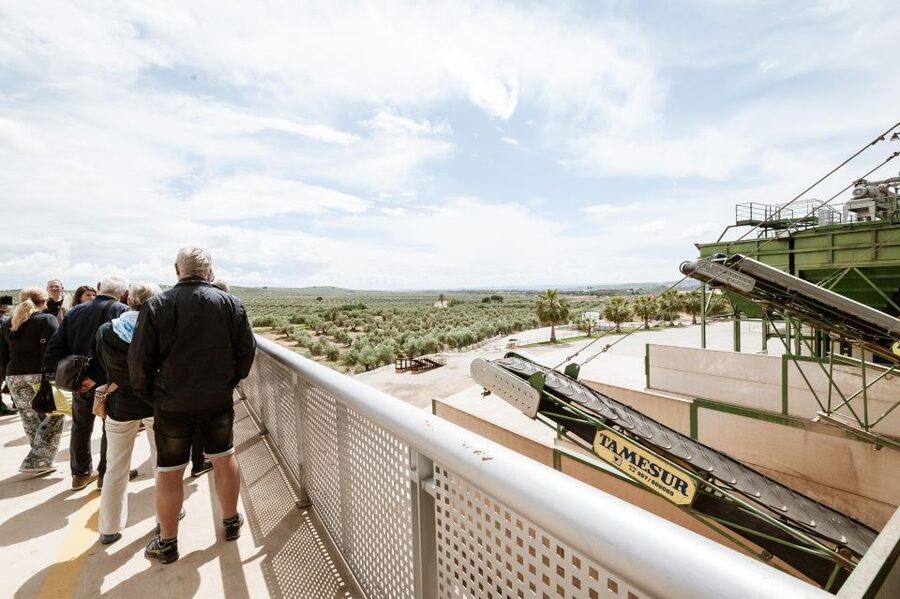
The tour follows the fruit in order, beginning when the olives reach the mill. This gives the experience a sensible rhythm. You are not jumping between unrelated displays. You are following one product through the stages that turn freshly harvested olives into bottled oil.
The reception stage matters because the olive’s condition at arrival affects what can be produced. Picualia emphasizes the care taken by its farmers, who work the land carefully and thoroughly. The tour connects that farm work with what happens inside the mill.
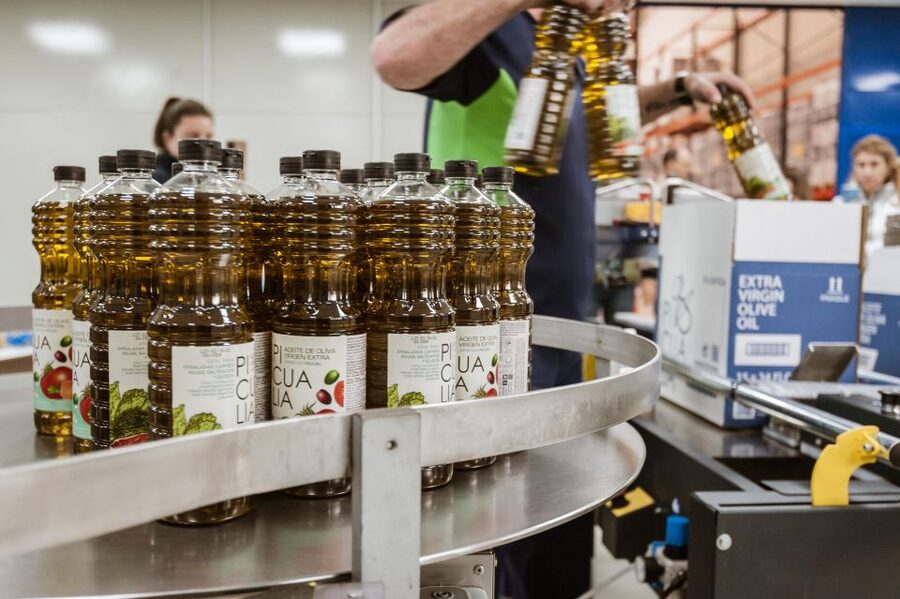
From there, the explanation moves through the production process. You learn how the fruit is handled and processed using physical and mechanical methods. The goal is to produce what Picualia calls the purest olive juice, while matching the quality of the finished oil to the quality of the fruit received.
You then move toward the final stage, bottling the AOVEs, or extra virgin olive oils. This gives you a clear beginning and ending: olives arrive as agricultural produce, and the process finishes with a labeled product ready for sale.
The exact machinery, harvest timing, and production figures are not specified, so I would not book this expecting a detailed factory report. You will get a guided overview of the stages and the reasons behind them. For most first-time visitors, that is enough to make the bottle on your table seem far less mysterious.
Sorting Out Extra Virgin and Other Olive Oils
Olive oil labels can be slippery. A bottle may use terms that sound similar, while the actual grade, production method, and quality differ. Picualia sets aside part of the tour to explain the different classifications and categories.
This is one of the strongest reasons to choose the visit. You are not only seeing where oil is made. You are learning how to understand the product afterward. The distinction between extra virgin olive oil and other qualities becomes more useful when you are standing in a shop trying to choose a bottle.
Picualia produces AOVEs, the Spanish abbreviation for extra virgin olive oils. The tour explains the varieties and qualities of olive oil, giving you a framework for comparing them. It does not promise a formal tasting, so you should not assume the visit includes a sensory workshop or a full food pairing session.
Still, the classification lesson has practical value. It can help you read labels more carefully, ask better questions in the gourmet shop, and understand why two bottles from the same region may differ in price or character.
Same groves, a different afternoon:
- Ronda: LA Almazara LA Organic, Olive Oil Museum and Tasting
★ 4.6 · 435 reviews - Guided tour and olive oil tasting in Alhaurin el Grande (Málaga)
★ 5.0 · 200 reviews - Visit of the olive grove, olive oil tasting and snack
★ 4.9 · 111 reviews - Private Tasting of Olive Oil in Córdoba
★ 5.0 · 93 reviews
A Mill Designed as More Than a Factory
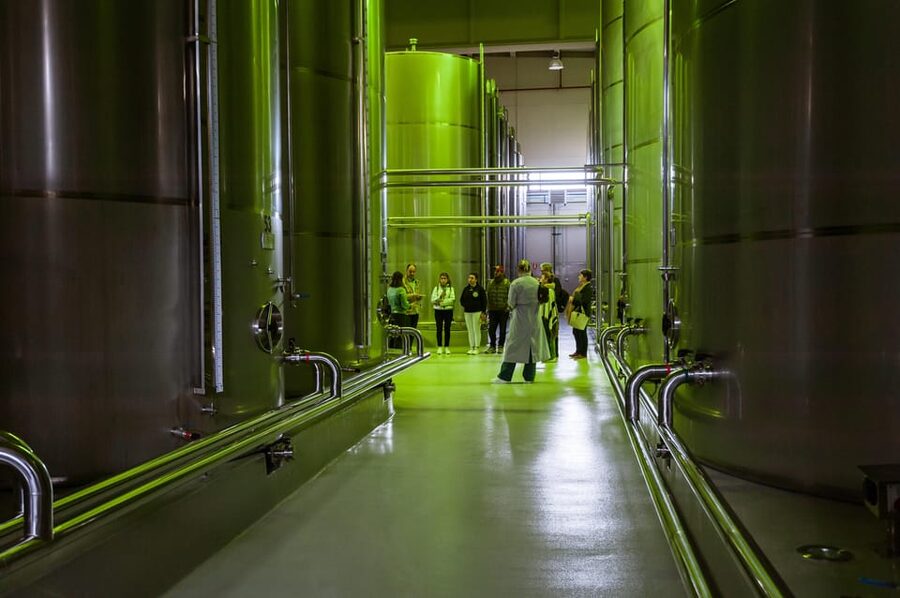
Picualia is unusual in another way: it includes a restaurant within its facilities. The combination of oil mill, gourmet shop, and restaurant makes the site more than a production building.
That does not mean the 45-minute tour includes a meal. The restaurant is part of the facility, but dining is not listed as part of the tour. Treat it as an option connected to your visit, not as an included stop or tasting.
The gourmet shop is also important because it serves as the meeting point and ticket validation area. Depending on your plans, you may want to allow time before or after the tour to look at the oils and other products. The available information does not specify what the shop sells beyond its gourmet function, so keep your expectations practical.
This setup makes Picualia convenient for visitors who want to connect the production process with the finished product. You see where the oil is made, learn how it is classified, and have the chance to encounter it in a retail setting at the same location.
What the Guide Adds to the Experience
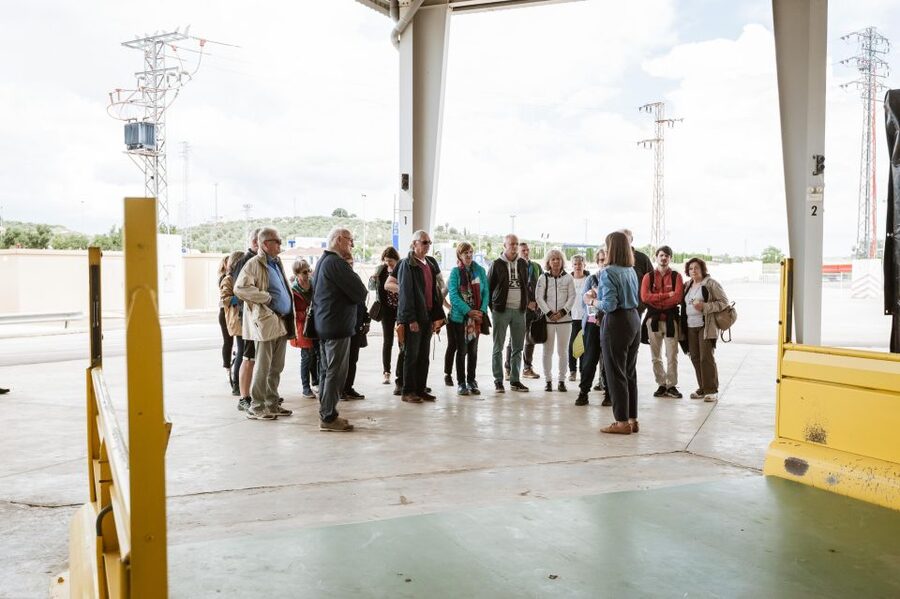
The tour is guided in English, and the guide’s role appears to be central. The presentation is described as clear, friendly, and easy to follow. Questions are welcomed and answered, which is especially helpful in a mill where technical terms can pile up quickly.
The guide is not named in the available information. You can expect a live English-speaking explanation rather than an audio guide or a self-guided walk. That makes the visit more flexible for questions, though the quality of any live tour can depend on the guide leading your particular departure.
The tone should suit visitors who want information without a heavy academic lecture. A clear guide can explain why olive oil grades differ, how physical-mechanical production works, and how the fruit moves through the mill without burying you in factory jargon.
One small language note: the activity is listed in English. A French-speaking visitor specifically wished that a French version might be offered, so French is not part of the stated service. If language choice is important to you, confirm the available language before reserving.
Is 45 Minutes Enough?
For a first introduction, yes. You get the main production story without spending a large part of your day inside an industrial facility. The tour has a defined route and a clear subject, which helps the short duration work.
You will not receive every possible detail about olive farming, regional food traditions, oil chemistry, or the history of Picualia. Those topics may come up briefly, but the visit is centered on the processing path from fruit to bottle.
I see the timing as a strength for several kinds of visitors. You can fit it between other Andalusian stops, bring children who may not manage a long lecture, or add it to a food-focused day without committing to a full excursion. It also works well for anyone who wants a basic understanding before buying olive oil.
If you already know the difference between oil grades and have toured several mills, the visit may feel introductory. In that case, its value will depend on your interest in Picualia’s modern production model and its particular facility.
Price, Access, and Practical Planning
At $9 per person, the tour is inexpensive for a guided visit inside a working oil mill. You are paying for access, a live English guide, and a structured explanation of the production process. Since the tour lasts 45 minutes, the cost works best as part of a larger visit to Picualia rather than as the only reason to make a long journey.
The facility is wheelchair accessible, and toilets are available. Those details make the visit easier for people who need step-free access or a basic facility during a day of sightseeing, though the information does not describe every surface or the exact route inside the mill.
The tour has free cancellation up to 24 hours before the scheduled start, and you can reserve now while paying later. That flexibility is useful if your Andalusian route may change. Starting times vary, so check availability before building the rest of your day around the visit.
Because the tour begins at the gourmet shop, arrive with enough time to find PICUALIA and validate your ticket there. The supplied details do not state the group size, transport arrangements, parking, or whether food tastings are included. I would confirm those points if they affect your plans.
Who Will Get the Most From Picualia?
I would recommend Picualia to first-time visitors who want a clear introduction to olive oil without signing up for a long excursion. It is also a good fit for cooks, food lovers, and shoppers who want to understand what extra virgin olive oil really means before choosing a bottle.
Families may appreciate the short duration, though the appeal will depend on how interested children are in machinery and food production. The restaurant and gourmet shop may help make the stop more useful for a mixed group, but neither should be treated as part of the tour itself.
This experience is less suited to someone seeking a full farm visit, an olive harvest activity, or a dedicated tasting class. Those elements are not listed. The focus is the mill and the production chain.
The perfect match is a visitor who wants something local, practical, and easy to fit into an Andalusian itinerary. You learn how an important regional product is made, then leave with better tools for judging the oils you see in shops and restaurants.
Should You Book the XXI Century Olive Oil Mill Tour?
Book it if you want a short, affordable, English-guided look at how extra virgin olive oil moves from olive to bottle. The modern mill, clear production sequence, explanation of oil grades, and restaurant and shop on site give the visit more substance than a simple product display.
Skip it if you want a long agricultural outing, a named specialist guide, a formal tasting, or a tour in French. Those features are not promised. For everyone else, $9 and 45 minutes make Picualia an easy addition to an Andalusian food itinerary, with useful information that can improve your next olive oil purchase.
FAQ
Where does the XXI Century Olive Oil Mill Tour take place?
The tour takes place at PICUALIA, an olive oil mill, olive tourism site, and restaurant in Andalusia, Spain.
How long does the tour last?
The guided tour lasts 45 minutes.
How much does the tour cost?
The price is $9 per person.
What language is the tour offered in?
The tour is offered in English with a live guide.
What will I learn during the visit?
You will learn how olives are handled from arrival at the mill through production and bottling. The tour also explains olive oil varieties, qualities, classifications, and categories.
Does the tour include a restaurant meal?
No meal is listed as included. Picualia does have a restaurant within its facilities, but the tour includes entrance to the mill and use of the toilets.
Where do I validate my ticket?
You validate your ticket at the gourmet shop located inside the mill.
Is the mill wheelchair accessible?
Yes. The activity is listed as wheelchair accessible.
Can I cancel for a full refund?
Yes. You can cancel up to 24 hours in advance for a full refund.
Do I have to pay when I book?
No. The reserve-now, pay-later option lets you book your place and pay later.
Newest grove reviews around Spain
- Visit to an olive oil mill and oil tasting with aperitif and food and wine pairing.★ 5.0 · 2 reviews
- Treurer: Tapas Gourmet and Extra Virgin Olive Oil★ 4.7 · 3 reviews
- Olive Oil and Winery Tour from Zaragoza City★ 5.0 · 4 reviews
- Ulldecona: Guided Tour of the Millenary Olive Trees of Arión★ 5.0 · 2 reviews
- Olive Oil Private Full-Day Tour with Tasting in Valencia★ 5.0 · 2 reviews
- Olive Oil Factory from Seville Private Tour★ 5.0 · 2 reviews
- Olive Oil Tasting Experience in Sevilla★ 5.0 · 2 reviews
- Paella, Olive Oil, Wine & Relax in Rural Estate outside Madrid★ 5.0 · 2 reviews
Olive Mill and Factory Tours, compared.
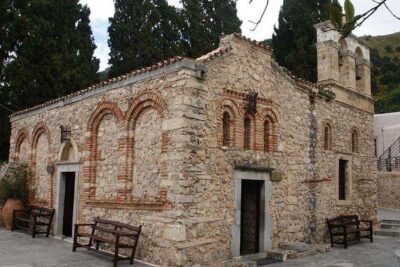
Knossos-Zeus Cave -Old Traditional Villages-Olive Oil Factory
Read our review →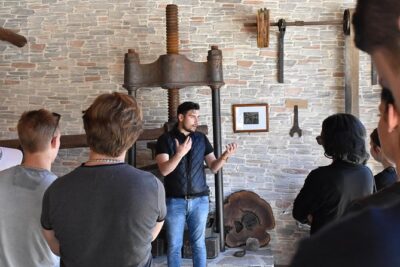
The Governor’s Olive Mill Tour with Olive Oil Tasting
Read our review →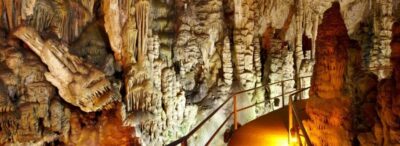
Road-trip to Lasithi, Zeus Cave & Olive Mill Farm
Read our review →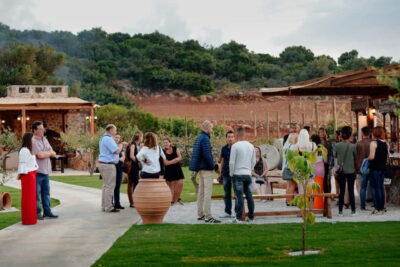
Lassithi, Zeus Cave, Olive Mill Farm & Knossos Combo Tour
Read our review →
Lake Garda Oil Mill Tour with Olive Oil Tasting
Read our review →Browse the lists this tour appears in