
Review · PORTUGAL OLIVE OIL TOURS
Unveiled Secrets of Porto + Olive Oil Tasting
Porto’s secrets begin in an unlikely place: the Lapa Brotherhood and its old cemetery, where ornate tombs, coded symbols, love stories, and ghostly tales give the city a more mysterious face. From there, this three-hour walk moves through churches, grand civic streets, São Bento Station, an art museum, and a local olive oil tasting.
I like the way the tour joins art and everyday food. You get more than a quick look at Porto’s tiles and churches, then sit down to learn why good olive oil tastes the way it does. I also like the strong focus on local guides. Rui explains history and art in detail, while Oleksandra has shown she can adjust the pace for a family with a seven-year-old, even in poor weather.
The main consideration is timing. There is a lot packed into three hours, and the optional Palacio da Bolsa visit adds another major stop. You should expect a brisk walk, with less free time than you would have on a slow, self-guided day.
Key points to know before booking
- Lapa starts the tour with tombs, symbols, and legends, not the usual postcard view of Porto.
- Trindade and Aliados show Porto’s civic and religious heart, with plenty of architecture packed into a short walk.
- São Bento is treated as more than a tile hall, with attention to its construction and stories.
- MMIPO offers sacred art inside Porto’s oldest charity institution, making it a useful stop for art lovers.
- The olive oil tasting gives the tour a practical local finish, with guidance on spotting quality and flavor.
- Palacio da Bolsa is optional, so confirm whether its entrance and guided visit are part of your chosen arrangement.
Why Porto’s Lapa cemetery is the right place to begin
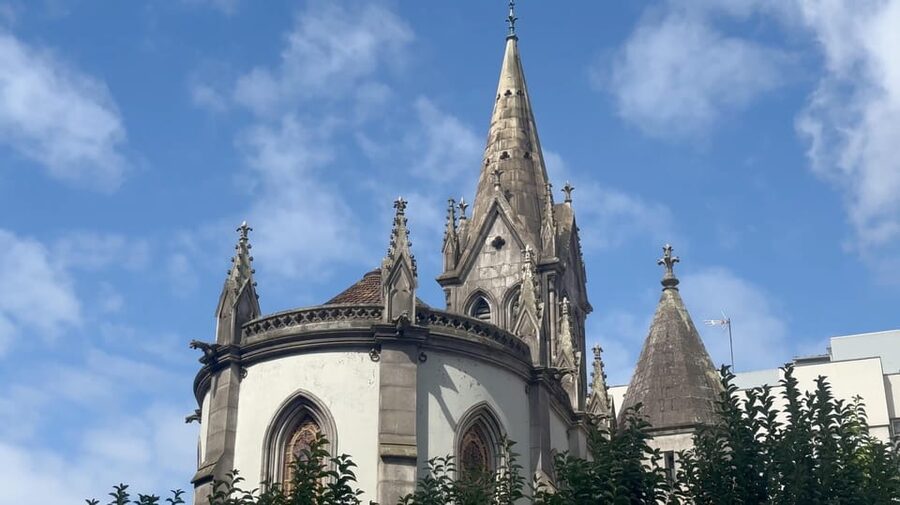
Meet your guide in front of Igreja da Lapa, known in English as Lapa Church. The opening visit lasts about 40 minutes, followed by around 30 minutes in Cemitério da Lapa. This is a good opening because it takes you away from Porto’s best-known sights before the tour returns to the city center.
Inside the Lapa Brotherhood, you can expect a guided look at a religious institution with its own traditions and visual character. The cemetery adds a different mood. Ornate tombs, cryptic symbols, dramatic romance, and stories of apparitions give your guide plenty to discuss.
I like this stop because it asks you to look closely. In Porto, it is easy to admire façades and tiled churches without asking who built them, who prayed there, or why a tomb carries a particular symbol. Here, the details provide the starting point for the stories.
The setting may not suit everyone. If you prefer only bright plazas and famous monuments, a cemetery tour can feel somber. For me, that is exactly its value. It gives you a less polished but more curious introduction to the city.
More Olive Oil Tours around Portugal:
- Tavira: Olive Factory Tour and Tasting
★ 4.8 · 272 reviews - Tavira Olive Experience Factory Tour and Tasting
★ 5.0 · 190 reviews - Arrábida, Setúbal, Sesimbra, Olive with wine tasting
★ 5.0 · 75 reviews
Praça da República and Capela dos Pestanas
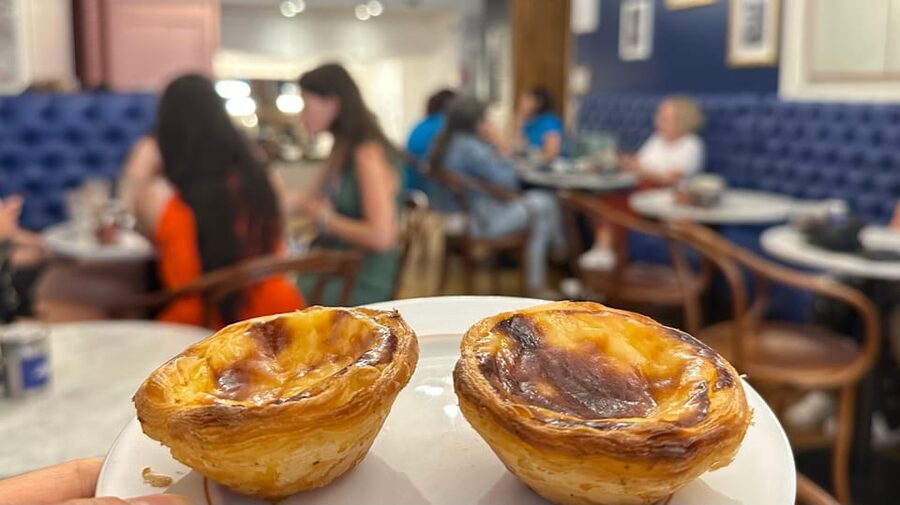
After Lapa, the route reaches Praça da República for a short walk of about 10 minutes. This is a transition point rather than a long formal visit, but it helps connect the quieter Lapa area with central Porto.
The route also passes Capela dos Pestanas, with about 15 minutes listed for the stop. Since the schedule describes it as a pass-by visit, you should not expect a long interior tour or extended time here. Your guide may use the chapel as another piece in the story of Porto’s religious buildings and civic neighborhoods.
This portion will appeal to you if you enjoy seeing how a city changes from one district to another. It is less useful if you want every stop to include a full museum-style explanation. The tour keeps moving, and that pace is necessary if it is to cover all the later sights.
Trindade Church brings religion and city life together
The Trindade Experience receives about 40 minutes of guided attention. This is one of the longer stops, and it gives the tour room to explain more than the surface decoration.
Trindade Church links Porto’s spiritual life with its busy civic center. You can expect your guide to point out the building’s scale, design, and role in the city rather than simply leading you in for a quick photograph.
Rui is a particularly good fit if you want historical and artistic context. His approach focuses on Porto and Portugal as a whole, so the church becomes part of a wider story rather than an isolated monument. That style is useful if you like knowing why a place mattered, not just when it was built.
Families may also appreciate the flexibility shown by Oleksandra, who adjusted the pace for a group with a seven-year-old during very bad weather. That does not guarantee the same guide or the same pace for every departure, but it suggests that a private or small-group setting may allow some flexibility. The group size itself is not specified, so confirm that point if it matters to you.
Aliados Avenue and São Bento beyond the famous tiles
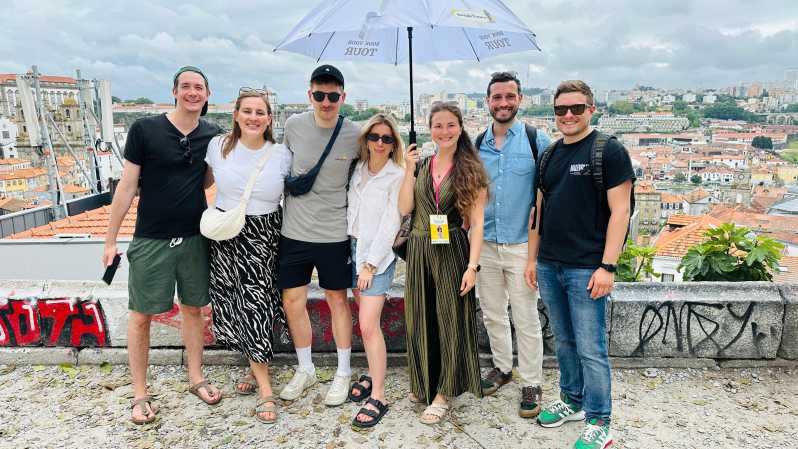
From Trindade, the walk continues down Avenida dos Aliados for about 20 minutes. This is Porto’s grand civic boulevard, with large façades and an open urban axis that feels very different from the narrow lanes around the old center.
The route then brings you toward São Bento Railway Station. Most people know São Bento for its blue-and-white tile panels. Those scenes are worth seeing, but the point of this tour is to go past the standard photo stop.
Your guide discusses the stories behind the murals, the station’s construction, and the meanings connected to what you see. That added explanation changes the visit. The panels become historical pictures with context, not just a decorative wall.
I would pay close attention here because São Bento can be crowded and visually overwhelming. You may be tempted to photograph every panel and stop listening. The guide’s comments are the part you cannot easily recreate from a quick visit on your own.
The schedule does not give a separate duration for the São Bento stop, so the total time here may depend on the day’s pace. If you want a long, quiet look at every scene, plan to return on your own.
Same groves, a different afternoon:
- Douro Valley: A Sensory Experience in the Douro: Wines, Olive Oil, and History
★ 4.9 · 15 reviews - Premium gastronomic mountain tour: Wine, olive oil, spirits, food
★ 5.0 · 8 reviews - Tour with Wine and Olive Oil Tasting
★ 4.6 · 8 reviews - Olive Oil Private Tour in Portugal
★ 5.0 · 6 reviews
Rua das Flores connects the sights with a real city walk
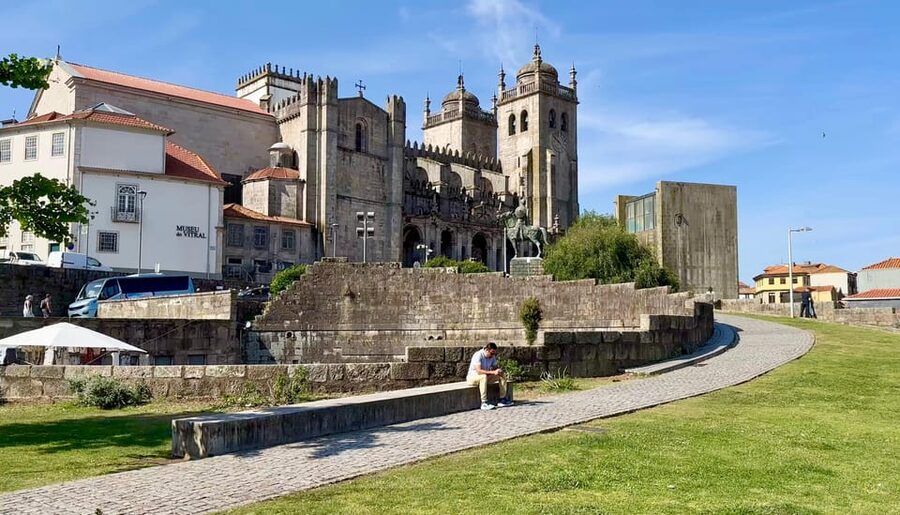
The route includes a walk along Rua das Flores, one of Porto’s central historic streets. The listed visit is about 10 minutes, so think of this as a connecting stroll with commentary, not a dedicated shopping period.
This is one of the useful parts of the route because it puts the grand monuments into a lived-in urban setting. You move from churches and public buildings into a street where the city feels closer and more immediate.
Do not expect a long break for cafés or shops during this section. The tour has a fixed three-hour frame and several guided visits still ahead. If you want to browse Rua das Flores at leisure, return later.
MMIPO reveals a different side of Porto’s art
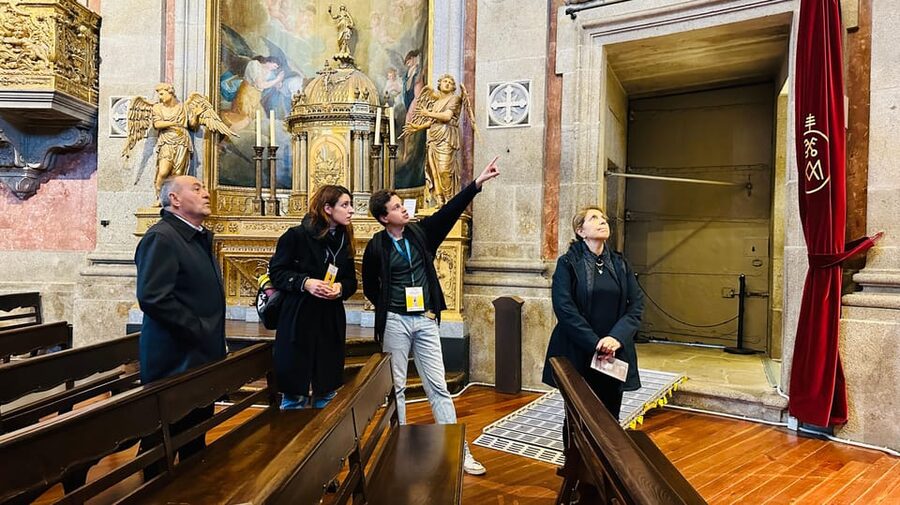
The MMIPO Museu da Misericórdia do Porto receives around 30 minutes of guided time. It occupies the city’s oldest charity institution and is presented as Porto’s Portuguese Louvre, a bold comparison that points to its art and religious collections.
You can expect sacred objects, paintings, and carefully presented works connected to Porto’s charitable and religious past. The museum gives the tour a more focused art stop after the street walking and architecture.
This is a strong part of the experience for anyone who likes paintings, church art, and the connection between money, faith, and public care. It also adds balance. The tour is not only about dramatic legends or famous tiles. It asks you to consider the institutions that shaped daily life in the city.
Thirty minutes is enough for an introduction, but not enough to inspect every room in detail. If MMIPO is your main interest, you may want to return for a longer independent visit. The guided format is best for getting the main ideas and seeing the most important pieces without spending hours inside.
Palacio da Bolsa adds Porto’s grandest interior

Palacio da Bolsa, the former Stock Exchange, is listed as an optional visit with about 40 minutes of guided time. Its most famous interiors include gold-leafed halls and the Arab Room, a display of wealth, ambition, and decorative style.
If this visit is included in your booking, it may be the most visually dramatic part of the route. The palace helps explain how commerce and civic power shaped Porto. It also gives the day a grand final monument before the food stop.
The important practical point is that the palace is described as optional. The supplied details also list its guided visit among the inclusions, so you should confirm exactly what your chosen booking covers. Do not assume that every departure includes the entrance ticket or that the schedule has room for a full palace visit.
There is also a pacing issue. Three hours is already a tight window for Lapa, Trindade, central Porto, MMIPO, the tasting, and the palace. If you want time to admire the Arab Room without hurrying, ask how the optional visit affects the rest of the route.
Olive oil tasting turns sightseeing into a meal
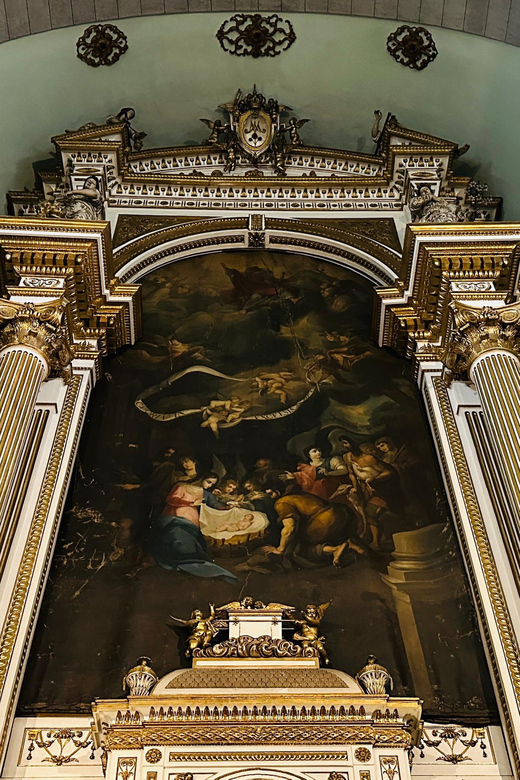
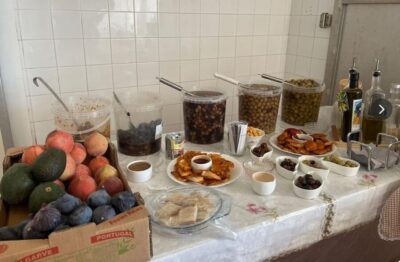
The tour finishes at a local restaurant with a 30-minute brunch and regional food. The olive oil tasting is one of its most distinctive features. Rather than treating oil as a minor garnish, the session teaches you how to identify better oil, notice its flavor, and understand what you are tasting.
This is practical knowledge you can use after leaving Portugal. You may learn to look for boldness, aroma, and balance rather than assuming every bottle has the same character. The exact food served is not specified, so do not book this expecting a particular dish or a full restaurant meal.
I like this ending because it brings the tour back to ordinary Portuguese life. After churches, cemeteries, public buildings, and museum displays, you sit down with a local product that appears on tables across the country.
The tasting suits you best if you enjoy food education, not just a quick sample. If you do not care much for olive oil, this part may feel less rewarding. For food-focused visitors, it is a welcome change from a standard sightseeing route.
What the $63 price really includes
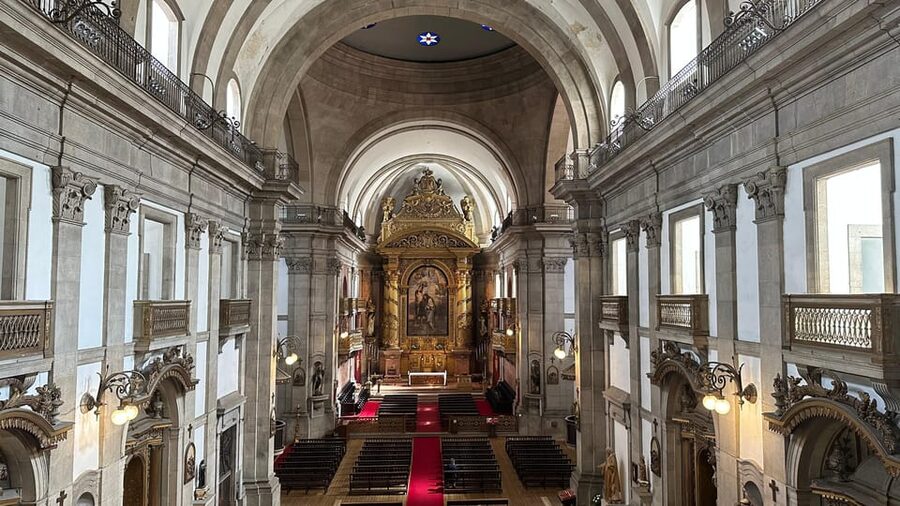
At $63 per person, this is not the cheapest way to see central Porto. It can still offer fair value if you use the guided access well.
The price covers the Lapa Brotherhood entrance and tour, the Trindade Experience, the MMIPO guided visit, the city-center walking route, and the olive oil tasting. The Palacio da Bolsa is treated as optional, so its cost and inclusion need checking before you pay.
You are paying for interpretation as much as admission. A self-guided walk can show you Lapa, Aliados, São Bento, Rua das Flores, and the outside of the major buildings. It will not easily provide the same connected explanation of symbols, construction stories, religious art, and local food.
The value depends on your interests. If you want only São Bento and Aliados, $63 is more than you need. If you want a compact introduction to Porto’s religious buildings, art, civic history, cemetery stories, and olive oil, the price is easier to justify.
A current rating of 4.8 from three published ratings suggests a very positive early response, but it is still a small sample. I would treat the high score as encouraging rather than as a guarantee of the exact same guide, group, or weather conditions.
Pace, languages, and practical planning
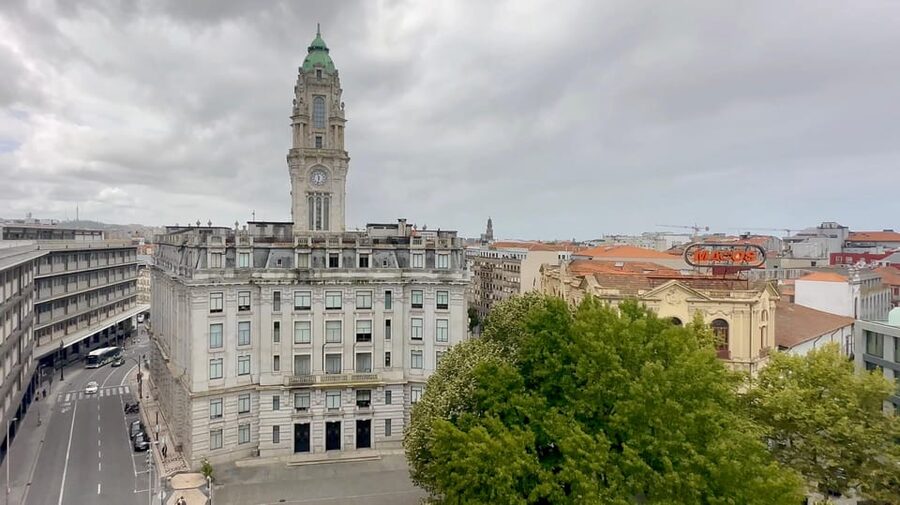
The experience lasts three hours and begins at Igreja da Lapa. Your guide waits in front of the church entrance. It finishes at Praça do Infante D. Henrique, so you end in a different part of central Porto from where you started.
That point matters when planning the rest of your day. You can continue sightseeing from the finish, but you should not expect to return automatically to Lapa.
English, Portuguese, Spanish, Russian, and Ukrainian are available. Guide names are not guaranteed, but Rui and Oleksandra are associated with this experience. Rui is a strong match for art and historical explanation. Oleksandra has shown care with family pacing and difficult weather.
Wear comfortable shoes. The route includes several walks, city streets, a cemetery, religious buildings, museums, and a restaurant stop. The exact accessibility details are not provided, so ask before booking if stairs, uneven surfaces, or walking distance are concerns.
Free cancellation is available up to 24 hours before the start time, and you can reserve while paying later. Those terms help if your Porto plans are still shifting. Personal expenses, souvenirs, and gratuity are not included.
Who should book this Porto tour
I would choose this experience if you want a guide to connect parts of Porto that are easy to visit separately but harder to understand together. It suits first-time visitors who want the major central sights with less familiar places such as Lapa and MMIPO.
It also fits you if you enjoy history, religious art, architecture, legends, and regional food in equal measure. Families may benefit from a guide who can adjust the rhythm, though the route still covers a lot in three hours.
I would skip it if you prefer long museum visits, independent wandering, or a slow meal. The schedule is packed, and the optional Palacio da Bolsa can make it even tighter.
FAQ
Where does the tour begin?
It begins in front of the entrance to Igreja da Lapa, also called Lapa Church.
Where does the tour finish?
It finishes at Praça do Infante D. Henrique.
How long does the experience last?
The experience lasts three hours.
What languages are available?
The tour is available in English, Portuguese, Spanish, Russian, and Ukrainian.
Is the Lapa Brotherhood included?
Yes. The Lapa Brotherhood entrance ticket and guided tour are included.
Is the ancient Lapa cemetery part of the route?
Yes. The cemetery is visited with a guide for about 30 minutes.
Is Palacio da Bolsa included?
Palacio da Bolsa is described as optional. The details also list its ticket and guided tour among the inclusions, so you should confirm the exact arrangement when booking.
Is the olive oil tasting included?
Yes. A local olive oil tasting is included, along with regional food at a local restaurant.
Is São Bento Railway Station included?
Yes. The route includes a visit to São Bento Station, with explanations about its murals, construction, and stories.
Can I cancel for a refund?
Yes. You can cancel up to 24 hours in advance for a full refund.
Should you book Unveiled Secrets of Porto?
Book it if you want a compact, story-led introduction to Porto that combines unusual places with major sights. The cemetery, MMIPO, and olive oil tasting give it more character than a standard city-center walk, while Trindade, Aliados, São Bento, and possibly Palacio da Bolsa cover the city’s best-known highlights.
At $63, it offers reasonable value for a guided three-hour route with several admissions and a tasting. Just confirm the Palacio da Bolsa arrangement, prepare for a brisk pace, and choose it for the mix of history, art, architecture, and food rather than for a relaxed day of wandering.
Newest grove reviews around Portugal
- Premium gastronomic mountain tour: Wine, olive oil, spirits, food★ 5.0 · 8 reviews
- Historical Évora – PRIVATE Full Day Tour – Cork, Wine and Olive Oil Haven★ 5.0 · 3 reviews
- Olive Oil Private Tour in Portugal★ 5.0 · 6 reviews
- Tavira City & Olive Factory★ 5.0 · 4 reviews
- Tour with Wine and Olive Oil Tasting★ 4.6 · 8 reviews
- Porto: Tuk Tuk Tour with Olive Oil Tasting★ 4.4 · 5 reviews
- Douro Valley: Private Lunch with Wine & Olive Oil Tasting★ 4.8 · 5 reviews
- Douro Valley: Private Tour & Guided Wine & Olive Oil Tasting★ 5.0 · 3 reviews
Portugal Olive Oil Tours, compared.
Tavira Olive Experience Factory Tour and Tasting
Read our review →
Arrábida, Setúbal, Sesimbra, Olive with wine tasting
Read our review →
Douro Valley: A Sensory Experience in the Douro: Wines, Olive Oil, and History
Read our review →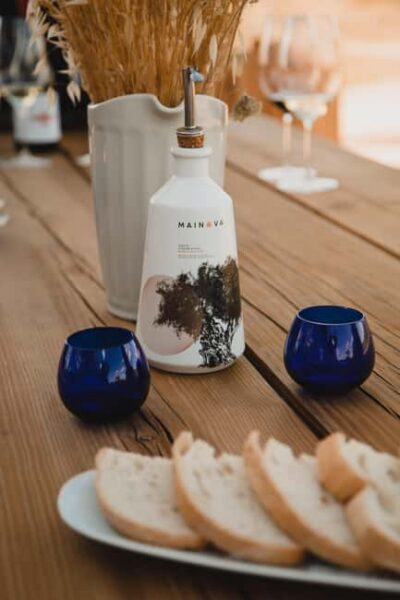
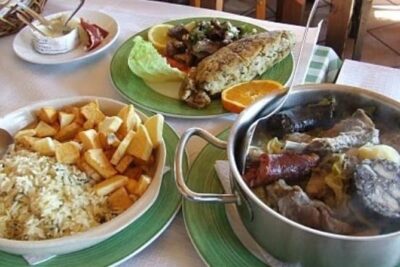
Premium gastronomic mountain tour: Wine, olive oil, spirits, food
Read our review →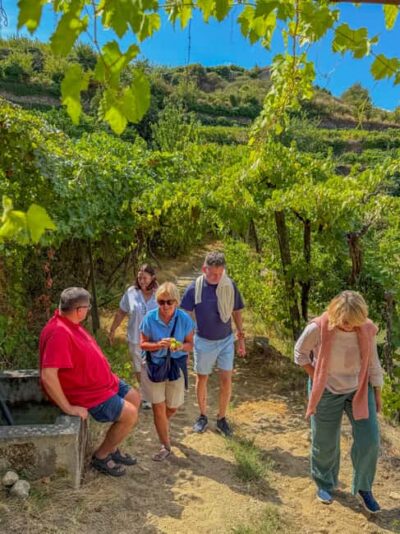
Douro Valley: Olive Oil & Wine Tour with Boat & Lunch
Read our review →
Browse the lists this tour appears in