
Review · OLIVE MILL AND FACTORY TOURS
Tavira Olive Experience Factory Tour and Tasting
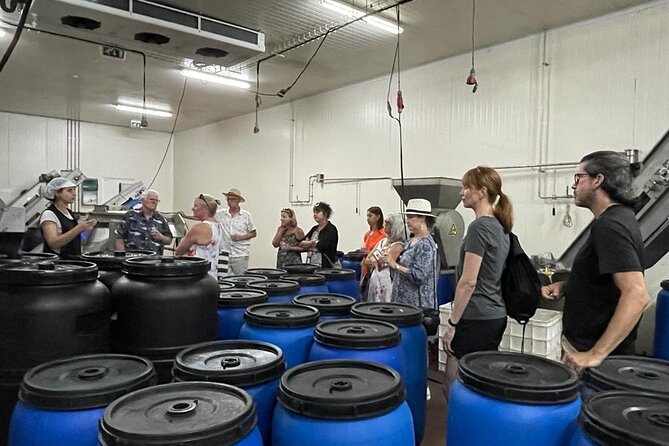
Tavira’s Olive Factory tour gives you something many food tours skip: a look at the machines and manual work behind the olives on your table. Andreia, sometimes joined by her sister Liliana, explains how olives are prepared, preserved, and seasoned in this small family business. The tour is mainly about table olives, not an olive grove visit or a full olive-oil mill tour.
I like the generous tasting at the end, with olives, cheese, cured meat, bread, honey, orange marmalade, olive oil, and wine. I also like the relaxed, personal welcome, especially the effort made to help visitors who have trouble finding the factory or need food adjusted for an allergy. The main consideration is timing: olive processing usually happens in September and October, and the machines may be still when you visit.
Key points to know before booking
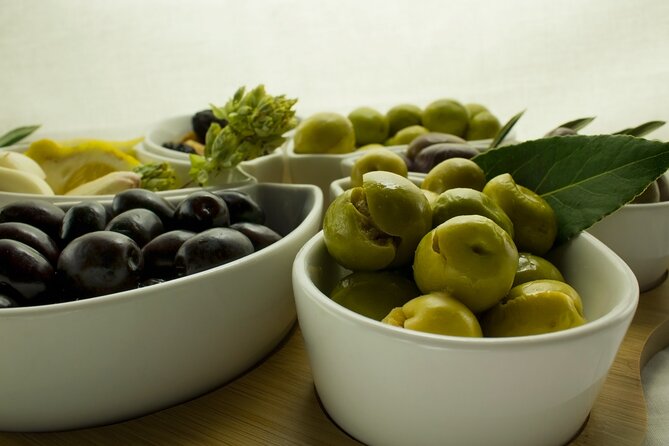
- Table olives are the main subject: You’ll learn how olives are processed for eating, including preservation, texture, pits, and seasoning.
- Andreia leads an engaging visit: Her clear explanations and light humor keep the factory walk lively, even when production is not running.
- The tasting is more than a sample: Expect a small Portuguese spread with olives, bread, cheese, meat, honey, marmalade, oil, and wine.
- Production is seasonal: The factory may not be operating outside the olive-picking season, generally September and October.
- The setting is a working small business: This is a modest family facility, not a large industrial attraction or an olive grove.
- Allow time to find the address: Some visitors have had trouble locating Estrada do Arraial Ferreira Neto, so keep the factory phone contact handy.
A small Tavira factory with a very local feel
The Olive Factory Tavira sits at Estrada do Arraial Ferreira Neto, outside the center of Tavira in Portugal’s Algarve. The address is also given as Faro in the booking details, but the actual meeting point is in Tavira, postal code 8800-228.
You meet at 4 pm for a visit lasting about 90 minutes. The group can reach up to 30 people, so this is not a private workshop. Still, the family-run setting gives the experience a personal tone that a large commercial factory would struggle to match.
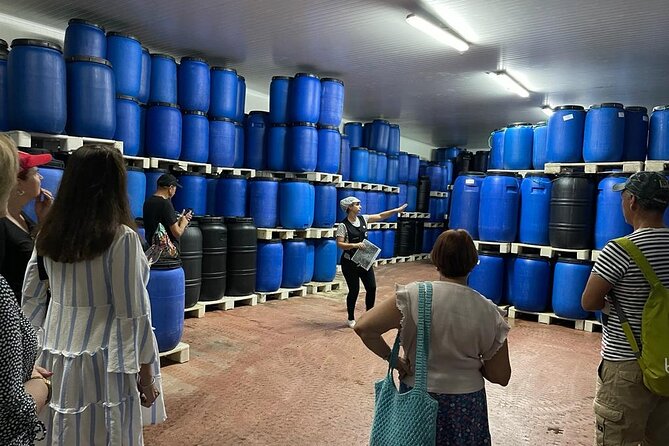
I would treat the factory as a modest working food facility rather than a polished museum. That is part of the appeal. You see the equipment, hear how the work is done, and learn how a small local producer turns a basic agricultural product into several foods for the table.
The business is managed by three women, and that small team comes through in the way the visit is handled. Andreia is the main guide named in the experience, while Liliana and other family members may help with the welcome and tasting. The atmosphere is friendly and informal, with plenty of room for questions.
One practical warning matters here. Some map apps have failed to locate the factory accurately. If your phone sends you in circles, call the factory rather than giving up. Andreia has helped people reach the entrance, and this is one of those visits where a little extra arrival time is sensible.
More Olive Mill and Factory Tours in the world:
- Crete: Quad Safari, Olive Mill with Tasting & Ghost Village
★ 4.9 · 1,004 reviews - From Mendoza: 3 Wineries, Olive Oil Factory Tour & Tasting
★ 4.6 · 901 reviews - Knossos-Zeus Cave -Old Traditional Villages-Olive Oil Factory
★ 5.0 · 694 reviews
What you learn about olives before the tasting
The first part of the visit focuses on olives prepared for eating. You’ll see the machinery used in the process and learn what happens between harvest and the finished product.
The talk covers sorting, preservation, texture, and the question of why some olives keep their pits. That may sound basic, but it changes how you taste them. You begin to notice the difference between a firm olive and a softer one, and you get a clearer idea of how salt and other preparation methods affect the final flavor.
Salt receives special attention. It plays an important role in preserving olives, so the tour gives you useful context for the salty taste found in many Portuguese products. The visit also connects olives with olive oil and explains how these products relate to one another.
This distinction is important when you decide what to book. The factory tour is not an olive grove visit, and it is not mainly a tour of olive-oil extraction. You will not be walking through rows of trees or following a full oil-making process from fruit to bottle.
Some descriptions of the visit may leave you expecting an olive-oil factory. The actual focus is broader, but table olives are the star. You’ll see equipment used in olive production and hear about oil, yet the strongest part of the explanation concerns olives for eating.
The guide’s delivery makes a difference. Andreia is described as warm, funny, and energetic, with a talent for explaining practical details without turning the talk into a lecture. Even if the machines are not operating, the explanation can carry the visit.
Why the machines may be quiet
If you visit during the olive-picking season, generally September and October, you have the best chance of seeing active production. Even then, processing does not happen every day.
Outside the season, you may see the machines but not the olives moving through them. That is not a failure of the tour. It simply reflects the way a small seasonal producer works. The factory cannot run continuously just to provide a demonstration.
I would book this experience for the explanation rather than for the promise of moving machinery. If active production is especially important to you, ask about the schedule before booking. The staff can tell you if processing is expected on your date.
This seasonal limit is also a useful lesson in local food production. A small business works around the harvest, the supply of olives, and the practical needs of production. You get a more honest look at food-making than you would from a machine switched on for show.
For a rainy afternoon or a break from sightseeing, the timing works well. At 4 pm, you can spend the earlier part of the day exploring Tavira and then finish with a food-focused activity. The factory is indoors, so the visit can also rescue a day when the weather turns poor.
The tasting is the real social center
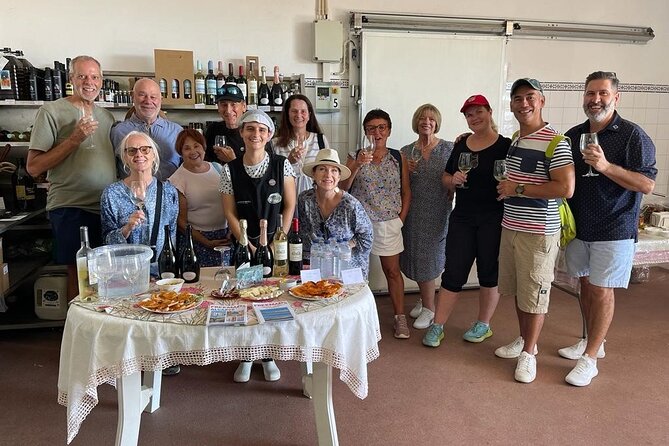
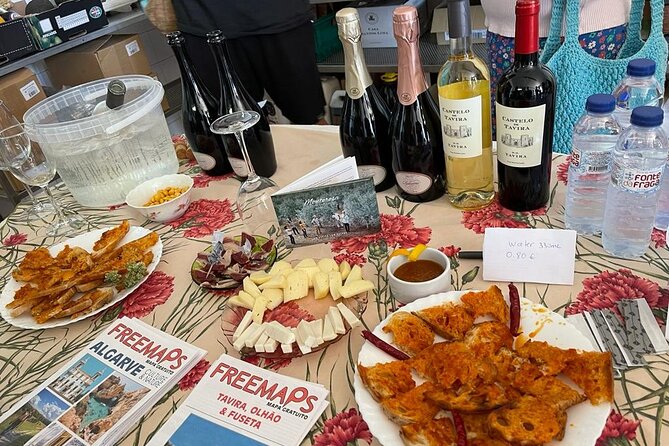
After the explanation, you sit down for a tasting of local products. This is not just one olive and a sip of oil. The spread can include several olives, special bread, olive oil, cheese, cured meat, honey, orange marmalade, lupini, sauces, and wine.
The exact serving may vary, but the pattern is clear: the tasting is generous enough to feel like a small snack or light meal. Homemade or local-style bread gives you a way to try the oil and sauces, while cheese and cured meat balance the salty olives.
The orange marmalade and honey add sweetness, which helps you compare the savory foods. Lupini beans, another common Portuguese snack, add a different texture and flavor. You can taste each item alone, then combine them on the plate.
Wine is part of the tasting experience described for the tour. Non-alcoholic drinks have also been available, and beer or other drinks may be offered depending on the visit. If you arrive early, you may use the bar up to one hour before the tour, but drinks bought separately at the bar are charged separately.
If you have allergies, contact the factory ahead of time. One visitor with allergies received attention from the guide before arrival, and the staff made an effort to accommodate the need. Still, you should discuss any serious allergy in advance rather than relying on an adjustment at the table.
The tasting also gives you a chance to meet the people in your group. The tables and shared food make the final part feel social rather than formal. You can ask follow-up questions, compare favorite olives, and take your time with the Portuguese products.
More Olive Oil Tours around the world:
- Sorrento Farm and Food Experience including Olive Oil, Limoncello, Wine tasting
★ 5.0 · 2,524 reviews - Split: Krka Waterfalls With Boat Cruise, Wine and Olive Oil
★ 4.3 · 1,507 reviews - The Governor’s Olive Mill Tour with Olive Oil Tasting
★ 5.0 · 502 reviews - From Chania: Olive Oil, Wine, Cheese & Honey Tasting Tour
★ 4.6 · 490 reviews
What makes the tasting good value
The price is about $35.09 per person. For a 90-minute activity, that is not the cheapest snack stop in the Algarve, but the value comes from the combination of explanation, access to a working small business, and the amount of food served afterward.
You are paying for more than a plate of olives. The guide explains the production process, shows you the equipment, and puts the food into context. The tasting then lets you try the products while the information is still fresh.
It is also a direct way to support a small local producer. The operation is run by a small team of women, and the visit gives you a more personal connection than buying a jar from a supermarket shelf.
At the end, you can buy some of the products you tasted. Souvenirs and purchases are not included, and you should allow roughly €15 to €20 if you expect to take something home. The shop is tempting because you have just tasted the olives, oils, sauces, and preserves. If you like food souvenirs, this is one of the more practical places to buy them.
I would not choose this tour only because you want a large lunch. The food is generous, but the main purpose is education and tasting. If you are hungry, consider it a substantial snack rather than a guaranteed full meal.
Who will enjoy this 90-minute visit
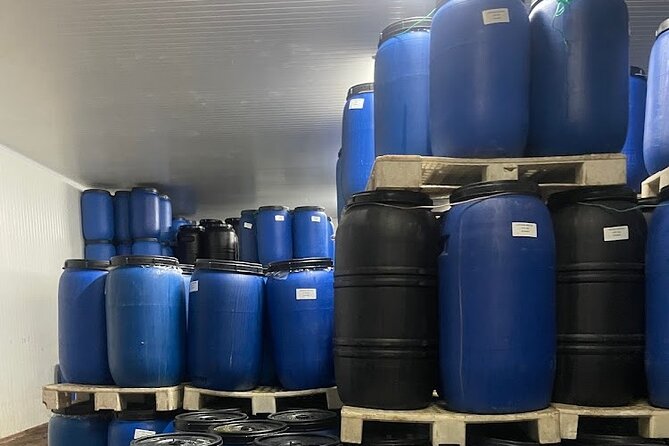
This experience suits you if you like seeing how everyday food is made. You do not need a special interest in agriculture or cooking. The guide explains the process in plain terms, and the tasting gives the visit an easy payoff.
It works especially well for:
- Couples looking for a low-key food activity in Tavira
- Families with older children interested in machinery and food
- Anyone who enjoys Portuguese flavors and edible souvenirs
- Visitors looking for an indoor activity on a rainy day
- People who prefer small businesses to large tourist attractions
- Food lovers who want to compare olives, oil, bread, cheese, and preserves
It may not suit you if your main goal is to visit an olive grove, watch olive oil being extracted, or see a factory operating every day. You should also manage expectations if you prefer highly staged attractions. This is a working facility with seasonal production, not a large visitor center.
The 4 pm start makes it easy to fit around a day in Tavira, but it does mean you should plan your route carefully. The meeting point is not described as a central Tavira landmark, and map problems have caused confusion. I would avoid arriving at the last minute.
Language, group size, and practical details
The tour is offered in English and confirmation arrives when you book. One visit was also arranged in French, but English is the stated regular language, so you should not assume another language will be available on your date.
The maximum group size is 30 people. That is large enough to create a sociable tasting but small enough for the guide to move the group around a modest factory. If you want a quiet private lesson, this is not the right format.
Most people can take part, and the activity ends back at the same meeting point. A mobile ticket is accepted, which keeps the arrival simple once you have found the factory.
You can cancel free of charge up to 24 hours before the 4 pm start for a full refund. Cancellations or changes made less than 24 hours before the start are not refunded, and the cut-off follows local Portuguese time.
My take on the guides and atmosphere
The people running the visit are a major part of its appeal. Andreia brings humor and energy to the explanation, while her family helps create a welcoming atmosphere around the tasting.
I especially like the balance between practical information and personality. You learn about salt, texture, preservation, pits, oil, and machinery, but the experience does not feel like a technical class. The guide keeps the pace friendly and gives the food time to take over at the end.
The small team also makes the factory feel genuine. You are not watching a performance in a recreated building. You are visiting a place where local products are prepared and sold, with all the seasonal limits that come with that.
That authenticity has a trade-off. The facility may feel basic, and production may be paused. If you can accept that, the visit becomes more interesting, not less. You see the real rhythm of a small producer instead of a perfect display built only for sightseeing.
Should you book the Tavira Olive Experience?
I would book it if you want an informative, friendly food activity with a strong tasting component. The price is fair when you count the 90-minute explanation, the local setting, and the generous selection of food and wine.
Book with realistic expectations. You are visiting a table-olive factory, not an olive grove and not a guaranteed working olive-oil mill. Ask about production before your date if moving machinery matters to you, and keep extra time for finding the address.
For many people, the best reason to go is the combination of useful local knowledge and a generous table of Portuguese flavors. You leave with a better sense of how olives are prepared, a pleasant memory of the family team, and the option to take home the products you enjoyed.
FAQ
Where does the Tavira Olive Experience start?
The tour starts at Olive Factory Tavira, Hélder Madeira, Estrada do Arraial Ferreira Neto S/N, 8800-228 Tavira, Portugal. It ends back at the same meeting point.
What time does the tour begin?
The stated start time is 4 pm. The activity lasts approximately 1 hour and 30 minutes.
Is this an olive grove or olive-oil tour?
No. The main focus is a small factory that processes olives for eating. The tour also discusses olive oil, but it is not an olive grove visit or a dedicated olive-oil extraction tour.
Will the machines be operating during the visit?
Not always. Olive processing generally takes place during the picking season in September and October, and production does not happen every day. Outside an active production period, you may see the machines without seeing them run.
What food and drinks are included?
The tasting includes local products such as olives, special bread, sauce, cheese, honey, orange marmalade, olive oil, and wine. Drinks bought separately at the bar, including drinks enjoyed before the tour, are charged separately.
Can I cancel the booking?
Yes. You can cancel up to 24 hours before the local start time for a full refund. Cancellations or changes made less than 24 hours before the start are not accepted for a refund.
Newest grove reviews around the world
- Córdoba: Olive Oil Tasting Experience★ 4.4 · 8 reviews
- Corinthian olive oil tour & tasting experience★ 5.0 · 4 reviews
- Corfu: Olive Oil & Wine Tastings & Traditional Villages Tour★ 5.0 · 6 reviews
- Corfu: Organic Olive Oil Farm Tour with Transfer and Tasting★ 5.0 · 8 reviews
- Chania: Authentic Crete Villages Tour & Olive Oil Tasting★ 4.5 · 2 reviews
- Chania Olive Tour: 3,000-Year-Old Tree, Museum &Organic Mill★ 5.0 · 5 reviews
- Chania Private Olive Oil Tour: Oil Tasting & Villages Tour★ 4.4 · 9 reviews
- Chania E-Bike Adventure: Culture, Coastline & Olive Tasting★ 5.0 · 2 reviews
Olive Mill and Factory Tours, compared.

Knossos-Zeus Cave -Old Traditional Villages-Olive Oil Factory
Read our review →
The Governor’s Olive Mill Tour with Olive Oil Tasting
Read our review →
Road-trip to Lasithi, Zeus Cave & Olive Mill Farm
Read our review →
Lassithi, Zeus Cave, Olive Mill Farm & Knossos Combo Tour
Read our review →
Lake Garda Oil Mill Tour with Olive Oil Tasting
Read our review →Browse the lists this tour appears in