
Review · OLIVE OIL AND WINE TASTINGS
Douro Valley: Private Tour & Guided Wine & Olive Oil Tasting
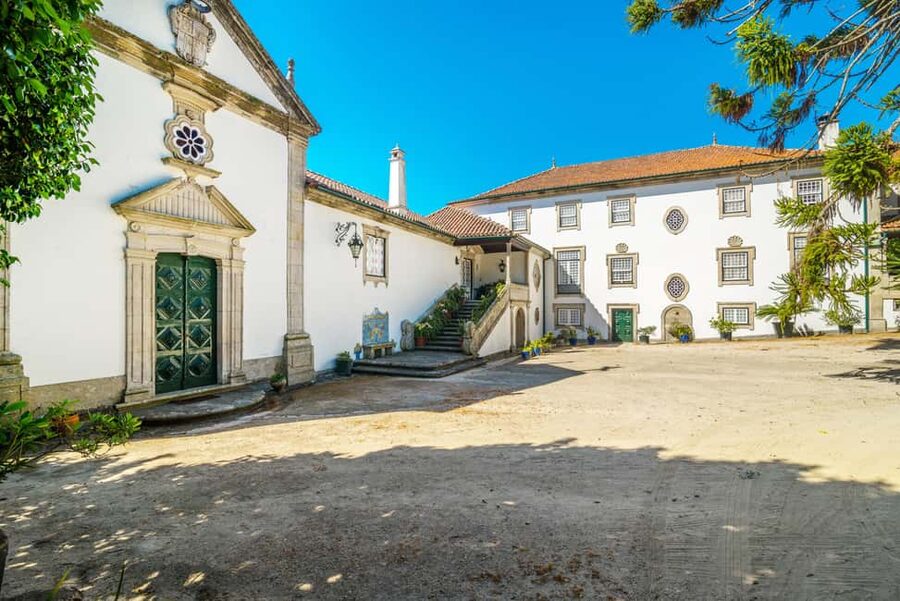
Quinta de Santa Júlia gives you something many Douro wine visits skip: time to see the estate itself. This private tour moves from a 1596 manor and French-inspired gardens to vineyards, viewpoints, woodlands, and a Port cellar, rather than rushing you straight to a tasting table. I like the unhurried pace and the chance to hear family stories tied to the house and the valley.
I also like that the wines and olive oil are made on the estate. The tasting is not just a quick flight of anonymous labels. You discuss grape varieties, soil, farming, and winemaking choices as you taste. The main drawback is the short 75-minute schedule, especially if you want a long vineyard walk or time to linger. Also, the supplied tasting details differ slightly, so confirm the exact number of still wines and Port pours when booking.
Key points to know
- A 1596 estate: Quinta de Santa Júlia offers history in the house, gardens, cellar, and family stories.
- A genuinely private visit: You have a dedicated host and a private group rather than a large public tour.
- Estate-made tasting: Expect Douro wines, Port, and extra virgin olive oil produced by the quinta.
- More than a cellar stop: The walk includes gardens, vineyards, historic corners, viewpoints, and woodlands.
- A compact schedule: The formal experience lasts 75 minutes, with the option to stay longer afterward.
- Useful planning detail: You must arrange your own transport and walk from the warehouse area to the main house.
What makes Quinta de Santa Júlia different
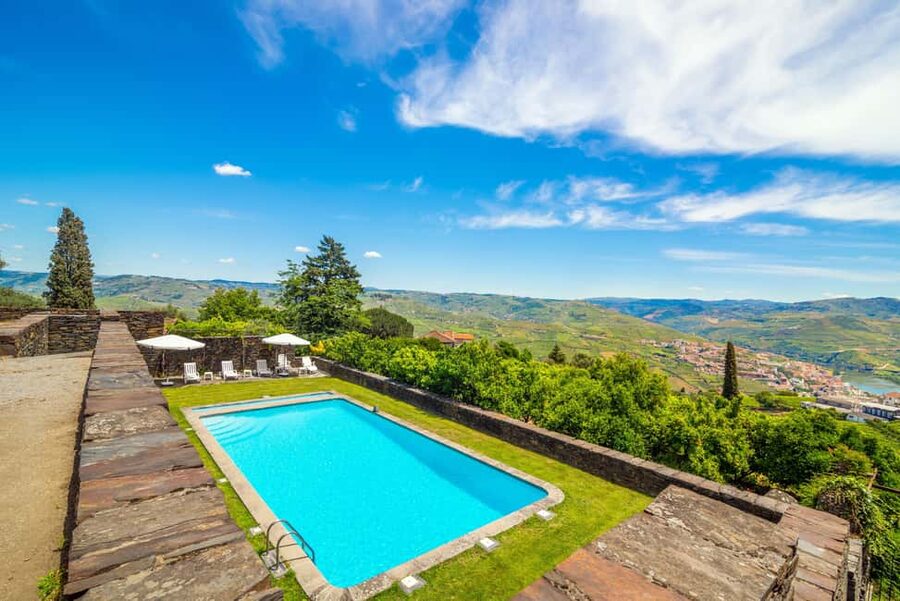
The Douro is famous for its steep vineyard slopes and Port wine, but a tasting room alone can leave you with only part of the story. At Quinta de Santa Júlia, the setting is part of the visit. You see the house, gardens, vineyards, cellar, and wider views before sitting down with the wines.
The estate dates to 1596, giving the tour a clear sense of place. That date matters because it connects the tasting to a working family property with generations of local ties, not simply to a modern winery built for day trips. Your guide explains the history of the house, the family, and the Douro wine trade as you move through the property.
I like this format for two reasons. First, it lets you understand why the wines taste the way they do. Second, it gives non-specialists plenty to look at while the guide explains the technical side. You do not need to arrive with a serious interest in wine to enjoy the gardens, views, and old corners of the property.
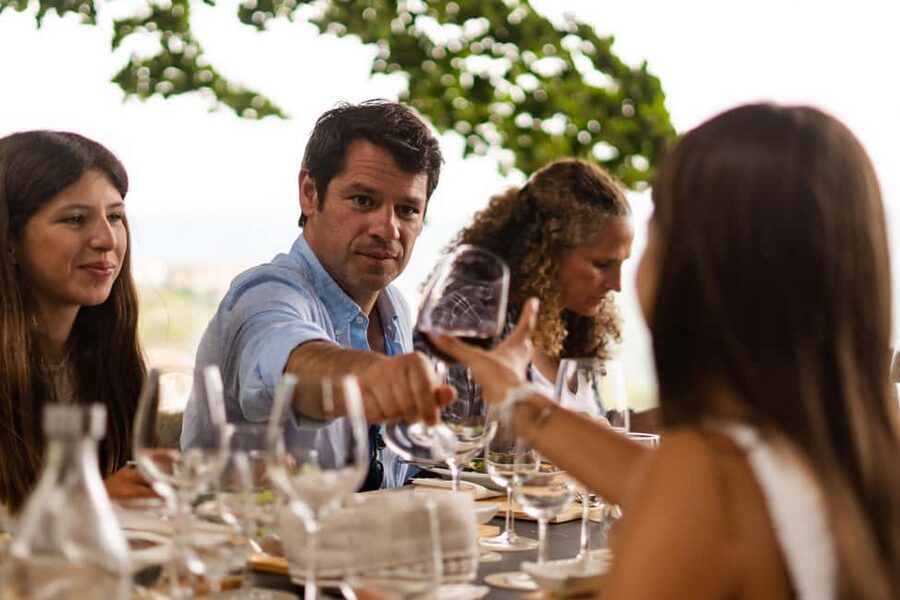
The group is private, and that changes the feel of the visit. You can ask questions, set a comfortable pace, and spend a little more time on subjects that interest you. Guides speak English, French, Portuguese, and Spanish. Mariana is one named guide associated with the experience, and her presentation includes family connections, local wine methods, and the unusual story of wines reaching the English royal family.
More Olive Oil and Wine Tastings in Portugal:
- Arrábida, Setúbal, Sesimbra, Olive with wine tasting
★ 5.0 · 75 reviews - Douro Valley: A Sensory Experience in the Douro: Wines, Olive Oil, and History
★ 4.9 · 15 reviews - Premium gastronomic mountain tour: Wine, olive oil, spirits, food
★ 5.0 · 8 reviews
Arriving at the 1596 estate
You meet at the gate of Quinta de Santa Júlia. Enter through the gate and continue down the estate road until you reach a large warehouse. You can park there or ask your driver to leave you at that point.
From the warehouse, follow the rest of the road on foot to the main house. This final walk is worth knowing about before you arrive. The activity is wheelchair accessible, but the meeting instructions include walking from the warehouse to the house, so anyone with mobility concerns should contact the provider in advance for clear arrival guidance.
You should wear comfortable shoes. The experience includes gardens, vineyards, woodlands, and estate paths, and this is not a visit where you remain on a polished indoor floor. Bring a camera, too. The valley views and old estate details are among the best reasons to take your time.
The activity does not include transportation. You must arrange your own taxi, train connection, or other transfer to the quinta. It also does not include lunch, dinner, or purchases from the shop. Build those costs into your plans rather than treating the $53 price as an all-in day trip.
Walking through gardens, vineyards, and family spaces
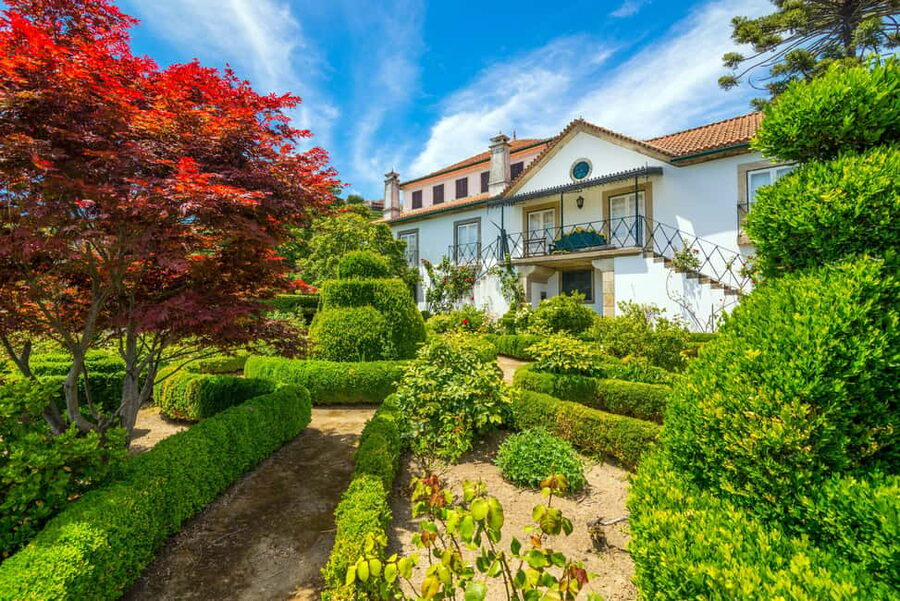
The visit begins with a walk around the estate. You see French-inspired private gardens, historic corners, viewpoints, surrounding vineyards, and woodland areas. This first part is not filler before the tasting. It helps explain the connection between the house, the land, and the wines.
The gardens give the tour a softer opening. You can look at the property as a home and family estate before shifting your attention to production. The historic corners add texture, while the viewpoints put the Douro scenery into context. From here, the vineyards are not an abstract source of grapes. They are the land you have just walked through.
The guide shares family stories along the way. That personal angle can make a big difference. A standard explanation of grape varieties may be useful, but a story about how a family used the property or how its wines reached an English royal household gives the estate a more human scale.
A previous description of the visit also includes the traditional kitchen among the estate spaces. Because the core activity details focus on gardens, historic areas, vineyards, cellar, and views, you should treat the kitchen as an occasional part of the route rather than a guaranteed stop.
The walk is leisurely, not a strenuous vineyard hike. Still, the 75-minute schedule places a limit on how far you can go. If you want to study every garden path, linger at each viewpoint, and ask detailed questions about farming, the formal portion may feel brief. The good news is that you may stay longer after the guided experience.
Inside the Port wine cellar
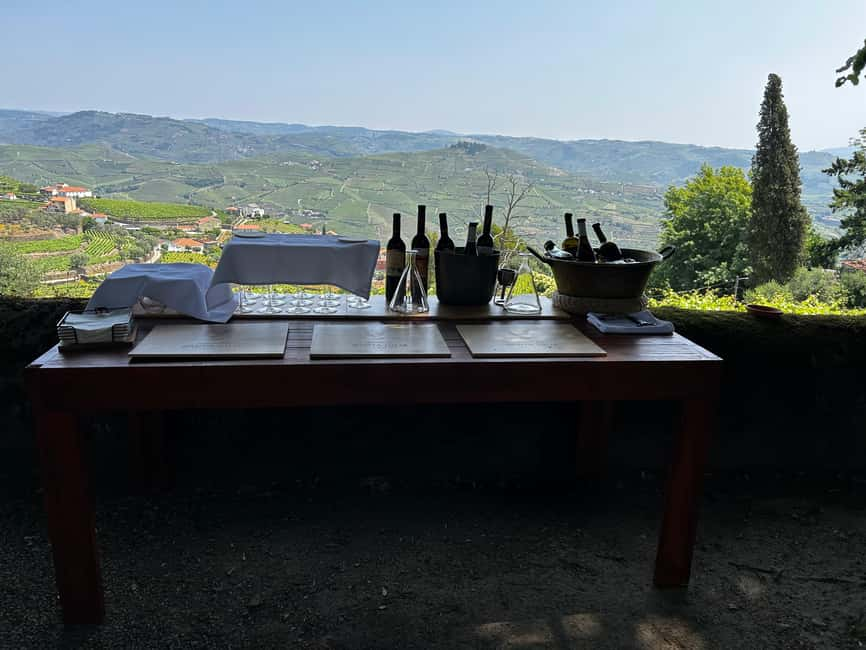
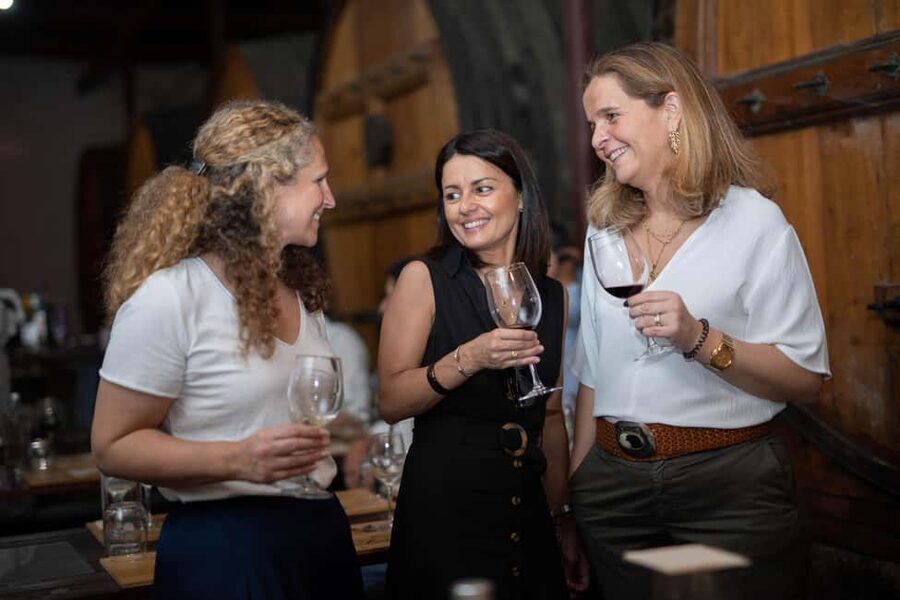
The tour continues to the Port wine cellar, where vintages are stored and the tasting takes place. This is where the visit shifts from broad estate history to the details in your glass.
You discuss terroir, grape varieties, viticulture, and winemaking decisions. In plain terms, your guide helps connect the wine to the soil, climate, grapes, and choices made in the winery. That context is especially useful in the Douro, where the same broad region can produce wines with very different character.
The cellar setting also makes the Port tasting feel grounded. Port is not presented as a separate souvenir drink. It is part of the property’s wine tradition, and the cellar shows where that tradition is kept.
The tasting information needs a quick clarification. One description lists four still wines and one Port, while the included details list three still wines and two Port wines. A tasting account describes two Douro wines and two Port wines. Since these numbers do not match, confirm the current tasting lineup before you book if the exact pours matter to you.
The consistent point is that you will taste estate-made wine and Port, with the host explaining what is in the glass. You are not simply handed samples and left to guess. The private setting also means you can ask why one wine is made in a particular way or how the estate approaches its grapes.
More Guided Tours around Portugal:
- Guided tour and olive oil tasting in Alhaurin el Grande (Málaga)
★ 5.0 · 200 reviews - Guided Tasting Tour in 16th century House and Olive Oil Factory
★ 5.0 · 169 reviews - Guided Wine and Olive oil tasting
★ 5.0 · 158 reviews - Sóller: Olive Oil Guided Tour and Tasting at Can Det Estate
★ 4.8 · 82 reviews
What you taste: Douro wine, Port, and olive oil
The tasting includes estate-produced extra virgin olive oil as well as wine. I like this addition because olive oil is easy to overlook when planning a Douro visit, yet it reflects another important part of regional farming.
You can expect the host to discuss the oil as a product of the estate and local agricultural traditions. The tasting account describes it as intense and strongly tied to the area’s farming culture. You should approach it as a focused tasting rather than a full meal. Lunch and dinner are not included.
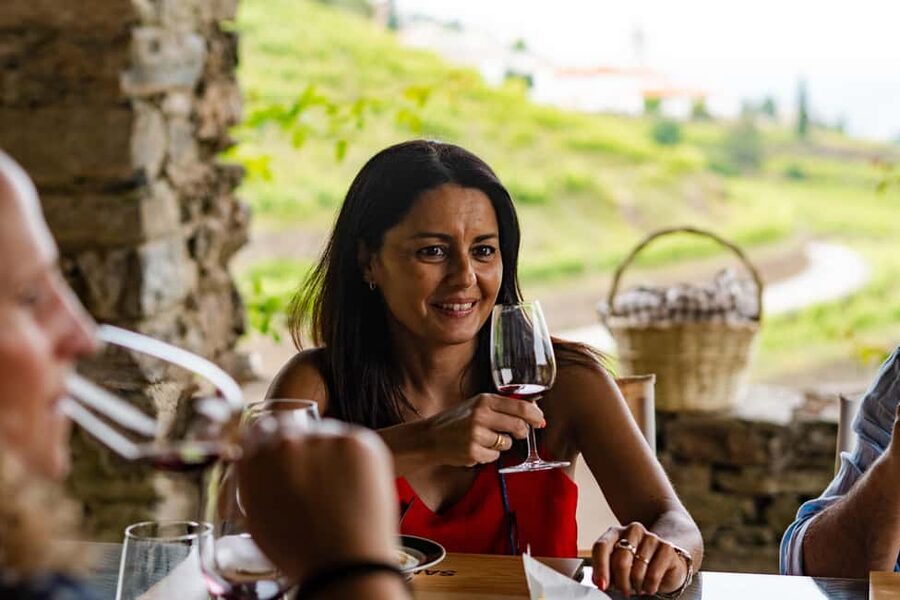
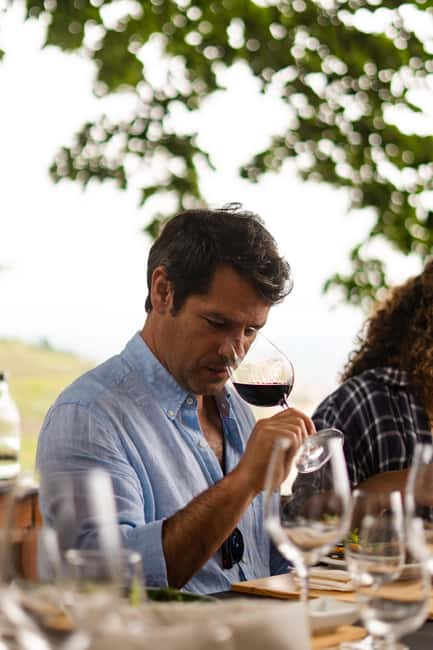
The wine portion gives you a chance to compare still Douro wines with Port. Those are not interchangeable styles, and tasting them in one sitting helps show the range of the region. The still wines can be considered with the meal-friendly side of Douro production in mind, while Port brings a different balance and purpose.
The guided format is valuable here. If you are new to wine, you can ask basic questions without feeling out of place. If you already know the region, you can focus on estate methods, grape varieties, and aging. Mariana’s explanations reportedly include how to approach wine more consciously, a useful idea for anyone who wants to taste with more attention rather than simply choose the bottle they like best.
The estate makes the products available for purchase, but shop purchases are not included. You can decide after tasting, rather than buying blindly at the start.
How much time do you really get?
The formal experience lasts 75 minutes. That is enough for a compact estate walk and a guided tasting, but you should keep your expectations realistic. This is not a full-day winery program, a long lunch, or an extended vineyard trek.
The schedule works best if you want one well-shaped visit during a broader Douro itinerary. You see the main estate features, learn about the property, taste several products, and move on without giving up an entire afternoon.
The option to stay longer improves the value. After the formal tour, you may stroll through the vineyards and woods, rest in the shade of the gardens, or enjoy a glass of wine with a Douro view. The details do not promise an unlimited open-house arrangement, so ask your host about the practical time limit on the day.
That extra time is particularly useful if you arrive early or have a flexible schedule. You can avoid turning the visit into a race between the gate, garden, cellar, and car. The 75-minute guided portion gives you structure, while the optional time lets you slow down.
Is $53 a fair price?
At $53 per person, this is priced above a basic tasting but below a full wine day with meals and transportation. The value comes from the private format, dedicated host, estate walk, cellar visit, and tasting of wine, Port, and olive oil.
I think the price is reasonable for someone who wants more than a counter tasting. You are paying for access to a historic property and for the guide’s time as much as for the drinks. A large group tour could offer more samples, but it would likely give you less personal attention.
The value is weaker if you only want to taste wine and do not care about the estate. In that case, a shorter or less expensive tasting might suit you better. The same is true if you need a fully organized excursion from Porto or another base, since transport is not included.
You should also factor in your own arrival costs. The estate is in the Norte Region, and you must reach the gate independently. A taxi or private transfer can change the total cost quickly, especially for one or two people.
Who will enjoy this visit most?
I would choose this experience for you if you want a calm, personal introduction to the Douro and prefer a small group to a busy winery circuit. It suits couples, families with an interest in food and history, and wine drinkers who want to ask questions without holding up a large party.
It is also a good match for photographers and garden lovers. The route includes viewpoints, vineyards, private gardens, old estate areas, and woods, so the visit offers more visual variety than a cellar-only tasting.
It may be less suitable if you want a strenuous hike, a substantial meal, or transport from your hotel. It also may not be the right pick for people who dislike walking on estate paths. Assistance dogs are allowed, but other pets are not.
The private format can work well for mixed-interest groups. One person can focus on wine, another on architecture and family history, and another on the views. Because the host accompanies your group, you have more room to steer the conversation.
Practical details before you reserve
The activity offers free cancellation up to 24 hours before the start time, and you can reserve now and pay later. Availability controls the starting times, so check the schedule before building the rest of your day around it.
Guiding is available in English, French, Portuguese, and Spanish. The tour is private, and the activity is listed as wheelchair accessible. Still, call ahead if anyone in your group needs a specific route or drop-off arrangement, since the arrival instructions include parking at the warehouse and walking onward to the main house.
Comfortable shoes matter more than smart clothes. Bring a camera, but also leave room to enjoy the view without spending the entire visit behind a screen.
Plan a meal separately. No lunch or dinner is included, and the tasting should not be treated as a substitute for one. If you want to buy wine or olive oil, leave space in your budget and luggage.
Should you book Quinta de Santa Júlia?
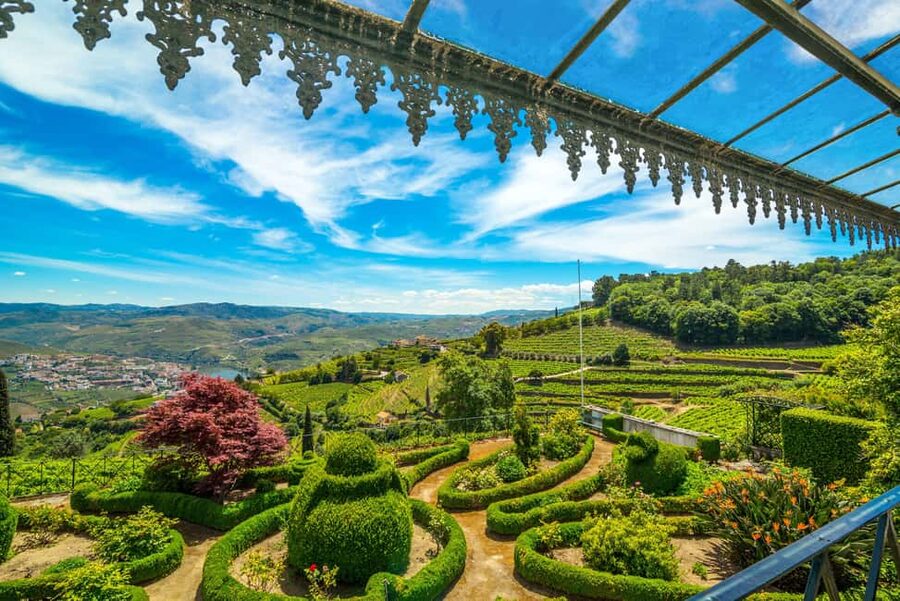
Book it if you want an intimate estate visit that joins history, scenery, and tasting in one short experience. The private guide, 1596 property, estate-made products, cellar, gardens, and optional time to linger make this more personal than a quick wine stop.
Before paying, confirm the exact tasting lineup and decide how you will reach the quinta. If you need transportation, a meal, or a full-day Douro excursion, this will not cover those needs. If you can arrange your own arrival and value an unhurried visit with a family story or two, $53 is a fair price for the access and attention provided.
FAQ
How long does the Quinta de Santa Júlia experience last?
The guided experience lasts 75 minutes. Afterward, you may be able to stay longer, walk through the vineyards and woods, rest in the gardens, or enjoy a glass of wine with a Douro view.
What is included in the tasting?
The experience includes estate-produced still wines, Port wine, and extra virgin olive oil. The supplied details list different numbers of still and Port wines, so confirm the current tasting lineup when booking.
Is transportation to Quinta de Santa Júlia included?
No. You arrange your own transportation, including taxi, train, or another transfer. At the estate gate, continue to the large warehouse, where you can park or arrange a driver drop-off, then walk to the main house.
Which languages are available for the guided tour?
The live guide service is available in English, French, Portuguese, and Spanish.
Is the tour private and wheelchair accessible?
Yes. The activity is for a private group and is listed as wheelchair accessible. Since the arrival directions include walking from the warehouse to the main house, contact the provider ahead of time about specific mobility needs.
Are pets allowed on the estate?
Pets are not allowed. Assistance dogs are permitted.
Newest grove reviews around Portugal
- Unveiled Secrets of Porto + Olive Oil Tasting★ 4.8 · 3 reviews
- Premium gastronomic mountain tour: Wine, olive oil, spirits, food★ 5.0 · 8 reviews
- Historical Évora – PRIVATE Full Day Tour – Cork, Wine and Olive Oil Haven★ 5.0 · 3 reviews
- Olive Oil Private Tour in Portugal★ 5.0 · 6 reviews
- Tavira City & Olive Factory★ 5.0 · 4 reviews
- Tour with Wine and Olive Oil Tasting★ 4.6 · 8 reviews
- Porto: Tuk Tuk Tour with Olive Oil Tasting★ 4.4 · 5 reviews
- Douro Valley: Private Lunch with Wine & Olive Oil Tasting★ 4.8 · 5 reviews
Olive Oil and Wine Tastings, compared.
Sorrento Farm and Food Experience including Olive Oil, Limoncello, Wine tasting
Read our review →
Krka Waterfalls With Boat Cruise, Wine and Olive Oil
Read our review →
Lemon, Olive Oil and Wine Tasting Tour with Lunch
Read our review →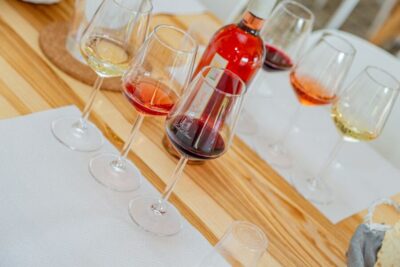
Browse the lists this tour appears in