
Review · OLIVE FARM VISITS
The Olive Oil Experience @ Lefkada Micro Farm
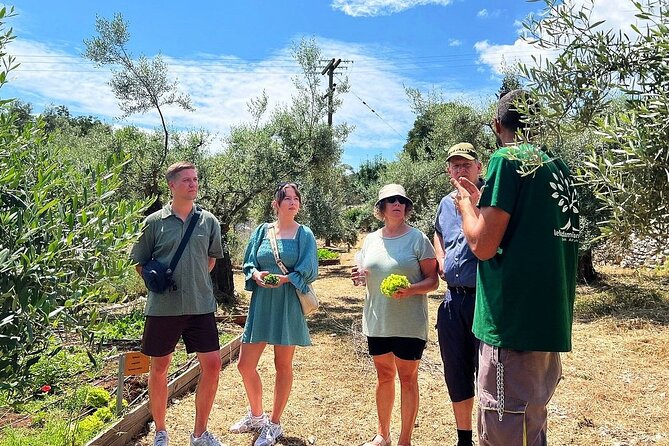
The sharp lesson here is that good olive oil is not just a cooking fat. At Lefkada Micro Farm, you learn how to spot fresh extra virgin olive oil, taste its peppery finish, and understand why storage and bottle choice matter. The visit takes place among the farm’s organic olive trees and garden plants, not in a classroom far from the food itself.
I like the hands-on tasting, especially the chance to compare several oils made at the farm. I also like the practical Olive Oil ABC: how to shop, store, and cook with it once you return home. The main drawback is value. At $62.48 per person for about two hours, the experience needs to deliver a full lesson, not just a few samples and a stroll.
Key points to know before you book
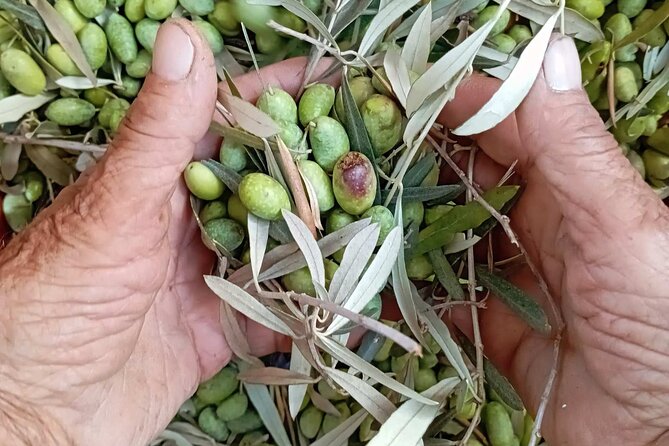
- Taste the farm’s own extra virgin oils: Compare different varieties and notice the peppery finish linked with high polyphenols.
- Meet rare White Lefkadian olive trees: The grove gives the lesson a strong sense of place and connects the oil to Lefkada.
- Learn the production process: The visit explains how olives become oil and how industrial oil can differ from authentic extra virgin oil.
- Explore the edible garden: You can smell and try vegetables, fruit, and flowers growing at the micro farm.
- Take home useful shopping advice: Learn how to choose a bottle, store it correctly, and cook with olive oil while protecting its benefits.
- Expect a small-group experience: The maximum group size is 30 people, and the visit is offered in English.
What the Lefkada Micro Farm experience is really about
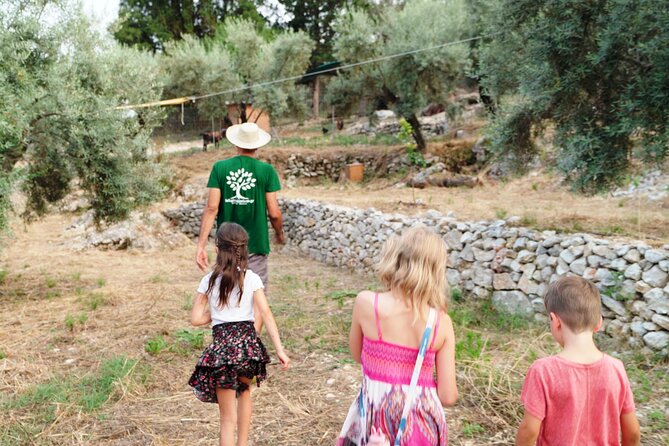
This is a short food education tour built around one ingredient. You visit Lefkada Micro Farm, walk through an organic olive grove, look at the trees and growing methods, and then taste the oil with guidance. The goal is not simply to pour oil into a cup and ask if you like it.
The farm presents olive oil as part of the Mediterranean way of eating. You learn how olives are grown, how oil is produced, what makes extra virgin oil different, and how to use that knowledge at home. It is a useful format for anyone who buys olive oil but has never learned to judge freshness or quality.
The farm says its first harvest was only five years ago and that it now produces award-winning extra virgin olive oil. Its White Lefkadian trees and regenerative organic methods are central to the story. The farm also cites back-to-back Silver Awards in New York in 2025 and 2026.
Those awards may interest serious food shoppers, but the more important point for you is the tasting. Olive oil is easy to misunderstand when you only read labels. A guided comparison lets you notice texture, aroma, bitterness, and the warm peppery sensation at the back of your throat.
More Olive Farm Visits in Greece
- Crete: Road-trip to Lasithi, Zeus Cave & Olive Mill Farm
★ 4.4 · 451 reviews - Heraklion: Olive Farm Tour with Tasting of Local Delicacies
★ 4.9 · 411 reviews - Lassithi, Zeus Cave, Olive Mill Farm & Knossos Combo Tour
★ 4.6 · 404 reviews
Walking through an organic olive grove
The first stop is the Lefkada Micro Farm itself, described as an open-air museum. That setting matters. You are not only hearing about olive growing from a presentation. You are surrounded by the trees and garden plants that make the farm’s food story possible.
The grove includes rare White Lefkadian olive trees. The information provided does not give the tree’s full background or explain exactly how its fruit differs from other Lefkadan varieties, so you should expect an introduction rather than a specialist botany lecture. Still, seeing the trees in their growing environment adds something a bottle on a shop shelf cannot provide.
The organic and regenerative approach is another central part of the visit. You learn how the farm works with its soil and plants rather than treating olive oil as an anonymous factory product. The experience connects farming methods with flavor, freshness, and the wider Mediterranean diet.
You may also smell and try produce from the garden, including vegetables, fruit, or flowers that happen to be growing there. That part sounds simple, but it broadens the visit beyond olive oil. It helps you think about taste as something shaped by soil, season, plant variety, and handling.
Keep your expectations sensible. This is a two-hour activity, so you will not receive a long agricultural course or a full farm work session. The grove walk is one part of a compact tasting class.
Learning how olives become oil
The farm explains the basic process of making olive oil, from the fruit on the tree to the finished product. That background helps you understand why the term extra virgin matters and why not every bottle labeled olive oil offers the same quality.
The session also pulls back the curtain on industrial production. That comparison is useful because supermarket shelves can make very different oils look similar. You learn to pay attention to the bottle, freshness, storage, and taste rather than relying only on a large label or a familiar brand.
The exact production details supplied for the tour are limited, so you should not expect a full technical breakdown of milling equipment, harvest dates, or extraction temperatures unless the guide chooses to cover them during your visit. What is promised is a clear introduction to the process and the difference between industrial oil and the original product.
That makes this a good first step for a curious home cook. You do not need prior knowledge, and the class is designed for everyone. If you already work with olive oil professionally, you may find the information introductory, but the tasting and local varieties can still make the visit worthwhile.
The tasting: look for the peppery kick
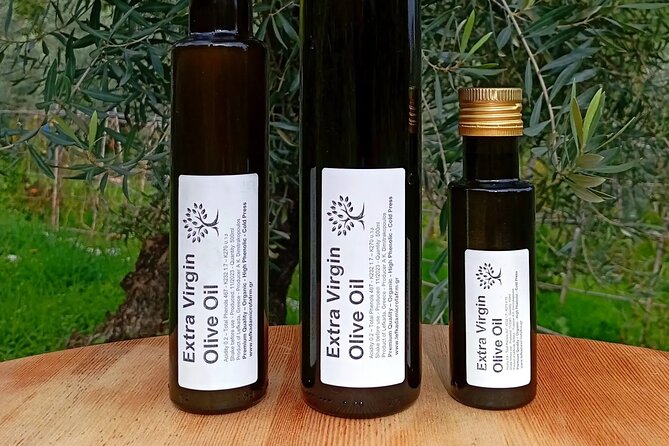
The tasting is the heart of the experience. You sample different extra virgin olive oils produced at the farm and compare their character. The purpose is not to find one oil that suits every person. It is to train your mouth to notice the signs of a fresh product.
Pay attention to aroma first. Then notice how the oil feels and what happens after you swallow. The farm highlights the peppery kick associated with high polyphenols, the antioxidants often linked with the health benefits of extra virgin olive oil.
That peppery sensation can surprise people who are used to mild supermarket oil. It may feel slightly bitter or warm in the throat. Here, that sensation is presented as a useful clue about the oil’s character, not as a flaw.
One especially positive point is that the lesson gives you something practical to use later. A previous participant explained that the session changed how they selected oil and improved the taste of their lunchtime salads. That is the kind of result you should look for: not a fancy tasting memory, but better judgment at the grocery shelf and in your kitchen.
Still, tasting is personal. You may prefer a softer oil to a forceful one, and a peppery finish alone does not tell you everything about quality. The value comes from learning how to compare oils, not from being told that one strong flavor is automatically best.
Same groves, a different afternoon:
- Crete: Quad Safari, Olive Mill with Tasting & Ghost Village
★ 4.9 · 1,004 reviews - Knossos-Zeus Cave -Old Traditional Villages-Olive Oil Factory
★ 5.0 · 694 reviews - The Governor’s Olive Mill Tour with Olive Oil Tasting
★ 5.0 · 502 reviews - From Chania: Olive Oil, Wine, Cheese & Honey Tasting Tour
★ 4.6 · 490 reviews
The garden adds a welcome sensory lesson
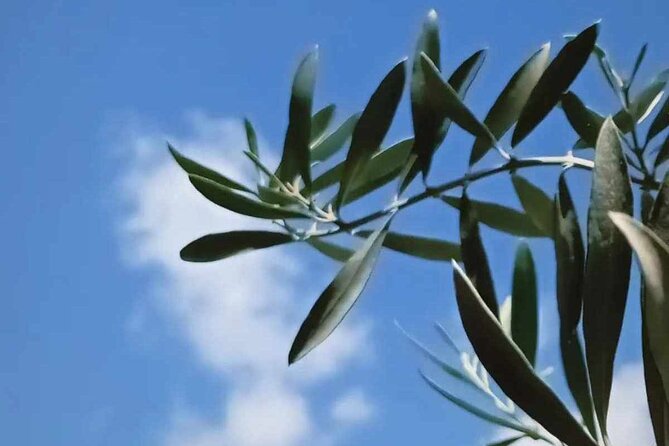
The garden portion gives the visit a more playful edge. You may smell and try vegetables, fruit, or flowers growing at the farm. The supplied details do not promise a set menu or a large food spread, so think of this as a small seasonal tasting rather than lunch.
One harsh account described receiving only a few pieces of cherry tomato and pepper, along with lukewarm tap water. That criticism is important because it sets a clear limit on what you are buying. This is not a farm-to-table meal, and you should not book it expecting generous refreshments.
The garden is valuable for a different reason. It helps you connect the oil with the food it is meant to serve. A tomato, pepper, or salad can taste very different when paired with fresh extra virgin oil, and the farm uses that connection to make the lesson more immediate.
If you have food allergies or restrictions, tell the provider in advance. The activity includes tasting, so this is not a detail to leave until you arrive.
The Olive Oil ABC you can use at home
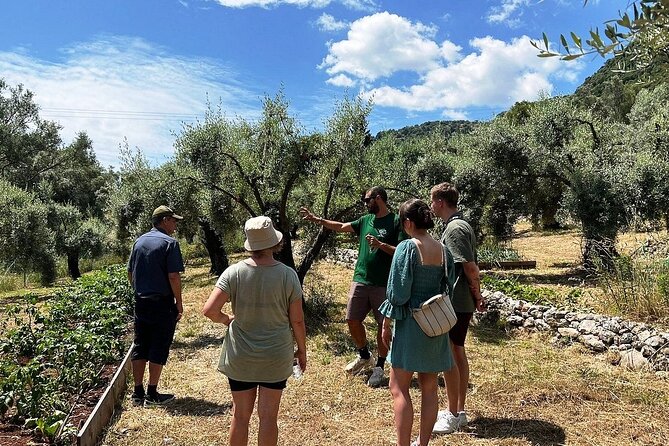
The strongest practical feature is the advice that follows the tasting. You learn how to shop for the right bottle, how to store it so it stays fresh, and how to cook with it while preserving as much benefit as possible.
Bottle selection can be confusing. Labels use words that sound reassuring, but shoppers often do not know which details matter most. The farm’s Olive Oil ABC aims to give you a simple method for making that decision.
Storage is just as important. Even good oil loses freshness if it is handled poorly. The lesson covers the proper way to keep your bottle, so the money you spend on high-quality oil does not go to waste after you open it.
Cooking advice rounds out the lesson. You are shown how to use olive oil in healthy cooking while keeping its useful qualities. The supplied information does not give exact cooking temperatures or recipes, so you should see this as guidance rather than a complete cooking class.
This is where the $62.48 price can make sense. If you buy olive oil often, the advice may save you from choosing poor bottles or storing good ones badly. If you only want a quick sample and a pleasant farm visit, the cost feels harder to justify.
Is two hours enough?
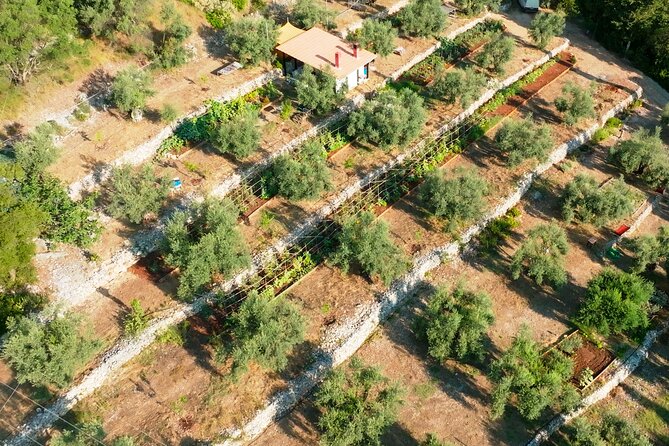
Two hours is a good length for a focused introduction. You have time to visit the grove, hear about production, explore the garden, taste the oil, and ask questions without giving up half a day.
The short format also means the guide must keep the session moving. You should expect a compact masterclass rather than a slow country outing. People who enjoy clear explanations and structured tastings will likely get more from it than those hoping for a relaxed picnic.
The group can include up to 30 people. That is not an intimate private tasting, and the feel may depend on how many people are booked that day. A group of 30 can work for a guided demonstration, but it may limit one-on-one discussion.
The activity is offered in English. It is suitable for most people, and service animals are allowed. The meeting point is Lefkada Micro Farm on E.O. Nydriou Vavkeris Rachi, Nidri 311 00, Greece. The experience ends at the same place, so you do not need to plan for a separate drop-off point.
Price, timing, and the value question
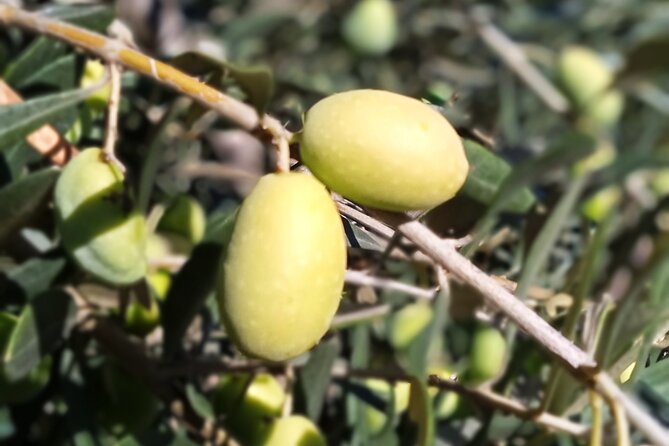
The listed price is $62.48 per person. For that amount, you are paying for a guided farm visit, an educational tasting, local context, and advice you can use after the trip. You are not paying for a meal, a long countryside excursion, or a bottle unless the provider separately offers one.
The activity is booked about 10 days ahead on average. That suggests planning is sensible, particularly if your Lefkada dates are fixed. Confirmation normally arrives at booking, though bookings made within three hours of the start time are confirmed as soon as possible and depend on availability.
The price works best for three kinds of people:
- Olive oil beginners who want to stop guessing at the supermarket.
- Food-focused visitors who enjoy tasting local products and learning how they are made.
- Health-minded cooks who want practical information about polyphenols, storage, and everyday use.
It is less suitable for someone expecting a large tasting plate or a full meal. The negative experience described a small amount of garden produce and standard-tasting oil, so you should book with modest expectations about refreshments and personal taste. The experience has a 4.7 rating, with 95 percent of participants recommending it, but the split in feedback shows that the educational content is the key value, not the quantity of food.
Who should book the Lefkada olive oil tour?
I would choose this experience if I wanted a useful, local food lesson rather than another sightseeing stop. It offers a clear subject, a real farm setting, and practical advice that can improve the way you shop and cook.
Families, couples, and solo visitors can all take part because the session is designed for everyone and most people can participate. The open-air setting may also appeal to anyone who wants a break from indoor tastings.
I would skip it if your main goal is a generous meal, a private tour, or a long visit with extensive technical detail. The two-hour format and maximum group size of 30 make it a general introduction, not a specialist course.
Free cancellation is available if you cancel at least 24 hours before the start time. Cancellations made later are not refunded, and changes within that period are not accepted.
My booking verdict
Book it if you want to understand what you are tasting and take home better habits for buying, storing, and cooking with olive oil. The grove, White Lefkadian trees, garden, and farm-made oils give the lesson a genuine local setting.
Before paying $62.48, ask yourself one question: do you value the lesson more than the refreshments? If yes, this is a worthwhile Lefkada food experience. If you are looking for a full farm lunch or a large tasting, choose something else.
FAQ
Where does the olive oil experience take place?
It takes place at Lefkada Micro Farm, E.O. Nydriou Vavkeris Rachi, Nidri 311 00, Greece.
How long does the activity last?
The experience lasts approximately two hours.
How much does the tour cost?
The listed price is $62.48 per person.
What language is the experience offered in?
The activity is offered in English.
What will I taste?
You will taste different varieties of extra virgin olive oil produced at the farm. You may also smell and try vegetables, fruits, or flowers growing in the garden.
Will I visit an olive grove?
Yes. The experience includes a visit to the farm’s organic olive oil grove, including its White Lefkadian olive trees.
Where does the activity end?
The experience ends back at the Lefkada Micro Farm meeting point.
How many people can join the activity?
The maximum group size is 30 people.
Can I cancel for a full refund?
Yes. You can cancel for a full refund if you cancel at least 24 hours before the experience start time. Cancellations made less than 24 hours in advance are not refunded.
Newest grove reviews around Greece
- Corinthian olive oil tour & tasting experience★ 5.0 · 4 reviews
- Corfu: Olive Oil & Wine Tastings & Traditional Villages Tour★ 5.0 · 6 reviews
- Corfu: Organic Olive Oil Farm Tour with Transfer and Tasting★ 5.0 · 8 reviews
- Chania: Authentic Crete Villages Tour & Olive Oil Tasting★ 4.5 · 2 reviews
- Chania Olive Tour: 3,000-Year-Old Tree, Museum &Organic Mill★ 5.0 · 5 reviews
- Chania Private Olive Oil Tour: Oil Tasting & Villages Tour★ 4.4 · 9 reviews
- Chania E-Bike Adventure: Culture, Coastline & Olive Tasting★ 5.0 · 2 reviews
- Athens: Cretan Olive Oil Tasting Experience★ 5.0 · 10 reviews
Olive Farm Visits, compared.
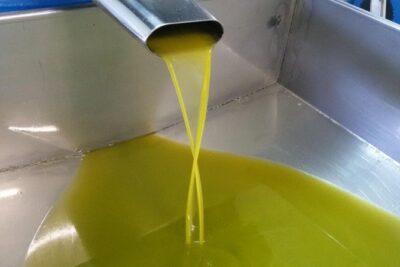
Sorrento Farm and Food Experience including Olive Oil, Limoncello, Wine tasting
Read our review →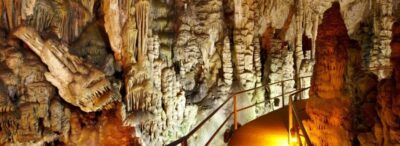
Road-trip to Lasithi, Zeus Cave & Olive Mill Farm
Read our review →
Olive Farm Tour with Tasting of Local Delicacies
Read our review →
Lassithi, Zeus Cave, Olive Mill Farm & Knossos Combo Tour
Read our review →
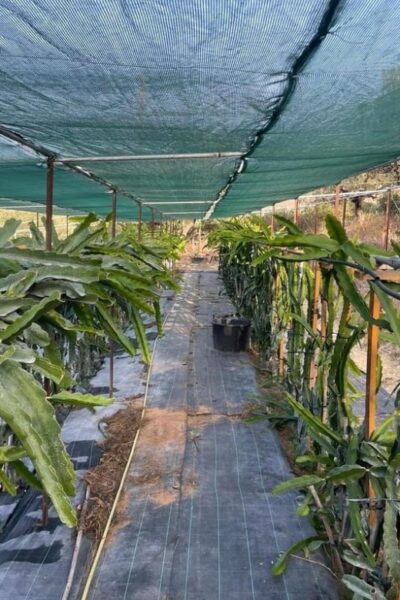
Traditional Olive Grove and Dragon Fruit Farm Tour
Read our review →
Moires: Cooking Class and Olive Oil Tasting at a Family Farm
Read our review →
Sóller: Olive Oil Guided Tour and Tasting at Can Det Estate
Read our review →Browse the lists this tour appears in