
Review · OLIVE OIL AND WINE TASTINGS
Extra Virgin Olive Oil Experience with Wine & Herbs
Greek olive oil is not just a bottle on the table here. You learn how to taste it, judge its quality, understand Greek olive-growing regions, and use it with food. The short session takes place at CRU BEE-HAVING Wine & Olive Oil Tastings, where Anton guides you through oils, herbs, spices, bread, cheese, and wine.
I like the small group limit of 10, which gives the tasting a friendly, personal feel. I also like the practical focus: you leave better prepared to spot quality oil and pair it with everyday food. The main drawback is the brief 40-minute format, and the activity is limited to people aged 16 to 95.
Key points at a glance
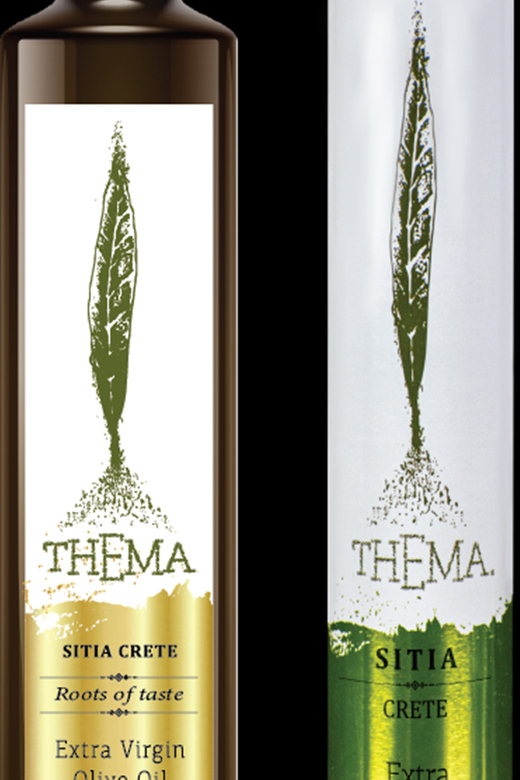
- Four Greek extra virgin olive oils: Taste several oils and compare their different styles and qualities.
- Anton’s personal guidance: Expect an English-language session led by a host who explains oil production, regions, tasting, and food use.
- Bread, cheese, herbs, spices, and wine: The pairings help turn an oil lesson into a light tasting experience.
- A compact 40-minute format: This fits neatly into an Athens sightseeing day, but it leaves little room for a slow, leisurely meal.
- Small-group setting: With no more than 10 participants, you can ask questions without feeling lost in a crowd.
- Useful shopping opportunity: You may be able to buy oil or wine after the tasting and support the local business directly.
Why this short olive oil lesson is worth your time
I like experiences that explain a familiar food instead of simply presenting it. Most people know olive oil as a kitchen staple, but fewer people know why one oil tastes grassy, another bitter, and another mild. This session gives you a way to think about those differences.
The focus is extra virgin olive oil, the highest category discussed in the class. You learn how oil is made, what separates styles and types, and how to assess quality. That information matters when you return home and face a shelf full of bottles with attractive labels but little useful guidance.
The setting is described as a rustic studio and wine and olive oil bar. Look for the black cat poster at the meeting point and come inside. This is not presented as a large commercial food show. It is a small local business where the host can speak directly with you and adjust the conversation to your questions.
The session is conducted in English. Anton is the named host, and his role goes beyond pouring samples. He explains Greek olive regions, production, history, tasting technique, quality standards, and food pairings. His personal connection to the subject is a major part of the experience, especially if you prefer a conversation with a producer or specialist over a scripted presentation.
More Olive Oil and Wine Tastings in Greece
- From Chania: Olive Oil, Wine, Cheese & Honey Tasting Tour
★ 4.6 · 490 reviews - From Chania: Wine and Olive Oil Tasting Tour with Snacks
★ 4.8 · 354 reviews - Athens: Acropolis Wine Tasting with Cheese and Olives
★ 4.9 · 337 reviews
What happens during the 40-minute tasting
The exact order may vary, but the activity covers several clear stages. You start with an introduction to extra virgin olive oil and the place it holds in Greek food culture. The lesson then moves into tasting and comparison.
You receive several oils to try. The activity information lists four extra virgin olive oils as included, while another description refers to sampling three oils. Because of that small inconsistency, I would confirm the final number when booking. Either way, the point is comparison rather than a single taste.
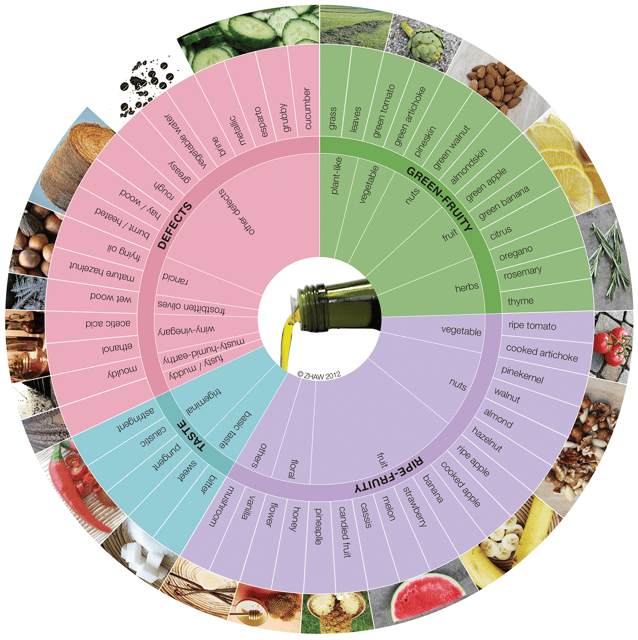
You learn how to taste olive oil properly and what to notice. That can include aroma, flavor, bitterness, and the peppery sensation that may appear in the throat. The lesson also covers the criteria used to judge quality, so you can move beyond the simple question of whether you like an oil.
This is useful because good olive oil does not always taste mild or sweet. A bitter or peppery note can be part of its character. The class gives you a framework for understanding those traits rather than dismissing them as faults.
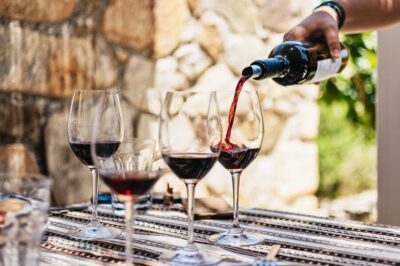
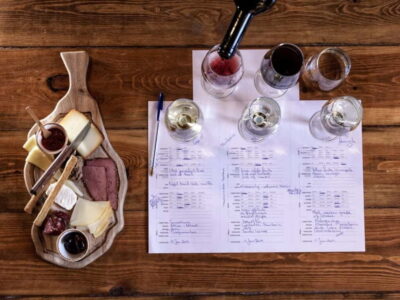
The oil is served with bread, and the tasting also includes mountain organic herbs and common spices. Cheese and a glass of wine are included as well. These additions make the session more social and show how the same oil can behave differently with salty, savory, or aromatic foods.
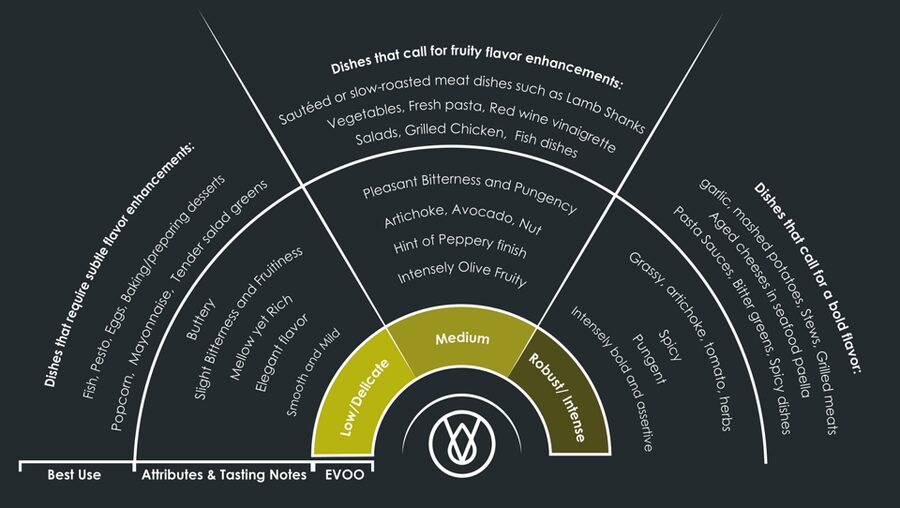
The experience also introduces food pairings. You may consider how oil works with bread, cheese, herbs, spices, and other condiments. That practical angle is one of the strongest reasons to book. You are not only learning terminology. You are learning how to use olive oil at the table.
Comparing Greek regions and oil styles
Greece produces olive oil across several regions, and the class discusses Greek olive-growing areas and regional differences. The information provided does not name each region or identify the exact source of every sample, so you should not expect a detailed regional map or a formal agricultural lecture.
Still, even a short regional introduction can change how you shop and eat. Olive oil reflects the fruit, growing conditions, harvest decisions, and production methods. Comparing samples side by side helps you notice that Greek oil is not one single flavor.
The activity also covers categories and styles of olive oil. This is particularly helpful if you have bought bottles labeled simply as olive oil and wondered how they differ from extra virgin oil. The instructor explains the general quality distinctions and how to evaluate oil in practical terms.
I would pay close attention here. The most useful lesson is not memorizing labels. It is learning to connect the label, the taste, and the intended use. A strong oil may be best enjoyed with bread or a finished dish, while another may suit a different cooking purpose. The class helps you make those choices with more confidence.
Herbs, spices, cheese, and wine make the lesson practical
A tasting made only of oil can become technical. Bread, cheese, wine, herbs, and spices give the session a more relaxed rhythm and show the oil in context.
The mountain organic herbs are an appealing local touch. You can see how herbal aromas affect the taste of oil and how simple seasoning changes a bite of bread or cheese. Common spices add another point of comparison without making the experience feel too formal.
The included wine helps connect the oil tasting with Greek dining. This is not described as a full meal or a wine course, so plan to treat the food as tasting portions rather than lunch. If you want a substantial meal afterward, allow time for one elsewhere.
The pairings also make this activity a good choice for couples and small groups with mixed interests. One person may enjoy the food and wine, while another prefers the production details or the quality lesson. Because the session is limited to 10 people, the host can answer questions without the experience becoming a large lecture.
Same groves, a different afternoon:
- Crete: Quad Safari, Olive Mill with Tasting & Ghost Village
★ 4.9 · 1,004 reviews - Knossos-Zeus Cave -Old Traditional Villages-Olive Oil Factory
★ 5.0 · 694 reviews - The Governor’s Olive Mill Tour with Olive Oil Tasting
★ 5.0 · 502 reviews - Crete: Road-trip to Lasithi, Zeus Cave & Olive Mill Farm
★ 4.4 · 451 reviews
Health and cosmetic uses, without losing the food focus
The experience introduces olive oil’s health and cosmetic uses as well as its culinary role. The available information does not provide medical claims or a detailed cosmetic demonstration, so I would treat this part as a general introduction rather than professional health advice.
That broad view is still useful. Olive oil is presented as pure fruit juice, which offers a helpful way to understand it. Like other fruit products, it has flavor, freshness, aroma, and quality that can change over time. You begin to see the oil as a food with character, not just a neutral cooking liquid.
I appreciate that the session connects kitchen use with everyday life. You can ask how to pair oil with food, how to recognize quality, and where it fits in Greek cooking. The cosmetic and health topics add context, but the tasting and evaluation remain the main event.
Anton’s teaching style and the value of a small group
Anton is repeatedly praised for his warm manner, clear explanations, and passion for olive oil. I would expect an informal class rather than a stiff lecture. Personal stories, local recommendations, and conversation appear to be part of the experience.
That matters in a tasting. Olive oil has its own vocabulary, and it can be intimidating to ask a basic question in a formal setting. A friendly guide makes it easier for you to say what you smell, ask why an oil tastes bitter, or admit that one style is not your favorite.
The group size is capped at 10. That is small enough for direct contact and large enough to create a social atmosphere. If you are traveling alone, you can still join a shared activity without being placed in a huge tour group.
The setting also seems suited to conversation. The studio is described as rustic, and the meeting point is a wine and olive oil bar with a black cat poster. These details suggest a personal venue rather than a polished visitor center. If you want a highly staged production with elaborate displays, this may feel too simple. If you prefer a local business and direct contact, the setting should work well.
Price, timing, and what you receive for $23
At $23 per person, the experience offers good value if you want an educational tasting rather than a full meal. You receive several oils, bread, mountain herbs, spices, cheese, and a glass of wine, along with a guided lesson on tasting, quality, regions, and pairings.
The value comes mainly from the instruction. A few samples alone would not justify the price for everyone, but Anton’s explanations give the tasting a lasting use. You can apply the lessons when shopping, ordering food, or choosing oil for your own kitchen.
The 40-minute length keeps the cost and time commitment low. I can see this fitting before dinner, after a museum visit, or during a gap between larger Athens activities. It is short enough to add without giving up half a day.
The tradeoff is that the session cannot explore every subject at length. You should not expect an olive grove visit, a mill tour, or a long meal. Those details are not included. Think of this as a focused introduction in a city setting.
Booking is flexible, with free cancellation up to 24 hours before the start time and an option to reserve now and pay later. Starting times depend on availability. The activity is for ages 16 through 95, so it is not suitable for younger children or people over 95.
Who should book this Athens-area food experience
I would recommend it to anyone who wants more meaning behind Greek meals. It suits first-time olive oil tasters, food-focused visitors, couples, and solo visitors who enjoy small-group activities.
It is also a good choice if you plan to buy Greek oil during your trip. The tasting teaches you to compare rather than grab the first attractive bottle in a shop. Afterward, you may shop for oil or wine at the business itself, which gives you a direct way to support a local operation.
The experience is less suitable if you want a long, relaxed meal or a full agricultural tour. The short format keeps things efficient, but it limits the amount of time available for food, questions, and detailed production discussion.
I would also think about your schedule. Since the activity lasts only 40 minutes, it works best as one piece of a day rather than the day’s main event. Arrive ready to participate, taste, and ask questions instead of expecting a sit-down lunch.
Is the olive oil tasting worth booking?
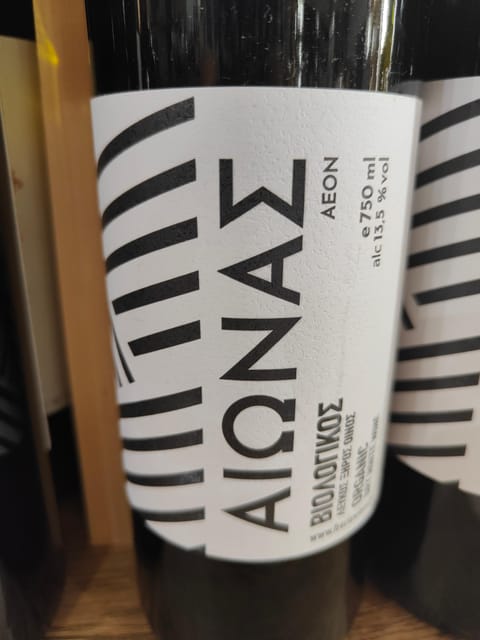
Yes, if you want a compact and personal introduction to Greek extra virgin olive oil. The combination of four listed oils, bread, cheese, wine, herbs, and spices gives you plenty to taste, while Anton’s guidance helps you understand what you are noticing.
Book it if you value local food knowledge, small groups, and practical advice. Skip it if you want a farm visit, a full meal, or a long wine tasting. At $23, it is an easy addition to an Athens itinerary, especially for anyone who expects to bring Greek olive oil home and wants to choose with more confidence.
FAQ
Where does the olive oil tasting take place?
The meeting point is CRU BEE-HAVING Wine & Olive Oil Tastings. Look for the wine and olive oil bar with the black cat poster and come inside.
How long does the experience last?
The activity lasts 40 minutes.
How many olive oils will I taste?
The included items list four extra virgin olive oils. Another description refers to tasting three oils, so confirm the final number when booking.
What food and drink are included?
The tasting includes bread, mountain organic herbs, common spices, cheese, and a glass of wine.
What language is the experience in?
The instructor-led experience is conducted in English.
How large is the group?
The activity is limited to 10 participants.
What will I learn during the tasting?
You will learn about extra virgin olive oil categories and styles, Greek olive regions, tasting methods, quality criteria, general evaluation, food pairings, and some health and cosmetic uses.
Can children join the experience?
No. The activity is not suitable for children under 16. It is also not suitable for people over 95.
Newest grove reviews around Greece
- Corinthian olive oil tour & tasting experience★ 5.0 · 4 reviews
- Corfu: Olive Oil & Wine Tastings & Traditional Villages Tour★ 5.0 · 6 reviews
- Corfu: Organic Olive Oil Farm Tour with Transfer and Tasting★ 5.0 · 8 reviews
- Chania: Authentic Crete Villages Tour & Olive Oil Tasting★ 4.5 · 2 reviews
- Chania Olive Tour: 3,000-Year-Old Tree, Museum &Organic Mill★ 5.0 · 5 reviews
- Chania Private Olive Oil Tour: Oil Tasting & Villages Tour★ 4.4 · 9 reviews
- Chania E-Bike Adventure: Culture, Coastline & Olive Tasting★ 5.0 · 2 reviews
- Athens: Cretan Olive Oil Tasting Experience★ 5.0 · 10 reviews
Olive Oil and Wine Tastings, compared.
Sorrento Farm and Food Experience including Olive Oil, Limoncello, Wine tasting
Read our review →
Krka Waterfalls With Boat Cruise, Wine and Olive Oil
Read our review →
Lemon, Olive Oil and Wine Tasting Tour with Lunch
Read our review →
Browse the lists this tour appears in