
Review · PELOPONNESE OLIVE OIL TOURS
Olive Facility Visit with Olive Oil Tasting Session
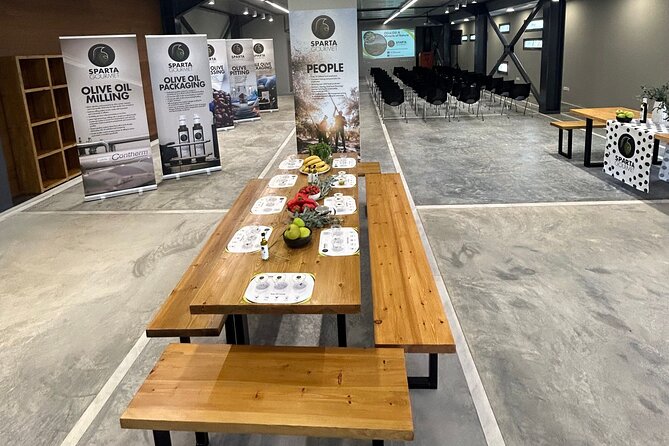
The most useful part of this Peloponnese olive oil tour is that it connects the finished bottle with the trees, machinery, and regional food traditions behind it. At Sparta Gourmet, you walk through the factory while it is not operating, visit a small grove with several Greek olive varieties, then sit down for a guided tasting of three extra virgin olive oils.
I like the clear focus on tasting rather than simply touring a shop, and I like the practical details: green apple slices and water help cleanse your palate, while Kalamata olives and olive paste make the session feel like a proper Greek food stop. The main consideration is timing. At about 90 minutes, this is a compact introduction, and the factory will not be running during the visit.
Key points to know before booking
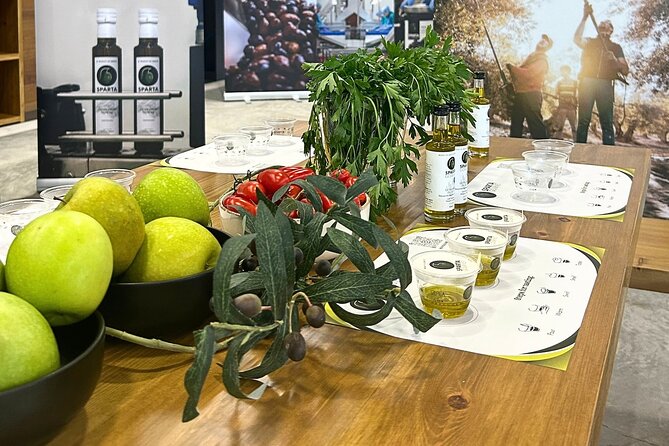
- Three extra virgin olive oils are sampled, with water and green apple between each one.
- The factory is visited while non-operational, so expect explanations and a look at the facility rather than active production.
- A brief olive grove visit introduces several olive varieties native to Greece.
- The EVOO expert explains tasting technique, including how to notice aromas and flavors.
- Kalamata olives and olive paste are available, with vegan and vegetarian tasting sessions offered.
- Parking, restrooms, a product boutique, and a public 300-kilowatt EV charger make this an easy stop by car.
A short stop with a strong Greek food focus
Sparta Gourmet sits at the 9th kilometer of the National Road between Sparta and Gytheio, in the Peloponnese. The setting makes sense for an olive-focused visit. This is not a city-center tasting room squeezed between souvenir shops. You reach a working food facility, see where olive products are handled, and get a little context for the trees that shape local cooking and farming.
The visit lasts about one hour and 30 minutes. That is long enough for a guided walk, a grove stop, an introduction to the company, and a proper tasting without taking half a day from your Peloponnese itinerary.
I would treat this as a focused food stop rather than a full agricultural tour. You will learn about the olive tree’s importance to the region and its life cycle, but the supplied details do not promise an extended farm walk or a full harvest demonstration.
More Olive Oil Tours around Greece:
- Crete: Quad Safari, Olive Mill with Tasting & Ghost Village
★ 4.9 · 1,004 reviews - Knossos-Zeus Cave -Old Traditional Villages-Olive Oil Factory
★ 5.0 · 694 reviews - The Governor’s Olive Mill Tour with Olive Oil Tasting
★ 5.0 · 502 reviews
Walking through a quiet olive facility
The factory tour begins with a guided walk through Sparta Gourmet’s facilities. Since the factory is non-operational during the visit, you should not expect to watch a live shift of olives being processed. That limitation is worth knowing before you book, especially if your main interest is seeing machinery running.
The quiet setting has a useful side. You can concentrate on the explanation of how olive products are made without having to compete with factory noise or moving equipment. The tour can focus on the stages of production, the care required to protect oil quality, and the difference between olives prepared for eating and oil intended for tasting.
The facility visit also gives the tasting some context. Instead of sampling anonymous oils at a table, you first see the place associated with the products. That link matters. Olive oil can look simple on a shelf, but its quality depends on the fruit, the handling, and the production choices made before it reaches your kitchen.
The provided information also highlights Kalamata olive production, including sorting, curing, and packaging. These are useful details for anyone who knows Kalamata olives mainly as a restaurant garnish. Here, you can connect the familiar dark olive with the practical work that prepares it for sale.
Do not expect the same spectacle as a busy winery during harvest. This stop is calmer and more instructional. If you want a live production floor, ask before booking. If you want a straightforward explanation of olive products followed by tasting, the arrangement works well.
A brief look at Greek olive trees
After the facility walk, you visit the olive grove attached to the site. The grove includes various olive varieties native to Greece, giving you a chance to see the trees as living crops rather than as a symbol printed on a label.
The grove stop is brief, so think of it as an introduction rather than a long nature walk. Its value is in the connection between variety and flavor. Olive oil does not come from one uniform product. Different trees and growing conditions can help produce oils with different aromas, bitterness, pepperiness, and fruit character.
The guide also covers the olive tree’s life cycle and its importance to the region. That regional context helps explain why olive oil appears in so many parts of Greek food culture. It is used for cooking, dressing, preserving, and serving at the table, while olive trees remain a visible part of the countryside.
You will want sensible shoes for the walking portion, though the visit is short. No special hiking ability is described, and the activity is built around a facility tour and tasting rather than strenuous outdoor activity.
Learning how to taste extra virgin olive oil
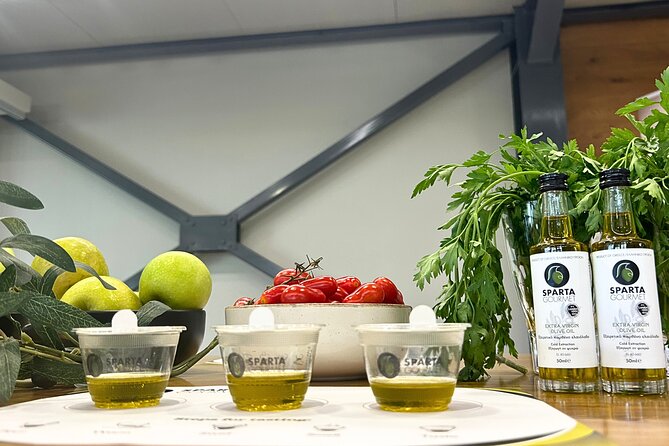
The tasting is the heart of the visit. An EVOO expert leads you through three olive oil samples and explains how to assess them. This is more useful than simply being handed three cups and told which one tastes best.
Water and green apple slices are provided between samples to clear your palate. Use them. Olive oil flavors can linger, and moving too quickly from one sample to the next can blur the differences. Take a small amount, notice the smell first, taste it slowly, and compare the finish with the next sample.
The tasting format should help you pay attention to qualities you might otherwise miss. You may notice fruit aromas, a bitter edge, or a peppery sensation in the throat. Those sensations are not automatically flaws. The expert’s guidance is there to help you understand what you are tasting rather than judge an oil only by how mild it seems.
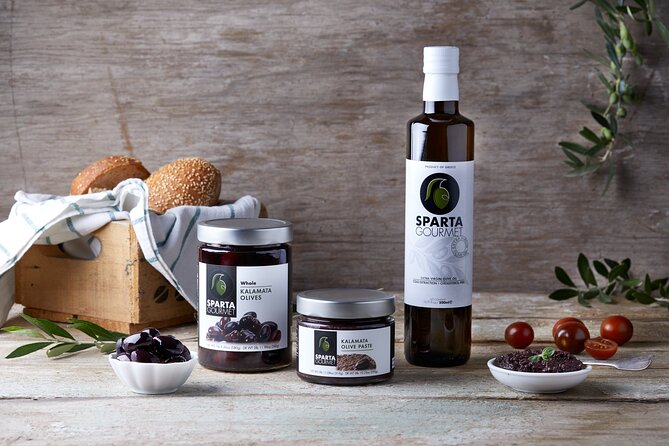
Kalamata olives and olive paste are available as snacks. They add a welcome food element, though the main sample is the trio of olive oils. If you normally enjoy olive oil with bread, do not assume bread is included, since it is not listed among the tasting items.
This is also a good place to reset your idea of olive oil. Many people use it as a cooking fat and never stop to compare bottles side by side. Tasting three oils in a guided setting gives you a better sense of why producers describe oils by variety, origin, aroma, and finish.
Same groves, a different afternoon:
- From Chania: Olive Oil, Wine, Cheese & Honey Tasting Tour
★ 4.6 · 490 reviews - Crete: Road-trip to Lasithi, Zeus Cave & Olive Mill Farm
★ 4.4 · 451 reviews - Heraklion: Olive Farm Tour with Tasting of Local Delicacies
★ 4.9 · 411 reviews - Lassithi, Zeus Cave, Olive Mill Farm & Knossos Combo Tour
★ 4.6 · 404 reviews
What the three samples tell you
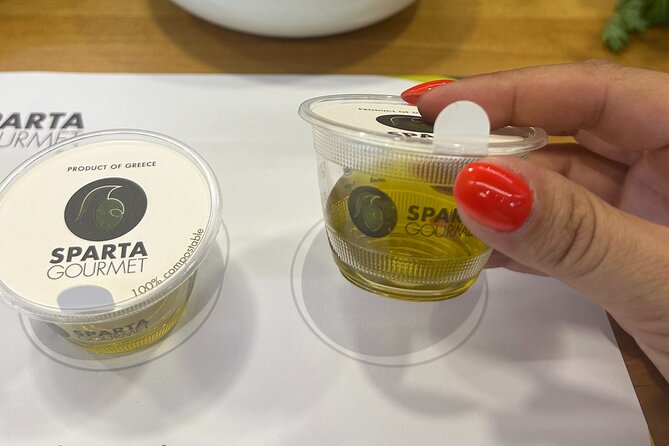
Three samples are enough for a useful comparison without turning the visit into a technical certification course. You can focus on how each oil differs, then ask questions while the flavors are still fresh.
The session is especially useful if you are planning to buy olive oil at the boutique afterward. A tasting gives you a better chance of choosing something because you understand its flavor, not simply because the label looks attractive.
I also like the presence of an expert guide. The session is not just a product pitch. It includes tasting tips and an explanation of the company, olive cultivation, and local importance. Still, the tour takes place at a facility with products for sale, so keep your buying decisions separate from the tasting. You can enjoy the session without feeling obliged to fill your suitcase.
The available information does not list the names of the guides. What it does establish is that the tour includes an English and Greek-speaking guide, with an EVOO expert leading the tasting. English-speaking visitors should be able to follow the main presentation.
Price, timing, and what you receive
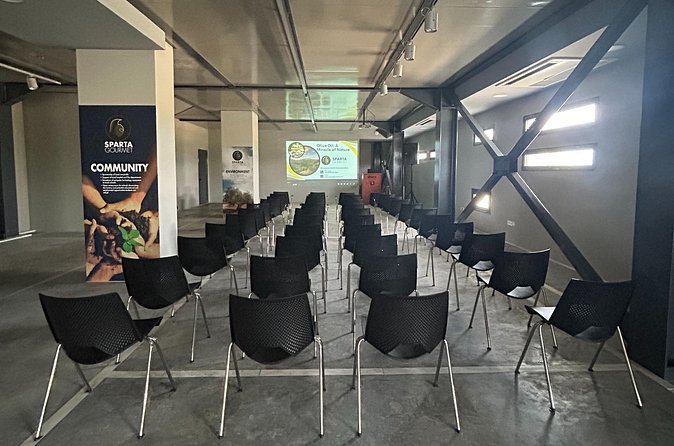
At $29.04 per person, the visit is priced as a short guided food activity rather than a full-day excursion. The value comes from the combination of a facility walk, a grove visit, a structured tasting, and the chance to learn how to assess olive oil.
For me, that price makes the most sense if you already plan to drive near Sparta or along the road toward Gytheio. You avoid paying for a long transfer, and the stop fits neatly into a day that includes other Peloponnese sights.
It is less compelling if you are traveling a long distance solely for a 90-minute visit and do not have other plans in the area. The activity does not include transportation, and there is no wider sightseeing program attached to it. Its value depends partly on how easily you can add it to your route.
The group is limited to a maximum of 20 people. That is not a private tour, but it is small enough for the tasting to remain manageable. A smaller group can also make it easier to hear the expert and ask questions, though the exact group size on your date may vary.
Booking is typically made about 12 days ahead, so I would not leave it until the last minute if your schedule in the Peloponnese is fixed. Confirmation is provided when you book, and the experience offers free cancellation if you cancel at least 24 hours before the start time. Changes or cancellations inside that period are not accepted for a refund.
Useful comforts at the facility

The practical setup is better than you might expect from a short rural food stop. There is ample parking, which matters if you are exploring the Peloponnese by rental car. Restrooms are available, and an automated snack and beverage machine provides a basic backup if you need something before or after the tasting.
The on-site boutique sells products from the facility. This is convenient if a particular oil, olive product, or paste catches your attention. I would take a moment to compare what you tasted with the products on the shelves, then buy only what you can carry comfortably.
Electric-car drivers have another reason to note the location. A 300-kilowatt EV charging station is available for public use, though charging is handled by the third-party company Protergia and is not included in the tour price. This can make the stop practical during a longer driving day, but the tour itself does not cover the charging fee.
These details do not turn the activity into a full visitor center. They simply remove some of the small hassles that can make a short roadside stop awkward.
Dietary options and the right audience
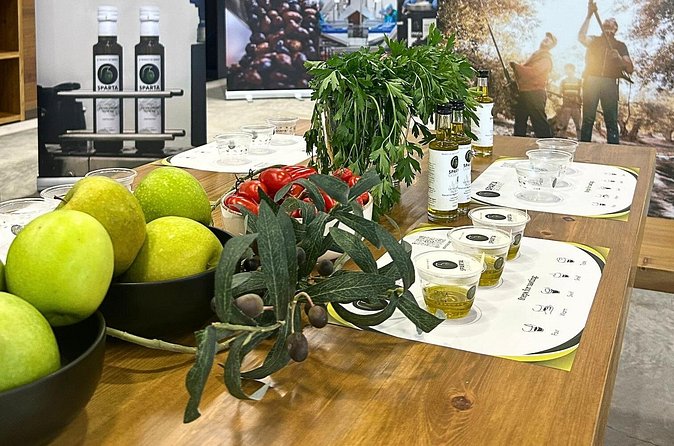
The tasting sessions are available for vegans and vegetarians. Gluten-free and dairy-free versions can be arranged upon request. If you have a dietary need, state it when booking rather than waiting until you arrive.
The listed food items are naturally well suited to a plant-based tasting: olive oils, Kalamata olives, olive paste, apple slices, and water. Still, special requests should be confirmed in advance because the official information only promises gluten-free and dairy-free arrangements upon request.
I would recommend this activity to:
- People curious about Greek food beyond the standard restaurant meal
- Drivers touring the Sparta and Gytheio area
- Olive oil shoppers who want help comparing flavors
- Visitors who prefer a short, structured activity
- Vegans and vegetarians looking for a suitable tasting
- Anyone who wants a local production setting without committing to a full-day tour
It may not suit you if you need a live factory operation, a long walk through olive country, or an activity with extensive transportation and sightseeing.
How to make the most of the visit
Arrive ready to listen during the facility walk, even though the factory is quiet. The production explanation is the bridge between the building, the grove, and the tasting table.
During the oil tasting, slow down. Smell each sample before tasting it, use the apple and water between oils, and pay attention to the aftertaste. You do not need specialist vocabulary. Simply noting which oil seems fruitier, sharper, milder, or more peppery will make the comparison more useful.
Leave room in your plans for the boutique, especially if you are driving onward. The actual guided activity is about 90 minutes, but browsing products, using the restrooms, or charging an EV can extend your stop.
Finally, remember the factory schedule. This is an educational visit to a non-operating facility, not a promise of active olive pressing. That distinction is the main thing to understand before booking.
Should you book the Sparta Gourmet olive oil visit?
Book it if you will be near Sparta, want a clear introduction to Greek olive oil, and value a tasting led by an EVOO expert. The combination of three samples, palate cleansers, Kalamata olives, a grove visit, and a facility walk gives you a lot to work with in 90 minutes.
Skip it if you are seeking a live harvest or production show, or if reaching the facility would require a major detour. For drivers already exploring the Peloponnese, the parking, boutique, restrooms, and EV charger add practical value. For everyone else, the decision comes down to how much you care about olive oil and how easily this short stop fits your route.
FAQ
Where is the olive oil visit located?
It takes place at Sparta Gourmet S.A., 9th km N.R, EO Spartis Githiou, Sparti 231 50, Greece.
How long does the activity last?
The visit lasts approximately one hour and 30 minutes.
What is included in the tasting?
You receive samples of three olive oils, along with water and green apple slices to cleanse your palate. Kalamata olives and olive paste are available for snacking.
Is the factory operating during the visit?
No. The guided walking tour takes place while the factory is non-operational.
Will I visit an olive grove?
Yes. The activity includes a brief visit to a grove with various olive varieties native to Greece.
Who leads the olive oil tasting?
An EVOO expert leads the tasting and explains the company, the olive tree’s importance to the region, its life cycle, and tasting tips.
Is the tour offered in English?
Yes. The experience is offered in English and includes an English and Greek-speaking guide.
Are vegan and vegetarian tastings available?
Yes. Vegan and vegetarian tasting sessions are available.
Can dietary requests be accommodated?
Gluten-free and dairy-free options are available upon request.
Is parking available at Sparta Gourmet?
Yes. The facility has ample parking, restrooms, a boutique, an automated snack and beverage machine, and a public 300-kilowatt EV charging station. EV charging is provided separately by Protergia and is not included in the tour price.
Newest grove reviews around Greece
- Athens: Greek Wine & Olive Oil Tasting at Brettos Plaka★ 4.5 · 3 reviews
- Breakfast in the markets with olive oil and honey tasting★ 4.8 · 8 reviews
- PRIVATE RHODES TOUR + Lunch Stop & WINE/OLIVE OIL Tasting★ 5.0 · 2 reviews
- Olive Tour & Tasting★ 5.0 · 4 reviews
- Private Tour in Historic Estate in Monemvasia with wine-olive oil tasting & meal★ 5.0 · 4 reviews
- Olive Oil Tasting at the Mykonian Farm★ 4.5 · 3 reviews
- Olive Oil Tour close to Nafplio★ 4.5 · 3 reviews
- Olympia Shore Ex: Premium Private Package -Tickets & Olive Market★ 4.5 · 5 reviews
Peloponnese Olive Oil Tours, compared.

Olive oil Mill Visit & Olive oil tasting Experience
Read our review →

SYSTASIS Olive Oil Tasting Experience in Ermioni Greece
Read our review →
Private Tour in Historic Estate in Monemvasia with wine-olive oil tasting & meal
Read our review →Browse the lists this tour appears in