
Review · OLIVE MILL AND FACTORY TOURS
Olive oil Mill Visit & Olive oil tasting Experience
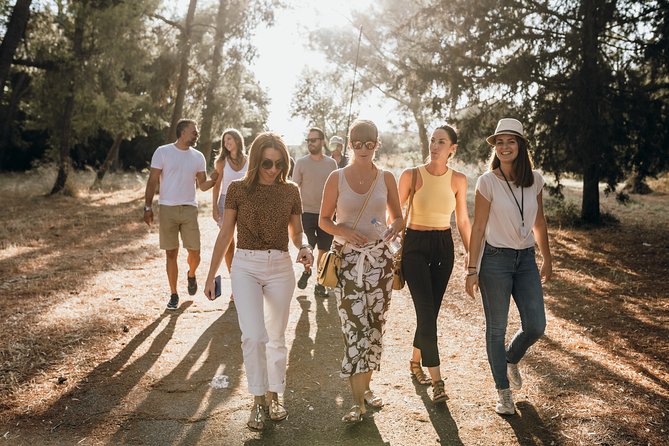
The best part of this experience is that it connects the olive tree to everyday life in Messinia. You begin at a 13th-century castle, visit a traditional olive museum that has served the village for more than 120 years, then see how modern extra virgin olive oil is made. I especially like the small-group format, capped at 16 people, and the tasting, where bread, cheese, vegetables, Kalamata olives, and tapenade turn a lesson into a proper local snack.
I also like the human touch. Guides including Athanasia, Dimitra, Stavroula, Kalliopi, Georgia, Demeter, and Calliope are praised for their warmth and clear explanations. The main consideration is timing: the visit lasts about 90 minutes, and the mill may not be running when you go, depending on the season. It is a focused introduction, not a full-day farm outing or lunch tour.
Key points at a glance
- A castle village sets the scene: Begin at Androusa’s 13th-century castle, only about 20 minutes from Kalamata and 10 minutes from Ancient Messene.
- Two kinds of olive-mill history: See a traditional olive museum in a building used for more than 120 years, then visit a modern mill.
- The tasting is instructional: An olive oil expert explains aroma, flavor, and the qualities that define extra virgin olive oil.
- Local food makes the lesson practical: Pair oils with bread, cheese, vegetables, Kalamata olives, and olive tapenade.
- The group stays manageable: A maximum of 16 people allows for questions without making the visit feel crowded.
- Plan around the season: You may see the mill rather than active production, since machinery may not be operating year-round.
Why Androusa is a smart place to learn about olive oil
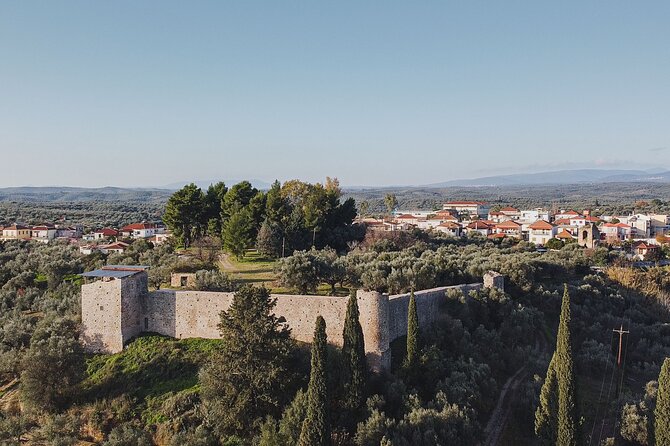
Androusa sits in the heart of Messinia, one of Greece’s best-known olive-growing areas. The meeting point is at Epar.Od. Ellinoklissias-Androusa 29, in the village of Androusa. From Kalamata, the drive takes about 20 minutes. From Ancient Messene, it is about 10 minutes, making this an easy add-on if you are already exploring the archaeological site.
The setting matters. Olive oil can feel like a supermarket subject until you see the trees, the old equipment, the modern mill, and the food on the table. Here, the lesson begins with the local olive varieties and the old trees that have shaped village life for generations.
You will also hear the stories attached to the perennial olive trees. That detail gives the tour more substance than a standard tasting counter. You are not simply sampling a bottle. You are learning why olive oil is tied so closely to families, farming, food, and Greek tradition in this part of the Peloponnese.
The visit is offered in English, with a tour leader guiding the group. Since the maximum is 16 people, you should have a reasonable chance to hear the explanations and ask questions. It is still a group activity, but it has the scale of a personal visit rather than a large coach stop.
More Olive Mill and Factory Tours in Greece
- Crete: Quad Safari, Olive Mill with Tasting & Ghost Village
★ 4.9 · 1,004 reviews - Knossos-Zeus Cave -Old Traditional Villages-Olive Oil Factory
★ 5.0 · 694 reviews - The Governor’s Olive Mill Tour with Olive Oil Tasting
★ 5.0 · 502 reviews
Starting at Androusa’s 13th-century castle
The first stop is the castle of Androusa. This gives you a useful sense of place before the food and machinery take over. The castle is not just a backdrop for photographs. It introduces the age of the village and the long span of local life around it.
The tour uses the castle area to discuss olive trees and local varieties. You can expect stories about the old trees and their role in the region. This part is especially useful if you know little about olives beyond the labels on supermarket bottles.
The castle stop also helps break up the visit. You are not planted at a tasting table from the first minute. You move from village setting to museum to working mill, following the olive from tree to oil.
Keep your expectations in check. This is a short experience, not a full castle tour with a long architectural lecture. The castle serves as the opening point for the olive story. If your main goal is a detailed examination of the fortress itself, you will need to allow separate time for that.
A 120-year-old olive museum and traditional mill
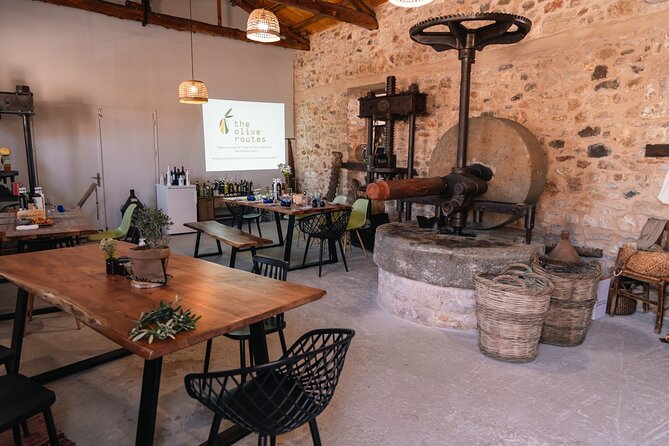
In the center of Androusa, you visit a traditional olive museum that has been part of the village for more than 120 years. This is where the older methods become easier to understand. The age of the site gives the visit a strong connection to family farming and earlier olive production.
The traditional mill helps you see how much work once went into turning olives into oil. Even if you are not an equipment enthusiast, the older setting gives useful context for the modern facility that follows. You can compare the pace and methods of earlier production with present-day processing.
This stop is also one of the more distinctive parts of the experience. Many food tours offer a tasting but skip the places that explain how the product was made. Here, the old mill and museum give you a physical link to the past.
The tour is not described as a long, technical museum visit. Expect a guided introduction rather than a self-paced exhibition with extensive displays. That suits a 90-minute activity, but visitors who want a full agricultural museum may find it brief.
Seeing the modern mill and extra virgin production
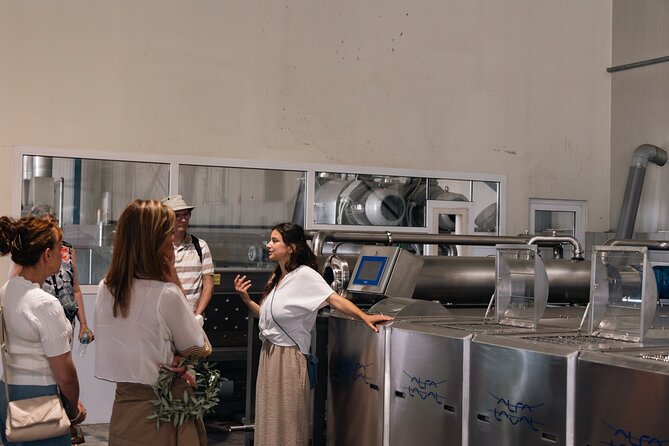
Next comes a modern olive oil mill. The focus shifts from tradition to production, with an explanation of how extra virgin olive oil is made and what gives it its quality.
This is the part that answers practical questions. What happens after olives are harvested? How does oil move from fruit to bottle? What separates extra virgin oil from lower grades? Your guide and tasting expert explain the process in accessible terms, linking production to the flavors you will soon taste.
The experience does not include an air-conditioned vehicle, so you make your own way to the meeting point and between the included stops. That is worth noting when planning your day, especially in warmer weather. The tour itself is short, but the drive from another town can make it part of a larger outing.
There is one seasonal limitation. The mill machinery may not be running when you visit. A past participant specifically wished to see the equipment in action, and the tour team explained that active production depends on the time of year. If seeing live pressing is essential to you, ask about the season before booking.
The olive groves and plantation are also not the main focus of this particular 90-minute visit. A separate experience includes olive groves, gardens, fruits, and herbs. For this tour, the emphasis is the castle, traditional museum, modern mill, and tasting.
Same groves, a different afternoon:
- From Chania: Olive Oil, Wine, Cheese & Honey Tasting Tour
★ 4.6 · 490 reviews - Crete: Road-trip to Lasithi, Zeus Cave & Olive Mill Farm
★ 4.4 · 451 reviews - Heraklion: Olive Farm Tour with Tasting of Local Delicacies
★ 4.9 · 411 reviews - Lassithi, Zeus Cave, Olive Mill Farm & Knossos Combo Tour
★ 4.6 · 404 reviews
The tasting: learning to recognize good olive oil

The tasting workshop is the heart of the experience. An olive oil expert leads you through different varieties and explains their organoleptic characteristics, meaning the qualities you notice through smell, taste, and sensation.
That wording may sound technical, but the practical idea is simple. You learn how to pay attention to the oil rather than swallowing it quickly with bread. Aroma, bitterness, fruitiness, and the peppery sensation associated with fresh olive oil become part of the discussion.
You also learn what helps define extra virgin olive oil. This is useful well beyond Greece. Once you understand what you are looking for, you can make better choices at home and avoid treating every green bottle as the same product.
The session is designed to be interactive. The guides encourage questions and explain the subject without making it feel like a formal certification course. Athanasia is specifically associated with warm, engaging explanations, while Dimitra and Calliope are also named among the hosts connected with the experience.
Do not expect a wine-tasting ritual copied onto olive oil. The tasting has its own vocabulary and habits. The point is to notice differences between oils and understand how the fruit, production, and freshness affect the result.
Kalamata olives, tapenade, and small local bites
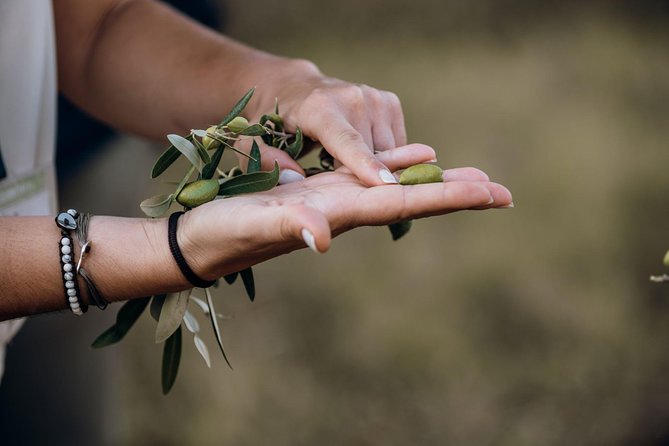
The tasting becomes much more enjoyable when the oil is paired with food. You sample bread, cheese, vegetables, Kalamata olives, and olive tapenade. These are small bites rather than a guaranteed full meal, so you should not book the tour as a substitute for lunch.
The food pairing is important because olive oil changes when eaten with other ingredients. Bread gives you a simple base. Cheese adds salt and richness. Vegetables show how the oil behaves with fresh produce. Kalamata olives and tapenade bring the olive flavor into sharper focus.
The food is described as homemade and delicious, with ingredients tied to the region. Some versions of the wider experience have included a full homemade lunch, but this specific activity lists small bites and does not include lunch. Keep that distinction in mind when planning your day.
You can also buy the products tasted during the visit. That makes the end of the tour practical. Instead of guessing which bottle or tapenade you liked, you can take home the oil that matched your palate and share a taste of Messinia with friends or family.
What the 90-minute schedule really means
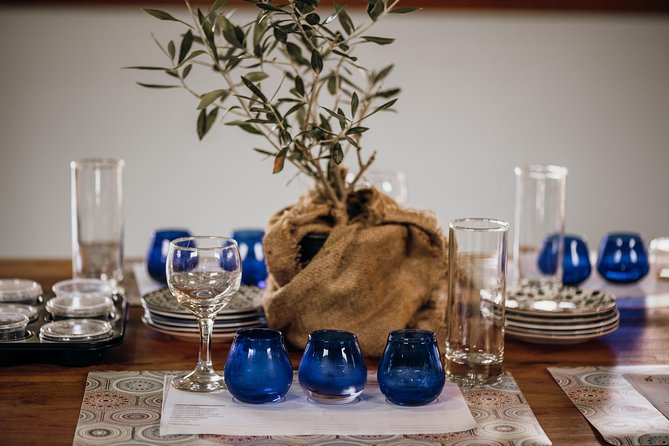
Ninety minutes is enough for a clear introduction, but it leaves little room for wandering. The tour moves through several parts of the olive story, so the pace should feel purposeful.
You begin at the meeting point, visit the castle area and learn about local trees, then continue to the traditional museum and modern mill. The final portion is the tasting workshop and food pairing. The activity ends back at the meeting point.
This format works well if you are combining it with Ancient Messene or a day around Kalamata. It is also a good choice if you want a cultural stop that does not consume an entire afternoon.
On the other hand, you may want more time if you are hoping to walk through olive groves, see harvest work, watch the machines running, or sit down to a long meal. Those interests point toward a longer or different olive-focused activity.
The tour requires good weather. If poor weather forces a cancellation, you are offered another date or a full refund. For normal cancellations, you can receive a full refund if you cancel at least 24 hours before the start time. Changes or cancellations made inside that window are not accepted.
Is $54.31 a fair price?
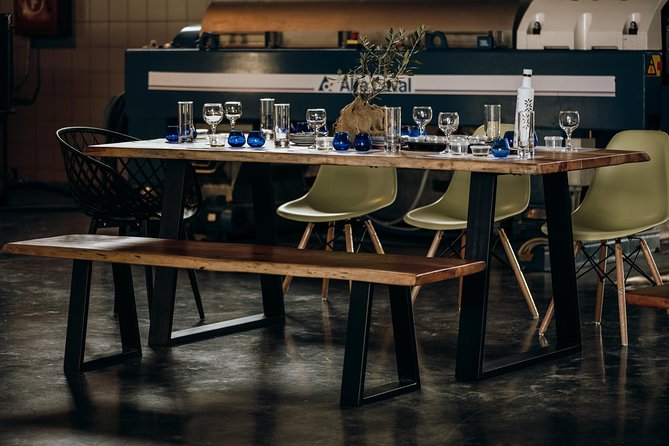
At $54.31 per person, this is not the cheapest way to taste olive oil. You are paying for more than samples, though. The price includes a tour leader, visits to both traditional and modern olive facilities, an expert-led workshop, local food pairings, and a small-group setting.
I consider the value strongest for people who want context. A bottle tasting alone can be brief and forgettable. Here, you learn about the trees, the village, production, and Greek food traditions before tasting the oil. That gives the price a clearer purpose.
The value is weaker if you mainly want lunch, a farm walk, or a full production demonstration. Lunch is not included, transportation is not included, and the machinery may not be operating during your visit.
The small-group limit of 16 helps justify the cost. You are less likely to feel like a number in a large tour crowd, and the workshop leaves room for direct questions. The overall experience feels best as a focused cultural stop, not as an all-day agricultural excursion.
Who will enjoy this experience most?
I would recommend it to anyone staying in or near Kalamata who wants a local food experience with real context. It is particularly useful for first-time visitors to Messinia, since it introduces one of the region’s defining products in a short, organized format.
It suits couples, families, and adults interested in food, farming, and Greek traditions. Most people can participate, and service animals are allowed. Since the activity is offered in English, you should be comfortable following an English-language explanation.
You will get the most from it if you ask questions and pay attention during the tasting. The workshop is not just a snack break. It teaches you how to compare oils and understand what you are tasting.
It may not suit you if you dislike organized visits or want to explore at your own pace. It is also not the right pick if your main priorities are a long olive-grove walk, active machinery, or a substantial meal.
Practical advice before you go
Meet at Epar.Od. Ellinoklissias-Androusa 29 in Androusa. The activity returns to the same meeting point, and you arrange your own transport. From Kalamata, allow about 20 minutes for the drive. From Ancient Messene, allow about 10 minutes.
The tour is booked with a mobile ticket and is offered in English. Confirmation normally arrives at booking, although reservations made within one day of the visit are confirmed as soon as possible, subject to availability.
Wear something comfortable for moving between the different stops. The supplied details do not promise specific clothing or equipment, but the experience includes a castle setting, museum, mill, and tasting area rather than one single indoor room.
Book ahead if your schedule is fixed. The experience is booked, on average, 33 days in advance, and the group has a maximum of 16 people. That does not guarantee a sellout on your date, but it is a good reason not to leave a popular-season visit until the last minute.
Should you book the olive oil mill visit?
Book it if you want to understand why olive oil matters in Messinia, not just taste it. The combination of Androusa’s castle, a century-old traditional setting, a modern mill, and an expert-led tasting gives you a well-rounded introduction in a manageable 90 minutes.
I would choose it for a Kalamata or Ancient Messene itinerary, especially if you enjoy food with a story. The warm, personal guiding style associated with Athanasia, Dimitra, and the wider team is a major part of the appeal.
Skip it if you need a full lunch, transport, a long grove walk, or guaranteed live pressing. For everyone else, the price buys a useful lesson, good local bites, and a bottle-shopping education you can carry home.
FAQ
Where does the olive oil tour begin?
The tour begins at Epar.Od. Ellinoklissias-Androusa 29 in Androusa, Greece, and ends back at the same meeting point.
How long does the experience last?
The activity lasts approximately 1 hour and 30 minutes.
How far is Androusa from Kalamata and Ancient Messene?
Androusa is about a 20-minute drive from Kalamata and about 10 minutes from Ancient Messene.
Is transportation included?
No. An air-conditioned vehicle is not included, so you must arrange your own transportation to the meeting point.
Is lunch included?
No. The experience includes small bites such as bread, cheese, vegetables, Kalamata olives, and olive tapenade, but lunch is not included.
What is the cancellation policy?
You can cancel at least 24 hours before the start time for a full refund. Cancellations or changes made less than 24 hours before the start time are not accepted for a refund. If poor weather causes the activity to be canceled, you will be offered another date or a full refund.
Newest grove reviews around Greece
- Corinthian olive oil tour & tasting experience★ 5.0 · 4 reviews
- Corfu: Olive Oil & Wine Tastings & Traditional Villages Tour★ 5.0 · 6 reviews
- Corfu: Organic Olive Oil Farm Tour with Transfer and Tasting★ 5.0 · 8 reviews
- Chania: Authentic Crete Villages Tour & Olive Oil Tasting★ 4.5 · 2 reviews
- Chania Olive Tour: 3,000-Year-Old Tree, Museum &Organic Mill★ 5.0 · 5 reviews
- Chania Private Olive Oil Tour: Oil Tasting & Villages Tour★ 4.4 · 9 reviews
- Chania E-Bike Adventure: Culture, Coastline & Olive Tasting★ 5.0 · 2 reviews
- Athens: Cretan Olive Oil Tasting Experience★ 5.0 · 10 reviews
Olive Mill and Factory Tours, compared.
Knossos-Zeus Cave -Old Traditional Villages-Olive Oil Factory
Read our review →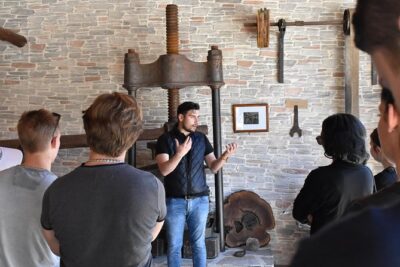
The Governor’s Olive Mill Tour with Olive Oil Tasting
Read our review →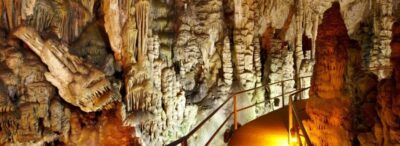
Road-trip to Lasithi, Zeus Cave & Olive Mill Farm
Read our review →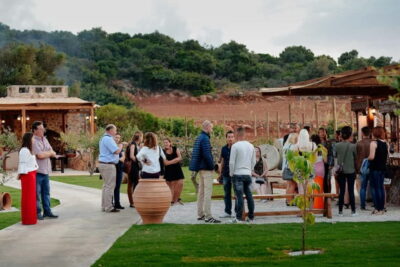
Lassithi, Zeus Cave, Olive Mill Farm & Knossos Combo Tour
Read our review →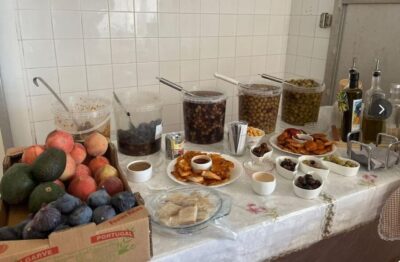
Lake Garda Oil Mill Tour with Olive Oil Tasting
Read our review →Browse the lists this tour appears in