Review · OLIVE SOAP WORKSHOPS
Crete: Olive Oil, Soap, Wine, Raki – Flavorful Culinary Journey
Crete’s best flavors are made far from the beach. This six-hour outing takes you into the countryside around Heraklion for olive oil, wine, raki, soap, and a long Cretan meal. I like the family-run producers and the chance to meet the people behind the food. I also like the small group size, which can make a full day feel social rather than crowded.
The main caution is the pace. This is a packed day, and lunch may not arrive until around 3 p.m. Summer heat, limited water at some stops, uneven ground, and stairs at the winery also matter. Bring water, eat breakfast, and wear shoes with a good grip.
Key points at a glance
- Fresh olive oil at a working mill: Taste several oils with bread and learn how local olives become Cretan kitchen staples.
- Three indigenous wines and barrel-aged raki: The tastings give you a useful introduction to drinks that shape everyday Cretan hospitality.
- A soap-making workshop: Olive oil takes on a new life here, and the hands-on demonstration is one of the day’s more unusual stops.
- A traditional meal in Peza Village: Expect shared local dishes and a simple, filling lunch rather than a formal restaurant meal.
- Small groups of up to 15: Some departures have been much smaller, with only five to eight people in a van or across two vans.
- Hotel pickup and air-conditioned transport: Exact pickup details arrive by text or email, usually after your booking information is checked.
Following Crete’s food trail inland
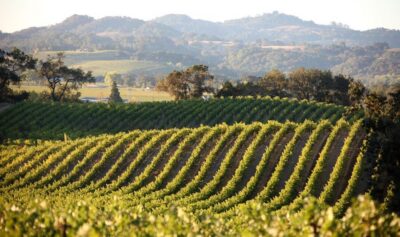
This experience is built around the Peza wine country and nearby rural communities east of Heraklion. The drive gives you a view of Crete beyond its resort towns, with olive groves, vineyards, small workshops, and family businesses rather than major sightseeing monuments.
You are not signing up for a single grand winery visit. Instead, the day links several modest producers. That is the point. You see how local food and drink are made in places where the same families may grow, produce, serve, and sell their goods.
The tour costs about $111.26 per person. That is a fair price if you value transportation, several tastings, a light lunch, and access to small producers. Booking separate taxis, tasting visits, and meals would be awkward and could cost more. The value drops if you mainly want a serious wine education or a scenic vineyard tour, since some stops are production facilities rather than large, photogenic estates.
The vehicle is air-conditioned, and the group limit is 15. In practice, the outing may run in two vans, or feel almost private when only a handful of people book. That small scale helps when you want to ask questions or chat with the hosts.
More Olive Oil and Wine Tastings in Greece
- Private Tour-Knossos Palace Zeus Cave Olive Oil Mill & Wine
★ 5.0 · 135 reviews - Crete: Olive, Wine, & Raki on a Flavorful Culinary Journey
★ 4.7 · 56 reviews - Semi Private Wine, Olive Oil, and Terroir Tour of Heraklion area with Tastings
★ 5.0 · 39 reviews
Starting with olive oil and the people who make it
Olive oil is not just a tasting item in Crete. It is one of the island’s daily foundations, and the olive mill visit explains what goes into producing it. You can expect a tour of the operation, an explanation of the process, and a tasting of several oils with bread.
Some visits have included an olive and dragon fruit farm, where Alex explains the crops and offers small samples of olive oil, olives, dragon fruit, herbal tea, olive marmalade, and a yogurt dessert flavored with bergamot. That unusual combination gives the stop extra character, although the exact farm presentation may vary.
The facilities are small and family-run. That makes the visit personal, but it also means you should not expect a polished visitor center. One account noted that there was no dedicated public bathroom, with use of the family home instead.
The olive oil stop is also where the tour can feel most educational. You learn to notice differences in aroma, bitterness, and finish rather than simply pouring oil over bread and moving on. You may also hear about farming problems, including water shortages affecting local producers.
For me, this is a good reason to choose the tour. You get practical food knowledge you can use at home, and you meet a producer instead of only seeing bottles on a shop shelf. If you hope to walk through endless olive groves, keep your expectations modest. The visit involves a short walk, and one detailed account described roughly 50 yards over uneven, sloping dirt.
Wine in small cellars and larger facilities
Wine appears in more than one form during the day. A small family operation may offer a walk among the vines, the chance to taste grapes from the plant, and three wines with raki and a liqueur. Another stop may introduce you to a larger Cretan producer, where the production side feels more like a winery facility than a country estate.
The contrast is useful. At the small operation, you get a close look at personal, low-volume production. At the larger winery, you can better understand how wine is made and presented on a bigger scale. The tastings focus on indigenous varieties, so this is a good introduction if you do not know Cretan grapes.
Wine service can be uneven. One person found the wine too warm to enjoy, an important warning in the hot months. Wine lovers should approach this as a broad introduction rather than a specialist tasting. If temperature matters to you, it is reasonable to ask how the bottles are being served.
A winery visit may also involve a longer walk than the olive farm. Expect stairs and sloping surfaces, with one account estimating about 30 minutes on foot. The tour is not wheelchair accessible, and the vehicle steps may be difficult for anyone with limited mobility. Ask for full details before booking if stairs or uneven ground are a concern.
The wine hosts are often a highlight because they explain their own work. One visit included the owner as the guide, making the tasting feel intimate and direct. That personal contact is more valuable than a long technical lecture, especially if you are curious about how Cretan wine fits into local meals.
Raki, the drink that turns a visit into a welcome
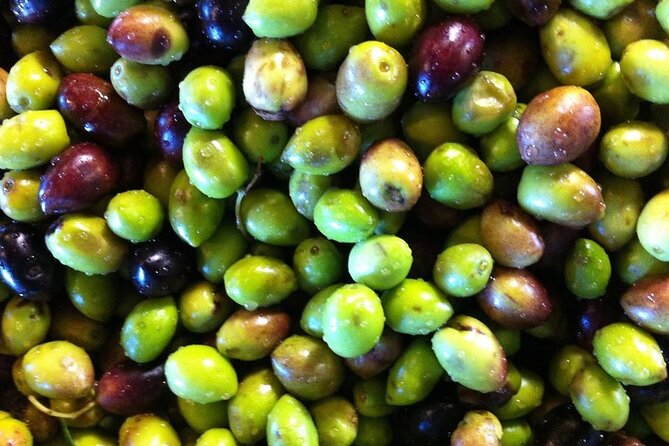
Raki is closely tied to Cretan social life. Here, you taste a barrel-aged raki and visit a micro-winery and distillery. The drink can be fiery, but the setting matters as much as the alcohol. It is offered as a sign of friendship, often with conversation and small bites.
The family distillery is a particularly personal stop. You may taste raki, wines, and liqueurs while the host explains the process and family operation. Raki mixed with honey and a wine-based liqueur have been especially popular with people who find straight raki too strong.
The tasting is included, but personal purchases are not. If you like what you sample, bring a payment method that works locally. At least one small producer has had unreliable internet, so cash may be useful.
Take the tasting at your own pace. This is a six-hour food and drink outing, and the raki arrives before lunch. You do not need to accept every sample, and you will enjoy the day more if you treat each drink as a taste rather than a challenge.
More Olive Oil and Wine Tastings in Heraklion
- Semi Private Wine and Olive Oil tour (Transfer & Lunch Incl.)
★ 4.5 · 39 reviews - The valley of Zeus (Olive oil, wine tasting)-Knossos palace tour
★ 4.5 · 27 reviews - PRIVATE-Winery+Olive Oil Factory-Old Villages-Old Wind Mills
★ 5.0 · 26 reviews - PRIVATE-South Crete-Matala Beach-Olive oil- Wine-Old Villages
★ 5.0 · 19 reviews
Soap made from the same olive oil tradition
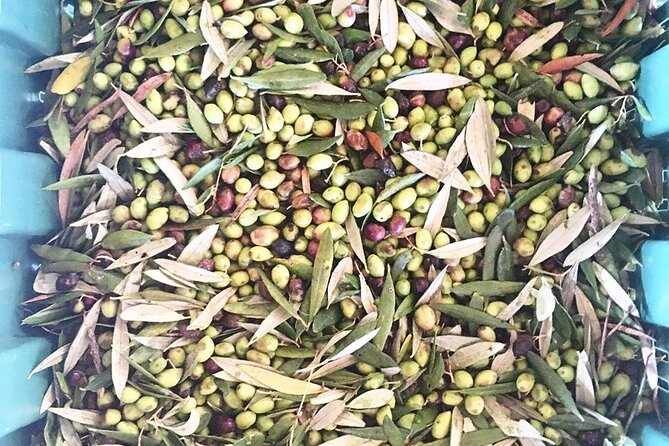
The handmade soap workshop is the surprise in the program, and it adds a useful non-food angle. You see how olive oil becomes a simple personal-care product and watch a soap-making demonstration. The stop can include a chance to take part, depending on the day’s setup.
This is not a large industrial factory tour. It is a family workshop, so the appeal comes from the craft and the conversation. You may learn more here than expected because soap turns a familiar ingredient into something practical and tangible.
Several people have bought bars as gifts. That makes this a worthwhile stop if you want something small and easy to pack rather than another bottle of wine. The workshop also breaks up the tastings and gives your palate a rest.
The advertised program centers on soap-making. Some past outings have also included a pottery visit, but pottery should not be treated as guaranteed. The regular focus is olive oil soap.
Lunch comes late, but it matters
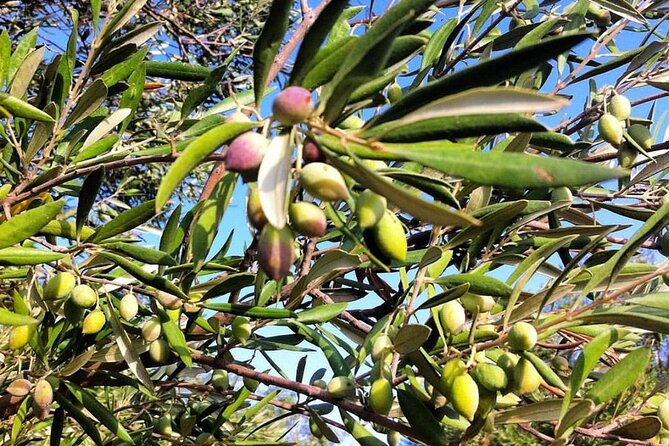
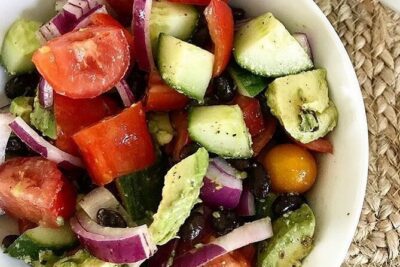
Lunch is served at a local tavern in or near Peza Village and is described as a traditional light lunch. Expect shared plates such as Greek salad, dips, cheese pies, spanakopita, chicken with potatoes, beans, and yogurt dessert, with vegetarian options available on at least some meals.
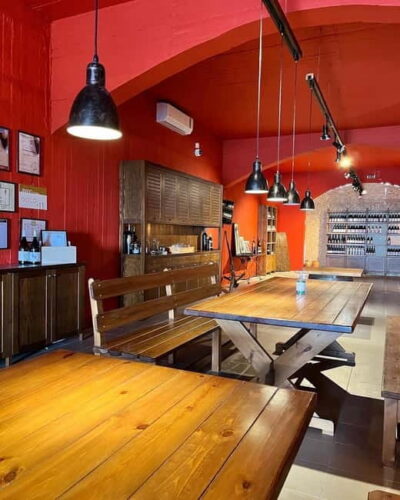
The food is not a grand restaurant production. It is simple Cretan cooking served in a family-style setting. That is part of the appeal. You are given local flavors in a relaxed setting, often at a shared table with the rest of the group.
Timing is the key issue. Lunch may not arrive until around 3 p.m., so eat breakfast and carry water. The lunch is called light, and one person found the meal only adequate, while others considered it the best part of the day. Your expectations should be for a generous local sampling, not a carefully staged tasting menu.
Service can also be informal. Dishes may arrive in an order that feels less polished, and wine service at lunch may be limited to a small glass rather than the generous pour you expect from the wording of the experience. Still, the meal gives the day a social finish and lets you compare notes with the people you have met at the stops.
Guides, vans, and the small-group mood
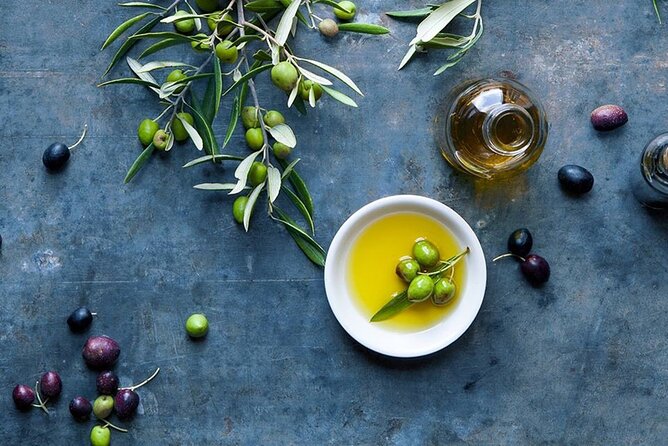
The driver can shape this tour. Tony is often praised for explaining local customs, sharing island knowledge, and keeping an eye on return times. Eleni and Angelica have also led outings, with strong attention to conversation, local suggestions, and practical help.
The standard is not perfectly uniform. One group found one driver informative while another waited for questions instead of offering commentary. If you care about the drive as a history lesson, say so early and ask questions.
Pickup is offered from the Heraklion area, and hotel pickup has been especially useful. Exact time and meeting details are sent by text message or email, so check that your phone number and email address are correct. Communication may arrive only the evening before, which is not ideal if you like to plan far ahead.
Cruise ship visitors should confirm their port before booking. A departure from Agios Nikolaos may be outside the operating area, and the tour operator has canceled with a full refund when the return to the ship could not be made safely. That is frustrating, but missing a ship would be far worse.
Heat, walking, and what to pack
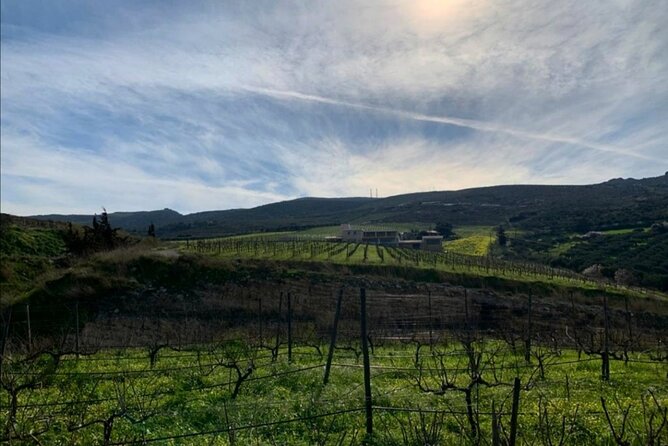
The countryside can be very hot, especially in summer. Bring a refillable water bottle, sun protection, and a small fan if you use one. Water has not always been available at every stop, so do not assume the vehicle or producers will keep you supplied.
Wear firm shoes. You may walk over dirt, slopes, and winery stairs. The tour is not wheelchair accessible, and getting into the vans can be harder for people who need handles or a lower step.
Allow more than six hours in your plans. Most outings are described as lasting about six hours, but one group returned 30 minutes late. If you have a flight, cruise departure, or fixed appointment, leave a generous buffer.
Free cancellation is available up to 24 hours before the start time. Changes or cancellations inside that window are not refunded, and the experience may be rescheduled or refunded if the minimum number of people is not reached.
Who should book this Cretan food tour?
I would choose this outing if you want a broad taste of rural Crete in one day and prefer meeting producers to visiting major attractions. It suits couples, friends, solo people, and small groups who enjoy shared meals and conversation.
It is especially good for anyone curious about how olive oil, raki, wine, and soap fit into local life. The small-group format can also help you meet people, and several outings have ended with the group feeling like old friends.
I would skip it if you want a quiet, slow day, a formal wine course, or a perfect lunch service. The schedule is full, the wine may not always be chilled, and some facilities are basic. People with mobility limits should ask detailed questions before reserving.
At 4.8 out of 5, with 95 percent recommending it, this is a strong value for an all-in-one countryside day. Book it for the people, tastes, and practical look at Cretan food culture. Bring water, eat breakfast, wear good shoes, and keep your schedule open at the end.
FAQ
How long does the experience last?
The experience lasts about six hours, although the actual return may run later. One departure returned about 30 minutes behind schedule.
Where does the tour take place?
The experience begins in the Heraklion area and visits rural producers around Peza and nearby wine-country communities.
Is pickup available?
Yes. Pickup is offered, with exact time and location sent by text message or email after booking details are checked.
What food and drinks are included?
The experience includes a traditional light lunch, olive oil tasting, three indigenous wine varieties, and a tasting of barrel-aged raki. Some stops also offer liqueurs or small food samples.
Is the lunch vegetarian-friendly?
A vegetarian dish such as stewed beans and potatoes has been served in place of chicken on some meals. Tell the operator about dietary needs when booking.
How many people can join?
The maximum group size is 15 people. Some departures are much smaller and may use two vans.
Is the tour wheelchair accessible?
No. The experience is listed as not wheelchair accessible and may include uneven dirt, slopes, stairs, and difficult vehicle steps.
What should I bring?
Bring water, sun protection, breakfast, and comfortable shoes with good grip. A small fan can also help during hot weather.
Can I cancel for a full refund?
Yes, if you cancel at least 24 hours before the local start time. Cancellations or changes made less than 24 hours before the start are not refunded.
More Olive Soap Workshops around Heraklion
- Afternoon: Tour Soap, Olive Oil, Wine Stories of Peza Valley
★ 5.0 · 2 reviews - Private Tour: Soap, Olive Oil & Lyrarakis Winery with Lunch
★ 4.5 · 15 reviews - Soap and Olive Oil Experience
★ 5.0 · 8 reviews - Soap Workshop, Olive Oil, Lyrarakis Winery and Lunch at Peza
★ 4.1 · 7 reviews
More Raki and Olive Oil Tastings around Heraklion
- Premium Cretan Olive Oil Tasting, Wine, Raki and Local Food Tour
★ 5.0 · 17 reviews - Wine Raki Olive Oil Tasting and Pottery – Private Tour
★ 5.0 · 13 reviews - Crete: Full-Day Cretan Wines, Olive Oil, Raki and Food Tour
★ 5.0 · 264 reviews - Premium Crete Olive oil tasting, Wine, Raki and Cretan food!
★ 5.0 · 17 reviews
Newest grove reviews around Heraklion
- Afternoon: Tour Soap, Olive Oil, Wine Stories of Peza Valley★ 5.0 · 2 reviews
- Wine Raki Olive Oil Tasting and Pottery – Private Tour★ 5.0 · 13 reviews
- Private Tour-Knossos Palace Zeus Cave&Olive Oil Mill from Elounda★ 5.0 · 14 reviews
- Heraklion Private Olive Oil and Wine Gastronomy tour with Lunch★ 5.0 · 14 reviews
- Lasithi plateau,wine and olive oil tasting,Greek Mythology park★ 5.0 · 14 reviews
- Premium Cretan Olive Oil Tasting, Wine, Raki and Local Food Tour★ 5.0 · 17 reviews
- PRIVATE-South Crete-Matala Beach-Olive oil- Wine-Old Villages★ 5.0 · 19 reviews
- Spinalonga, Plaka, Elounda, Agios Nikolaos & Olive Mill | Private★ 5.0 · 21 reviews
Olive Soap Workshops, compared.
Private Tour: Soap, Olive Oil & Lyrarakis Winery with Lunch
Read our review →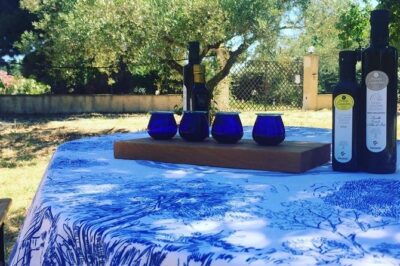
Soap Workshop, Olive Oil, Lyrarakis Winery and Lunch at Peza
Read our review →