Review · OLIVE SOAP WORKSHOPS
Soap, Wine, Raki, Olive Oil, Meet the local Producers Tour
Crete’s best souvenirs are not locked behind museum glass. They are poured into small tasting cups, pressed from ancient olive trees, shaped into soap, and served with bread, cheese, and figs. This $104 countryside tour introduces you to the people who still make those goods by hand and family tradition.
I like the mix of stops: the soap workshop gives you a close look at an everyday craft, while the olive mill explains why Cretan oil deserves more respect than a generic bottle from a supermarket shelf. I also like the practical cruise-passenger focus, including a stated 150 percent back-on-time guarantee. The main drawback is the pace. Three producers in one day means moderate walking, standing, and a fairly full schedule, with no lunch included.
Key points to know before booking
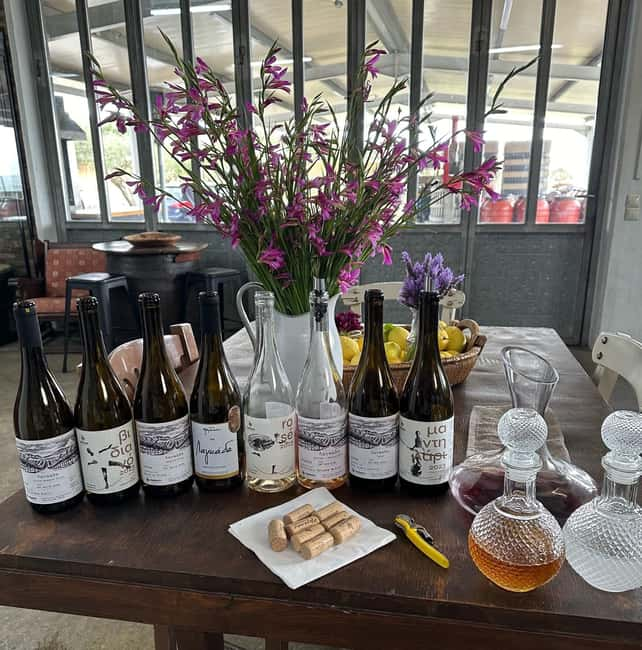
- Three working producers: Visit a traditional soap workshop, an olive mill, and a family winery with a raki distillery.
- Tastings are built in: Sample three or four olive oils, two or three wines, and raki with olives, cheese, rusks, and figs.
- A good cruise excursion: Pickup and drop-off are included, with a stated back-on-time guarantee for cruise passengers.
- A small-group feel may be possible: One reported departure had nine people from several countries, a comfortable size for conversation.
- Bring sun protection: Outdoor walking takes place in olive groves and vineyards, with no promise of shade.
- Plan for purchases: Soap, oil, wine, and other local products are available to buy, but they cost extra.
A working side of Crete, not just a tasting menu

This experience is designed to show you how local products are made before you taste them. That matters. A sip of olive oil means more when you have just seen the trees, the mill, and the process that turns fruit into something central to Cretan cooking.
The route passes through valleys and villages, giving you a look at rural Crete between stops. You are not simply driven from one shop to another. Each visit centers on a family business, its methods, and the people who keep those methods going.
The tour lasts between 330 and 390 minutes, or roughly five and a half to six and a half hours. The scheduled producer visits run from 10:00 in the morning until about 2:15 in the afternoon, with driving time and pickup arrangements accounting for the longer total. That makes it a full half-day outing rather than a quick tasting stop.
More Olive Oil and Wine Tastings in Greece
- Private Tour-Knossos Palace Zeus Cave Olive Oil Mill & Wine
★ 5.0 · 135 reviews - Crete: Olive Oil, Soap, Wine, Raki – Flavorful Culinary Journey
★ 5.0 · 119 reviews - Crete: Olive, Wine, & Raki on a Flavorful Culinary Journey
★ 4.7 · 56 reviews
The soap workshop from 10:00 to 11:15
The first stop introduces the quieter craft of Cretan soap-making. In a countryside workshop, you learn how olive oil, herbs, and fruit ingredients become bars of soap through the cold-process method.
This is a useful stop for anyone who likes to understand the work behind a product. You should hear about ingredients such as laurel, rosemary, orange peel, and sage, along with the reason each one is used. The workshop also gives you a chance to see the mixing and molding process, and you might be invited to make a small item yourself if time permits.
The family-run setting is part of the appeal. You get more than a polished sales talk. The visit includes the family story and a look at how a simple household product has become a local craft and a popular gift.
There is time to browse and buy soaps. That is convenient, but keep the commercial side in mind. This is both a working visit and a shop stop. You are not required to purchase anything, and any products you take home are extra.
I would pay attention to the ingredient explanations rather than rushing straight to the shelves. A soap bar is easy to buy anywhere. The useful part here is learning how olive oil soap differs from heavily scented commercial products and why herbs such as sage or rosemary appear in Cretan body care.
The workshop is mostly indoors, but you still need comfortable shoes for the day as a whole. If you enjoy hands-on demonstrations and small family businesses, this may be the most personal stop on the route.
The olive grove and mill from 11:30 to 12:30
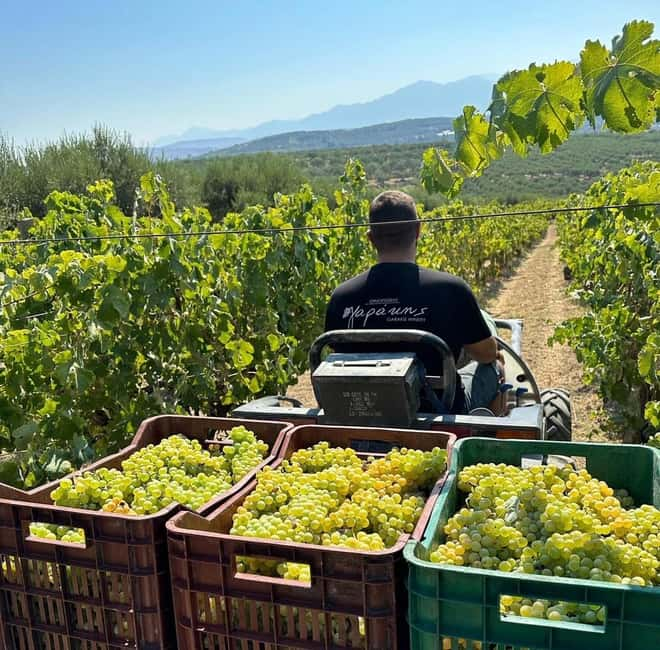
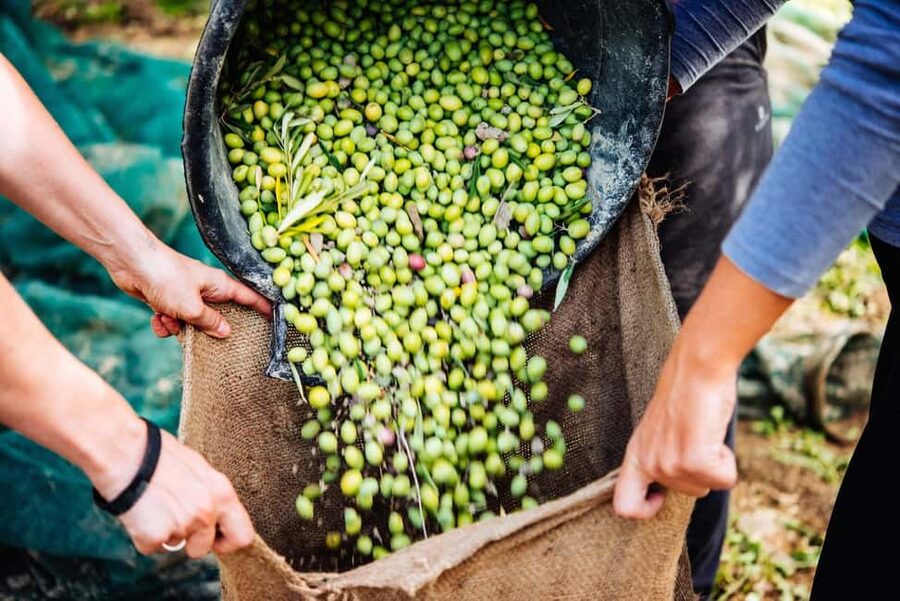
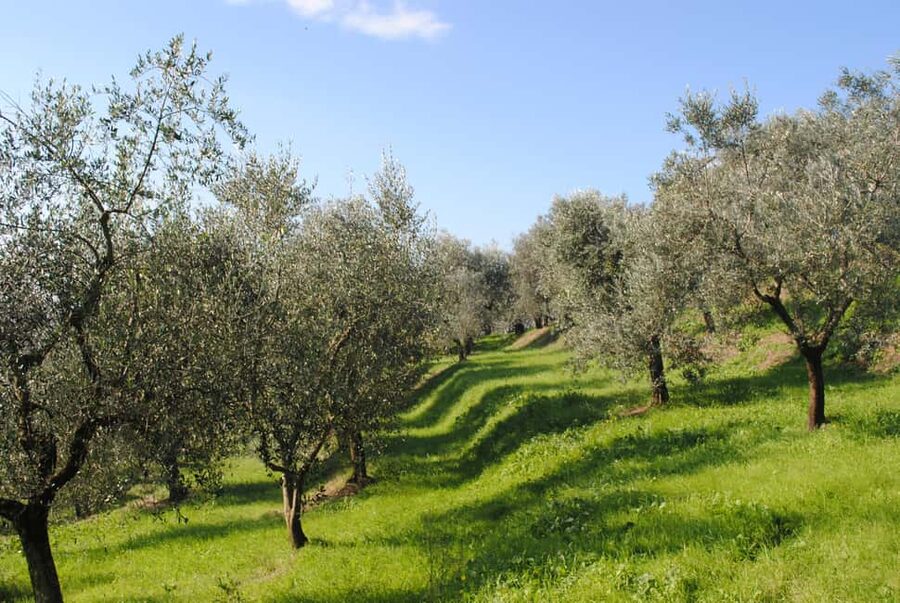
The olive oil visit is the strongest food-focused part of the day. You begin with a relaxed walk among old olive trees, then move into a traditional mill to see how extra virgin olive oil is extracted.
The walk helps put the product in context. Olive trees are not a decorative backdrop in Crete. They shape farming, cooking, family businesses, and local identity. Seeing the trees before tasting the oil gives you a better sense of the long process behind a bottle.
Inside the mill, the emphasis is on the movement from fruit to finished oil. You should learn how cold pressing works, what extra virgin means, and how to identify a quality product. The tasting includes three or four oils, served with fresh bread, oregano, and tomato.
This is where your palate gets a useful lesson. Try each oil slowly rather than treating the tasting like a shot. Notice bitterness, peppery heat, fruitiness, and how the oil behaves with bread or tomato. The guide also explains health benefits and signs of poor-quality oil, information that can help you shop later in Crete.
A particularly worthwhile part of the visit is the family-business story. The mill is described as a business passed from one generation to the next, so you can connect the machinery and tasting table with real local work.
The one-hour stop is enough for an introduction, not a full agricultural study. You will not become an olive-oil expert in sixty minutes, but you should leave better able to judge a bottle and understand why Cretan oil is treated as a staple rather than a luxury.
Wear shoes suitable for uneven outdoor ground. The olive grove walk is relaxed, but the day includes standing and walking at several businesses.
Wine and raki from 13:00 to 14:15
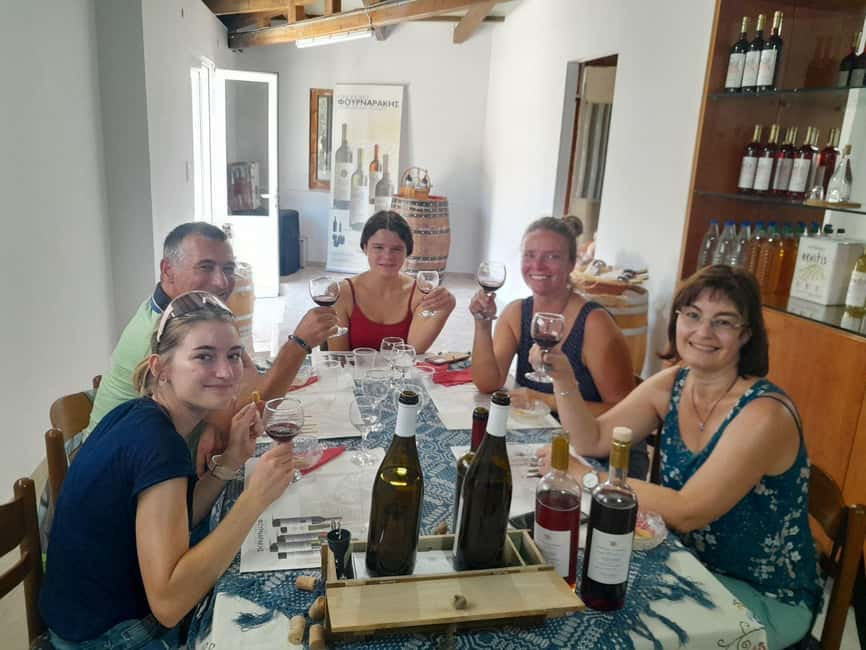
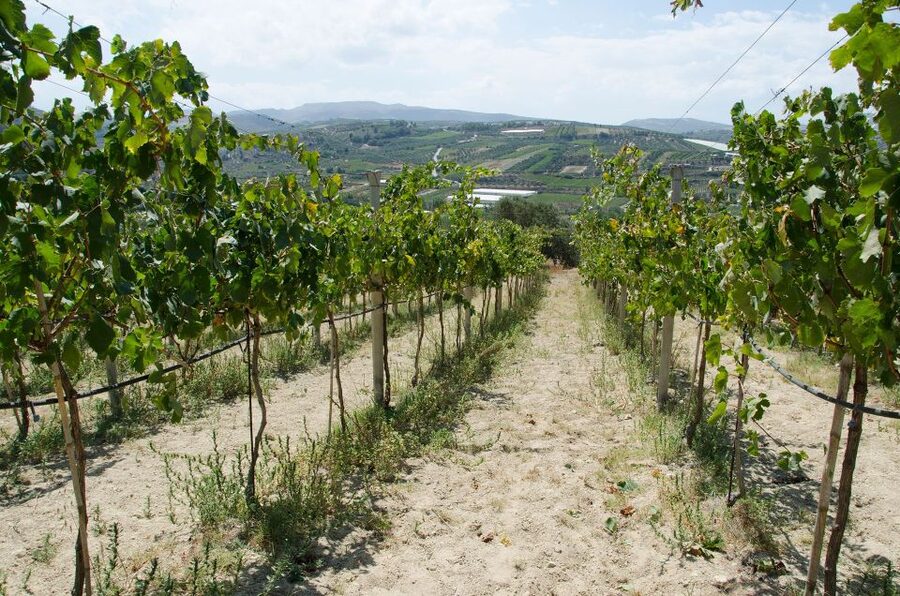
The final producer visit brings together two important drinks: wine and tsikoudia, commonly called raki. At a small family winery and distillery, you walk through the vineyard, look into the cellar, and see the traditional raki still.
The visit connects old and new methods. You learn about the family’s approach to winemaking, then see how raki is made as a local spirit. The tasting usually includes two or three wines and raki, with five or six samples overall.
Cretan wine is especially interesting because the tasting may include indigenous grape varieties. The exact wines can vary, but the point is to taste something tied to the island rather than a standard international label found everywhere.
The food served with the drinks is simple and useful: olives, cheese, paximadi, which are traditional rusks, and figs. These snacks are not a substitute for lunch, but they help balance the alcohol and give you familiar Cretan flavors to try alongside each pour.
Raki is often served as a gesture of welcome in Crete, but it can be strong. Pace yourself, drink water when available, and remember that this is the last tasting stop, not a contest. If you do not drink alcohol, the tour’s central tasting program will naturally be less useful to you.
The distillery portion also gives the day a sense of place. Wine and raki are not presented as isolated products. They are tied to harvests, family work, hospitality, and the practical use of local ingredients.
More Olive Oil and Wine Tastings in Heraklion
- Semi Private Wine, Olive Oil, and Terroir Tour of Heraklion area with Tastings
★ 5.0 · 39 reviews - Semi Private Wine and Olive Oil tour (Transfer & Lunch Incl.)
★ 4.5 · 39 reviews - The valley of Zeus (Olive oil, wine tasting)-Knossos palace tour
★ 4.5 · 27 reviews - PRIVATE-Winery+Olive Oil Factory-Old Villages-Old Wind Mills
★ 5.0 · 26 reviews
What the $104 price covers
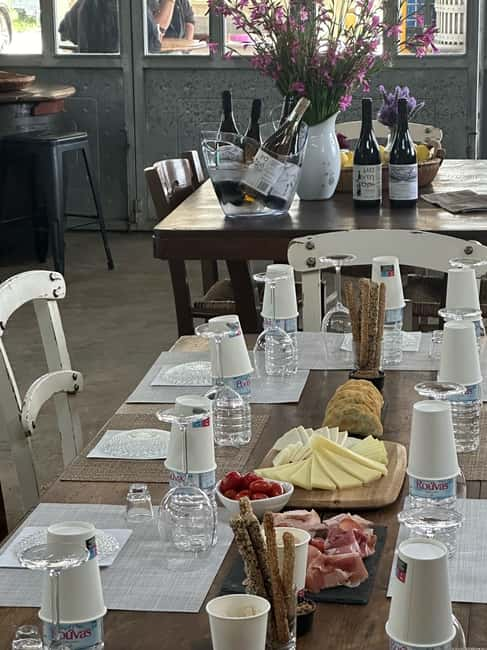
At $104 per person, the price is reasonable if you value transportation and several guided visits rather than just tastings. Included are pickup and drop-off from designated locations, an air-conditioned vehicle, an English-speaking guide, entrance fees, the three producer visits, olive oil samples, wine, raki, and the listed snacks.
You are paying for a complete route through the countryside. Booking separate taxis to rural workshops and mills would be difficult, and you would lose the guide’s explanations along the way. The value improves if you are arriving by cruise ship and need a tightly managed day.
Lunch is not included. Since the tour finishes its main visits around 2:15 in the afternoon, eat a proper breakfast and carry water or a small snack if needed. The included olives, cheese, rusks, and figs help, but they are described as light snacks.
Extra drinks and all purchases cost more. That is worth planning for because soap, olive oil, wine, and other goods are natural souvenirs from this outing. Bring a credit card and some cash, as both are included on the suggested packing list.
Why the cruise-passenger promise matters
Cruise passengers have a different problem from hotel-based visitors. You cannot simply stay late if a producer visit runs over. The tour is specifically promoted as cruise-friendly and includes a 150 percent back-on-time guarantee.
That is a strong selling point, but I would still read the exact guarantee terms before booking. The practical steps are clear: pickup and drop-off are included, and a team member contacts you one day before the tour with the pickup time, driver’s name, vehicle color, vehicle type, and license plate.
Keep your phone available the day before departure. That message is important because the exact pickup time depends on availability and your designated location. It also makes finding the vehicle easier in a busy port or meeting area.
The route is not ideal if you want to return to the ship with hours to spare and dislike any schedule pressure. It is better suited to someone who wants a full local-food excursion and is comfortable following a planned timetable.
Group size, guide style, and comfort
The tour uses an air-conditioned vehicle and an English-speaking guide. The guide’s job is more than driving. You receive explanations at each producer, help understanding the tastings, and practical direction throughout the day.
A reported group of nine people suggests that at least some departures are small enough for easy conversation. That size can make a real difference at the mill and winery, where questions are more manageable than in a large bus group.
The atmosphere also depends on the driver and guide. The available feedback describes a humorous driver who offered advice throughout the day and kept a group of women entertained. No guide name is supplied, so you should not expect a named host when booking.
Physical demands are moderate. Expect walking through an olive grove and vineyard, standing during explanations, and moving through business layouts that are not wheelchair accessible. Infant seats can be requested for transportation, but the tour itself is not designed around stroller or wheelchair access.
What to bring for the route
Wear comfortable clothes and shoes. You may spend time outdoors in the grove and vineyard, then stand inside the workshops and tasting areas.
Pack sunglasses, a hat, sunscreen, and a camera. Sun protection matters more than dressing up, especially during the warmer months. A credit card and cash are useful for optional purchases.
If you have dietary needs, vegetarian options are available upon request. Tell the operator in advance rather than waiting until the tasting begins.
The supplied information mentions an age restriction of 18 or older for beer tastings, although this tour is described around wine and raki. Since alcohol is central to the final stop, confirm the age requirement if anyone in your party is under 18.
Who will enjoy this Cretan producer tour
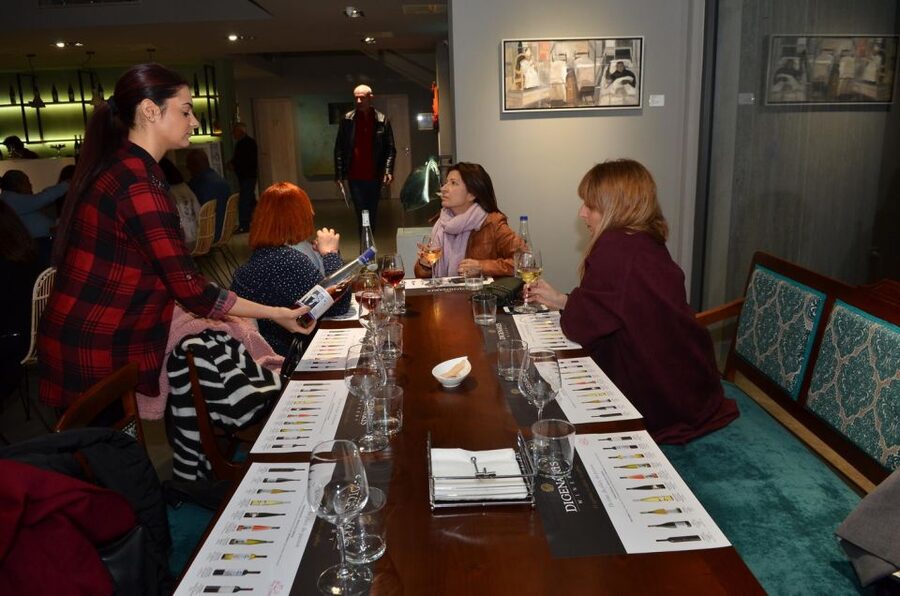
I would recommend this to you if you want local food and drink explained by the people who make it. It is a good fit for couples, small groups, cruise passengers, and anyone who prefers family businesses to large commercial attractions.
It also suits shoppers who want useful souvenirs. Soap travels well, olive oil is practical if packed carefully, and wine or raki can extend the memory of the day, subject to your transport and baggage rules.
You may want a different outing if your priority is ancient sites, beaches, or a long restaurant lunch. This tour gives you countryside, craft, and tastings, but it does not include a major archaeological stop or a full meal.
It is also less suitable if you avoid alcohol, cannot walk or stand for moderate periods, or dislike scheduled group travel. The route is designed around moving between three producers, so flexibility is limited.
Cancellation and booking flexibility
You can cancel up to 24 hours before the tour for a full refund. You can also reserve now and pay later, which helps if you are arranging several activities before your Crete plans are final.
The exact start time depends on availability. Pickup is included, but only from designated locations, so check that your hotel, port area, or meeting point qualifies before paying.
Should you book it?
Book this tour if you want a practical introduction to Crete through the products people still make and use every day. The olive mill and oil tasting are especially worthwhile, and the soap workshop adds a less expected craft stop before the wine and raki finale.
At $104, the package earns its price through transport, three producer visits, tastings, snacks, and cruise-friendly planning. Just remember that lunch and purchases are extra, the day involves walking and standing, and the schedule is full.
For a relaxed look at rural Crete, with a little shopping and a fair amount of sampling, this is a strong choice. For a beach day or archaeological tour, spend your time elsewhere.
FAQ
How long does the tour last?
The tour lasts between 330 and 390 minutes, depending on the available starting time and transportation arrangements.
How much does the tour cost?
The listed price is $104 per person.
Is pickup and drop-off included?
Yes. Pickup and drop-off are included from designated locations.
Is the tour suitable for cruise passengers?
Yes. The experience is designed to suit cruise passengers and includes a stated 150 percent back-on-time guarantee. Check the exact guarantee terms when booking.
What language is the tour conducted in?
The live tour guide speaks English.
What tastings are included?
You taste three or four olive oils, two or three wines, and raki. The wine and raki stop also includes olives, cheese, paximadi, and figs.
Is lunch included?
No. Lunch is not included, although light snacks are provided during the wine and raki tasting.
Is the tour wheelchair accessible?
No. The visiting businesses have layouts that are not wheelchair accessible.
Are vegetarian options available?
Yes. Vegetarian options are available upon request.
Can children join the tour?
The supplied information states that participants must be 18 or older for tastings. Infant seats are available upon request for transportation.
More Olive Soap Workshops around Heraklion
- Afternoon Tour: Soap, Olive Oil & Wine Stories of Peza Village
★ 5.0 · 4 reviews - Afternoon: Tour Soap, Olive Oil, Wine Stories of Peza Valley
★ 5.0 · 2 reviews - Private Tour: Soap, Olive Oil & Lyrarakis Winery with Lunch
★ 4.5 · 15 reviews - Soap and Olive Oil Experience
★ 5.0 · 8 reviews
More Raki and Olive Oil Tastings around Heraklion
- Premium Cretan Olive Oil Tasting, Wine, Raki and Local Food Tour
★ 5.0 · 17 reviews - Wine Raki Olive Oil Tasting and Pottery – Private Tour
★ 5.0 · 13 reviews - Crete: Full-Day Cretan Wines, Olive Oil, Raki and Food Tour
★ 5.0 · 264 reviews - Premium Crete Olive oil tasting, Wine, Raki and Cretan food!
★ 5.0 · 17 reviews
Newest grove reviews around Heraklion
- Myths, Villages, & Olive Oil: Exploring Lassithi Plateau Secrets★ 5.0 · 2 reviews
- Knossos Palace Lasithi Plateau Villages & Olive Oil Mill★ 5.0 · 9 reviews
- Cretan Flavors – Cooking Lessons and Wine Olive Oil Tasting★ 5.0 · 9 reviews
- Afternoon Tour: Soap, Olive Oil & Wine Stories of Peza Village★ 5.0 · 4 reviews
- Spinalonga,Elounda,Ag.Nikolaos, Olive Factory Tour From Heraklion★ 4.0 · 2 reviews
- Small Group Tour to Knossos Palace Lasithi Plateau & Olive Mill★ 5.0 · 3 reviews
- Experience of Olive Oil Tasting Crete , Visit the Knossos Palace★ 5.0 · 2 reviews
- Heraklion:Olive & Dragon Fruit Farm Tour & Cretan Farmers Brunch★ 4.0 · 2 reviews
Olive Soap Workshops, compared.

Olive Oil, Soap, Wine, Raki – Flavorful Culinary Journey
Read our review →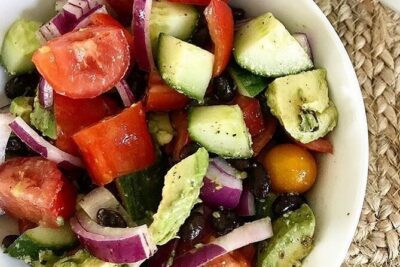
Private Tour: Soap, Olive Oil & Lyrarakis Winery with Lunch
Read our review →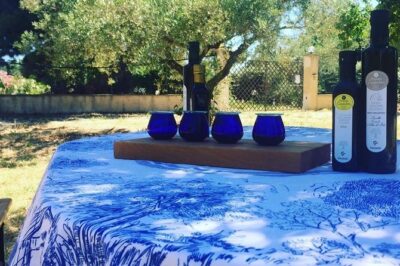
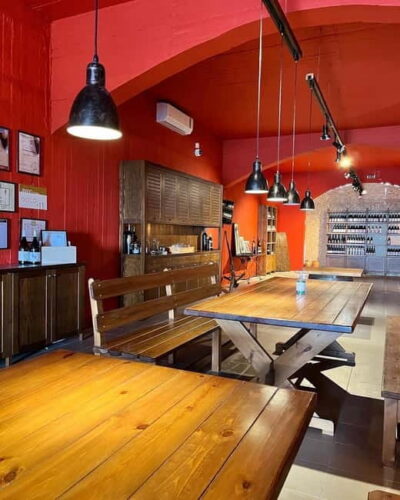
Soap Workshop, Olive Oil, Lyrarakis Winery and Lunch at Peza
Read our review →
Crete in a Day: Knossos, Soap Workshops, Olive Oil & Wine Tasting
Read our review →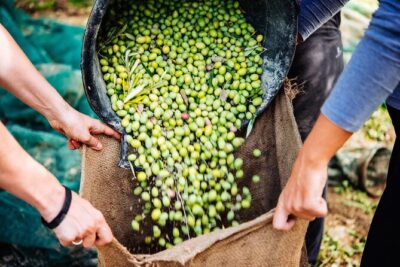
Afternoon Tour: Soap, Olive Oil & Wine Stories of Peza Village
Read our review →