
Review · OLIVE FARM VISITS
Olive farm & village
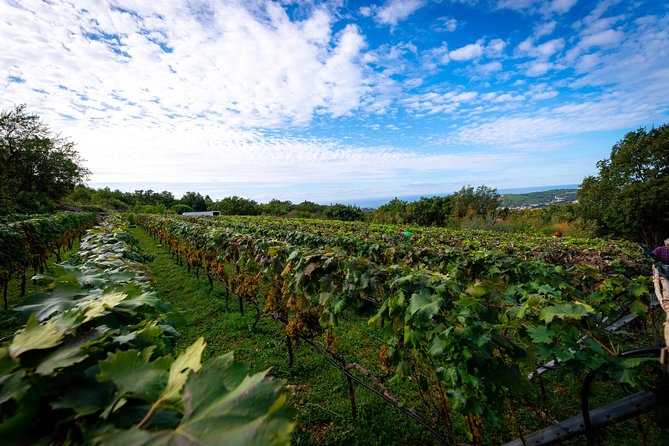
Just 15 minutes from Dubrovnik, Vardia farm gives you a quick change of scene: from packed stone lanes to olive terraces, vines, fruit trees, and open Adriatic views. Ivica Vlašić leads you through land his family has worked for centuries, sharing how the farm is tended and how its oil, wine, and homemade drinks are made.
I like the personal scale of this outing. The group is limited to eight, and the farm feels like a working family place rather than a polished showpiece. I also like the tasting at the end, especially the fresh bread with olive oil, white wine, and homemade fruit or walnut liqueur. The main consideration is the uneven 30-minute walk, so wear solid shoes and be ready for a little uphill and downhill walking.
Key points at a glance
- A 15-minute escape from Dubrovnik: Vardia farm sits on Malaštica Hill, about 200 metres above the Adriatic and near the Bosnia and Herzegovina border.
- A family farm with centuries of continuity: Ivica Vlašić introduces land his family has tended for roughly three centuries.
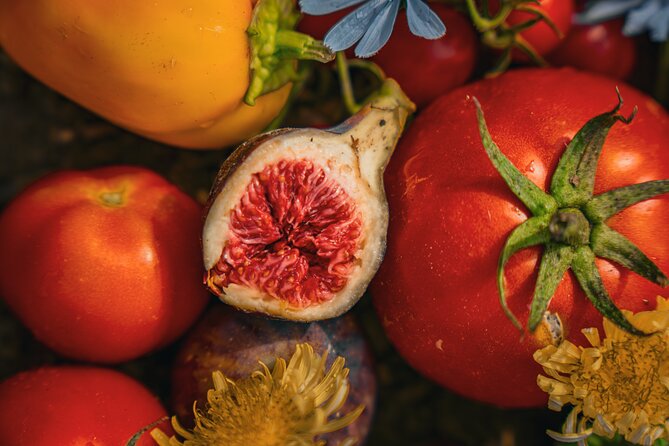
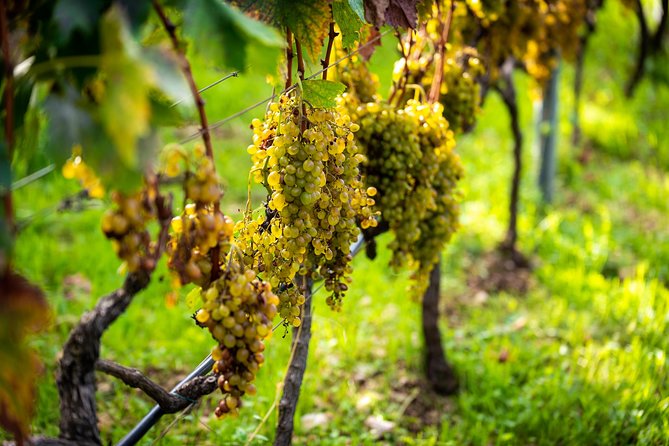
- More than an olive oil tasting: You may see olives, grapes, figs, almonds, pomegranates, winter oranges, herbs, vegetables, oak trees, and even goats.
- A small, personal group: The maximum is eight people, which gives the visit a relaxed and conversational feel.
- A simple tasting with local character: Expect olive oil with bread, salt, and vinegar, along with white wine and homemade liqueurs or brandy.
- Good shoes matter: The walk is described as moderate and easy, but farm paths and old terraces are not city pavements.
Leaving Dubrovnik for Malaštica Hill
Pickup begins at 8:30 in the morning from hotels or meeting points in the Dubrovnik area. That is useful if you do not have a car, and it keeps the outing simple from the start. The drive takes about 15 minutes, so you spend little time in transit and most of the morning outside.
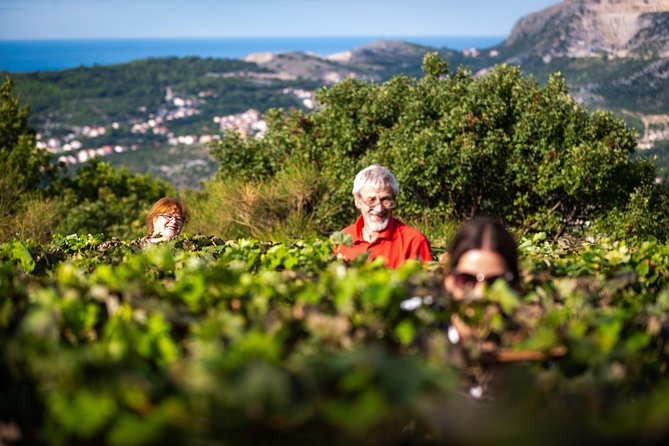
The farm is on Malaštica Hill, around 200 metres above sea level. Its position gives you views toward the Adriatic while keeping you close to the city. You are also near the border with Bosnia and Herzegovina, a reminder that Dubrovnik sits in a region where coast, hills, and neighboring countries are tightly packed together.
This short transfer is one of the tour’s strongest points. You do not need to give up a full day of sightseeing, yet you get a clear taste of rural life beyond Dubrovnik’s walls. If you have spent several days among cruise-day crowds and busy restaurants, the quiet farm setting offers a welcome reset.
More Olive Farm Visits in Croatia:
- Sorrento Farm and Food Experience including Olive Oil, Limoncello, Wine tasting
★ 5.0 · 2,524 reviews - Crete: Road-trip to Lasithi, Zeus Cave & Olive Mill Farm
★ 4.4 · 451 reviews - Heraklion: Olive Farm Tour with Tasting of Local Delicacies
★ 4.9 · 411 reviews
Walking through olive trees and old terraces
The visit begins with an easy walk down and back up through olive groves, the organic farm, and an old oak forest. The walking portion is about 30 minutes, but the terrain matters more than the clock. You will be on a hillside, not a smooth promenade, and the route includes some uneven ground and moderate inclines.
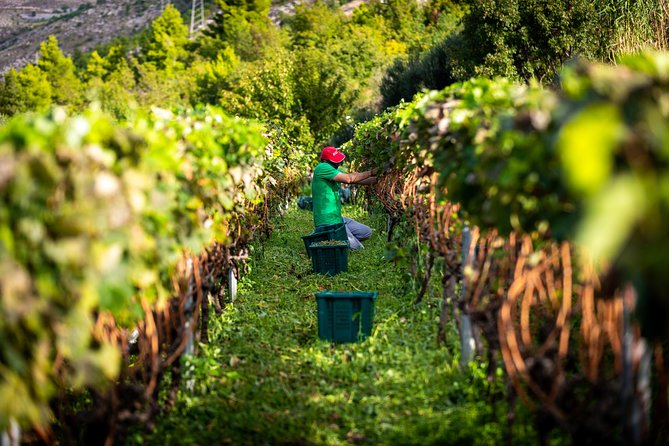
The old terraces are particularly interesting. They show how farming shaped the hills around Dubrovnik long before the area became a popular holiday base. Olive trees, vines, and fruit trees are not just scenery here. They are part of a working system that produces food and drink for the family.
Ivica’s tour focuses on practical farm life. You can learn about cultivation, harvesting, and production while seeing the plants in the ground. Depending on the season, you might taste figs, grapes, blackberries, tomatoes, almonds, peppers, or other fruit and vegetables growing on the property.
The farm also contains rosemary, bay trees, wild flowers, pomegranates, plums, cherries, potatoes, and winter oranges. The range makes the walk more varied than a simple olive grove visit. You might stop to smell an herb, pick a piece of fruit, or look at a crop that you would normally encounter only after it has reached a market stall.
Several accounts of the farm also mention three goats. They are not the reason to book the experience, but they add to the feeling that you are visiting a lived-in family property rather than a staged tasting room.
Ivica Vlašić and the family story
Ivica Vlašić is the host and guide. His connection to the land is central to the experience. He learned through formal education and through working with his father and grandfather, and he presents the farm as both a family inheritance and a current working project.
The farm has been in the family for about three centuries, and the property is described as covering roughly 100 acres. That does not mean you walk across every acre. It does mean the visit has a genuine sense of place. The old trees and terraces are part of a long chain of family work, while the wine, oil, and liqueurs show how that tradition continues today.
I like this approach because it links the practical details to the people behind them. You are not simply told that olive oil is local. You see the setting where the olives grow, hear about the work involved, and then taste the finished product.
The group limit of eight supports that personal feel. With a small group, it is easier to ask questions and keep pace with the guide. The experience is offered in English, and the tone described by the available information is friendly and informal rather than formal or lecture-heavy.
The olive oil tasting with bread
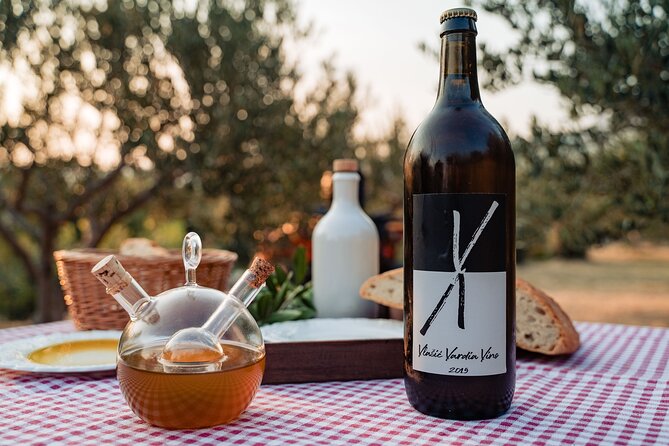
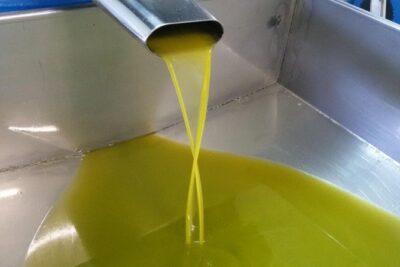
After the walk, the focus turns to tasting. The main sample is olive oil served with homemade bread, salt, and vinegar. You taste the oil in three different ways, which helps you notice how the other ingredients change the experience.
This is a modest tasting, not a long list of dozens of oils. That is part of its appeal. The point is to connect the oil to the trees you have just seen and to understand how a basic Croatian snack can carry so much flavor.
Fresh bread matters here. Oil on its own can be difficult to judge if you are not used to tasting it, but bread gives you a familiar base. Salt and vinegar provide contrast, helping you notice the oil’s texture and taste.
The tasting is also practical for anyone thinking of buying olive oil in Croatia. You can pay closer attention to what you enjoy instead of relying only on a label or a gift-shop description. If you like food experiences that explain a product without making the process feel technical, this part should suit you well.
More Traditional Village Tours in Croatia:
- Crete: Quad Safari, Olive Mill with Tasting & Ghost Village
★ 4.9 · 1,004 reviews - Knossos-Zeus Cave -Old Traditional Villages-Olive Oil Factory
★ 5.0 · 694 reviews - Knossos & Lasithi Plateau: Zeus Cave,Villages, Olive Oil Tour
★ 5.0 · 328 reviews - Heraklion: Knossos Zeus Cave Villages Olive Oil Factory Tour
★ 5.0 · 126 reviews
White wine, liqueurs, and orchard flavors
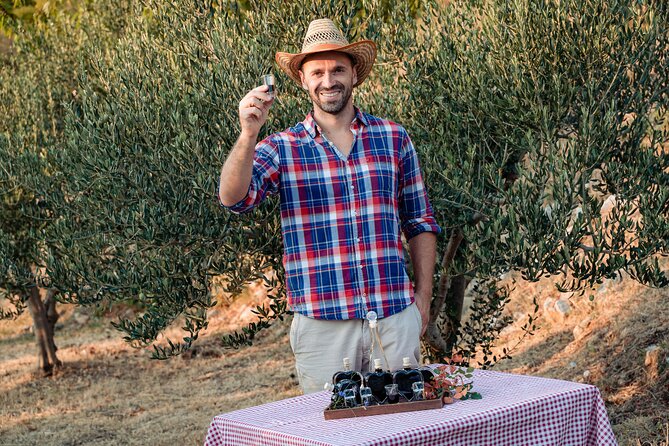
The tasting continues with the farm’s white wine and homemade drinks. You may try a herb brandy or a fruit liqueur made with ingredients from the orchard. Walnut liqueur and grappa are among the drinks associated with the farm, and a lemon wine has also been highlighted as a favorite tasting.
The alcohol selection is not presented as a large wine education session. You are not visiting a major commercial winery with rows of bottles and a long formal tasting menu. Instead, the focus is on a few products tied to the family’s land and kitchen.
That makes the experience a good fit if you want local flavor rather than technical wine analysis. You can taste the wine, ask how the products are made, and enjoy the setting. Homemade bread, shortbread, sugared almonds, and apricot jam may also appear with the tasting, depending on what is being served that day.
If you do not drink alcohol, the main value of the farm visit remains the walk, the views, the plants, and the food. The supplied information specifically notes substitutes for children, though it does not list every nonalcoholic option. Families should still mention dietary or age-related needs when booking.
What the price means at $84.10
At $84.10 per person, this is not the cheapest way to spend a morning near Dubrovnik. The value comes from what is included in the package: pickup from the Dubrovnik area, a small group, a guided walk on a private family farm, and a tasting of products made or grown there.
You are paying for access to a place you would not easily see by wandering away from the Old Town. You are also paying for the guide’s time and for the connection between the farm, its produce, and the final tasting.
The short duration helps the price feel more manageable. At about two hours and 45 minutes, the tour can fit into a busy Dubrovnik itinerary. You can still see major sights, take a swim, or have lunch in town later in the day.
Value depends on your interests. If you want a large winery, several formal wine pours, or a full meal, this may feel limited. If you prefer a small-scale visit with a family host, countryside views, and a chance to taste local products in the place they come from, the price is easier to justify.
The fact that the tour is often booked well ahead, around 57 days in advance on average, is a useful planning clue. If your Dubrovnik dates are fixed, reserve early rather than waiting until the last few days.
Who should book this experience
I would recommend Vardia to you if you want a break from city sightseeing but do not want to spend an entire day on an excursion. The drive is short, the group is small, and the setting offers a clear change of pace.
It is especially suited to:
- Couples looking for a calm food and countryside outing
- Solo visitors who enjoy meeting a local host
- Families interested in fruit, animals, farming, and outdoor walking
- Food lovers who want olive oil, bread, wine, and homemade liqueurs
- Anyone curious about rural life near Dubrovnik
- Visitors who prefer personal tours over large coach groups
It may be less suitable if you have trouble walking on uneven ground or are looking for a fully accessible route. The activity asks for moderate physical fitness and includes a walk down and up the hill. Service animals are allowed, but the available details do not describe the path as wheelchair accessible.
Practical tips for a better visit
Wear shoes with a firm sole. This is the most useful advice for the day. Sandals or smooth-soled fashion shoes may be uncomfortable on old terraces, dirt paths, and slopes.
Bring water, particularly in warm weather, even though the outing includes drinks and food. The hill can feel more exposed than the Old Town streets, and you will be walking outdoors.
Keep your morning flexible around the 8:30 pickup. Pickup is offered in front of hotels or at meeting points in the Dubrovnik area, and the exact arrangement depends on where you are staying. The return to your accommodation is included after the visit.
A mobile ticket is accepted, and confirmation is provided when you book. The tour runs in English and has a maximum of eight people.
Weather matters. The experience requires good conditions, so poor weather can lead to a different date or a full refund. You can cancel for a full refund up to 24 hours before the start time. Changes or cancellations inside that 24-hour window are not refunded.
Should you book the Vardia farm tour?
Book it if you want a personal, easy-to-reach taste of rural Croatia rather than another city attraction. Ivica Vlašić, the old family terraces, the orchard, the olive oil, and the homemade bread give the morning a strong sense of place.
Skip it if you want a long winery program, a substantial meal, or very little walking. For most people who can manage a moderate hillside stroll, the combination of scenery, family history, and tasting makes this a thoughtful use of three hours near Dubrovnik.
FAQ
Where is Vardia farm located?
Vardia farm is on Malaštica Hill, about 200 metres above the Adriatic Sea. It is near the border with Bosnia and Herzegovina and about a 15-minute scenic drive from Dubrovnik Old Town.
What time does the tour start?
The tour starts at 8:30 am.
Is pickup available?
Yes. Pickup is arranged in front of hotels or at meeting points in the Dubrovnik area, and you are returned to your accommodation afterward.
How long does the experience last?
The experience lasts approximately two hours and 45 minutes.
What food and drinks are included?
The tasting includes homemade bread with olive oil, salt, and vinegar. You also taste white wine and may receive homemade herb brandy or fruit liqueur made with produce from the farm.
How much walking is involved?
The activity includes moderate, easy hiking and about 30 minutes of walking through olive groves, the organic farm, and an old oak forest.
How many people can join the tour?
The maximum group size is eight people.
What happens if the weather is poor?
The experience requires good weather. If it is canceled because of poor conditions, you are offered a different date or a full refund.
Newest grove reviews around Croatia
- E Bike Tour with wine and olive oil tasting in Vodnjan★ 5.0 · 4 reviews
- Private Split & Klis Fortress Tour, Olive Museum & Port Pickup★ 4.5 · 13 reviews
- Šibenik or Zadar: Krka falls, olive mill, oil & wine tasting★ 4.8 · 17 reviews
- Istrian hill top cities tour with truffle and olive oil tasting★ 5.0 · 18 reviews
- Cres: Olive Oil Walking Tour with Tastings★ 4.9 · 24 reviews
- Šibenik: Croatia in a Day, Vistas, History, Olive Oil, Wine★ 5.0 · 30 reviews
- Zadar Olive Oil & Wine with Dalmatian Views & History★ 5.0 · 34 reviews
- Pula: House of Istrian Olive Oil Museum and Guided Tasting★ 4.9 · 35 reviews
Olive Farm Visits, compared.
Sorrento Farm and Food Experience including Olive Oil, Limoncello, Wine tasting
Read our review →
Road-trip to Lasithi, Zeus Cave & Olive Mill Farm
Read our review →
Olive Farm Tour with Tasting of Local Delicacies
Read our review →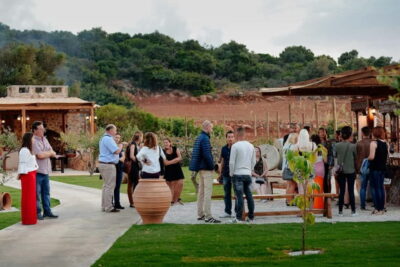
Lassithi, Zeus Cave, Olive Mill Farm & Knossos Combo Tour
Read our review →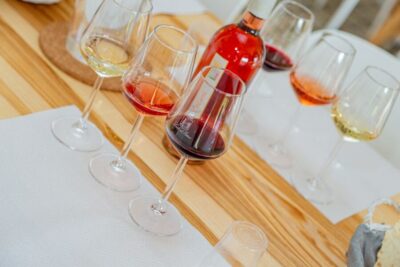
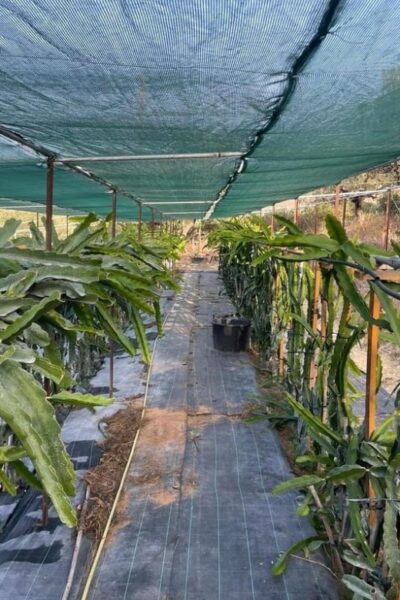
Traditional Olive Grove and Dragon Fruit Farm Tour
Read our review →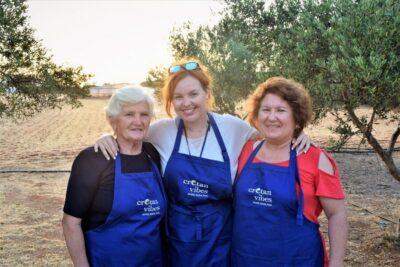
Moires: Cooking Class and Olive Oil Tasting at a Family Farm
Read our review →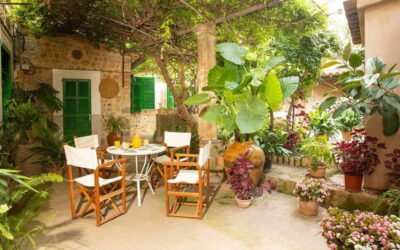
Sóller: Olive Oil Guided Tour and Tasting at Can Det Estate
Read our review →Browse the lists this tour appears in