

Review · OLIVE OIL AND WINE TASTINGS
Cretan Wines & Olive oil tour – The treasures of Crete
Crete’s best food stories are often found in working olive mills, family wineries, and village distilleries, not in polished tasting rooms. This small-group tour of up to eight people links those places into one full day, with olive oil, five wines, raki, lunch, and a traditional pottery stop.
I like the close look at how Cretan products are made, especially the olive mill visit and the hands-on village stops. I also like the easy social pace, with time to sit under the shade at the winery and eat at a traditional raki distillery. The main consideration is the alcohol: wine and raki are central to the day, and one tasting may feel like more than enough if you prefer to drink lightly.
Key points to know before booking

- Five wines at a family-run winery: The Meleses stop focuses on organic cultivation and Cretan grape varieties.
- Olive oil with breakfast: In Skalani, you see production methods, visit an olive grove, and taste oil with food.
- Lunch at a raki distillery: The Stironas stop combines distilling, cellar tasting, and a substantial local meal.
- A genuinely small group: The vehicle carries no more than eight people, which helps the day feel personal.
- Pottery in a Minoan-era tradition: At Thrapsano, you may watch and try pottery making, though this stop is unavailable on Sundays.
- Good value for a long food day: At about $145.18 per person, the price includes transport, tastings, brunch, lunch, water, and a guide.
Why this Crete food tour feels different
Many food outings give you a plate, a glass, and a quick explanation. This one gives you a chain of production. You start with olives, move to wine, continue to raki, and finish with pottery in a village known for its craft.
That sequence matters. Olive oil and wine are not just items on a tasting menu here. You see the mills, groves, vineyards, cellars, and stills that shape daily life in Crete. You also meet the family businesses behind the products, which gives the food a stronger sense of place.
The tour runs for about six to seven hours and begins at 9:30 a.m. Pickup is offered, and an air-conditioned vehicle is included. That makes the day much easier than trying to connect rural villages by public transport, especially since the stops are spread across Skalani, Meleses, Stironas, and Thrapsano.
The group limit of eight is one of the best features. You can ask questions without shouting across a bus, and the guide can keep the pace more personal. Guides named George and Anthony have been praised for being warm, funny, and well informed about the island. Since guide assignments can vary, treat those names as useful context rather than a guarantee of who will lead your departure.
More Olive Oil and Wine Tastings in Crete
- From Chania: Olive Oil, Wine, Cheese & Honey Tasting Tour
★ 4.6 · 490 reviews - From Chania: Wine and Olive Oil Tasting Tour with Snacks
★ 4.8 · 354 reviews - Crete: Full-Day Cretan Wines, Olive Oil, Raki and Food Tour
★ 5.0 · 264 reviews
Skalani: olive groves, oil production, and a proper start to the day
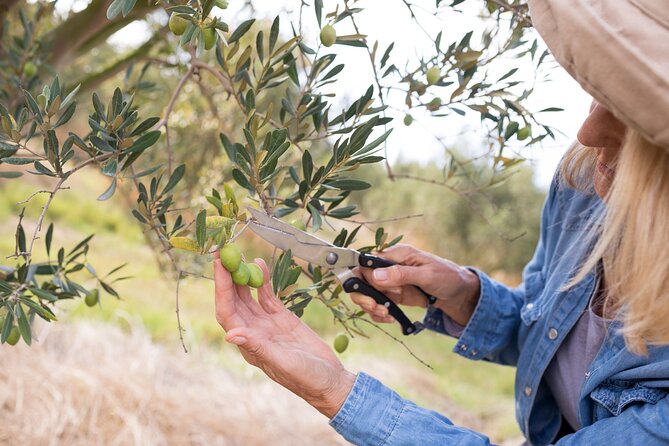
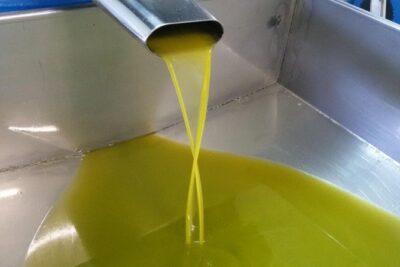
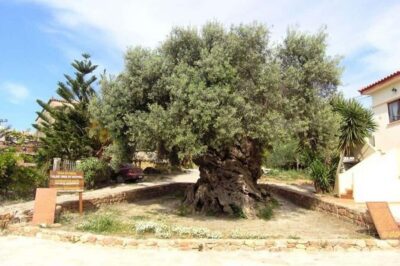
The first stop takes about an hour in Skalani. You visit an olive mill and an olive grove, then learn how olives become oil before sitting down to taste the result with breakfast-style food pairings.
I like starting here because it gives you a practical base for everything that follows. Cretan olive oil can taste very different depending on the olives, harvest, and production method. Tasting it with food is more useful than sampling it alone, since you get a clearer idea of how it works at the table.
The visit also covers how the mill uses the different parts of the olive, including the pits. That detail helps you see the process as a working agricultural system rather than a simple press-and-bottle operation.
The food pairing is described as brunch, so you should expect the day to begin with something more substantial than a tiny sample. Bottled water is also included. If you are hoping for a long formal olive-oil class, this is not that kind of stop. You get about an hour, enough for a guided explanation and tasting, but not a full agricultural workshop.
Still, it is a strong opening. You begin with one of Crete’s central ingredients, see where it comes from, and have food in your stomach before the wine and raki tastings later in the day.
Meleses: five wines from a Cretan family winery
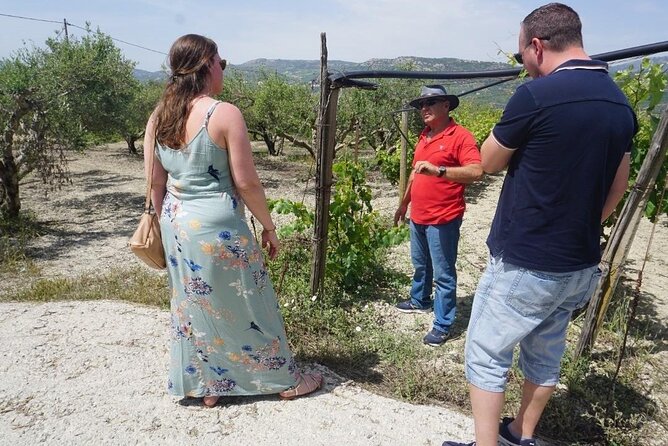
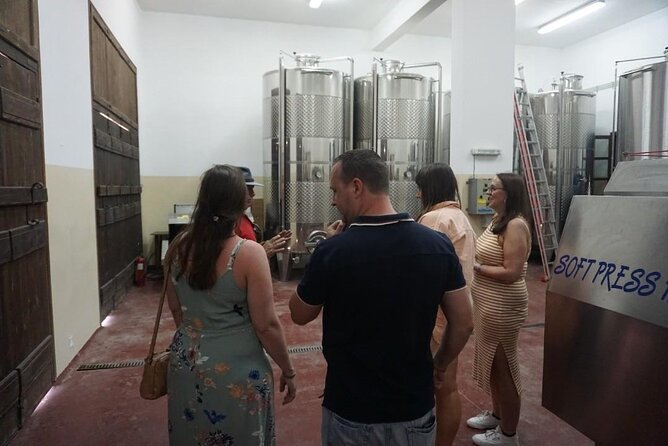
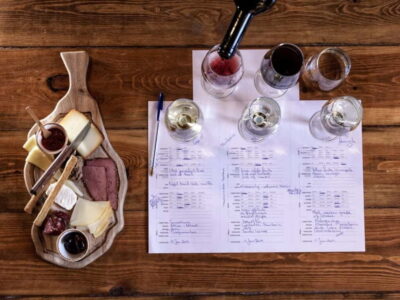
The next stop is in Meleses, where the tour visits a family business focused on organic cultivation and solely Cretan grape varieties. You tour the vineyard and wine cellar, then taste five wines.
That local grape focus is important. A tasting built around Cretan varieties gives you a better sense of the island than a lineup dominated by familiar international grapes. You can compare several styles while also learning how the winery works with its own regional fruit.
The stop lasts about an hour. It is not only a standing tasting. You have time to relax in the shade and look across the vineyards and olive groves, which gives the visit a slower rhythm after the drive and the olive mill.
This is also one of the places where the family-run character matters. The tour is not built around a large commercial operation. You may find the conversation more direct and personal, with a chance to ask about cultivation, cellar work, and the wines in your glass.
One especially appealing detail is the chance to fill and cork your own bottle of wine. That activity has made the stop memorable for some people, since you leave with a bottle to save for a special occasion. The supplied details do not promise this on every departure, so consider it a possible bonus rather than a fixed part of the program.
The drawback is simple: five wines in an hour can move quickly. If you want to linger over each pour, ask questions early and pace yourself. You do not have to match anyone else’s drinking speed.
Stironas: raki, the cellar, and lunch at a traditional distillery
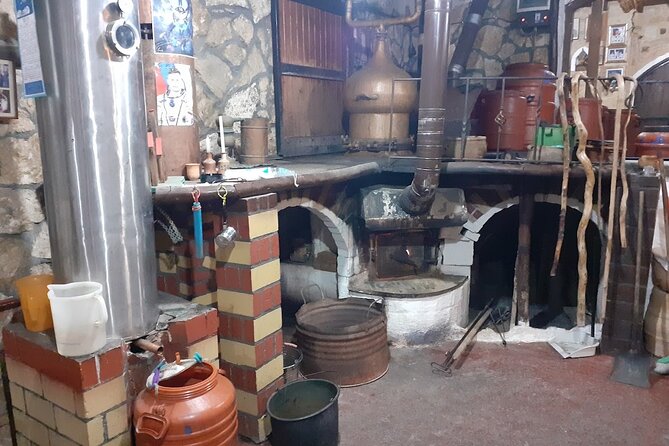
The longest stop is in Stironas, where you spend about two hours at a raki distillery. First comes a tour of the surrounding area, followed by a look inside the distillery and an explanation of how raki is made.
Raki, also called tsikoudia in Crete, is a grape-based spirit closely tied to local hospitality. Here, the value is in seeing the equipment and distilling methods rather than treating raki as just another drink on a tasting list.
You then visit the cellar for wine and raki tasting before sitting down to lunch at the traditional distillery. This is the point where the day shifts from a tour of food production to a long village meal. Lunch is included, and the food is one reason the tour offers better value than a basic tasting excursion.
You should plan to eat well here, but do not expect a restaurant menu with endless choices. The appeal is the setting and the traditional meal, not a carefully timed fine-dining service. The pace may also depend on the group and the distillery’s routine that day.
The alcohol deserves an honest warning. Wine is served at the winery and again at the distillery, while raki is part of the later tasting. One person specifically found the amount of raki a bit much. You can enjoy the explanation, take small tastes, and choose water when you have had enough. No good host should expect you to drink every pour.
For many people, this will be the emotional center of the day. You have the still, the cellar, the meal, and the chance to sit with a small group in a place tied to local production. It feels less like checking off an attraction and more like being welcomed into a working tradition.
More Olive Oil and Wine Tastings in Greece
- Rethymno: Private Winery & Olive Oil Tasting Tour with Lunch
★ 5.0 · 56 reviews - Wine, Olive Oil, and Honey Tour with Winemaker
★ 5.0 · 55 reviews - Crete: Knossos Palace, Winery & Olive Oil Tour with Lunch
★ 4.9 · 49 reviews - Cretan Delights – Wine, Olive Oil & Cooking Workshop from Chania
★ 5.0 · 25 reviews
Thrapsano: pottery and a link to Crete’s older traditions
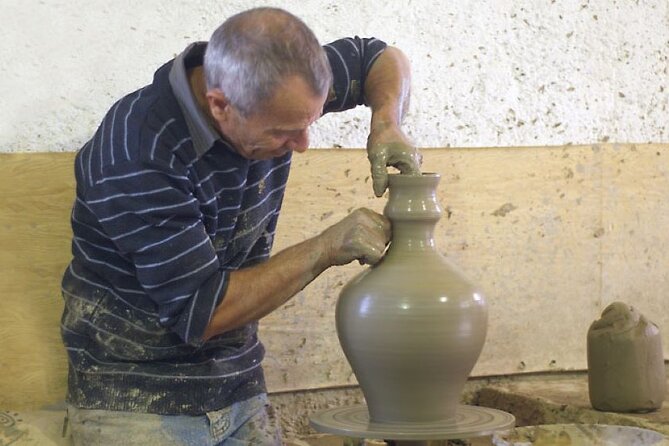
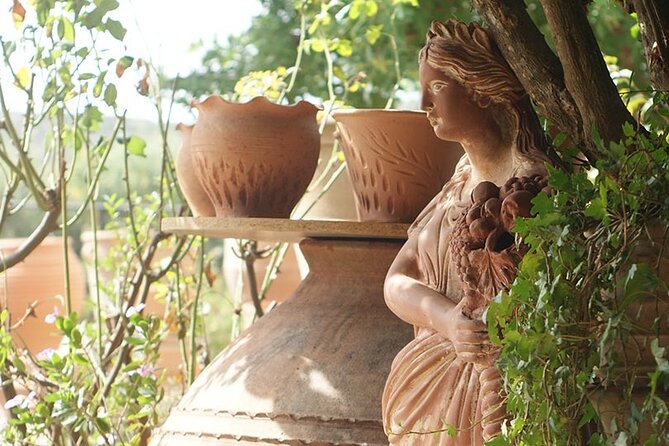
The final listed stop is Thrapsano, a traditional village known for pottery. The craft is connected to a tradition that reaches back to the Minoan era, and you can watch pottery being made before trying it yourself.
This adds useful balance to the food and drink. You are not spending the entire day sitting at tables. You get to see a skilled craft, handle the material, and understand how village production remains part of the island’s cultural identity.
The pottery stop is optional and is not available on Sundays. That is the most important planning note for your calendar. If you book a Sunday, expect the schedule to differ and do not count on the hands-on pottery portion.
The activity is likely best for people who enjoy learning by doing. You do not need to arrive with artistic ability. The point is to try the process and see how much control a potter needs to shape a simple form.
Because the stop lasts about an hour, it should not dominate the day. It works as a final change of pace after lunch and tastings. If you are mainly interested in wine and olive oil, you may see it as an extra. If you want a broader picture of Crete, it is a worthwhile addition.
The small vehicle makes the long day easier
Pickup is offered, and the tour uses an air-conditioned vehicle. Those details matter in Crete, where a day of rural visits can involve warm roads and several transfers. You can focus on the views and conversations instead of worrying about directions or designated driving.
The start time is 9:30 a.m., and the full experience lasts around six to seven hours. That is long enough to feel like a real day out, but short enough to leave your evening open.
A maximum of eight people is a real advantage. Small groups make it easier to hear the explanations at the mill and distillery, and they give you more freedom to ask about the products. The experience can also feel more like a shared outing than a scheduled bus excursion.
Pickup details should be checked carefully when you book, since the supplied information confirms that pickup is offered but does not list every pickup point. The tour is near public transportation, and service animals are allowed. Most people can participate, though the schedule includes several stops and a full meal, so it is wise to consider your own comfort with a long day of tastings.
Is $145.18 a fair price?
At about $145.18 per person, this is not the cheapest way to sample Cretan food. It is also not simply a wine tasting. Your price covers the air-conditioned vehicle, bottled water, brunch with olive oil tasting, a guided olive mill visit, a winery tour with five wines, a distillery entrance and tasting, lunch, and pottery when that optional stop is available.
The value improves if you want a full-day outing without arranging transport between four rural areas. A private car, separate tastings, and meals could easily become more complicated and expensive, even before you add the time needed to find each place.
The strongest value comes from the range. You are not paying for repeated versions of the same tasting. You see olive oil production, vineyard cultivation, winemaking, raki distilling, a cellar, a village meal, and traditional pottery.
It is less suitable if you want a quiet, alcohol-free cultural tour or if you prefer to choose every dish and tasting yourself. Wine and raki are part of the identity of the day. You can pace yourself, but you cannot remove that focus from the experience.
Who should book this experience?
I would recommend it to you if you want to understand Crete through its food and small businesses rather than through a list of major sights. It suits couples, friends, and curious solo visitors who enjoy relaxed conversation and a small group.
It is also a good fit for cruise passengers. One booking included pickup from a cruise ship and a return without trouble, though you should confirm your own port timing before paying. The tour begins at 9:30 a.m., so your ship schedule must allow enough time for pickup and return.
Families may enjoy the pottery stop and the food, but the alcohol-centered sections make the day less ideal for children who need constant entertainment. The activity allows most people to participate, and service animals are allowed, but the supplied details do not give specific information about vehicle storage or step-free access.
The tour requires good weather. If poor weather cancels it, you can receive a different date or a full refund. It also requires a minimum number of participants, so a cancellation for that reason brings the same choice of another date or a full refund.
Free cancellation is available up to 24 hours before the start time. Changes or cancellations inside that window are not accepted for a refund, so keep the local cutoff in mind.
Should you book Cretan Wines and Olive Oil Tour?
Book this tour if you want a generous, social day built around the real work behind Cretan food. The best parts are the small group, the family-run producers, the five-wine tasting, the lunch at the raki distillery, and the chance to see more than one side of village life.
Think twice if you dislike spirits, want a short tasting, or need a tightly controlled schedule. The day is full, and raki is not a minor detail.
For most food-minded visitors, I see this as a strong way to spend one day in Crete. You get transport, several tastings, two meals, local craft, and plenty of contact with the people who make the island’s signature products. Pace yourself, check the Sunday pottery note, and leave room for a long lunch.
FAQ
How long does the Cretan Wines and Olive Oil tour last?
The tour lasts approximately six to seven hours. It starts at 9:30 a.m.
How many people can join the tour?
The experience has a maximum of eight participants.
Is pickup available?
Yes. Pickup is offered, and the tour uses an air-conditioned vehicle. Specific pickup details should be confirmed when booking.
What food and drinks are included?
The price includes brunch with an olive oil tasting, lunch, wine tastings, raki tastings, and bottled water. Alcoholic beverages are for adults aged 18 and over.
Is the pottery stop available every day?
No. The pottery stop in Thrapsano is optional and is not available on Sundays.
Can I cancel for a full refund?
Yes, if you cancel at least 24 hours before the experience start time. Cancellations or changes made less than 24 hours before the start time are not refunded. If poor weather or the minimum group size causes the tour to be canceled, you will be offered another date or a full refund.
Newest grove reviews around Crete
- Olive Oil Food Pairing in Crete★ 5.0 · 4 reviews
- Crete’s Wine and Olives Safari Tour from Chania★ 5.0 · 12 reviews
- Private Tour: Soap, Olive Oil & Lyrarakis Winery with Lunch★ 4.5 · 15 reviews
- Knossos Cave of Zeus and Olive Oil Factory Full Day Private Tour★ 5.0 · 19 reviews
- Spiridi Olive Oil Farm Tour★ 4.5 · 22 reviews
- PRIVATE-Zeus Birthplace-Traditional Villages-Olive Oil Factory★ 5.0 · 23 reviews
- Cretan Delights – Wine, Olive Oil & Cooking Workshop from Chania★ 5.0 · 25 reviews
- Knossos & Lasithi Plateau: Villages, Olive Oil Tour From Elounda★ 5.0 · 26 reviews
Olive Oil and Wine Tastings, compared.
Sorrento Farm and Food Experience including Olive Oil, Limoncello, Wine tasting
Read our review →
Krka Waterfalls With Boat Cruise, Wine and Olive Oil
Read our review →

Lemon, Olive Oil and Wine Tasting Tour with Lunch
Read our review →
Browse the lists this tour appears in