
Review · OLIVE MILL AND FACTORY TOURS
From Mendoza: 3 Wineries, Olive Oil Factory Tour & Tasting
Maipú gives you a lot of wine in a short afternoon: three wineries, three different production styles, and an olive oil factory for $34. You are not tied to one polished cellar. Instead, you see family-scale production, industrial methods, and sweeter wines in one compact outing.
I like the large range of tastings, often around 9 to 11 wines, and the way the stops make comparison easy. I also like the practical setup: bilingual guides, air-conditioned transport, and hotel pickup in Mendoza city. The catch is the long collection period. The bus may spend up to 45 minutes picking people up, and bilingual commentary can sometimes be harder to follow when the guide switches quickly between English and Spanish.
Key points to know before booking
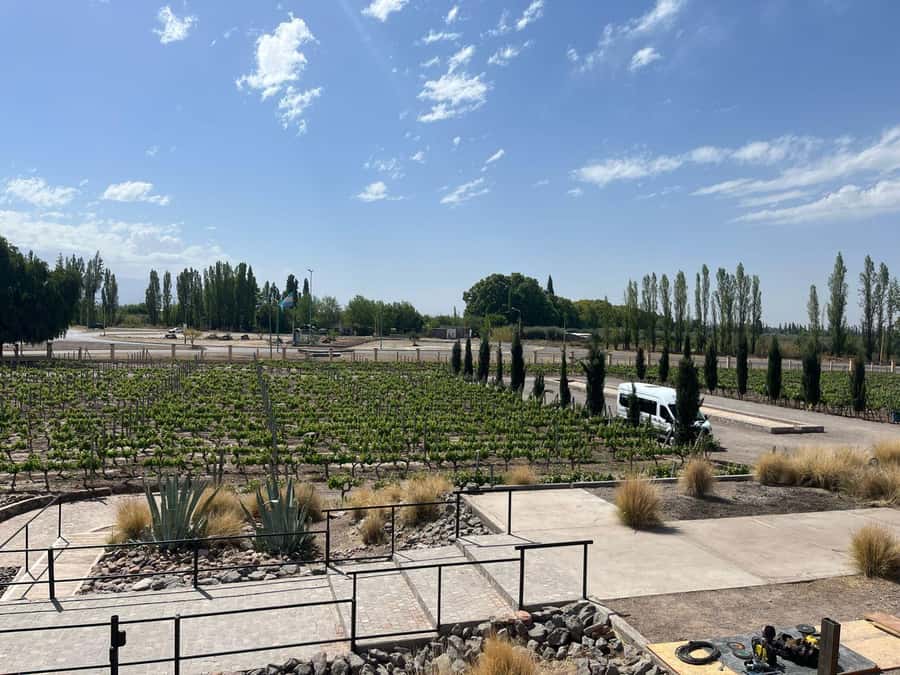
- Three distinct winery styles: Expect an artisanal producer, an industrial cellar, and a sweet-wine stop in Maipú.
- About 9 wines or more: Each winery generally serves three wines, including combinations of red, white, rosé, young, and aged bottles.
- Olive oil with food: The final stop includes bread, olive oil, olive paste, and other local products.
- A genuine half-day plan: Pickup starts at 2 p.m., with return to Mendoza around 8 p.m.
- Strong value at $34: Tastings, entrance fees, transport, and the olive oil sampling are included.
- Bilingual operation: Guides speak English and Spanish, though fast switching between languages may take some attention.
Why Maipú works so well for a half-day wine tour
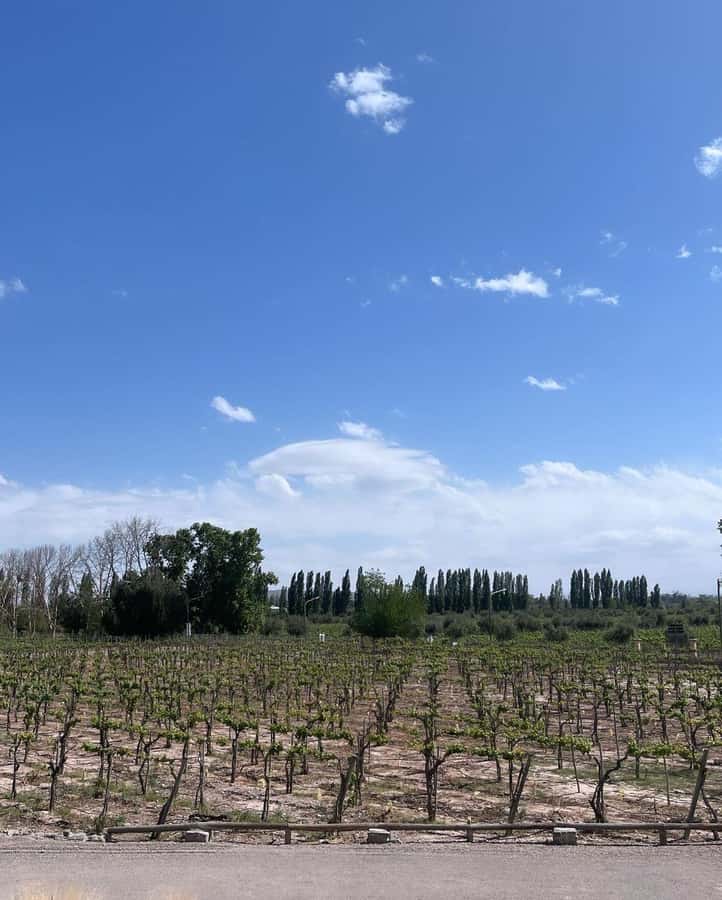
Mendoza has several wine areas, and Maipú is the sensible choice when you want an easy afternoon from the city. The district is close enough to avoid a full-day commitment, yet it gives you several producers and styles in one trip.
This tour is built around contrast. One stop may explain traditional or organic methods in a smaller setting. Another shows a more industrial approach. A third focuses on sweeter wines, which breaks up the usual procession of Malbec and Cabernet. You will not get the same polished, single-estate story at every stop, but you will get a better feel for how varied Mendoza wine can be.
The format also suits beginners. At each winery, staff explain the production process before pouring. You can compare young and aged wines, and the tasting usually covers red, white, and rosé styles. That matters because it gives you a way to decide what you actually like instead of simply being told that Mendoza means red wine.
The tour carries a 4.6 rating from 901 ratings, and the strongest praise centers on the guides, organization, number of tastings, and price. Those are the areas that matter most on a short wine outing.
More Olive Mill and Factory Tours in the world:
- Crete: Quad Safari, Olive Mill with Tasting & Ghost Village
★ 4.9 · 1,004 reviews - Knossos-Zeus Cave -Old Traditional Villages-Olive Oil Factory
★ 5.0 · 694 reviews - The Governor’s Olive Mill Tour with Olive Oil Tasting
★ 5.0 · 502 reviews
The 2 p.m. pickup from Mendoza
Pickup begins at 2 p.m. from listed hotels, hostels, and meeting points around Mendoza city. Options include the Sheraton Mendoza Hotel, Hilton Mendoza, Amérian Executive Mendoza Hotel, Soltigua Apart Hotel, Hostel Lagares, Hostel Central, Hotel Crillón, and several other central locations.
You should wait in the lobby from 10 minutes before your scheduled pickup. The collection process can take up to 45 minutes, so do not plan a tight appointment immediately before departure. This is a shared tour, and the exact order depends on where people are staying.
Transport is air-conditioned and heated. Most accounts describe the ride as clean, comfortable, and well handled, though the vehicle can vary. One small group found a sedan tight for five people, while another group had an air-conditioning problem fixed with a replacement vehicle. The practical lesson is simple: expect shared transport rather than a dedicated luxury van.
Once everyone is aboard, the guide gives context about Mendoza, its climate, geography, water supply, and wine production. Guides named in the feedback include Dolores, Rosío, Maru, and Alejandro. The exact guide changes, but the tour is designed to run in both English and Spanish.
First stop: an artisanal winery
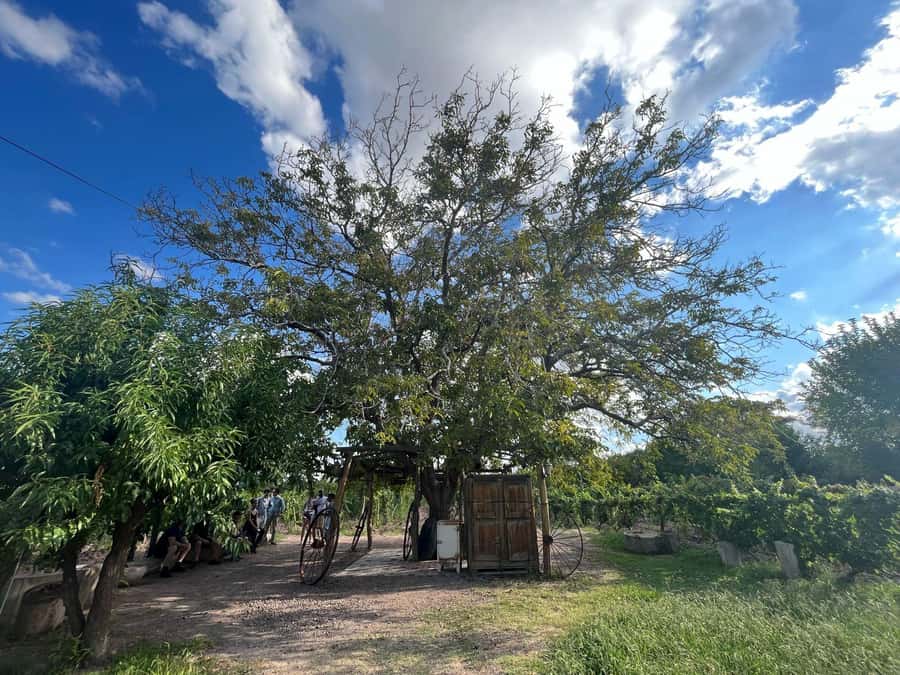
The artisanal winery is often the most personal stop. Smaller producers can make it easier to see how wine is made on a limited scale, with more attention to traditional or family methods. One version of the outing includes Bodega Familia Cecchin or a similar producer, while the exact cellar can change.
Expect a guided explanation of the full process, not just a quick tasting. Staff cover the grapes, fermentation, storage, and the differences between styles. Several people found the first winery especially useful because the explanation starts with the basics and builds toward the glass in front of you.
You will generally taste three wines here. The selection may include young and aged examples, along with red, white, or rosé wines. If your group includes both English and Spanish speakers, the party may be split into smaller groups at the winery. That can make the explanation easier to follow and create a more personal visit.
This is a good place to ask questions. You can learn how a smaller operation differs from the larger cellar later in the day, and you have not yet reached the point where the tastings start to blur together.
The olive oil factory adds a welcome change
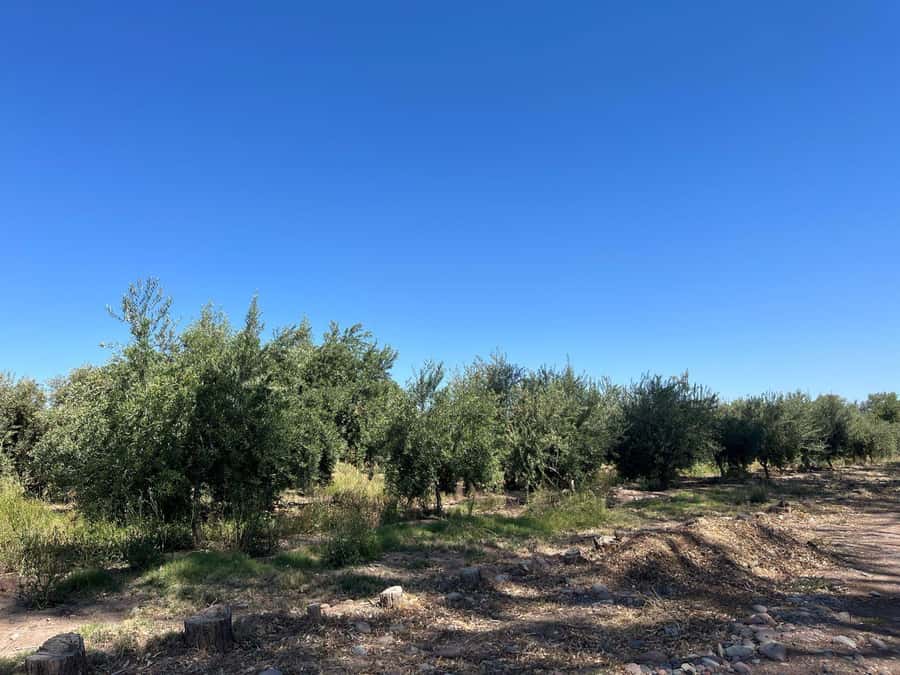
The olive oil stop is more than a quick palate cleanser. It gives the afternoon a second local product and changes the rhythm after the first wine tasting. A possible stop is Olivícola Boutique Pasrai or a similar producer.
Here you learn how olives are processed and taste several oils and related foods. The tasting includes bread with olive oil, olive paste, and other delicacies. Some versions include four oils, while another tasting included five different olive oils.
The food makes this stop especially useful. After several wine pours, a piece of bread and a savory spread give you something solid to eat. You can compare oils in the same way you compare wine: notice peppery, mild, fruity, or bitter notes rather than treating every bottle as identical.
This stop has a few limits. One group found the factory crowded and felt there was not much to see beyond the tasting. English explanations may also be less polished here than at the wineries. I would treat the olive oil visit as a worthwhile supporting stop, not the main reason to book the tour.
More Olive Oil and Wine Tastings in the world:
- Sorrento Farm and Food Experience including Olive Oil, Limoncello, Wine tasting
★ 5.0 · 2,524 reviews - Split: Krka Waterfalls With Boat Cruise, Wine and Olive Oil
★ 4.3 · 1,507 reviews - From Chania: Olive Oil, Wine, Cheese & Honey Tasting Tour
★ 4.6 · 490 reviews - From Chania: Wine and Olive Oil Tasting Tour with Snacks
★ 4.8 · 354 reviews
The industrial cellar shows another side of Mendoza wine
The industrial winery provides a useful contrast with the artisanal producer. Here, the focus is more likely to be on volume, equipment, production systems, and how wine reaches a wider market. The tour description identifies Vistandes Winery or a similar cellar as one possible stop.
This part of the visit helps answer a question that a small family bodega cannot: how does a larger producer handle grapes, fermentation, storage, and bottling at scale? Staff explain the process and pour three wines for comparison.
The industrial setting may feel less intimate than the first winery, but it is valuable precisely because it is different. If you are new to wine, you will see that quality and production size are not the same thing. If you already know Mendoza wine, this stop gives you a broader view of the local industry.
The tasting pace is usually well judged. You get enough explanation to understand what is in the glass, but the tour keeps moving so that the afternoon does not become a single long lecture.
The sweet-wine cellar breaks up the reds
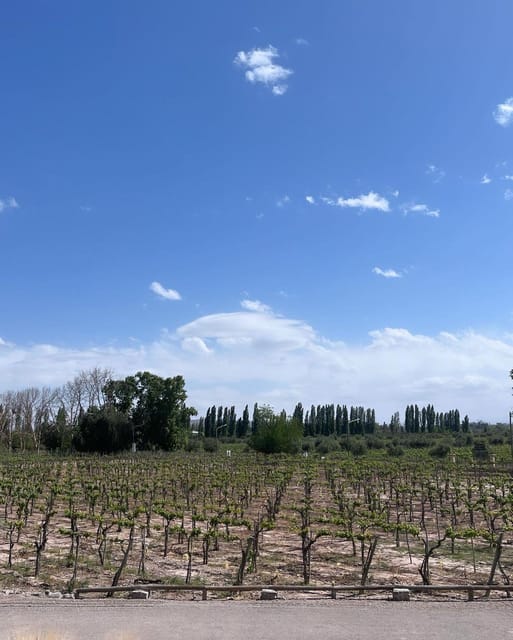
The third winery is a sweet-wine producer, listed as Esencia or a similar cellar. This is the stop most likely to divide opinions. If you mainly want dry Malbec, a sweeter tasting may not be your favorite part of the afternoon. Still, it is a smart inclusion because it shows a side of Argentine wine that many visitors would otherwise miss.
You will taste additional wines and get another explanation of how the producer works. The contrast with dry reds gives your palate a reset, and it makes the entire tour more educational. You can compare sweetness, acidity, body, and finish instead of tasting several similar reds in succession.
The order of the four visits can vary. The olive oil factory may come before or after the final winery, depending on the day. Either way, the tour includes three wineries and one olive oil producer, with entrance fees and tastings covered.
How much wine will you actually taste?
The stated plan is three wines at each winery, or about nine wines total. Some groups received 11 wines, and others tasted three or four at individual stops. The exact count depends on the producers visited and the pours offered that day.
That is a generous amount for a six-hour afternoon. You should pace yourself, drink water when it is available, and use the food at the olive oil stop to your advantage. You may become pleasantly tipsy, especially if you finish every pour.
The tastings are not only about quantity. You compare young and aged wines, white, red, rosé, and sweet styles. This makes the outing useful for someone who wants to learn basic wine differences, not simply collect tasting-room stamps.
You can also buy wine, snacks, and olive oil at the stops. Prices have been described as reasonable, and sales pressure is not a major part of the experience. Buying is optional, so you can enjoy the tastings without feeling pushed to fill your suitcase.
Guides, language, and the quality of explanations
The main guide stays with the group between stops and adds information about Mendoza, the local climate, water, geography, and the wineries ahead. At each producer, a separate staff member usually leads the detailed explanation.
The best guides bring energy without rushing the group. Dolores is repeatedly praised for clear English, organization, and a friendly way of keeping the afternoon moving. Rosío is described as personable and helpful, while Maru and Alejandro also received strong praise for their warmth and explanations.
The tour is bilingual, which makes it accessible for English and Spanish speakers. In mixed groups, the guide may explain the same point twice or switch languages fluidly. That is helpful, but it can slow the rhythm. One person found fast switching difficult to follow, and another had to translate some comments for native English speakers.
If you need every technical detail in English, stay near the guide and ask for clarification. The winery staff generally provide their own English explanations, and several English-speaking visitors had no trouble. Still, the quality can vary by stop, especially at the olive oil factory.
One practical weakness is the vehicle audio system. It did not always carry the guide’s information clearly. On a short ride this is minor, but it can matter if you want to hear every comment about Mendoza between stops.
What the $34 price really covers
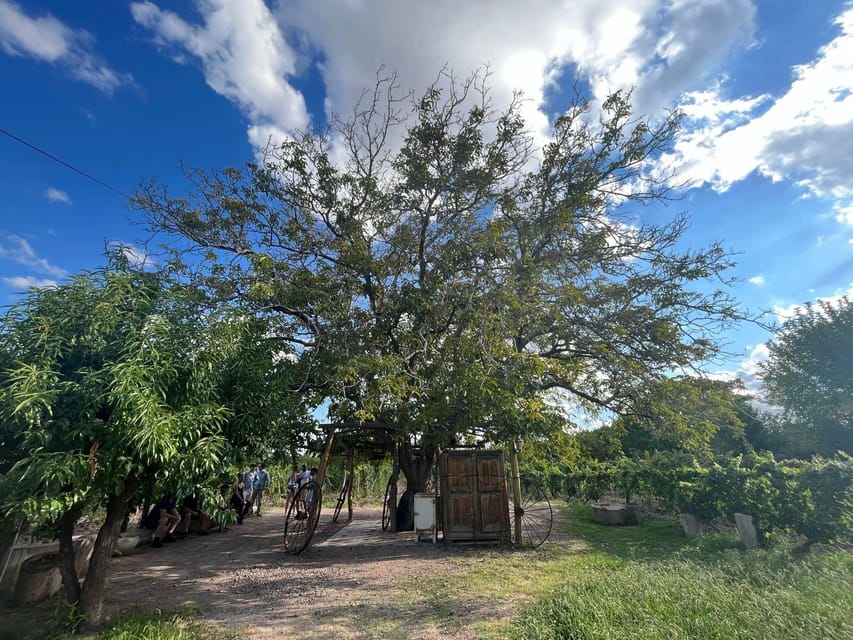
At $34 per person, this is one of the stronger-value wine outings in Mendoza. The price includes hotel pickup and drop-off from listed city locations, transport, entrance fees, all wine tastings, and the olive oil products tasting.
You are paying for four visits across six hours. Even if you value the wine modestly, the combination of transport and several guided tastings makes the cost easy to justify. A private tour would offer more control, but it would not normally match this price.
The trade-off is scale and flexibility. You do not choose the exact wineries, and the pickup route can take time. The vehicle and group size may also vary. This is the right price for a social, efficient introduction to Maipú, not a private collector’s tour built around one special estate.
The included food at the olive oil factory adds real value. It is not a full meal, so eat beforehand if you need lunch, but bread, olive paste, oil, and other small items help carry you through the afternoon.
Who should book this Maipú outing?
I would choose this tour if you have one free afternoon in Mendoza and want variety without planning four separate visits. It is especially suitable for first-time wine visitors, solo people who want an easy social activity, couples, and small groups trying to keep costs down.
You will also like it if you want more than Malbec. The mix of white, red, rosé, aged, young, and sweet wines gives you a fuller introduction to the region. The olive oil visit adds a local food angle and gives your palate a break.
I would look elsewhere if you want a quiet, highly personalized day at two or three premium estates. I would also think twice if you dislike shared transport, bilingual commentary, or a schedule that may spend nearly an hour collecting passengers.
The activity is not suitable for wheelchair users. Pickup and drop-off are available only at the listed locations, so check that your accommodation is covered before booking. Free cancellation is available up to 24 hours ahead, and you can reserve now and pay later.
Should you book it?
Book this tour if your priorities are low cost, many tastings, easy transport, and variety. The strongest part is the contrast between the three winery types, supported by friendly guides and clear explanations at most stops.
Skip it if you want a slow private experience, exact control over the wineries, or a full meal. For most people spending a few days in Mendoza, though, this is a practical way to get a broad taste of Maipú in one afternoon. At $34, the combination of four visits, included tastings, bilingual service, and city pickup is hard to beat.
FAQ
How long does the Mendoza wine and olive oil tour last?
The activity lasts six hours. Pickup begins around 2 p.m., and return to Mendoza is planned for about 8 p.m.
How many wineries does the tour visit?
You visit three wineries in Maipú. The planned mix includes an artisanal winery, an industrial winery, and a producer specializing in sweet wines.
How many wines are included?
The stated plan includes three wines at each winery, for about nine wines in total. Some outings include additional pours, with several groups tasting around 11 wines.
Is the tour available in English?
Yes. The tour operates in English and Spanish. Guides may switch between both languages during transport and at the stops.
Is the olive oil tasting included?
Yes. The olive oil factory visit and tasting are included. You can expect bread with olive oil, olive paste, other delicacies, and several oils to compare.
Where does pickup take place?
Pickup is available from listed Mendoza city hotels, hostels, and meeting points, including the Sheraton Mendoza Hotel, Hilton Mendoza, Amérian Executive Mendoza Hotel, Soltigua Apart Hotel, Hostel Lagares, Hostel Central, Hotel Crillón, and other named locations.
Newest grove reviews around the world
- Córdoba: Olive Oil Tasting Experience★ 4.4 · 8 reviews
- Corinthian olive oil tour & tasting experience★ 5.0 · 4 reviews
- Corfu: Olive Oil & Wine Tastings & Traditional Villages Tour★ 5.0 · 6 reviews
- Corfu: Organic Olive Oil Farm Tour with Transfer and Tasting★ 5.0 · 8 reviews
- Chania: Authentic Crete Villages Tour & Olive Oil Tasting★ 4.5 · 2 reviews
- Chania Olive Tour: 3,000-Year-Old Tree, Museum &Organic Mill★ 5.0 · 5 reviews
- Chania Private Olive Oil Tour: Oil Tasting & Villages Tour★ 4.4 · 9 reviews
- Cazorla: Olive grove and mill tour★ 5.0 · 2 reviews
Olive Mill and Factory Tours, compared.

Knossos-Zeus Cave -Old Traditional Villages-Olive Oil Factory
Read our review →
The Governor’s Olive Mill Tour with Olive Oil Tasting
Read our review →
Road-trip to Lasithi, Zeus Cave & Olive Mill Farm
Read our review →
Lassithi, Zeus Cave, Olive Mill Farm & Knossos Combo Tour
Read our review →

Lake Garda Oil Mill Tour with Olive Oil Tasting
Read our review →
Tavira Olive Experience Factory Tour and Tasting
Read our review →Browse the lists this tour appears in