
Review · OLIVE FARM VISITS
Heraklion :Olive & Dragon Farm Tour & Cretan Farmers Brunch
The best part of this Heraklion outing is the setting: you learn about olive farming inside a family grove, then eat beneath the same trees. Alexis and his wife share a farm cared for by their family for more than four generations, with dragon fruit added to the mix.
I like the practical olive-harvesting simulation, especially if you visit outside the winter harvest season. I also like the brunch, which is far more than a token snack: sfouggato, ntolmadakia, greens pies, dakos salad, olives, and water make it a proper Cretan meal.
The main consideration is the short two-hour schedule. It works well for a relaxed taste of rural Crete, but you should not expect a full farm day, a long cooking class, or a broad tour of the Heraklion area.
Key points at a glance
- A four-generation family grove: Learn how the family grows and harvests olives on its own land.
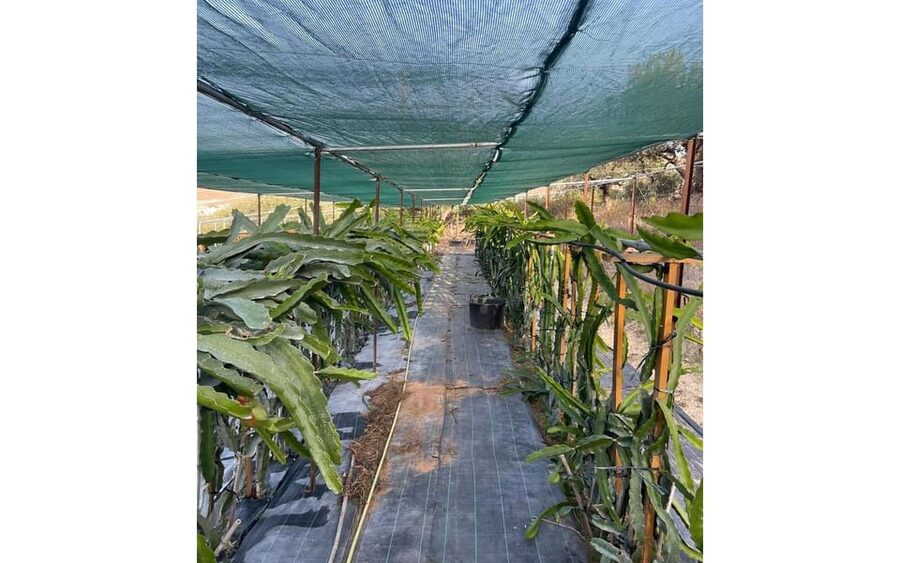
- Dragon fruit alongside olive trees: See how the farm has adapted its produce to current market needs.
- Olive collecting without waiting for winter: Take part in a simulation of the harvest process.
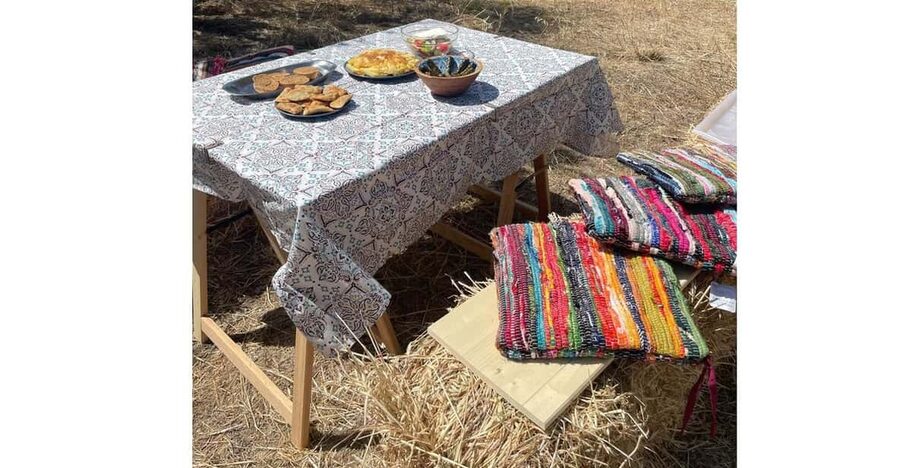
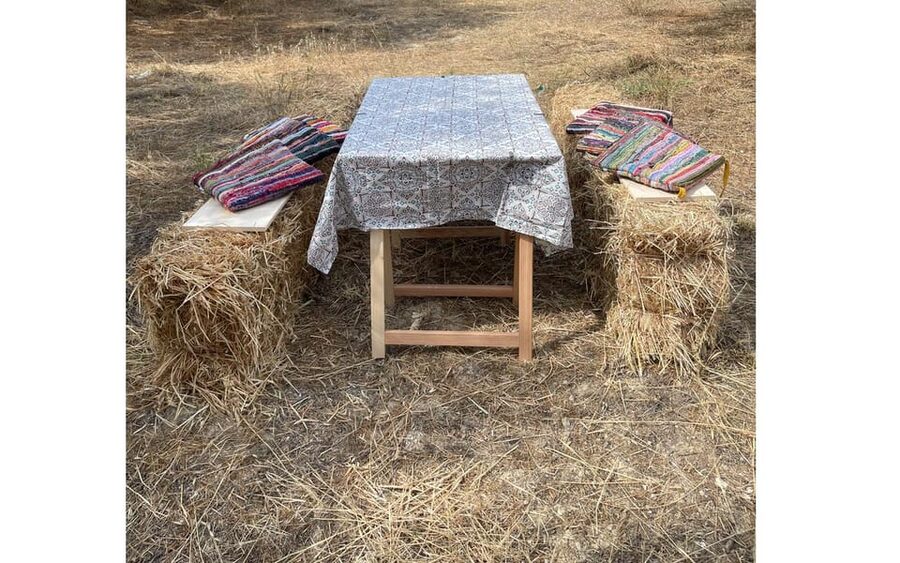
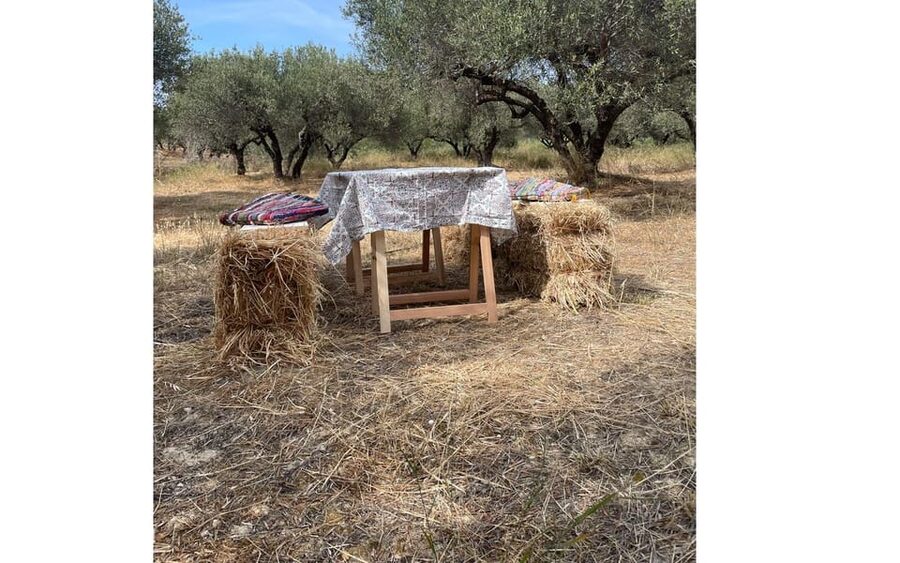
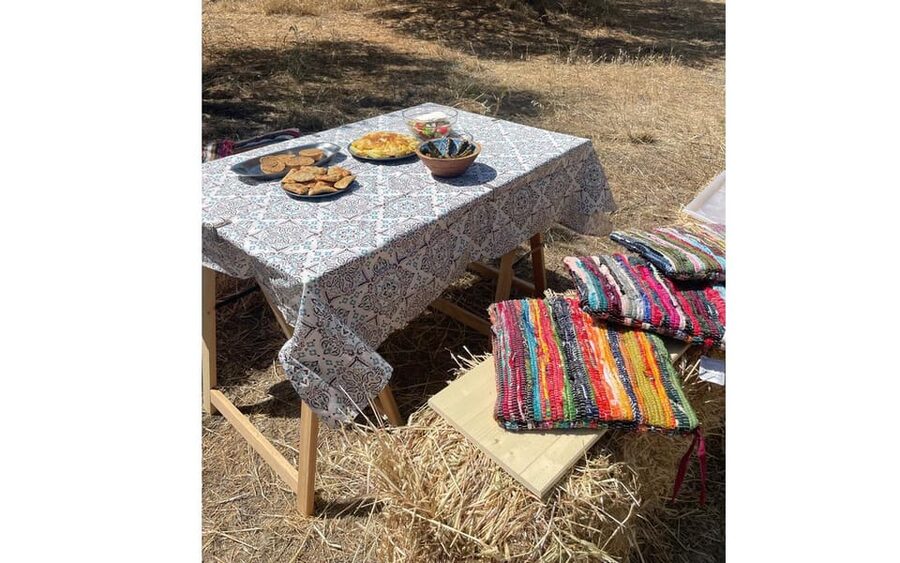
- Brunch under the trees: Eat in a recreated resting place inspired by Cretan farmers’ traditional midday break.
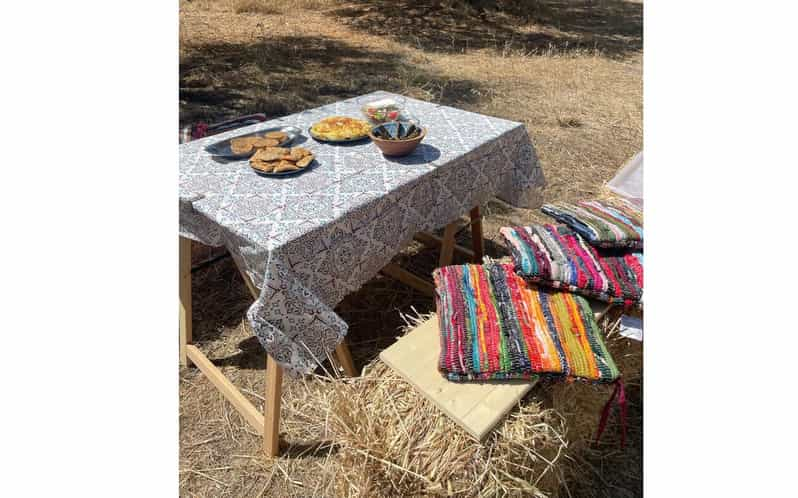
- A generous homemade spread: The meal includes sfouggato, about 10 ntolmadakia, greens pies, dakos salad, olives, and still water.
- Private and bilingual: The two-hour visit is for your own group, with guiding in English or Greek.
A working farm, not a staged tasting room
This experience gives you a close look at two crops that tell different stories about Crete. Olive trees are tied to old farming routines and family land. Dragon fruit represents a newer direction, showing how a small farm can adjust its work to meet changing demand.
You meet at Evangelismou 135, at the sign on the right as you drive uphill toward Cretan Dragon Farm. The provided meeting details do not include hotel pickup or public transport arrangements, so plan to make your own way to the starting point and confirm the exact directions before setting out.
Alexis leads the visit with his wife. Their family has cared for the olive grove for more than four generations, which gives the farm talk a personal angle. You are not simply hearing general facts about olive oil production. You are hearing how one family works its own trees and manages its own farm.
That distinction matters. A large commercial plantation can explain scale, machinery, and export figures. Here, the focus is closer to the ground: the trees, the work, the harvest, and the food that comes from the surrounding land.
More Olive Farm Visits in Greece
- Crete: Road-trip to Lasithi, Zeus Cave & Olive Mill Farm
★ 4.4 · 451 reviews - Heraklion: Olive Farm Tour with Tasting of Local Delicacies
★ 4.9 · 411 reviews - Lassithi, Zeus Cave, Olive Mill Farm & Knossos Combo Tour
★ 4.6 · 404 reviews
Learning how olives move from tree to table
The olive section covers cultivation, harvesting, and collection. You can ask questions as you walk or talk with the guide, and the private format should make it easier to focus on the parts that interest you most.
The harvest simulation is a useful touch. Olive collecting takes place during the winter months, but the activity provides an exact simulation of the process at other times of year. You get a practical sense of how the work is done rather than only hearing a short explanation.
Do not expect a full industrial demonstration. The value is in understanding the rhythm of the job and seeing the trees close up. If you are interested in food production, the olive segment gives the brunch more meaning later. The oil and olives on your plate are connected to the work you have just discussed.
The farm also lets you consider the less romantic side of olive growing. Trees require attention over time, and harvesting is physical work. The visit does not present farming as a postcard-only occupation. It places food, labor, and family tradition in the same frame.
Dragon fruit brings a modern twist
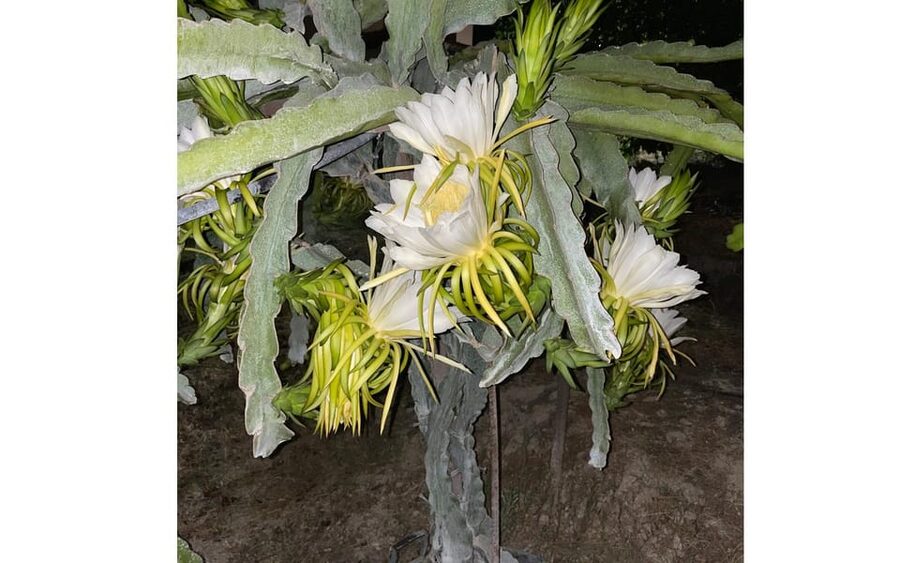
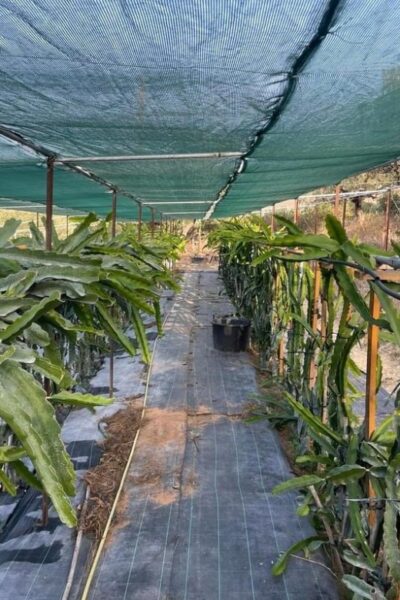
The dragon fruit portion keeps the visit from being only an olive-oil lesson. You learn about the farm’s dragon fruit production and how the owners have adapted to market needs.
This is an interesting contrast. Olive cultivation is strongly associated with Crete and has been part of family farming for generations. Dragon fruit feels like a newer agricultural choice. Seeing both on one farm shows you that Cretan agriculture is not frozen in the past.
The available details do not promise a large plantation or a fruit-picking session, so keep your expectations sensible. This is a guided introduction to dragon fruit farming as part of a two-hour farm visit. The appeal is the comparison between the old and the new, not a long specialist class.
If you are curious about local produce, this may be the most distinctive part of the outing. Many food-focused activities in Crete stay with olives, cheese, wine, or herbs. Here, dragon fruit gives the farm a point of difference.
Resting under the olive trees
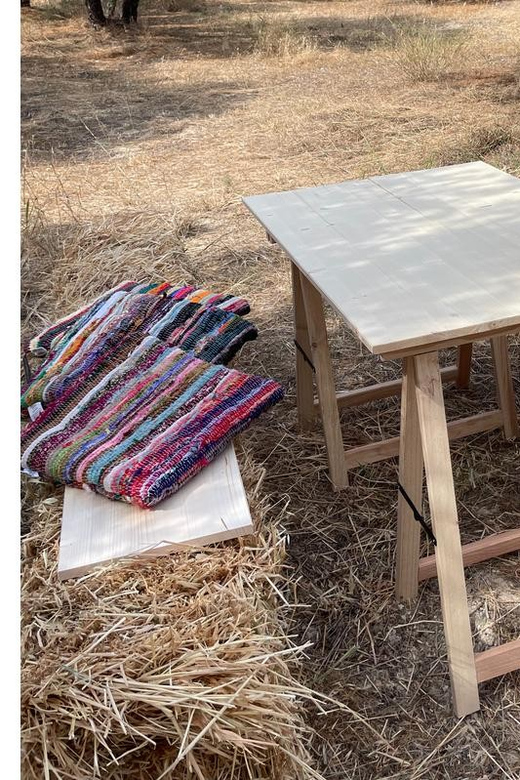
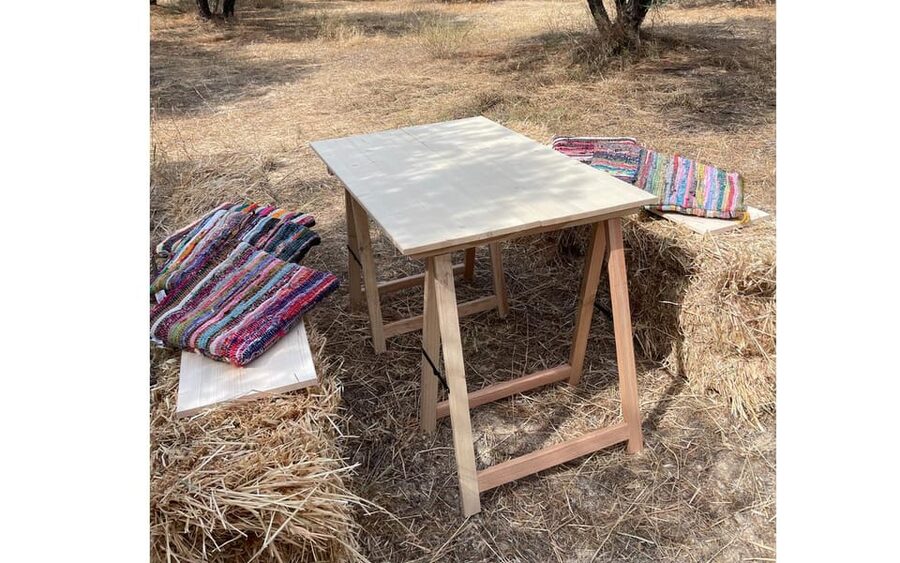
After the farm talk, you have time to rest on the patio and enjoy views toward Dia Island. You can also sit within the olive grove, where the brunch setup recreates the way Cretan farmers might take a break after hard work.
The location is a major part of the experience. You are not eating in a generic indoor dining room. Your meal is served in the shade of olive trees, surrounded by the setting that has shaped the farm’s work.
The patio and grove offer two different moods. The patio gives you a wider view, including Dia Island. The grove is more intimate and closely tied to the farming theme. If shade is important to you, bring a hat anyway, as requested by the farm, and ask where the meal will be arranged when you arrive.
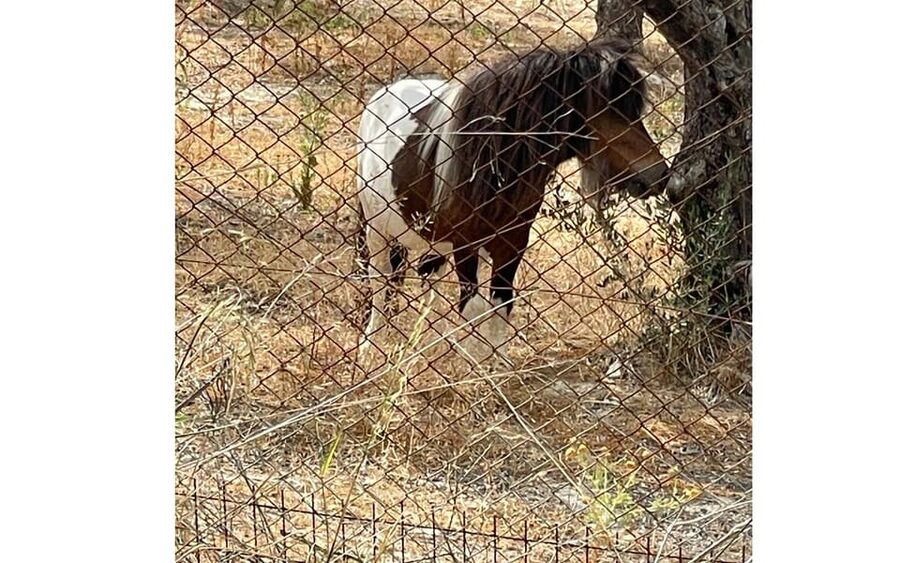
One small detail adds to the informal farm atmosphere: a Polish couple specifically noted the company of cats in the olive grove. Cats are not presented as a formal feature of the tour, so think of them as a possible part of the setting rather than something guaranteed.
Same groves, a different afternoon:
- Crete: Quad Safari, Olive Mill with Tasting & Ghost Village
★ 4.9 · 1,004 reviews - Knossos-Zeus Cave -Old Traditional Villages-Olive Oil Factory
★ 5.0 · 694 reviews - The Governor’s Olive Mill Tour with Olive Oil Tasting
★ 5.0 · 502 reviews - From Chania: Olive Oil, Wine, Cheese & Honey Tasting Tour
★ 4.6 · 490 reviews
What arrives on the brunch table
The meal is included in the $35 per person price, and it is the strongest value point of the visit. The food is described as a substantial traditional meal rather than a light tasting plate.
The centerpiece is sfouggato, a local omelette with potatoes, made with local organic eggs. The listed serving is for two people. You also receive approximately 10 small ntolmadakia, rice rolls wrapped in vine leaves and cooked slowly.
The rest of the spread includes fried pies filled with a variety of greens. A salad for two combines fresh tomato, cucumber, dakos rusk, olives, and olive oil. Small olives come from the trees around you, which makes the setting feel connected to the food rather than decorative.
Still water is included. Alcoholic drinks, sodas, and other purchases cost extra and are not part of the tour. If you want wine, beer, or a soft drink, plan for that separately.
The portions appear designed for a real meal. One French visitor described the food as closer to a traditional meal than a small discovery menu. Another Canadian visitor noted that the brunch was a feast and that taking extra food away was possible. That kind of generosity may depend on what remains and the farm’s discretion, so do not book on the assumption that takeaway food is guaranteed.
How the $35 price holds up
At $35 per person, this is good value if you want both a guided farm visit and a substantial meal. The price covers the private tour, the farm explanation, the harvest simulation, the setting under the trees, and the listed brunch.
The value is especially clear for people who enjoy food with context. You are not paying only for plates of local dishes. You are also paying for access to a family-run olive grove, a bilingual guide, and a close look at how two crops are grown.
Still, the price does not include alcoholic drinks, sodas, or purchases. The tour is only two hours, so it is not a replacement for a full-day agricultural excursion or a major olive oil production tour.
I would compare it with the cost of a standard meal in Heraklion and ask what kind of afternoon you want. If you want a restaurant meal in the city, this is a different choice. If you want lunch with a farm visit, conversation, and a quiet rural setting, the price is appealing.
The two-hour pace and private format
The schedule is short enough to fit neatly into a Heraklion day. You can visit the farm without giving up most of your morning or afternoon, and the return point is the same as the starting location at Evangelismou 135.
The private group format is useful here. Olive farming can bring up very specific questions, and a private visit allows the discussion to follow your interests rather than a fixed speech. Families, couples, and small groups may value the personal pace.
The two-hour duration also sets a clear limit. The tour can introduce the grove, dragon fruit, harvest methods, and brunch, but each subject receives a taste rather than an exhaustive study. If you want detailed botany, olive-oil chemistry, or extended farm work, this will likely feel brief.
The activity is guided in English or Greek. The available information does not list additional languages, so contact the provider if you need another language.
Who will enjoy this farm visit most
I would recommend it to people who want a calm food experience with a clear connection to the land. It suits couples, families, and small private groups who prefer conversation and local cooking over a large organized excursion.
It is also a good choice if you have already seen Heraklion’s main archaeological and urban sights and want a change of pace. The grove, the Dia Island view, and the meal create a more rural afternoon without requiring a full day away.
Food lovers will get the most from it, especially if you want to try several Cretan dishes at once. The menu includes familiar Mediterranean ingredients, but the combination of sfouggato, ntolmadakia, greens pies, dakos, and olives gives you a useful introduction to the local table.
People with limited mobility should ask the provider for details about the ground and seating arrangements before booking, since the supplied information does not describe accessibility. The activity is listed as unsuitable for people over 95 years old.
You should also bring a hat. Crete can be bright and warm, and the farm specifically lists one as something to bring. Alcohol and drugs are not allowed.
Booking details that make a difference
The tour costs $35 per person and lasts two hours. You can reserve now and pay later, which helps if your Heraklion schedule is still moving around.
Free cancellation is available up to 24 hours before the start time for a full refund. Starting times depend on availability, so check the available slot before planning other activities around it.
The meeting point is marked by the farm’s sign on the right as you drive uphill on the road to Cretan Dragon Farm. Because the location instructions are brief, save the address and allow enough time to identify the sign rather than rushing in at the last minute.
The experience returns to Evangelismou 135. No transfer service is listed, and no entrance fee separate from the tour is mentioned.
My call: a strong choice for a local meal and farm setting
You should book this if you want a private, personal introduction to Cretan olive farming followed by a generous meal under the trees. The family connection, dragon fruit angle, harvest simulation, and Dia Island view give the two-hour visit more substance than a simple lunch stop.
You should skip it if you want a long farm workshop, a formal olive-oil tasting, or a full agricultural tour. The schedule is compact, and the focus is on conversation, a practical introduction, and brunch.
For most people with an interest in local food, this is a well-priced way to spend two hours near Heraklion. The best reason to choose it is not one single dish or photo opportunity. It is the combination of family farming, seasonal work, modern crops, and a meal served where the food story begins.
FAQ
How much does the olive and dragon fruit farm tour cost?
The price is $35 per person.
How long does the experience last?
The guided farm visit and brunch last two hours.
Is the tour private?
Yes. The activity is arranged for a private group.
What languages are available?
The tour is offered in English and Greek.
Where does the tour begin?
It begins at Evangelismou 135. The meeting point is marked by the farm’s sign on the right as you drive uphill toward Cretan Dragon Farm.
Where does the tour finish?
The activity returns to Evangelismou 135.
What food is included?
The brunch includes a local omelette with potatoes for two people, about 10 ntolmadakia, fried pies filled with greens, a salad for two with tomato, cucumber, dakos rusk, olives, and olive oil, plus small local olives.
Are drinks included?
Still water is included. Alcoholic drinks, sodas, and other purchases are not included.
Can I cancel for a full refund?
Yes. You can cancel up to 24 hours in advance for a full refund.
What should I bring, and are there any restrictions?
Bring a hat. Alcohol and drugs are not allowed, and the activity is not suitable for people over 95 years old.
Newest grove reviews around Greece
- Athens: Greek Wine & Olive Oil Tasting at Brettos Plaka★ 4.5 · 3 reviews
- Breakfast in the markets with olive oil and honey tasting★ 4.8 · 8 reviews
- PRIVATE RHODES TOUR + Lunch Stop & WINE/OLIVE OIL Tasting★ 5.0 · 2 reviews
- Olive Tour & Tasting★ 5.0 · 4 reviews
- Private Tour in Historic Estate in Monemvasia with wine-olive oil tasting & meal★ 5.0 · 4 reviews
- Olive Facility Visit with Olive Oil Tasting Session★ 5.0 · 2 reviews
- Olive Oil Tasting at the Mykonian Farm★ 4.5 · 3 reviews
- Olive Oil Tour close to Nafplio★ 4.5 · 3 reviews
Olive Farm Visits, compared.
Sorrento Farm and Food Experience including Olive Oil, Limoncello, Wine tasting
Read our review →
Road-trip to Lasithi, Zeus Cave & Olive Mill Farm
Read our review →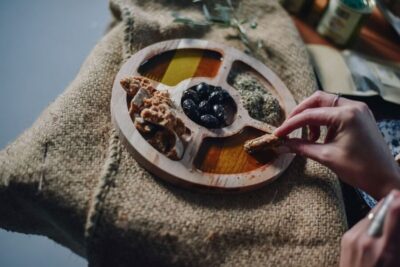
Olive Farm Tour with Tasting of Local Delicacies
Read our review →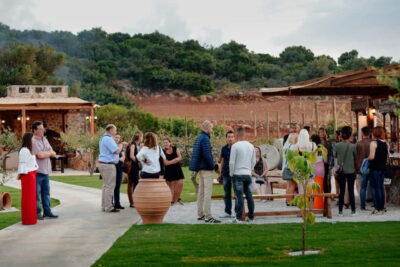
Lassithi, Zeus Cave, Olive Mill Farm & Knossos Combo Tour
Read our review →
Traditional Olive Grove and Dragon Fruit Farm Tour
Read our review →
Moires: Cooking Class and Olive Oil Tasting at a Family Farm
Read our review →
Sóller: Olive Oil Guided Tour and Tasting at Can Det Estate
Read our review →Browse the lists this tour appears in