
Review · OLIVE FARM VISITS
Nafplio: Olive Oil Estate Tour and Tasting
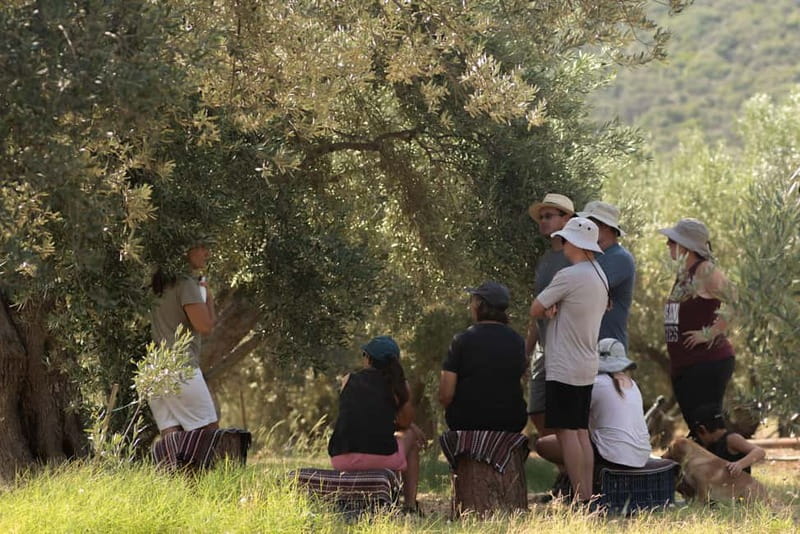
The best part of this outing is its family connection. At the Kotsonis Estate, you learn how olive oil is grown, made, classified, and used from a fourth-generation producer rather than from a generic tasting room. Mando leads the English tour, and her family story gives the visit a personal thread.
I like the practical tasting lesson, which helps you notice the different flavors and qualities in each oil. I also like the setting near Nafplio, only about 25 minutes from town and 35 minutes from Ancient Mycenae, making this an easy addition to a Peloponnese sightseeing day.
The main drawback is transport: you must make your own way to the estate. At $70 per person for 2.5 hours, the price makes the most sense if you value the guided instruction, tasting, and light lunch, not simply a quick sample of oil.
Key points to know before you go
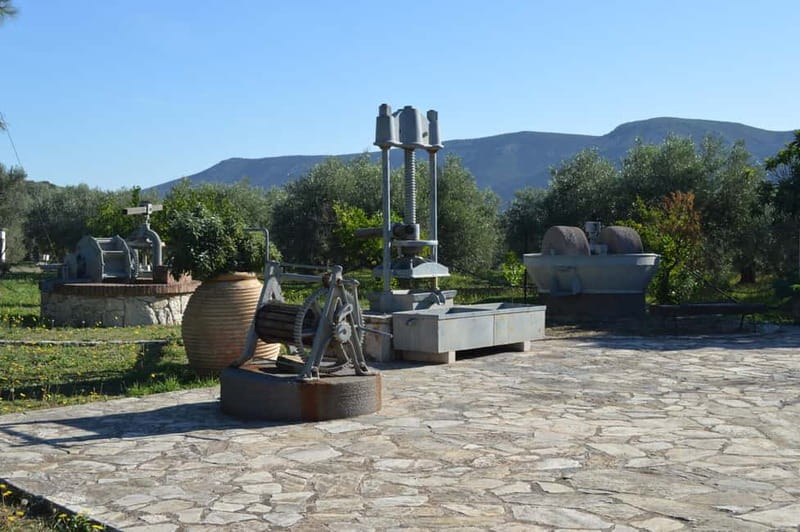
- Fourth-generation family estate: Learn about olive cultivation and production at the Kotsonis family property near Nafplio.
- Mando leads the English tour: Her presentation covers family history, farming methods, oil production, classification, and use.
- Tasting with a purpose: You taste different olive oils while learning how to recognize their characteristics.
- Useful kitchen advice: Cooking tips and information about olive oil’s health benefits make this more than a farm visit.
- Easy Peloponnese add-on: The estate is about 25 minutes from Nafplio and 35 minutes from Ancient Mycenae.
- Plan your own ride: Transportation is not included, so bring comfortable shoes, a hat, a camera, and some cash.
Why this estate visit is different from a quick tasting
Many olive oil stops can be over before you have learned what you are tasting. This one is built around the full path from tree to table. You start with cultivation, then move through extraction and classification before sitting down to taste different oils.
That order matters. When you know how olives are grown and oil is produced, the tasting has a clear purpose. You are not simply sampling several bottles and picking the one you like best. You are learning to connect flavor and quality with the way the oil is made.
The Kotsonis Estate has four generations of family experience behind it. That does not mean the visit is a formal history lecture. Instead, the family story helps explain why olive growing remains central to the estate and how knowledge passes from one generation to the next.
I also like that the activity welcomes people with no previous understanding of olive oil. You do not need to know the difference between varieties, grades, or production methods before arriving. The lesson is intended to move you from beginner to informed taster in a single visit.
More Olive Farm Visits in Greece
- Crete: Road-trip to Lasithi, Zeus Cave & Olive Mill Farm
★ 4.4 · 451 reviews - Heraklion: Olive Farm Tour with Tasting of Local Delicacies
★ 4.9 · 411 reviews - Lassithi, Zeus Cave, Olive Mill Farm & Knossos Combo Tour
★ 4.6 · 404 reviews
Meeting Mando at the Kotsonis Estate
Your visit begins at the estate itself, not in central Nafplio. The setting is part of the point. You are seeing olive oil in the place where the work begins, rather than only encountering it as a finished product in a shop.
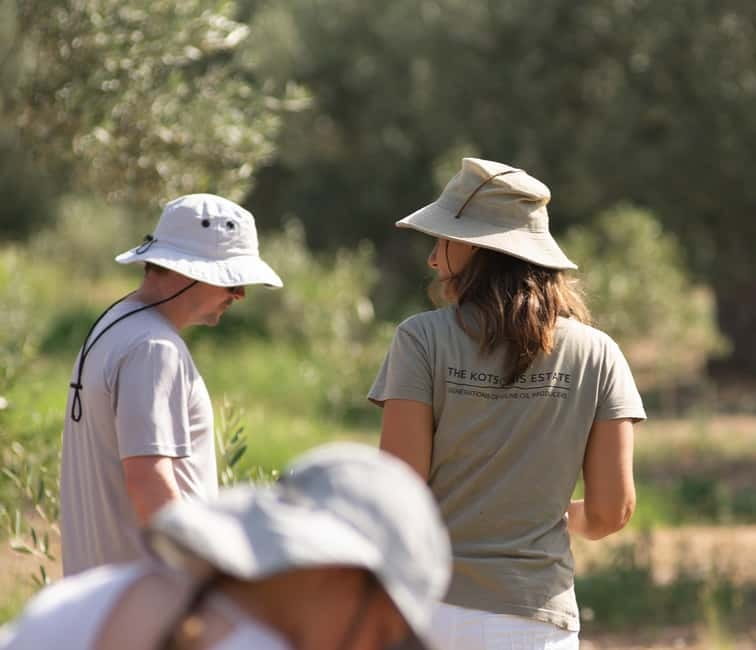
Mando leads the tour in English. Her role combines host, guide, and teacher. She explains the history of her family and the methods used at the estate, then ties those details to the oil you will taste later.
A particularly useful feature is the range of topics covered. The tour is not limited to farming. You learn about cultivation, extraction, classification, and everyday use, which gives you a more complete picture of Greek olive oil.
The family approach also keeps the visit personal. One of the strongest parts of Mando’s presentation is the connection between the property’s past and its current philosophy and methods. If you enjoy meeting the people behind a local product, this part will likely be more rewarding than a standard commercial tasting.
The estate welcomes couples, families, students, companies, and small or large groups. Since the supplied information does not give a fixed group size, ask for current group details if that affects your decision. The activity is designed for all ages and all levels of olive oil knowledge.
The one-hour guided tour: from tree to bottle
The guided portion lasts about one hour. That is long enough to cover the main subjects without turning the visit into a full-day agricultural course.
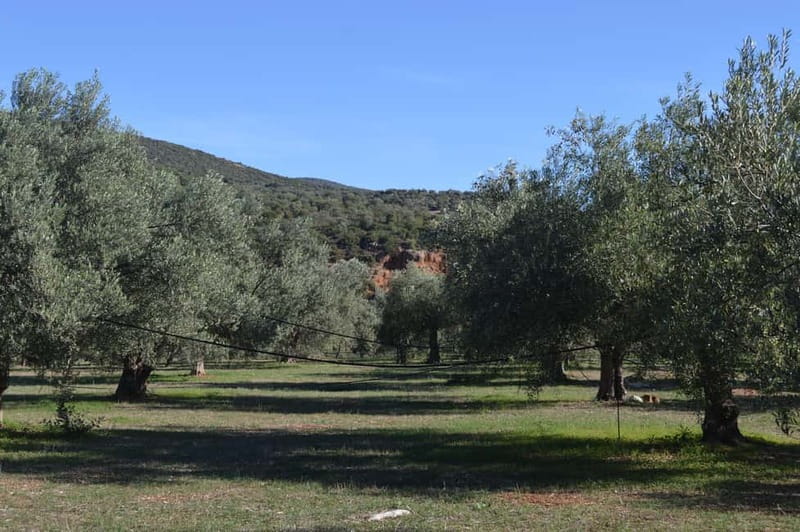
First comes cultivation. You learn about the work involved in growing olives and the factors that shape the final oil. The point is not only to see the farm, but to understand that the taste in your glass begins long before production.
The next step is extraction. Here, you become familiar with how oil is taken from the olives and why production methods matter. The tour then explains classification, giving you a framework for understanding why oils may differ in quality, taste, or recommended use.
This information is especially useful when you shop for olive oil later. Labels can seem technical, and supermarket shelves often offer many choices. After this tour, you should have better questions to ask and a clearer sense of what you are buying.
The tour also covers health benefits. The information is presented as part of the wider lesson on olive oil, rather than as a medical consultation. Think of it as useful food knowledge that helps explain why olive oil has such an important place in Greek cooking.
Bring comfortable shoes and a hat. Those are sensible choices for an estate visit, especially if you will be outside during part of the tour. A camera is also listed as a useful item, and cash may be handy, though the provided details do not specify what purchases or services require it.
Tasting several oils instead of just one
The tasting is the heart of the visit. You sample different olive oils and learn how to identify their characteristics, rather than simply being told which one is best.
Mando guides you through the differences in flavor. You may find that some oils seem mild while others have a stronger presence. The goal is to help you recognize what is in the glass and describe it with more confidence.
This is valuable for beginners because olive oil can be difficult to judge at first. You may know that you like one oil more than another, but not know why. A guided comparison gives you a practical way to notice those differences.
The tasting also connects directly to cooking. You receive advice on how to use olive oil in the kitchen, which helps turn the visit into something useful after you leave the estate. You can begin thinking about which type of oil suits particular foods and how flavor affects a finished dish.
I would not book this solely for a large meal. The included food is described as local snacks and a light lunch, not a full restaurant-style lunch. That is enough to support the tasting and make the visit more comfortable, but it should not replace your main meal plans for the day.
The tasting is also a good reason to avoid rushing to Ancient Mycenae immediately afterward. Give yourself the full 2.5 hours. This activity works best when you have time to listen, taste, ask questions, and enjoy the food without watching the clock.
Same groves, a different afternoon:
- Crete: Quad Safari, Olive Mill with Tasting & Ghost Village
★ 4.9 · 1,004 reviews - Knossos-Zeus Cave -Old Traditional Villages-Olive Oil Factory
★ 5.0 · 694 reviews - The Governor’s Olive Mill Tour with Olive Oil Tasting
★ 5.0 · 502 reviews - From Chania: Olive Oil, Wine, Cheese & Honey Tasting Tour
★ 4.6 · 490 reviews
Local snacks and a light lunch
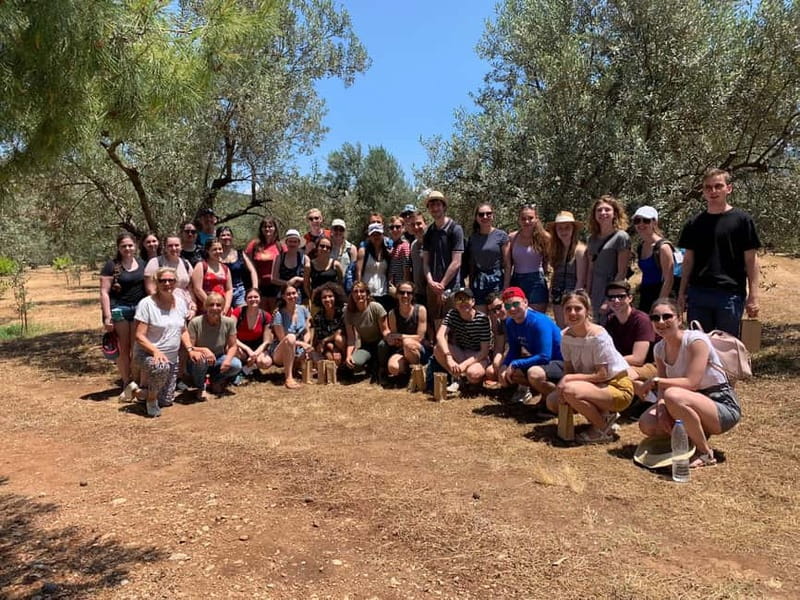
After the guided tour, the schedule allows about 30 minutes for local snacks. The included light lunch gives you a chance to connect the oil with food, which is more useful than tasting it in isolation.
Because the meal is light, plan your day accordingly. If you are visiting Ancient Mycenae or spending the afternoon in Nafplio, you may still want a proper lunch later. The food is part of the lesson and hospitality, not a substitute for a long restaurant meal.
The snacks also provide a natural pause after the information-heavy hour. You have just learned about cultivation, extraction, and classification. Sitting down with local food gives you time to think about what you tasted and which flavors you preferred.
The final stop is not a separate attraction. You return to the Kotsonis Estate, where the activity began. That keeps the outing compact and makes the timing easy to understand.
Fitting the estate into a Nafplio day
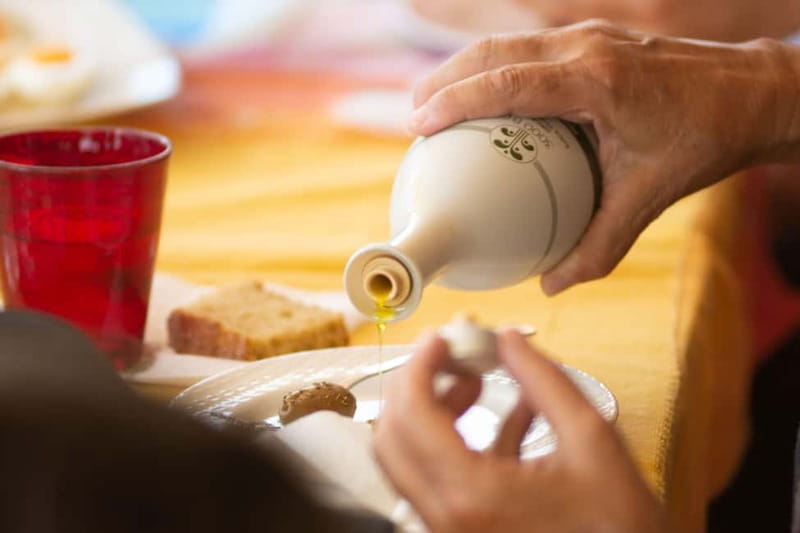
The estate is about 25 minutes from Nafplio, so it fits well into a day based in the picturesque city. You must arrange transportation yourself, which is the main logistical point to settle before booking.
It is also about 35 minutes from Ancient Mycenae. That makes it possible to pair the estate with the archaeological site, although you should allow enough time for both. A 2.5-hour olive oil visit, plus driving time, can take a substantial part of your day.
I would not try to squeeze this between several tightly timed stops. The attraction is the relaxed explanation and tasting, not checking in and out as fast as possible. Give yourself a generous buffer for the drive and for the possibility that you will want to ask questions.
The tour starts and ends at the estate. Since no transportation is included, confirm the meeting details when you book and plan the route in advance. The supplied information does not specify parking, pickup, or public transportation, so do not assume that a hotel transfer is part of the $70 price.
Is $70 a fair price?
At $70 per person, this is not the cheapest way to taste olive oil. You are paying for more than a few samples, though. The price includes a guided estate visit, instruction about cultivation and production, classification advice, a tasting, cooking tips, health information, and a light lunch.
The value is strongest if you want context. A bottle of oil costs less, and you could sample products in a shop for a modest sum. You would not get the fourth-generation family story, the farming explanation, or the step-by-step lesson on recognizing flavor.
The value is also stronger for a couple or family that enjoys food traditions and local agriculture. Parents can bring children, and the activity is suitable for all ages and levels of experience. Students and groups may also find the production lesson useful.
If your main goal is a substantial meal, a scenic drive, or a short photo stop, this may not be the right use of your time or money. The activity rewards curiosity. You should be ready to listen and taste rather than expect nonstop sightseeing.
The full rating record available for this activity is very positive. Roy from Canada praised the generational farm, the presentation, the content, and the setting. Karina from Canada specifically appreciated Mando’s welcome and the family story. Karen from the United States valued the history of production and the way the tasting clarified the properties of different oils. Beth’s assessment was brief and strongly favorable.
Those comments point to the same strengths I would focus on when deciding: the family setting, Mando’s presentation, and the educational tasting. They also suggest that the estate’s methods and philosophy are central to the visit, not just background decoration.
Who will enjoy this most?
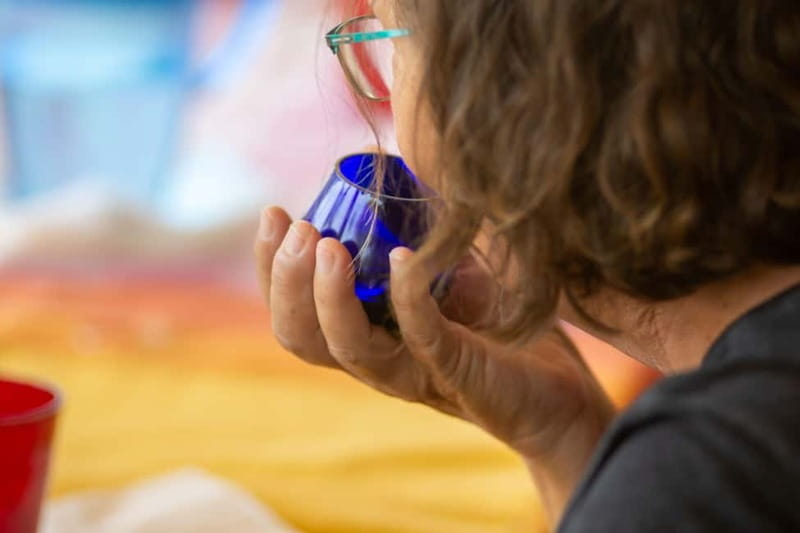
You should consider booking if you like food culture, family-run farms, and activities that teach you something practical. It suits a couple looking for a quieter half-day outing, a family wanting an all-ages activity, or a group interested in Greek agriculture.
It is also a good match if you are staying in Nafplio and want to see something beyond the old town and major monuments. The location makes it easy to add a rural stop to a Peloponnese itinerary, especially if Ancient Mycenae is already on your route.
You do not need prior olive oil experience. In fact, beginners may gain the most because the tasting gives you a vocabulary and method for judging what you try. People who already know olive oil can still appreciate the estate’s family background and production discussion.
You may want to skip it if you dislike organized instruction or if your schedule is packed with archaeological sites. The tour is two and a half hours, and the drive adds more time. It is not a quick roadside stop.
Practical details before booking
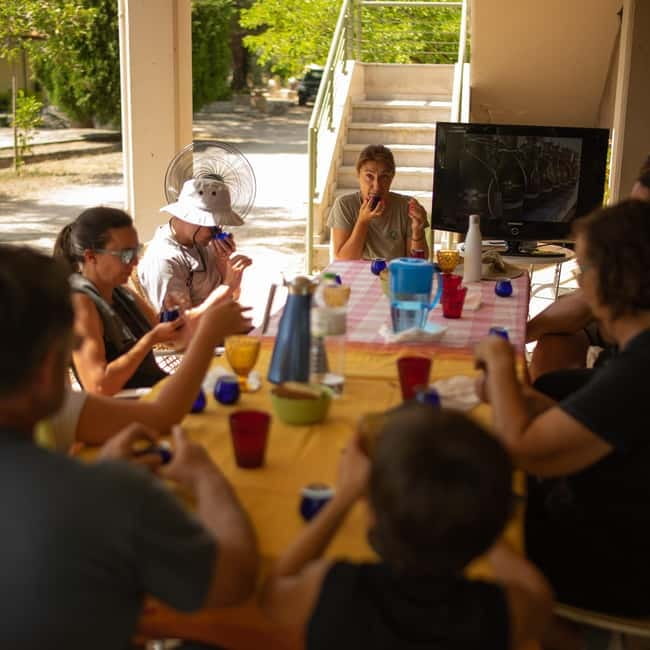
The tour is conducted in English with a live guide. It lasts 2.5 hours, beginning and ending at the Kotsonis Estate. The usual starting time depends on availability, so check the schedule before building the rest of your day.
Transportation to the estate is not included. The property is approximately 25 minutes from Nafplio and 35 minutes from Ancient Mycenae, but the exact drive can depend on your starting point and route.
Wear comfortable shoes and bring a hat. A camera is recommended, and you may want cash with you. The activity is suitable for all ages and all levels of olive oil knowledge.
You can cancel up to 24 hours before the activity for a full refund. A reserve-now, pay-later option is also available, which helps if your Peloponnese plans are still shifting.
Should you book the Kotsonis Estate tour?
Book it if you want a personal, useful introduction to Greek olive oil and have a way to reach the estate. The fourth-generation setting, Mando’s English presentation, and the guided comparison of several oils give the outing more substance than a simple tasting.
The $70 price is fair when you count the lesson, estate visit, tasting, cooking advice, health information, and light lunch. Just remember that it is an educational food experience, not a full meal or a transportation-inclusive excursion.
For a Nafplio itinerary with a free half-day, this is an easy choice for food lovers and curious families. If you are already planning Ancient Mycenae, compare the timing carefully and leave room for the drive. If you prefer fast sightseeing and minimal planning, spend your time elsewhere.
FAQ
Where is the Kotsonis Estate?
The Kotsonis Estate is in the Peloponnese, about 25 minutes from Nafplio and about 35 minutes from Ancient Mycenae.
How long does the olive oil tour last?
The complete activity lasts 2.5 hours. The guided tour takes about one hour, followed by roughly 30 minutes for local snacks and a light lunch.
Who leads the English tour?
Mando leads the tour in English. She explains the family history, olive cultivation, production methods, classification, and uses of olive oil.
What is included in the price?
The $70 price includes the olive oil tasting, cooking tips, information about cultivation and production, classification guidance, health information, a light lunch, and the estate visit.
Is transportation to the estate included?
No. You must arrange your own transportation to and from the Kotsonis Estate.
Is the activity suitable for beginners and children?
Yes. The activity is suitable for all knowledge levels and ages, and it is designed for couples, families, students, and groups.
Newest grove reviews around Greece
- Athens: Greek Wine & Olive Oil Tasting at Brettos Plaka★ 4.5 · 3 reviews
- Breakfast in the markets with olive oil and honey tasting★ 4.8 · 8 reviews
- PRIVATE RHODES TOUR + Lunch Stop & WINE/OLIVE OIL Tasting★ 5.0 · 2 reviews
- Olive Tour & Tasting★ 5.0 · 4 reviews
- Private Tour in Historic Estate in Monemvasia with wine-olive oil tasting & meal★ 5.0 · 4 reviews
- Olive Facility Visit with Olive Oil Tasting Session★ 5.0 · 2 reviews
- Olive Oil Tasting at the Mykonian Farm★ 4.5 · 3 reviews
- Olive Oil Tour close to Nafplio★ 4.5 · 3 reviews
Olive Farm Visits, compared.
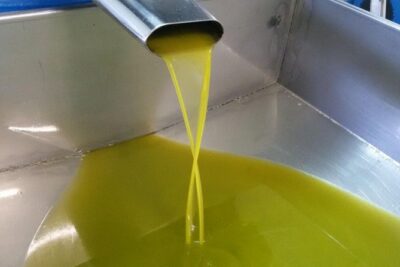
Sorrento Farm and Food Experience including Olive Oil, Limoncello, Wine tasting
Read our review →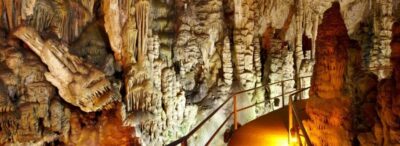
Road-trip to Lasithi, Zeus Cave & Olive Mill Farm
Read our review →
Olive Farm Tour with Tasting of Local Delicacies
Read our review →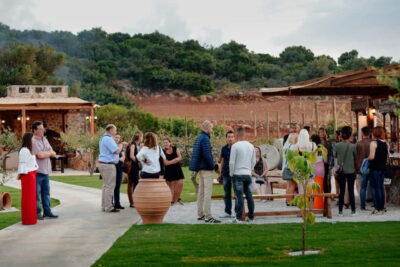
Lassithi, Zeus Cave, Olive Mill Farm & Knossos Combo Tour
Read our review →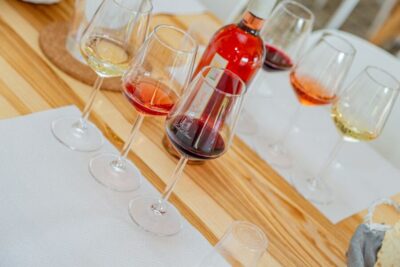
Traditional Olive Grove and Dragon Fruit Farm Tour
Read our review →
Moires: Cooking Class and Olive Oil Tasting at a Family Farm
Read our review →
Sóller: Olive Oil Guided Tour and Tasting at Can Det Estate
Read our review →Browse the lists this tour appears in